
The lion-headed statue of Hedderneheim is a reconstruction from fragments of two different sculptures.
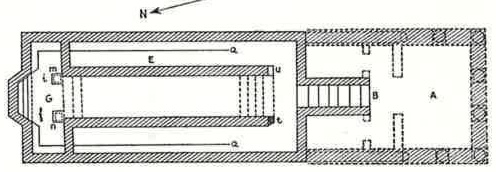
Second Mithraic sanctuary discovered in 1826 some 150 metres west of Mithraeum I at Heddernheim, ancient Nida, with finds in the Wiesbaden museum.
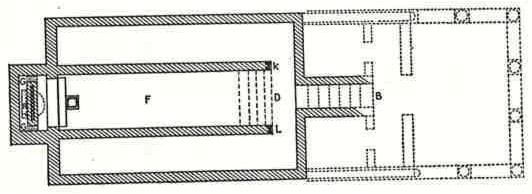
First Mithraic sanctuary discovered at Heddernheim (ancient Nida) in 1826, with finds preserved in the Städtisches Museum at Wiesbaden.
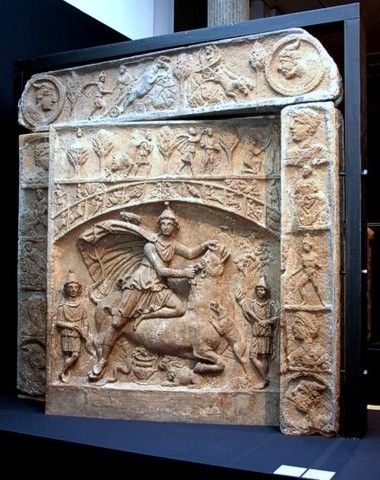
This relief is so well-known that it has been reproduced in nearly every handbook of archaeology and of history of religions.
Relief in red sandstone originally standing on a base in Mithraeum I at Heddernheim, ancient Nida, featuring the bull-slaying scene.
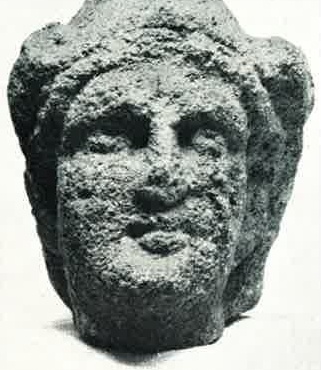
Sandstone fragment from Mithraeum I at Heddernheim, ancient Nida, probably the damaged head of a torchbearer, often misidentified as Mercury.

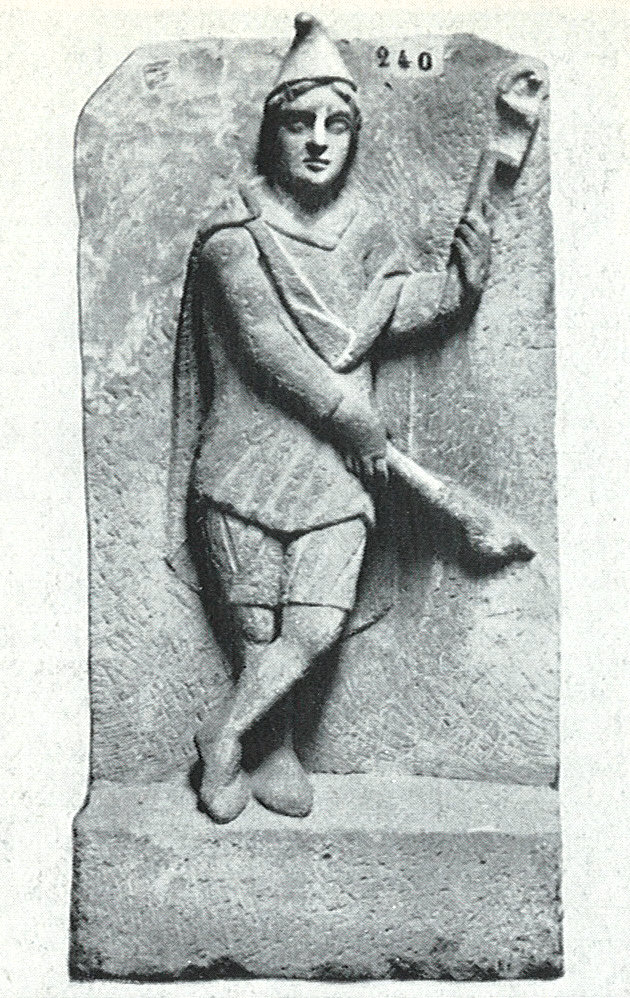
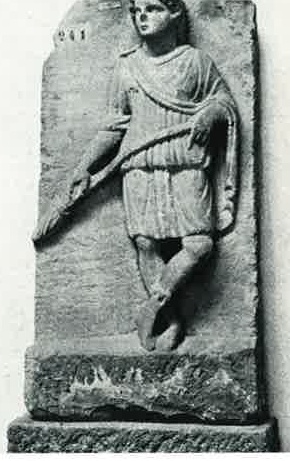
This Cautopates from Nida carries the usual downward torch in his right hand and a hooked stick in his left.
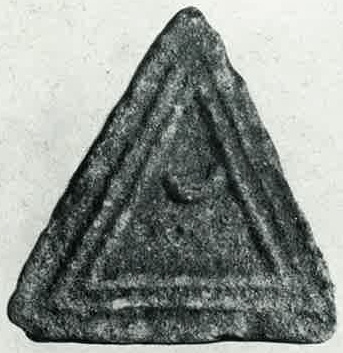
Triangular relief in yellow sandstone showing a crescent in relief.
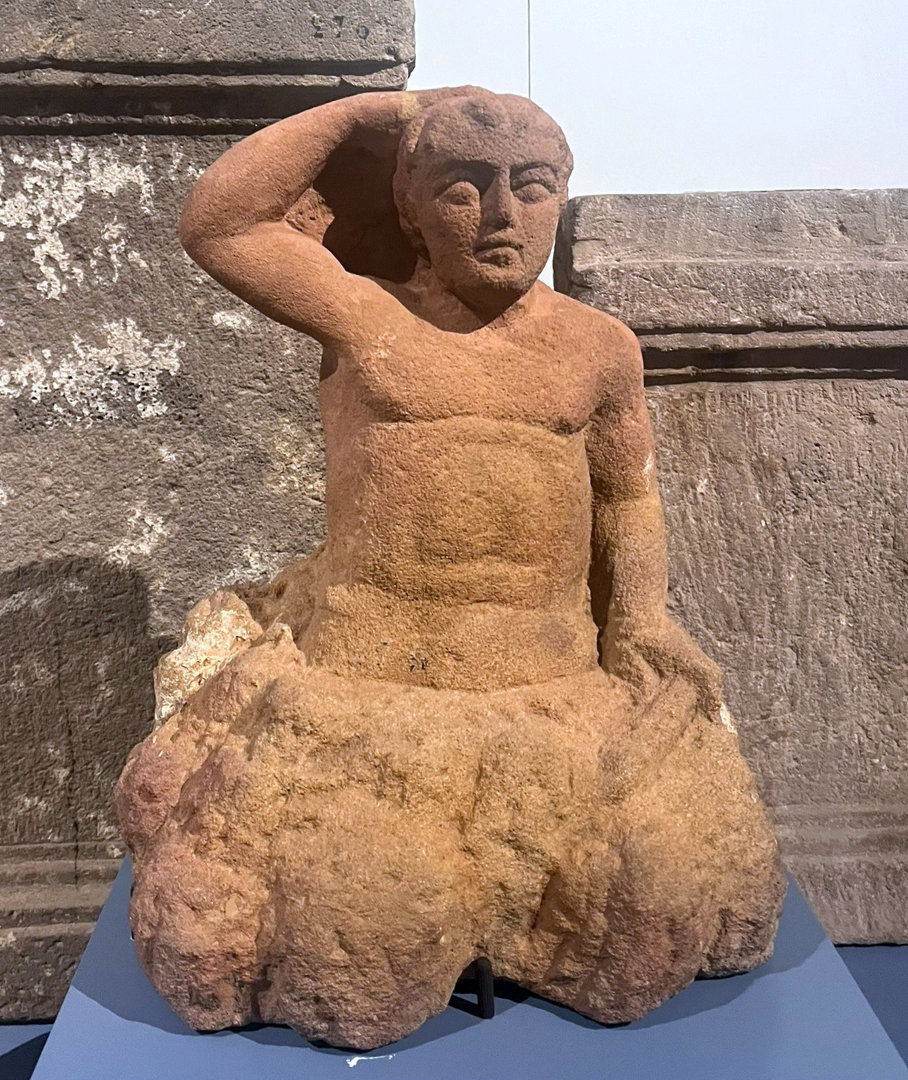
This sculpture of Mithras being born from a rock is unique in the position of the hands, one on his head, the other on the rock.
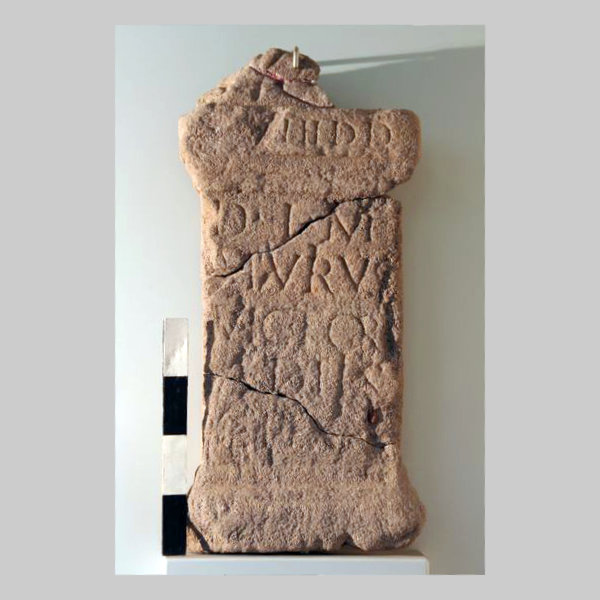
Marius Victor, according to the inscription on the monument, erected this monument to Mithras ’when Philip and Titianus were consuls’.
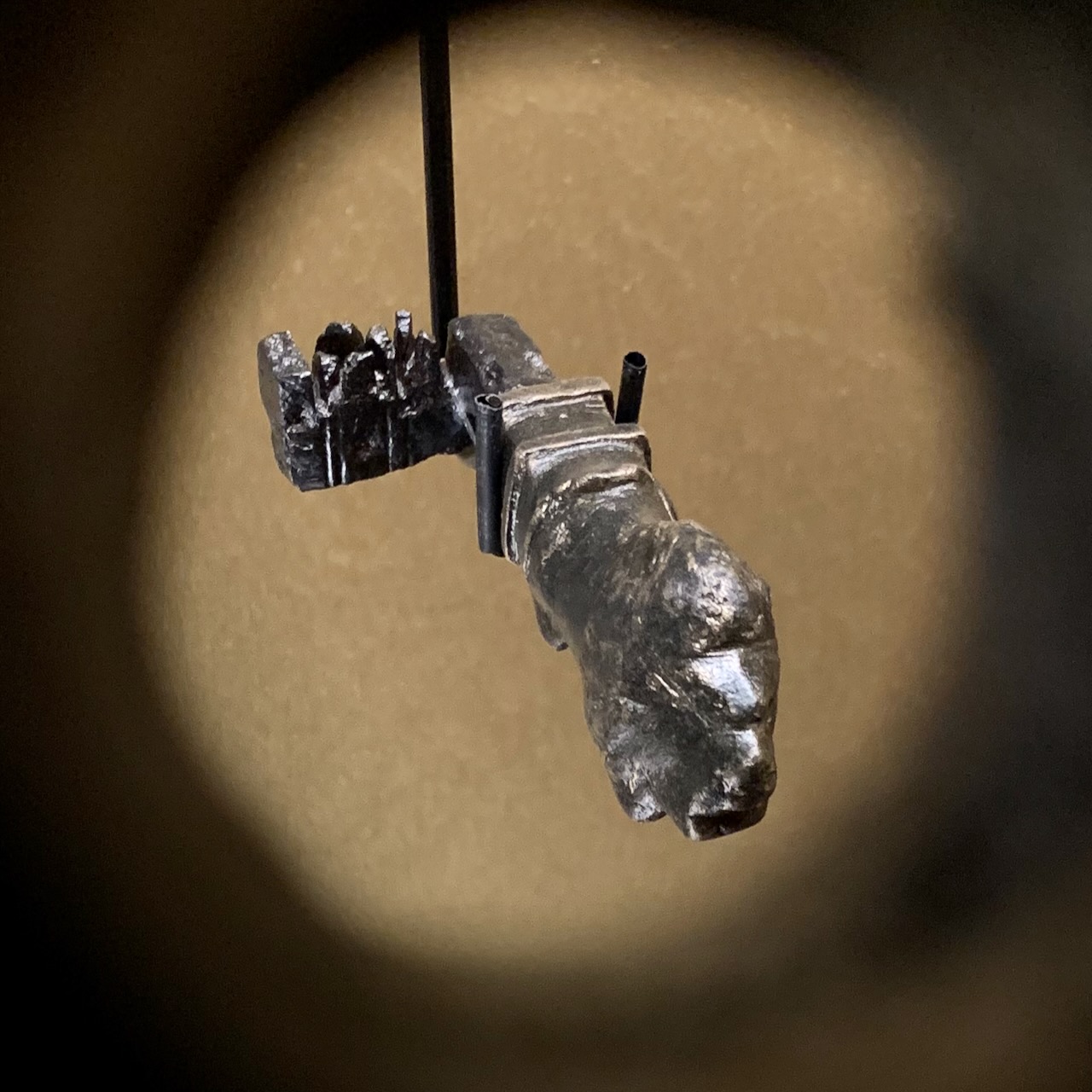
The key of Nida's Mithraeum III was decorated with a lion's head.
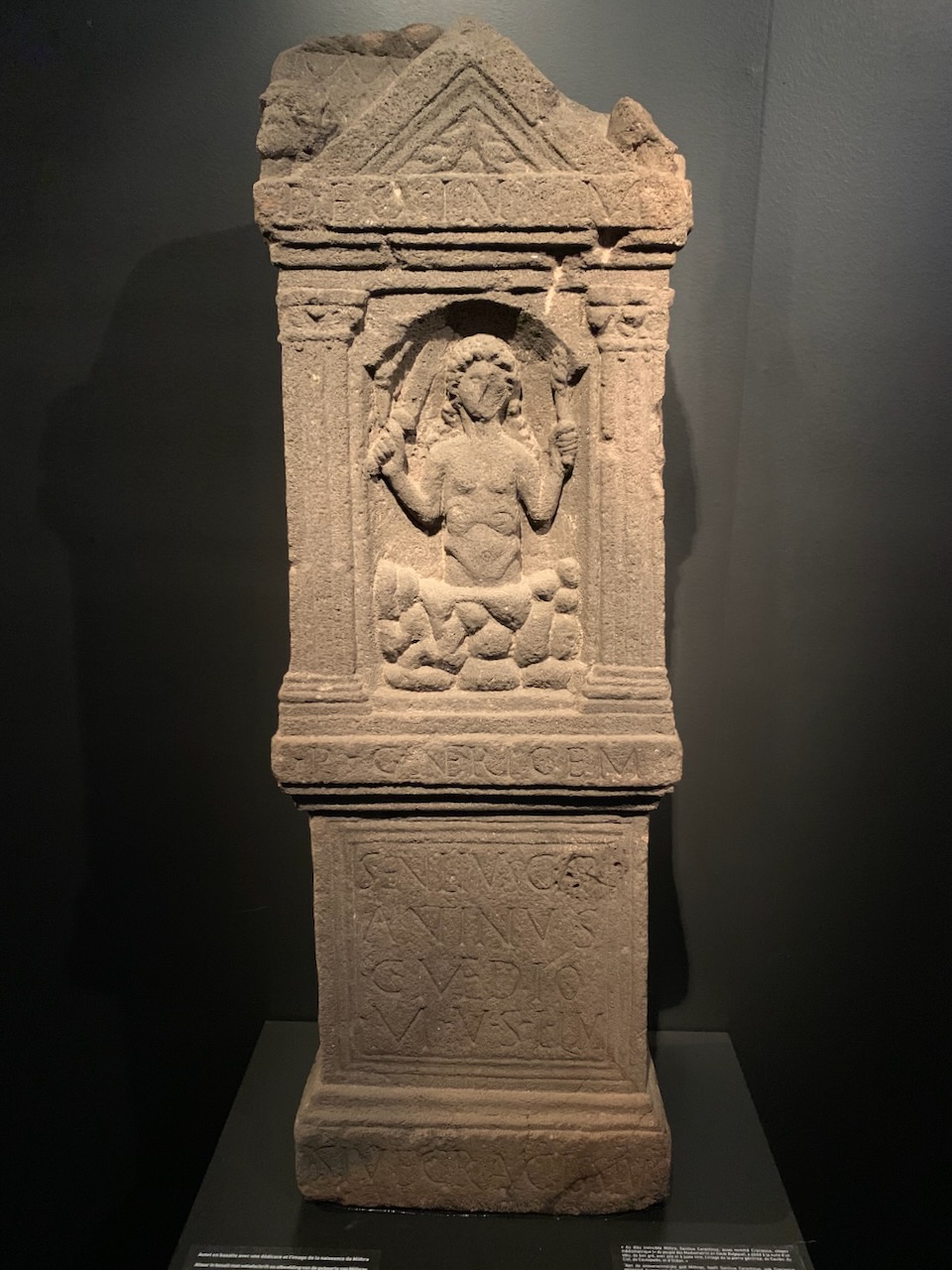
The Mithraic stele from Nida depicts the Mithras Petrogenesis and the gods Cautes, Cautopates, Heaven and Ocean.
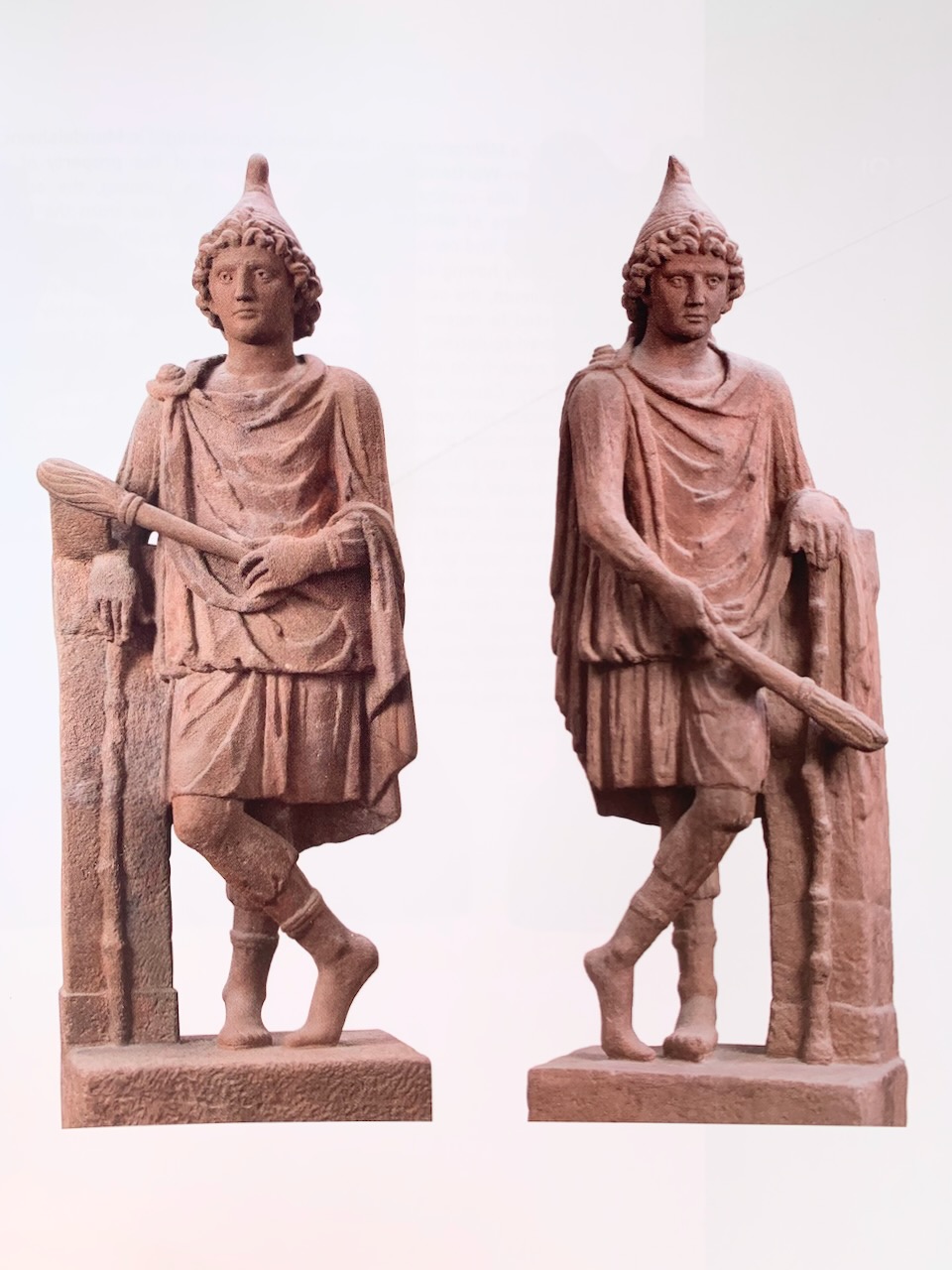
The two companions of Mithras carry a torch and a shepherd's staff at the third Mithraeum in Frankfurt-Heddernheim, formerly Nida.
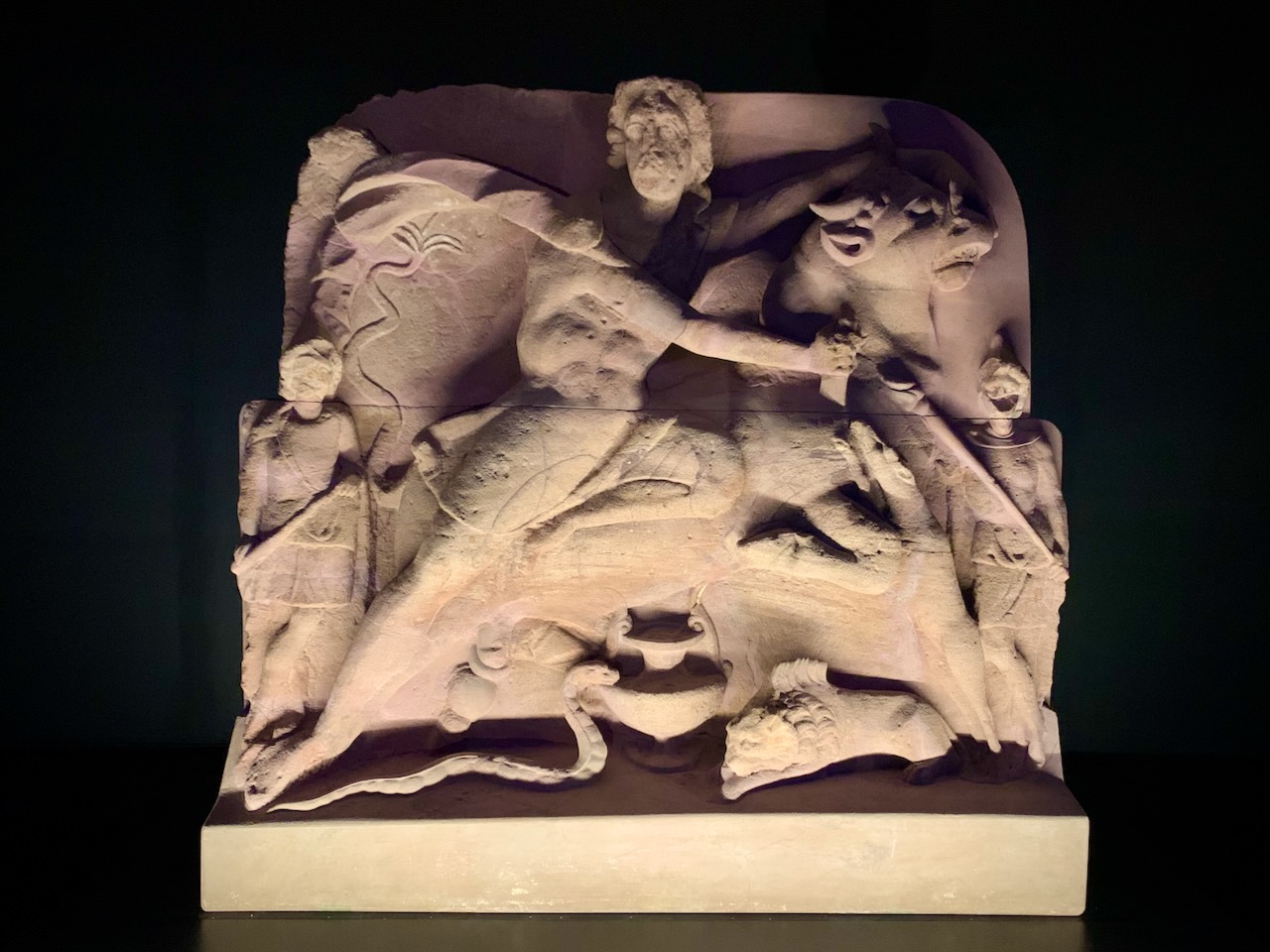
The relief of Mithras slaying the bull from Nida's Mithraeum III was found in two pieces in 1887, destroyed during an air raid on Frankfurt in 1944, and restored in 1986.
