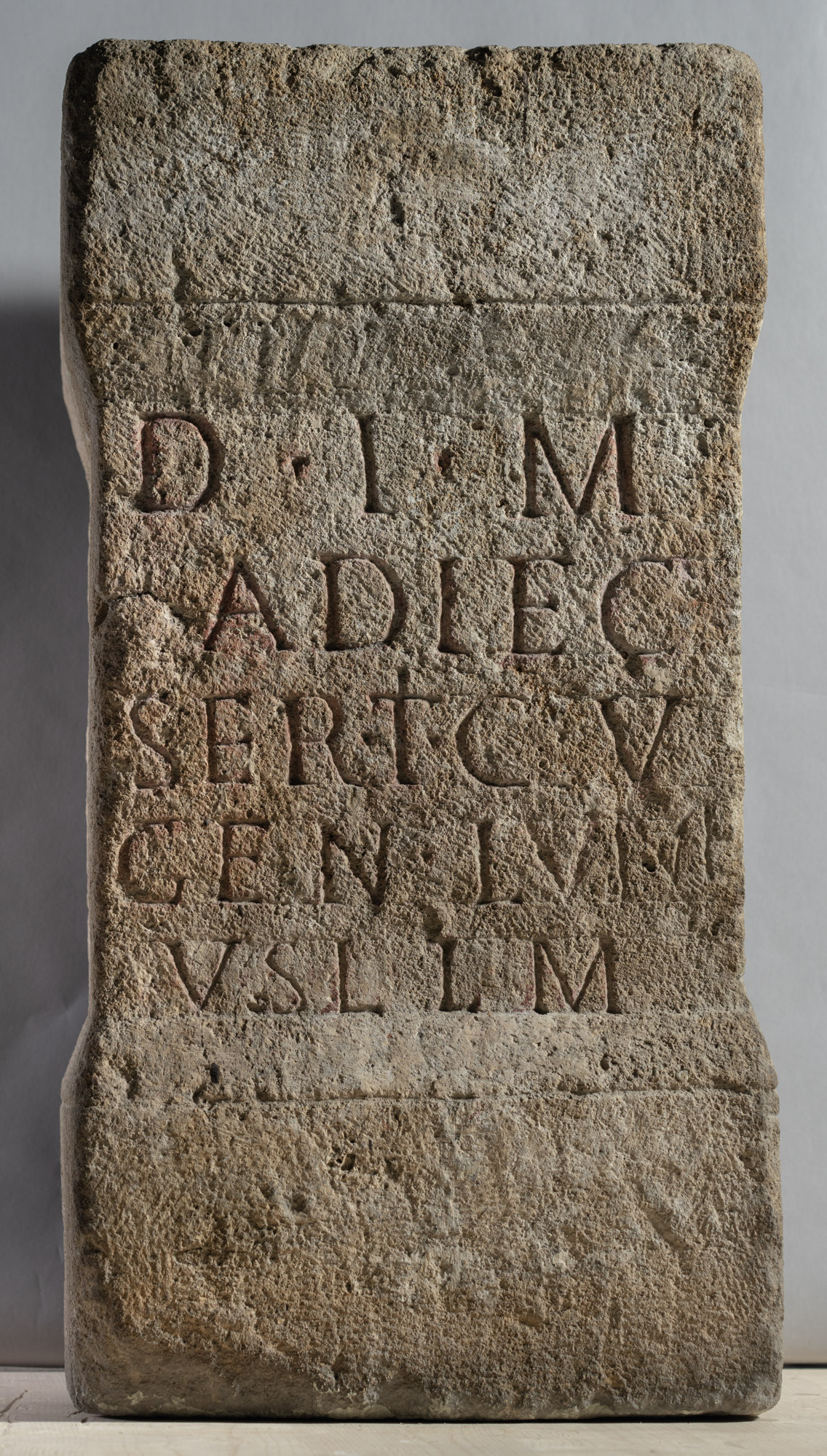
There is no consensus as to whether the altar of the slave Adiectus from Carnuntum is dedicated to a Mithras genitor of light.
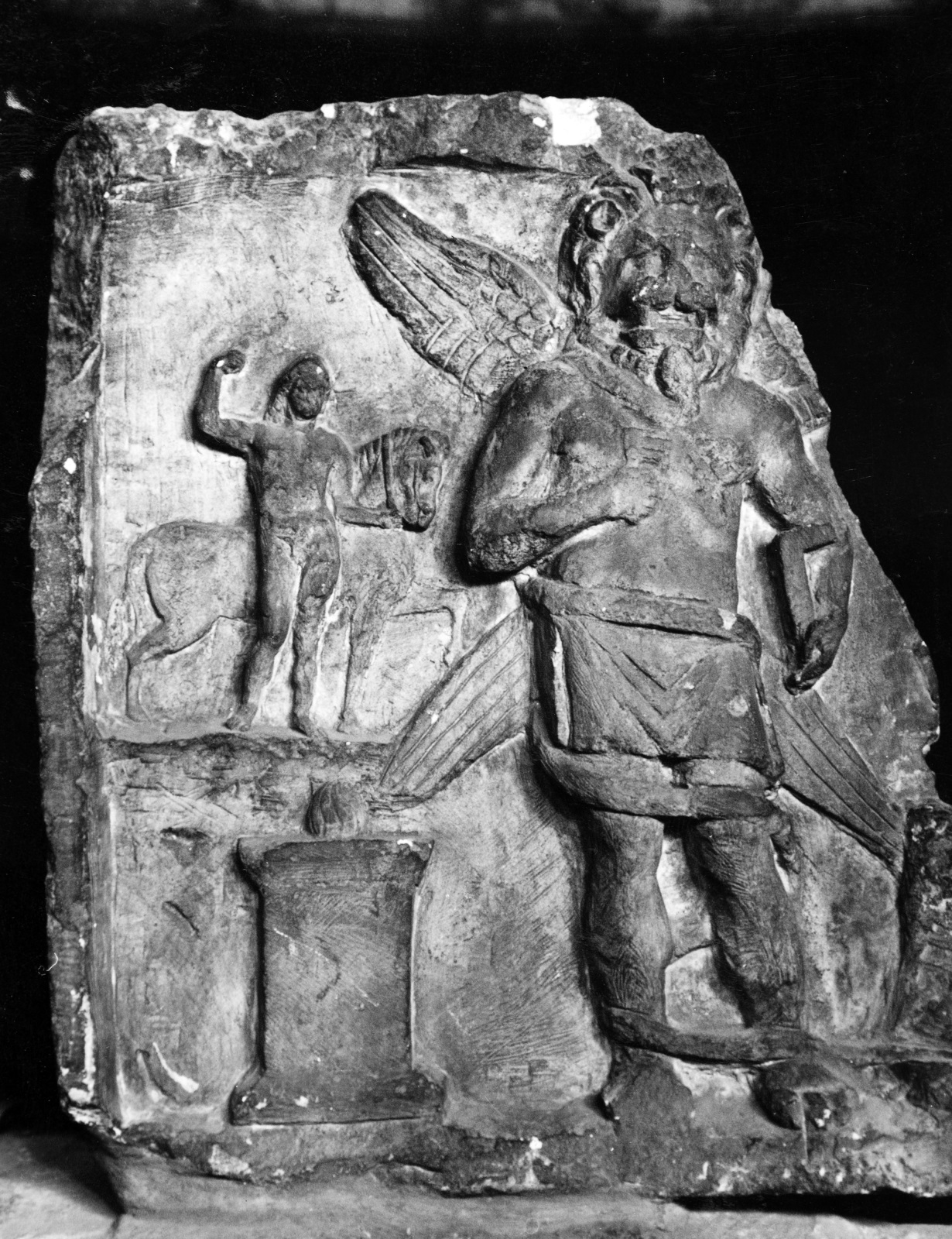
The relief of Aion from Vienne includes a naked youth in Phrygian cap holding the reins of a horse.
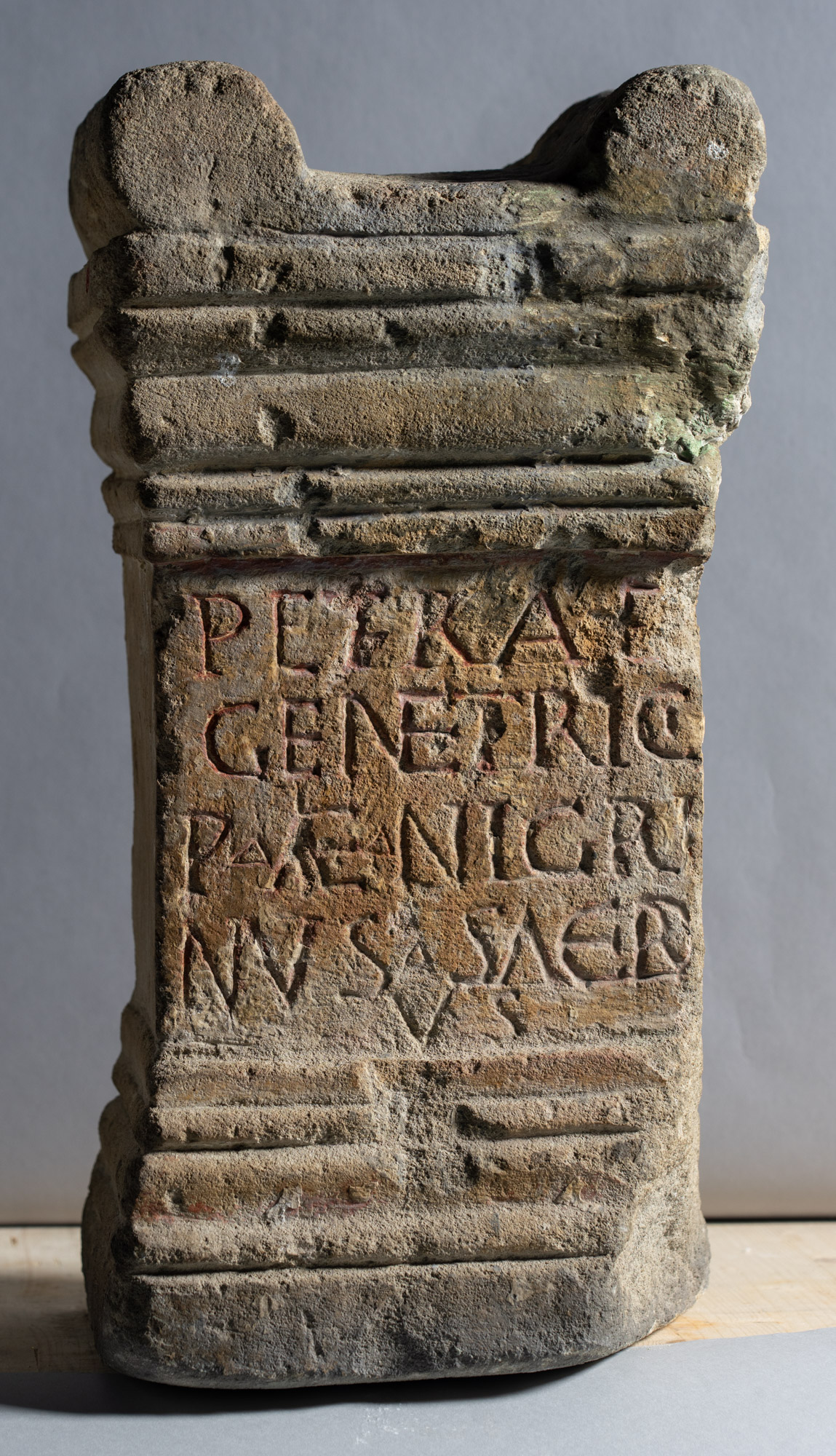
Aelius Nigrinus dedicated this small altar in Carnuntum to the rock from which Mithras was born.
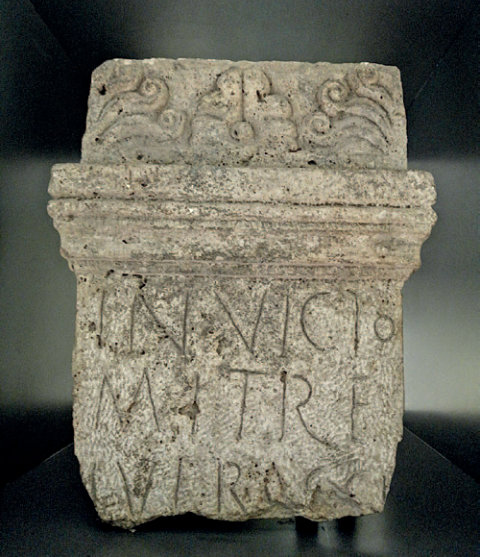
This Mithraic altar of a certain Iulius Rasci or Racci was found in 1979 in a field in Borovo, Croatia, in the area of the Roman fort of Teutoburgium.

This limestone altar dedicated to Mithras by a certain Veturius Dubitatus was found in Dalj, Croatia, in 1910.
A certain Secundinus, steward of the emperor, dedicated this altar to Mithras in Noricum, today Austria.
This sandsotne head with a Phrygian, found in Fürth in 1730, probably belonged to a torach-bearer.
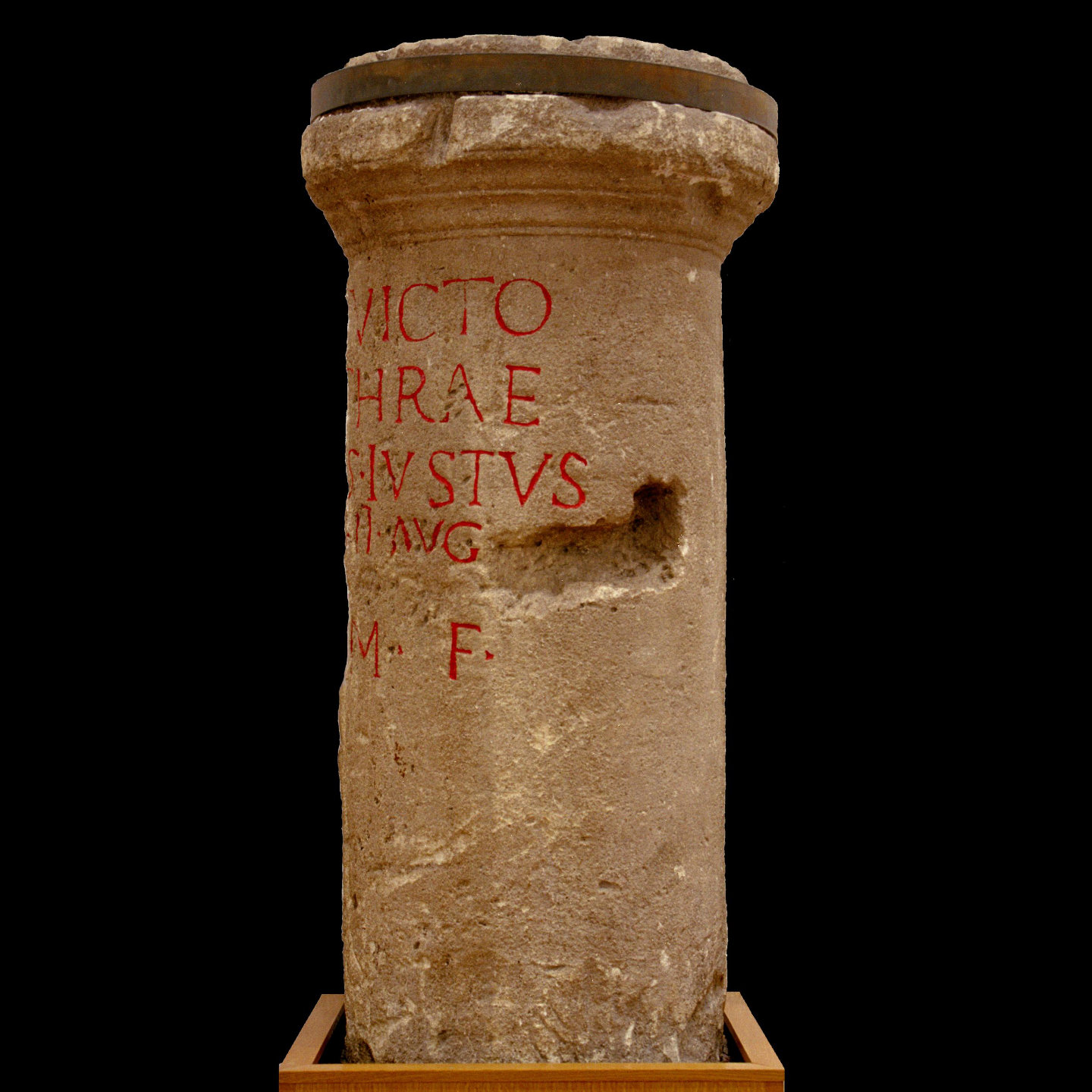
This oolite base, dedicated to the invincible Mithras, was found in the baths of the Villa de Caerleon, Walles.
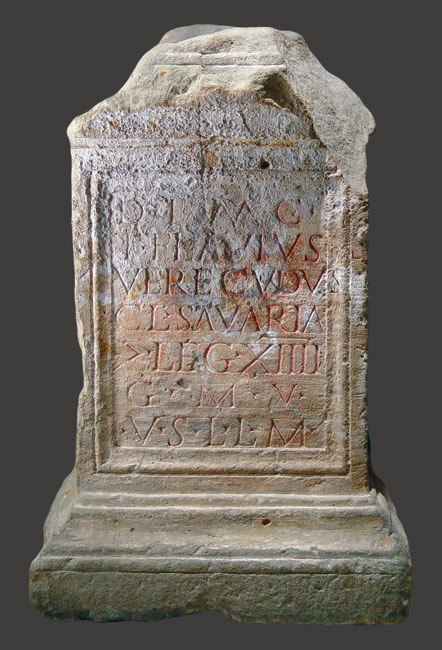
This monument to Mithras and Cautes (or Cautopates) was erected in Carnuntum by the centurion Flavius Verecundus of Savaria.
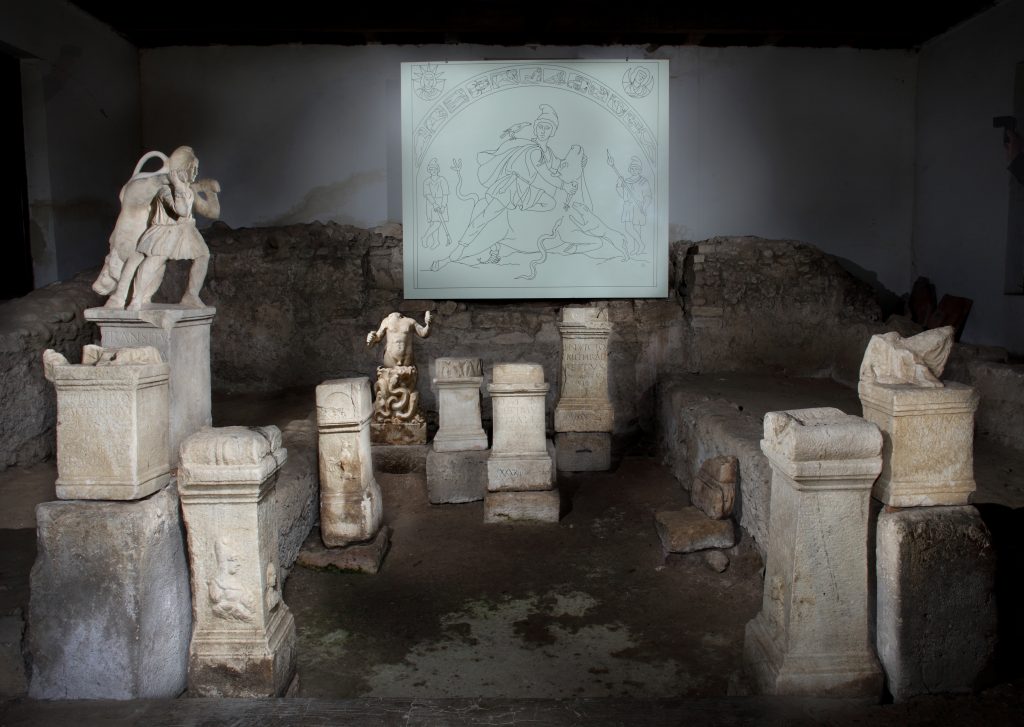
The Mithraeum I of Ptuj contains the foundation, altars, reliefs and cult imagery found in it.
This marble slab, found in the Mithraeum of San Clemente, bears an inscription by a certain Aelius Sabinus for the health of the Emperor Antoninus Pius and his sons.
This marble bust of Sol, found in the Mitreo di San Clemente, had five holes in the head where rays had been fixed.
This elliptical terracotta fragment from Ostia depicts Mithras as a bullkiller.
Minto has claimed that the time god Aion was painted on the corner of the north wall of the Mitreo de Santa Capua Vetere.

A statue and a relief of Cautes have been found in an ancient Gallo-Roman site in the commune of Dyo.
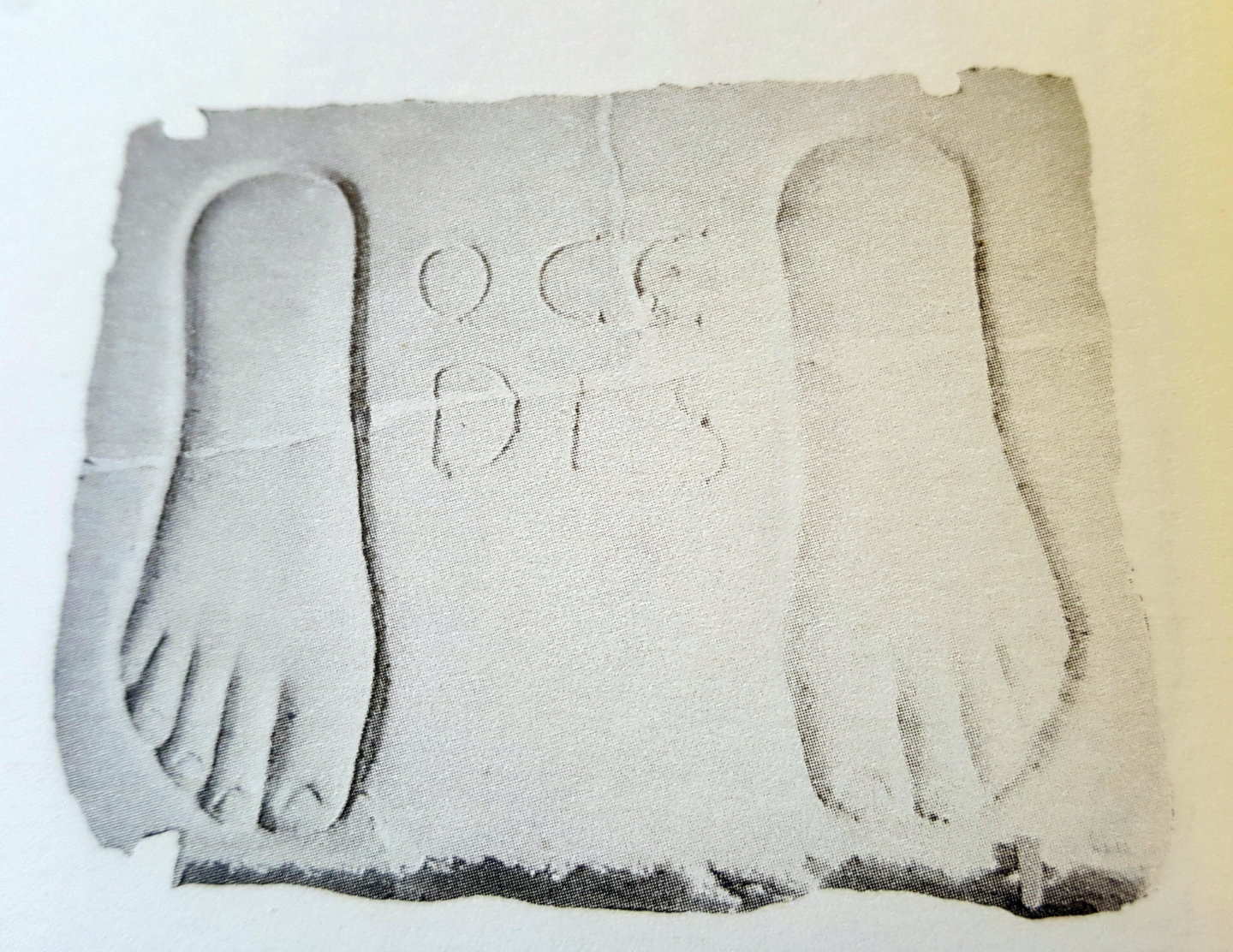
Recent interpretations link this marble inscription to the cult of the goddess Nemesis.
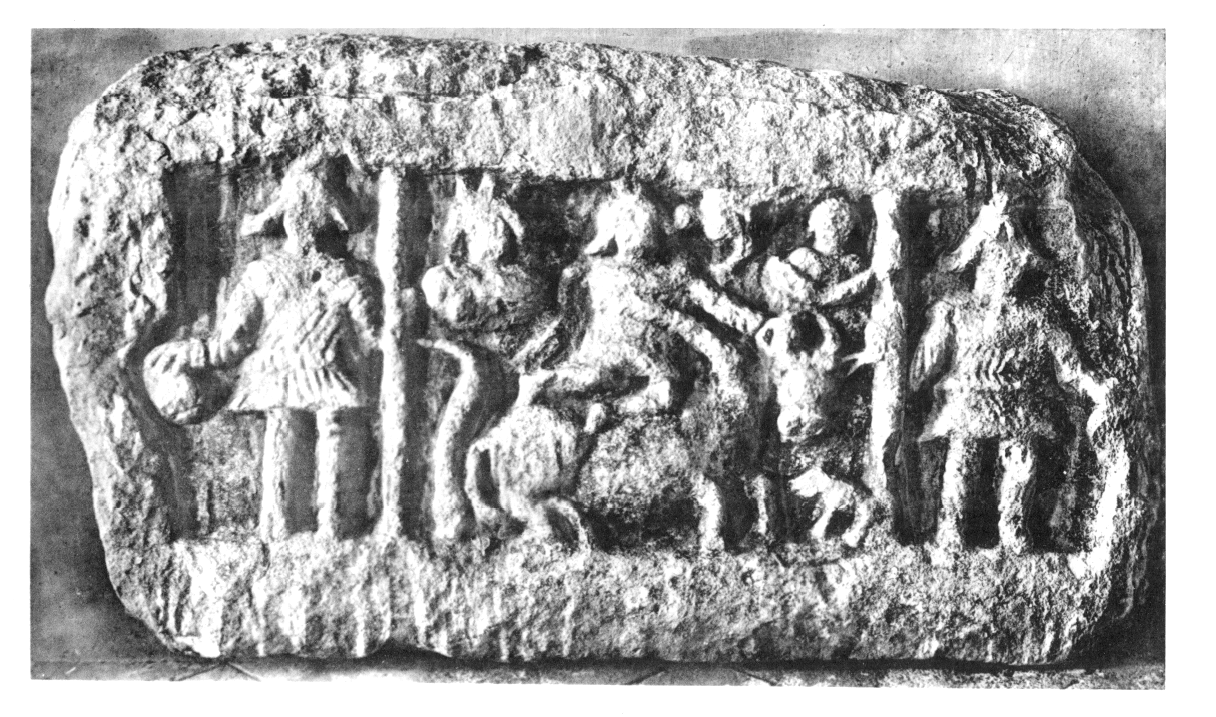
This relief of Mithras as bull slayer is surrounded by Cautes and Cautopates with their usual torch plus an oval object.
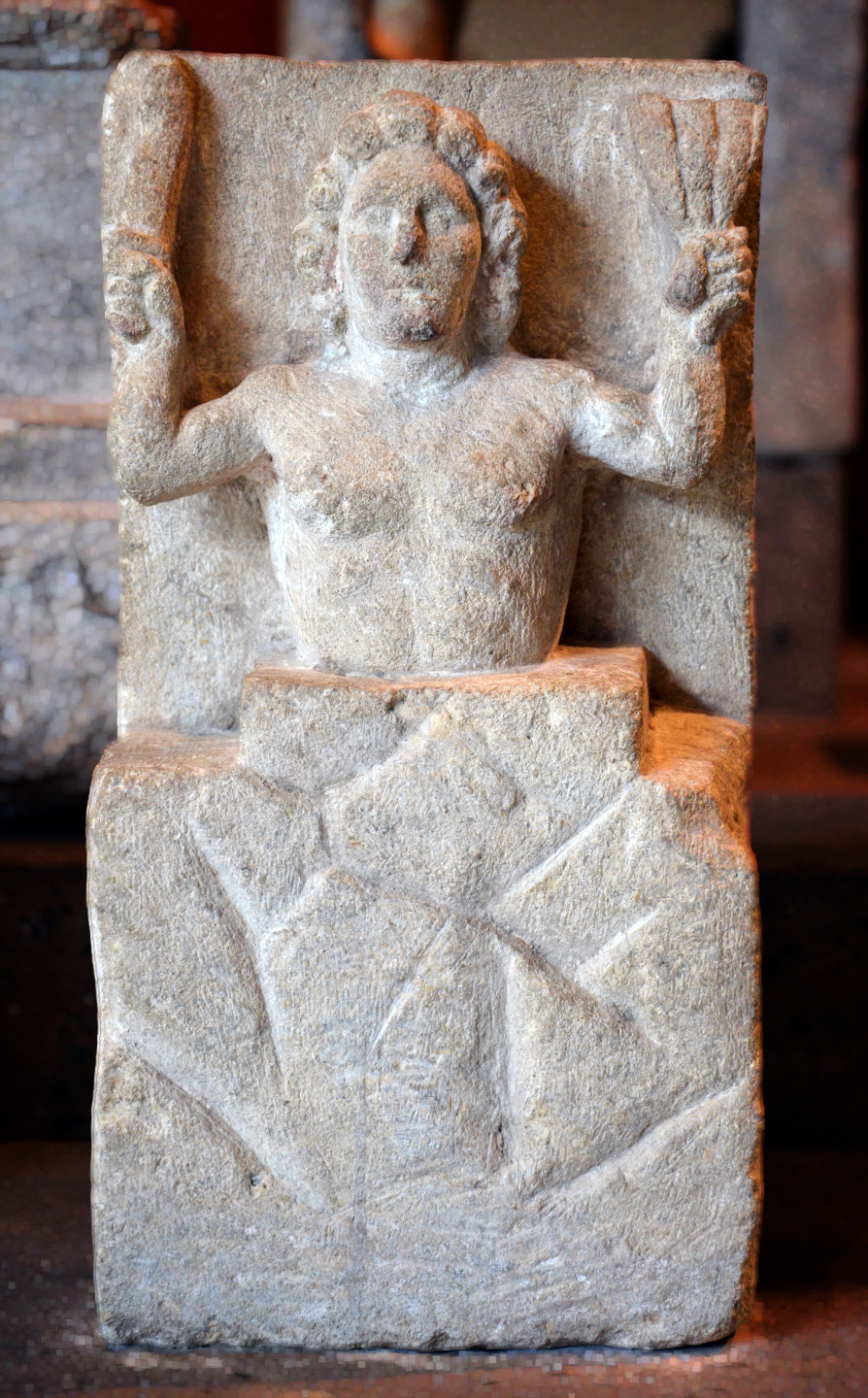
In this relief of the rock birth of Mithras, the child sun god holds a bundle of wheat in his left hand instead of the usual torch.
The Mithraeum I of Cologne is situated amid a block of buildings. It was impossible to narrowly determine its construction and lay-out.
This small monument without inscription was found in Bingem, Germany.
