Your selection in monuments gave 384 results.
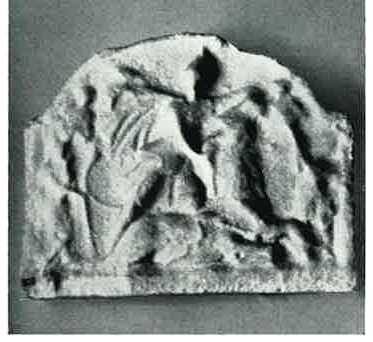
Small marble tauroctony relief from Ruše, Noricum, depicting Mithras killing the bull in a grotto, notable for the unusually elongated neck of the bull; dog and serpent approach the wound, and the raven perches above.
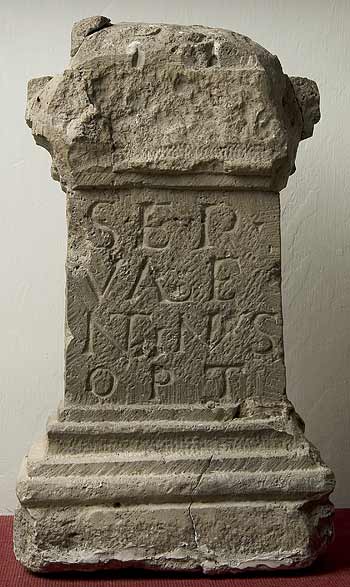
Limestone altar dedicated to Cautes by the Roman optio Septimius Valentinus, discovered in the Mithraeum of Sárkeszi in Pannonia Inferior.
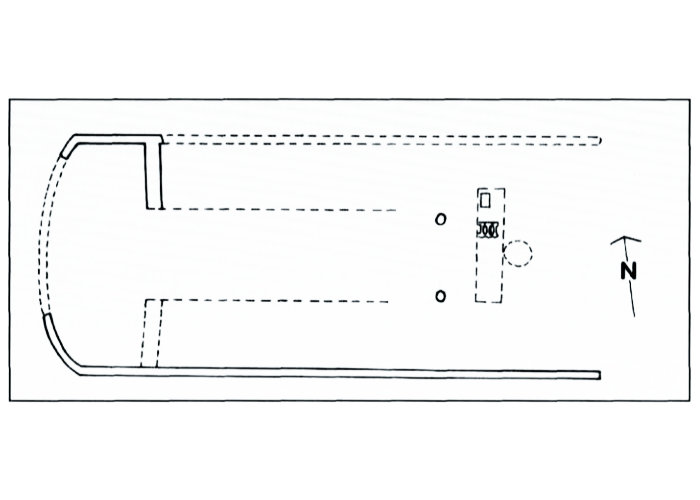
One of the largest known Mithraea in Pannonia, the sanctuary of Sárkeszi stood near the Roman road linking Herculia and Aquincum.
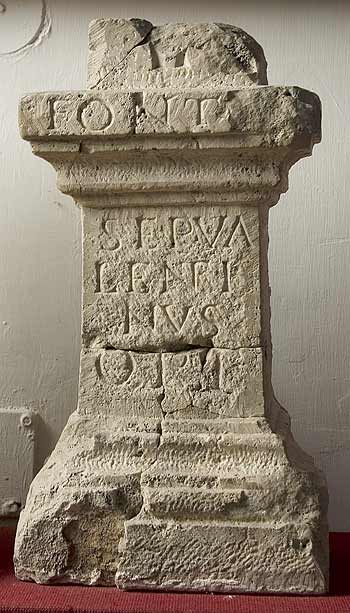
Fragmentary limestone altar dedicated by Septimius Valentinus, an optio, probably discovered in Mithraeum IV at Aquincum.
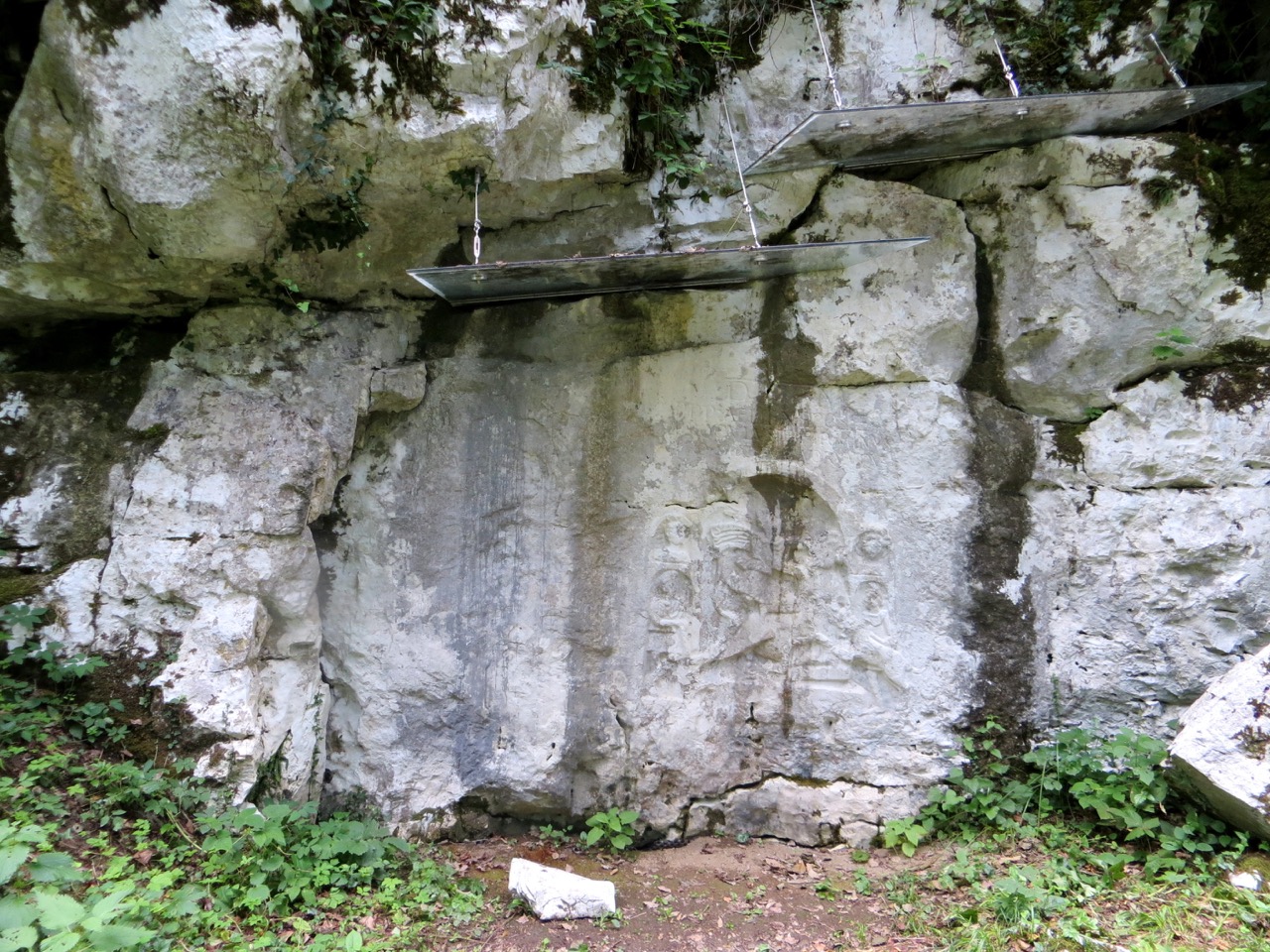
According to Hitzinger remnants of animal bones were found in front of the relief of the Mithraeum at Rozanec.

A probable Mithraic sanctuary at Poetovio, identified by Vermaseren as the so-called Mithraeum IV on the basis of four associated inscriptions.
This inscription probably belonged to the fourth mithraeum of Poetovio and records the restoration of a Mithraic temple by the dux Aurelius Iustinianus.
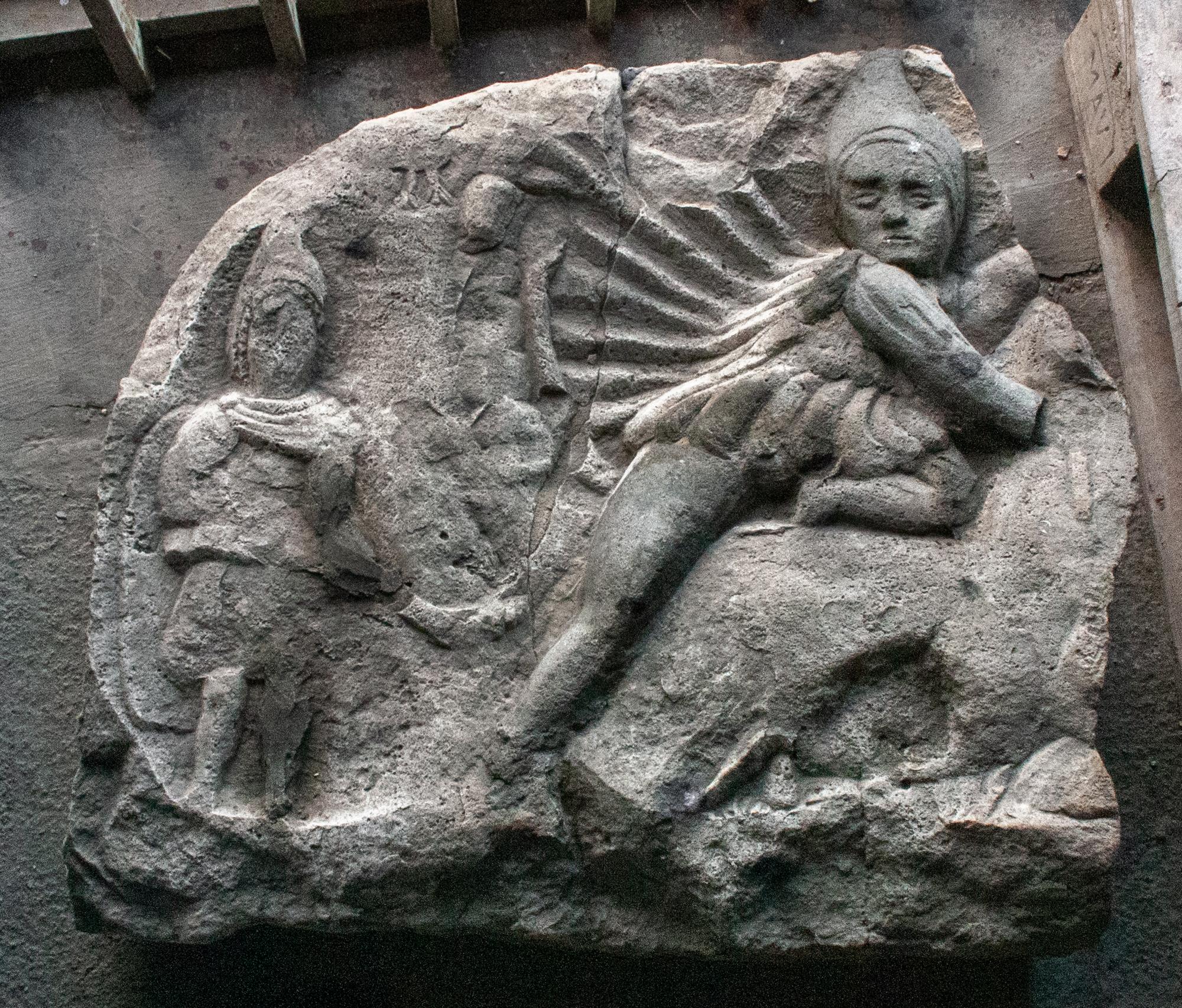
This limestone tauroctony from Aquincum preserves Mithras slaying the bull together with Cautopates, the serpent, the scorpion, and the legs of the raven.

These six marble fragments from the Second Mithraeum of Poetovio preserve parts of tauroctonies together with figures of Sol, Cautes, and Cautopates.
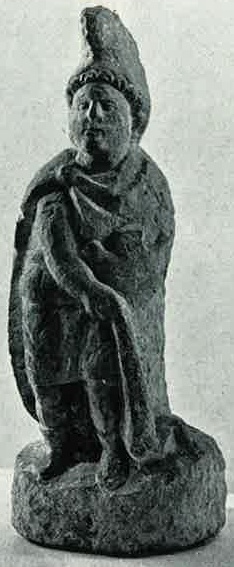
This statuette of Cautopates from Intercisa shows the torchbearer holding a burning torch and a pelta at his side.
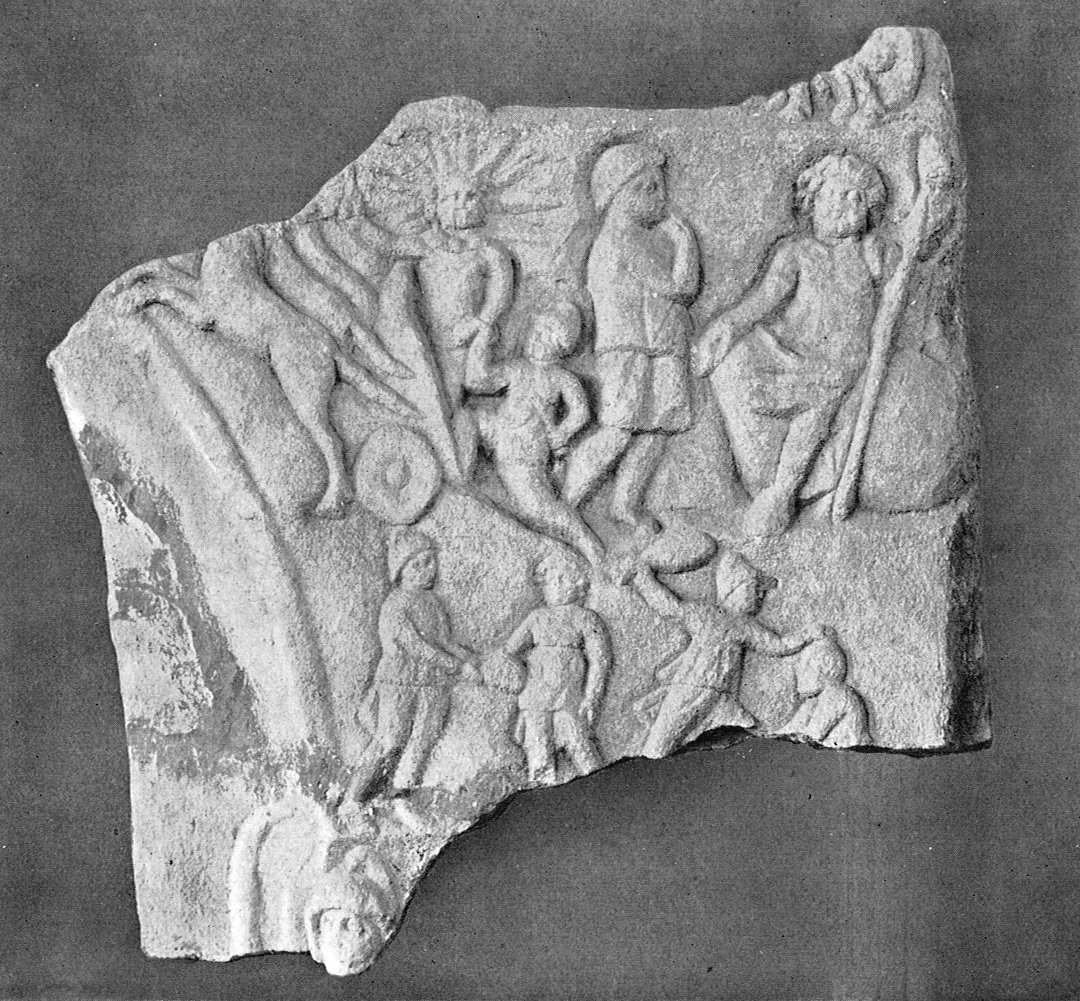
Several Mithraic scenes, including Mithras with Saturn, Mithras with Sol and Mithras' Ascension, are depicted on this fragment of a relief from Ptuj.
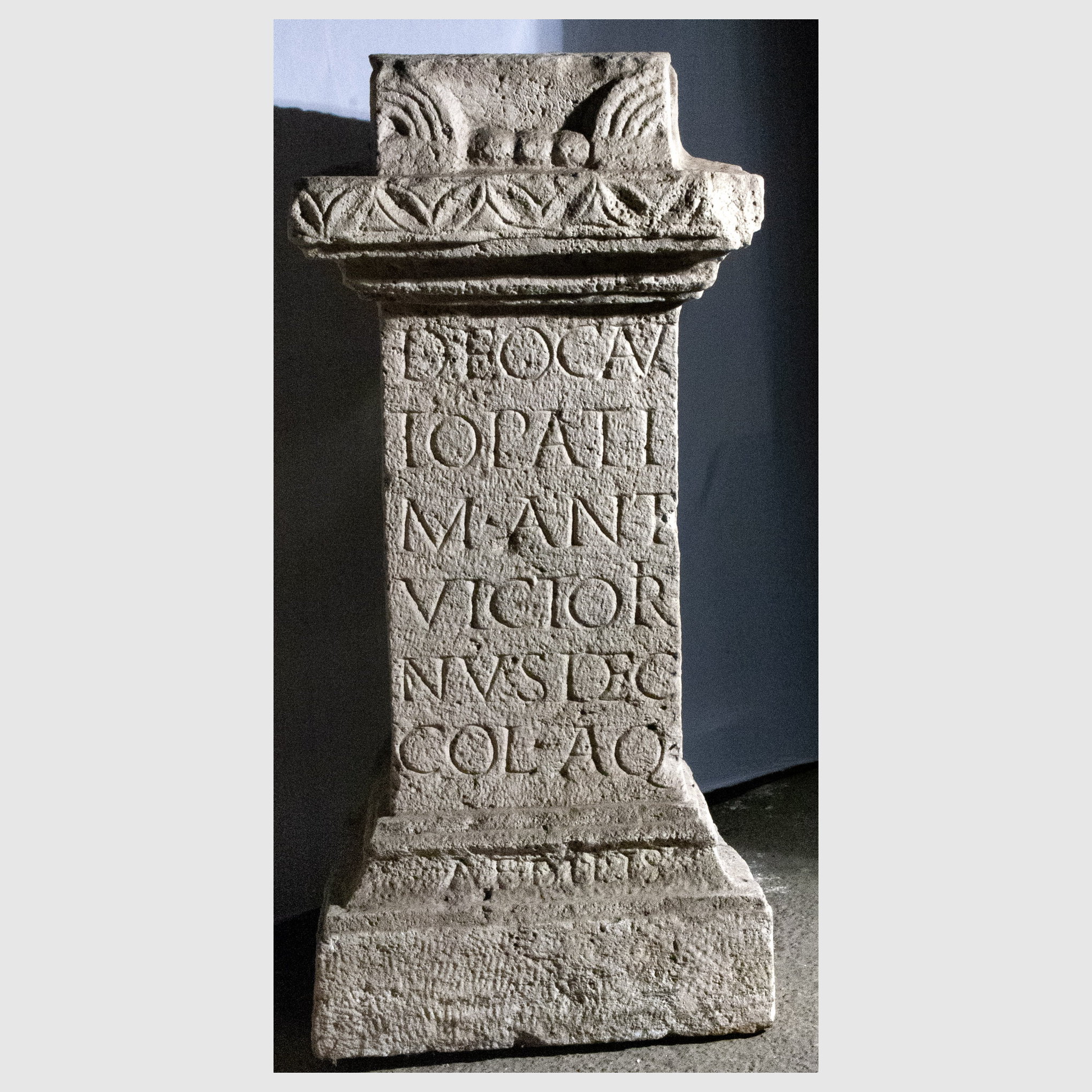
These two altars, erected by a certain Victorinus in the mithraeum he built in his house, bear inscriptions to Cautes and Cautopates.
Fragments of this limestone statue include the head and torso of Mercury, holding the caduceus in his left hand.
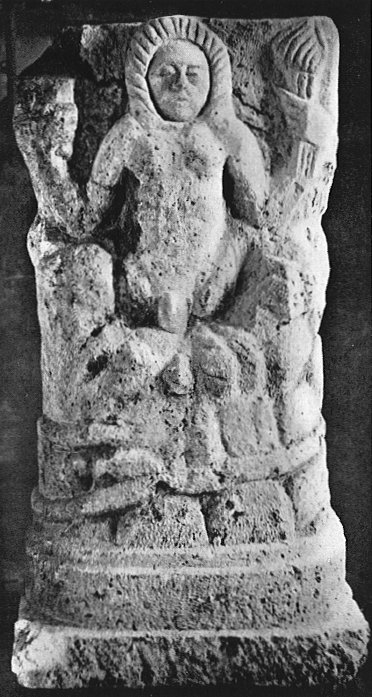
Another sculpture of Mithras rock-birth from the Mithraeum of Victorinus, in Aquincum.
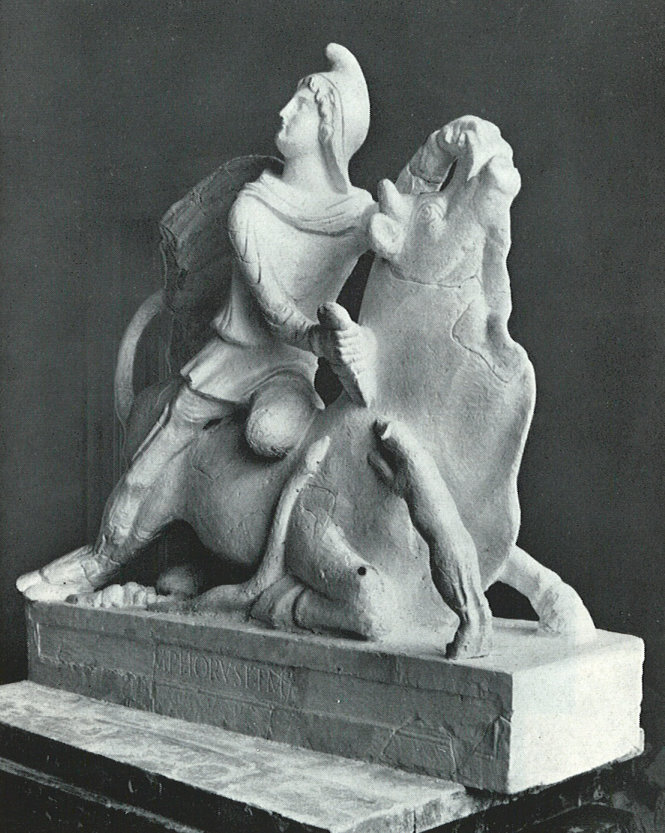
This sculpture of Mithras killing the sacred bull bears an inscription that mentions the donors.
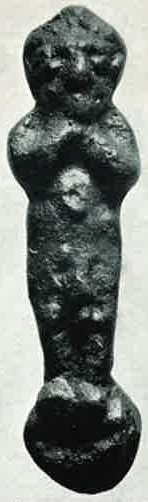
Bronze fibula from Petronell-Carnuntum, depicting a standing lion-headed Aion.
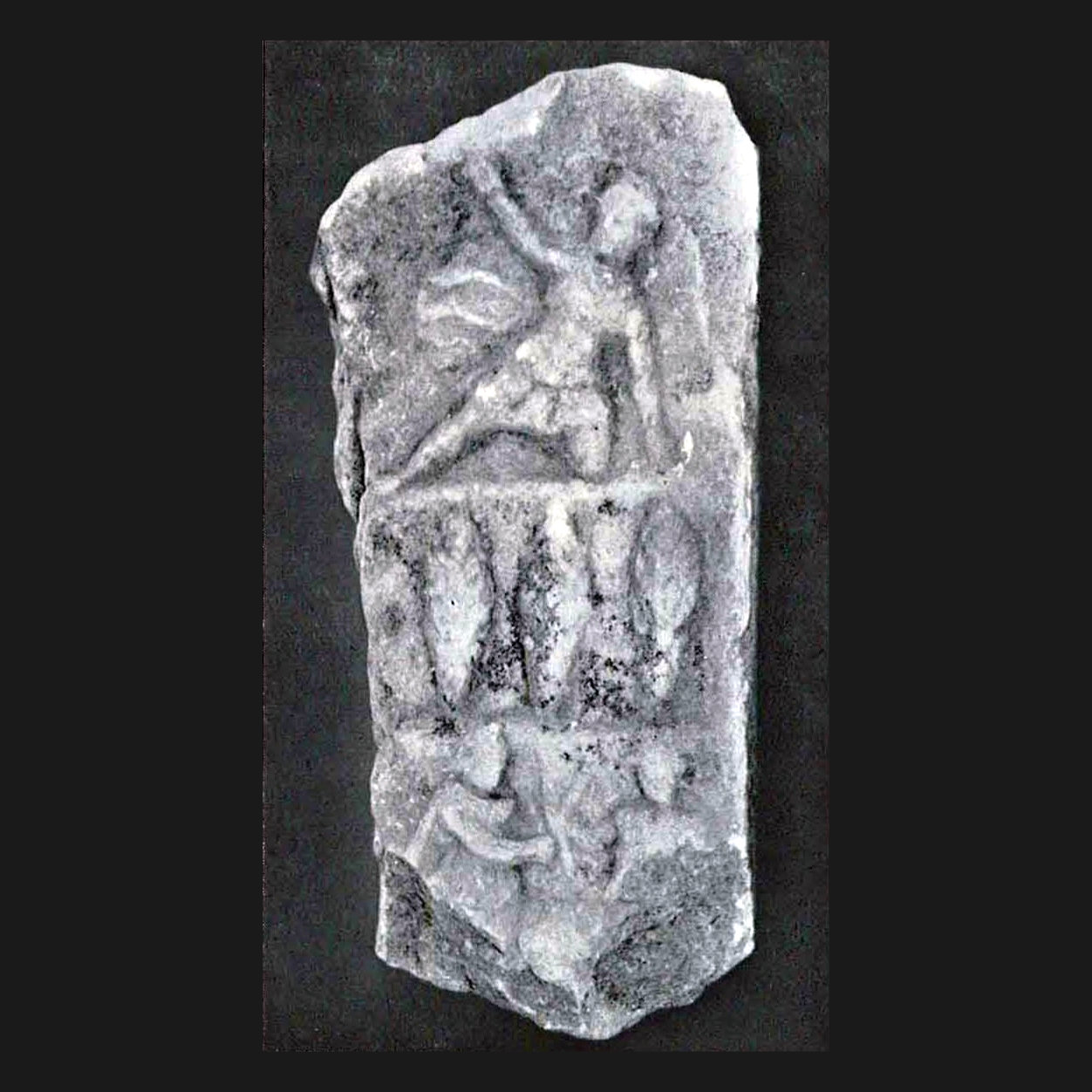
These fragments of a cult relief of Mithras were found at the Mithraeum II of Ptuj, Slovenia.
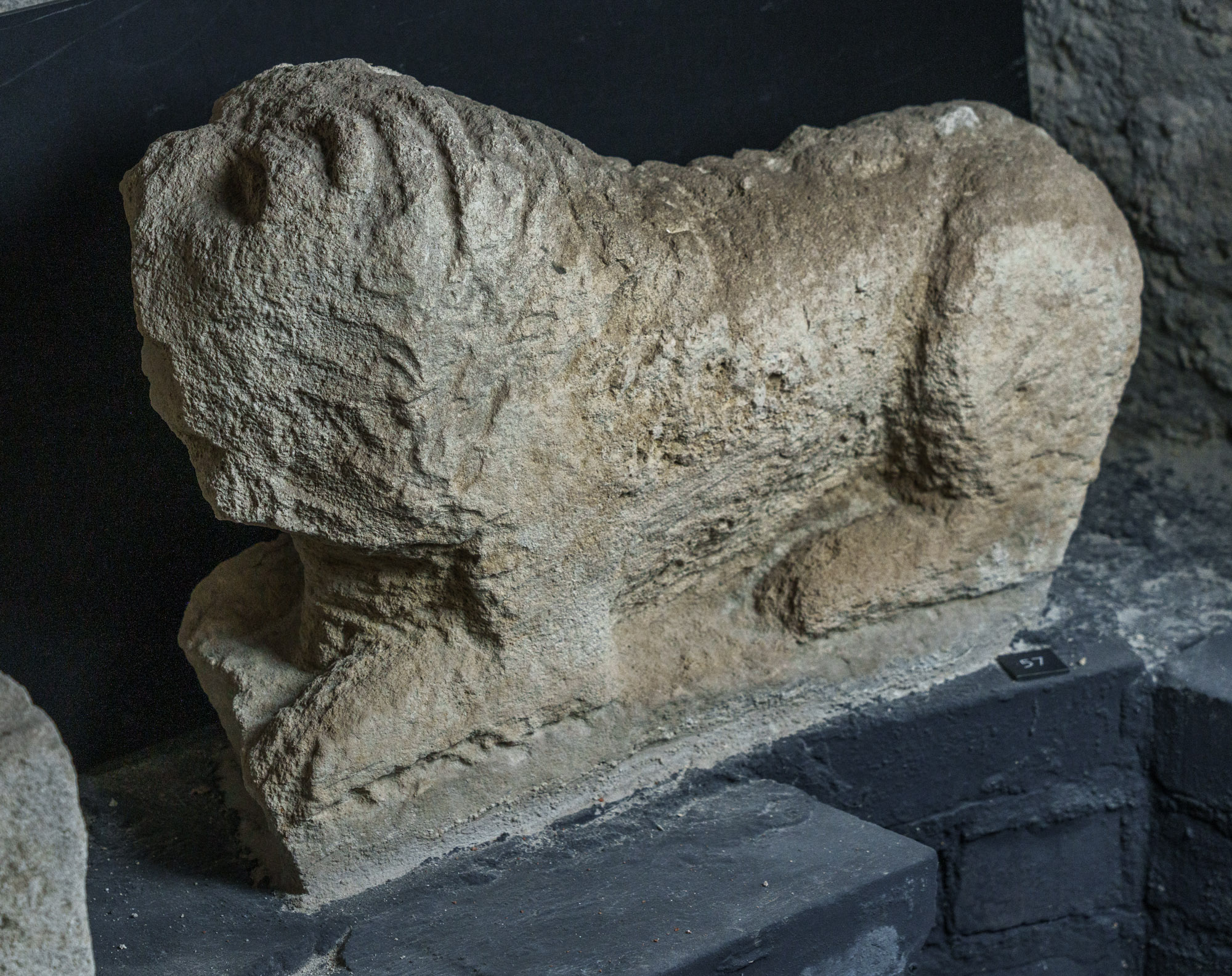
Two limestone sculptures depicting a recumbent lion and a lioness stood near the entrance of the Mithraeum of Fertőrákos, positioned at the threshold of the sanctuary.
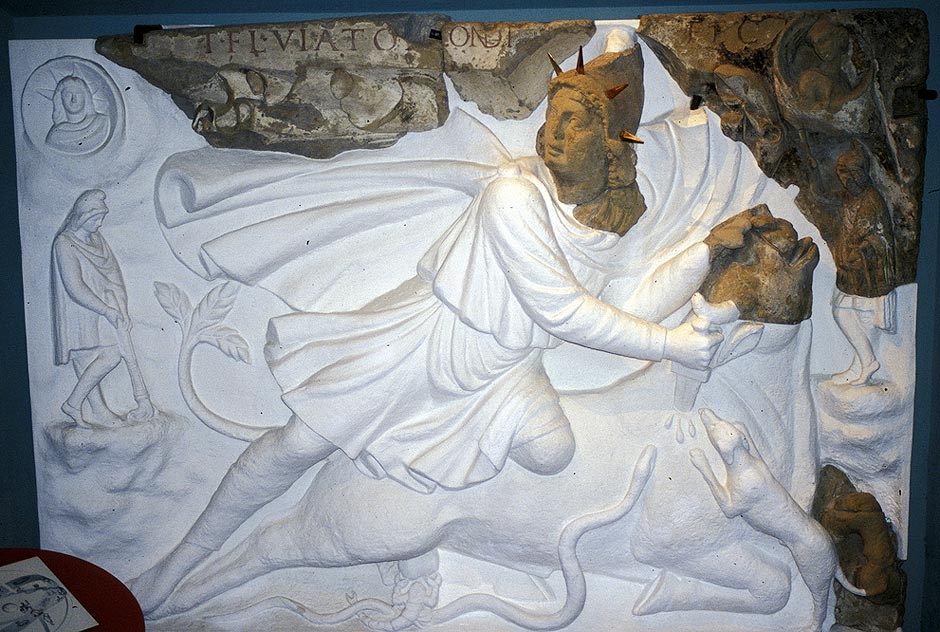
Of this great relief of Mithras slaying the bull only a few segments remain.
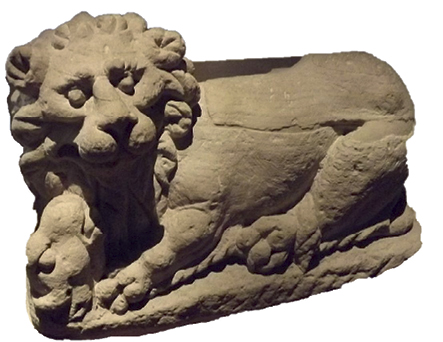
Exceptional sculpture of a lion devouring a bull’s head founded in 1894 in Carnuntum, Pannonia.
