Your selection gave 89 results.
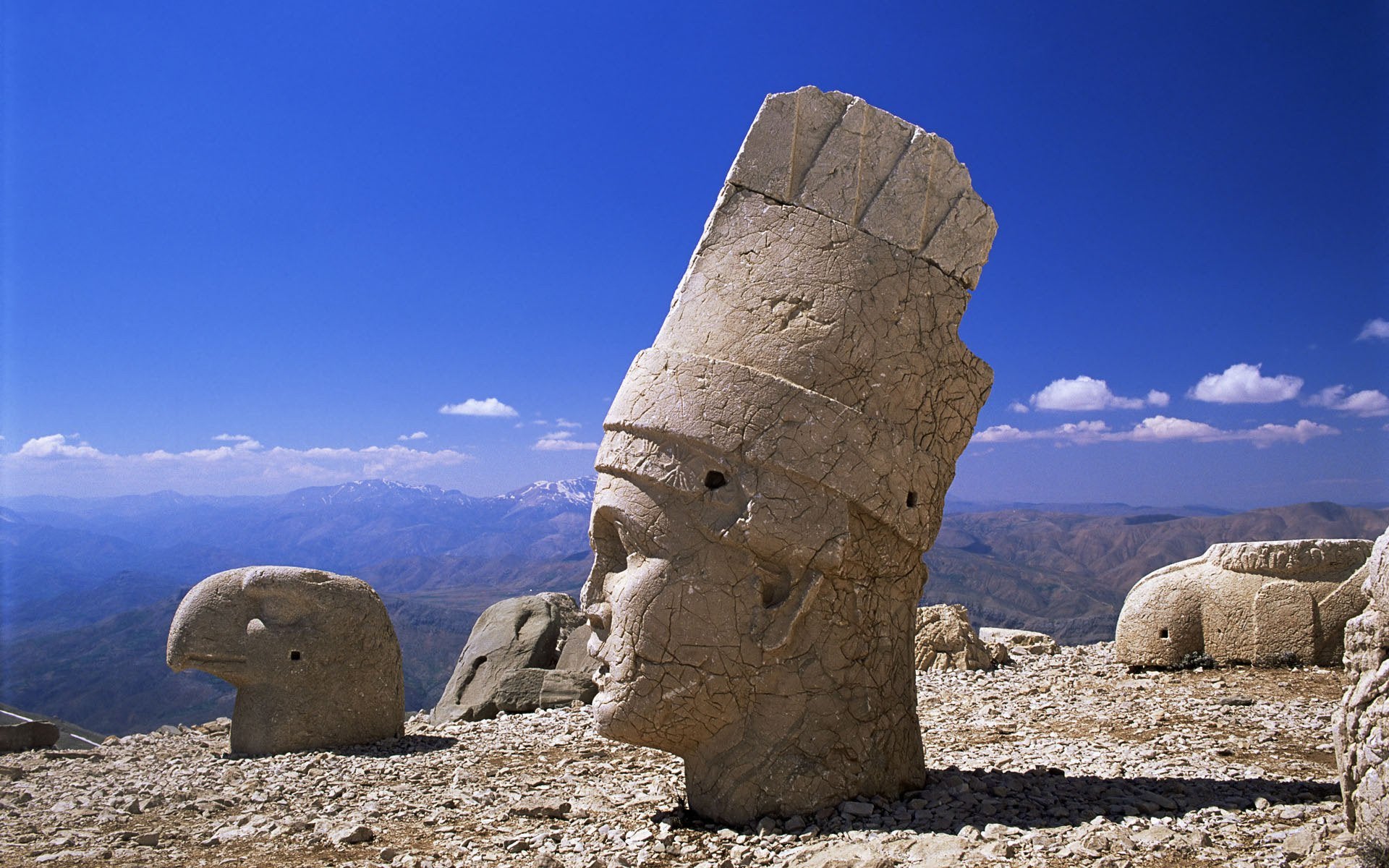
The colossal head has been identified as a solar god, Apollo-Mihr-Mithras-Helios-Hermes.
Painted Parthian inscription on a ceramic sherd possibly referring to Mithras as a bull-slayer.

Greek ritual graffito scratched on wall plaster in the Mithraeum of Dura-Europos, mentioning the “fiery exhalation” and the “sacred nitre” of the Magi.
Fragmentary Greek graffito from Dura-Europos recording the prices of everyday goods such as wine, meat, wood and lamp wicks.
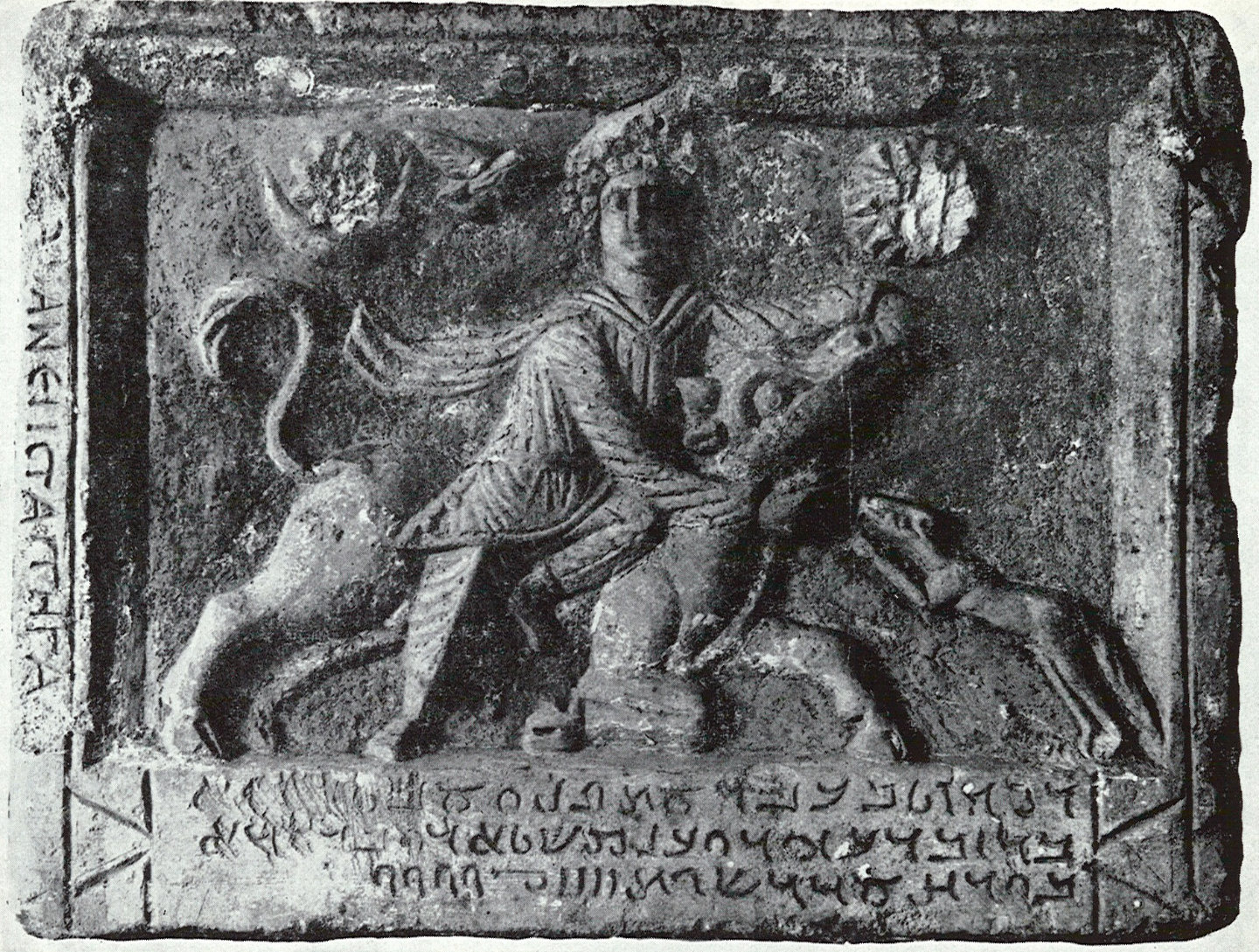
One of the reliefs of the Dura Europos tauroctonies includes several characters with their respective names.
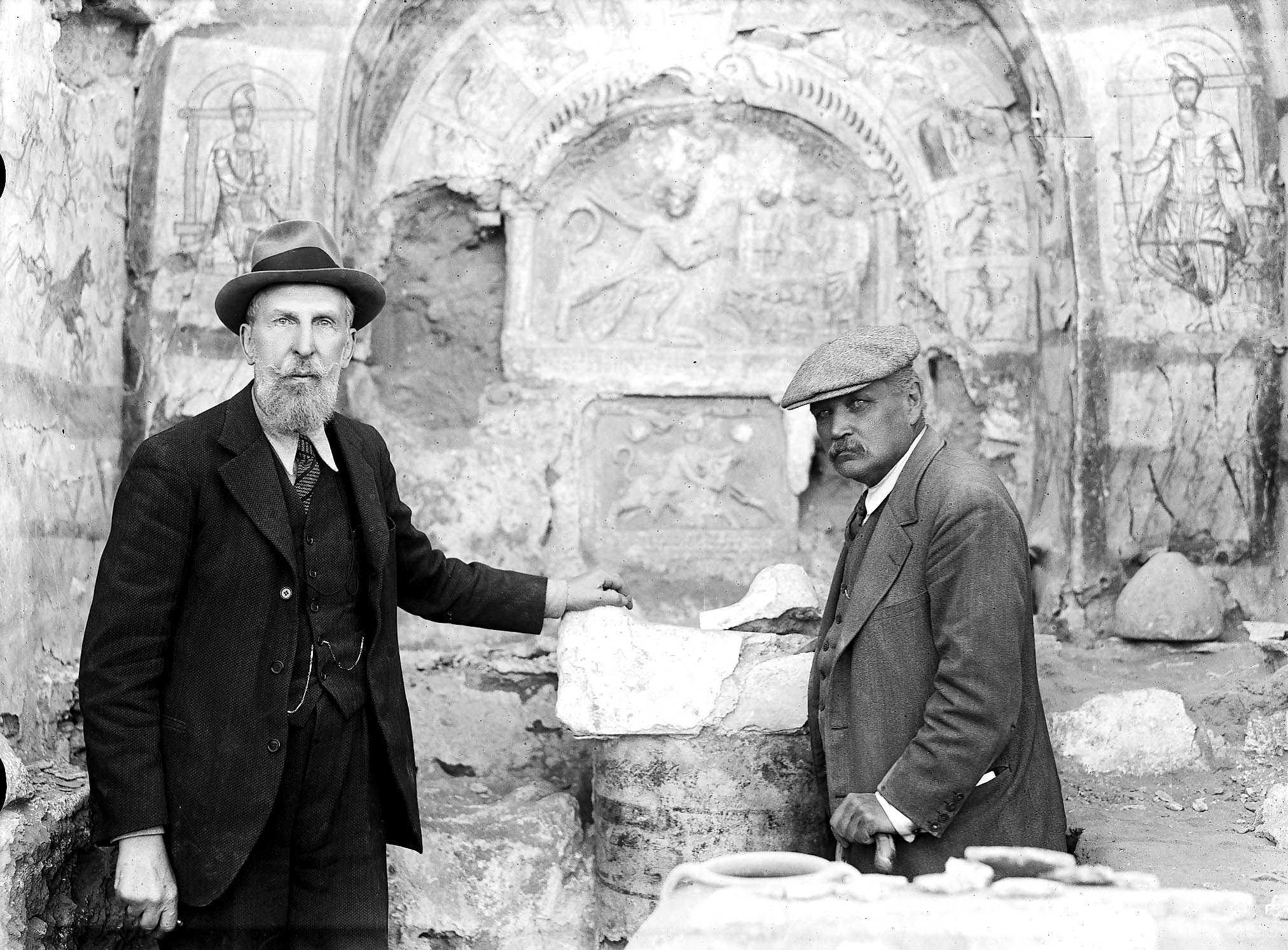
The most emblematic of the Syrian Mithraea was discovered in 1933 by a team led by the Russian historian Mikhaïl Rostovtzeff.

Samsat, formerly Samosata is a small town in the Adıyaman Province of Turkey, situated on the upper Euphrates river.
Al-Ankawi is a Syrian town located in the Ziyarah Subdistrict of the al-Suqaylabiyah District in Hama Governorate.
Zeugma was an ancient Hellenistic era Greek and then Roman city of Commagene; located in modern Gaziantep Province, Turkey.
Mount Nemrut or Nemrud is a 2,134-metre-high mountain in southeastern Turkey, notable for the summit where a number of large statues are erected around what is assumed to be a royal tomb from the 1st century BC.
Alexander the Great seized Sidon from the Persians in 333 BC. It became a Roman colony during the reign of Elagabalus.
Dura-Europos was a Hellenistic, Parthian and Roman frontier city built on the Euphrates River. It was founded around 300 BC by Seleucus I Nicator. The Romans took Dura-Europos in 165 AD.
Commagene was an ancient Greco-Iranian kingdom ruled by a Hellenized branch of the Iranian Orontid dynasty that had ruled over Armenia.
Caesarea was first settled by the Phoenicians in the 4th century BC. In 63 BC, the Romans annexed the region and Caesarea became the seat of the Roman procurators.
'Hail to Kamerios the Pater' can be read on one of the walls of the mithraeum at Dura Europos.
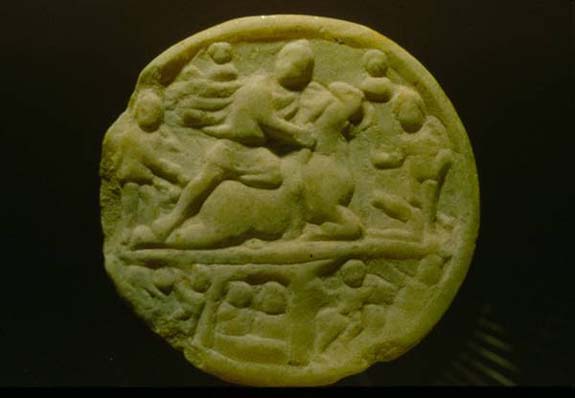
The small medallion depicts three scenes from the life of Mithras, including the Tauroctony. It may come from the Danube area.
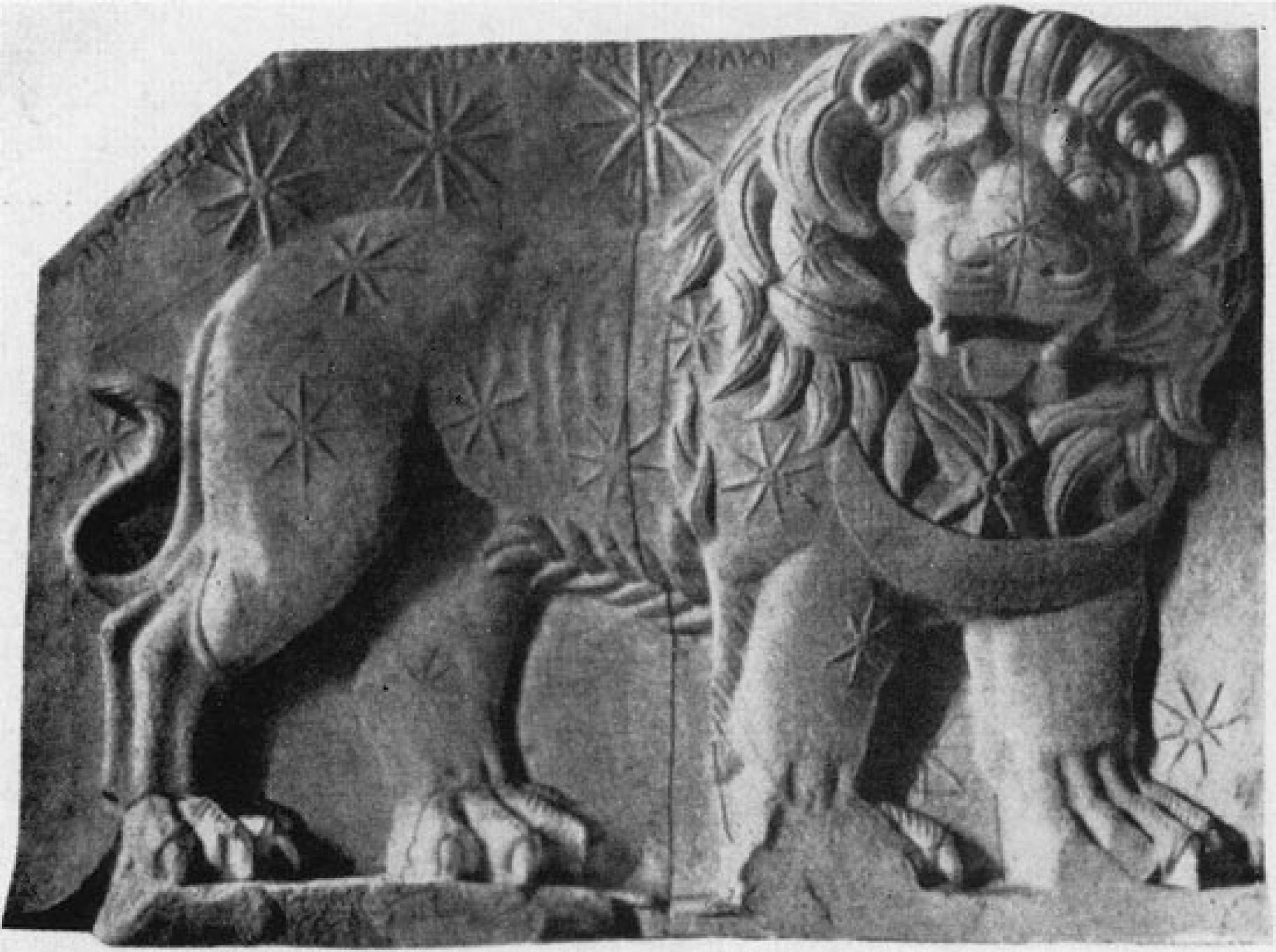
The lion relief from Nemrut Dag has the moon and several stars over his body.
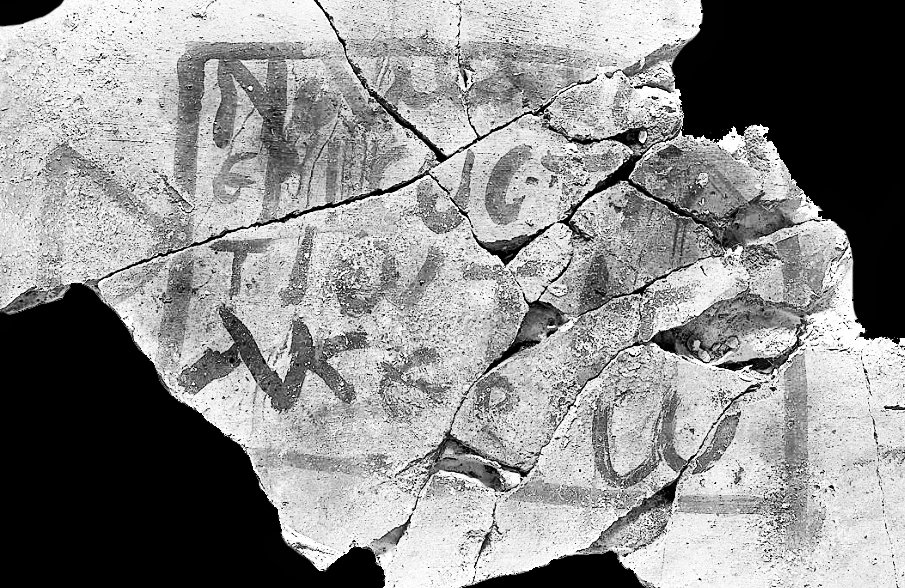
The text mentions a certain Kamerios, described as immaculate miles.
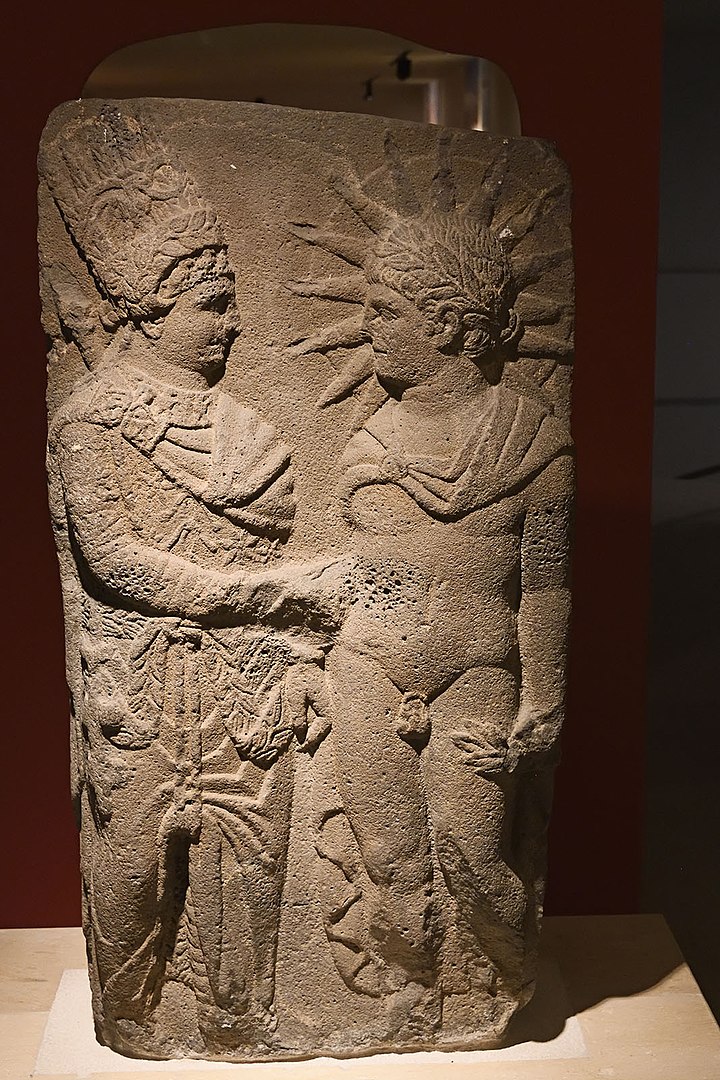
Stele representing Apollo-Mithras-Helios in a Hellenistic nude fashion, shaking hands with Antiochus I.
