Your selection in monuments gave 192 results.
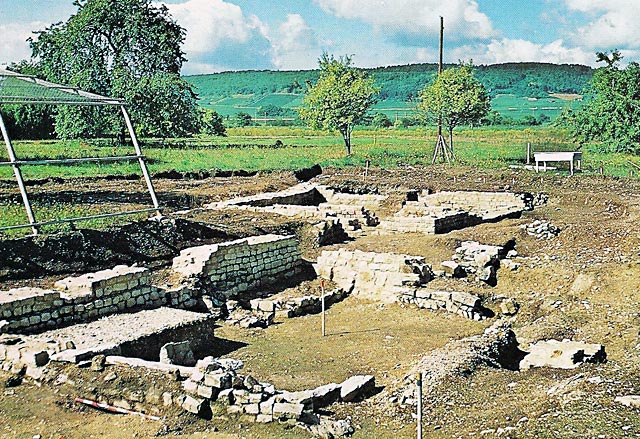
The Mithraeum des Bolards was integrated into a therapeutic cultural complex related to healing waters.
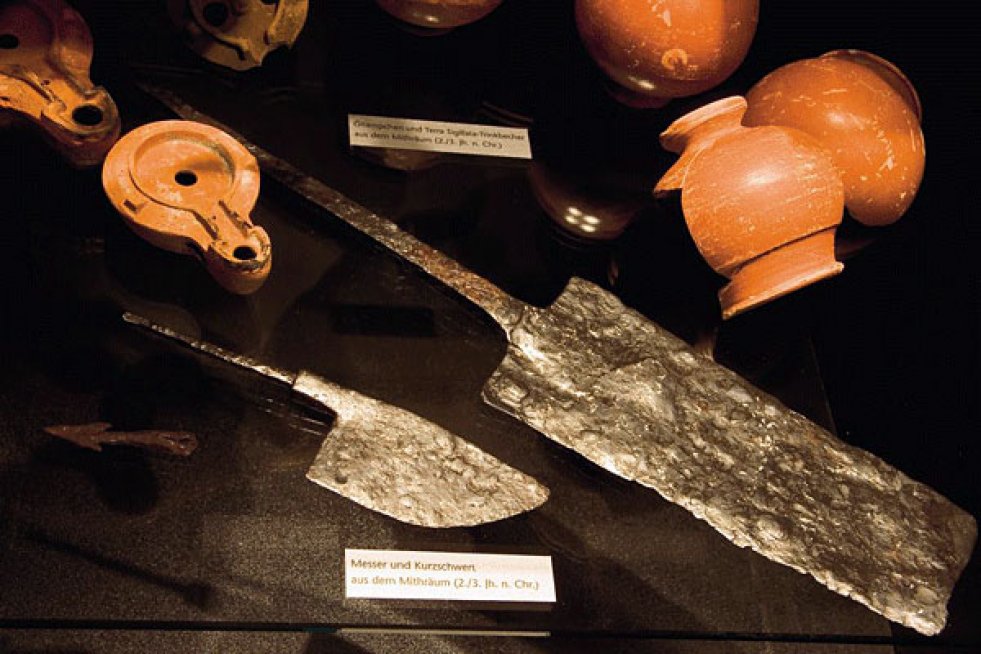
The Mithraeum of Kunzing was an underground building, oriented east-west. The entrance was probably on the east.
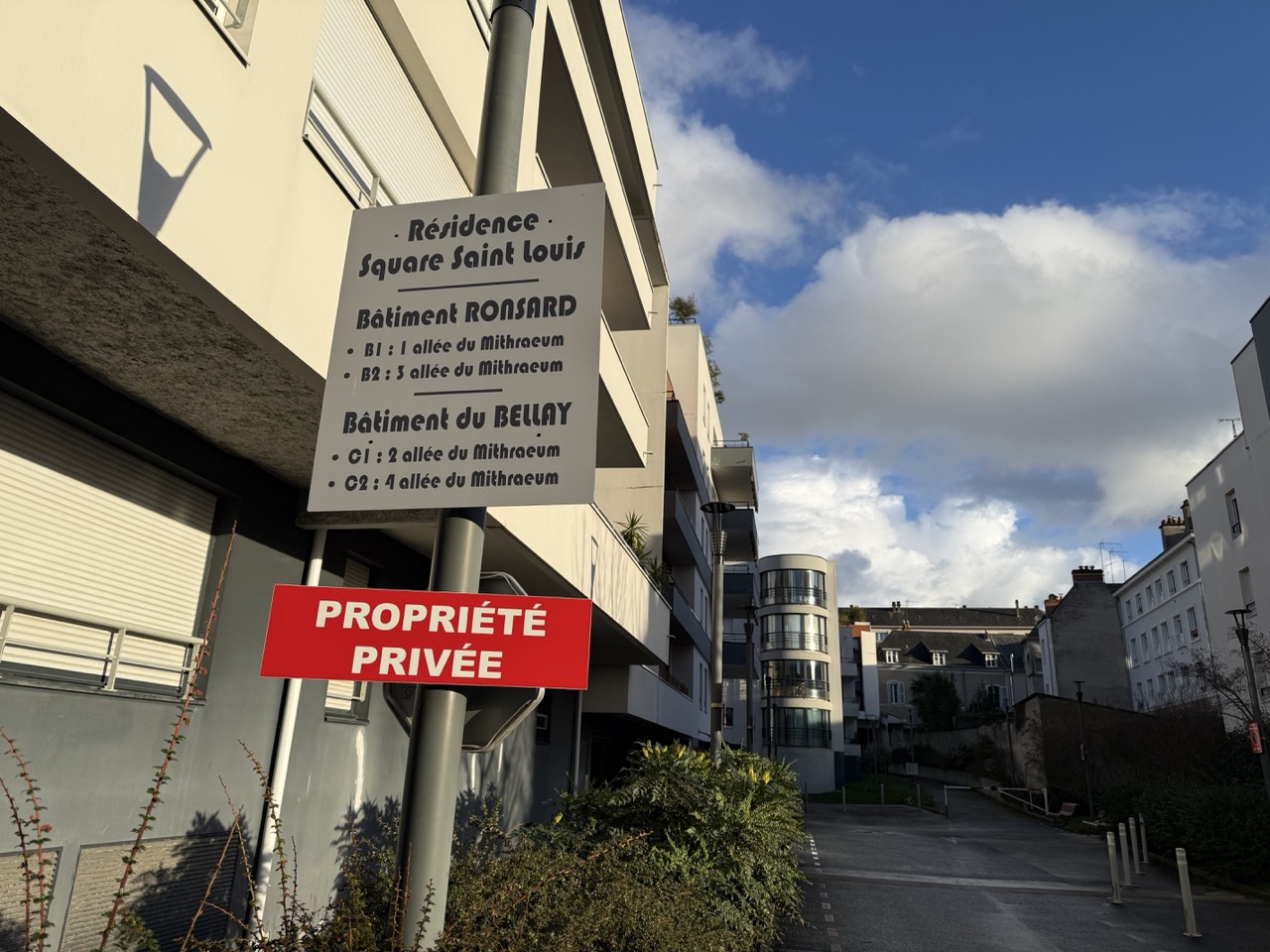
The Mithraeum of Angers, excavated during a preventive operation and subsequently dismantled in 2010, yielded numerous objects, including coins, oil lamps, and a ceramic vessel bearing a votive inscription to the invincible god Mithras.
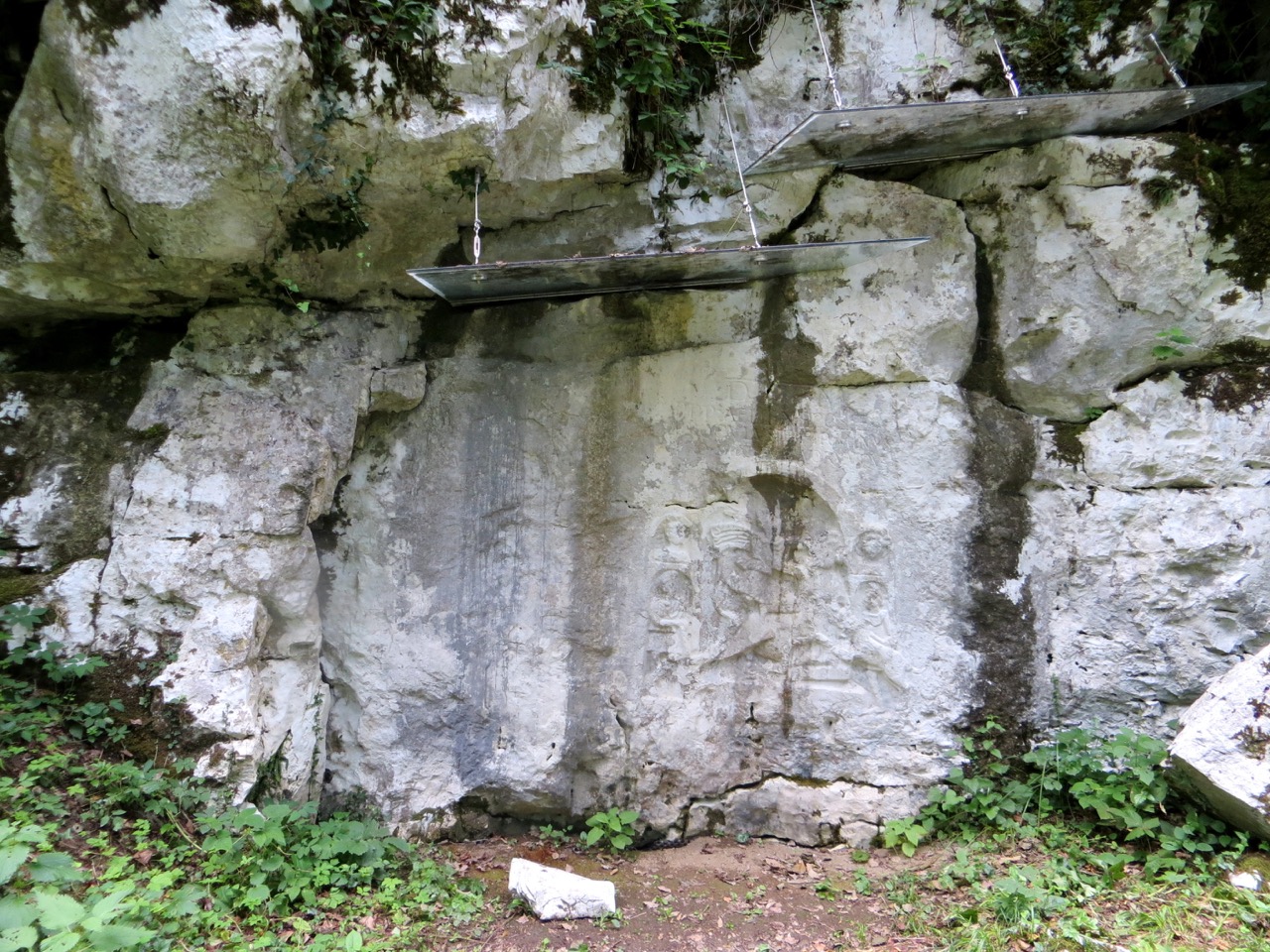
According to Hitzinger remnants of animal bones were found in front of the relief of the Mithraeum at Rozanec.

A probable Mithraic sanctuary at Poetovio, identified by Vermaseren as the so-called Mithraeum IV on the basis of four associated inscriptions.
The remains of this Mithraeum were discovered in 1930 in the Cetatea district of Alba Iulia, ancient Apulum.
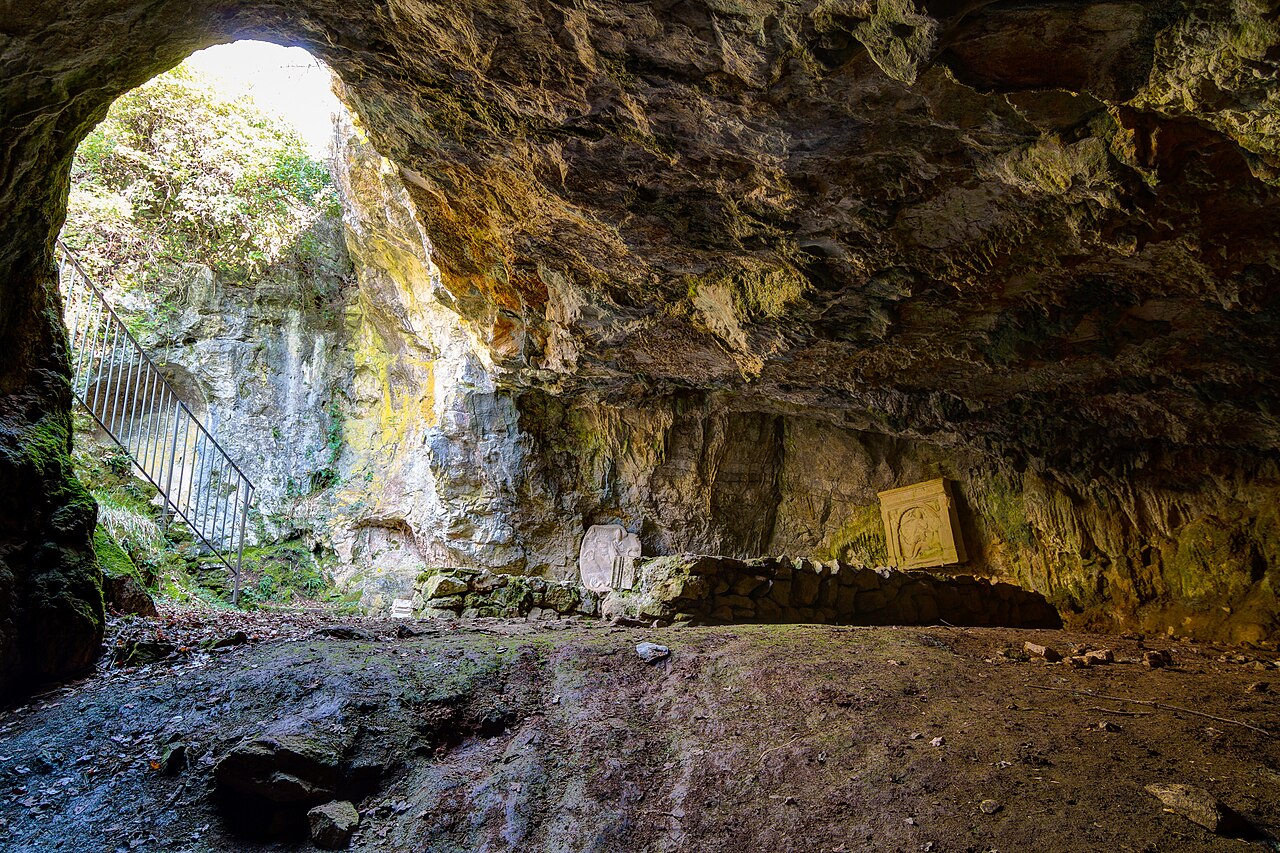
The site was destroyed in the 5th century but some elements, including the benches, can still been seen.
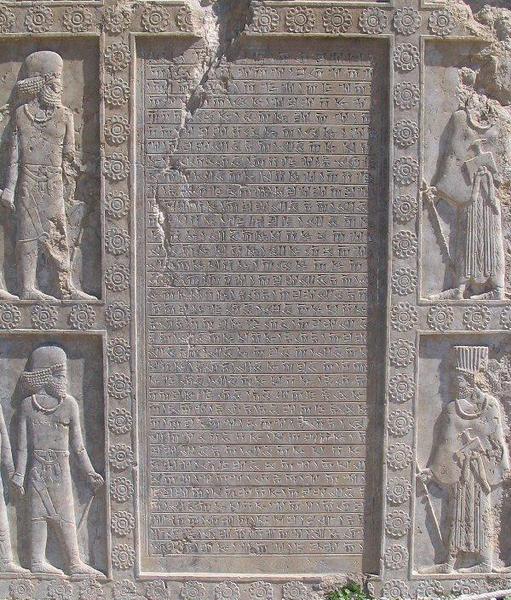
Located at the western entrance to the Palace of Darius in Persepolis, this tablet bears an inscription mentioning Ahuramazda and Mithra.
An inscription by a certain Aurelius Rufinus reveals the existence of a Mithraeum on the island of Andros, but it has not yet been found.
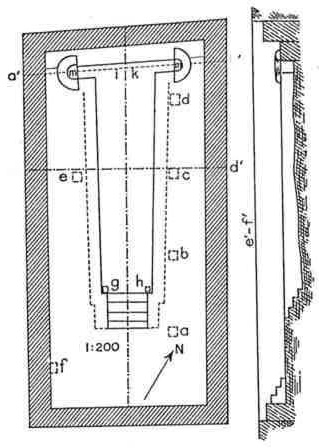
Mithraeum discovered in 1887–1888, located about 85 m north of the castellum at Ober-Florstadt, built on a hillside with a central aisle, benches, and an altar podium.
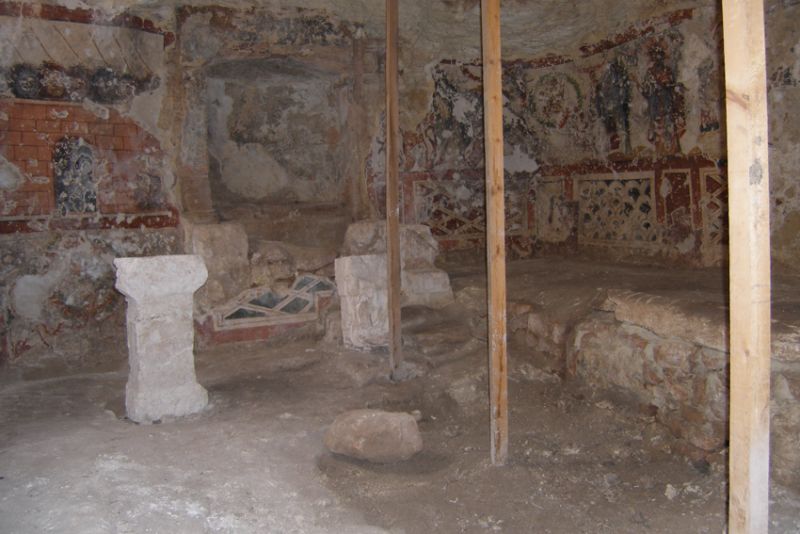
The Mithraeum of Hauarte or Hawarte, which preserves colourful frescoes, it’s the latest know and used.
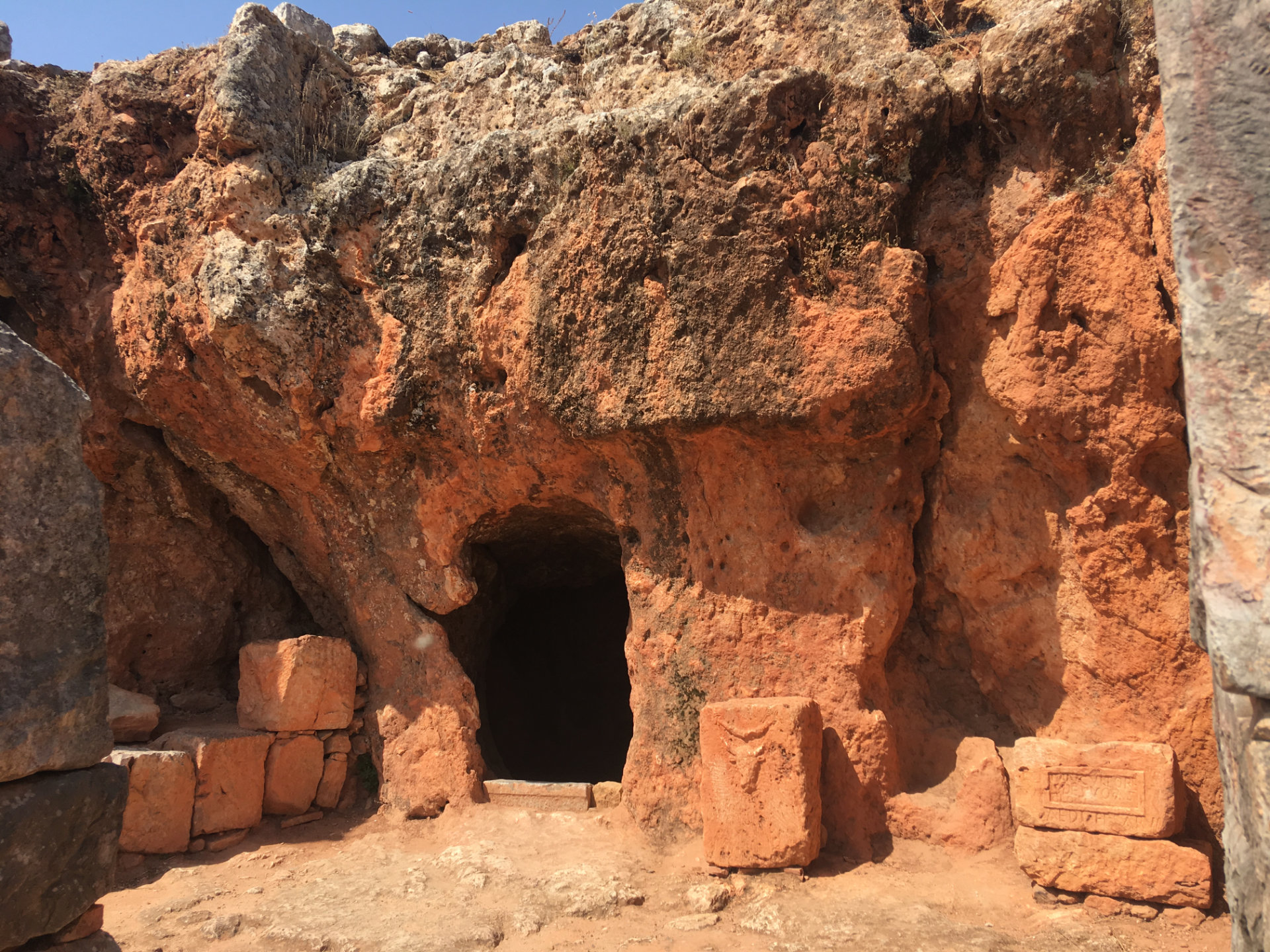
The Mithraeum was housed in a cave. The vault is almost dome-shaped and in front of the cave there is enough space for a possible adjacent temple.
Epigraphic monuments reveal the presence of a Mithraeum in the ancient municiple of Carsulae, in Umbria.
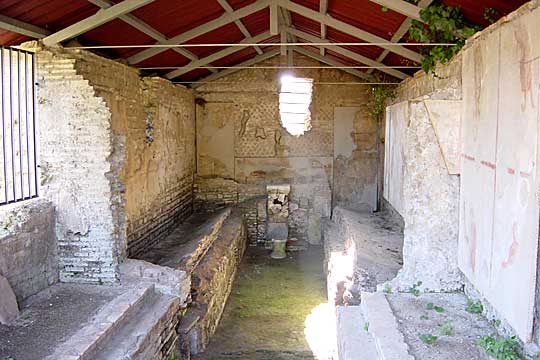
The House of the Mithraeum of the Painted Walls was built in the second half of the 2nd century BC (opus incertum) and modified during the Augustan period.
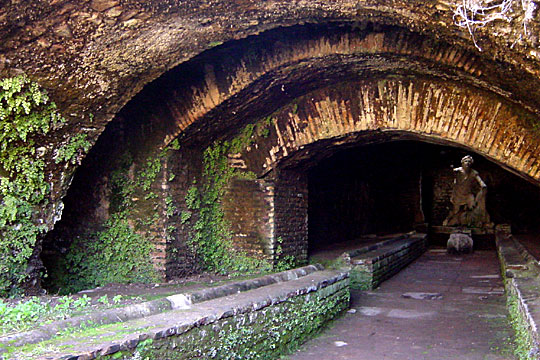
The Mithraeum of the terms of Mithras takes its name from being installed in the service area of the Baths of Mithras.
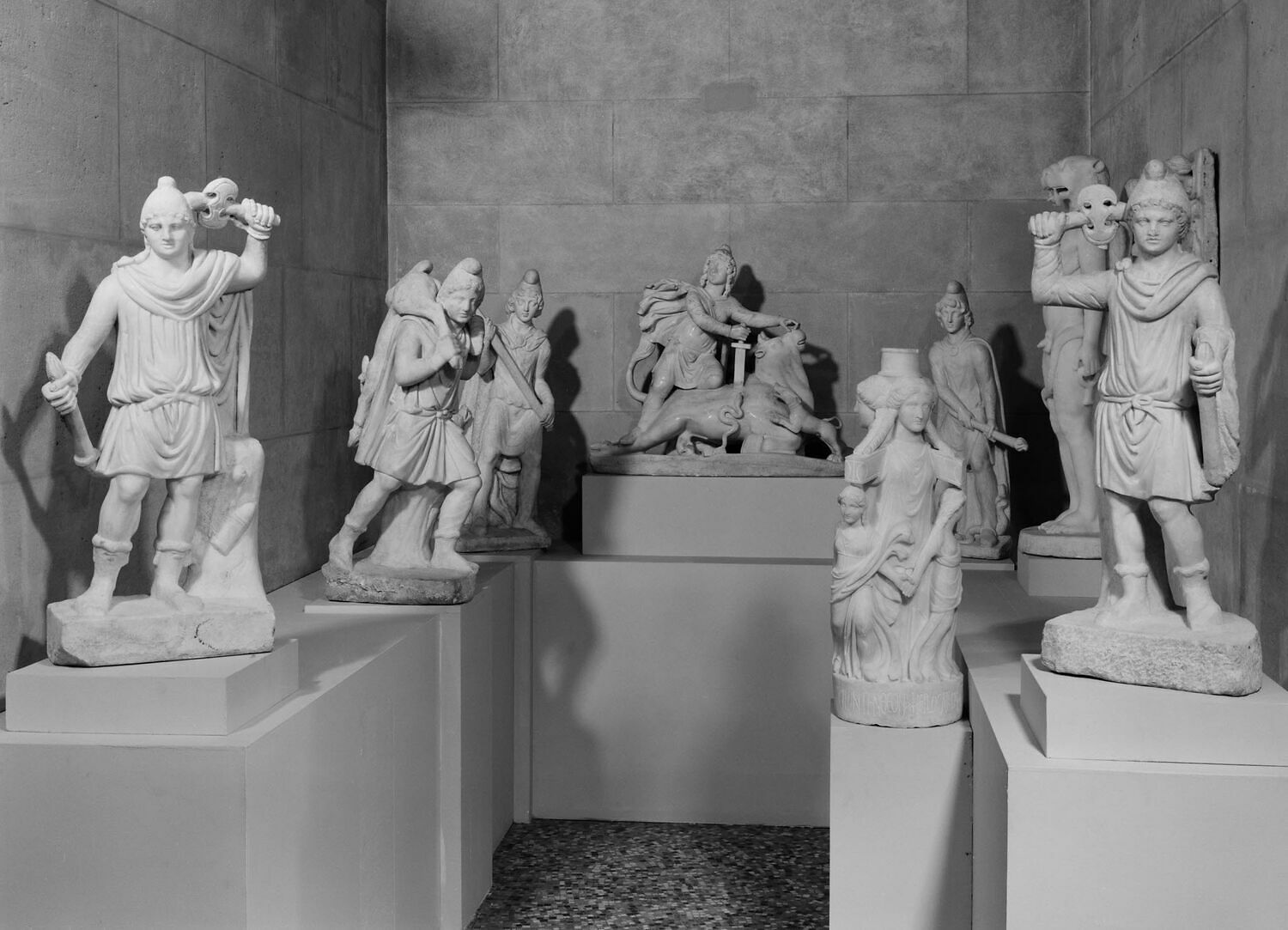
The Mithraeum of Sidon may have escaped destruction because the Mithras worshippers walled up the entrance to the underground sanctuary.
This rock-cut Mithraeum occupies the north-eastern slope of the Grand-Rebberg at Saarburg, featuring a stepped entrance, a sloping central aisle, lateral benches, and a spring-fed water conduit.
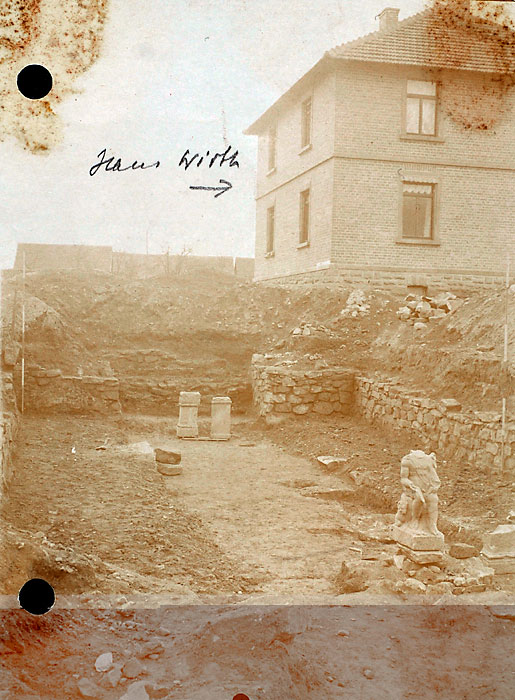
The Mithraeum I in Stockstadt contained images of Mithras but also of Mercury, Hercules, Diana and Epona, among others.
The Mithraeum of Stix-Neusiedl was discovered in the summer of 1816. Although the structure of the sanctuary is unknown, several associated monuments are preserved today in Vienna.
