Your selection in monuments gave 111 results.

Altar from Aquincum, Pannonia Inferior, dedicated to Soli deo by Callistus ex voto, decorated with akroteria bearing palmettes.
Altar from Aquincum, Pannonia Inferior, dedicated to Sol deo sacrum by Caius Iulius Primus, decorated between two rosettes with a bunch of grapes.
Observation that two altars dedicated by Caius Iulius Primus to Sol deo sacrum at Aquincum may belong either to Mithraeum I or to Mithraeum III.
Altar from Mithraeum I at Aquincum, Pannonia Inferior, dedicated by a decurio of the municipium Aquincum who held the rank of duumvir iure dicundo and praefectus collegii fabrum.
Altar from Mithraeum I at Aquincum, Pannonia Inferior, dedicated to Leoni, suggesting a dedication to the Mithraic grade leo or to the lion as a cult animal.
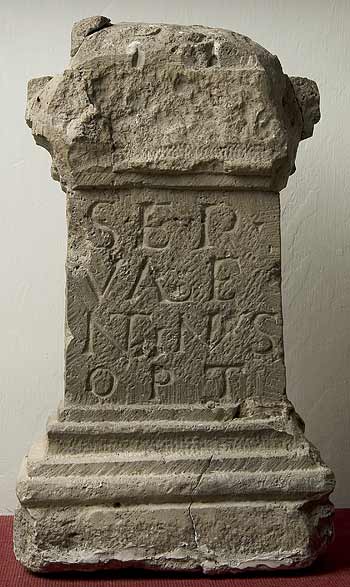
Limestone altar dedicated to Cautes by the Roman optio Septimius Valentinus, discovered in the Mithraeum of Sárkeszi in Pannonia Inferior.
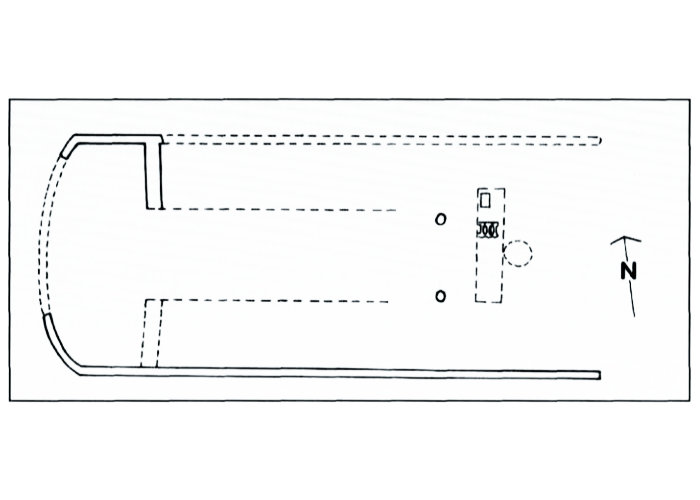
One of the largest known Mithraea in Pannonia, the sanctuary of Sárkeszi stood near the Roman road linking Herculia and Aquincum.
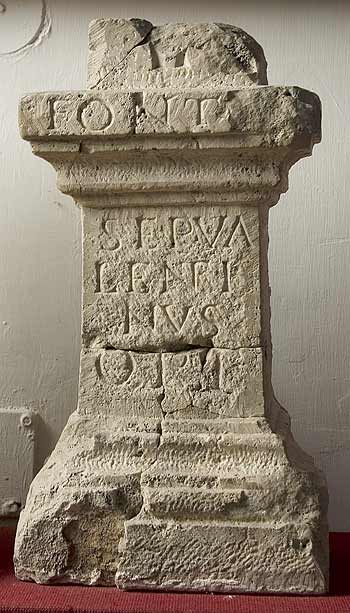
Fragmentary limestone altar dedicated by Septimius Valentinus, an optio, probably discovered in Mithraeum IV at Aquincum.
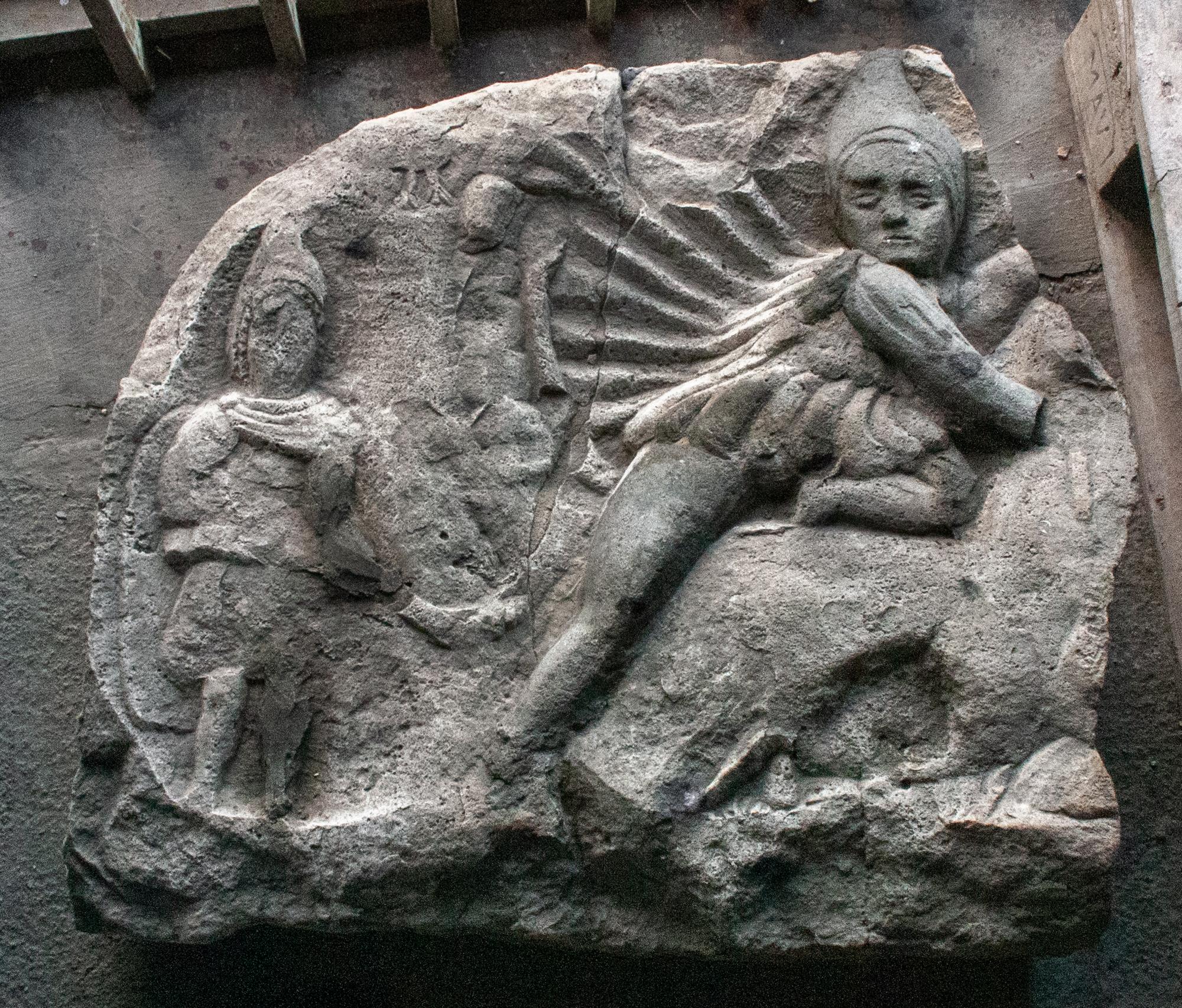
This limestone tauroctony from Aquincum preserves Mithras slaying the bull together with Cautopates, the serpent, the scorpion, and the legs of the raven.
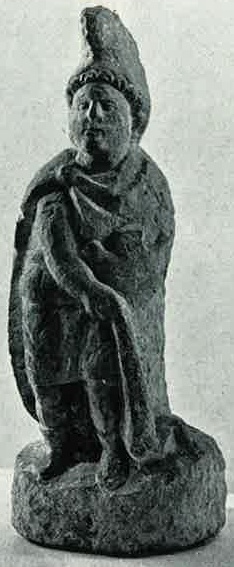
This statuette of Cautopates from Intercisa shows the torchbearer holding a burning torch and a pelta at his side.
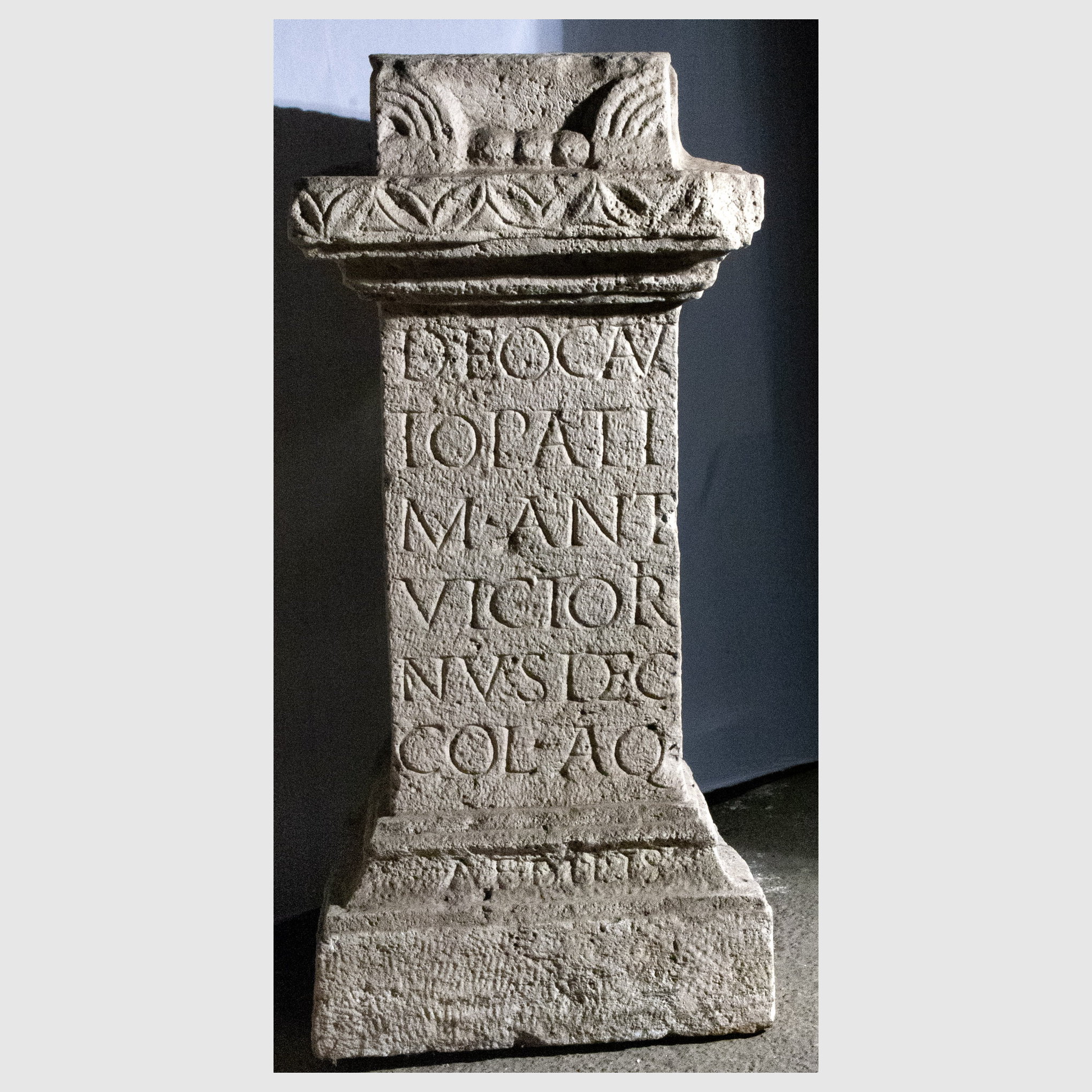
These two altars, erected by a certain Victorinus in the mithraeum he built in his house, bear inscriptions to Cautes and Cautopates.
Fragments of this limestone statue include the head and torso of Mercury, holding the caduceus in his left hand.
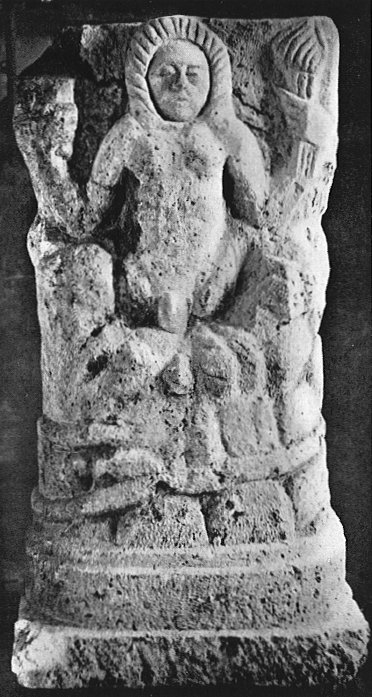
Another sculpture of Mithras rock-birth from the Mithraeum of Victorinus, in Aquincum.
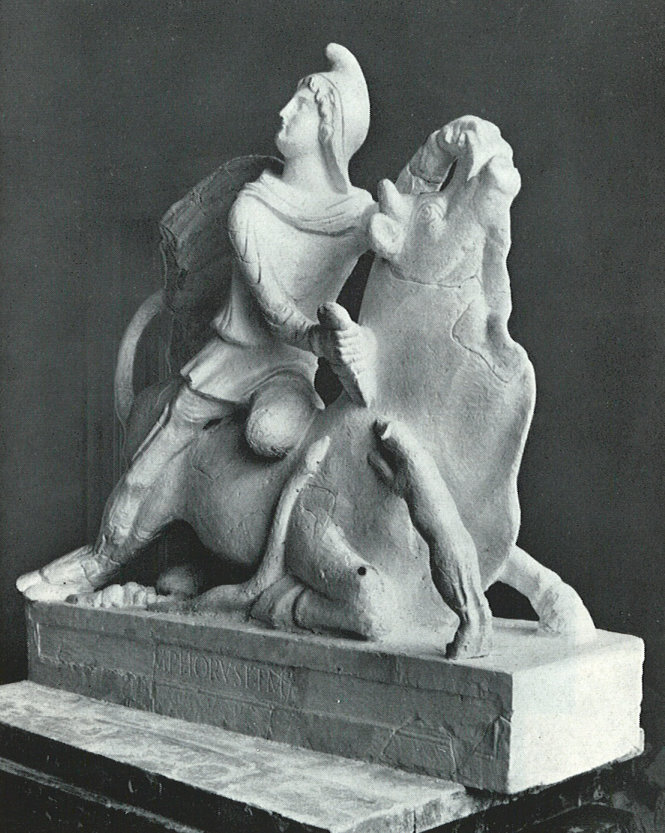
This sculpture of Mithras killing the sacred bull bears an inscription that mentions the donors.

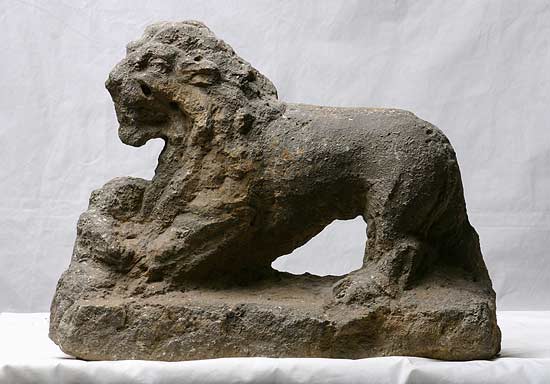
Marble statue from Intercisa representing a lion holding an indistinct animal beneath its forepaws. Found in a vineyard, the piece is now in the Hungarian National Museum.
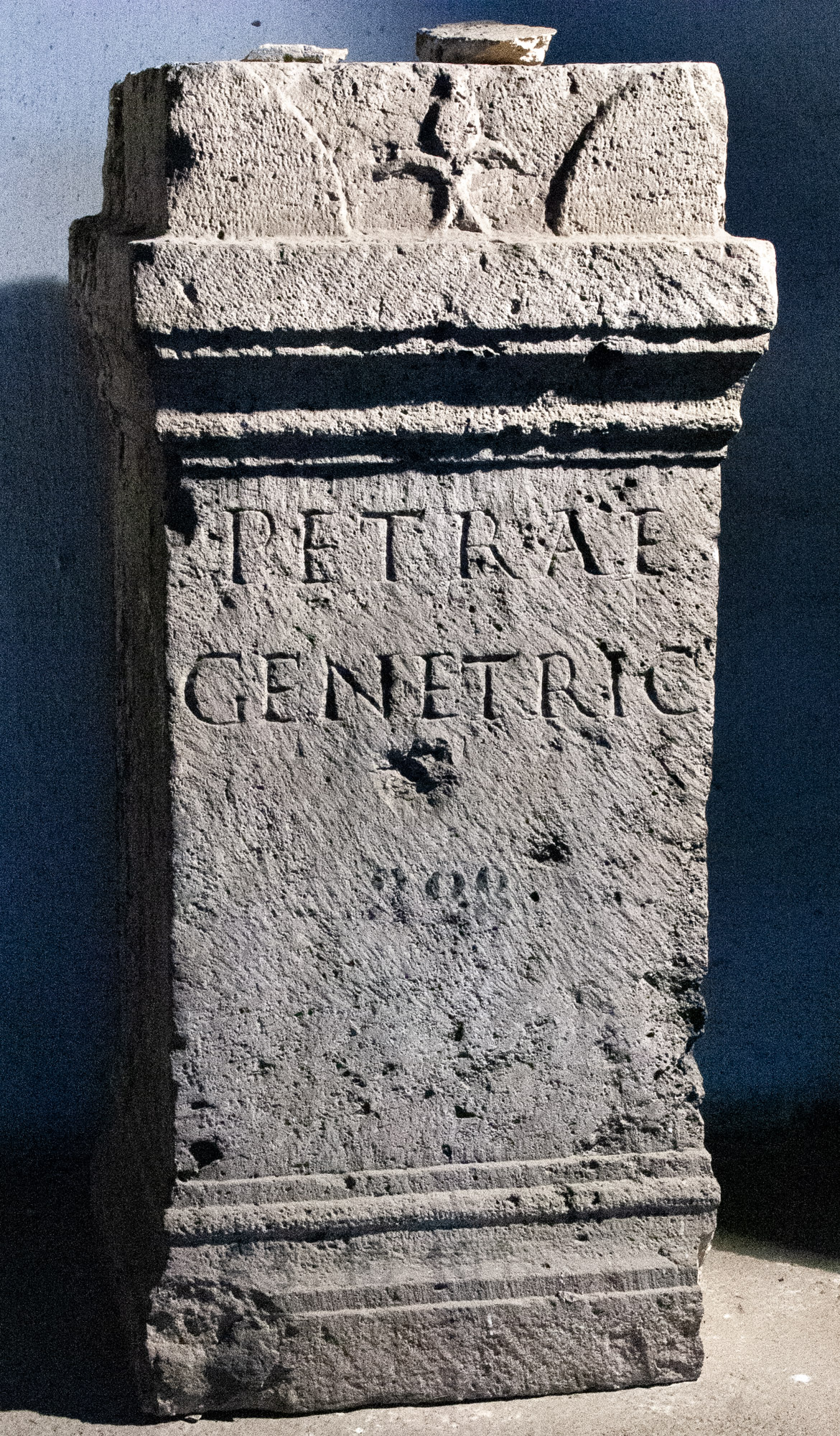
Small limestone altar from Aquincum, Budapest, dedicated to Petra Genetrix.
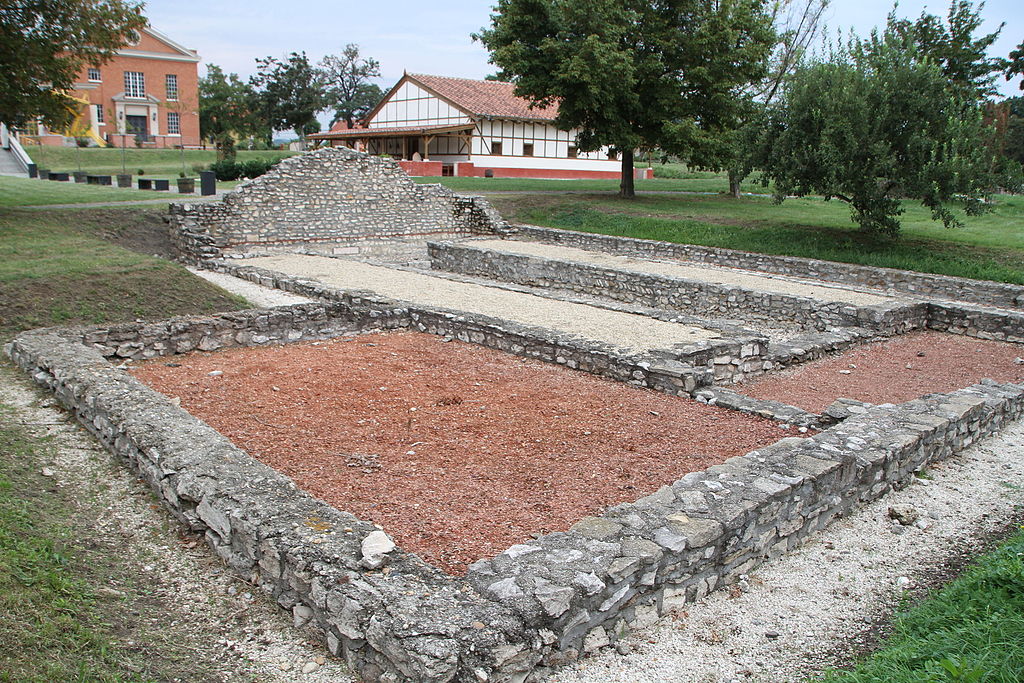
The Mithraeum of Symphorus and Marcus, in Óbuda, Budapest, has been restored to public view in 2004 and, while well presented, it has been heavily restored.
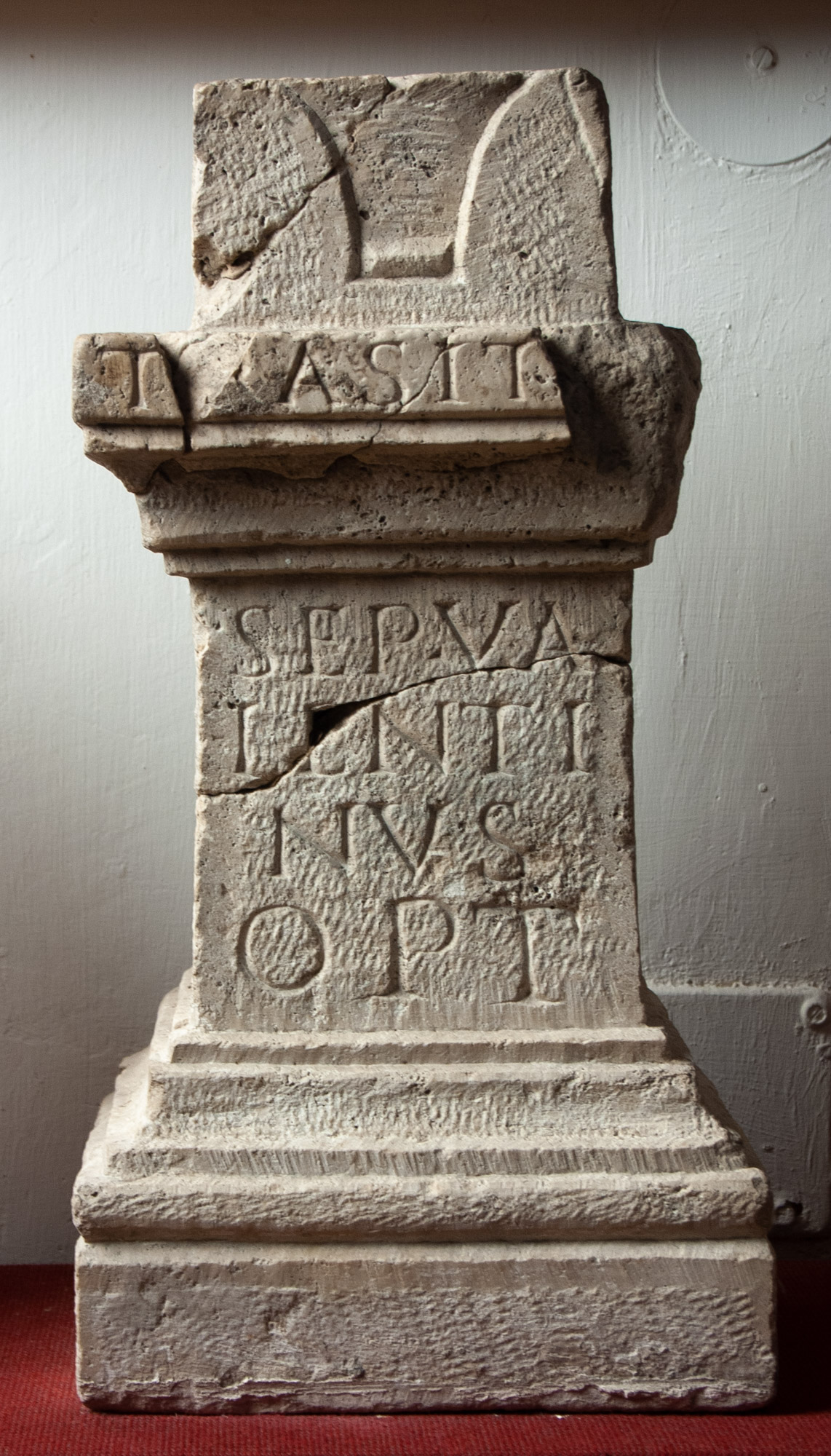
This is one of the altars erected by Septimius Valentinus, in this case, to the transitus of Mithras.
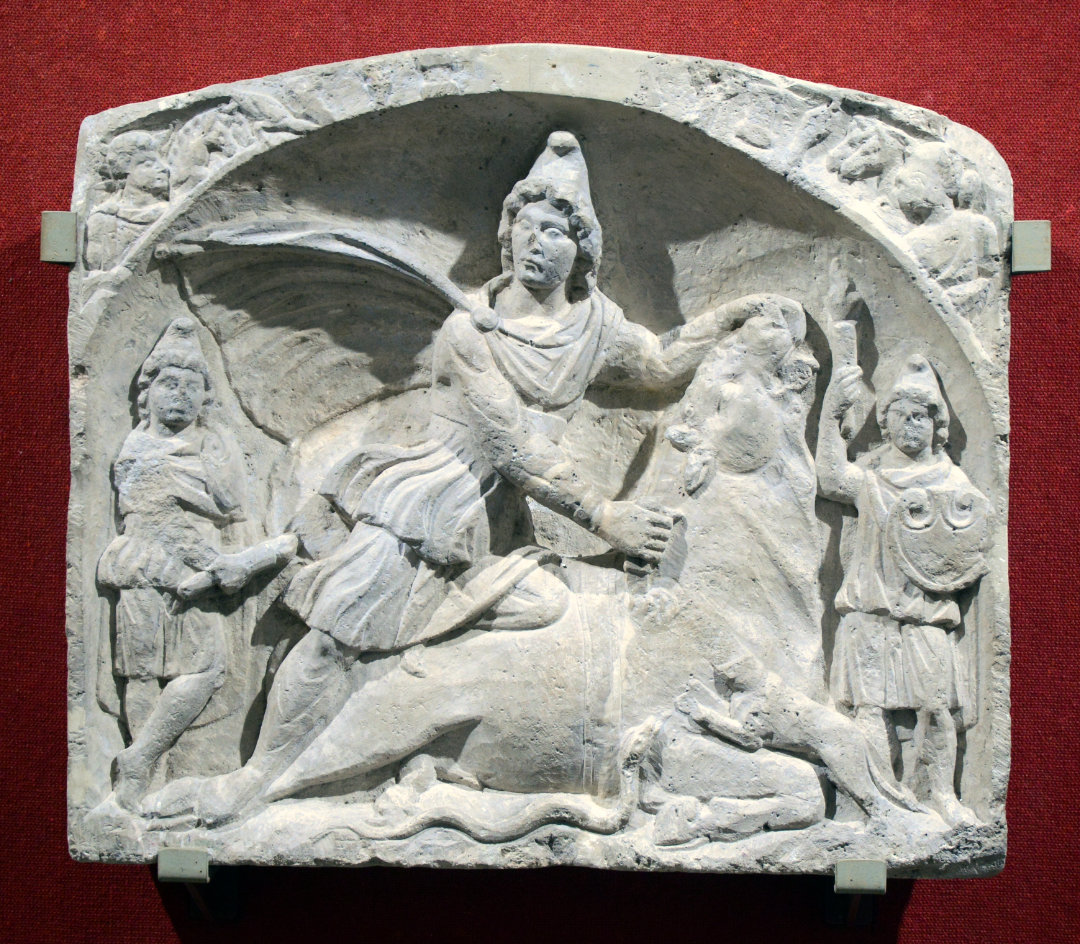
In this relief found in the Sárkeszi Mithraeum, Cautes and Cautopates hold an Amazon shield.
