
The inscription is carved into two pieces of marble cornice.
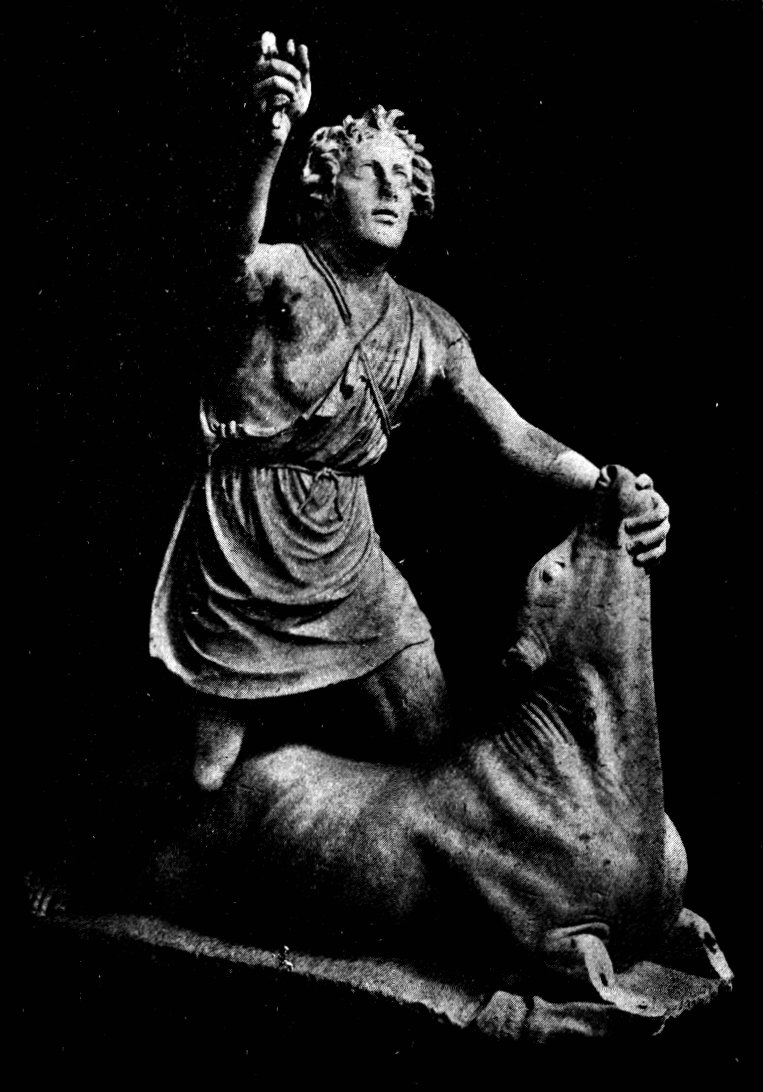
The person who commanded the sculpture may have been M. Umbilius Criton, documented in the Mitreo della Planta Pedis.
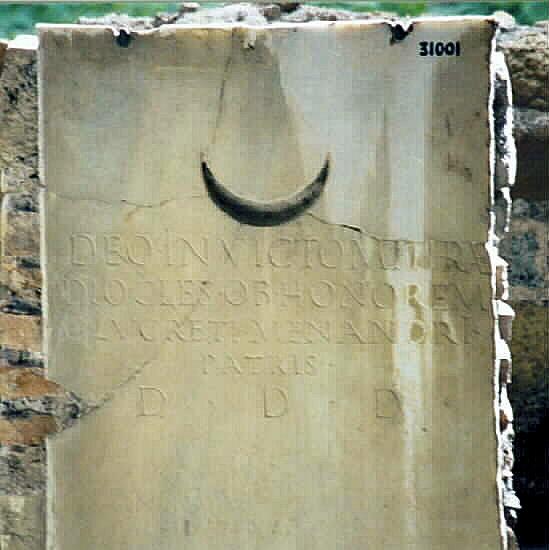
The brick altar of the Mithraeum Menander was covered with marble slabs bearing a crescent and an inscription.
Late Roman funerary inscription from Antium commemorating the senator, governor of Numidia and Mithraic pater Alfenius Ceionius Iulianus Kamenius.
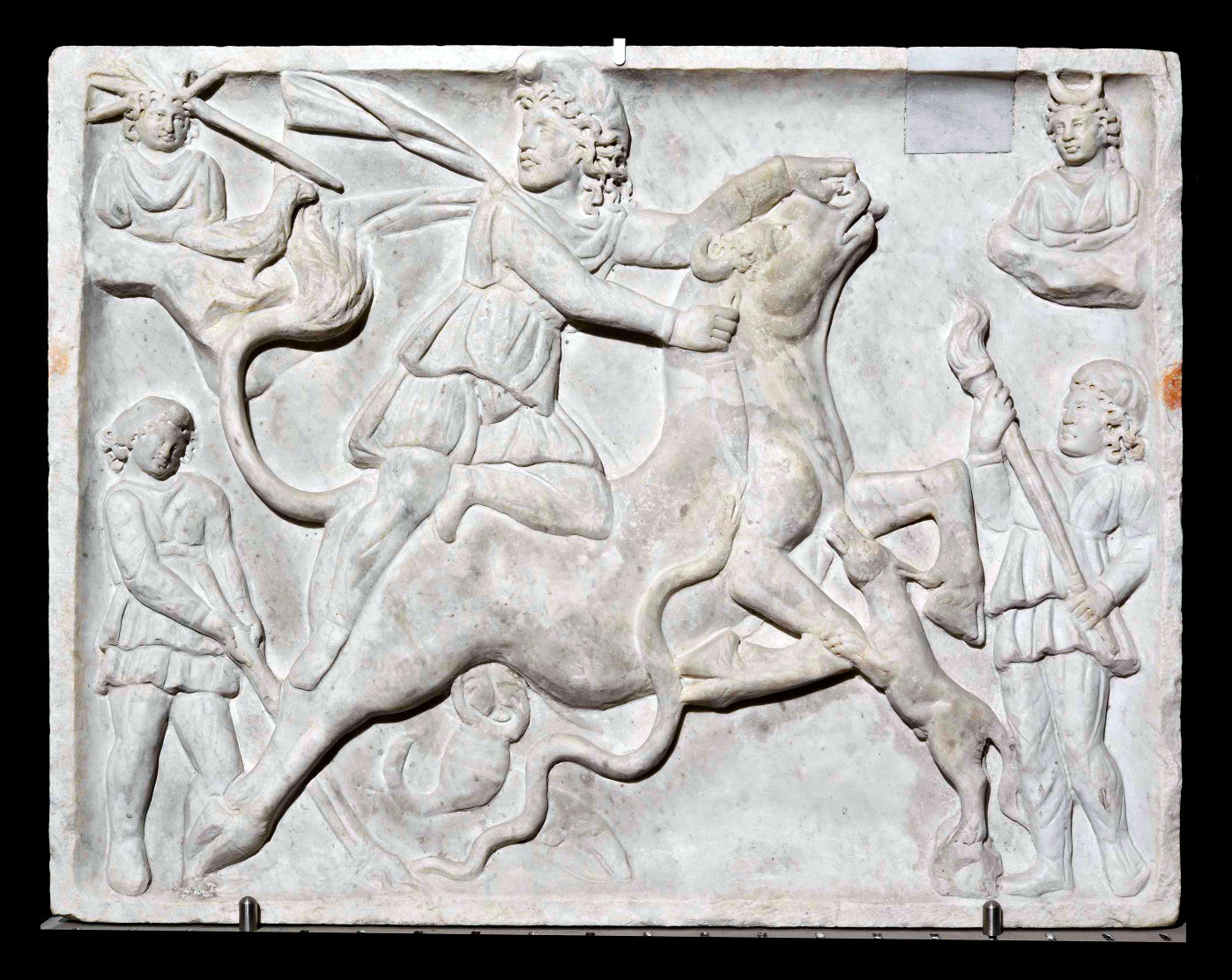
It is not certain that the marble relief of Mithras killing the bull was found on Capri, in the cave of Matromania, where a Mithraeum could have been established.
Gold lamina from Ciciliano showing a nude, serpent-entwined Aion-Kronos holding a key and surrounded by Greek voces magicae (2nd c. CE).
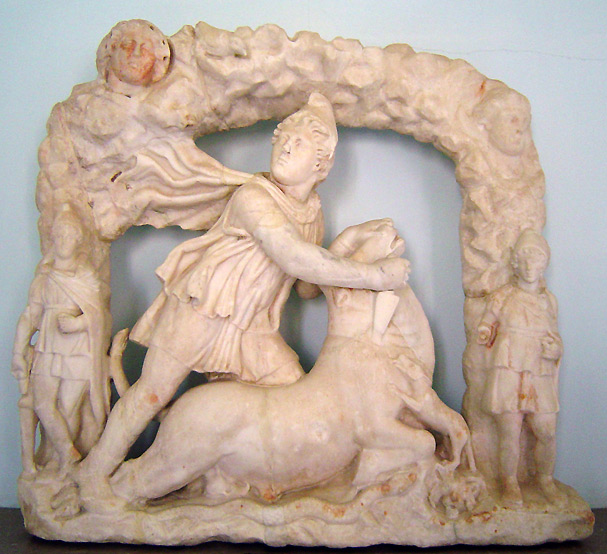
The assumed find-place of the Mithras Tauroctonus of Palermo is uncertain.
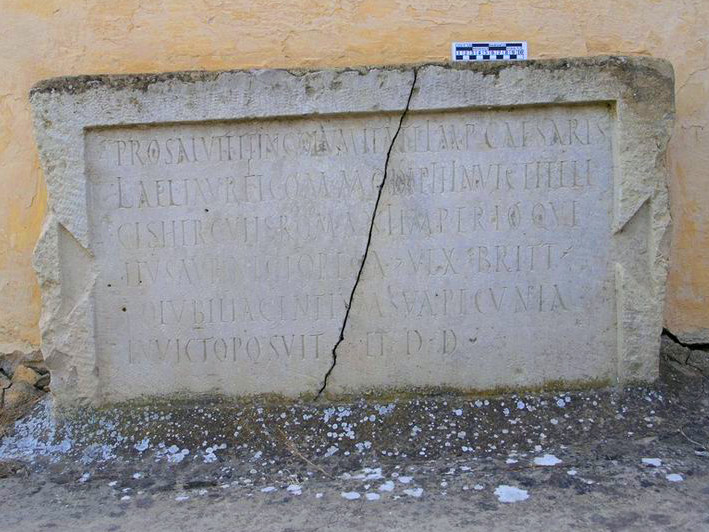
One of the two inscriptions by Aurelius Nectoreca, a follower of Mithras, found in Meknès, Morocco.
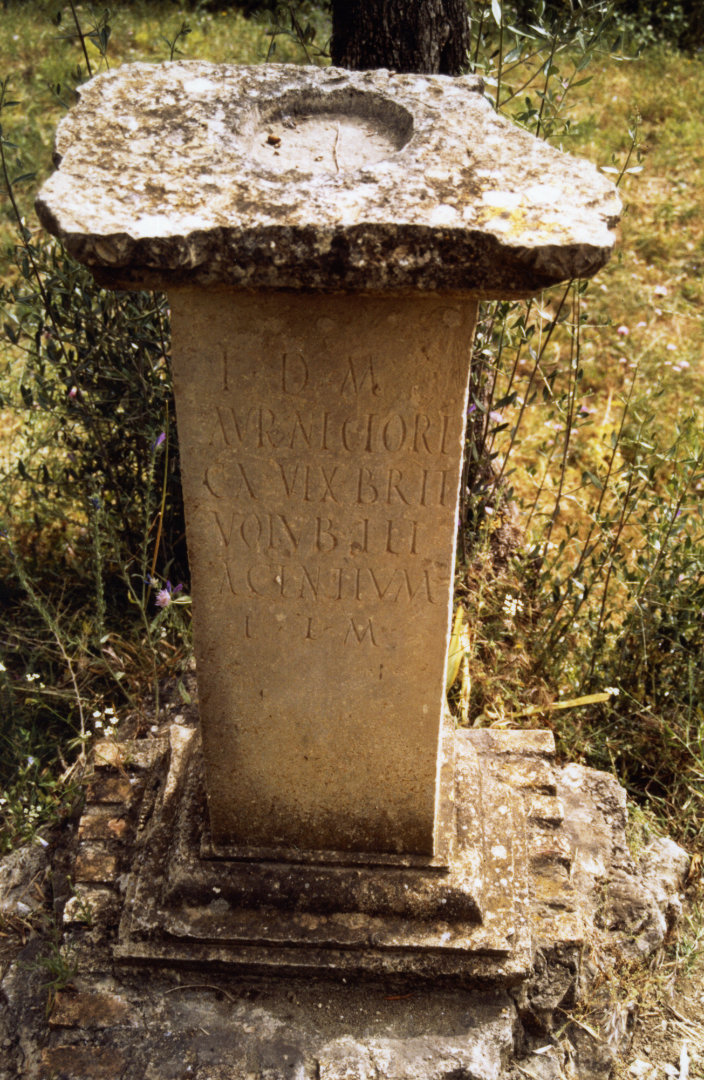
Two inscriptions by Aurelius Nectoreca, a follower of Mithras, have been found in Meknès, Morocco.
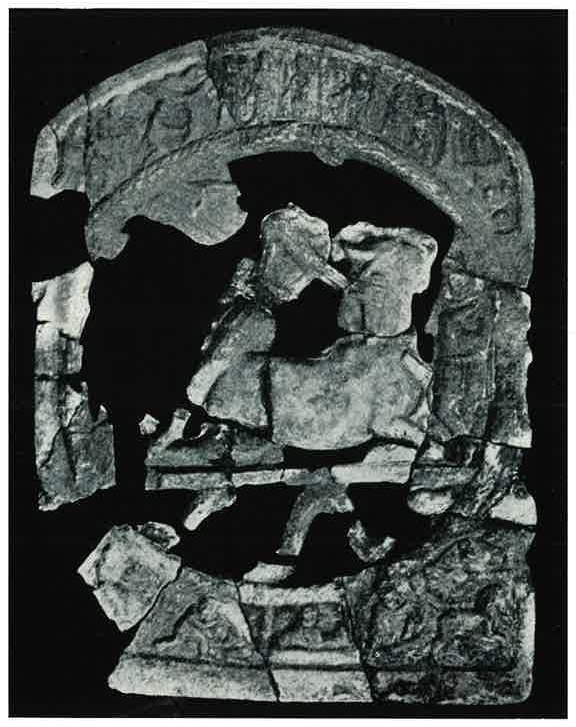
White marble tauroctony relief in several fragments from the Mithraeum at Biljanovac, Moesia Superior, depicting the standard bull-slaying with the full iconographic programme.
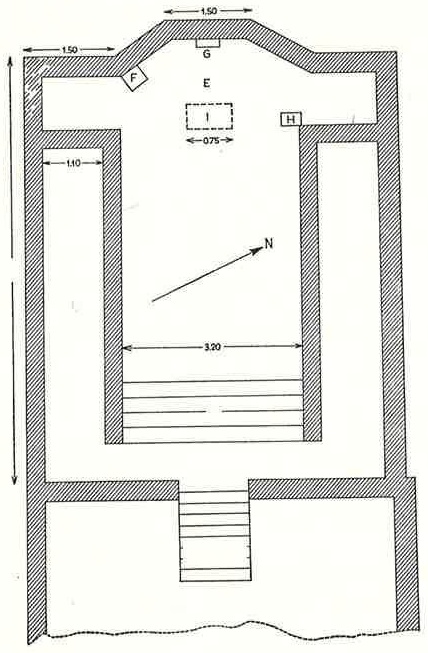
Mithraic sanctuary found at Biljanovac north-east of Kumanovo, Moesia Superior, with a pronaos and inner sanctuary, yielding marble reliefs, an altar, and associated cult objects.
Marble altar from the Mithraeum at Biljanovac, Moesia Superior, with its shaft hollowed out at the sides; the inscription is fragmentary and the dedicatee — either Natura or Transitus — cannot be determined.
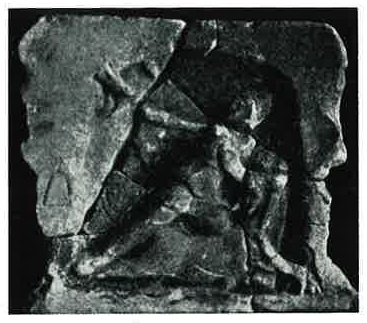
White marble tauroctony relief from the Mithraeum at Biljanovac, Moesia Superior, depicting the standard bull-slaying with torchbearers and Sol and Luna busts in the upper corners.
White limestone fragment from the Mithraeum at Biljanovac, Moesia Superior, preserving the upper part of Mithras as bull-slayer in a sleeveless tunic.
Bronze handle of a knife or dagger reportedly originating from Narbo and formerly preserved in major private collections.
Stone lamp installation, vessels and bronze chain links associated with ritual activity inside the Mithraeum of Vindobala.
Sandstone ritual basin discovered in situ beside the north bench of the Vindobala Mithraeum.
Sculpted stone heads and statue fragments belonging to Mithraic torchbearers from the nave of the Vindobala Mithraeum.
Mithraic statue from Vindobala discovered in 1844 and subsequently broken up.
Group of five uninscribed ritual altars discovered at different points inside the Mithraeum of Vindobala.
