Your selection in monuments gave 190 results.
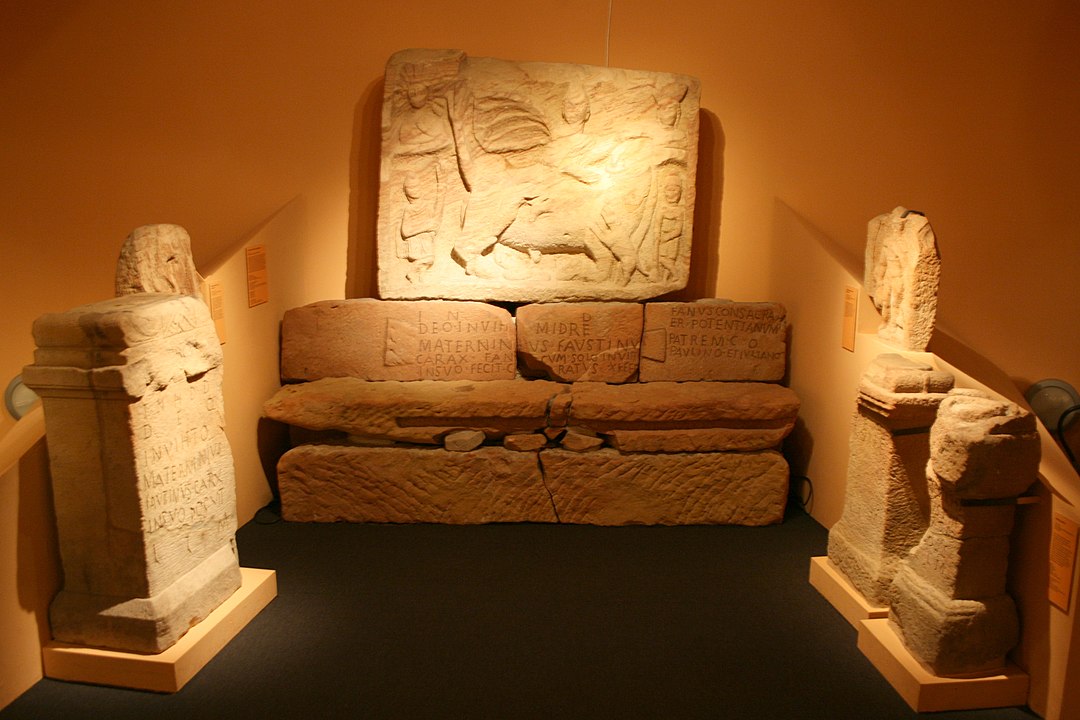
The few remains of the Mithraeum of Gimmeldingen are preserved at the Historical Museum of the Palatinate, in Speyer, Germany.
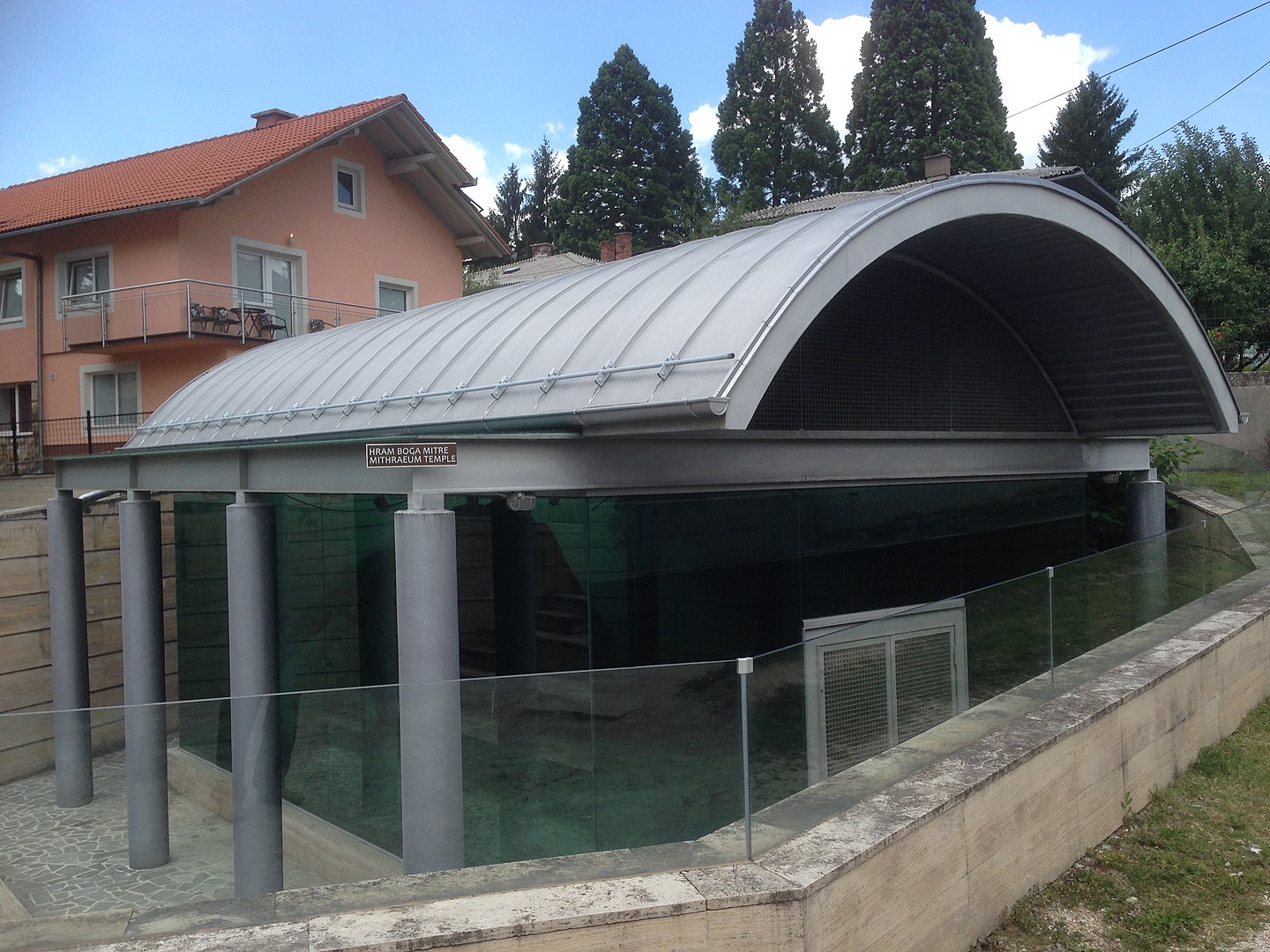
The remains of the Jajački Mithraeum were discovered accidentally during excavation for the construction of a private house in 1931.

According to F. Cumont, the Bedouins told a legend from which Nöldeke concluded that the castle of Quasr-ibn-Wardân was a fort with a mithraeum.
According to the scarcely detailed design of von Sacken, the lay-out of the temple must have been nearly semi-circular.
The second temple devoted to Mithras in Carnuntum is situated besides a Jupiter's temple.
Mithraeum III found in the west part of Petronell near Hintausried in August 1894 by J. Dell and C. Tragau.
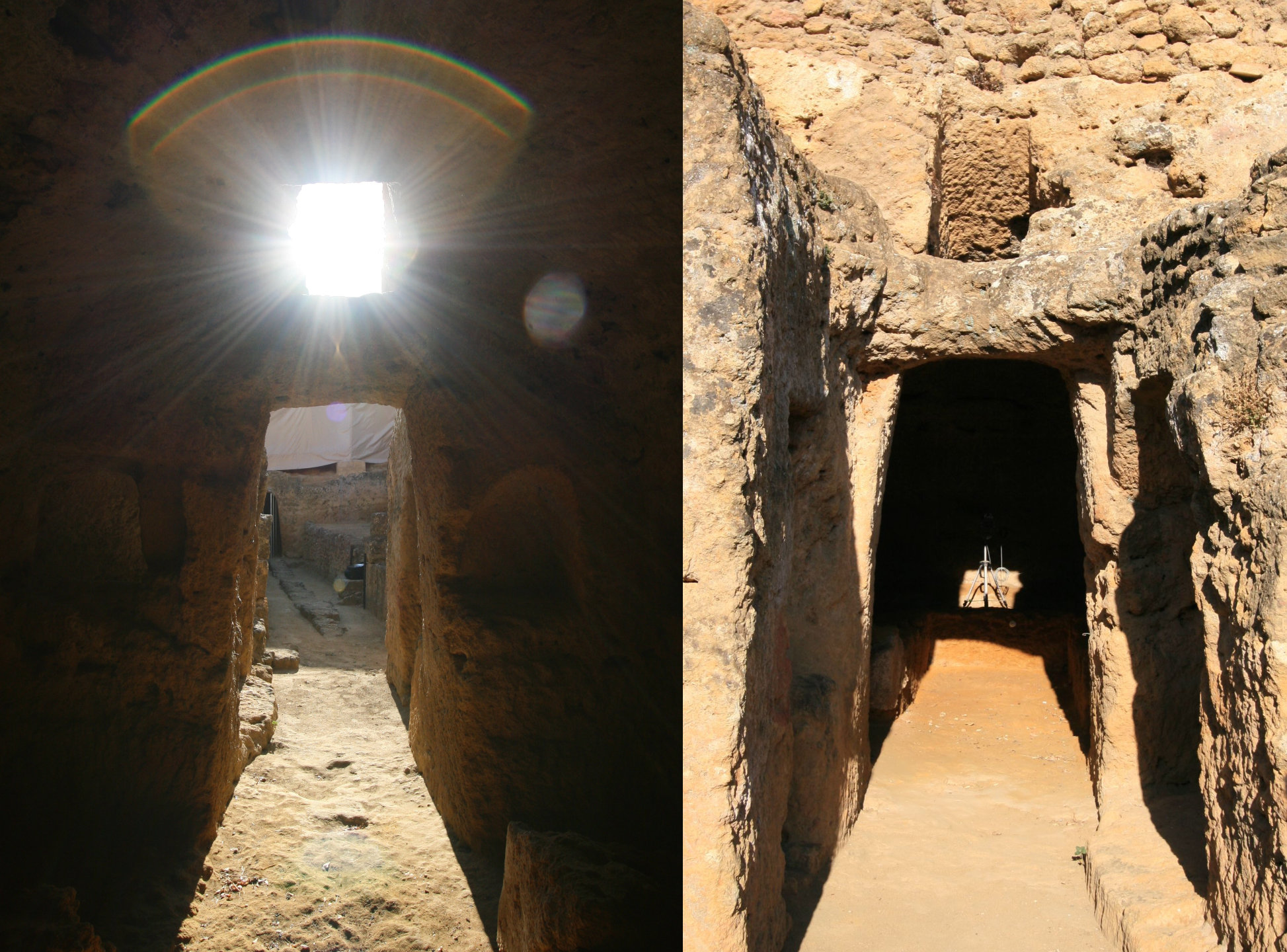
Set in a Roman necropolis, the so-called Mithraeum of the Elephant takes its name from an elephant statue found in one of the tombs.
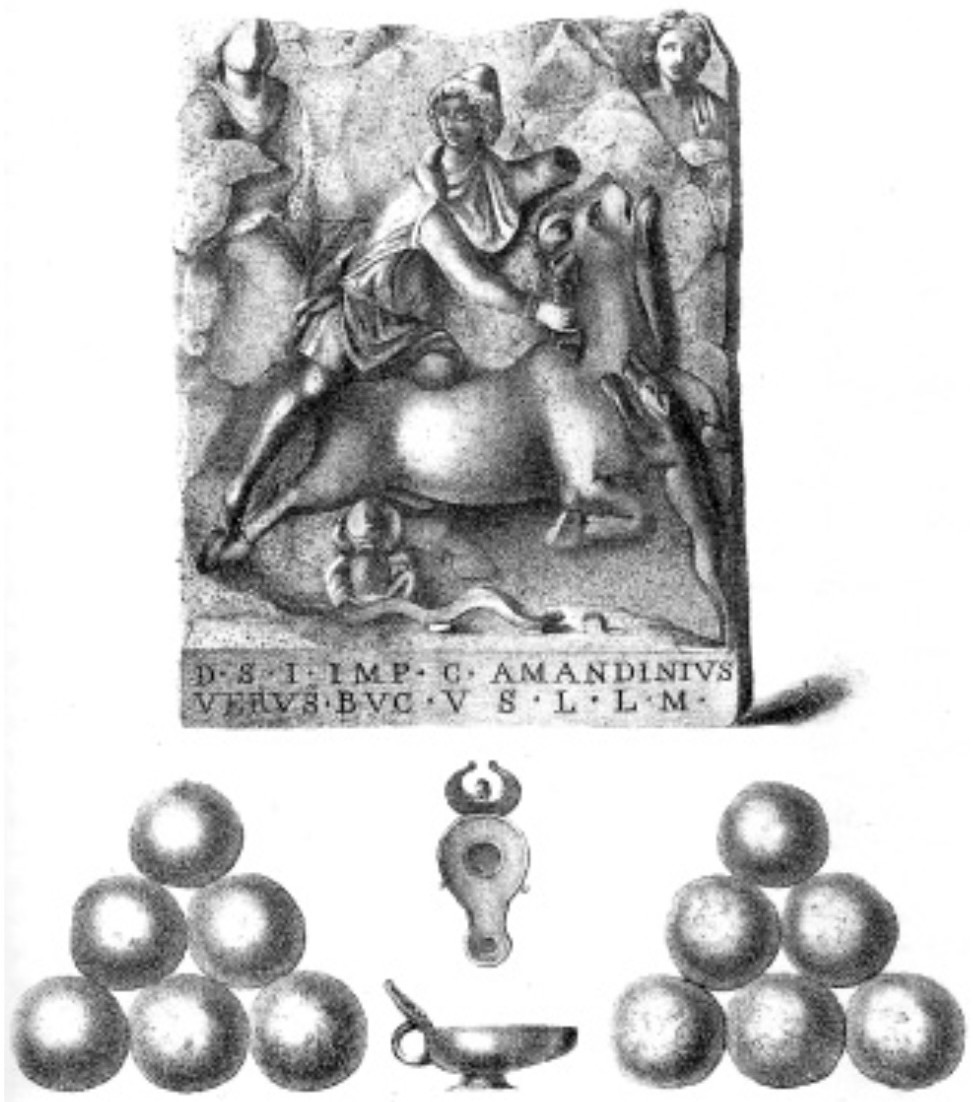
Workman digging in a field near Dormagen found a vault. Against one of the walls were found two monuments related to Mithras.
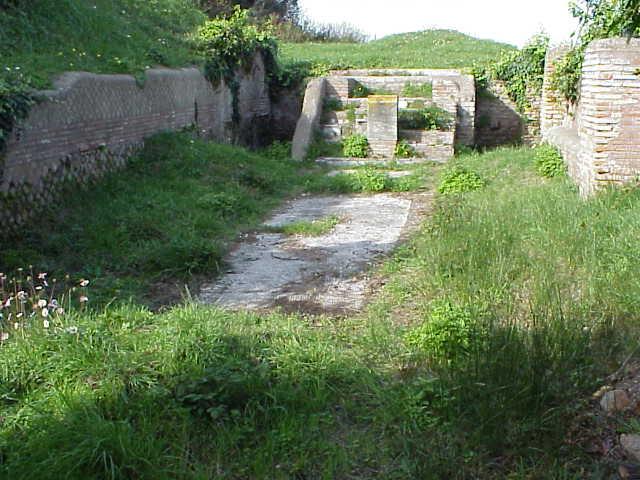
A mosaic of Silvanus, dated to the time of Commodus, was found in a niche in a nearby room of the Mithraeum in the Imperial Palace at Ostia.
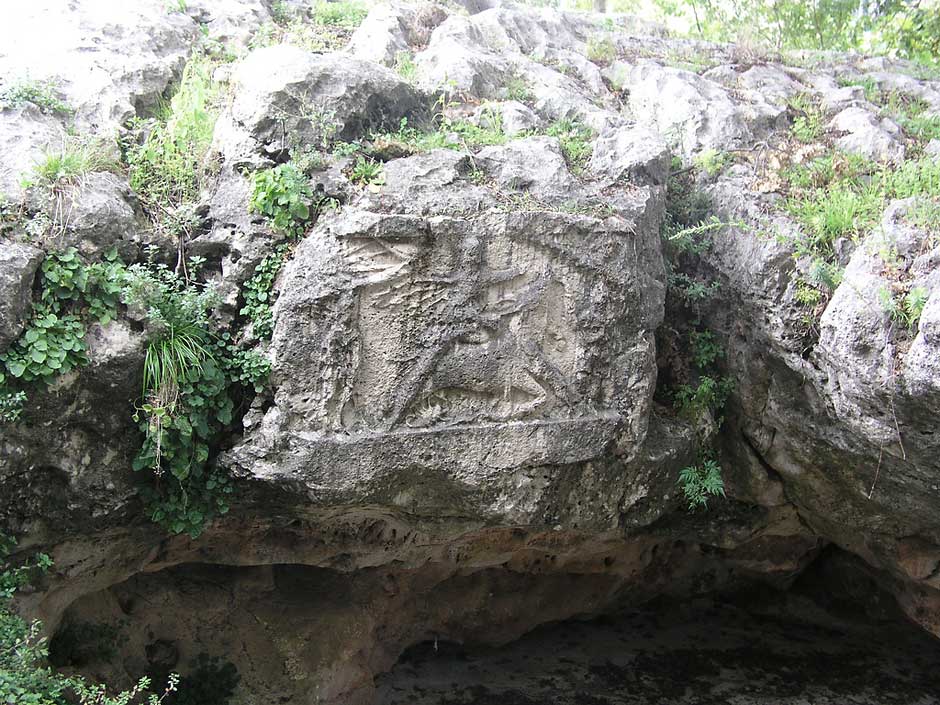
The Mithraeum of Mocici was situated in a grotto at one hour's walk fomr the ancient Epidaurum.
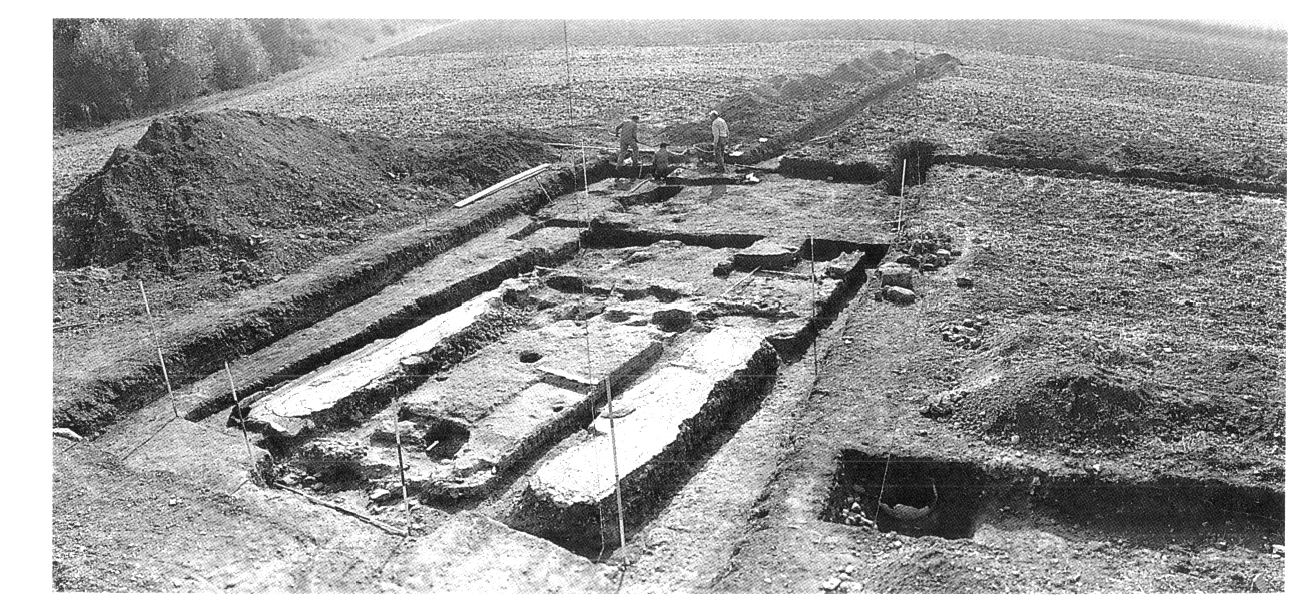
The Mithraeum of Biesheim-Kunheim is located near the ancient village of Altkirch, near the Rhin.
In the Mithraeum of Gross Gerau, discovered in 1989, a statue of Mercury, a lion and an altar were found.
This temple of Mithras has been discovered under the Church in Vieux-en-Val-Romey, in 1869.
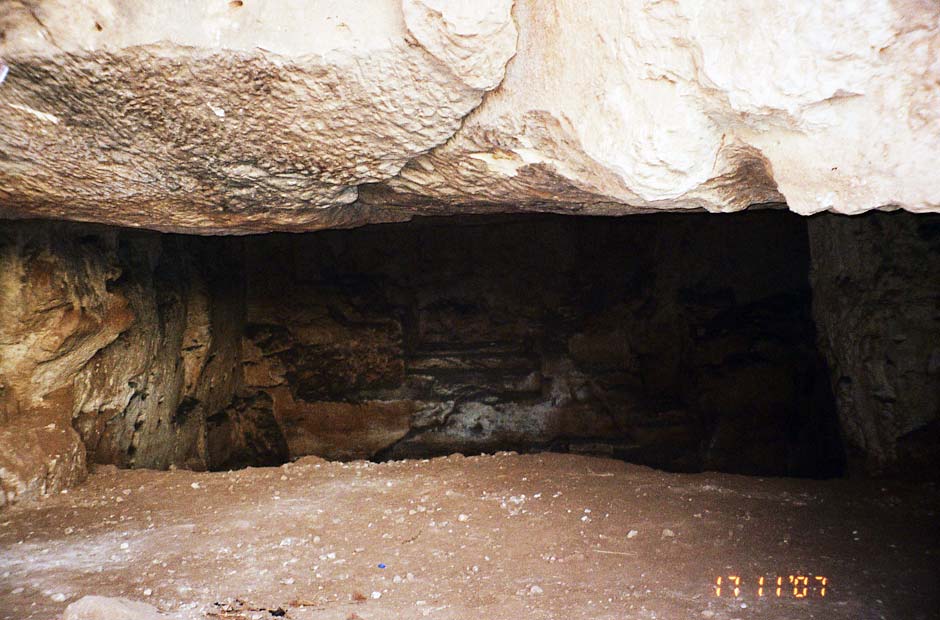
The Mithraea of Doliche, ancient Dülük, Turkey, are unique in that they represent two distinct shrines on the same site.
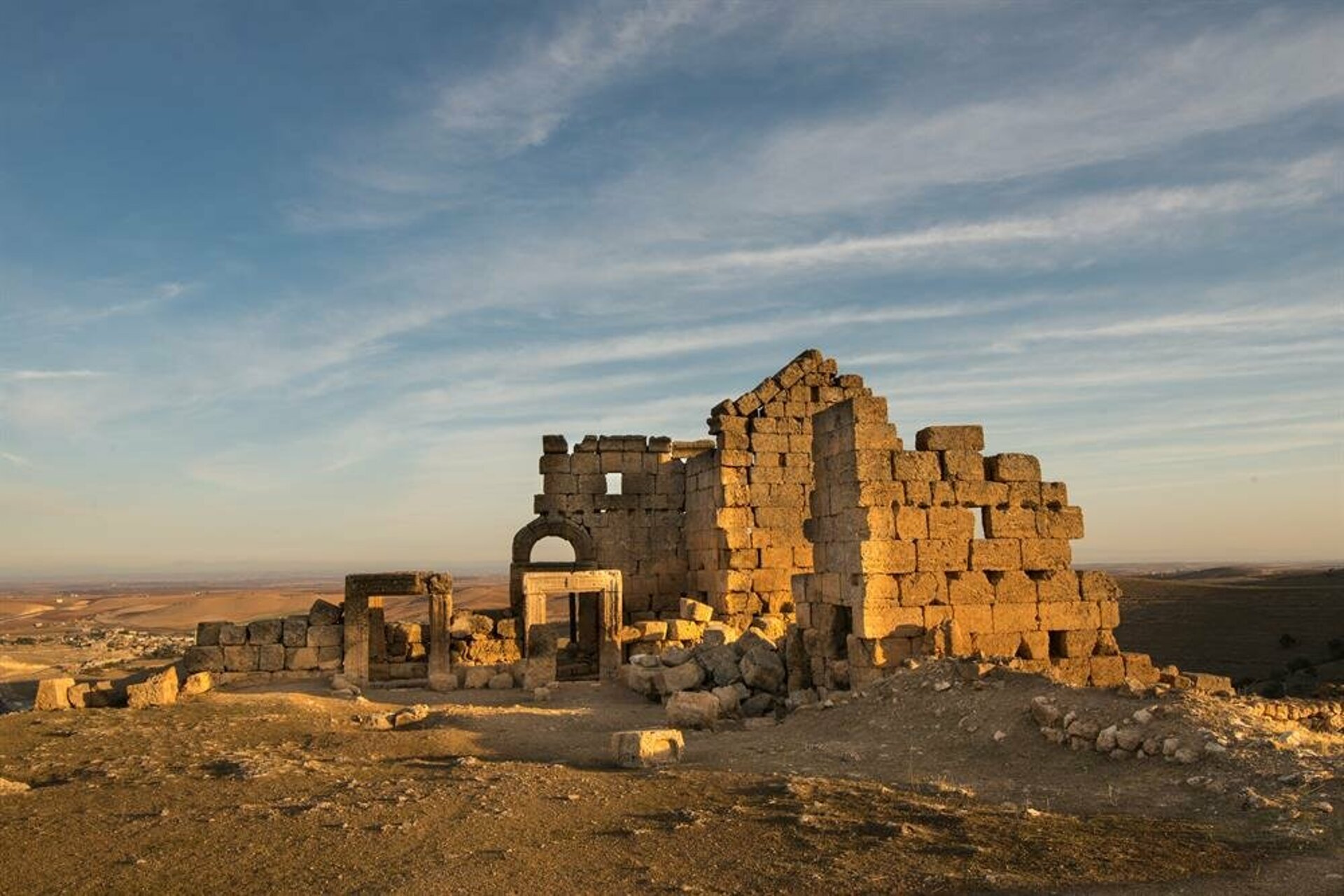
A Mithraeum was discovered in 2007, during the excavations at the Zerzevan Castle.

Excavations in 1979 on the remains of the church of Notre-Dame d'Avigonet in Mandelieu, Alpes-Maritimes, brought to light a small mithraeum.
Several fragmentary Mithraic remains dedicated by a certain Agatho in the Caelius suggest that a Mithraeum existed in the area.
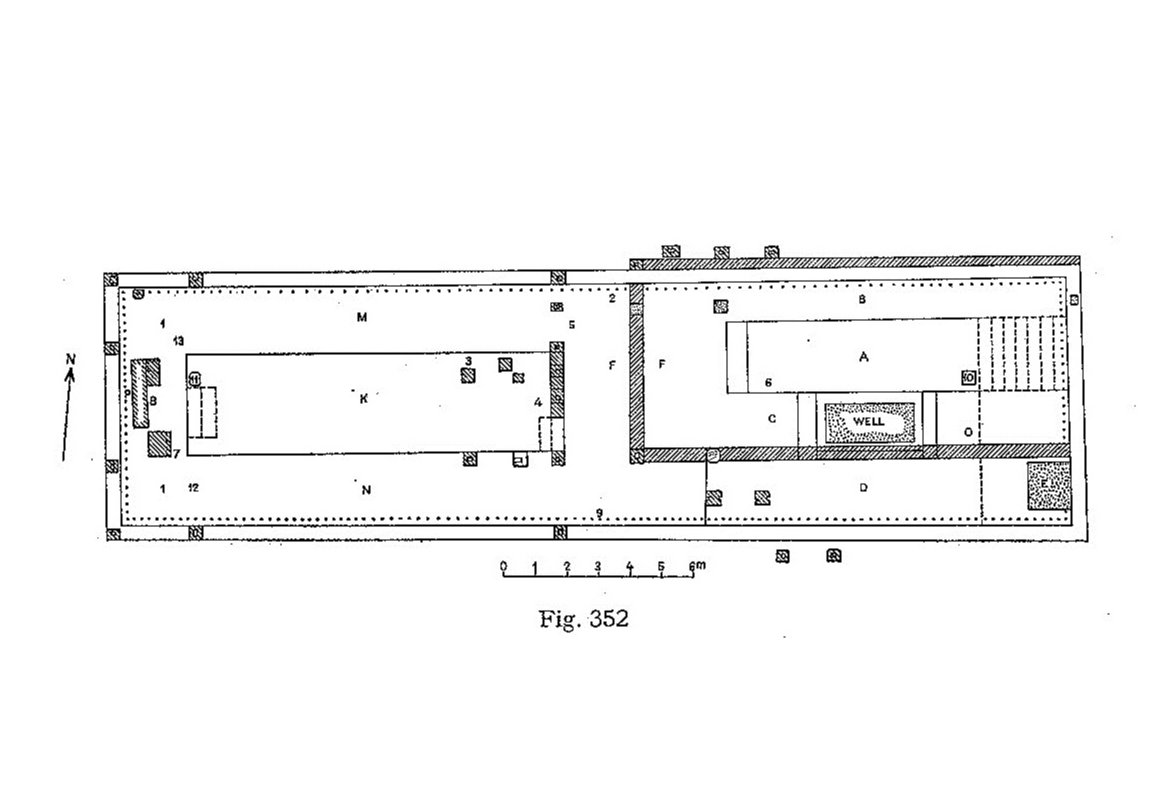
Lors de la construction de l’église Saint-Paul en 1911, un mithraeum a été mis au jour à Königshoffen, vicus gallo-romain situé aux abords du camp légionnaire de Strasbourg-Argentorate.
In 1938 this Mithraeum was found 3.45 mtrs under the Basilica of S. Lorenzo in Damaso, in a cellar near the Sacrament's Chapel.
