Your selection in monuments gave 141 results.
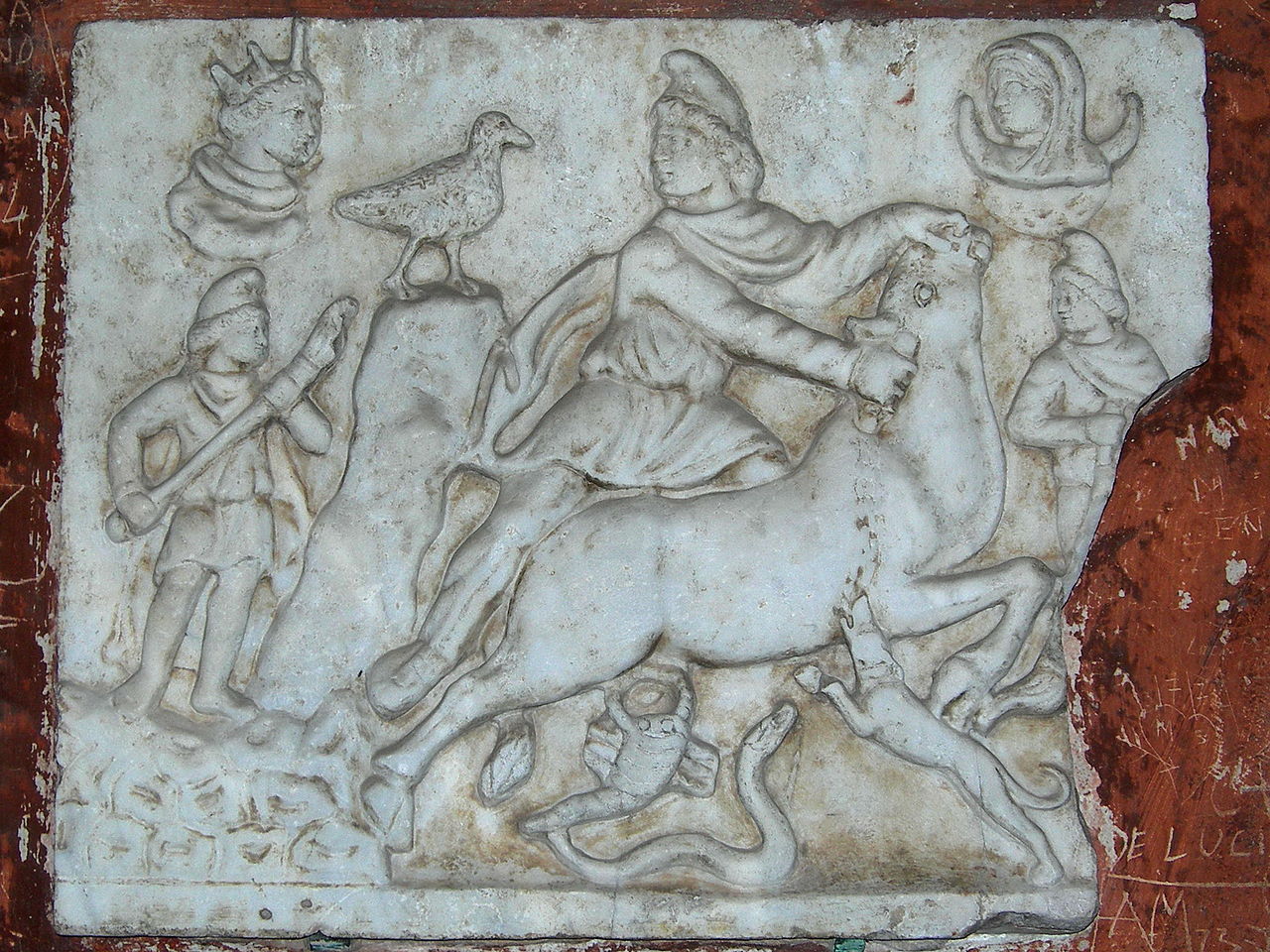
This white marble relief of Mithas killing the sacred bull was found embedded in the building of a noble family in Pisa.
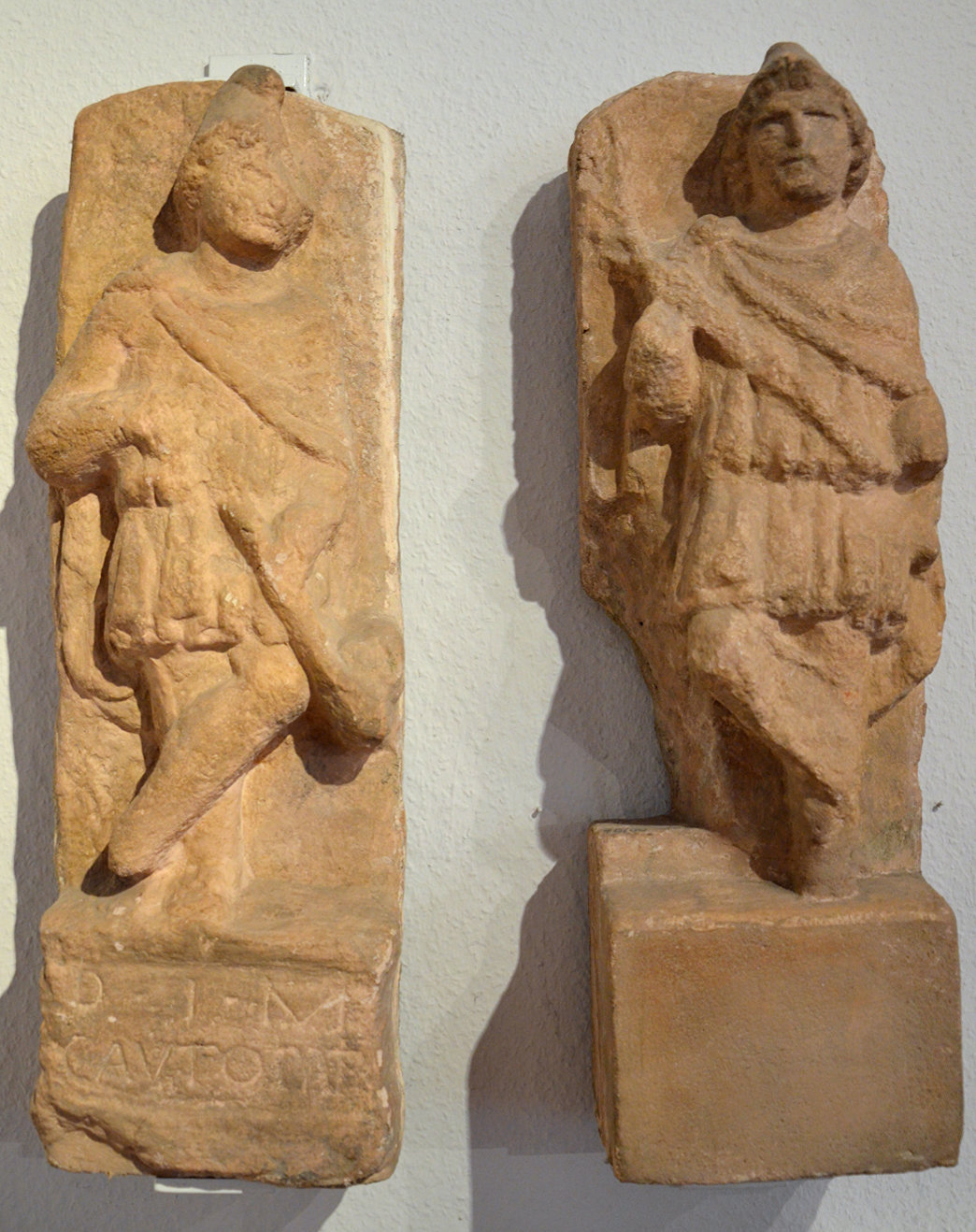
These two reliefs of Cautes and Cautopates where found in the south corner of one of the Mithraea of Friedberg, Hesse.
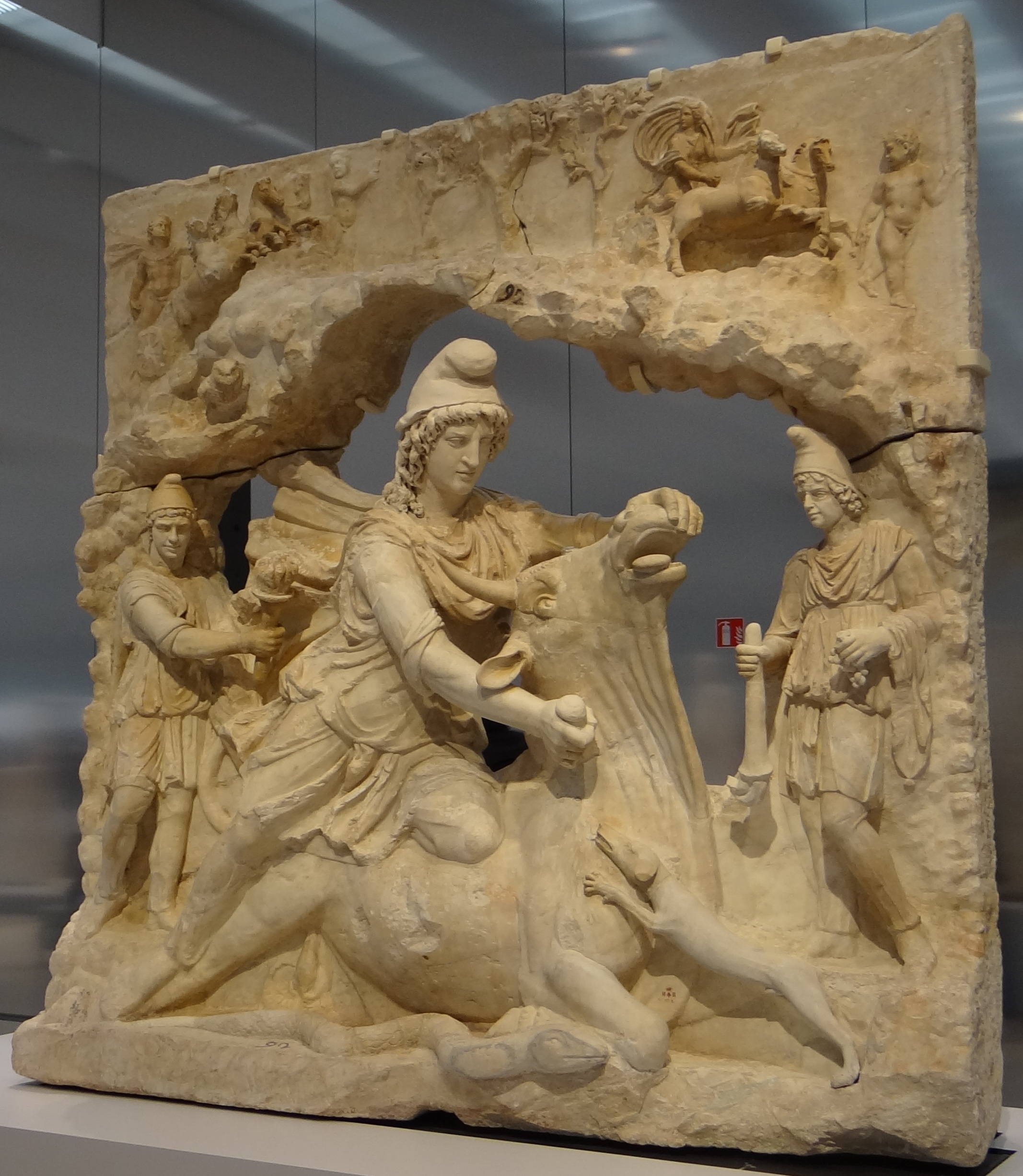
This relief of Mithras slaying the bull was erected in Piazza del Campidoglio, moved to Villa Borghese and is now in the Louvre Museum.
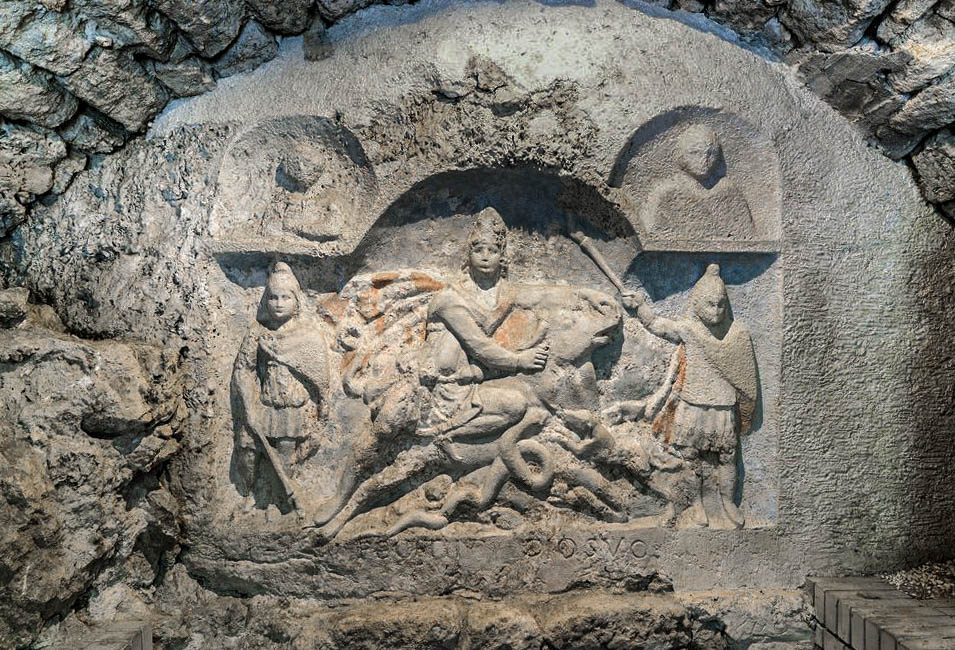
The main cultic relief of Mithras slaying the bull of Fertorakos was carved into the rock face.
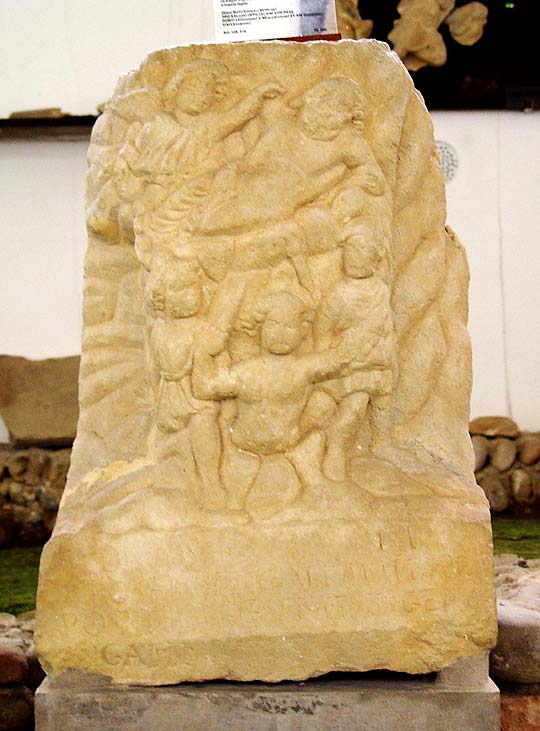
Cautes and Cautopates attend the birth of Mithras from the rock in the Petrogenia of the third Mithraeum of Ptuj.
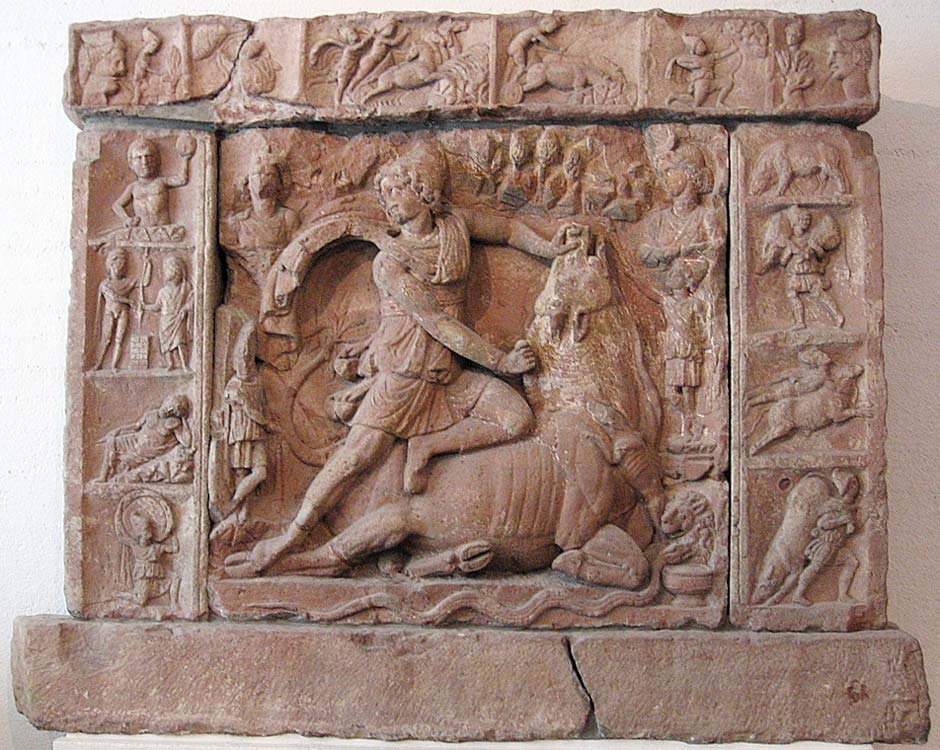
The Tauroctony relief of Neuenheim, Heidelberg, includes several scenes from the deeds of Mithras and other gods.
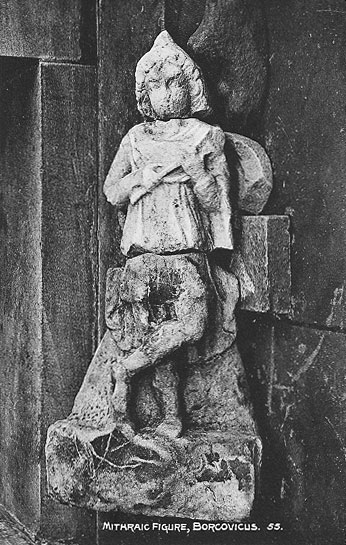
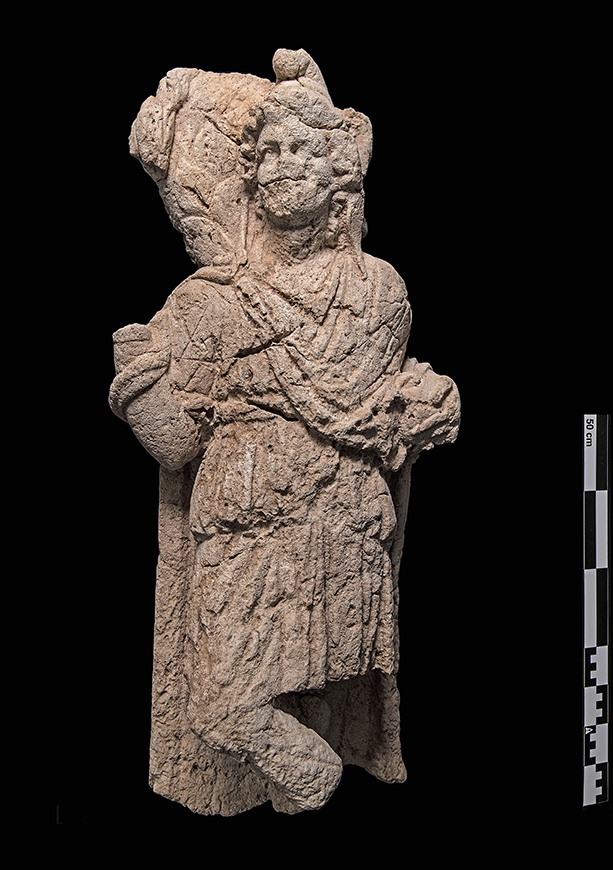
This remarkable relief by Cautes was found in what appears to be a mithraeum in Trier.
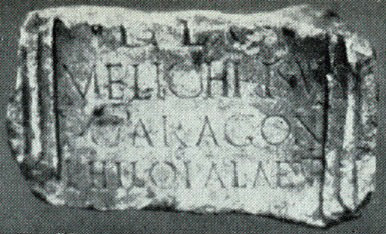
An unusual feature of this very ancient relief is that Cautopates carries a cockerel upside down, while Cautes carries it right-side up.
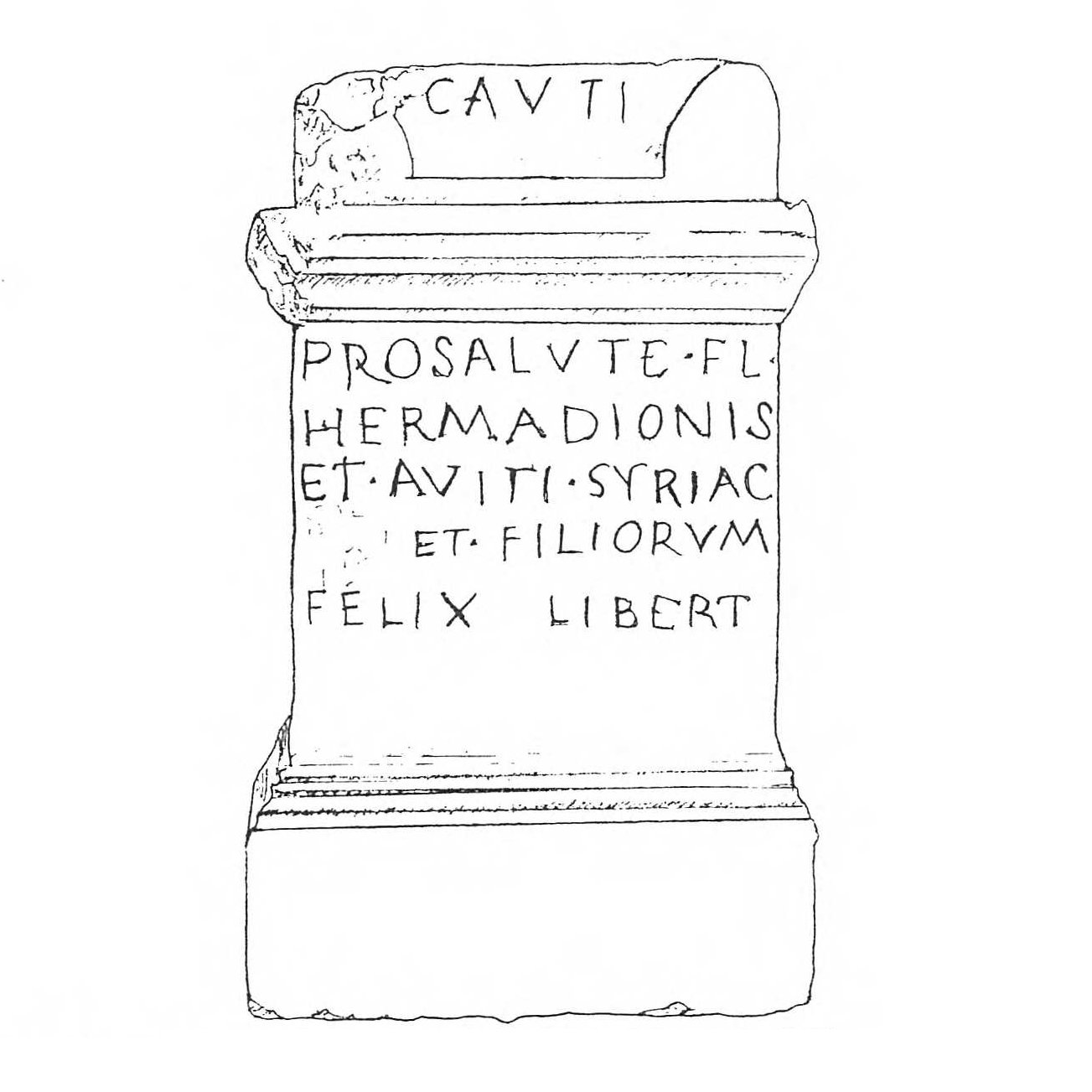
A certain Hermanio has been identified in the dedication of several monuments in different cities in Dacia and even in Rome.
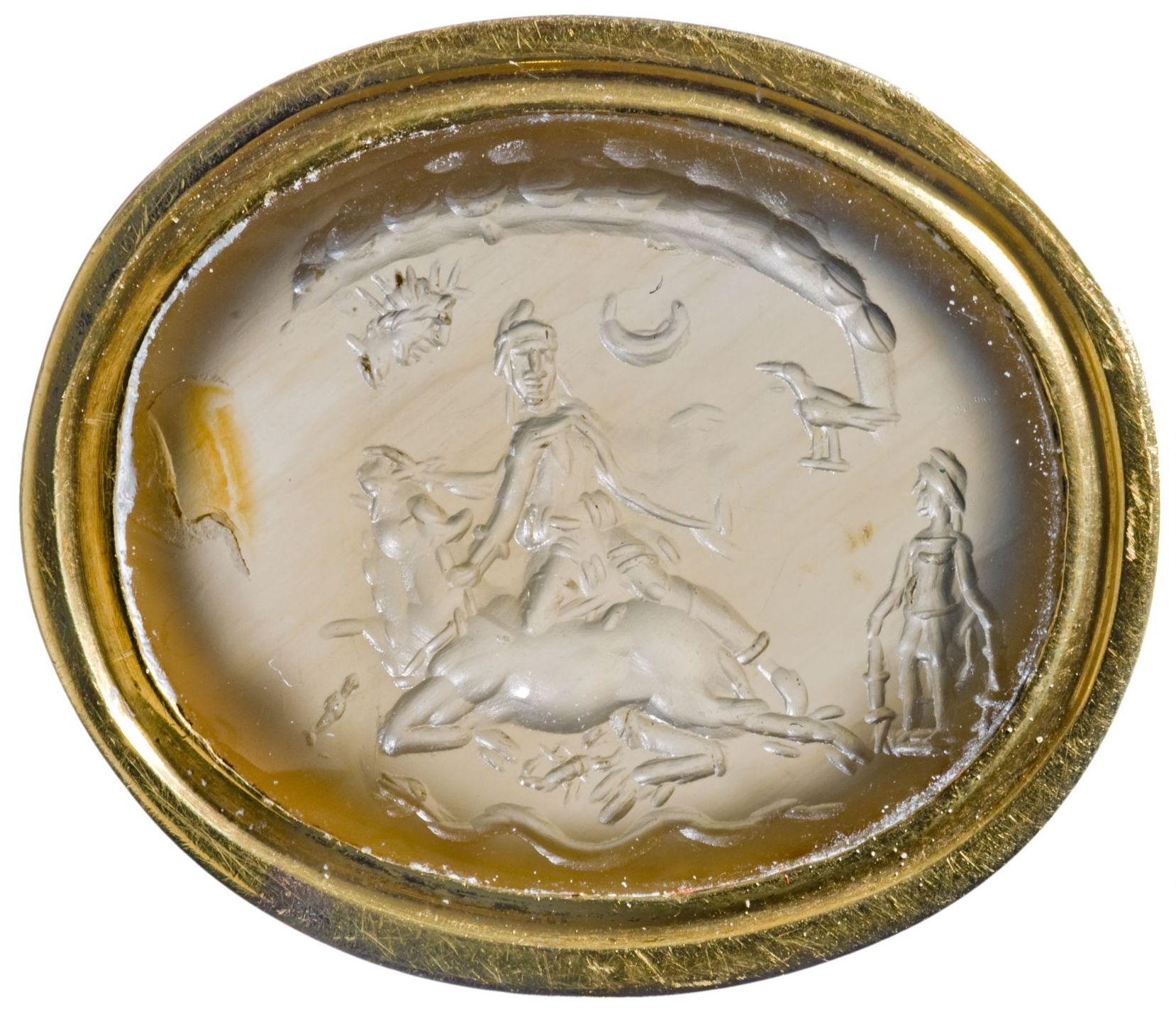
This intaglio depicting Mithras killing the bull is preserved at the Bibliothèque national de France.
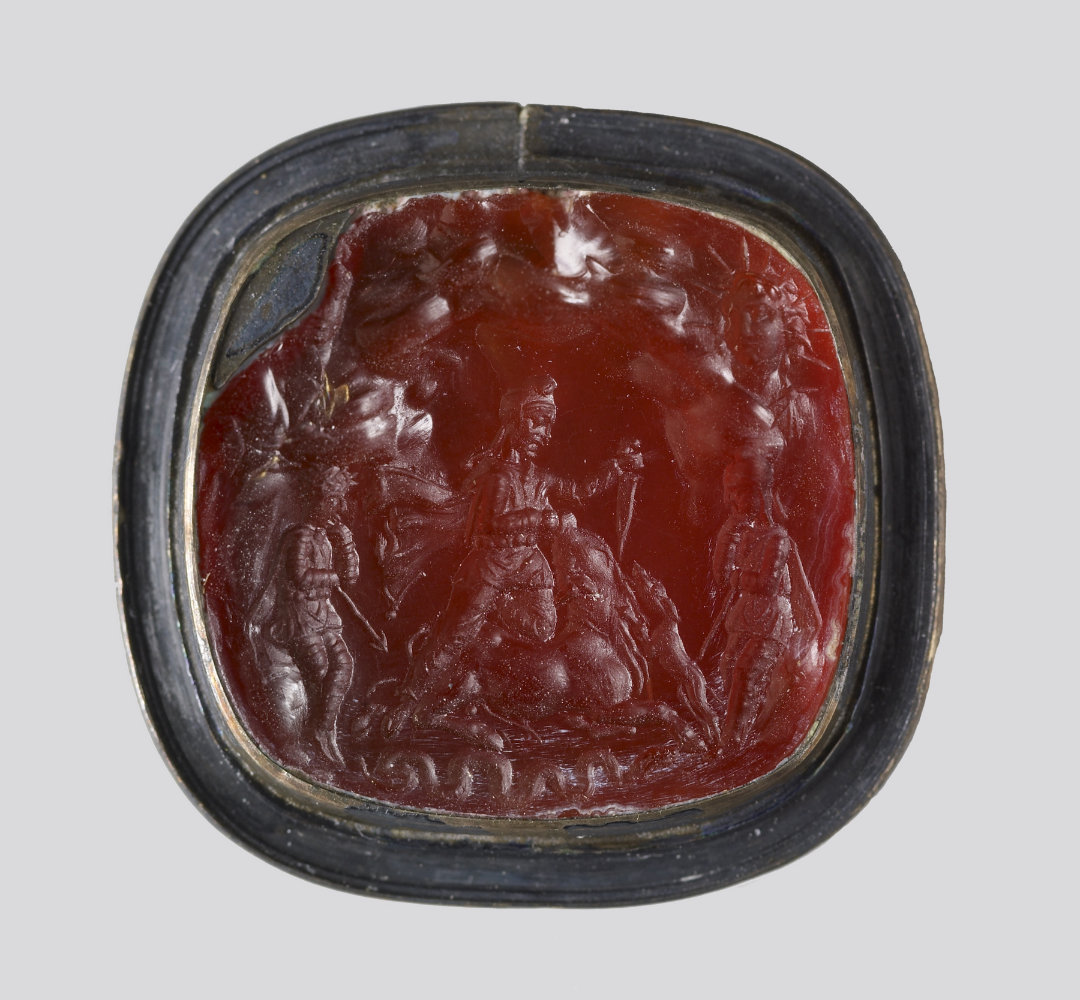
This ancient carnelian intaglio mounted in gold depicts Mithras slaying the bull surrounded by his companions Cautes and Cautopates.
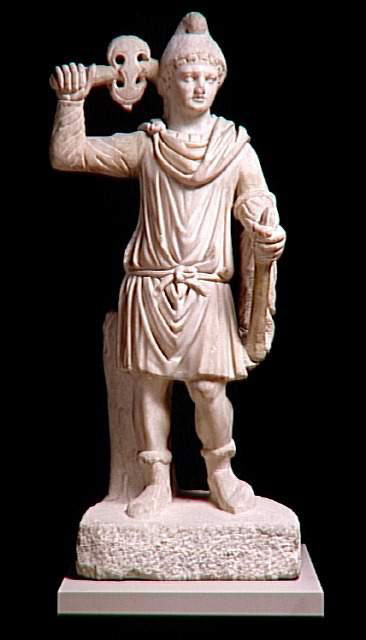
The Cautes of Sidon who wields an axe also wears a piece of cloth on his left arm.
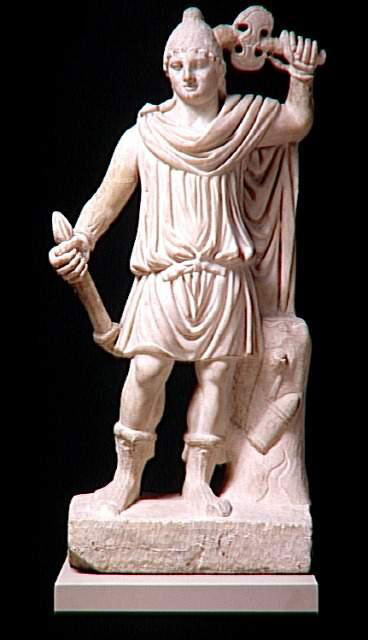
In this case, a quiver has been attached to the tree-stump behind the torchbearer.
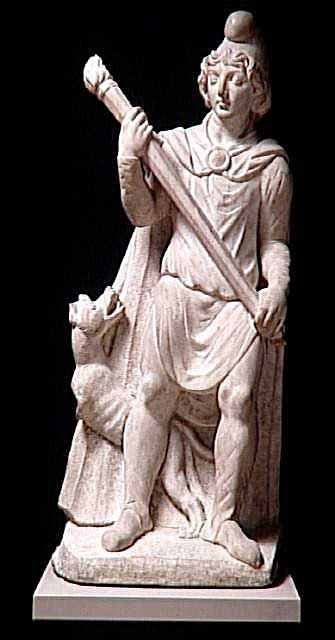
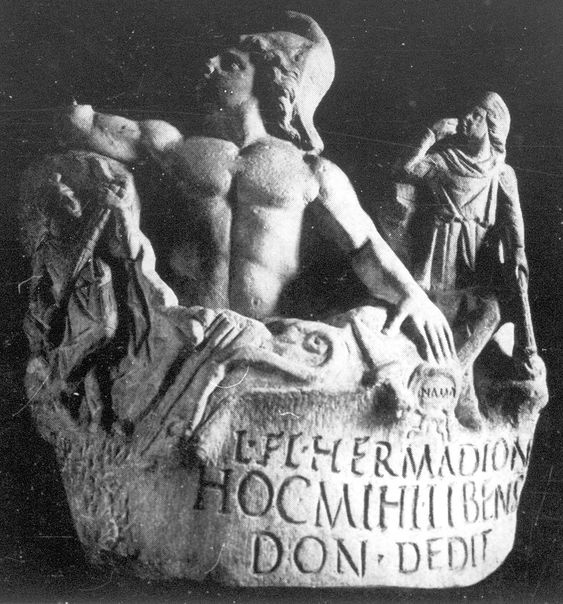
Mithras rock-born from Villa Giustiniani was holding a bunch of grapes in its raised right hand instead of a torch, probably due to a restoration.
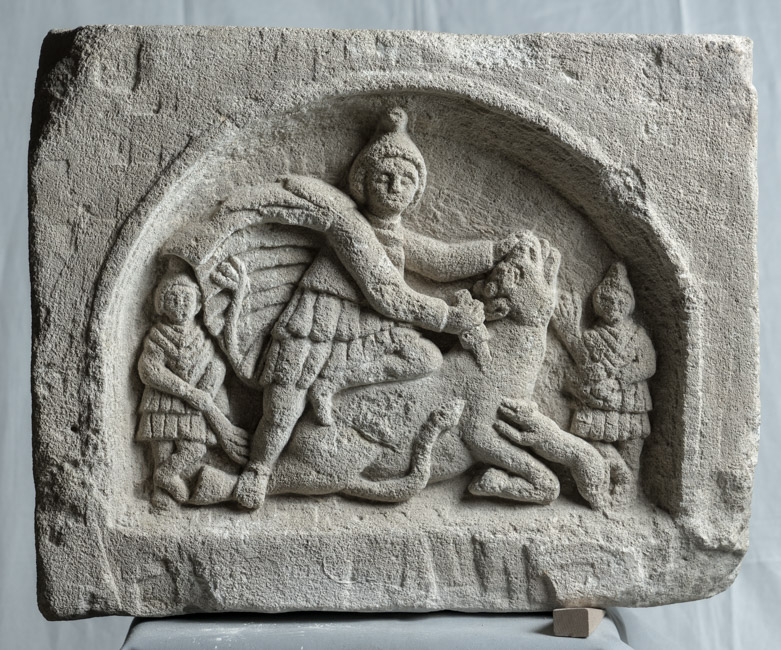
This relief found at Carnuntum represents Mithras slaughtering the bull, without the scorpion, in the sacred cave.
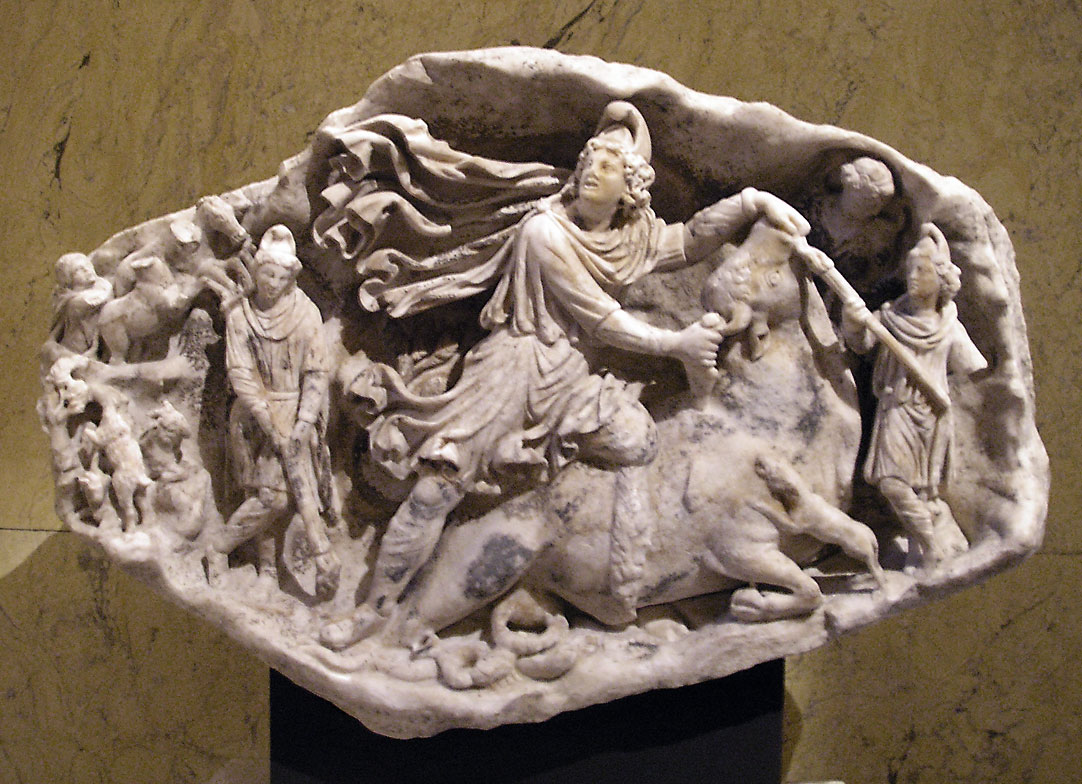
The relief of the Mithraic tauroctony of Aquiliea is currently on display in Vienna.
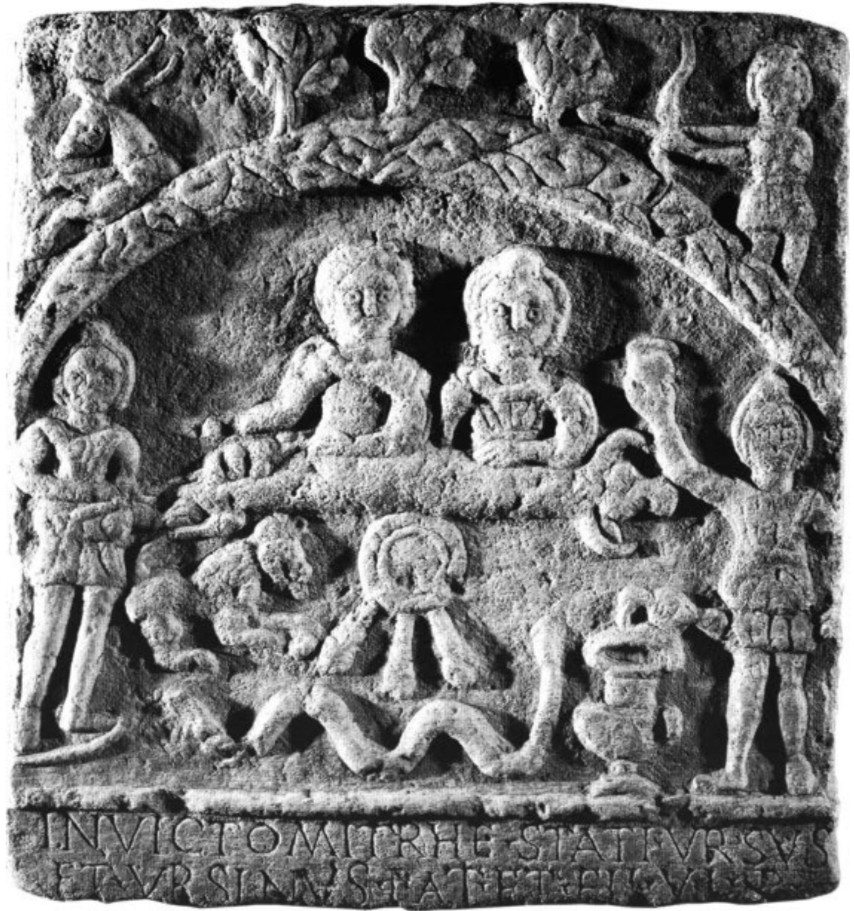
Mithras and Sol share a sacred meal accompanied by Cautes and Cautopates on a relief found in a cemetery from Croatia.
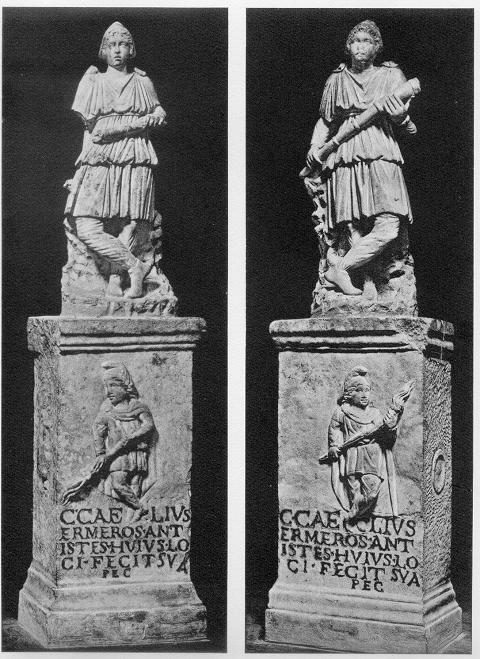
The sculptures of Cautes and Cautopates from the Mitreo del Palazzo Imperiale may have been reused from an older mithraeum in Ostia.
