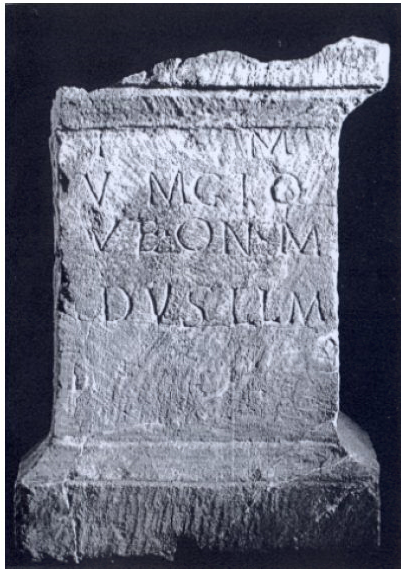
This fragmented monument bears an inscription of a certain veteran named Valerius Magio.
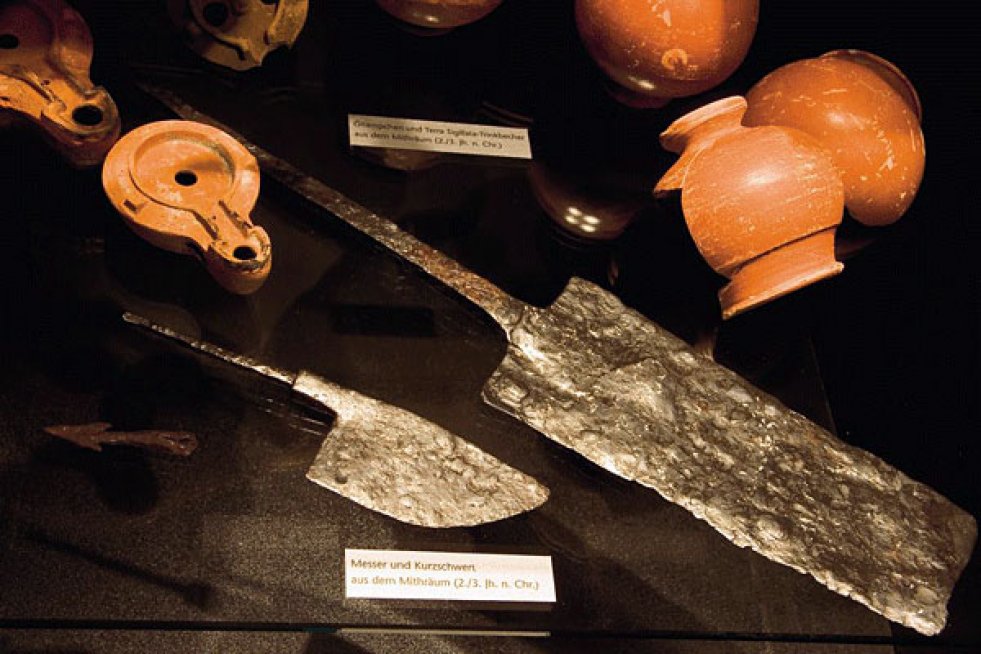
The Mithraeum of Kunzing was an underground building, oriented east-west. The entrance was probably on the east.

This relief of Mithras slaying the bull incorporates the scene of the god carrying the bull and its birth from a rock.
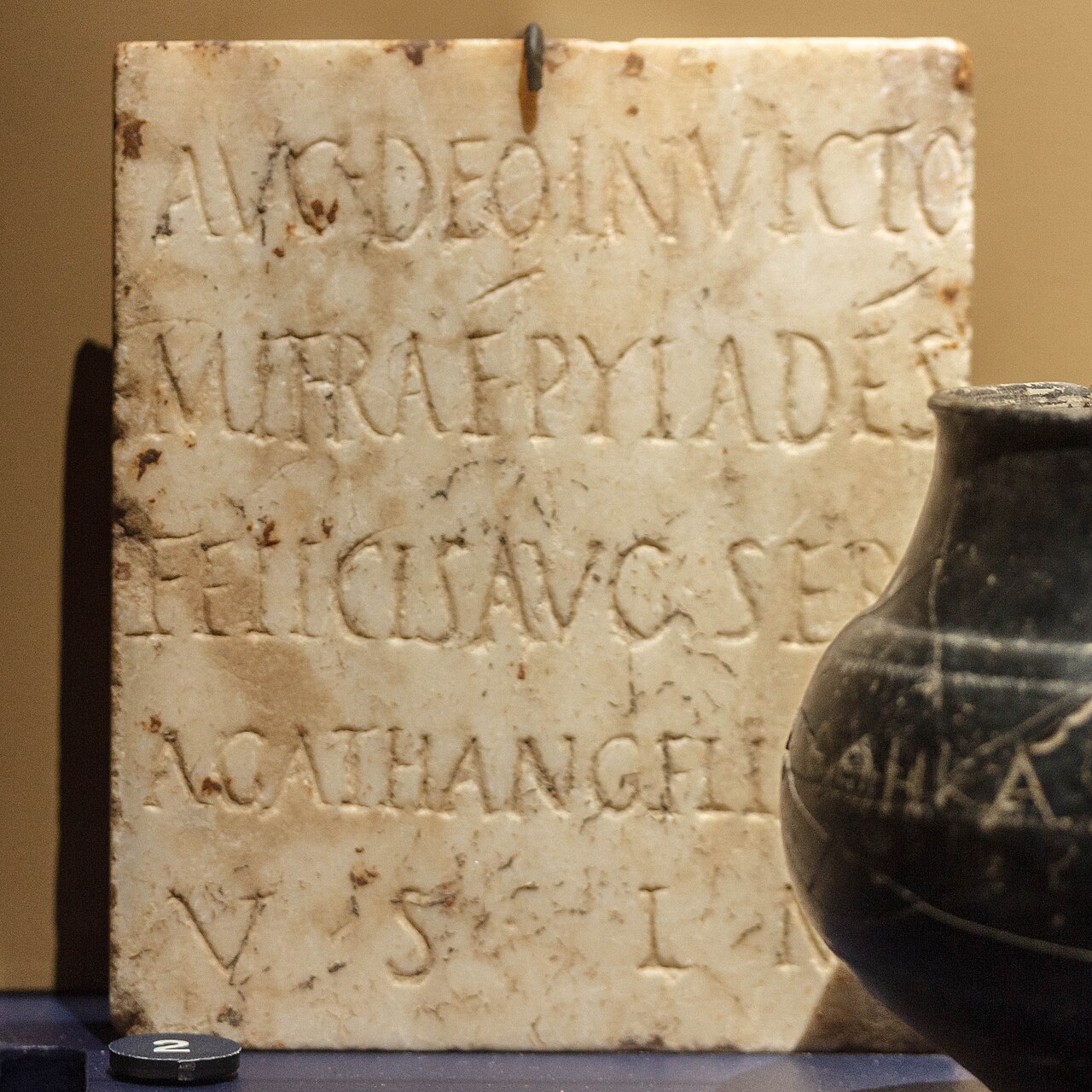
This marble plaque from Iuliomagus, Roman Angers, bears a rare dedication to Mithras by Pylades, a slave of an imperial slave connected to the Roman administration in Gaul.
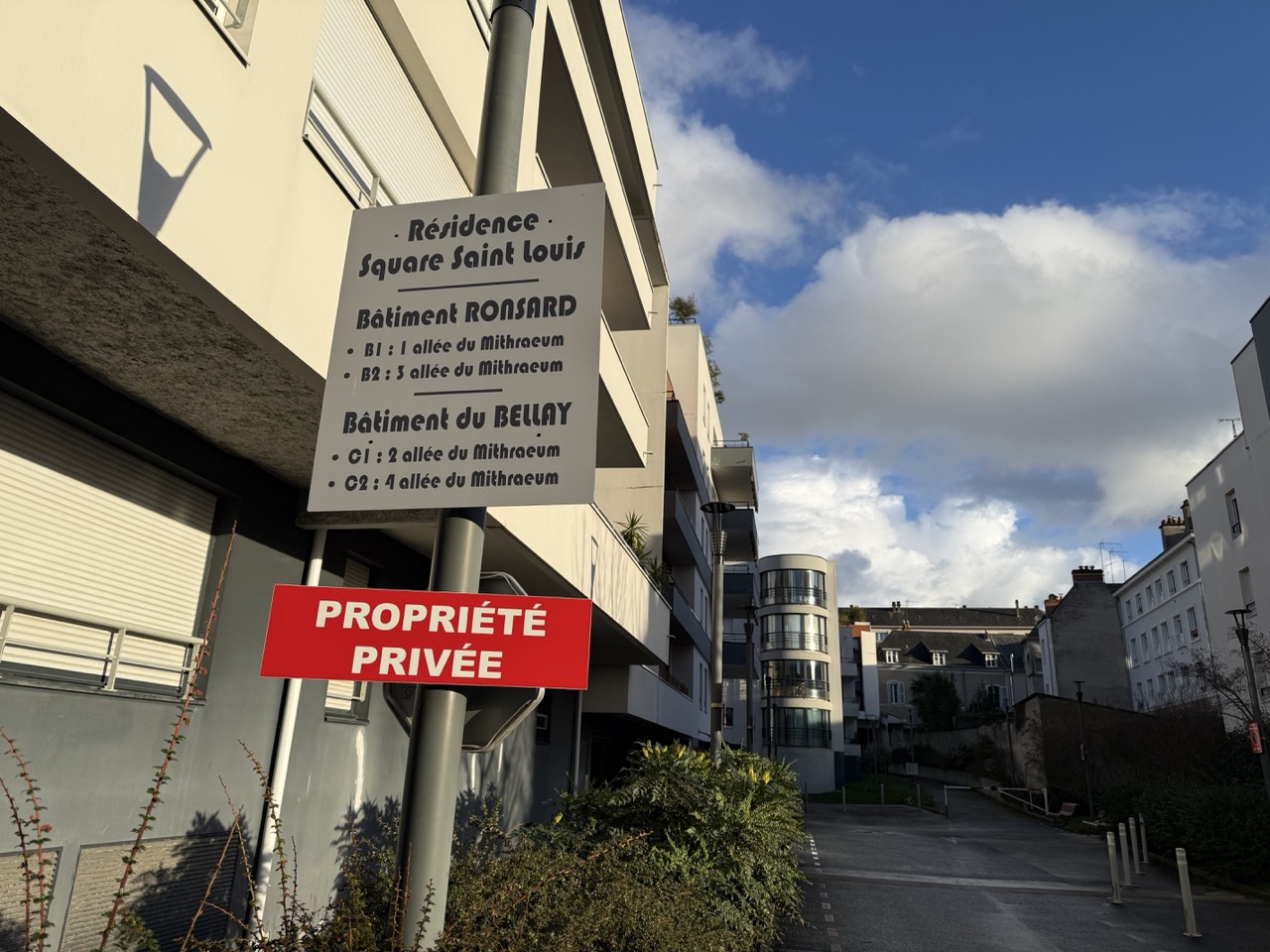
The Mithraeum of Angers, excavated during a preventive operation and subsequently dismantled in 2010, yielded numerous objects, including coins, oil lamps, and a ceramic vessel bearing a votive inscription to the invincible god Mithras.
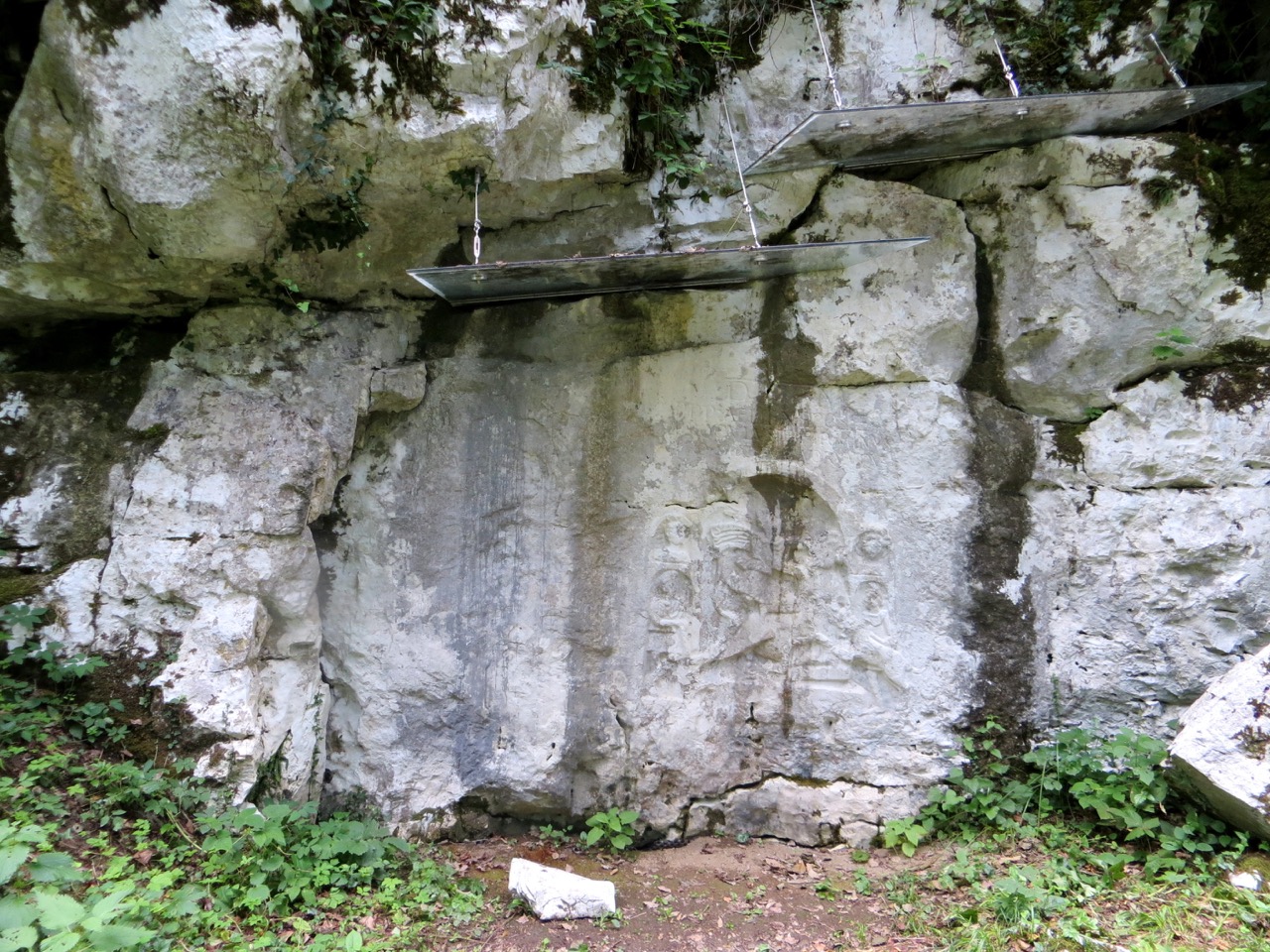
According to Hitzinger remnants of animal bones were found in front of the relief of the Mithraeum at Rozanec.
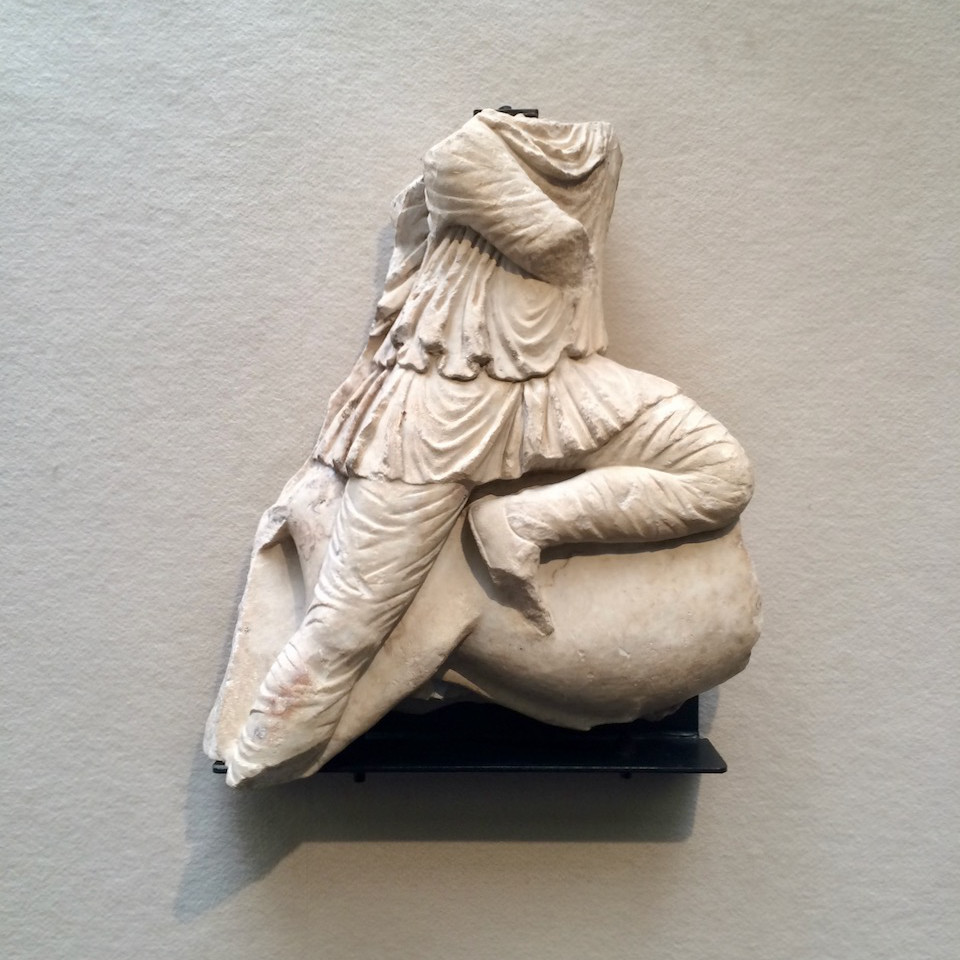
The Mithra Tauroctonos from Syracuse, Sicily, is currently on display in the city's archaeological museum.
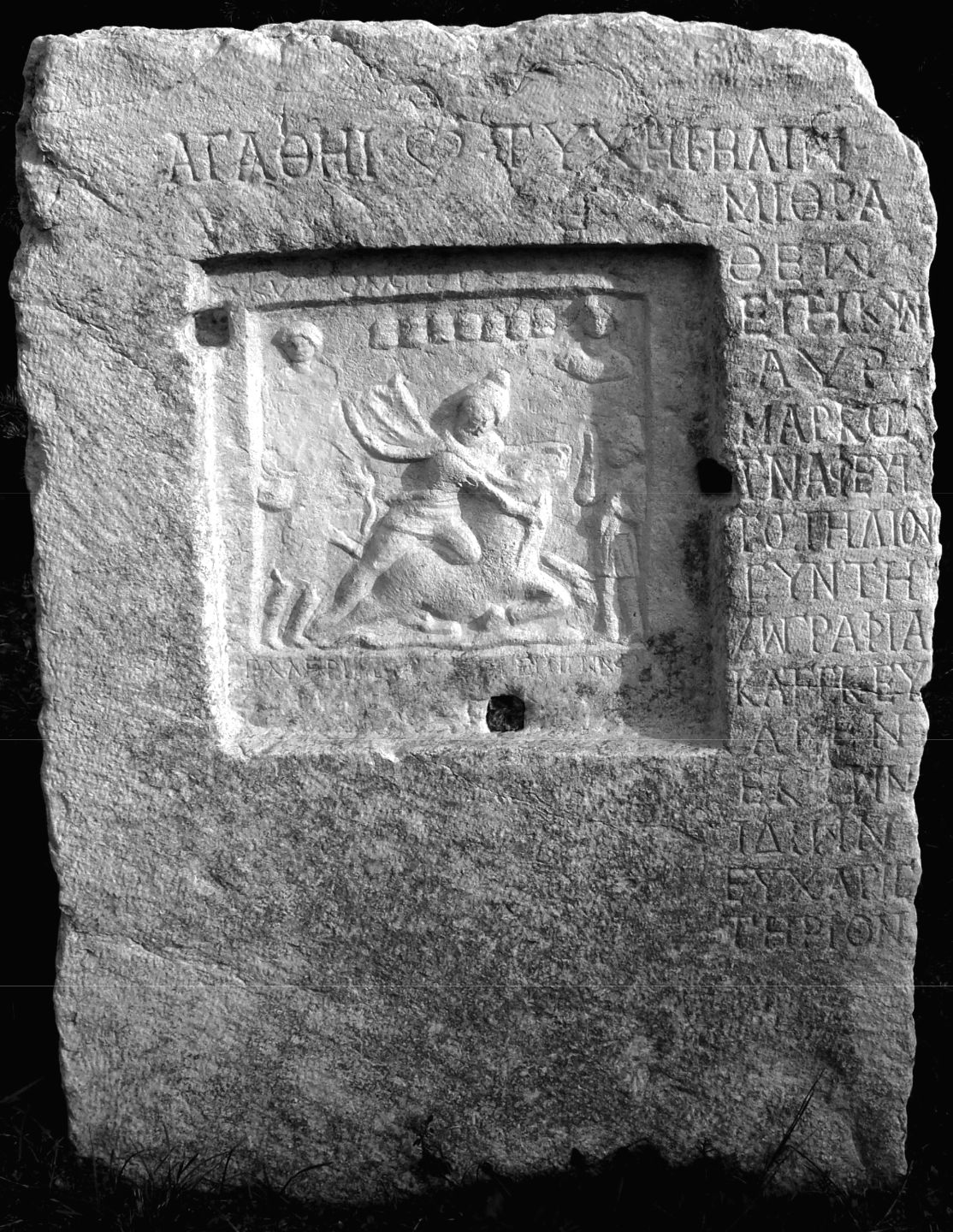
The Tauroctony of Nicopolis ad Istrum is unique as it is the only Mithraic stele befitting a Greek donor.
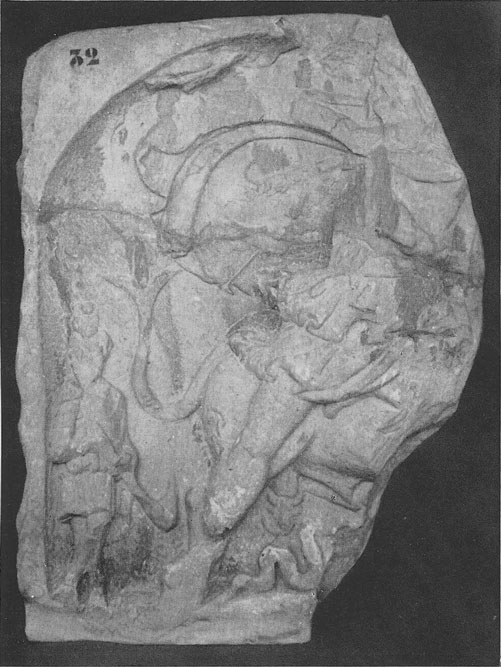
This fragmentary tauroctony relief from Timziouin near Saïda depicts Mithras slaying the bull within a cave-like frame, accompanied by the raven, serpent, scorpion, and Cautopates.

This fragmentary inscription from Zuccabar, reused in the wall of the Sidi Abd-el-Kader mosque at Affreville, preserves a dedication to Sol Invictus.
,_found_in_Rome,_2nd_century_AD,_British_Museum_(15545876047).jpg)
The sculpture of Mithras slaying the bull was transported from Rome to London by Charles Standish in 1815.
This small Greek dedication from the island of Aenaria invokes Helios Mithras under the epithet “unconquered”.
This marble dedication from Puteoli was offered to Sol Invictus and the genius of the colony by Claudius Aurelius Rufinus together with his wife and son.
This lost Mithraic relief, formerly kept near the church of the Santissima Annunziata in Naples, was probably a large tauroctony associated with the area of Puteoli or Pausilypon.
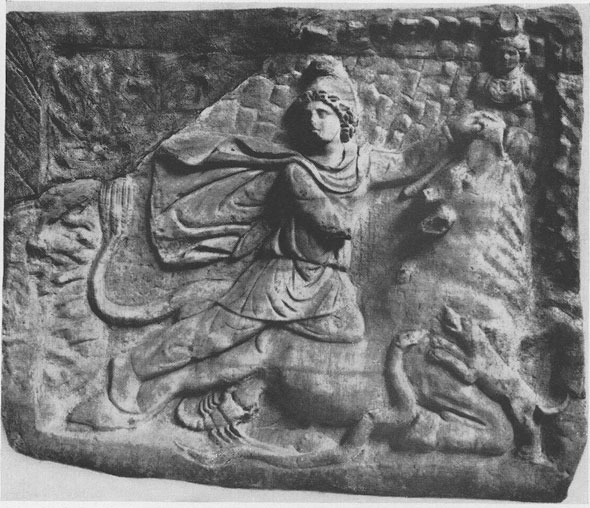
This marble tauroctony relief, probably originating from Naples, depicts Mithras slaying the bull within a cave-like setting, accompanied by the usual animals and celestial busts.
This small inscription from Termini Himeraeae in Sicily was dedicated to Sol Invictus as protector of the emperor Antoninus Augustus.
Inscription from Hamadan where the ’great king’ Artaxerxes mentions Ahuramazda, Anahita, and Mithra as guardians.
A probable Mithraic sanctuary at Poetovio, identified by Vermaseren as the so-called Mithraeum IV on the basis of four associated inscriptions.
This inscription probably belonged to the fourth mithraeum of Poetovio and records the restoration of a Mithraic temple by the dux Aurelius Iustinianus.
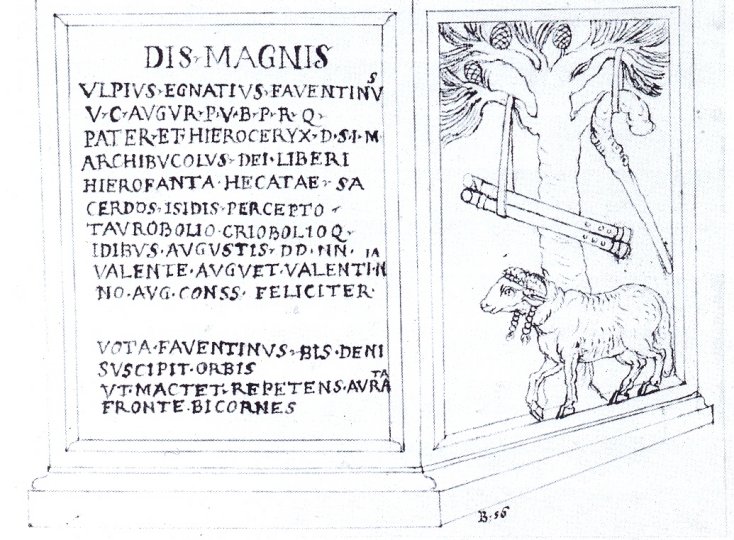
Both of them were discovered in 1609 in the foundations of the façade of the church of San Pietro, Rome.
