Filtering by Province: Germania inferior in monuments gave 27 results.
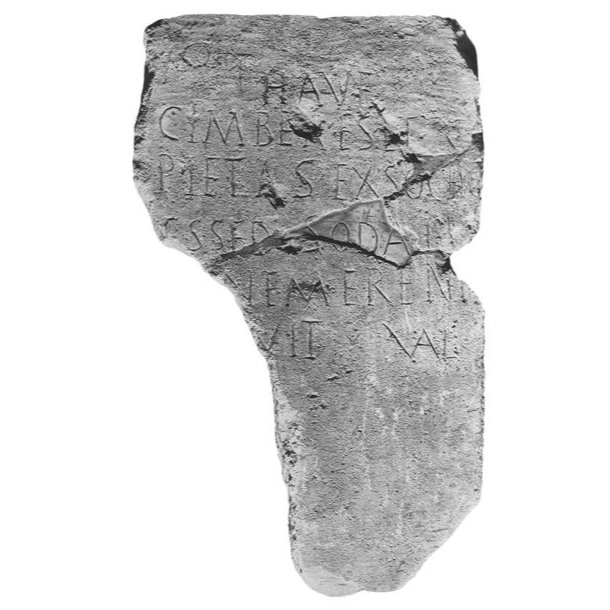
This monument with an inscription by two individuals was found in the first mithraeum of Cologne, Germany.

Fragmentary inscription possibly connected to Sol or Mithras, though attribution remains uncertain.
Simple inscribed altar dedicated to the invincible deity from Cologne.
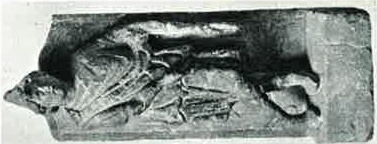
Limestone relief of the torchbearer Cautopates standing cross-legged in Oriental dress.
Limestone base with remains of a torchbearer and an inscription to Mithras by Lucius Pervincius Sequens.
Assemblage of altars, lamps, coins and ritual objects discovered in the sanctuary.
Subterranean Mithraic sanctuary near Dormagen with painted walls and a cult relief at the rear.
Complex military inscription invoking Apollo, Sol and Luna under Severus Alexander.
Mithraic altar inscription set up by the centurion Marcus Iulius Martius in 189 CE.
Decorated altar with rosettes and an inscription panel from the Mithraic sanctuary at Vetera.
Group of altars and a base indicating the existence of a Mithraeum near the Roman camp of Vetera.
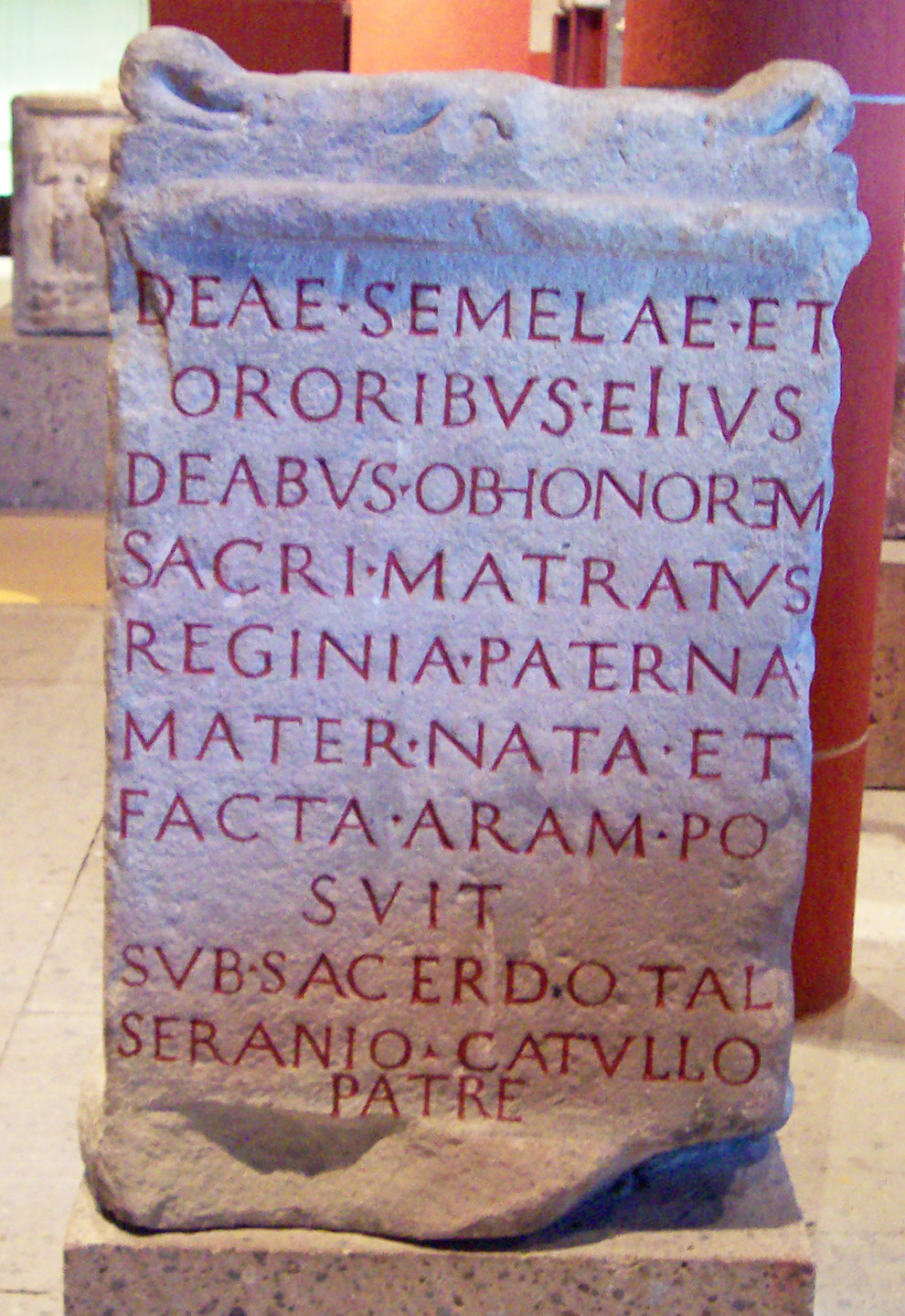
This sandstone altar found in Cologne bears an inscription to the goddess Semele and her sisters.
This marble head of Mithras was found in the Luxemburgerstrasze in Cologne, Germany.
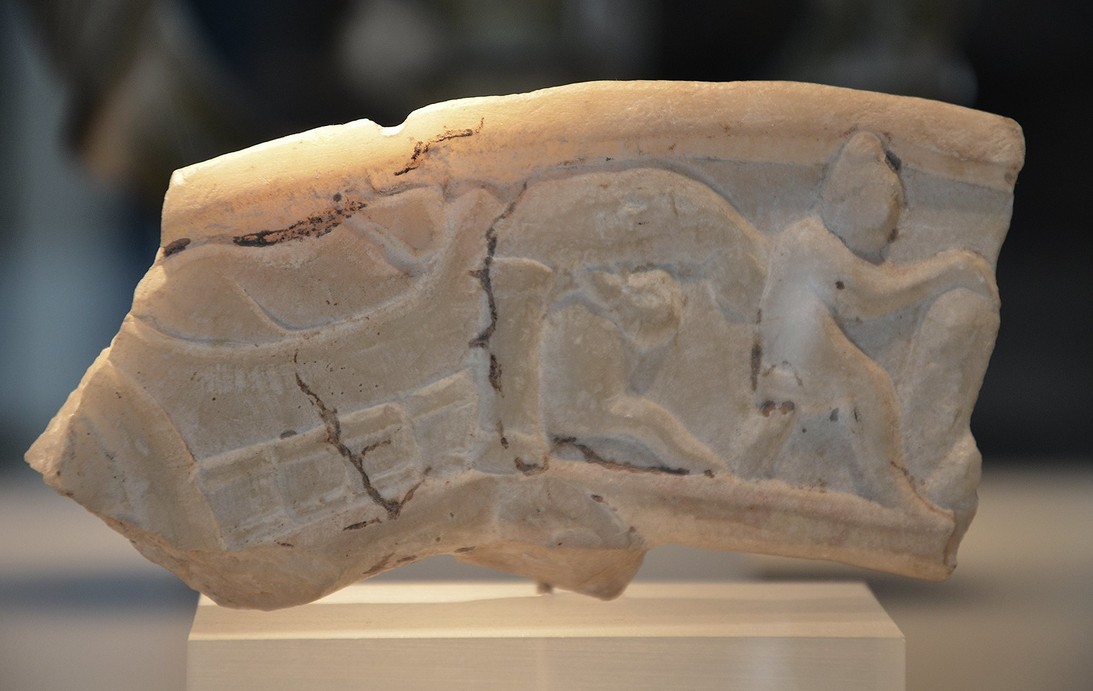
Fragment of an alabaster relief from Cologne with part of a tauroctony scene. Only the tip of Mithras’ Phrygian cap and small narrative details above are preserved.
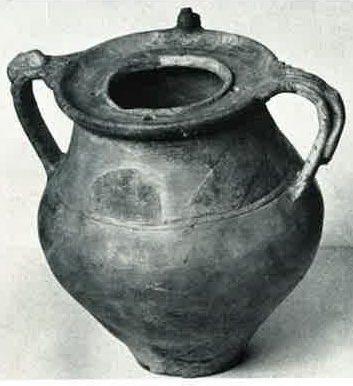
Sepulchral limestone inscription from the vicinity of the Mithraeum at Colonia Agrippina (Germania Inferior), mentioning the Mithraic grade Corax.
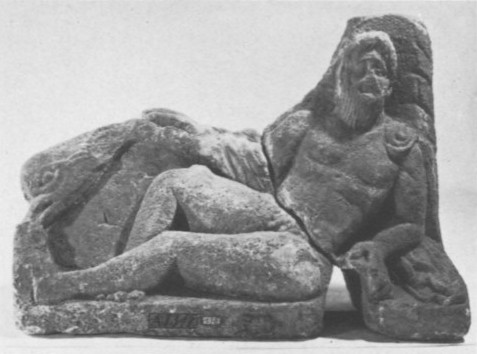
A small limestone altar from Bandorf near Oberwinter dedicated to Deo Invicto Regi. Found in an isolated structure not resembling a mithraeum, its function remains uncertain.
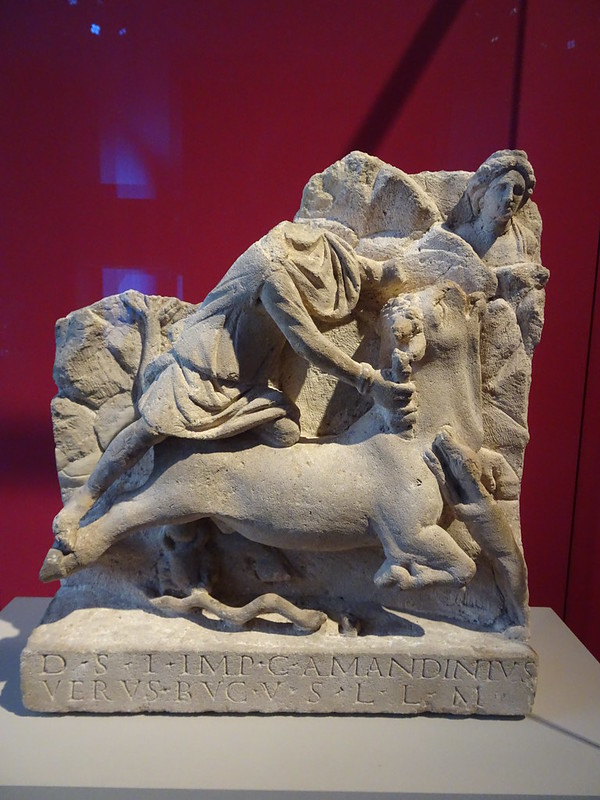
The sculpture of Mithras slaying the bull found in Dormagen is exposed at Bonn Landesmuseum.
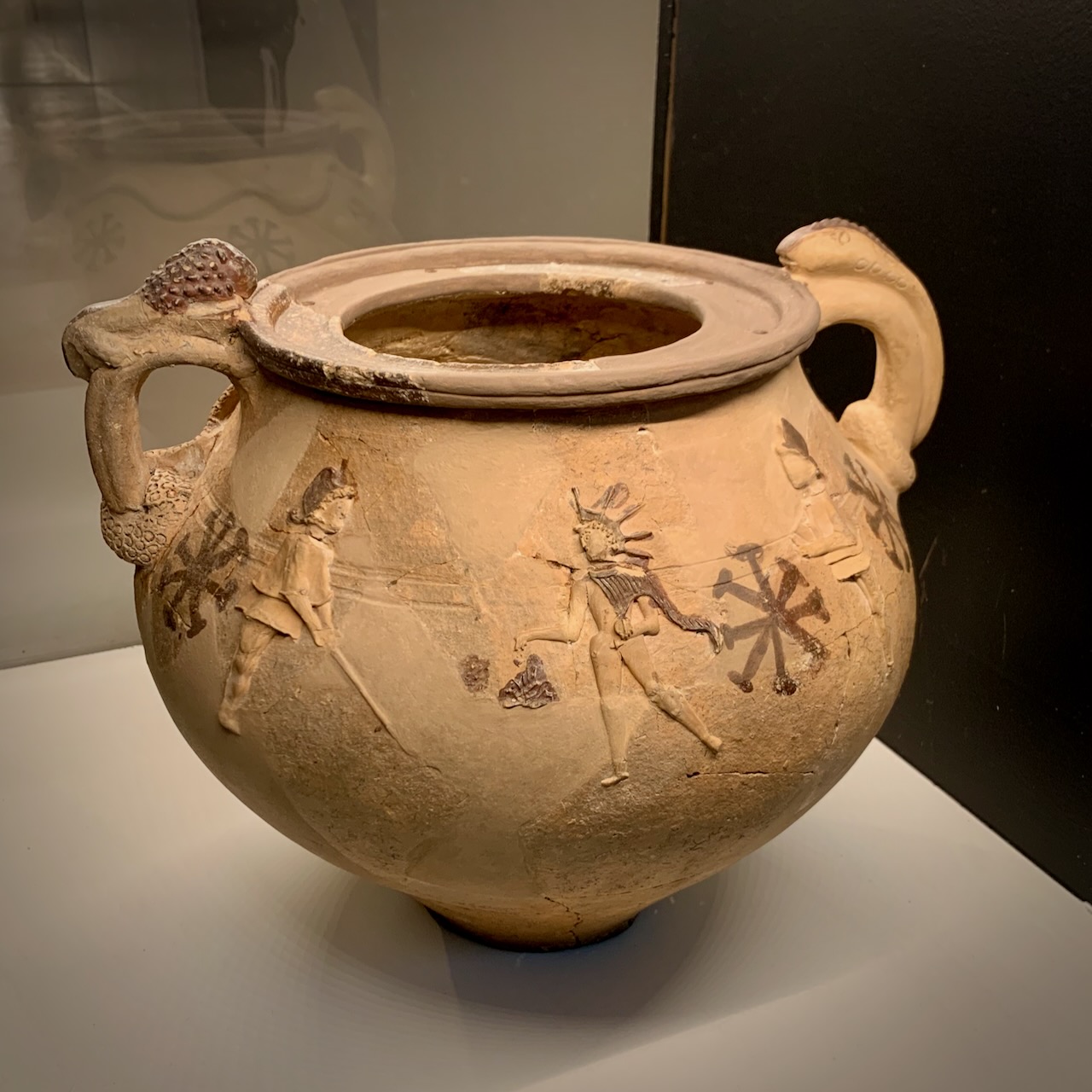
The Mithraic vase from Colonia Claudia Ara Agrippinensium in Germany includes Sol-Mithras between Cautes and Cautopates, as well as a serpent, a lion and seven stars.
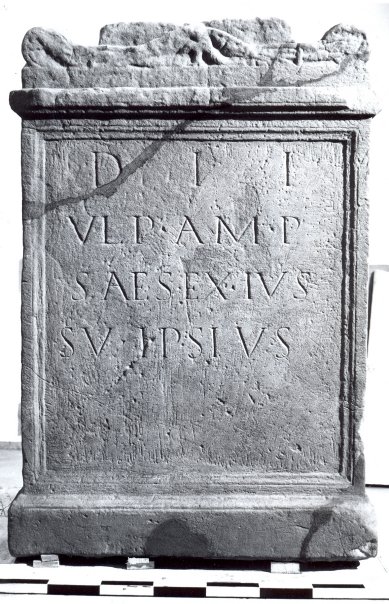
This altar found at ancient Burginatum is the northernmost in situ Mithraic find on the continent.
