This site uses cookies to offer you a better browsing experience.
Find out more on how we use cookies in our privacy policy.

 
Support The New Mithraeum The New Mithraeum is an independent, non-profit project dedicated to Mithraic studies, ancient religions and classical culture. Developed and maintained independently since 2007, the site exists without advertising, paywalls or institutional funding. If you have found value in its articles, interviews, photographs or database, please consider supporting the project with a contribution. Every contribution helps keep The New Mithraeum open, free and alive. Thank you.
Support us →
Acta diurna

Daily Gazette/107

Acta diurna is our Mithraic social stream for keeping up to date with what is happening in The New Mithraeum.

avatar
Jan 2022
NewMonumentum

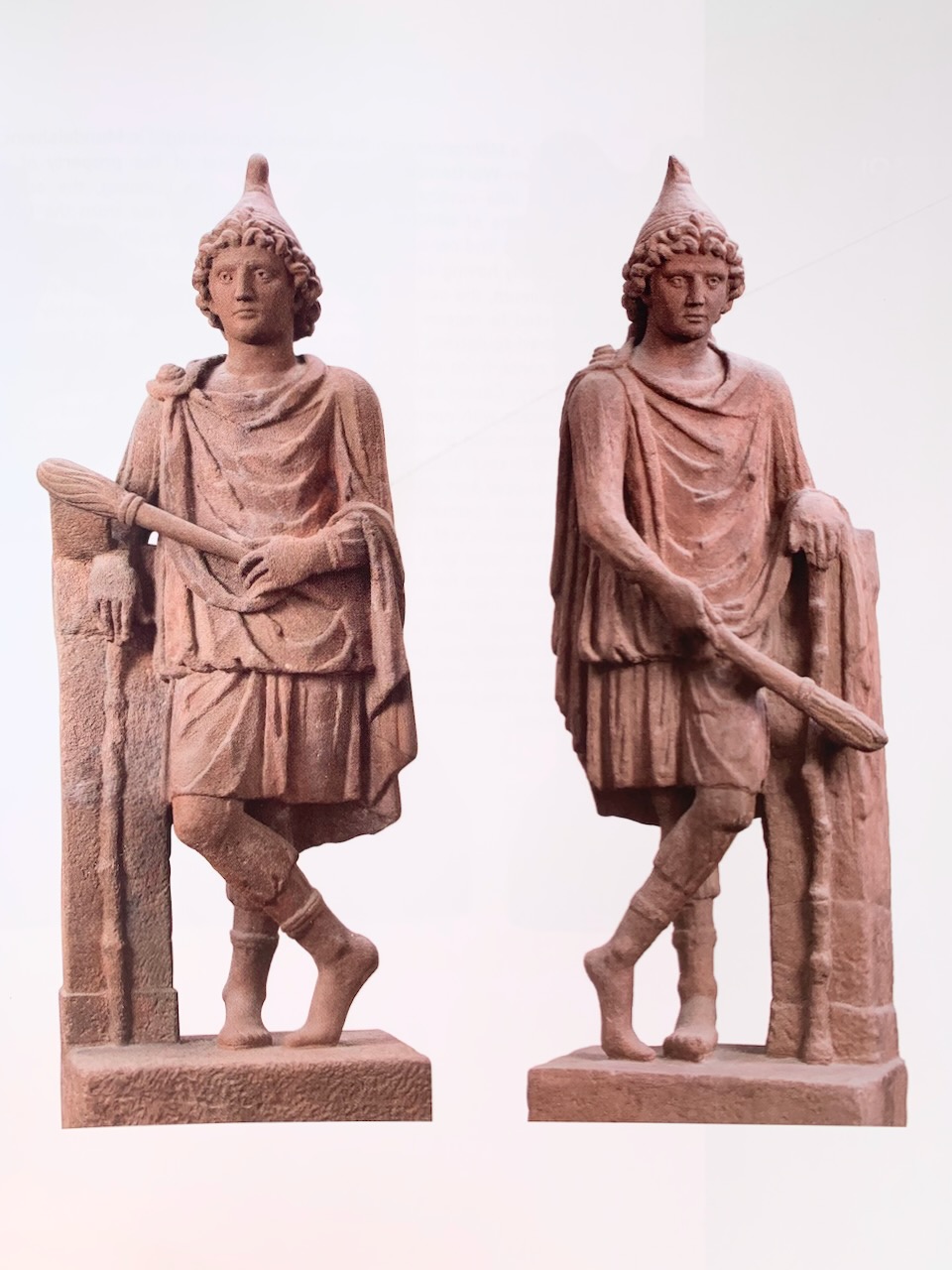
Cautes and Cautopates from Mithraeum III of Heddernheim

The two companions of Mithras carry a torch and a shepherd's staff at the third Mithraeum in Frankfurt-Heddernheim, formerly Nida.
avatar
Jan 2022
NewMonumentum

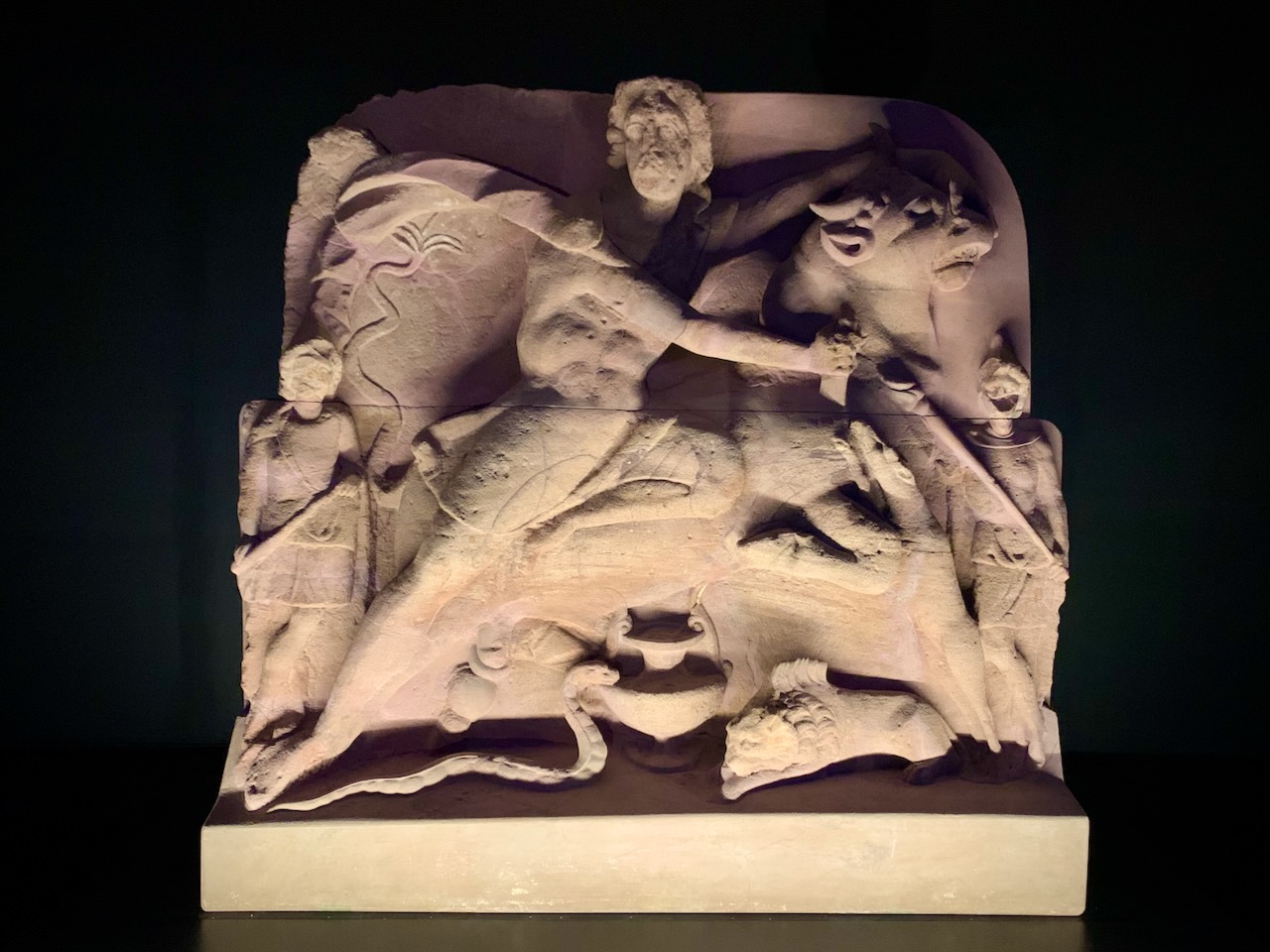
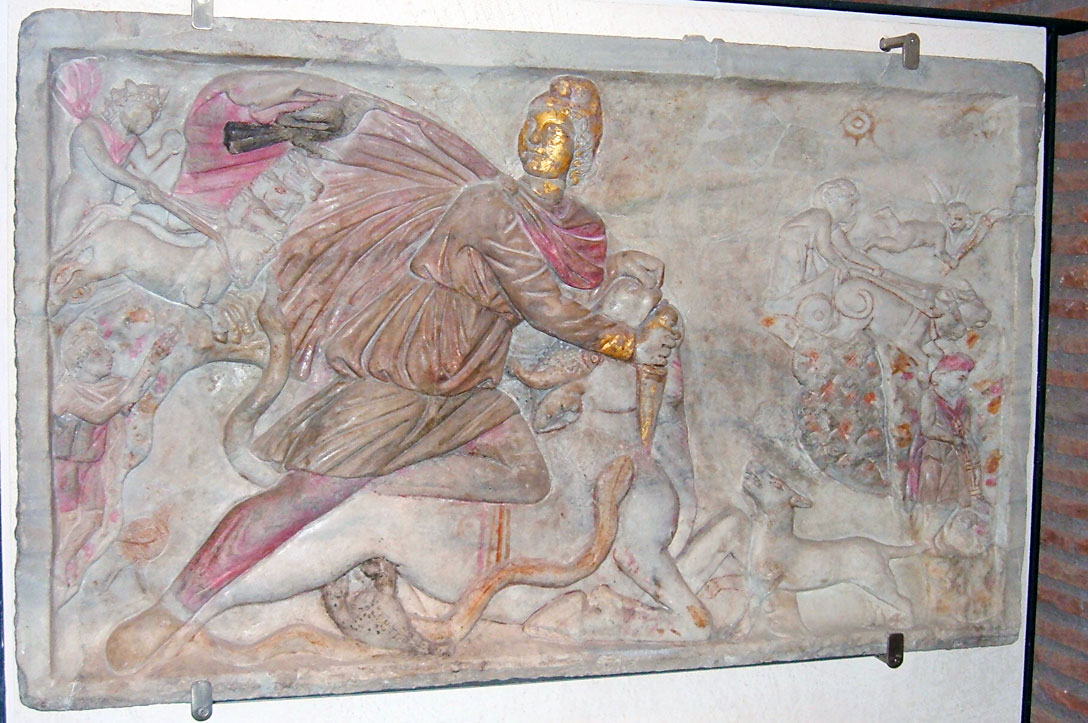
Tauroctony from the Mithraeum III of Nida

The relief of Mithras slaying the bull from Nida's Mithraeum III was found in two pieces in 1887, destroyed during an air raid on Frankfurt in 1944, and restored in 1986.
avatar
Jan 2022
NewMonumentum

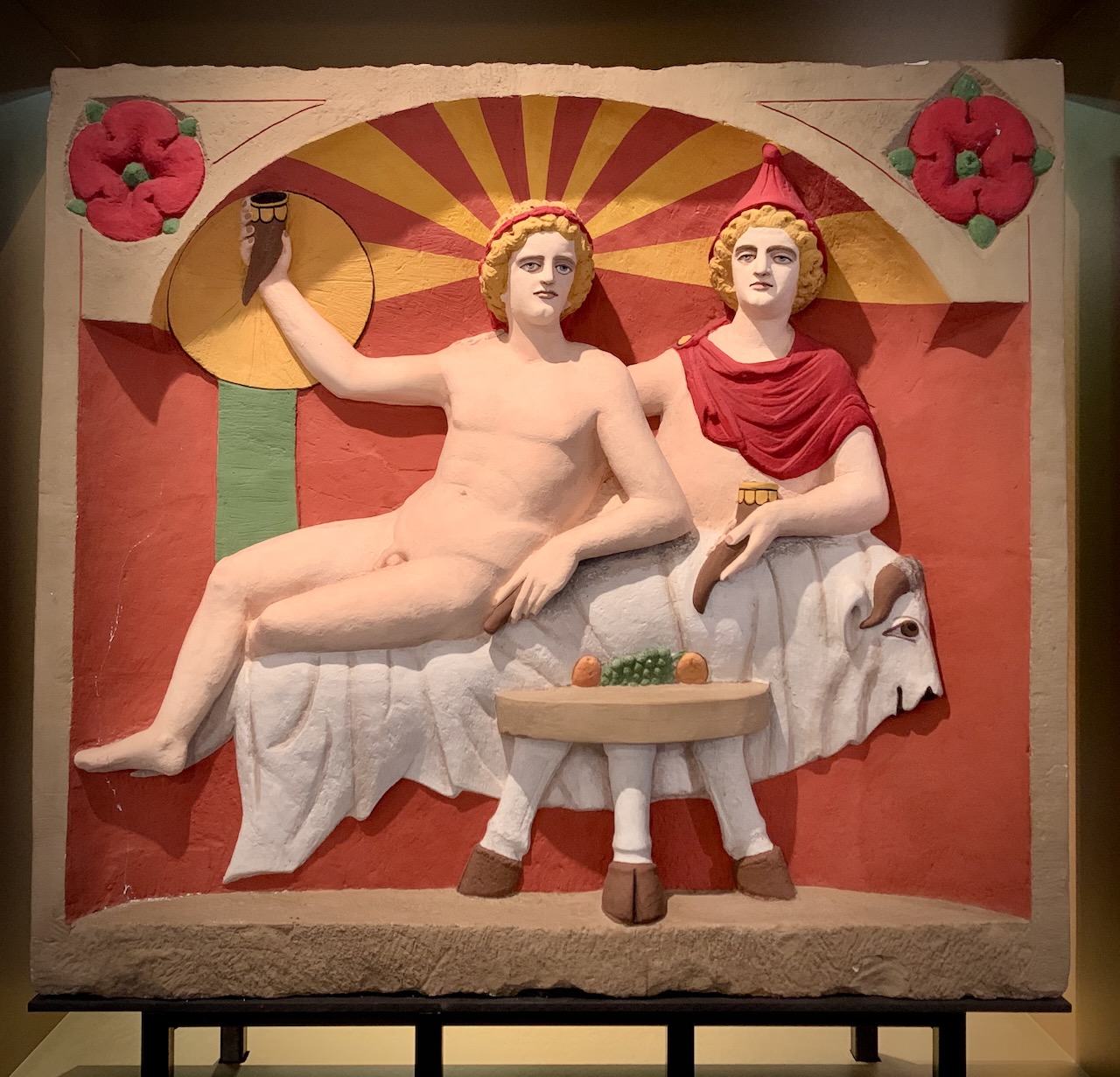
Feast scene with Mithras and Sol from Ladenburg

Bas-relief depicting a naked Sol leaning over his fellow Mithras while raising a drinking horn during the sacred feast.
avatar
Jan 2022
Monumentum

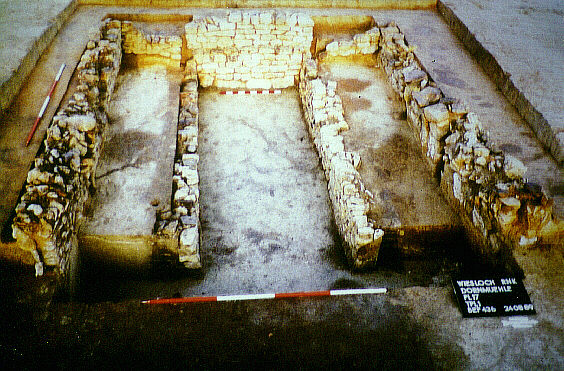
Mithräum von Wiesloch

The first members of the Wiesloch Mithraeum may have been veterans from Ladenburg and Heidelberg.
avatar
Jan 2022
NewMonumentum

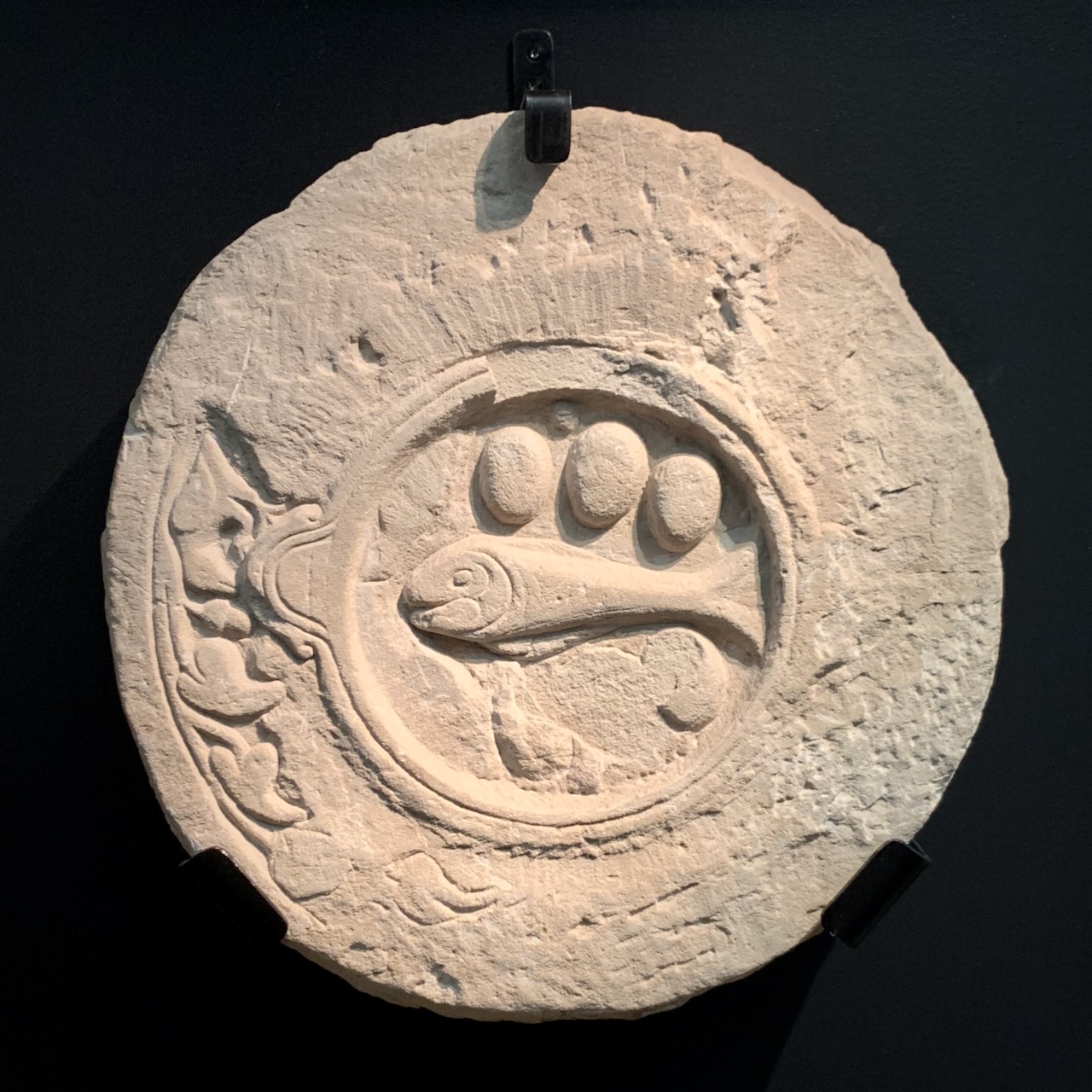
Relief of a round platter with food of Ladenburg

The iconography of the platter of Ladenburg might evoke the food consumed during Mithraic banquets.
avatar
Jan 2022
Monumentum

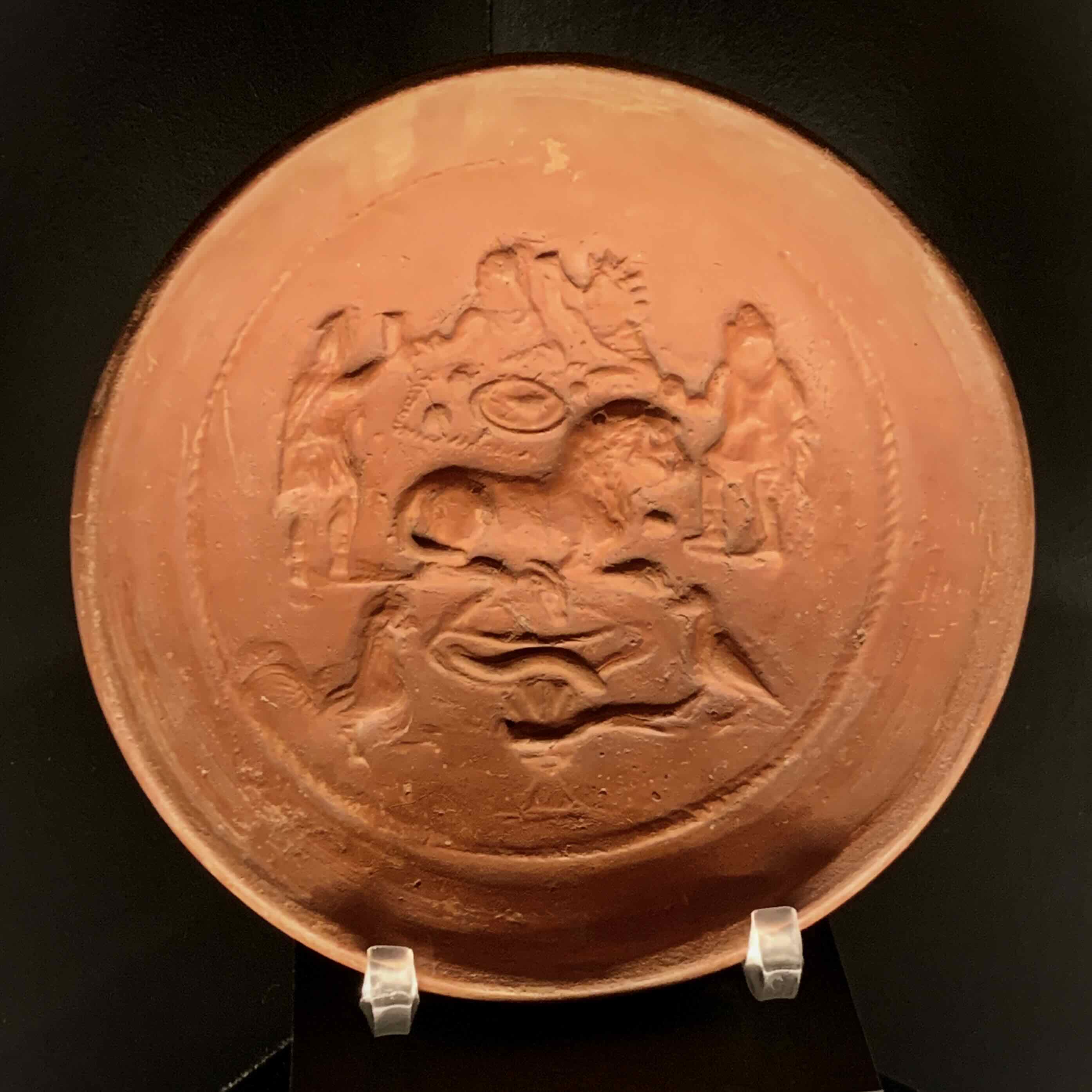
Terra sigillata bowl depicting the Mithraic cult meal from Trier

This terra sigillata was found in 1926 in a grave on the Roman cemetery of St. Matthias, Trier. An eyelet indicates that it could have been hung on a wall.
avatar
Jan 2022
NewMonumentum

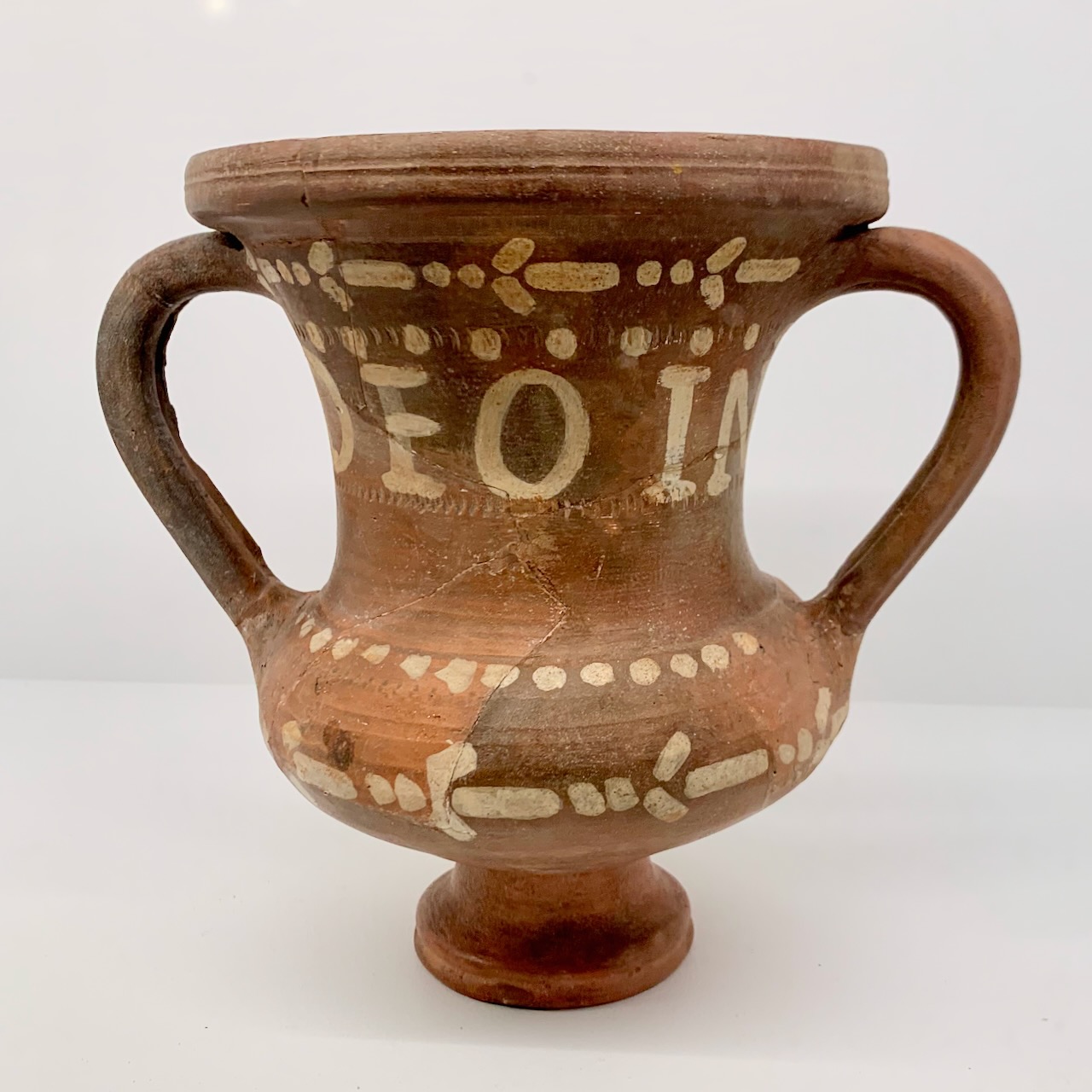
Cantharus to Deo Invicto of Trier

The cantharus of Trier is reminiscent of the crater that often appears in tauroctony scenes collecting the blood from the slaughtered animal.
avatar
Jan 2022
NewMonumentum

Altar of Senj made by the slave Hermes

The dedicator of this altar was a slave in the service of a high official, the prefect Gaius Antonius Rufus, known from other inscriptions.
avatar
Jan 2022
Monumentum

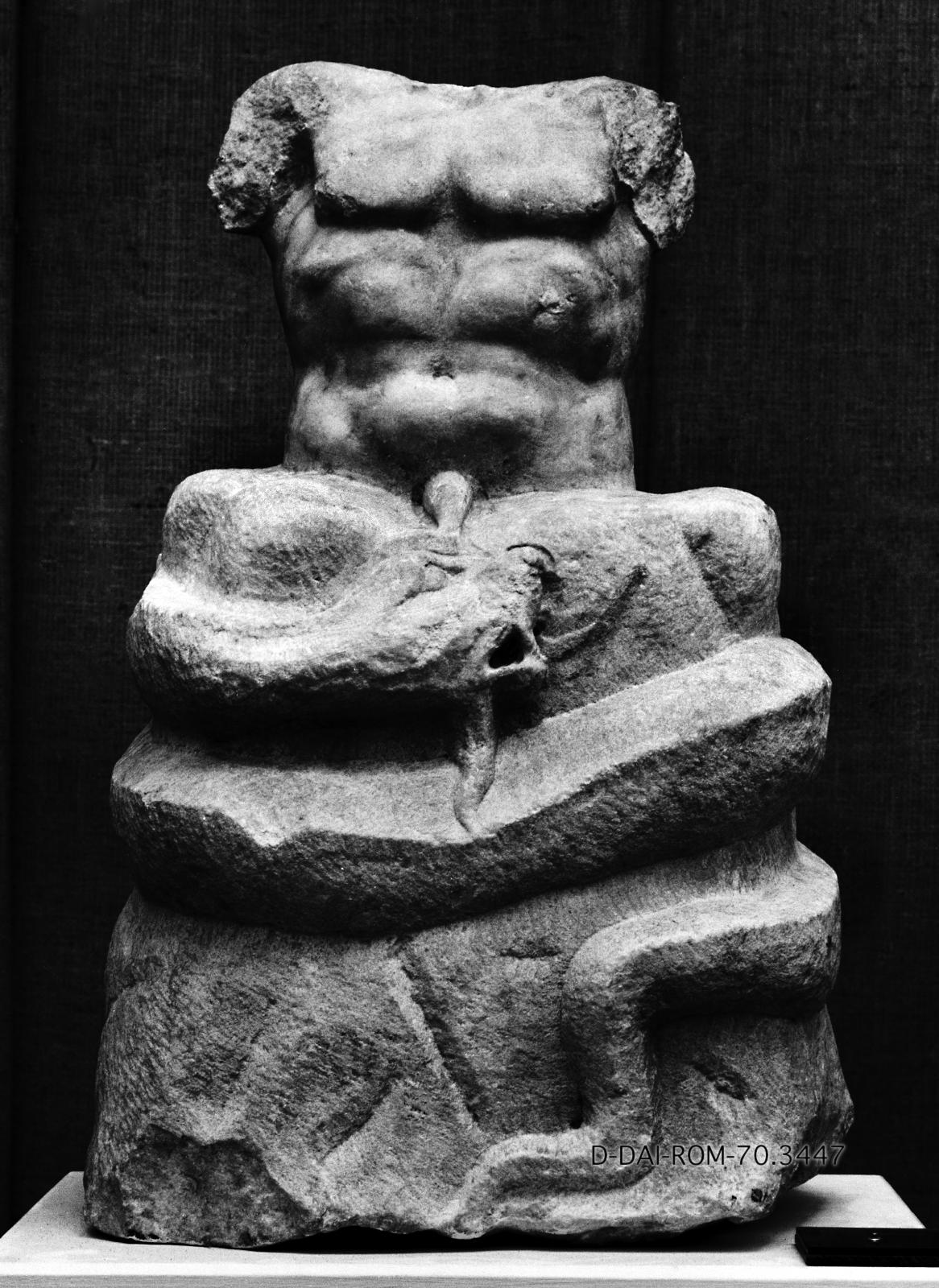
Mithras Petrogenitus of Alba Iulia

Mithras born from the rock with a snake raising in coils around it.
avatar
Jan 2022
Monumentum

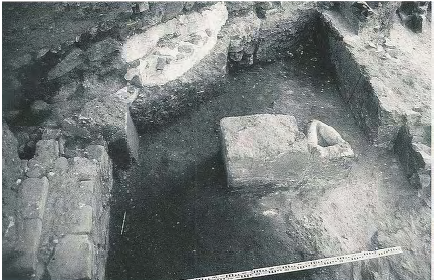
Mitreo de la calle Espronceda

The Mithraeum at Espronceda Street, in Merida, was discovered in 2000. It is a semi-subterranean temple.
avatar
Jan 2022
Monumentum

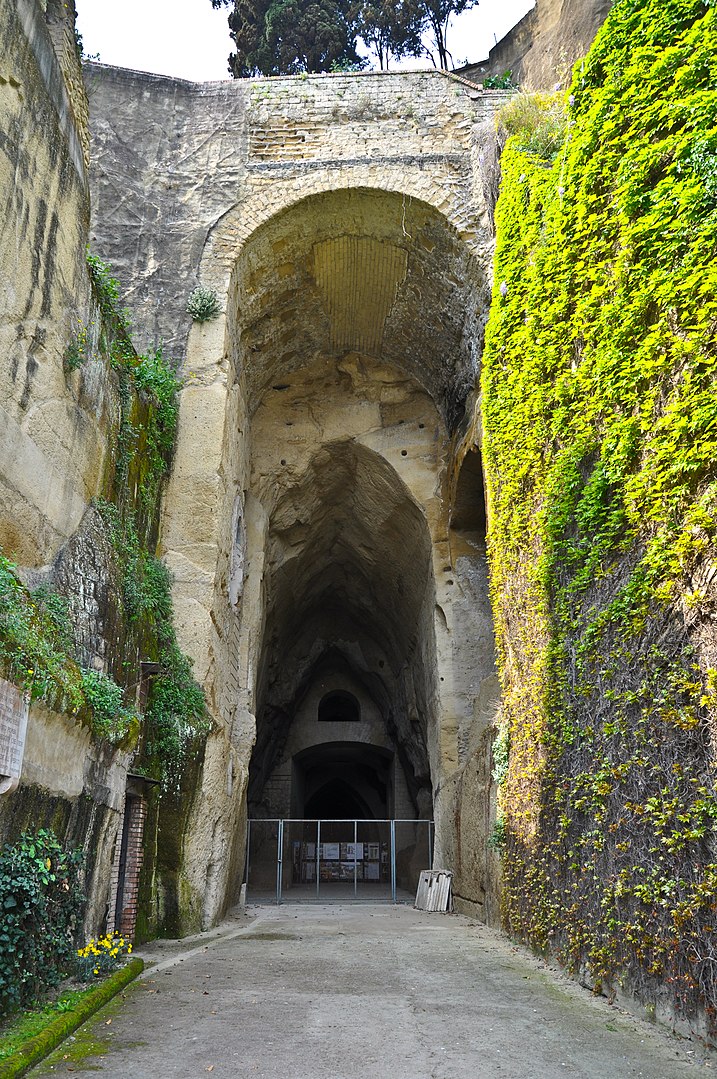
Mithraeum of Naples

The Mitreo della crypta neapolitana was used a des legends about its use, from a cult place devoted to Priapus to celebrate Aphrodite.
avatar
Jan 2022
Monumentum

Domus del Mitreo of Tarquinia

The discovery of the Mithraeum of Tarquinia is due to the Department for Protection of Cultural Heritage of the Carabinieri, who noticed some clandestine excavations near the Ara della Regina.

avatar
Jan 2022
NewMonumentum

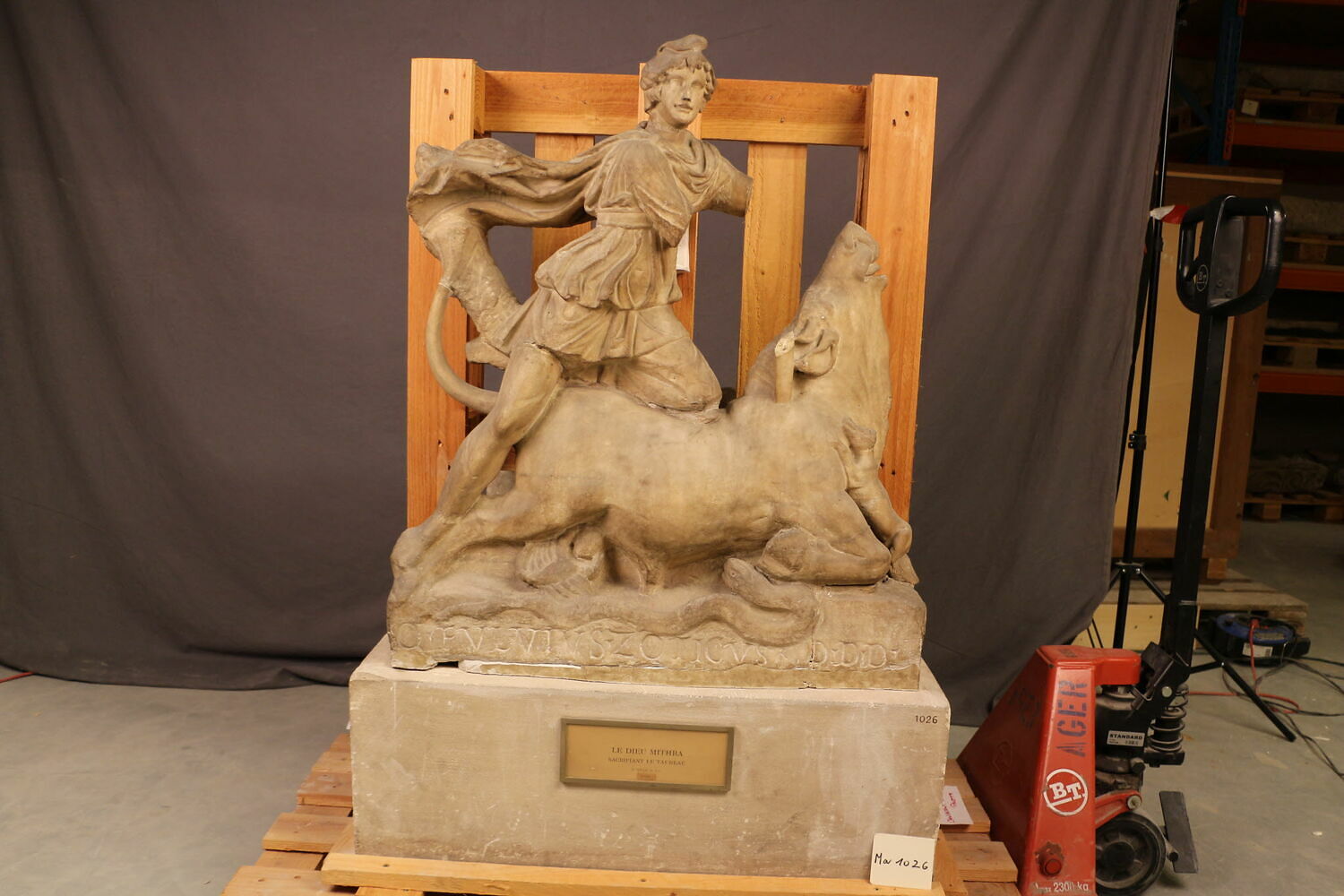
Tauroctony in the British Museum

The sculpture of Mithras slaying the bull was transported from Rome to London by Charles Standish in 1815.
avatar
Jan 2022
Monumentum

Tauroctony from Velletri

The Tauroctony found in Velletri, Rome, bears an inscription from its owner and donor.
avatar
Jan 2022
NewMonumentum

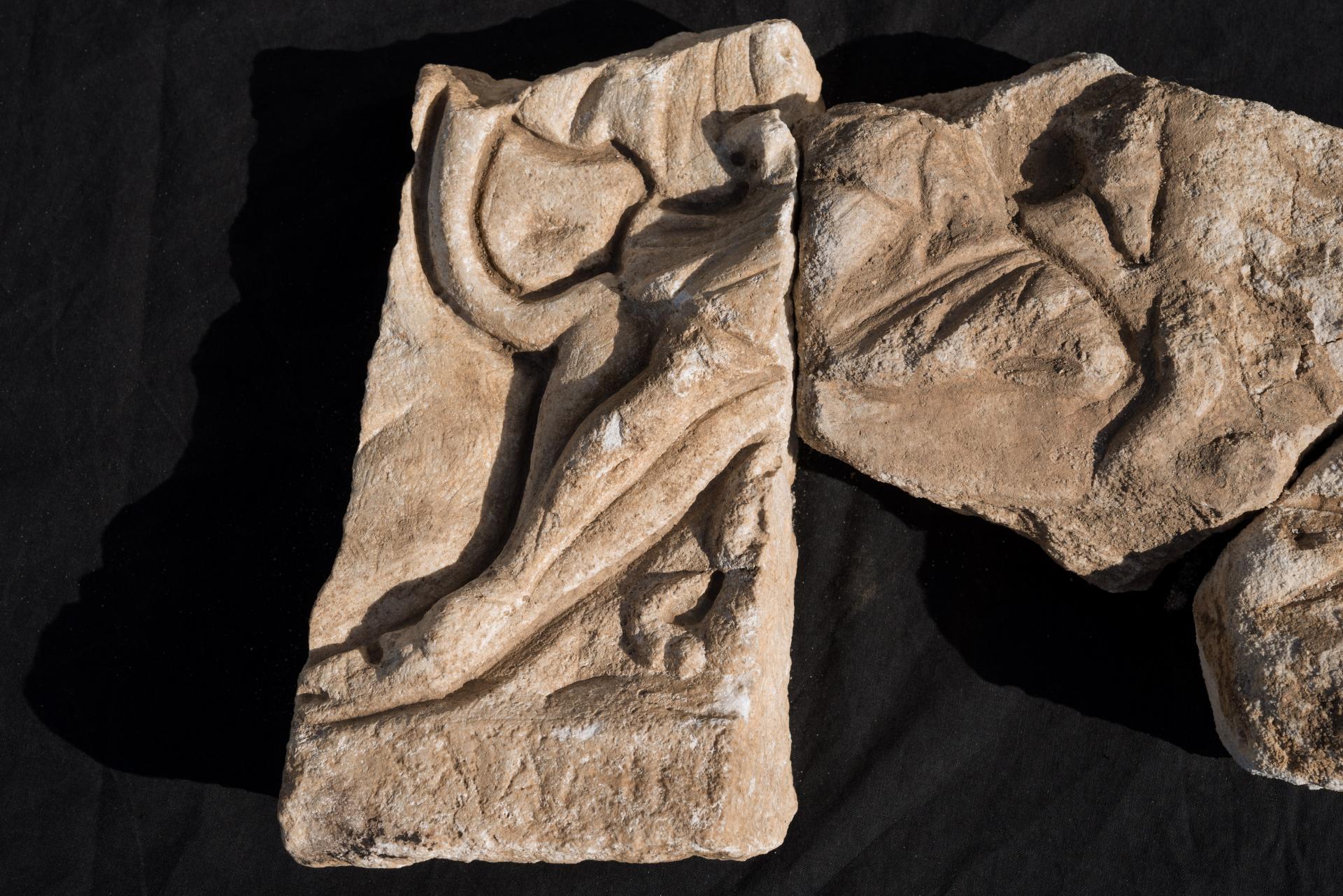
Tauroctony from the Mithraeum of Lucciana

The archeologists have found three fragments of the Tauroctony of Lucciana, which includes Cautes and Cautopates.
avatar
Jan 2022
NewMonumentum

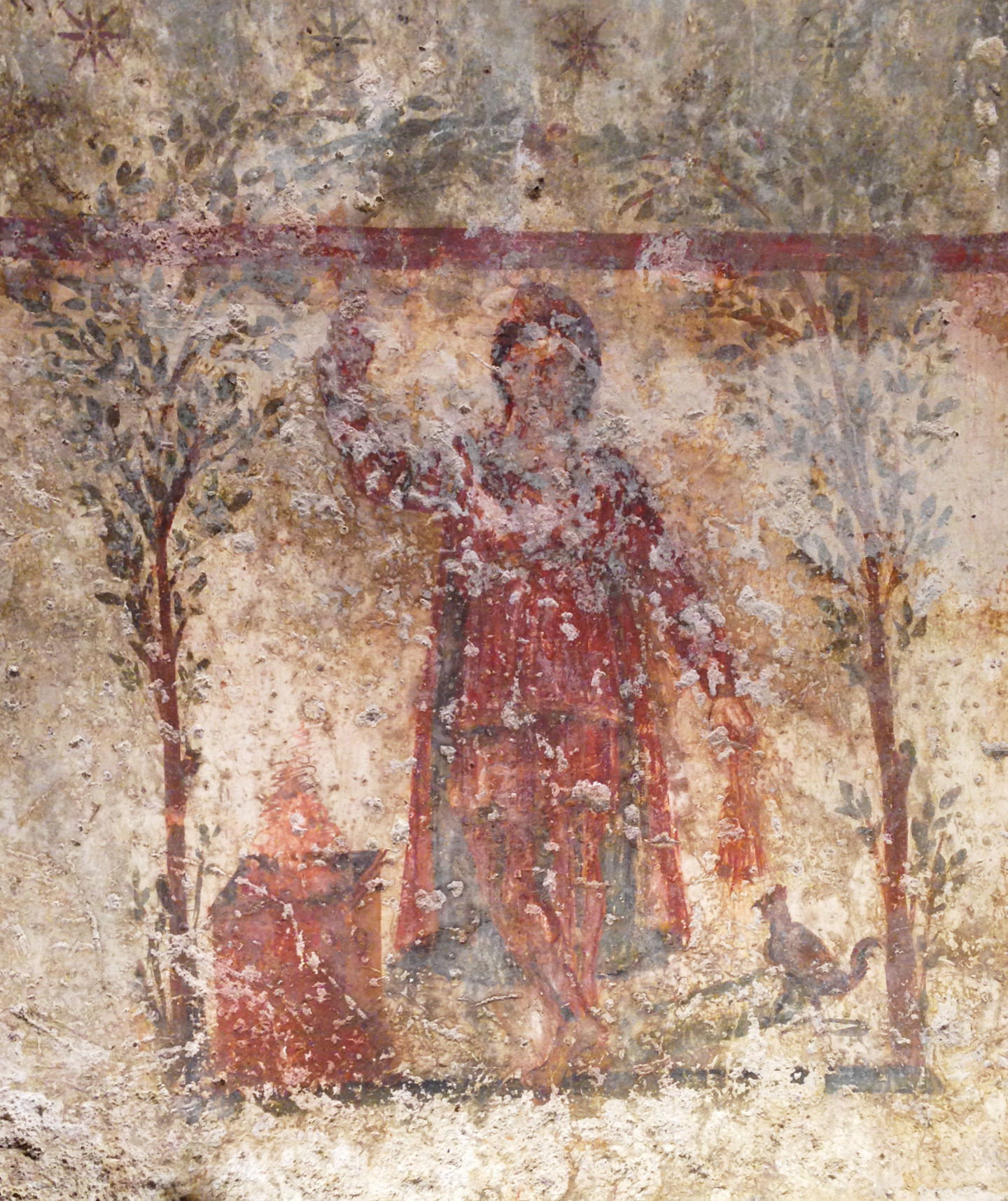
Cautes fresco from Mitreo di Santa Maria Capua Vetere

In the Mithraeum of S. Capua Veteres, Cautes stands between two laurel trees.
avatar
Jan 2022
Wowsers
avatar
Jan 2022
Monumentum

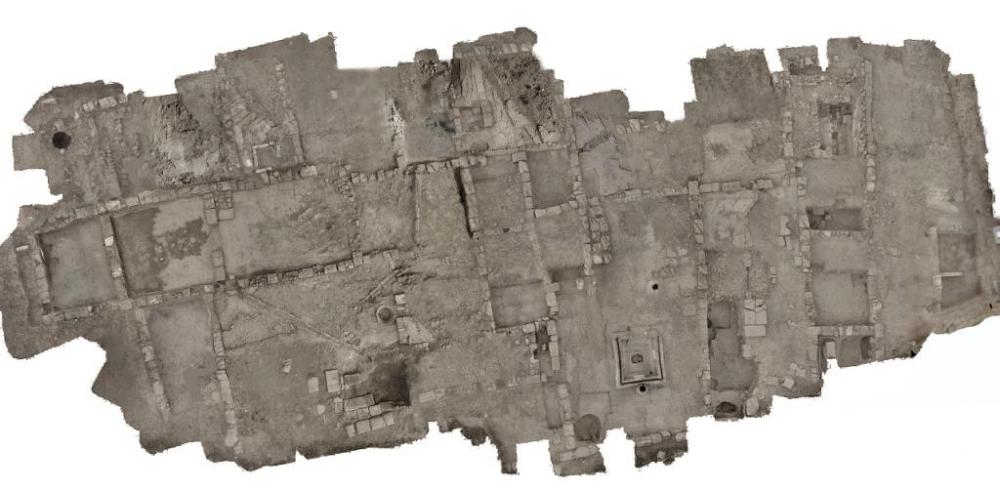
Zeus Brontoon sanctuary near Villa dei Quintili

Mithras and other oriental gods were worshipped in the shrine of Zeus near the Villa of the Quintilians in Rome.
avatar
 
Back to Top