Support The New MithraeumThe New Mithraeum is an independent, non-profit project dedicated to Mithraic studies, ancient religions and classical culture.Developed and maintained independently since 2007, the site exists without advertising, paywalls or institutional funding. If you have found value in its articles, interviews, photographs or database, please consider supporting the project with a contribution.Every contribution helps keep The New Mithraeum open, free and alive.Thank you.
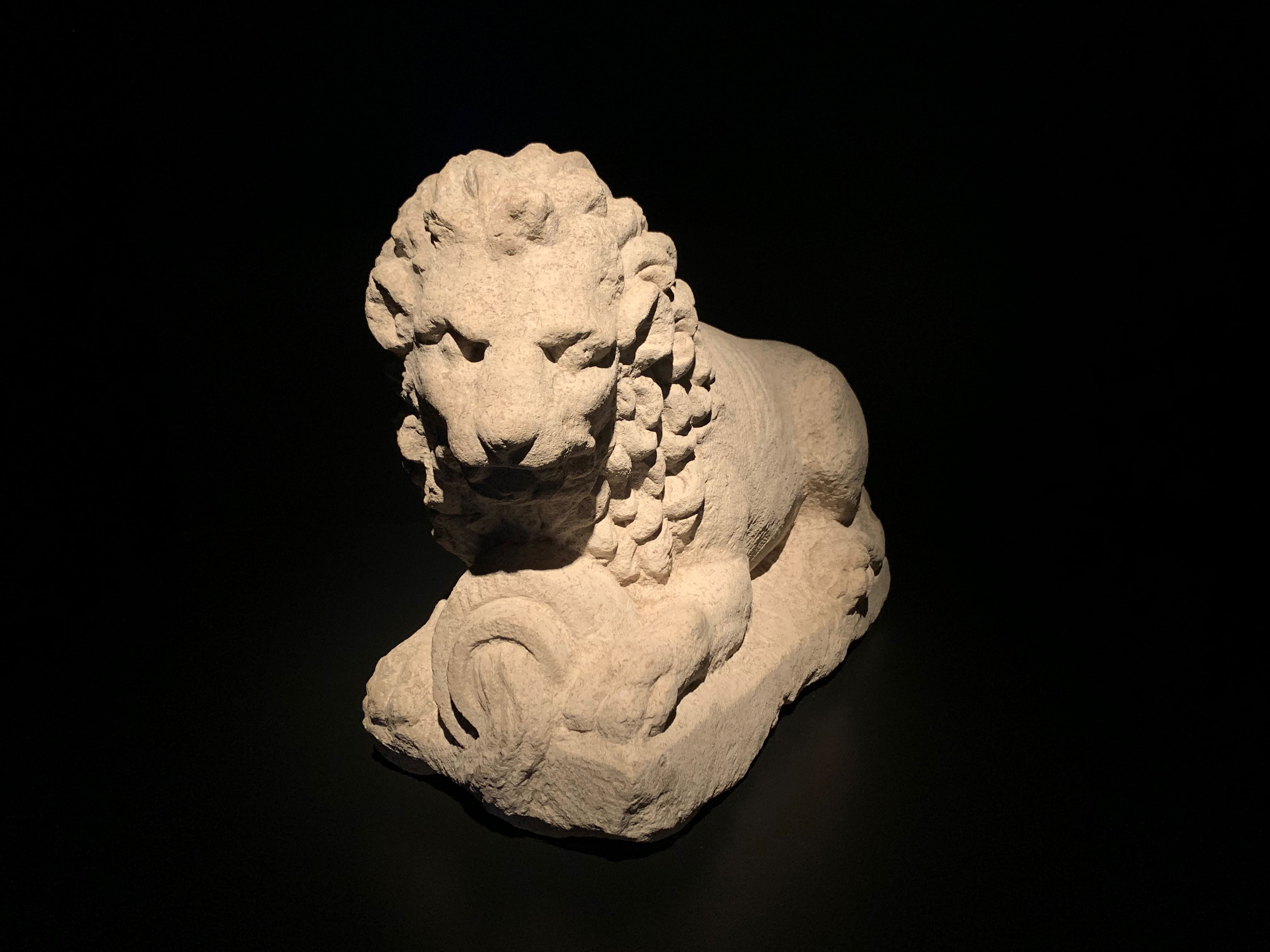
A limestone lion holding a flowing urn, discovered at the entrance of the Mithraeum of Les Bolards, reflects the ritual significance of water within the cult of Mithras.
This Mithraic temple, now disappeared, is known thanks to the numerous remains recorded since 1594 in the 'Memorie di varie antichità trovate in diversi luoghi della città di Roma'.
En suivant les traces de Mithra, le Musée royal de Mariemont vous plonge dans l’un des cultes les plus mystérieux et fascinants de l’Antiquité romaine.
Raconter la légende de Mithra, le jeune dieu désigné par Jupiter pour sauver la Terre de la sécheresse et l’Univers du chaos, jamais personne n’avait encore osé le faire ! Pour la toute première fois, deux des acteurs principaux de cette extraor...
VIIIe siècle après Jésus-Christ : le culte de Mithra est devenu la religion officielle de l’Empire romain, et les autres cultes, dont celui de la petite secte chrétienne, sont férocement réprimés.
From the late first century CE, Mithras spread across the Roman Empire, leaving more than 130 sanctuaries and nearly 1,000 inscriptions. This volume offers a rigorous synthesis that renews our understanding of this enigmatic cult.
Peter Mark Adams: ‘The initiation was a frightening experience that caused some people to panic as a flood of otherworldly entities swept through the ritual space.’.
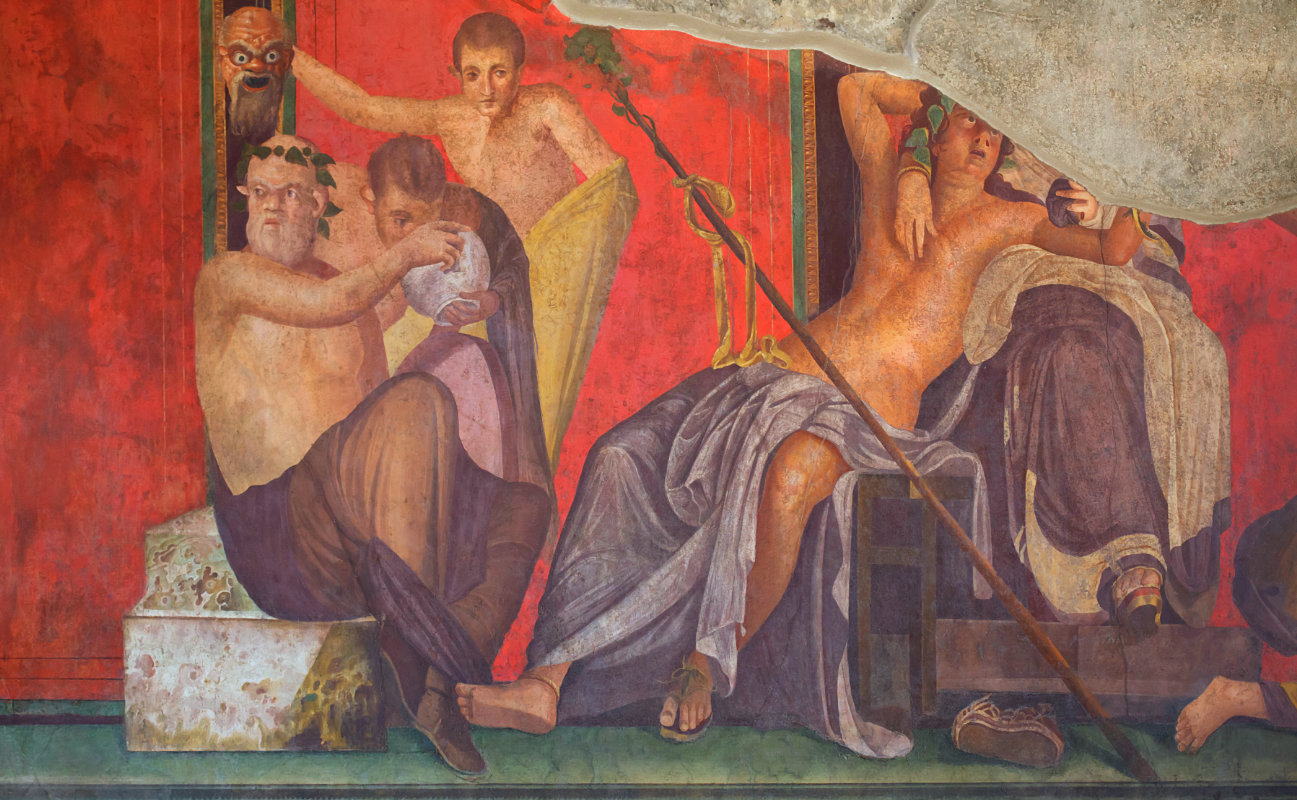
The Dionysian themed frescos of Pompeii’s Villa of the Mysteries constitute the single most important theurgical narrative to have survived in the Western esoteric tradition.