337
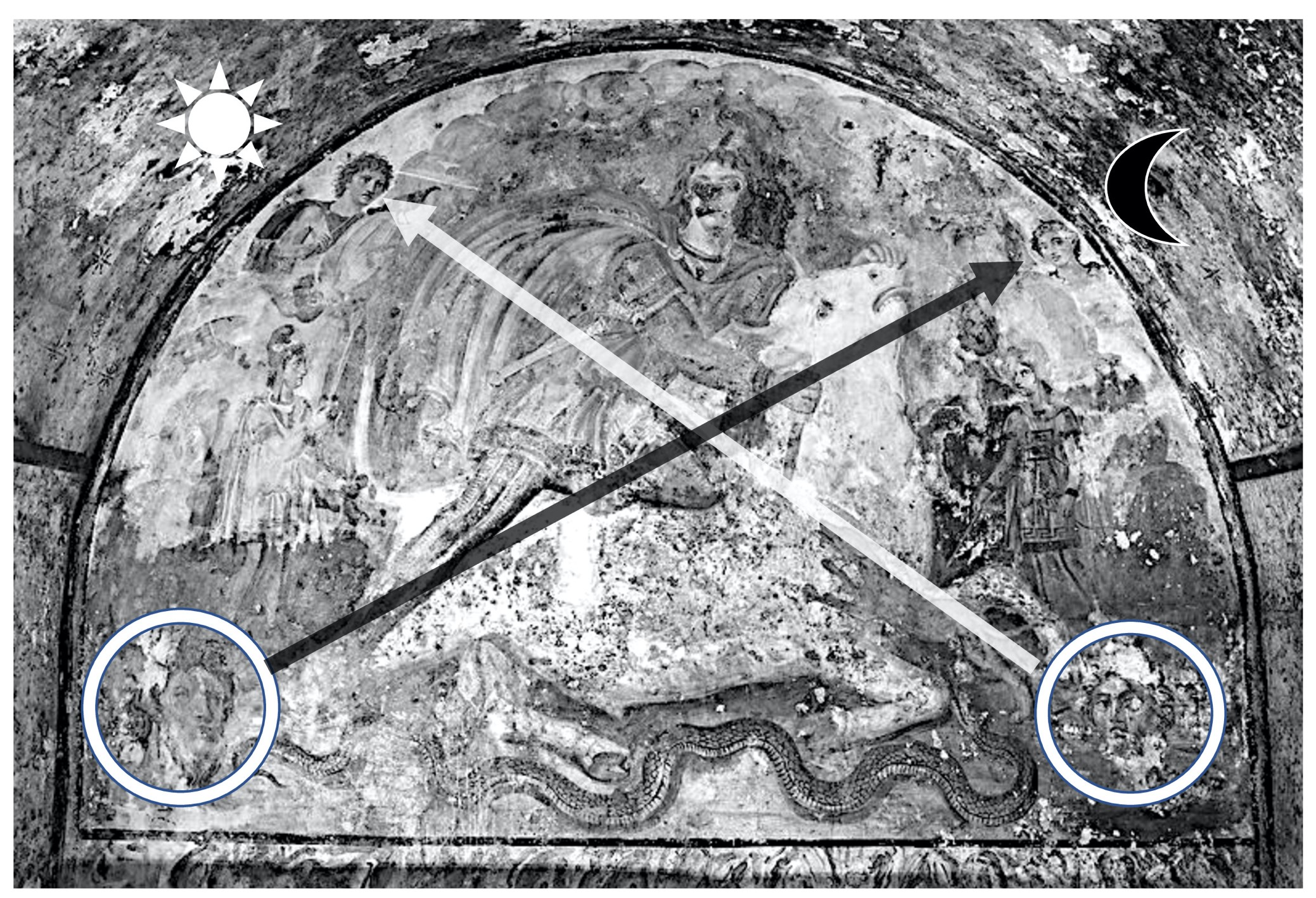
At the Mithraeum of Santa Maria Capua Vetere, the image reveals Oceanus and Terra in opposition to the Moon and the Sun. These two gods can be considered archetypes: Oceanus = deep ocean = the profound unconscious, and Terra = conscious earthly reality. The Platonic Chiasma is demonstrated here with the opposition between Animus and Anima.
Oceanus appears several times in Mithraic iconography. In some cases, though it is unclear whether it is Oceanus or Saturn. A relation worth exploring!
We note the alignment: the dog, Mithras’ thigh, cape, raven and Sol; on the other side: bull, Mithras’ hand sacrificing the bull, Moon. In Santa Prisca, maybe Oceanus represents Spiritus Animus.
I’m trying to understand the few remaining vestiges of Mithras. Barberini’s fresco proves that the Platonic chiasm actually existed and was even depicted (Capricorn on the left). Furthermore, the solstices were linked to the descent or ascent of souls (metempsychosis). As for Oceanus, it’s very interesting because Freud describes "the oceanic character of the unconscious." Therefore, Oceanus is a profound and unfathomable archetype. Mithras, who represents Light, is victorious over Oceanus (the conscious dominates the unconscious). Thus, Oceanus is the archetype that feeds the opposite of the sun, namely the moon. The mysterious moon represents Spiritus Epithumia and is fueled by the deep unconscious Oceanus. Therefore, the moon also represents our unconscious psyche. In contrast, the goddess Terra has her feet on the ground (conscious). Therefore, she is the realistic, down-to-earth archetype that feeds the sun god. This is to say that the opposition between sun and moon, or Anima and Spiritus, was very psychological. In this way, Plato described human psychology.
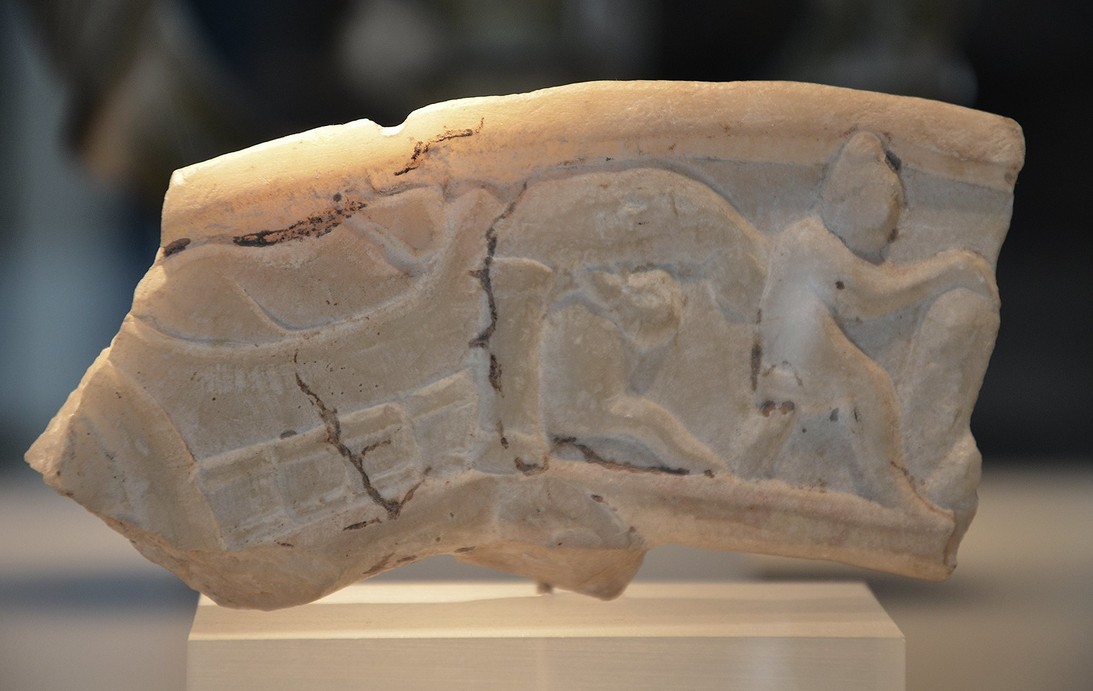
Fragment of an alabaster relief from Cologne with part of a tauroctony scene. Only the tip of Mithras’ Phrygian cap and small narrative details above are preserved.
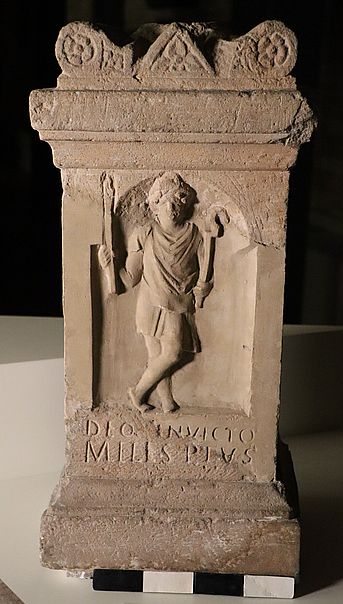
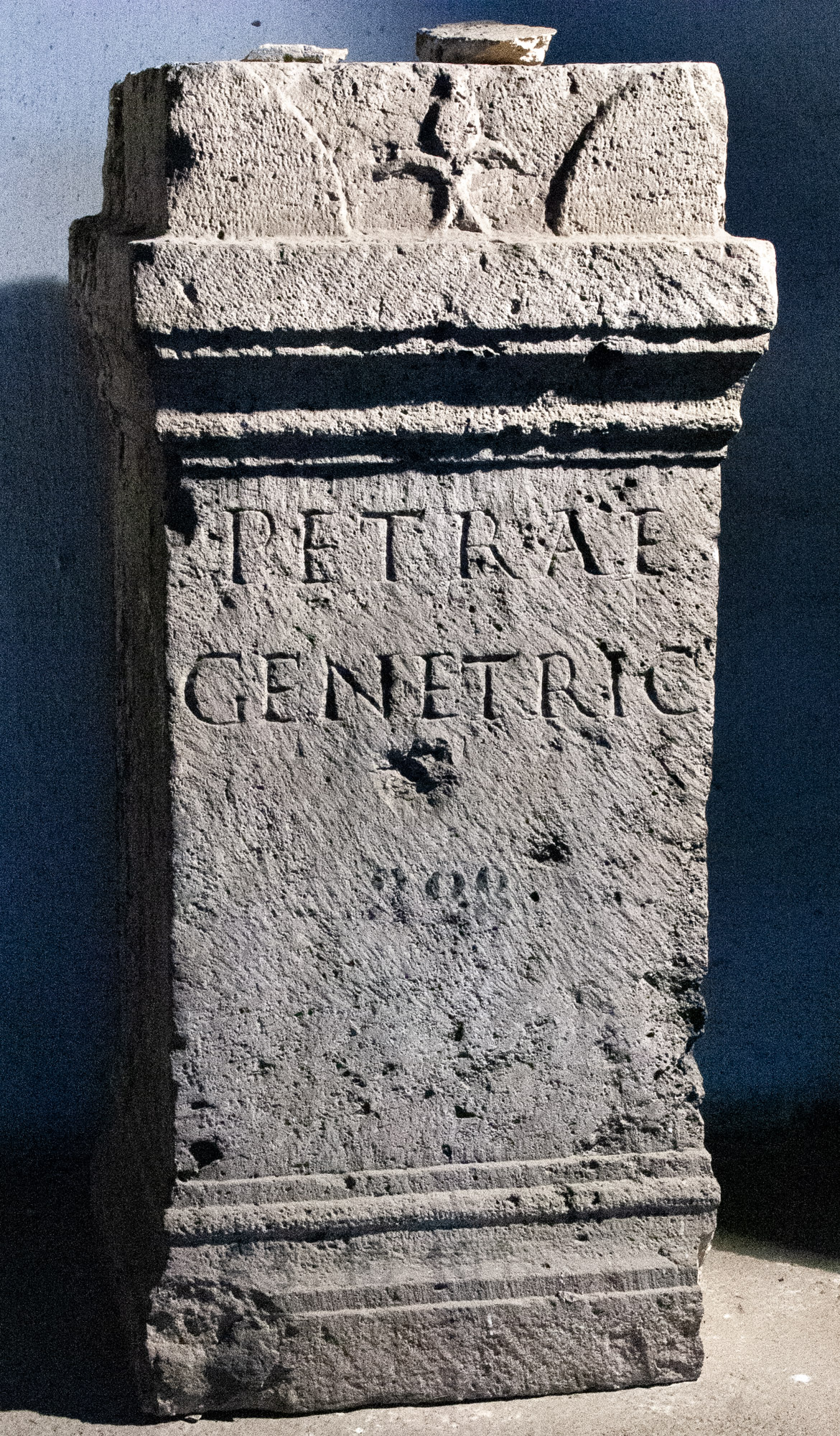
Small votive altar in white limestone from Aquae Mattiacae, dedicated to Deo Invicto by a miles pius. The top preserves the head of Cautes with his raised torch.
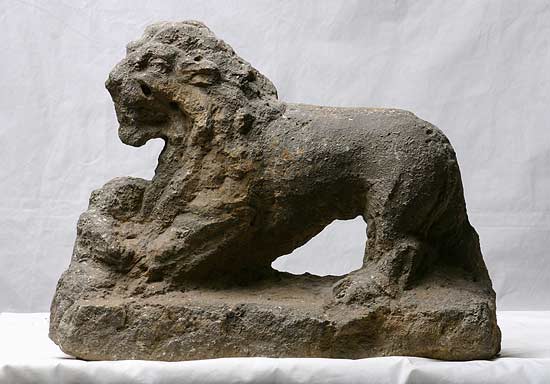
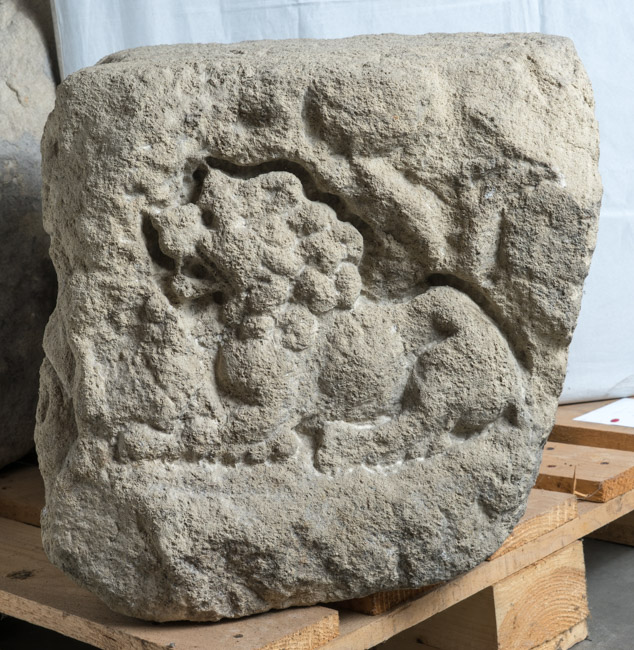
Marble statue from Intercisa representing a lion holding an indistinct animal beneath its forepaws. Found in a vineyard, the piece is now in the Hungarian National Museum.
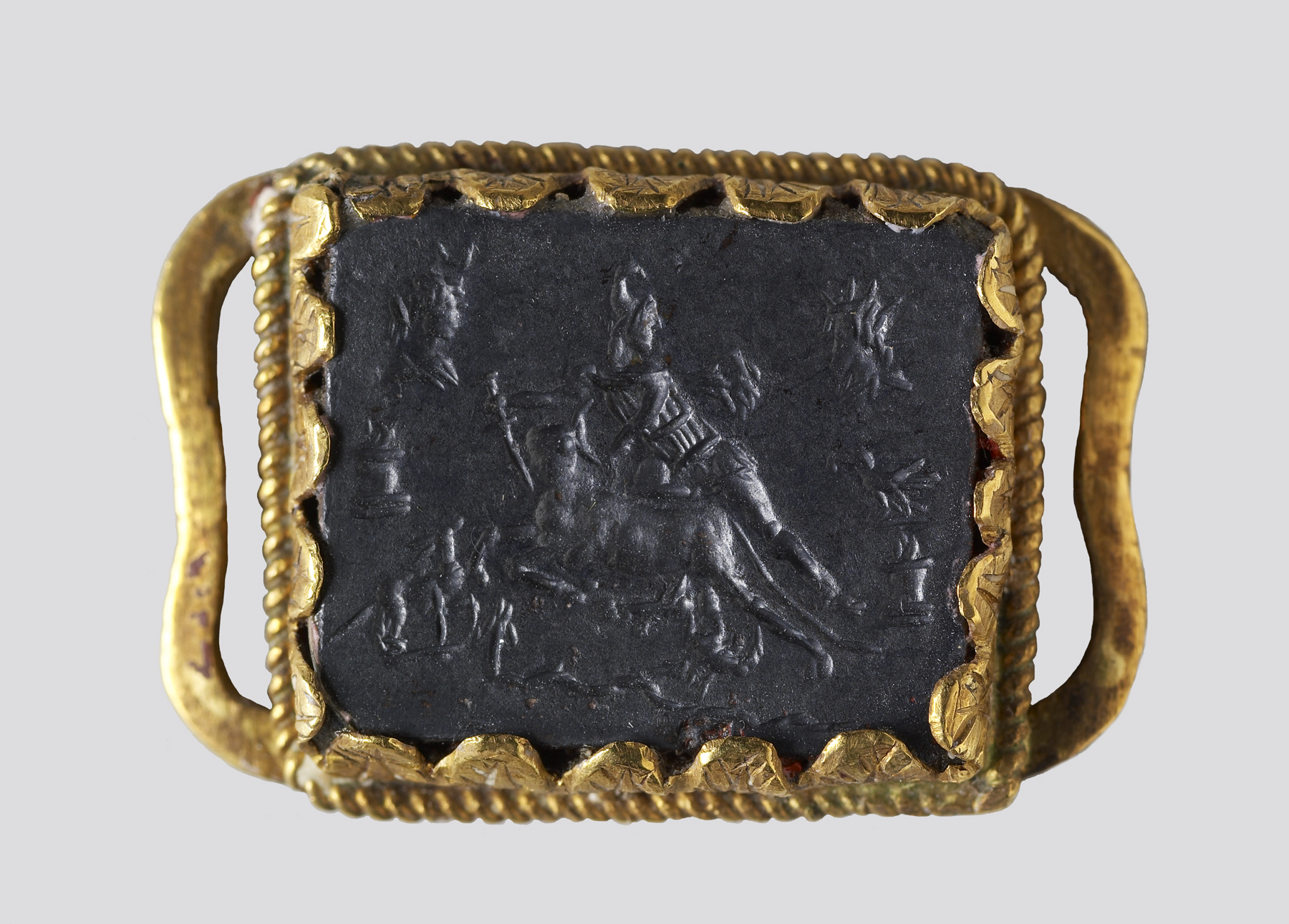
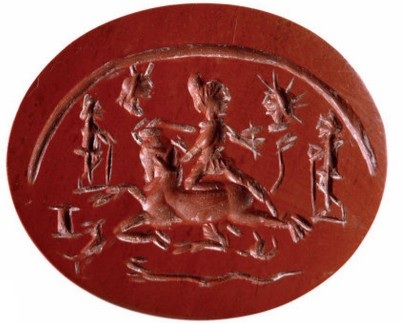
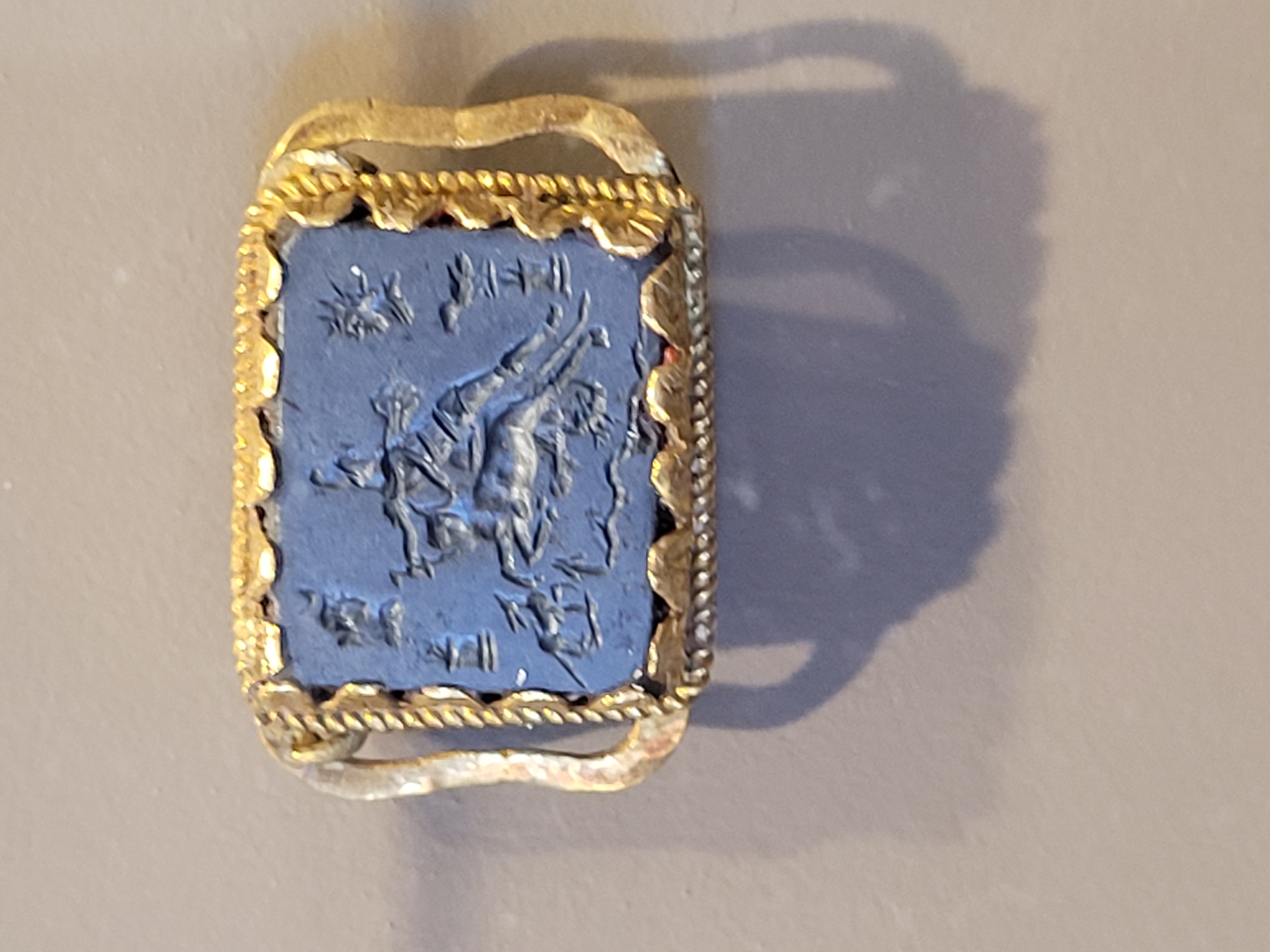
An oval carnelian gem from Carnuntum showing Mithras tauroktonos in a grotto. Sol and Luna appear above, with both torchbearers and a small altar before the bull.
The Mithraeum of Stix-Neusiedl was discovered in the summer of 1816. Although the structure of the sanctuary is unknown, several associated monuments are preserved today in Vienna.

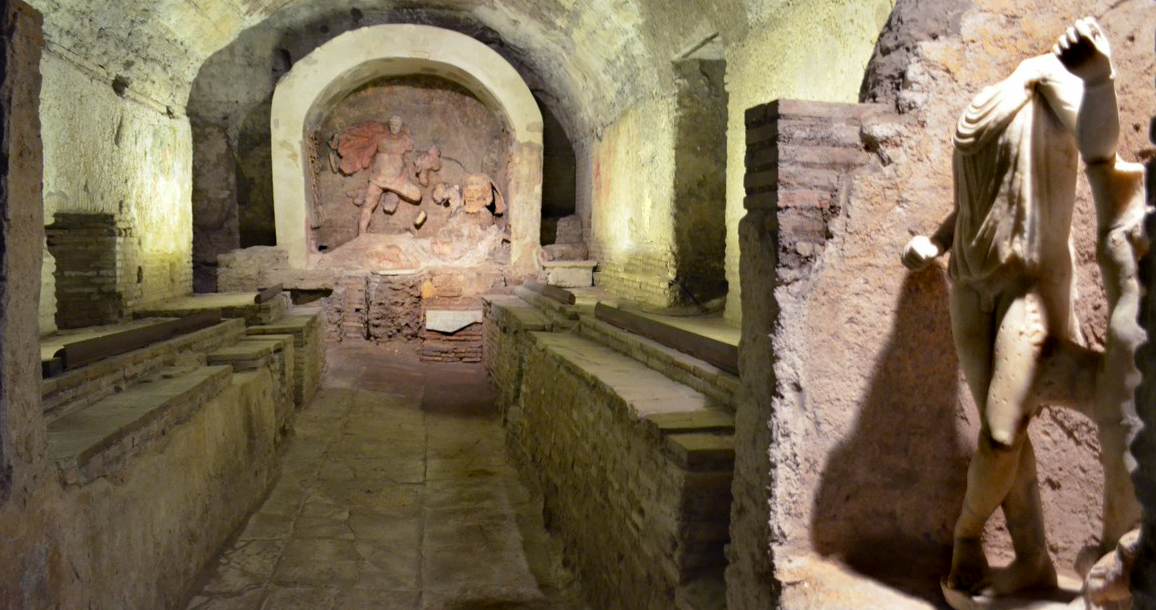


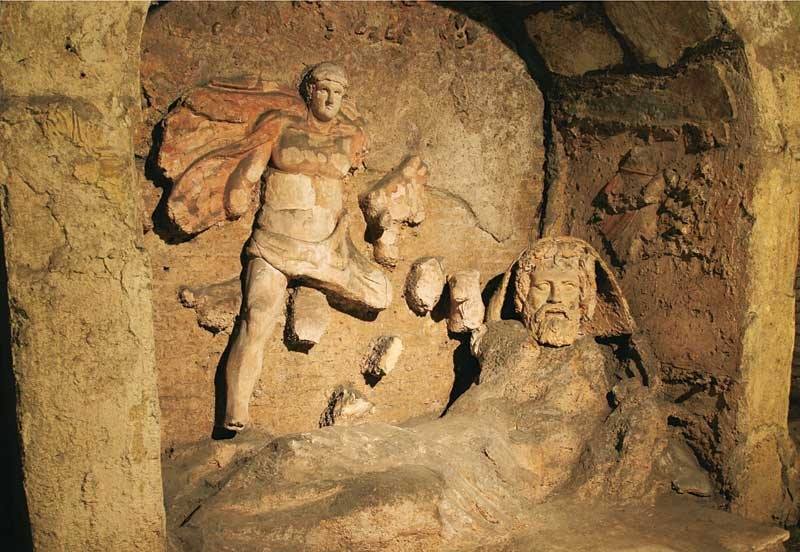


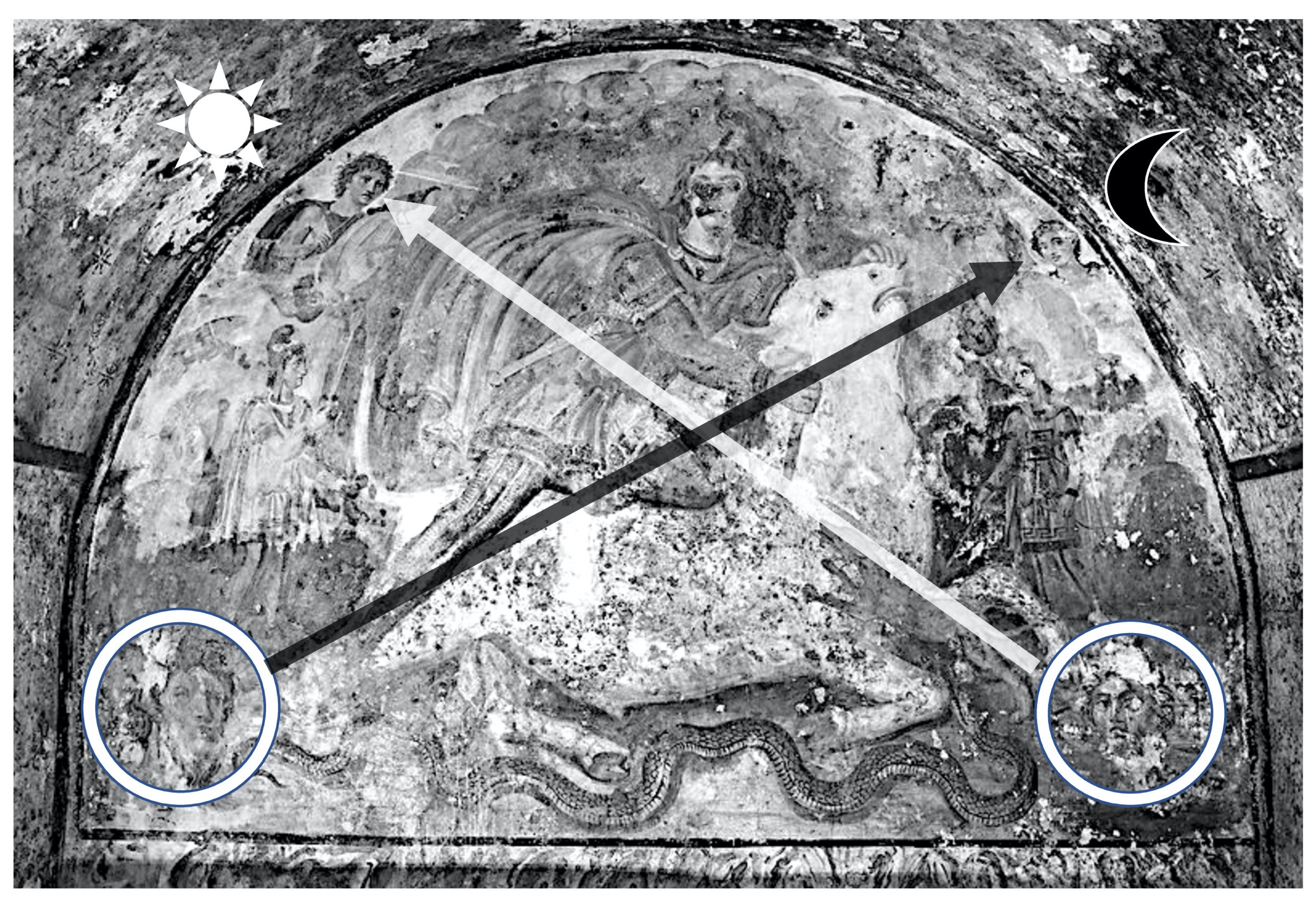
At the Mithraeum of Santa Maria Capua Vetere, the image reveals Oceanus and Terra in opposition to the Moon and the Sun. These two gods can be considered archetypes: Oceanus = deep ocean = the profound unconscious, and Terra = conscious earthly reality. The Platonic Chiasma is demonstrated here with the opposition between Animus and Anima.