The full article is reserved for our members.
Log in or create a free account to access the entire site.
This site uses cookies to offer you a better browsing experience.
Find out more on how we use cookies in our privacy policy.
The full article is reserved for our members.
Log in or create a free account to access the entire site.

The large number of monuments found at the Mithraeum of Sarmizegetusa and the sheer size of the temple are unusual.
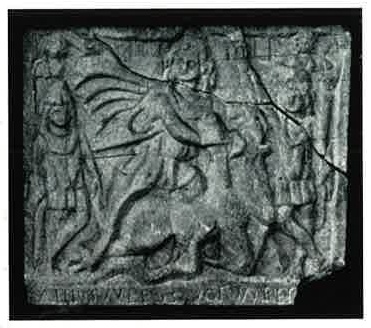
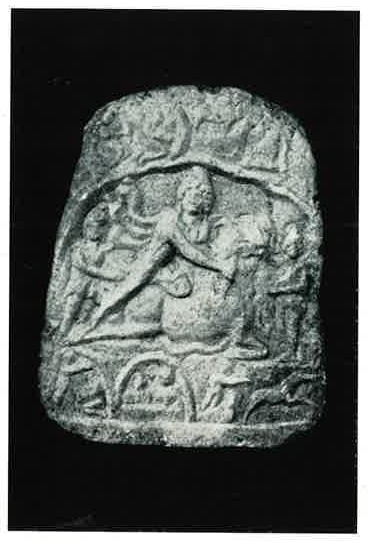
White marble tauroctony relief from the Mithraeum at Sarmizegetusa, Dacia, now in the Lugoj collection; the right lower corner is broken off and the scene depicts the standard bull-slaying.
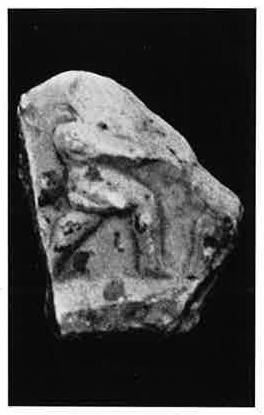
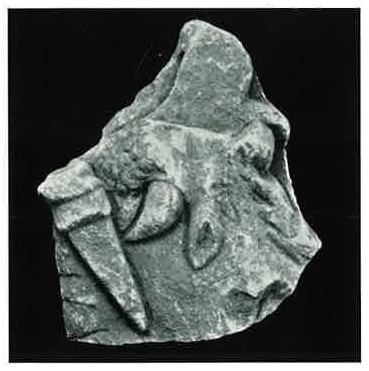
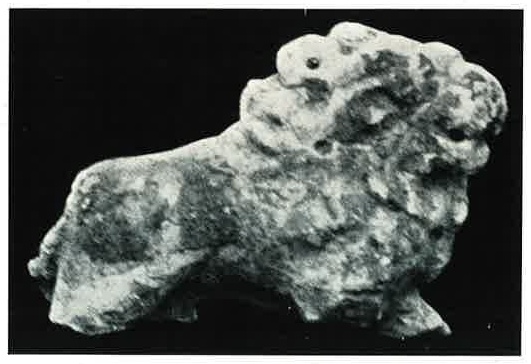
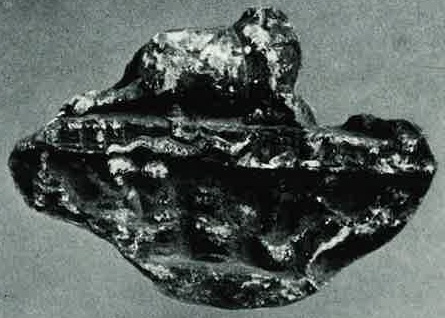
Bluish marble fragment from the Mithraeum at Sarmizegetusa, Dacia, preserving a sitting lion with its head slightly turned to the right.
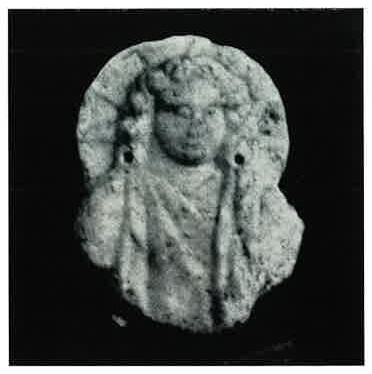
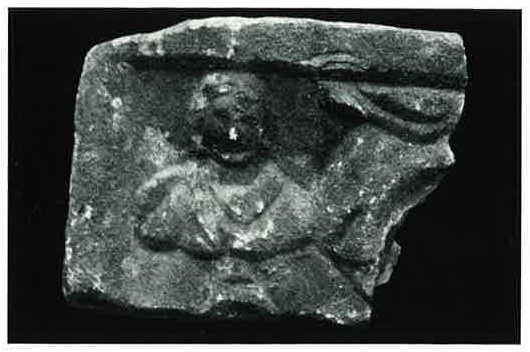
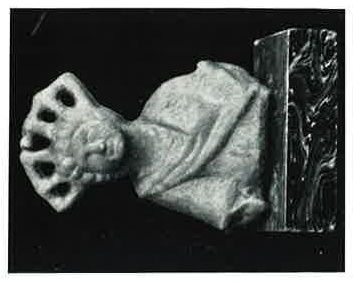
Fragment of a white marble statuette from the Mithraeum at Sarmizegetusa, Dacia, preserving the dressed bust of Sol in a nimbus and seven-rayed crown with traces of red colour; two bolt-holes at the bottom for attachment.
White marble fragment from the Mithraeum at Sarmizegetusa, Dacia, preserving the head of Sol with four attachment holes for rays.
Two bluish marble fragments from the Mithraeum at Sarmizegetusa, Dacia, preserving the upper part of Cautes holding a torch in each hand, with traces of red on his neck, dress, and the torches.
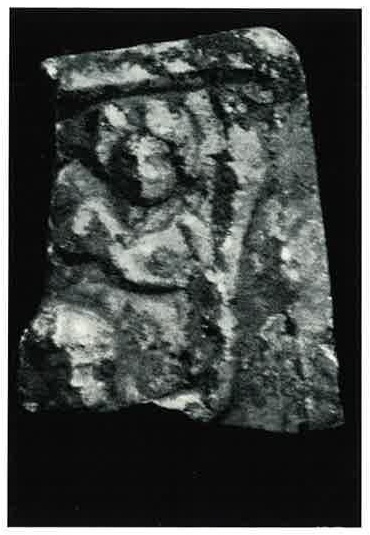
Marble relief fragment from the Mithraeum at Sarmizegetusa, Dacia, preserving Cautes in Oriental dress from the hips to the knees.
Bluish marble fragment from the Mithraeum at Sarmizegetusa, Dacia, preserving the right upper corner with the head of Cautes and his upraised torch, above which the bust of Luna.
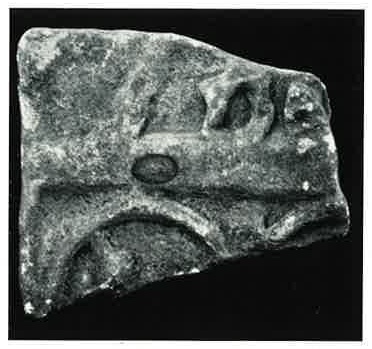
Marble fragment of a border from the Mithraeum at Sarmizegetusa, Dacia, with the fragment of a small altar visible.
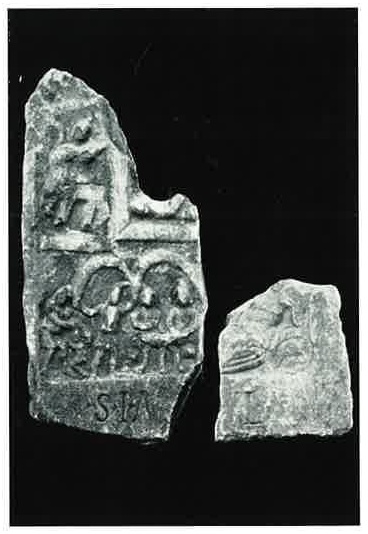
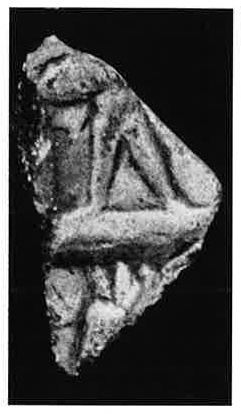
Marble fragment from the Mithraeum at Sarmizegetusa, Dacia, preserving the lower part of a leg and the left leg of a kneeling figure.
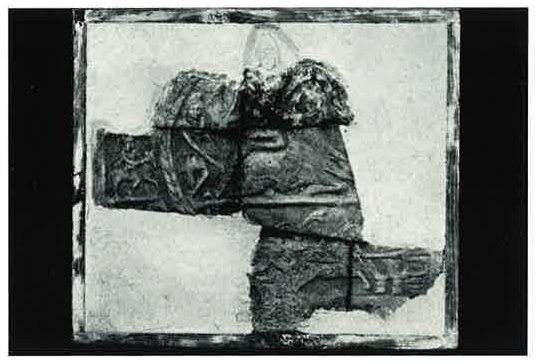
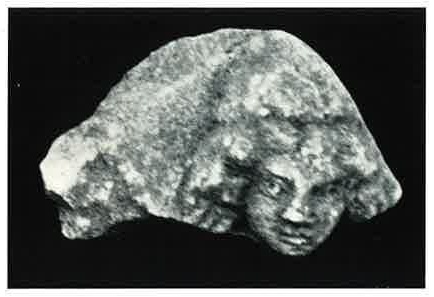
Small marble lion's head from the Mithraeum at Sarmizegetusa, Dacia, seen frontally.
Marble hand and wrist fragments from the Mithraeum at Sarmizegetusa, Dacia, all preserving remnants of torches, belonging to the torchbearer statues of the sanctuary.
Fragment of a bluish marble tauroctony from the Mithraeum at Sarmizegetusa, Dacia, preserving the left part of the head and a hoof and forefoot of the bull — probably from a Mithras-riding-the-bull scene.
Marble fragment from the Mithraeum at Sarmizegetusa, Dacia, preserving a head of Mithras in Phrygian cap; a small elevation at the side may be the shoulder of a torchbearer.
Marble relief fragment from the Mithraeum at Sarmizegetusa, Dacia, preserving a very fine head of Mithras in Phrygian cap — described by Kiraly as among the best-executed heads from the sanctuary.
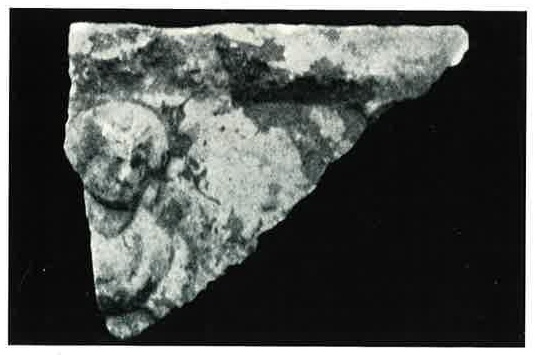
Marble fragment from the Mithraeum at Sarmizegetusa, Dacia, preserving the top of Mithras's Phrygian cap and part of Sol's head.
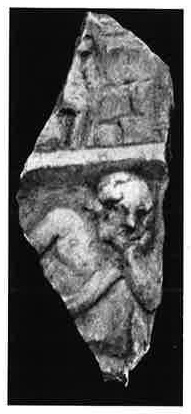
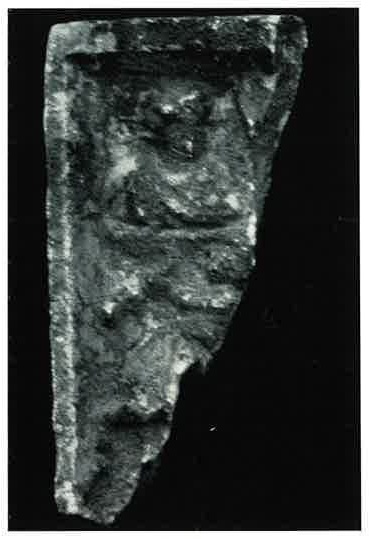
White marble relief fragment from the Mithraeum at Sarmizegetusa, Dacia, preserving part of an arched border below which a head in Phrygian cap, possibly Mithras, above a small building.
White marble relief fragment from the Mithraeum at Sarmizegetusa, Dacia, probably belonging to the preceding piece, depicting a man walking to the right stretching his hand towards a rock.
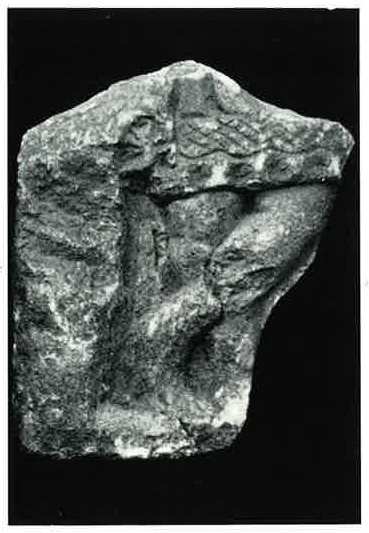
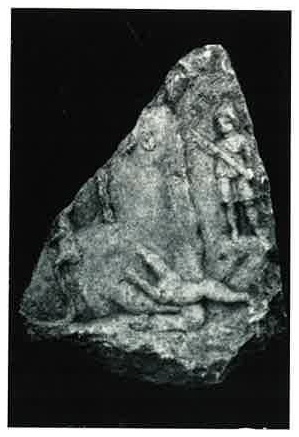
Marble fragment from the Mithraeum at Sarmizegetusa, Dacia, preserving the greater part of a reclining Oceanus and above it a rock before which one of Mithras's legs is visible — the water miracle scene.
Marble fragment from the Mithraeum at Sarmizegetusa, Dacia, preserving a standing figure in shoulder-cape (possibly Sol) and below it a burning altar.
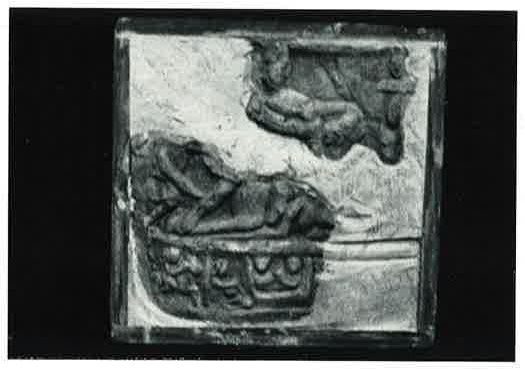
Fragment of a white marble relief from the Mithraeum at Sarmizegetusa, Dacia, preserving in the upper portion several Mithraic scenes including a standing figure, a burning altar, and part of a reclining figure.
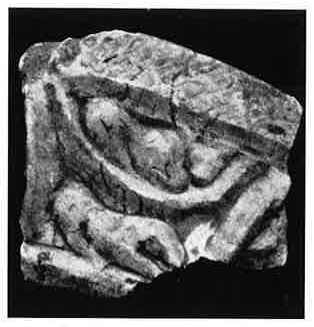
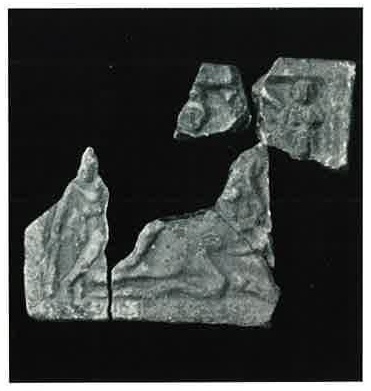
Three white limestone fragments from the Mithraeum at Sarmizegetusa, Dacia, preserving the hind leg of a lion in a vertical position and a serpent apparently moving towards a rock — possibly a rock-birth scene.
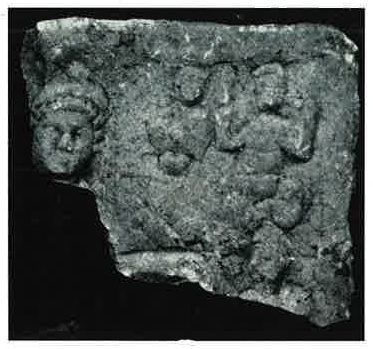
Fragment of a white limestone relief from the Mithraeum at Sarmizegetusa, Dacia, preserving the bust of Sol and a figure in Phrygian cap raising a right hand.
Fragment of a white limestone relief from the Mithraeum at Sarmizegetusa, Dacia, preserving the dressed bust of Sol and beside him a sitting Mithras visible to the knees, with an arch above.
Fragment of a yellowish marble relief from the Mithraeum at Sarmizegetusa, Dacia, preserving the left upper corner with the bust of Sol and below it Mithras riding the bull.
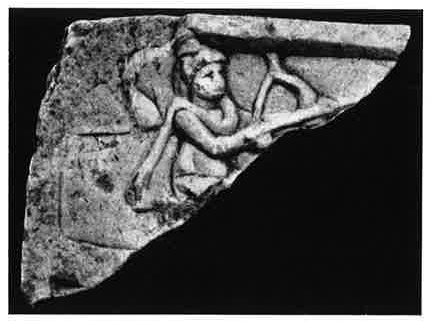
Fragment of a bluish marble tauroctony from the Mithraeum at Sarmizegetusa, Dacia, preserving the left upper corner with the bust of Sol and beside it the upper part of a person in Phrygian cap — probably Mithras as an archer.
Marble fragment from the Mithraeum at Sarmizegetusa, Dacia, preserving the middle part of Cautopates holding a downward torch in his left hand.
Marble fragment from the Mithraeum at Sarmizegetusa, Dacia, preserving the middle part of a torchbearer from the armpit to the knees.
Marble fragment from the Mithraeum at Sarmizegetusa, Dacia, preserving the head of Cautes in Phrygian cap and part of his torch.
Marble fragment from the Mithraeum at Sarmizegetusa, Dacia, preserving the hindmost part of the dog.
Marble fragment from the Mithraeum at Sarmizegetusa, Dacia, preserving a coiling serpent without its head.
Two marble fragments from the Mithraeum at Sarmizegetusa, Dacia, one preserving the head of the bull and another the bull's ear.
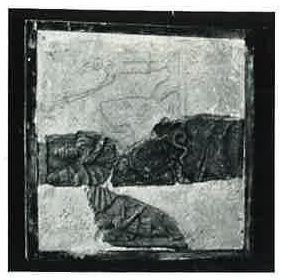
Three marble fragments of a mantle from the Mithraeum at Sarmizegetusa, Dacia, probably belonging to the flying cloak of Mithras.
Marble fragment from the Mithraeum at Sarmizegetusa, Dacia, preserving the sheath and part of Mithras's tunic with traces of red colour.
Marble fragment from the Mithraeum at Sarmizegetusa, Dacia, preserving a standing person in a tunic; head, arms, and legs are lost.
Small marble fragment from the Mithraeum at Sarmizegetusa, Dacia, preserving small parts of the bull and Mithras's dagger.
Fragment of a marble relief from the Mithraeum at Sarmizegetusa, Dacia, preserving the bust of a person in a tunic with a right arm and hand holding a torch pointed downward.
Marble fragment from the Mithraeum at Sarmizegetusa, Dacia, preserving the neck and head of the bull together with Mithras's dagger.
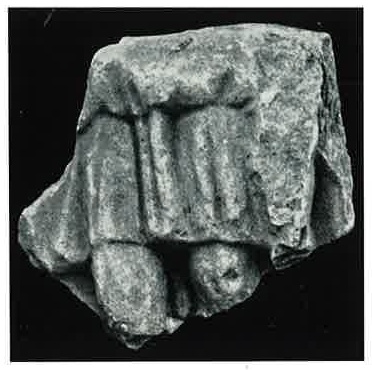
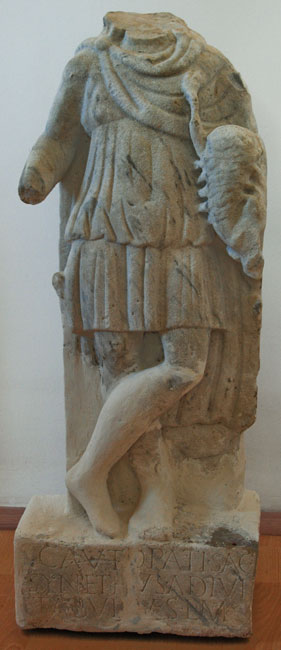
Left lower corner of a marble relief from the Mithraeum at Sarmizegetusa, Dacia, preserving the lower part of a cross-legged torchbearer in a short belted and fringed tunic.
Fragment of a large marble relief from the Mithraeum at Sarmizegetusa, Dacia, preserving a standing cross-legged torchbearer; head, arms, and legs below the knees are lost.
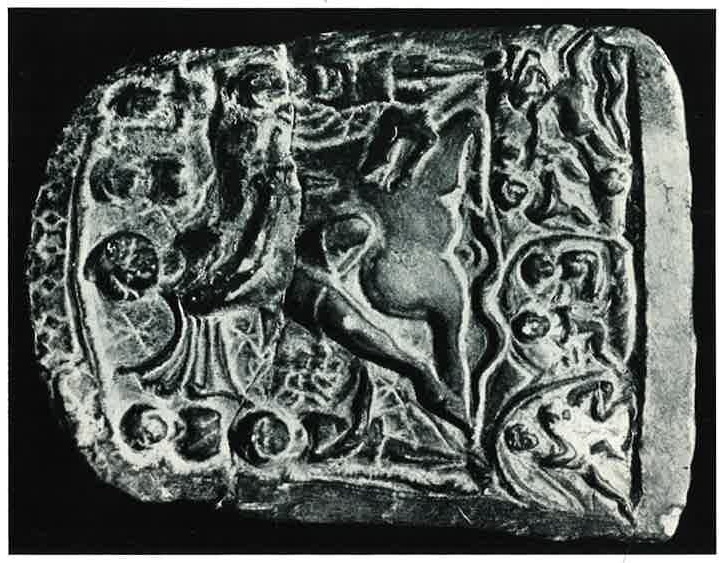
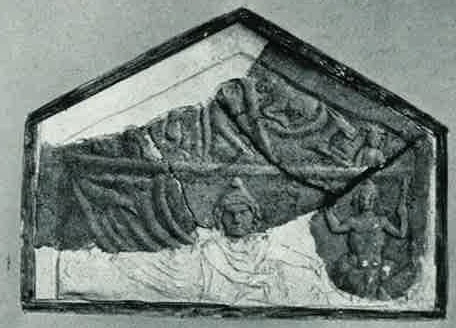
Upper portion of a vaulted marble tauroctony from the Mithraeum at Sarmizegetusa, Dacia, with the bull-slaying and above Cautes a scene of Mithras's rock-birth; Sol and Luna busts appear in the upper corners.
Foremost part of a white marble tauroctony from the Mithraeum at Sarmizegetusa, Dacia, showing the badly weathered bull-slaying with cross-legged Cautes raising the torch with both hands.
Marble fragment from the Mithraeum at Sarmizegetusa, Dacia, preserving part of a bent arm, possibly from a tauroctony scene.
Small marble relief fragment from the Mithraeum at Sarmizegetusa, Dacia, preserving the head of Mithras in Phrygian cap.
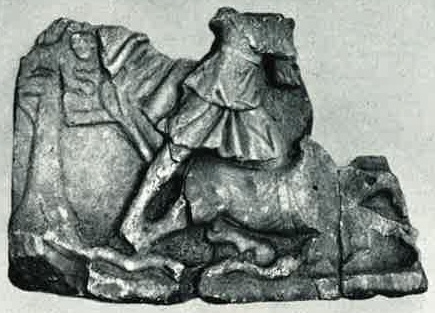
Greyish marble fragment from the Mithraeum at Sarmizegetusa, Dacia, preserving the bull's tail and part of Mithras's flying cloak.
Fragment of a white marble tauroctony from the Mithraeum at Sarmizegetusa, Dacia, preserving the hindmost part of the bull to the left and the fragment of a small altar behind it.
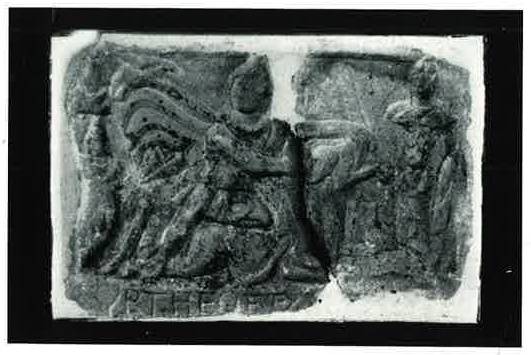
Rectangular white marble tauroctony relief from the Mithraeum at Sarmizegetusa, Dacia, depicting Mithras killing the bull with dog, serpent, and scorpion.
Three fragments of a large yellowish marble tauroctony from the Mithraeum at Sarmizegetusa, Dacia, depicting the damaged bull-slaying scene; at approximately 0.94 × 1.31 m one of the larger reliefs from the sanctuary.
Five fragments of a whitish-yellow marble tauroctony from the Mithraeum at Sarmizegetusa, Dacia, with the central bull-slaying framed by a round border and the dagger of Mithras clearly visible.
Fragmentary inscription from the Mithraeum at Sarmizegetusa, Dacia, partially illegible.
Fragments of a bluish marble tauroctony from the Mithraeum at Sarmizegetusa, Dacia, possibly related to the preceding piece, preserving remnants of a bull.
Two greyish marble fragments from the Mithraeum at Sarmizegetusa, Dacia, preserving the torso of Mithras in tunic and cloak killing the bull with his right hand.
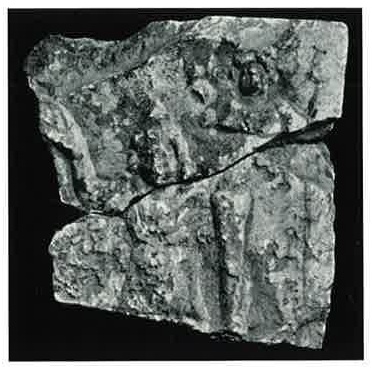
Two fragments of a rectangular white marble relief from the Mithraeum at Sarmizegetusa, Dacia, in the Lugoj collection, depicting Mithras killing the bull with the raven on the flying cloak.
Three greyish marble tauroctony fragments from the Mithraeum at Sarmizegetusa, Dacia, preserving the head of Mithras and the bull and parts of the subsidiary scenes.
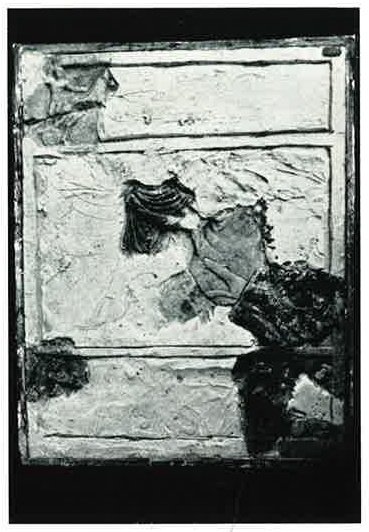
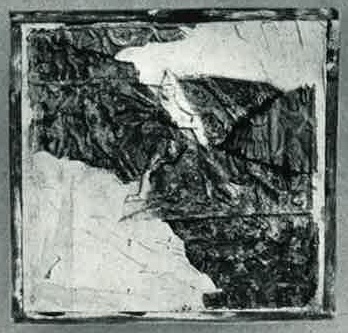
Fragment of a white marble tauroctony from the Mithraeum at Sarmizegetusa, Dacia, in the Lugoj collection; the figures of Mithras and the torchbearers are only partially visible on the weathered surface.
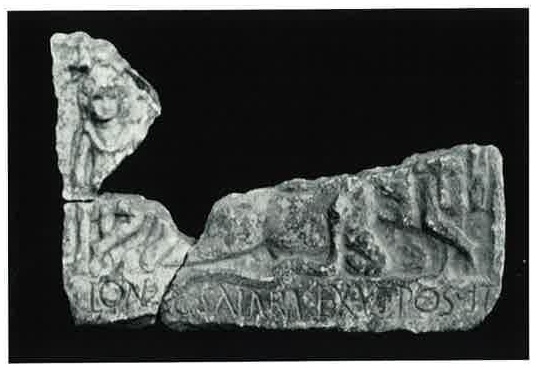
Fragmentary inscription from the Mithraeum at Sarmizegetusa, Dacia, recording that Longus salariarius set up a monument ex voto.
Three fragments of a rectangular bluish marble tauroctony from the Mithraeum at Sarmizegetusa, Dacia, preserving the lower and central portions of the bull-slaying with Cautopates.
Fragmentary inscription from the Mithraeum at Sarmizegetusa, Dacia, recording that Aurelius Theofilus fulfilled a vow ex voto.
Yellowish marble tauroctony in two fragments from the Mithraeum at Sarmizegetusa, Dacia, executed in a primitive style with the bull represented obliquely.
Left upper corner of a bluish marble tauroctony from the Mithraeum at Sarmizegetusa, Dacia, preserving the bust of Sol with his right shoulder lost.
Three fragments of a yellowish marble tauroctony from the Mithraeum at Sarmizegetusa, Dacia, with the left upper corner showing Mithras's flying cloak and parts of the subsidiary scenes.
Right lower corner of a greyish marble tauroctony from the Mithraeum at Sarmizegetusa, Dacia, preserving the bull's knees and dewlap, the dog, part of the serpent, and the lower part of Cautes.
Fragmentary inscription from the Mithraeum at Sarmizegetusa, Dacia, recording that Aelius Nepos fulfilled a vow.
Bluish marble tauroctony relief from the Mithraeum at Sarmizegetusa, Dacia, depicting Mithras killing the bull with the dog, scorpion, and subsidiary scenes.
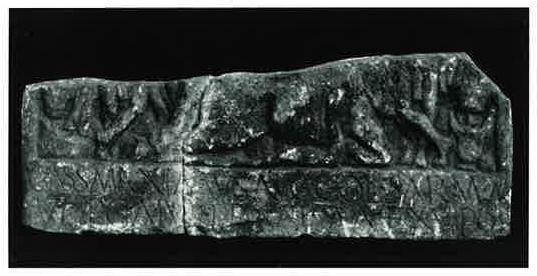
Inscription from the Mithraeum at Sarmizegetusa, Dacia, dedicated ex voto by Cassius Maximus, augur of the Colonia Sarmizegetusa, and Marcus Ulpius Gaius.
Two sandstone tauroctony relief fragments from the Mithraeum at Sarmizegetusa, Dacia, preserving the lower right portion of the bull-slaying scene.
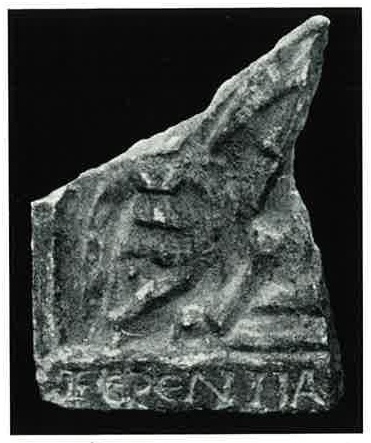
Fragmentary inscription from the Mithraeum at Sarmizegetusa, Dacia, preserving only the name Terentianus.
Fragment of a bluish marble tauroctony from the Mithraeum at Sarmizegetusa, Dacia, preserving the border of Mithras's tunic, the sheath of the dagger, and his right foot.
Fragmentary inscription from the Mithraeum at Sarmizegetusa, Dacia, preserving only the end of a name (-nus) and the abbreviated votive formula.
Fragment of a bluish marble tauroctony from the Mithraeum at Sarmizegetusa, Dacia, preserving the right lower corner with the bull's knee, the dog, and the lower part of Cautes.
Two fragments of a bluish marble tauroctony from the Mithraeum at Sarmizegetusa, Dacia, preserving the torso of Mithras in the bull-killing posture.
Fragment of a bluish marble tauroctony from the Mithraeum at Sarmizegetusa, Dacia, preserving the lower part of Cautopates with crossed legs, downward torch, and embroidered girdle.
Fragments of a yellowish marble open-work tauroctony from the Mithraeum at Sarmizegetusa, Dacia.
Fragment of a yellowish marble tauroctony from the Mithraeum at Sarmizegetusa, Dacia, preserving the left lower corner with the bull's hind hoof, the crossed legs of Cautopates, and the flame of his downward torch.
Four fragments of a bluish marble tauroctony from the Mithraeum at Sarmizegetusa, Dacia, with the central bull-slaying partially preserved including the Sol bust and a figure in Phrygian cap.
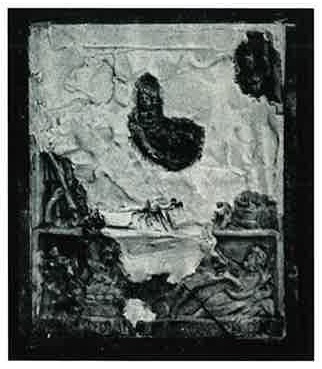
Fragment of greyish marble from the Mithraeum at Sarmizegetusa, Dacia, preserving a bull in a small boat — a rare iconographic detail in Mithraic art.
Fragment of bluish marble from the Mithraeum at Sarmizegetusa, Dacia, preserving the dressed bust of Sol with a diadem and holes for five rays; traces of red colour are preserved.
Trapezium-shaped white marble tauroctony relief from the Mithraeum at Sarmizegetusa, Dacia, with the standard bull-slaying scene in two fragments.
Yellowish marble tauroctony fragment from the Mithraeum at Sarmizegetusa, Dacia, preserving the dog without a tail and part of Cautopates.
Fragment of a bluish marble tauroctony from the Mithraeum at Sarmizegetusa, Dacia, preserving the left lower corner with the bull's hindmost part, the scorpion, and part of the Cautopates area.
Fragmentary inscription from the Mithraeum at Sarmizegetusa, Dacia, recording a dedication by a member of the colonia, with only the closing formula preserved.
Ten fragments of a greyish marble tauroctony relief from the Mithraeum at Sarmizegetusa, Dacia, divided into three horizontal registers.
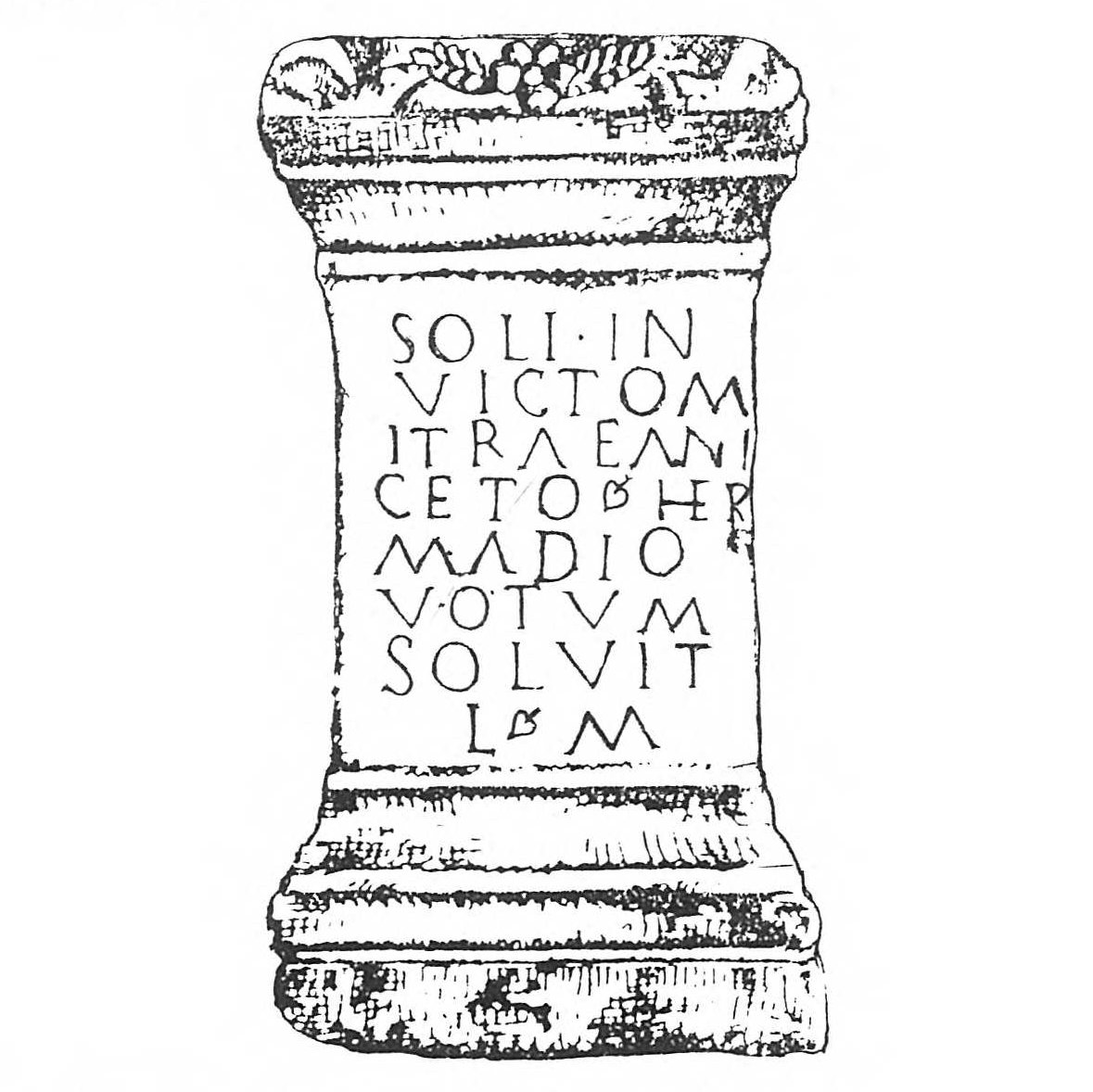
Fragmentary inscription from the Mithraeum at Sarmizegetusa, Dacia, dedicated to Soli invicto Mithrae; only the opening formula and closing ex voto are preserved.
Eight fragments of a large white marble open-work tauroctony from the Mithraeum at Sarmizegetusa, Dacia, with the central bull-slaying carved in openwork within a framing border.
Fragmentary inscription from the Mithraeum at Sarmizegetusa, Dacia, preserving only the name Gaius and a votive formula.
Seven fragments of a white marble tauroctony relief from the Mithraeum at Sarmizegetusa, Dacia, depicting the central bull-slaying with a rich programme of subsidiary Mithraic scenes.
Lower part of a white limestone tauroctony relief from the Mithraeum at Sarmizegetusa, Dacia, preserving the bull with a broad belt and the Cautopates area.
Two fragments of a circular white marble tauroctony relief from the Mithraeum at Sarmizegetusa, Dacia, enclosed in a laurel wreath.
Fragmentary inscription from the Mithraeum at Sarmizegetusa, Dacia, preserving only De- and the name Iulius m-.
Left lower corner of a marble tauroctony relief from the Mithraeum at Sarmizegetusa, Dacia, preserving the crossed legs of Cautopates with the forepart of his torch and a fragmentary inscription in the lower rim.
Fragmentary inscription from the Mithraeum at Sarmizegetusa, Dacia, preserving only the name Priscus.
Four fragments of a bluish marble tauroctony relief from the Mithraeum at Sarmizegetusa, Dacia, depicting the central bull-slaying with partially preserved subsidiary scenes.
Bluish marble tauroctony relief in fragments from the Mithraeum at Sarmizegetusa, Dacia, divided into horizontal registers with the central bull-slaying and multiple subsidiary Mithraic scenes.
Inscription from the Mithraeum at Sarmizegetusa, Dacia, dedicated to Soli invicto Mithrae by S. Spedius Valerianus, Augustalis coloniae.
White marble tauroctony relief in eleven fragments from the Mithraeum at Sarmizegetusa, Dacia, divided into three horizontal registers, the central one depicting the bull-slaying and the others bearing subsidiary Mithraic scenes.
White marble altar or base from the Mithraeum at Sarmizegetusa, Dacia, dedicated to Soli invicto Mithrae by Carpion, imperial freedman and tabularius.
Marble column from the Mithraeum at Sarmizegetusa, Dacia, dedicated ex voto by Marcus Ulpius Victorinus and Maius, decuriones of the Colonia Sarmizegetusa Metropolis.
Marble column from the Mithraeum at Sarmizegetusa, Dacia, dedicated ex viso by Flavius Trofimus.
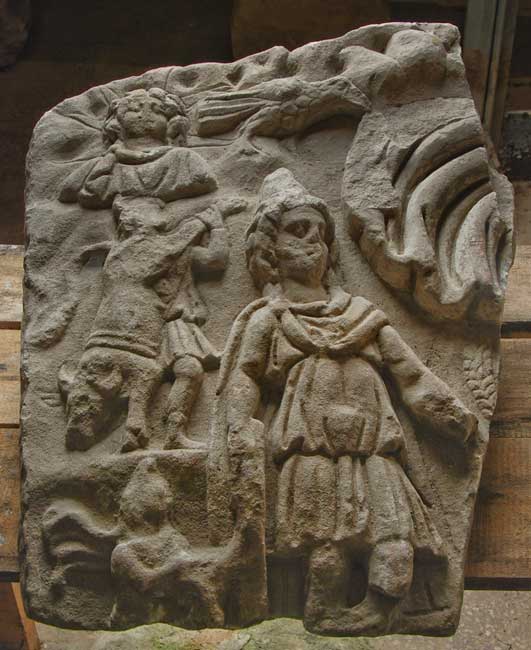
This relief of Mithras slaying the bull incorporates the scene of the god carrying the bull and its birth from a rock.
This marble fragment from Roman Dacia preserves part of a tauroctony with Sol, the raven, and Mithras dragging the bull.
This altar was erected by Hermadio, who also signed other monuments in Dacia and even in Rome.
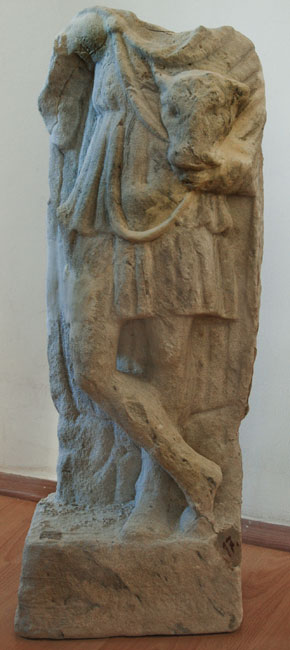
This sculpture of Cautes holding a bull’s head was found in 1882 in Sarmizegetusa, Romania.
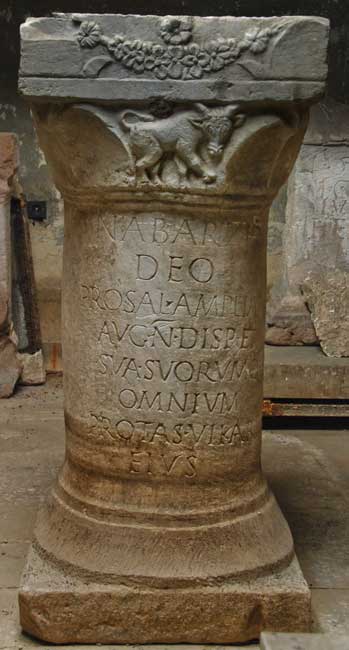
This column found in the Mithraeum of Sarmizegetusa bears an inscription to Nabarze instead of Mithras.
The Cautopates with scorpion found in 1882 in Sarmizegetusa includes an inscription of a certain slave known as Synethus.
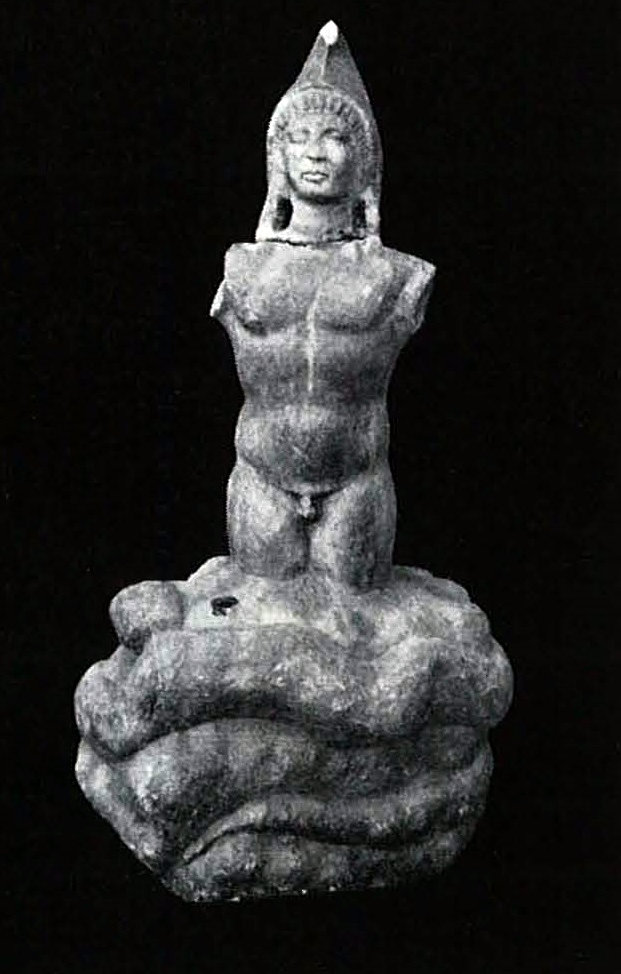
The rock of Mithra's birth in the Petrogenia of Sarmizegetusa is surrounded by a snake.