Your selection in monuments gave 428 results.

Small marble base dedicated by C. Atilius Bassus, freedman and apparator of a priest of the Great Mother, to Silvanus dendrophoris, from the Mitreo degli Animali at Ostia.
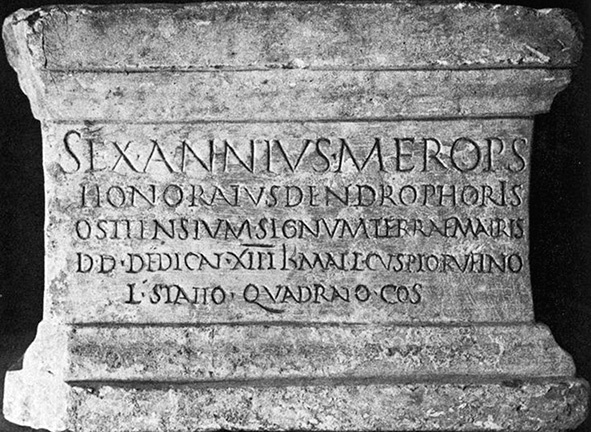
Small marble base dedicated by Sex. Annius Merops, honoured Dendrophoros, to the image of Terrae Matris, from the Mitreo degli Animali at Ostia, dated to 142 A.D.

A votive altar dedicated to Deus Invictus Mithras by Paterna, among the few women explicitly associated with Mithraic worship.
Marble slab with a fragmentary Latin inscription, walled into the right-hand side of the cult-niche in the Mitreo delle Pareti Dipinte at Ostia.
This small white marble cippus bears an inscription of a certain Pater Antoninus to Cautes.
The dedicator of this marble basin could be the same person who offered the sculpture of Mithras slaying the bull in the Mitreo delle Terme di Mitra.
This inscription, found in the Mitreo della Planta Pedis, among some other monuments in Ostia, suggests a link between Mithras and Silvanus.
Small marble column dedicated by Iunia Zosime, mater, to Virtus Dendrophori from silver weighing two pounds, from the Mitreo degli Animali at Ostia.
Marble altar found near the entrance of the Mitreo delle Sette Porte at Ostia, dedicated by Sextus Fusinius Felix.
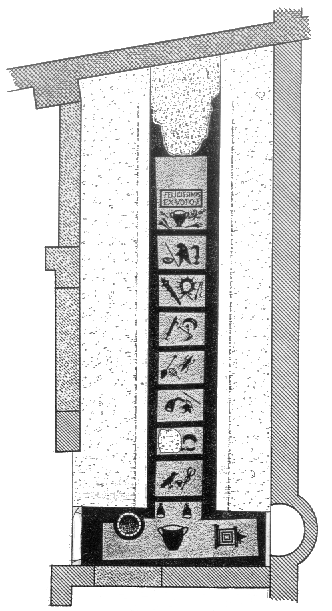
The Mithraeum Felicissimus has a floor mosaic depicting the seven mithraic grades.
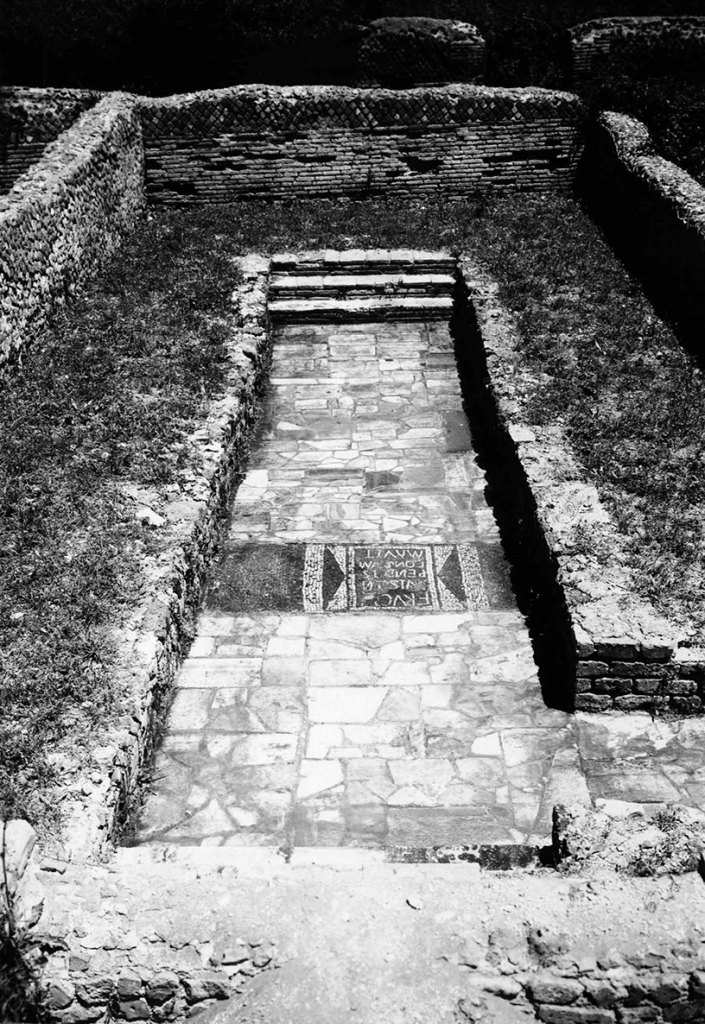
The Mithraeum of Sabazeus was found in one of the rooms of the Horrea built in the years 120 - 125 AD. The installation of the shrine may have taken place in the first half of the third century.
A small cippus from the Mithraeum of Sabazeus records the rebuilding of the sanctuary after its collapse.

Marble torso found at Ostia in 1912 between the Decumanus and the Via dei Molini, dedicated to Mithras by a certain Atilius Glyco.
Altar from Vratnik near Senia, Dalmatia, dedicated to Soli invicto Mithrae by Faustus, slave of Tiberius Saturninus, for himself and his family.
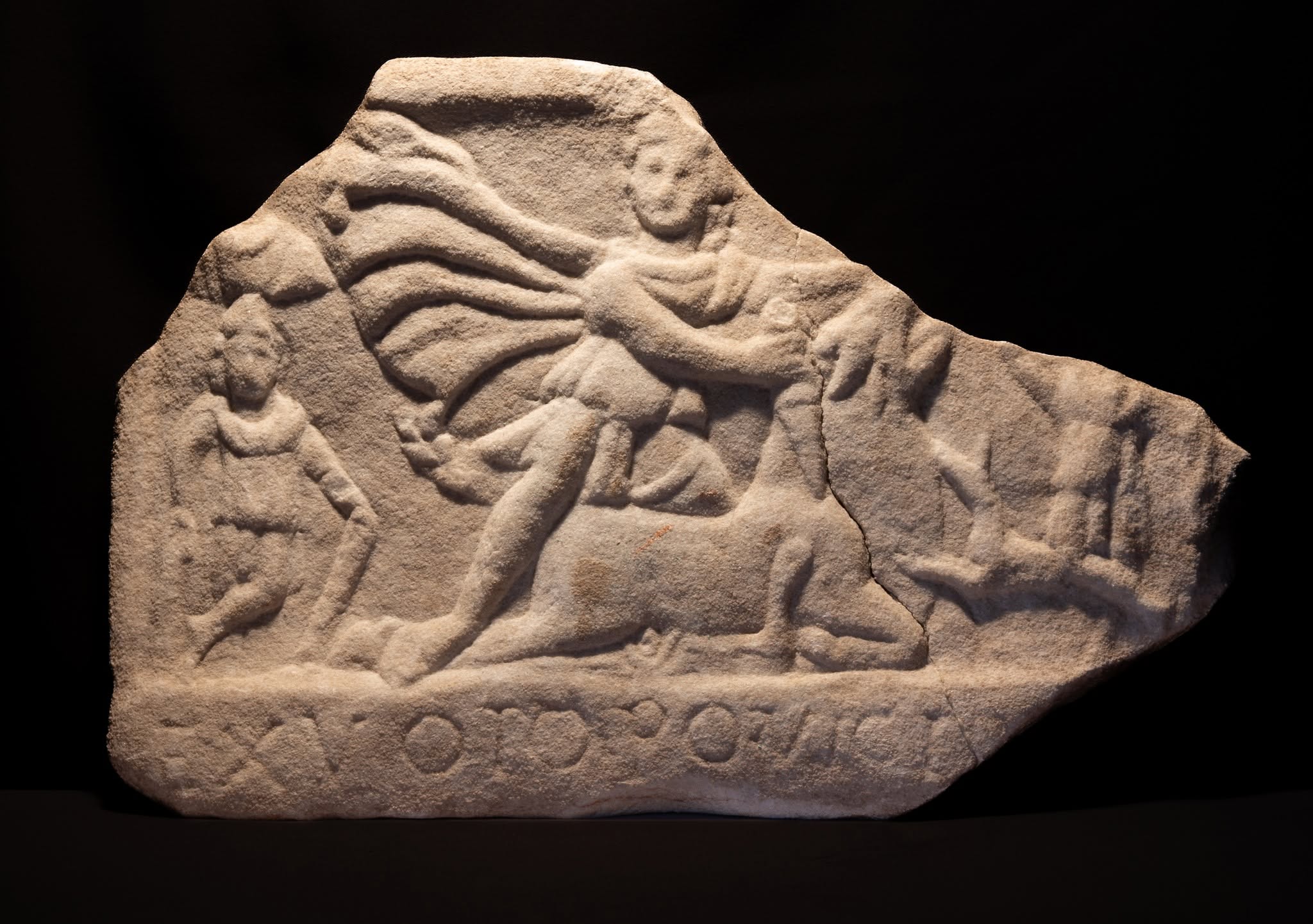
Marble tauroctony relief from Ozd (Magyarózd), attesting a rural Mithraic presence in the interior of Roman Dacia Superior.
Sandstone altar with patera from the rock sanctuary at Kreta, Moesia Inferior, bearing a Greek inscription of uncertain reading, possibly a thanksgiving to Mithras.
Straton, son of Straton, consecrated an altar to Helios Mithras in Kreta, Moesia inferior.
Sandstone altar with patera from the rock sanctuary at Kreta, Moesia Inferior, bearing a Greek inscription dedicating an altar to Helios Mithras by Marcus Sikis Dossis.
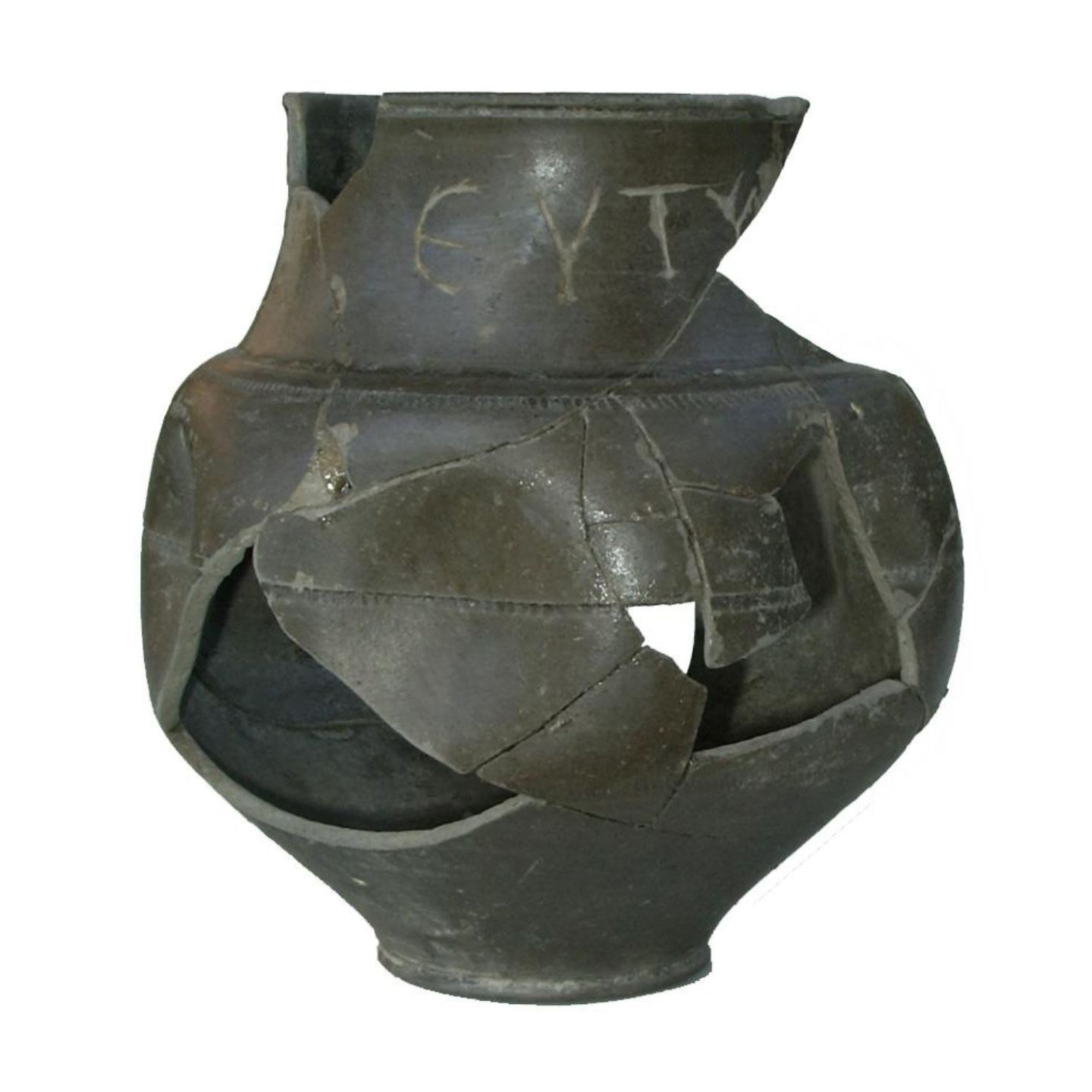
Ceramic cup inscribed with a Greek graffito and recovered from the Mithraeum of Martigny, providing evidence for the use of inscribed vessels within the sanctuary assemblage.
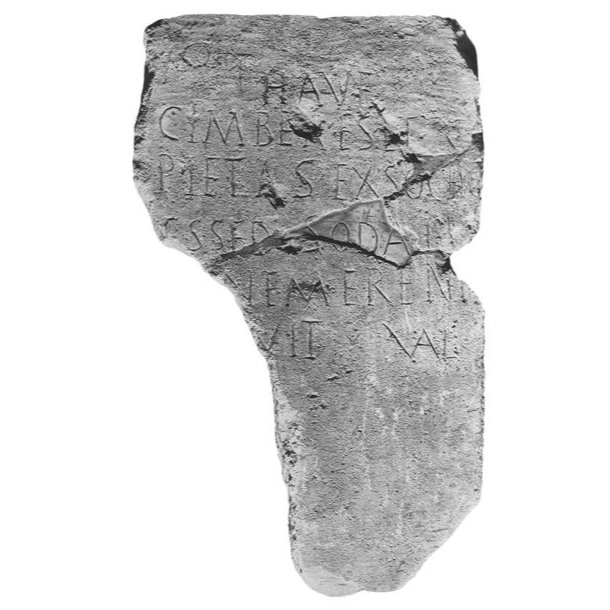
This monument with an inscription by two individuals was found in the first mithraeum of Cologne, Germany.
