Your selection in monuments gave 234 results.
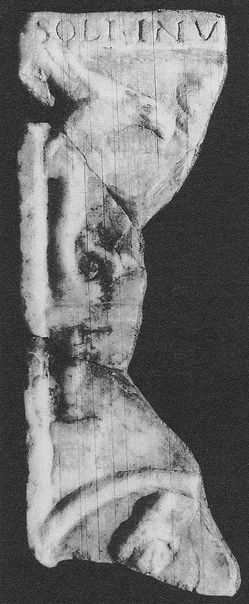
This marble fragment from Apulum preserves the head of Mithras beneath an arch together with a raven and the remains of Sol’s radiate crown.
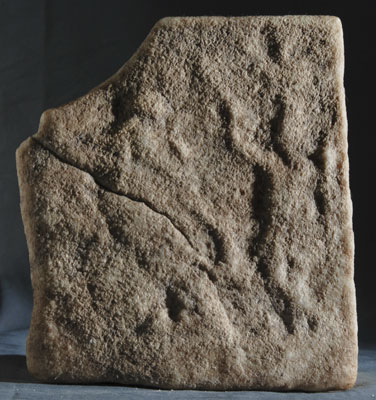
This small weathered marble fragment preserves part of a tauroctony with Cautes, Luna, the serpent, and a leaping dog.
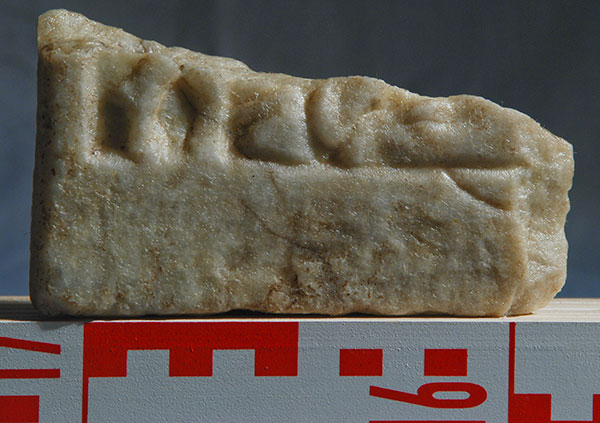
This small marble fragment preserves the crossed legs of a torchbearer, probably Cautopates, beside the hoof of the bull and the foot of Mithras.
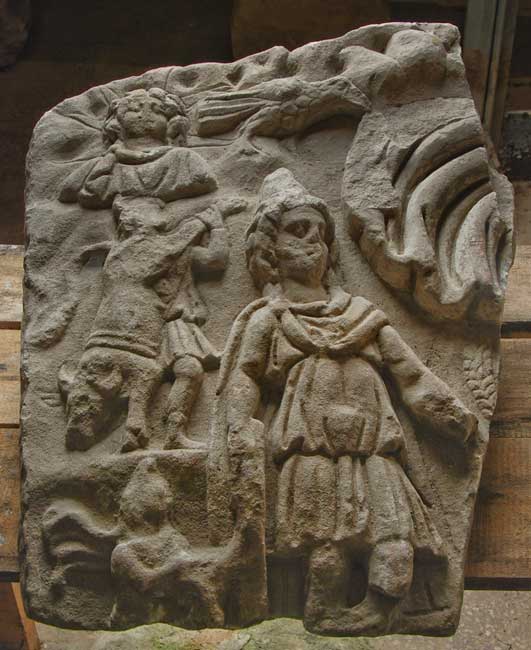
This marble fragment from Roman Dacia preserves part of a tauroctony with Sol, the raven, and Mithras dragging the bull.
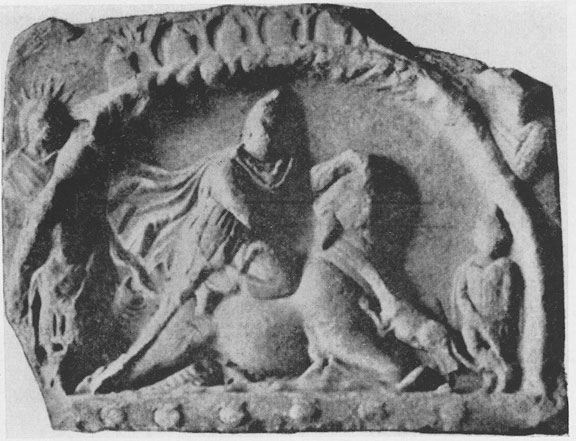
This finely carved marble tauroctony from Interamna features an unusual series of altars and ritual vases surrounding the scene.

This fragmentary tauroctony from Roman Gaul preserves a striking raven behind Mithras’ cloak and the bust of Sol in the upper corner.
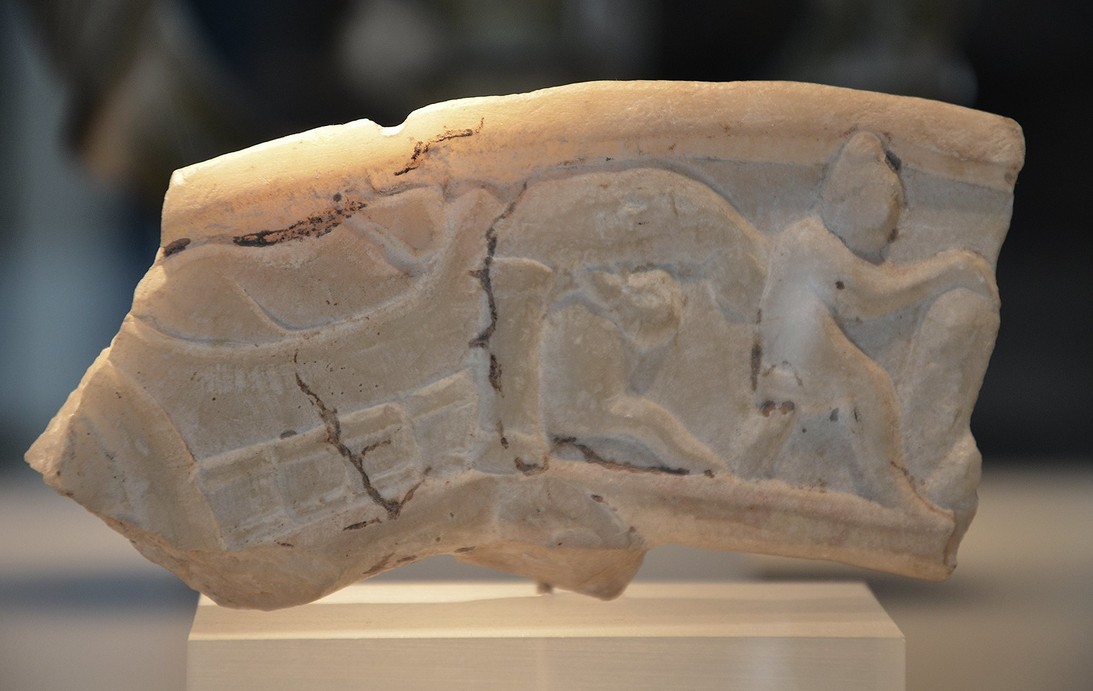
Fragment of an alabaster relief from Cologne with part of a tauroctony scene. Only the tip of Mithras’ Phrygian cap and small narrative details above are preserved.
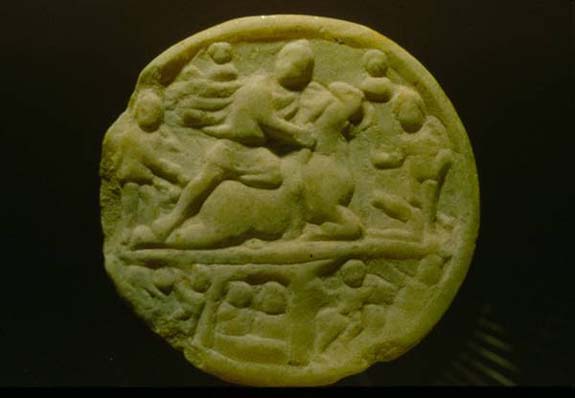
The small medallion depicts three scenes from the life of Mithras, including the Tauroctony. It may come from the Danube area.
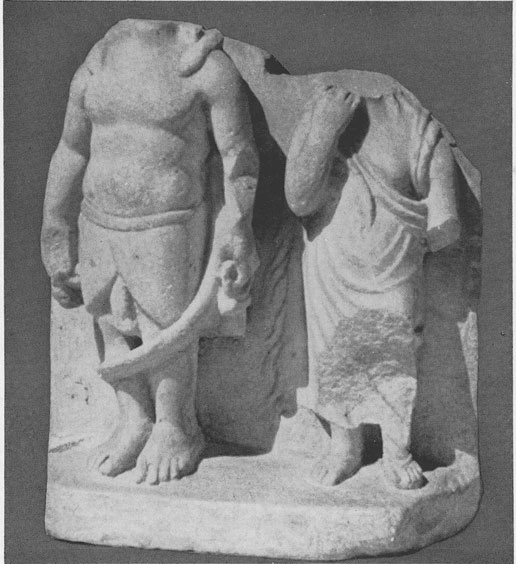
Marble relief, probably found in Rome during the construction of the Palazzo Primoli along the Via Zanardelli.
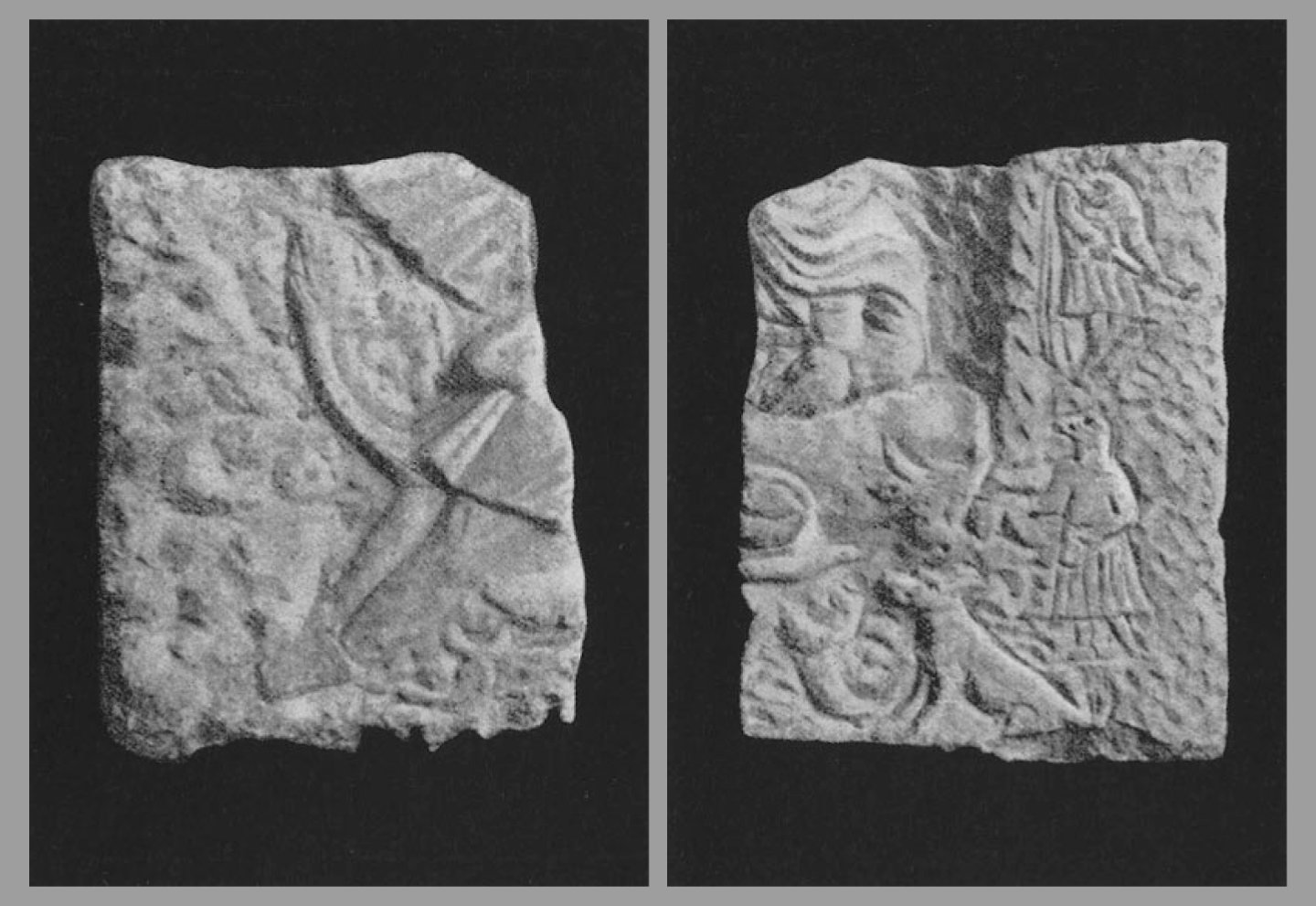
This fragment of a double relief shows a tauroctony on one side and the sacred meal, including a serving Corax, on the other.
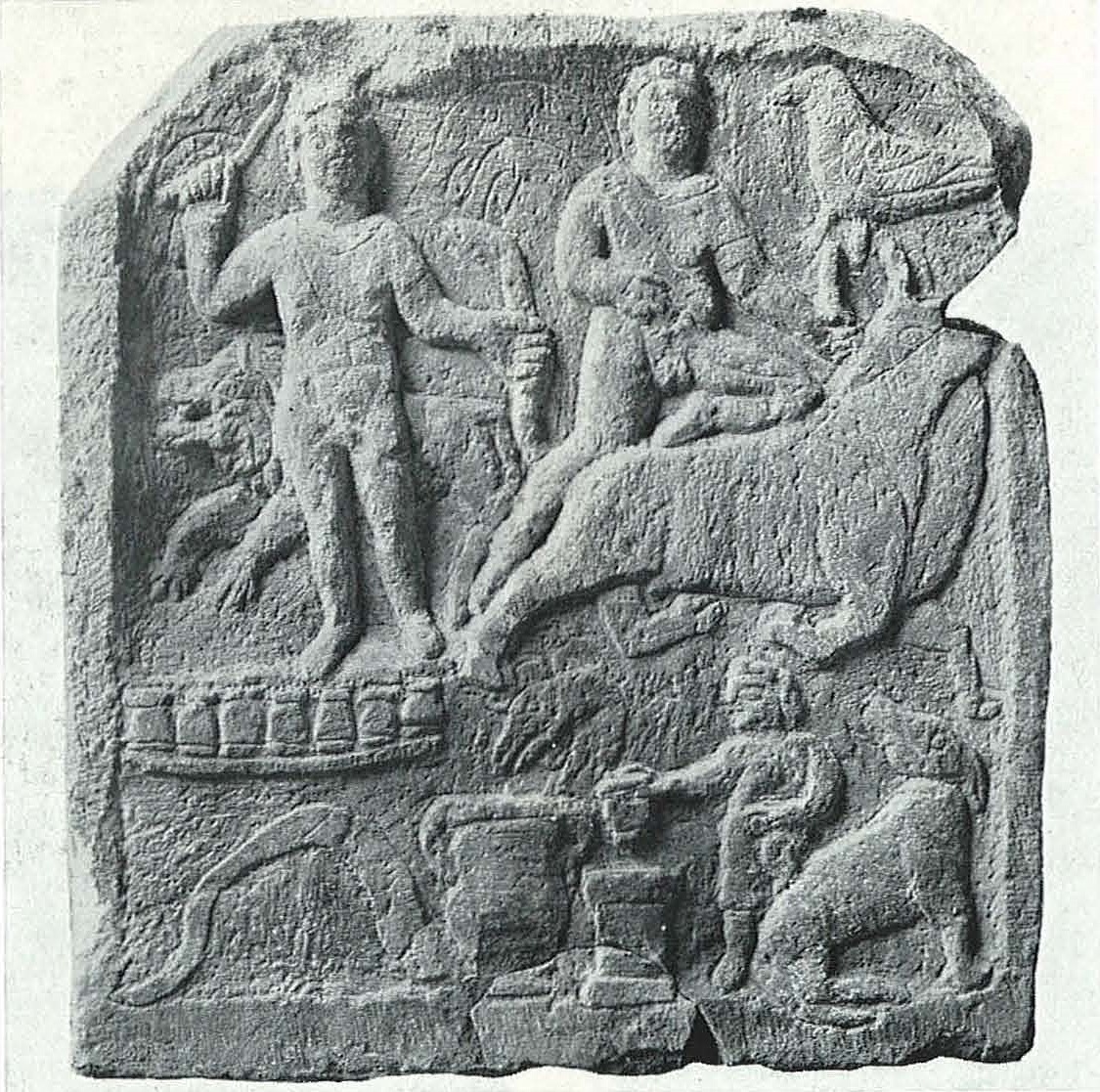
The Tauroctony from Landenburg, Germany, shows a naked Mithras only accompanied by his fellow Cautes.
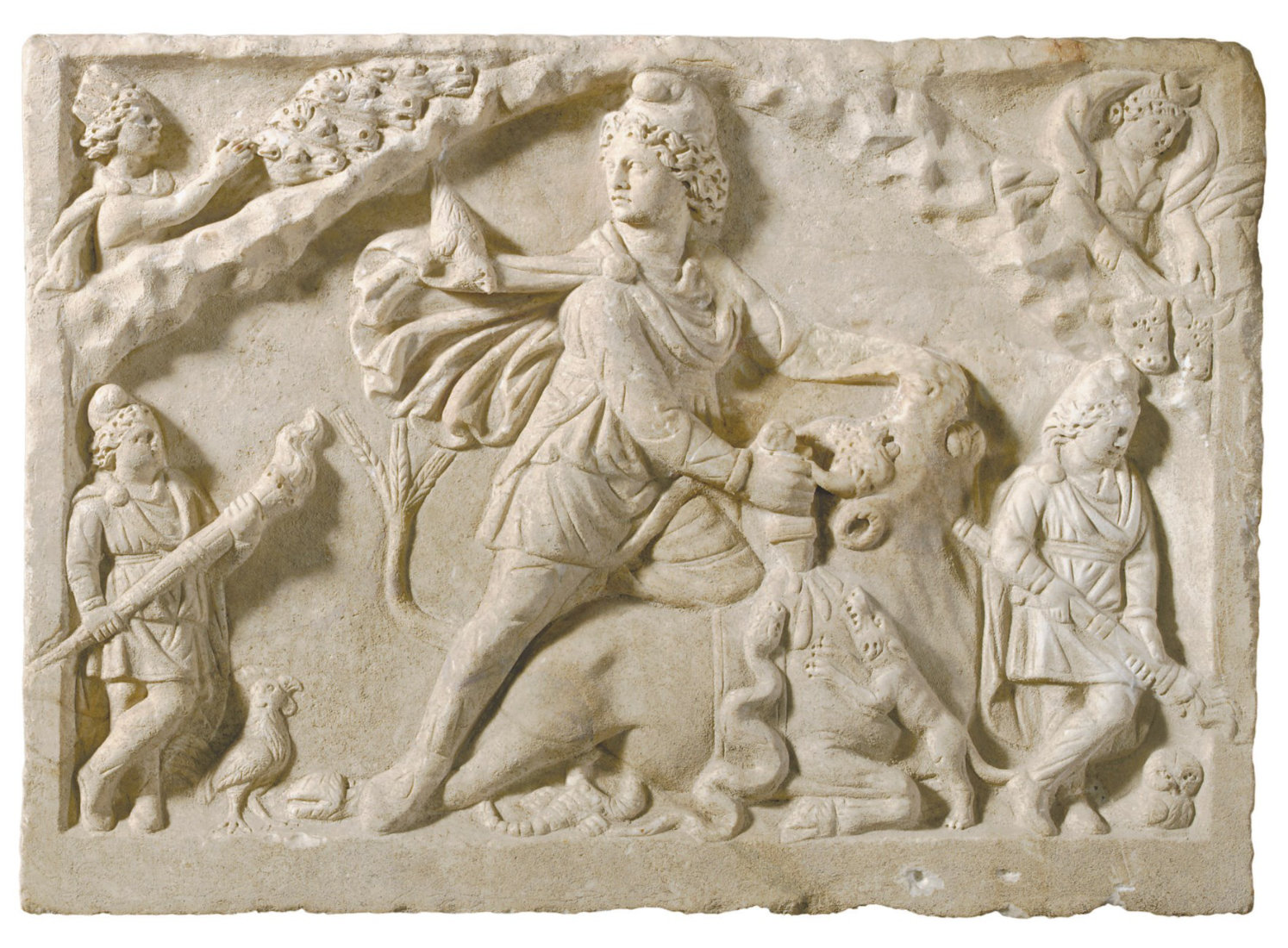
This relief of Mithras killing the bull includes an unusual owl at the feet of Cautopates and a cock next to Cautes.
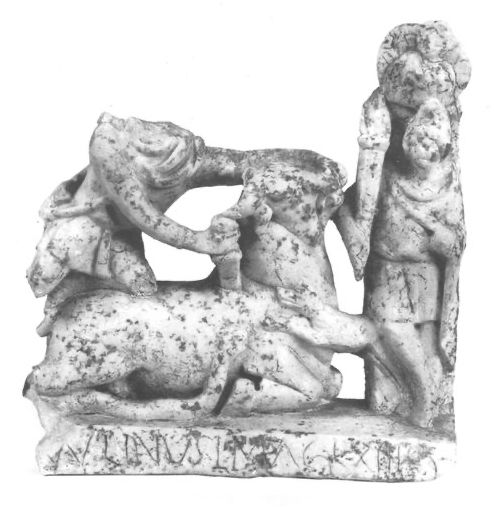
This relief of Mithras killing the bull was dedicated by the bearer of the imperial standard of Legio XIII Gemina, Marcus Ulpius Linus.
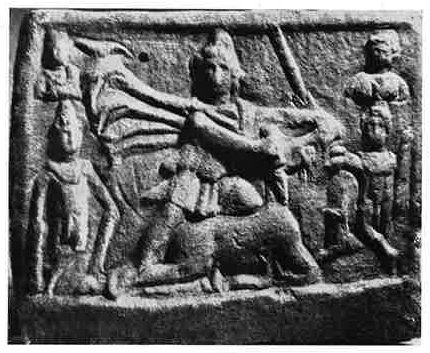
This marble relief depicting Mithras as a bull-slayer was once owned by Major Holzhausen and Franz Cumont and is now housed at the Belgian Academy.
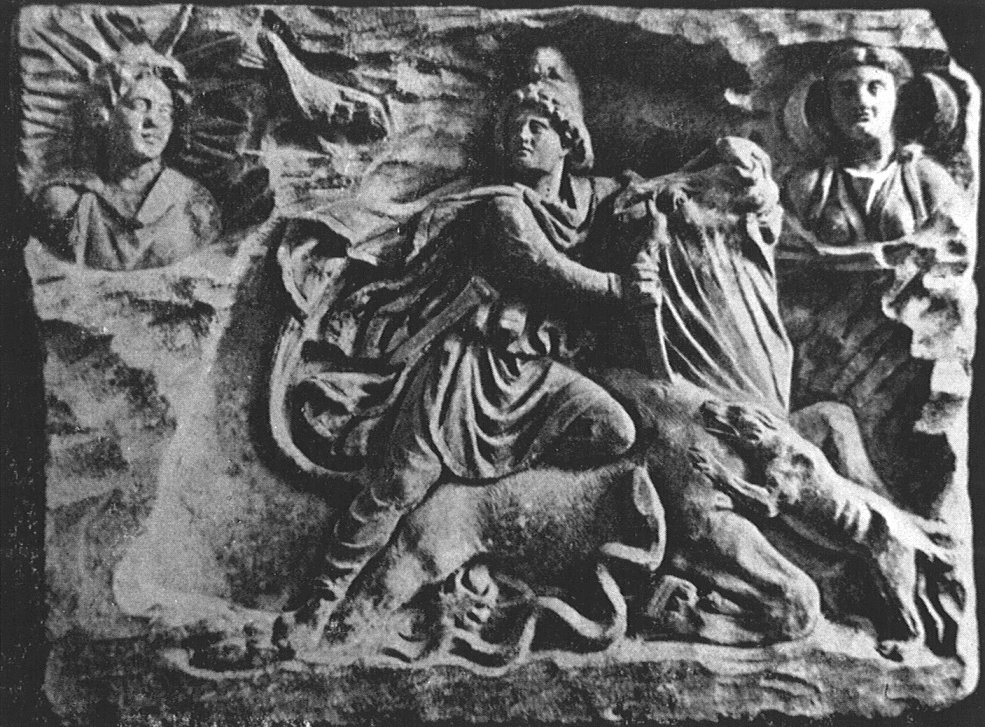
This marble relief depicting Mithras as a bull slayer was found in the back room of the Mithraeum of the Circus Maximus.

This marble relief depicting Mithras killing the bull, found at Porto d’Anzio in 1699 and now lost, is known from a engraving by del Torre.

This relief of Mithras slaying the bull, framed by acanthus leaves, was sold at auction in 2011 by Bonhams.
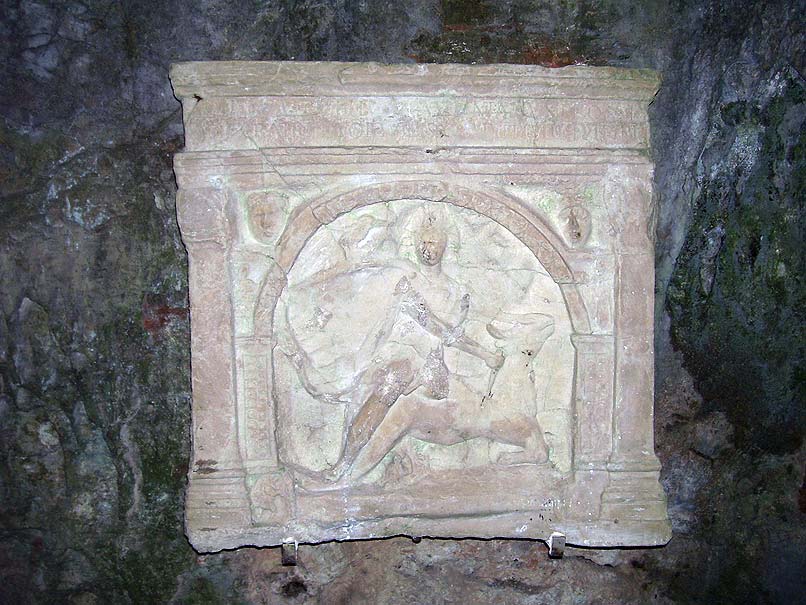

Fragments of a marble relief of Sol, which probably served as a fenster.
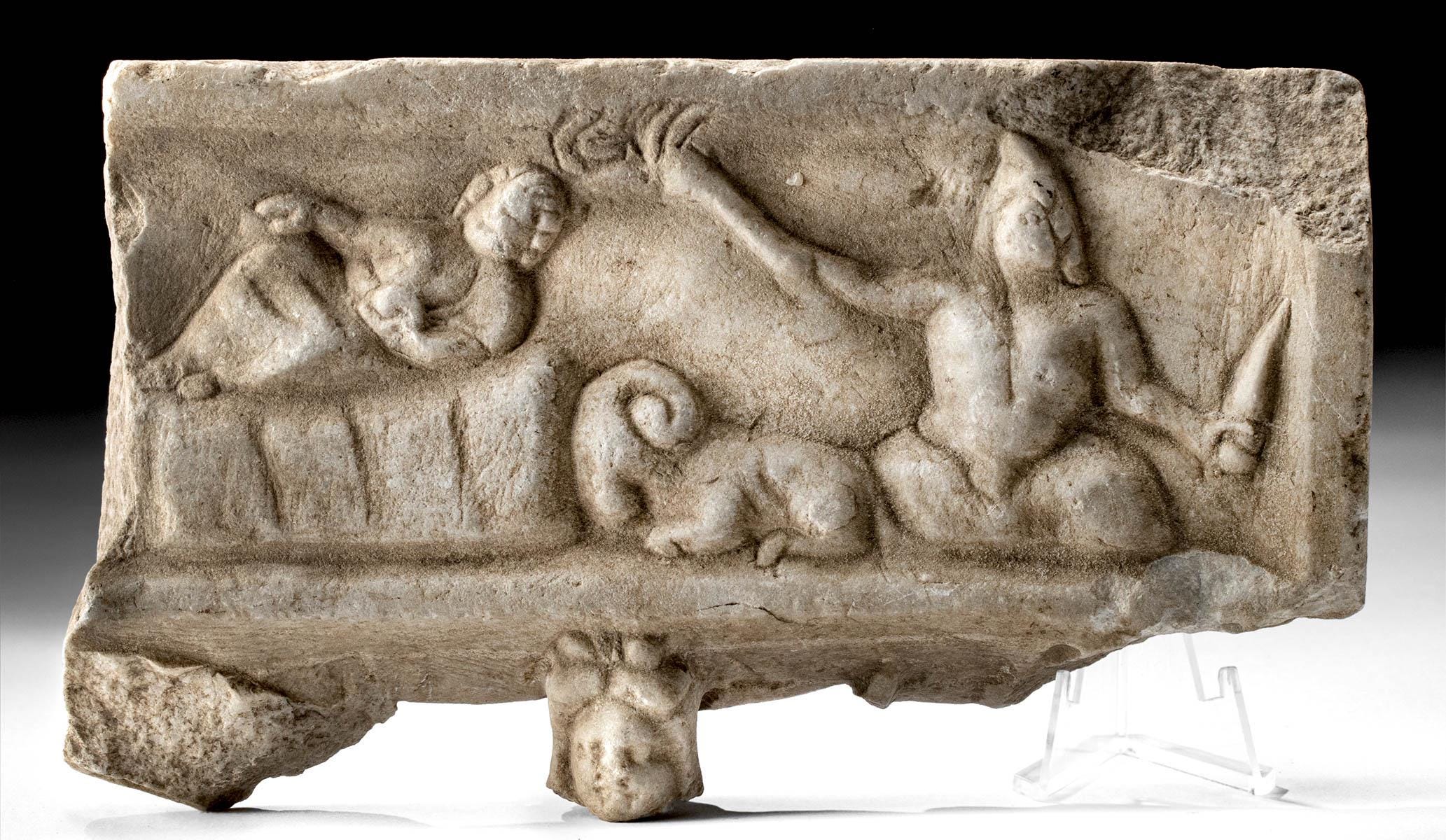
Mithras emerging from the rock with torch and dagger beside a reclining Oceanus or Saturn.
