Your selection gave 488 results.
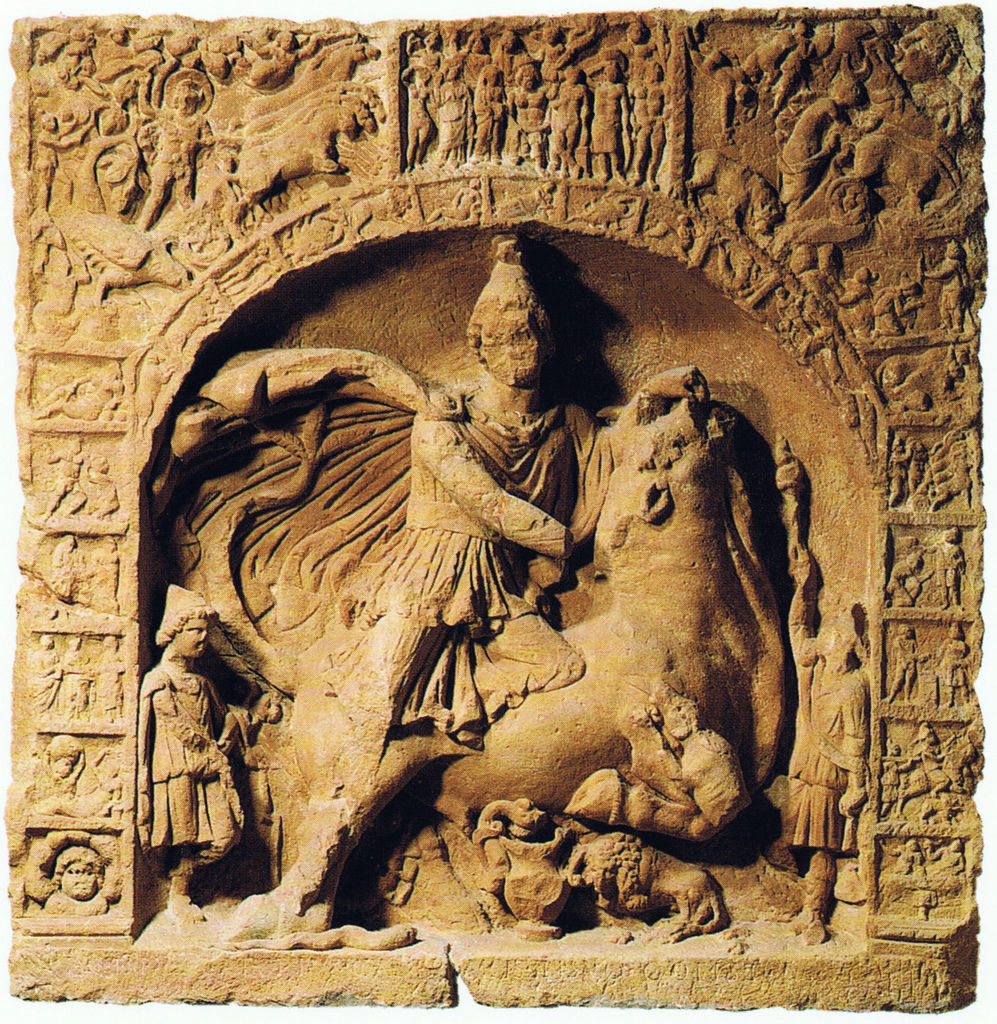
Franz Cumont considers the bas relief of Osterburken ’the most remarkable of all the monuments of the cult of Mithras found up to now’.
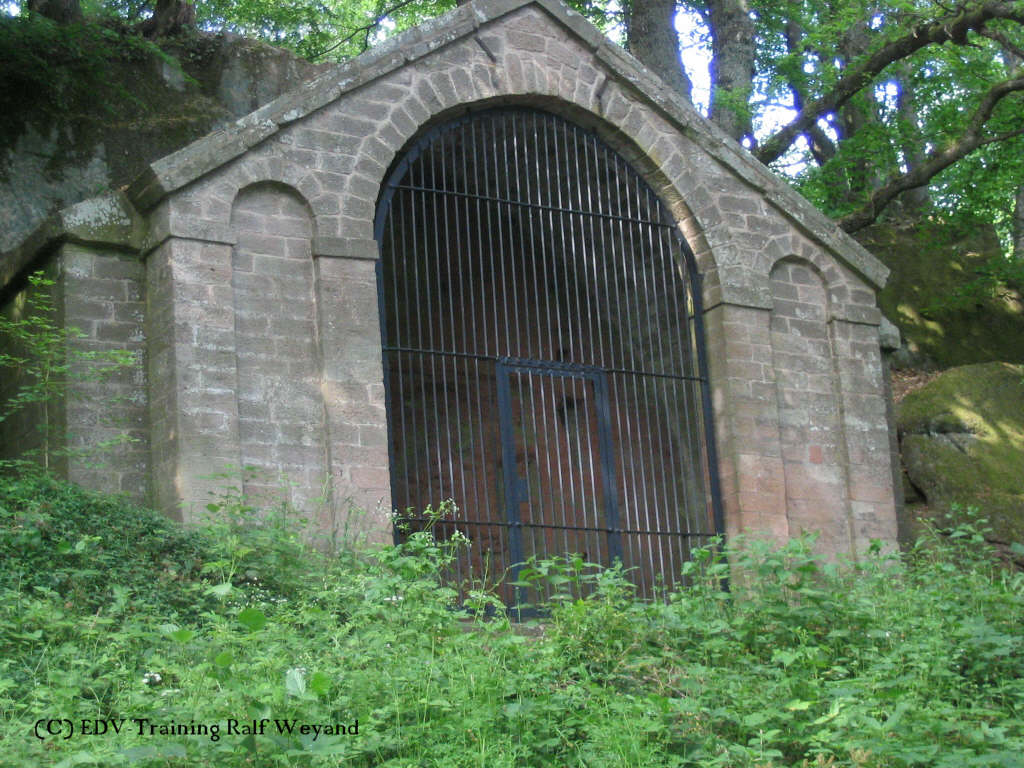
The Mithraeum of Schwarzerden, also know as Mithräum von Reichweiler, was carved on the rock.

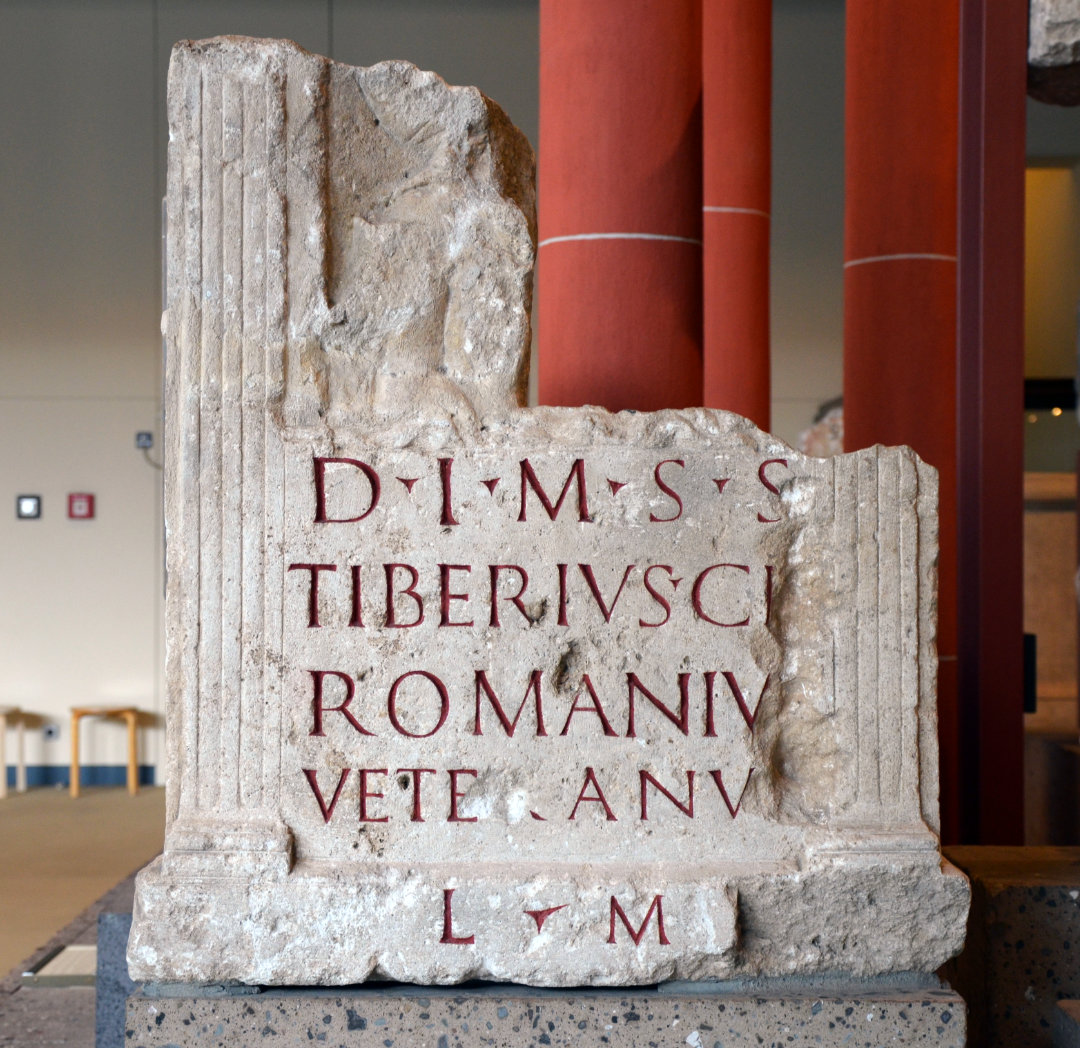
Votive inscription dedicated to Mithras by the veteran soldier Tiberius Claudius Romanius, from the Mithraeum II Köln, 3rd century.

A second Mithraeum was found in Cologne described by R. L. Grodon as of ’small importance’.

researcher on Mithraism for over 20 years, author of the book "Mithras. Geschichte einer Gottheit"
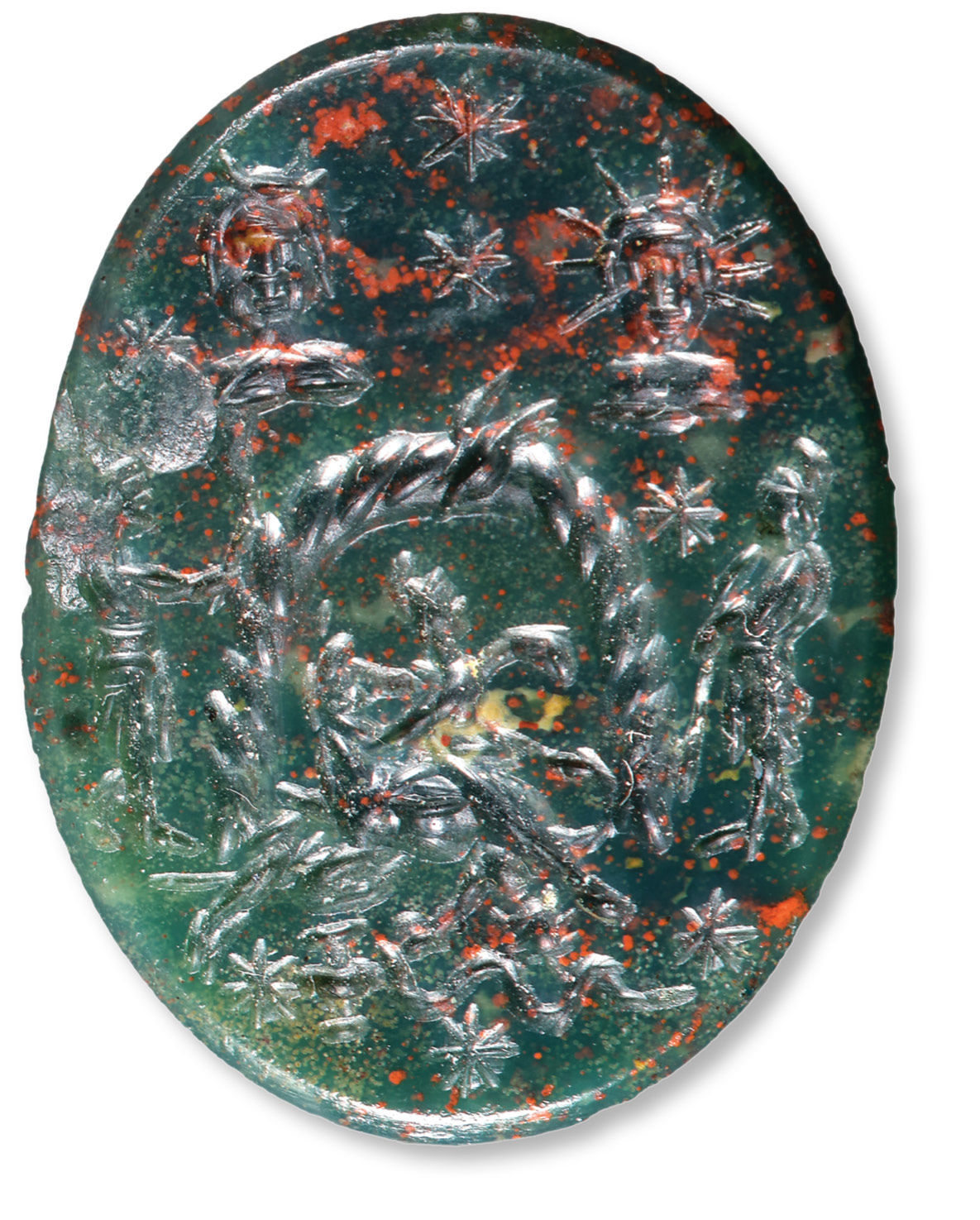
This heliotrope gem, depicting Mithras slaying the bull, dates from the 2nd-3rd century, but was reused as an amulet in the 13th century.
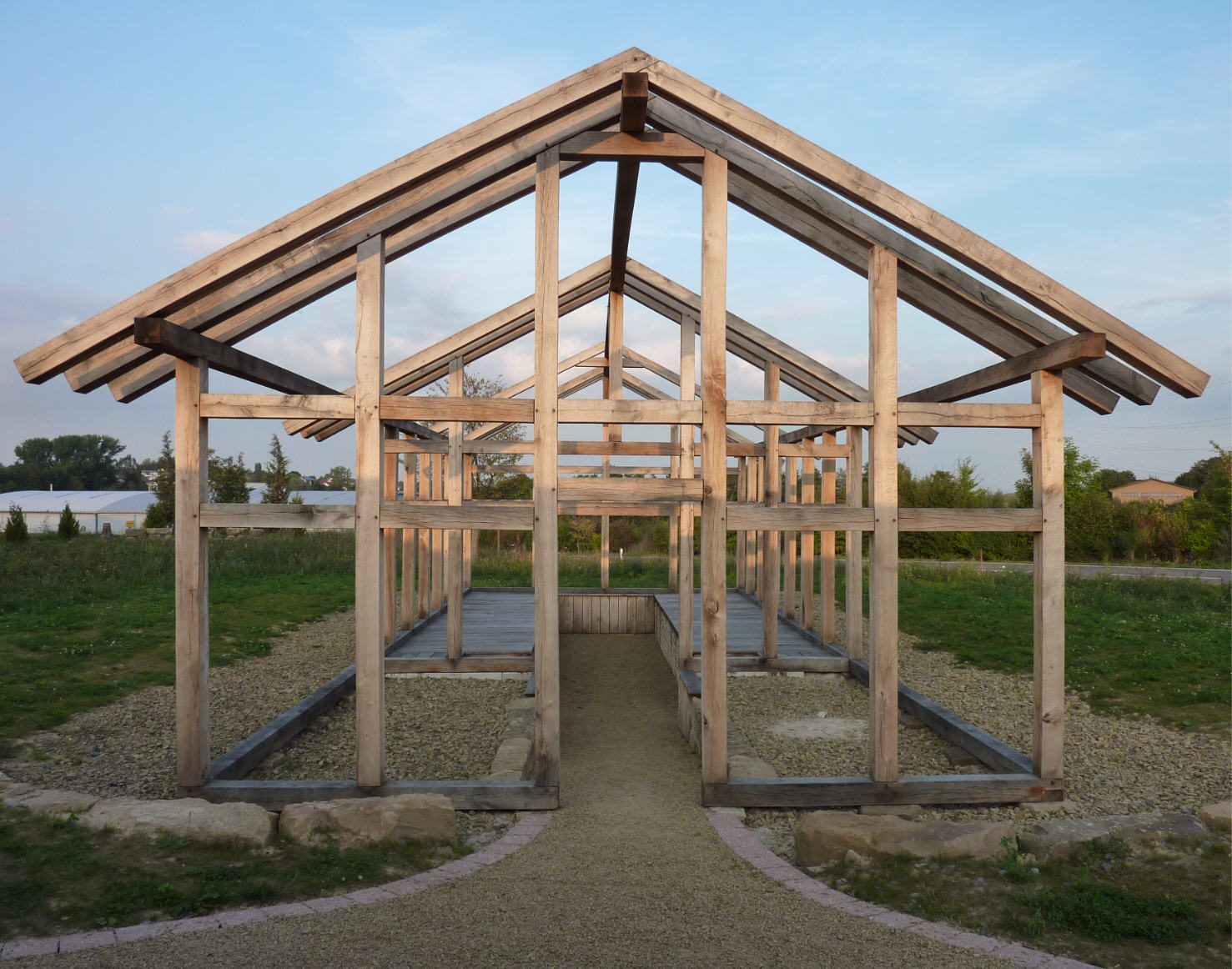
Two Mithras sanctuaries, which were located on the edge of the settlement, were excavated in Güglingen.
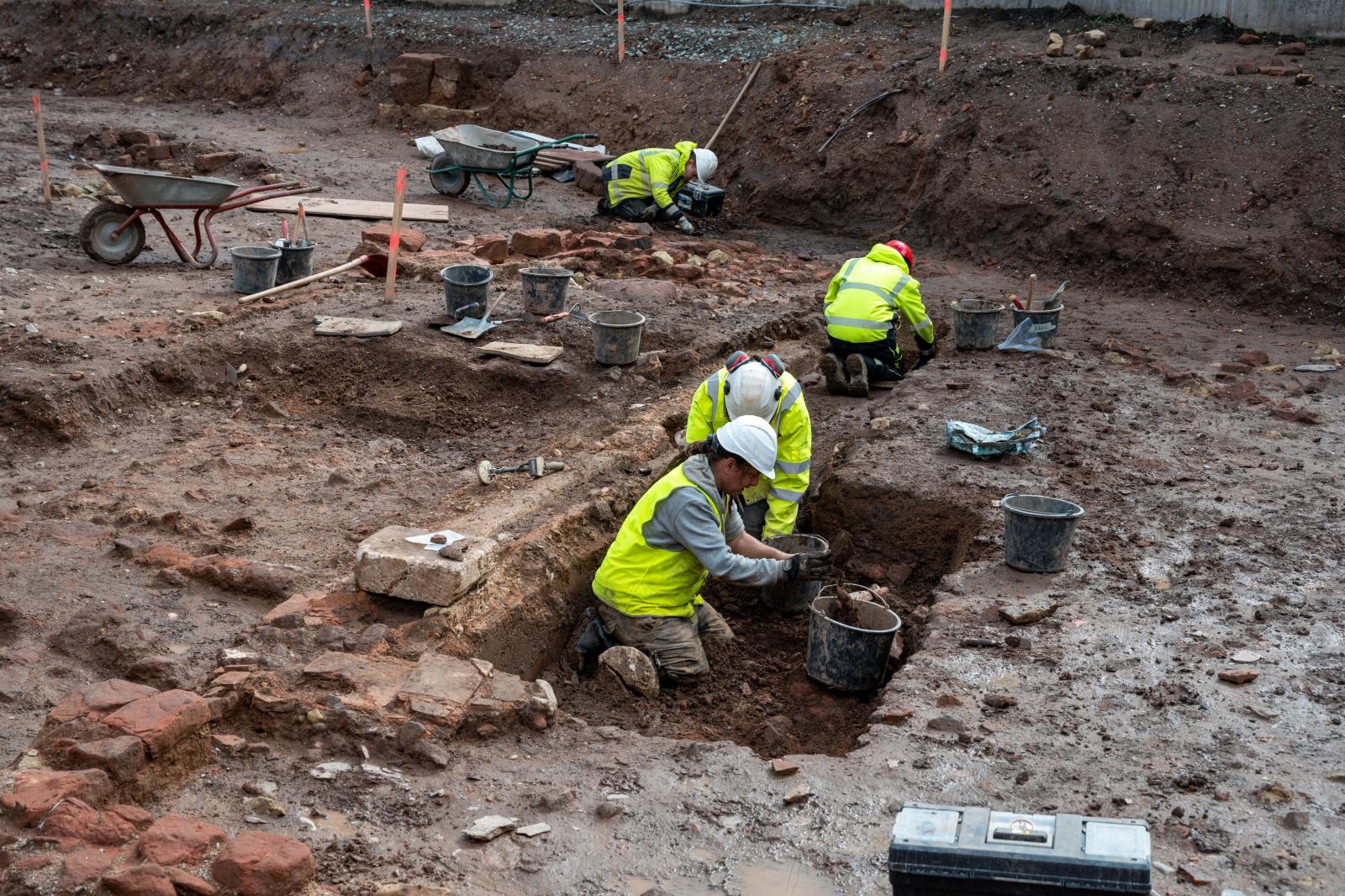
The Trier Mithräum was discovered during work on the city’s new fire station. The findings included a Cautes limestone relief.
1991-2005 Grabungstechniker - Archaeological Site Supervisor LVR - APX Xanten / LAND GmbH
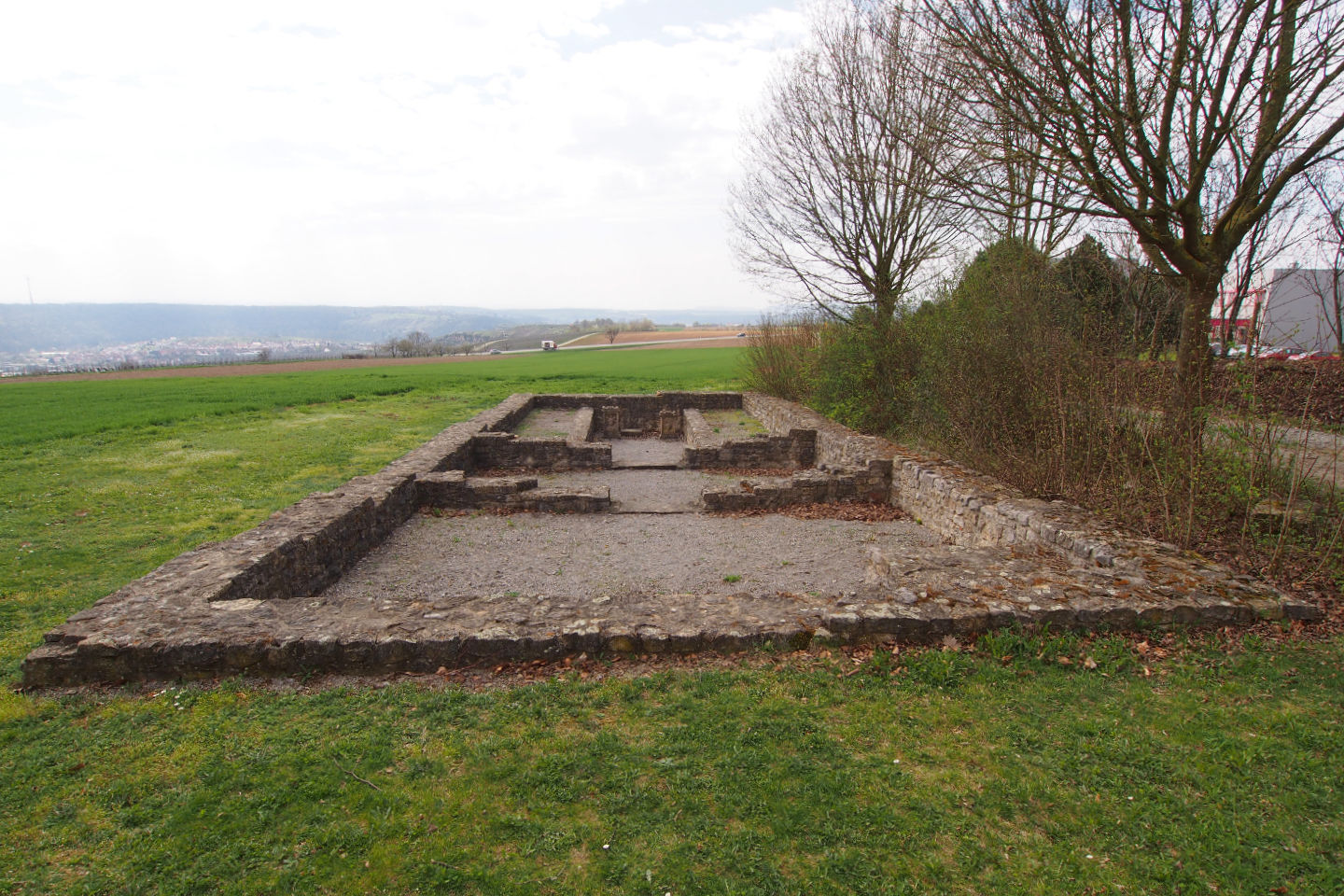
The two altars found in the Mithraeum of Mundelsheim one of Sol and the other of Luna, are exposed in situ.
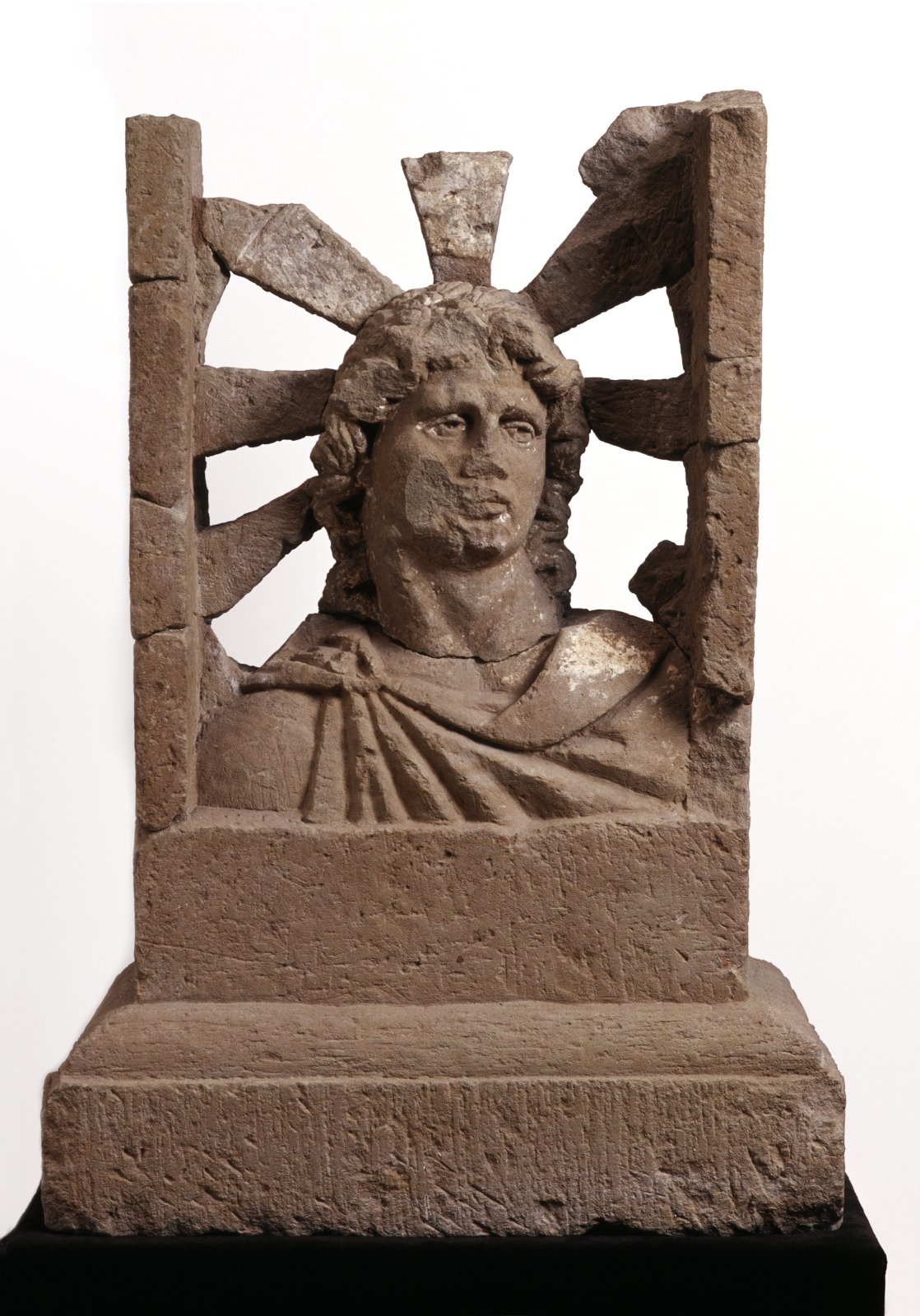
The altars of the gods of the Sun and Moon found in the Mithraeum of Mundelsheim wear openwork segments that could be lighten from behind.
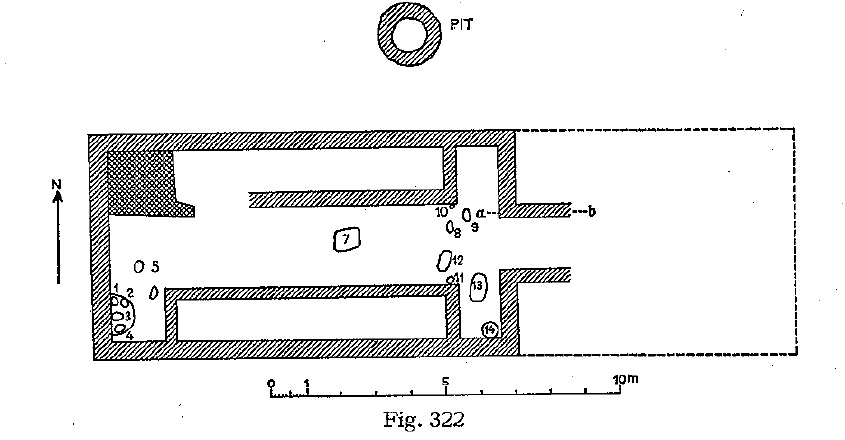
There are references to two places of worship from Dieburg, whereby the Mithraeum, discovered in 1926.

Mithraeum I in Güglingen, Landkreis Heilbronn (Baden-Württemberg).
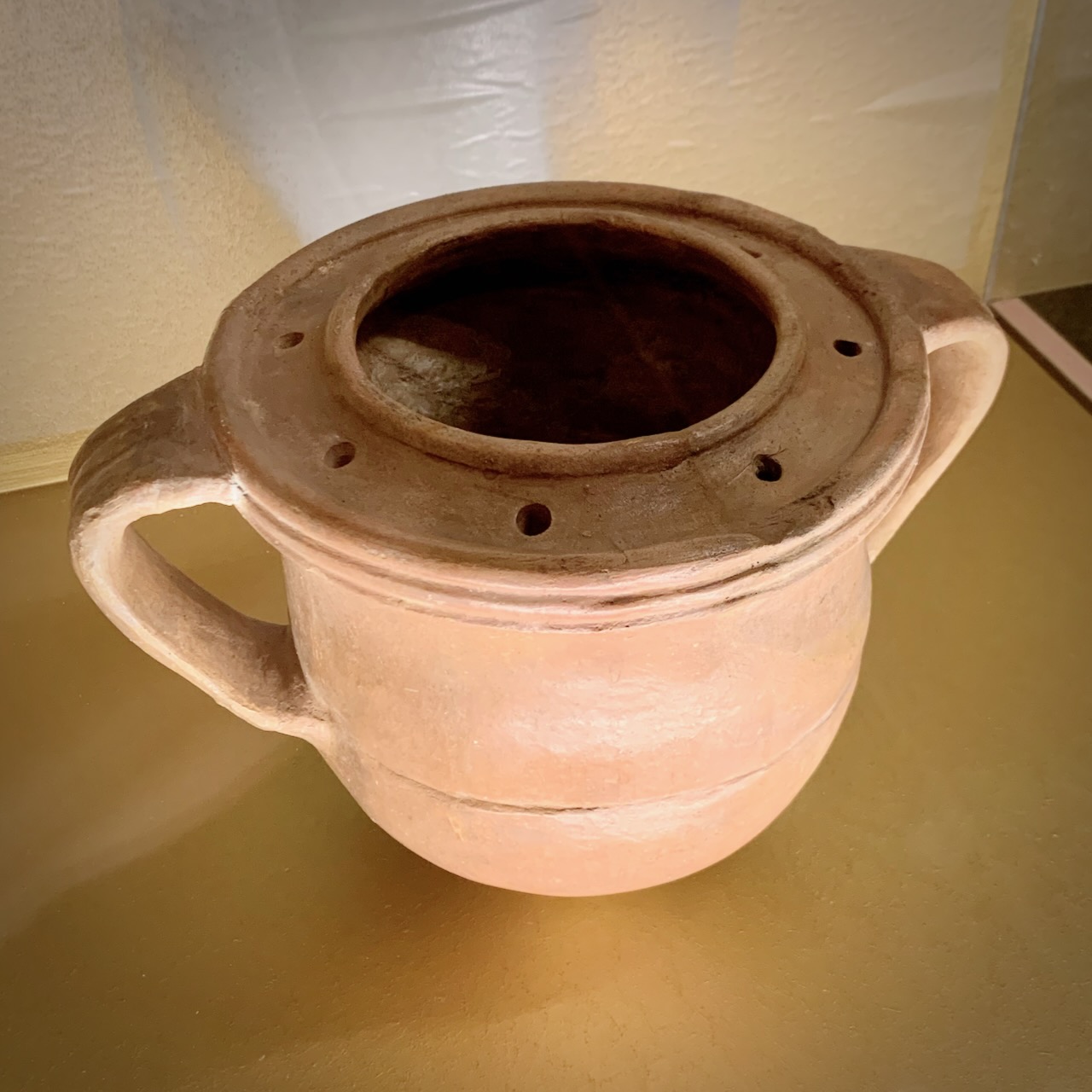
The vessel to burn incense from the Mithraeum of Dieburg is similar to those found in other Roman cities of Germany.
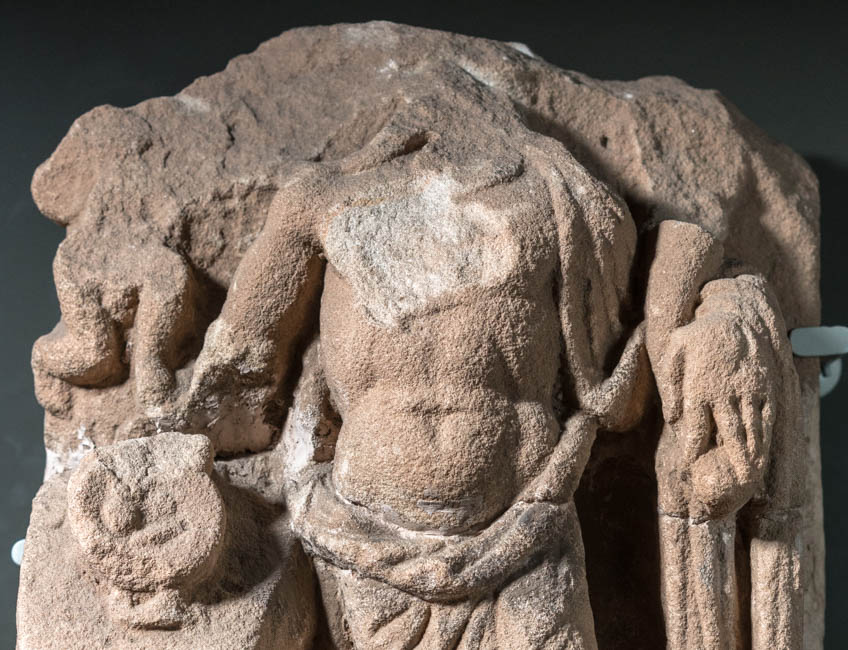
A standing half naked man makes offerings to an altar while holding a cornucopia in his other hand.
This sandsotne head with a Phrygian, found in Fürth in 1730, probably belonged to a torach-bearer.
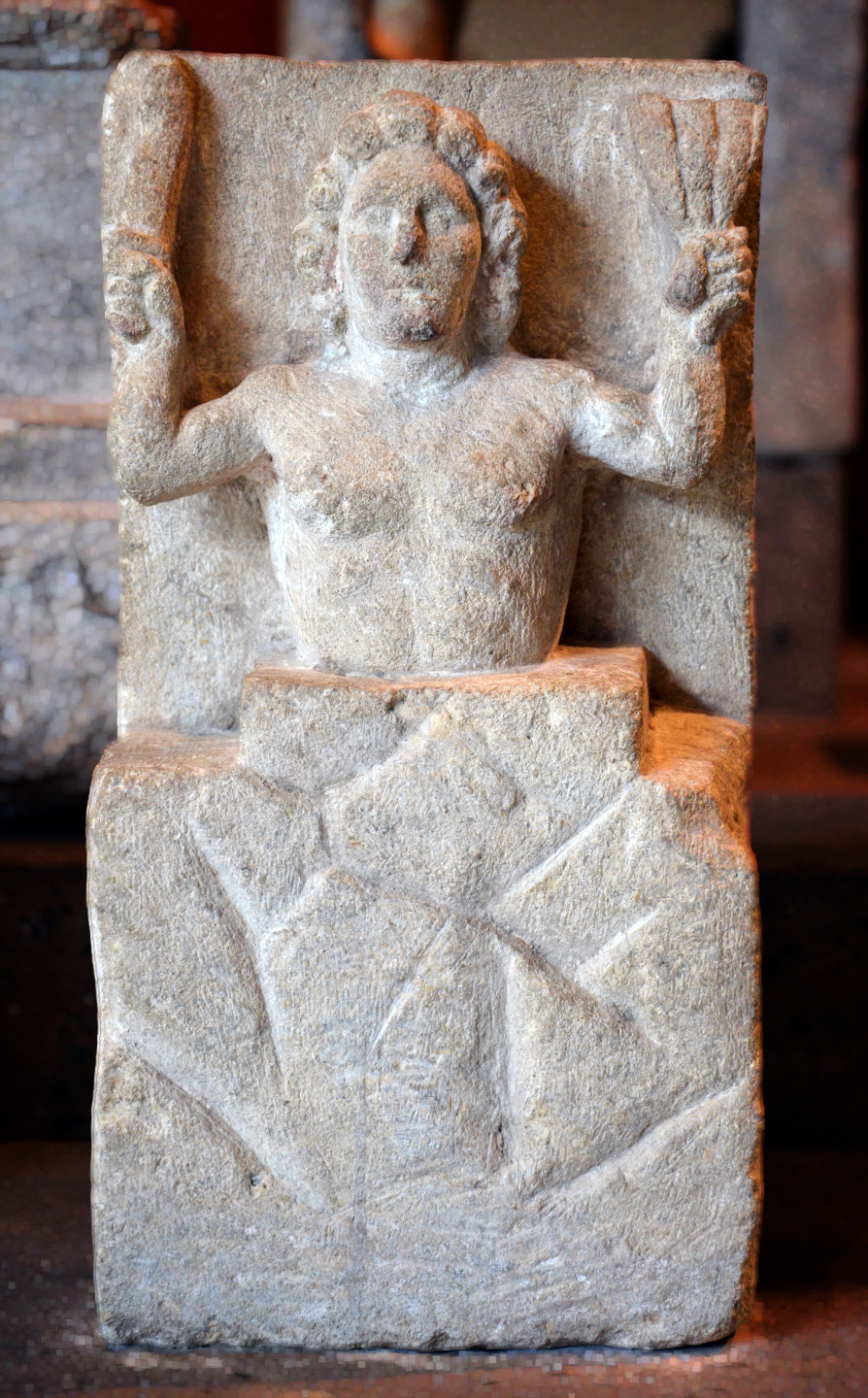
In this relief of the rock birth of Mithras, the child sun god holds a bundle of wheat in his left hand instead of the usual torch.
