Your search Édouard des Places gave 86 results.

Dedication for the safety of the provincial governor erected by an actarius and notarius within the Mithraic sanctuary of Lambaesis.
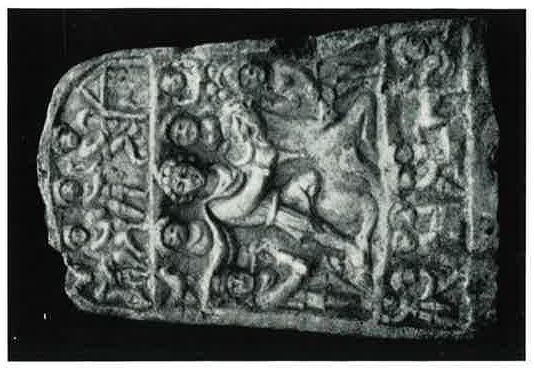
Yellow marble tauroctony relief from Romula, Dacia, found in 1912, depicting the standard bull-slaying with Sol and Luna in the upper corners.
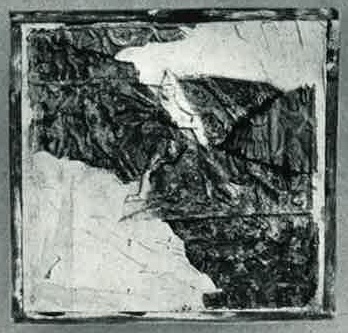
Bluish marble tauroctony relief in fragments from the Mithraeum at Sarmizegetusa, Dacia, divided into horizontal registers with the central bull-slaying and multiple subsidiary Mithraic scenes.
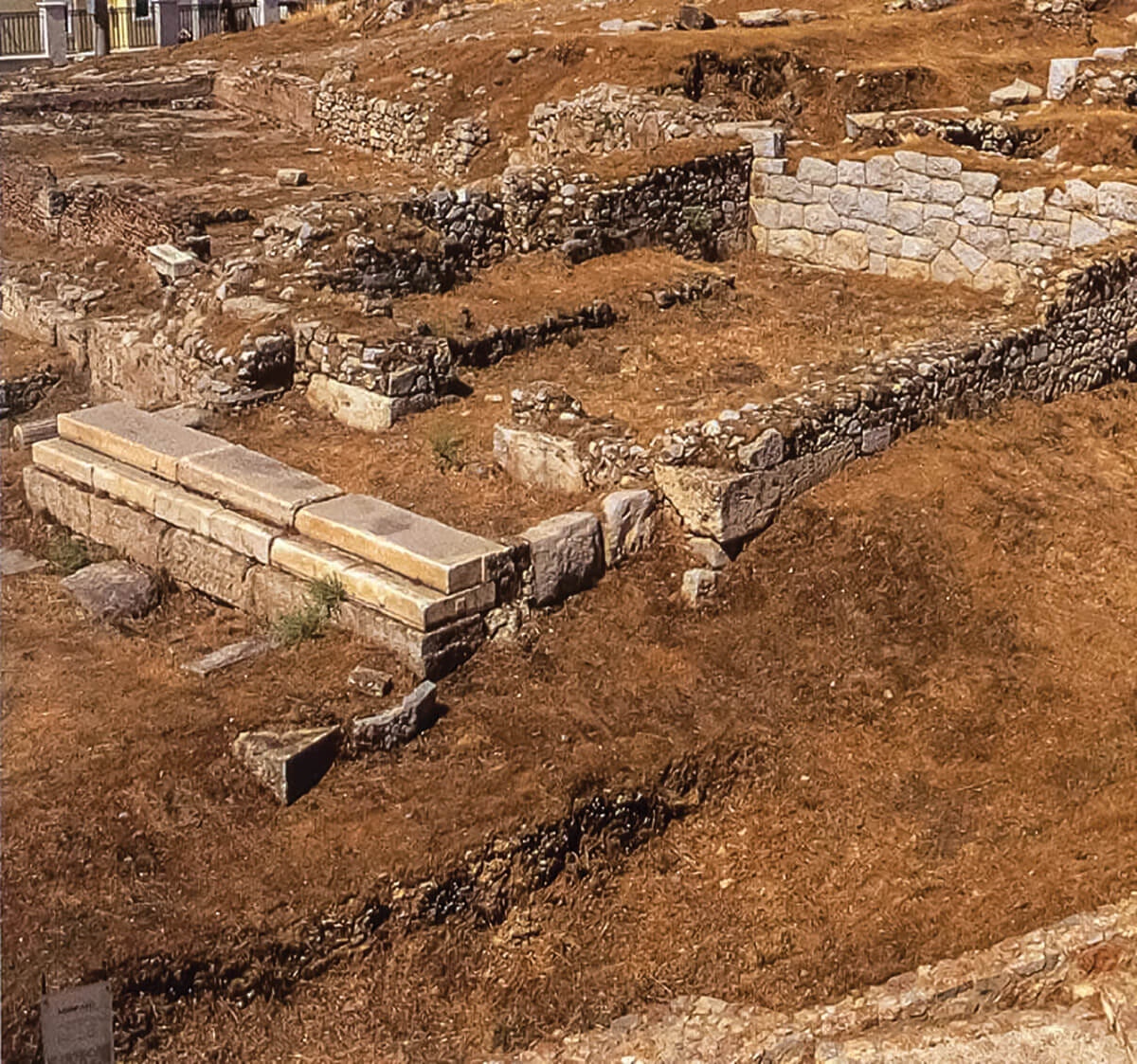
A Mithraeum has been identified in Eleusis where the last Hierophant form thespia had the rank of Father in the Mithraic Mysteries.
Commagenean sanctuary preserving relief fragments of Mithras greeting royal figures at the hierothesion of Mithridates Kallinikos.
Scene from a bull-slaying relief preserving the dagger of Mithras, the dog and the raised torch of Cautes.
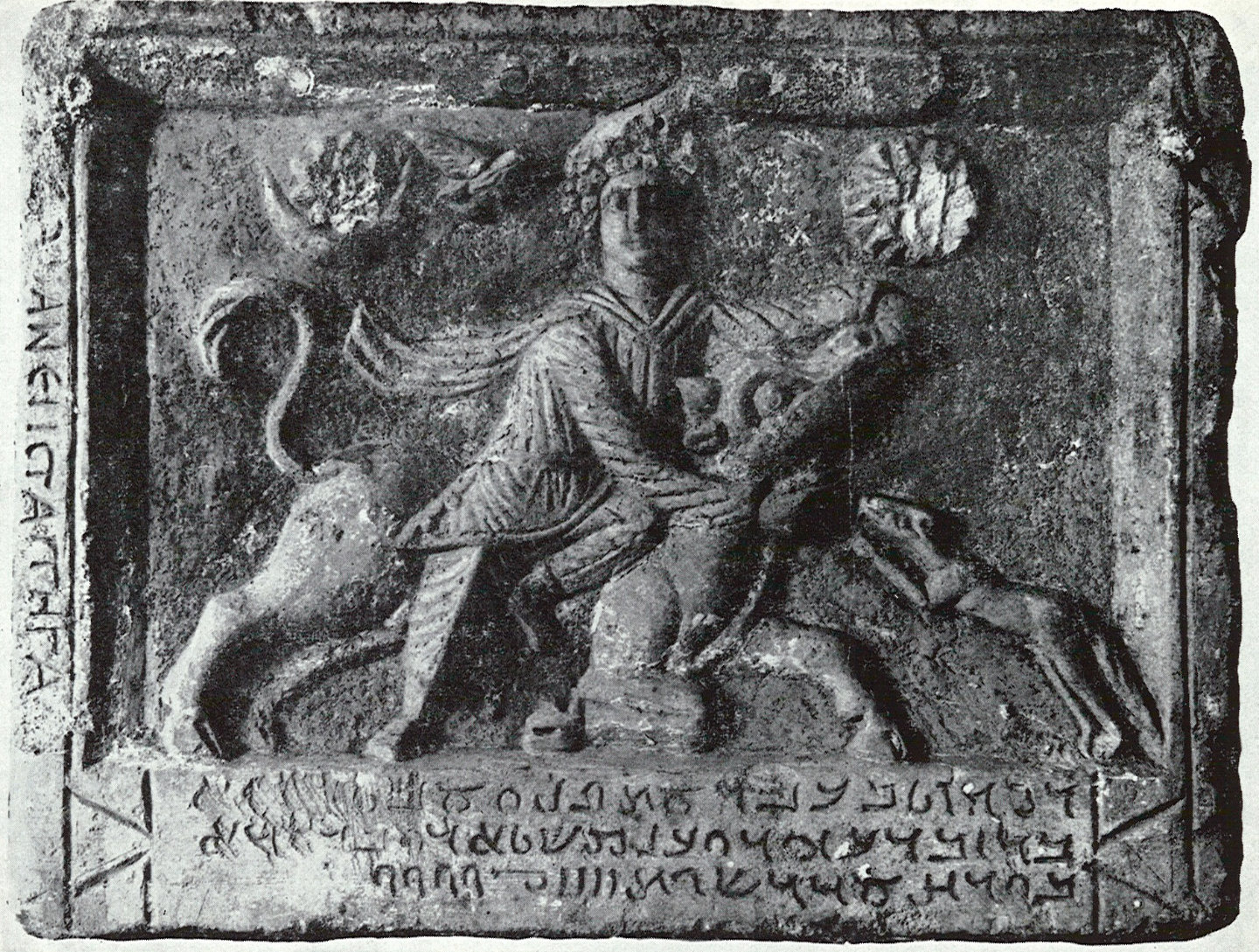
One of the reliefs of the Dura Europos tauroctonies includes several characters with their respective names.

Founded on the east bank of the Tigris, Sumere is mentioned in Roman sources as a fortified settlement during the Persian campaign of Julian in 363 CE, notably by Ammianus Marcellinus.
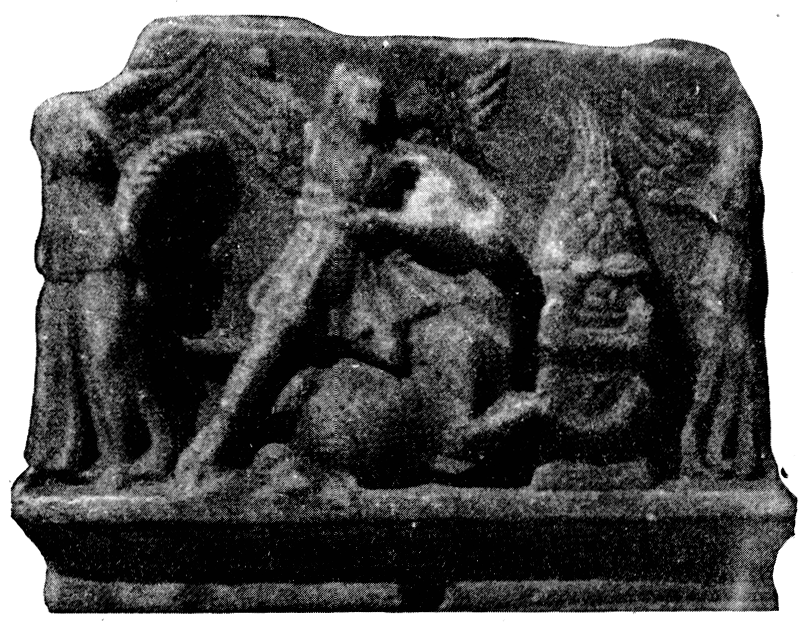
The Mithraic relief from Baris, in present-day Turkey, shows what appears to be a proto-version of the Tauroctony, with a winged Mithras surrounded by two Victories.
This lost monument from Malaga, Spain, to Dominus Invictus has been linked to the cult of Mithras, although there is not enough evidence.
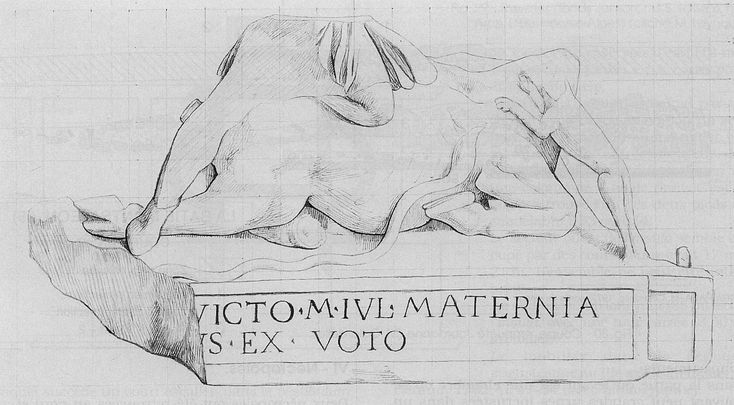
This damaged relief of Mithras killing the bull found in 1804 and formerly exposed at Gap, is now lost.

This remarkable double-sided relief depicts the myth of Mithras and the Tauroctony on one side, and a scene of Mithras the hunter and the banquet of Mithras and the Sol on the other.
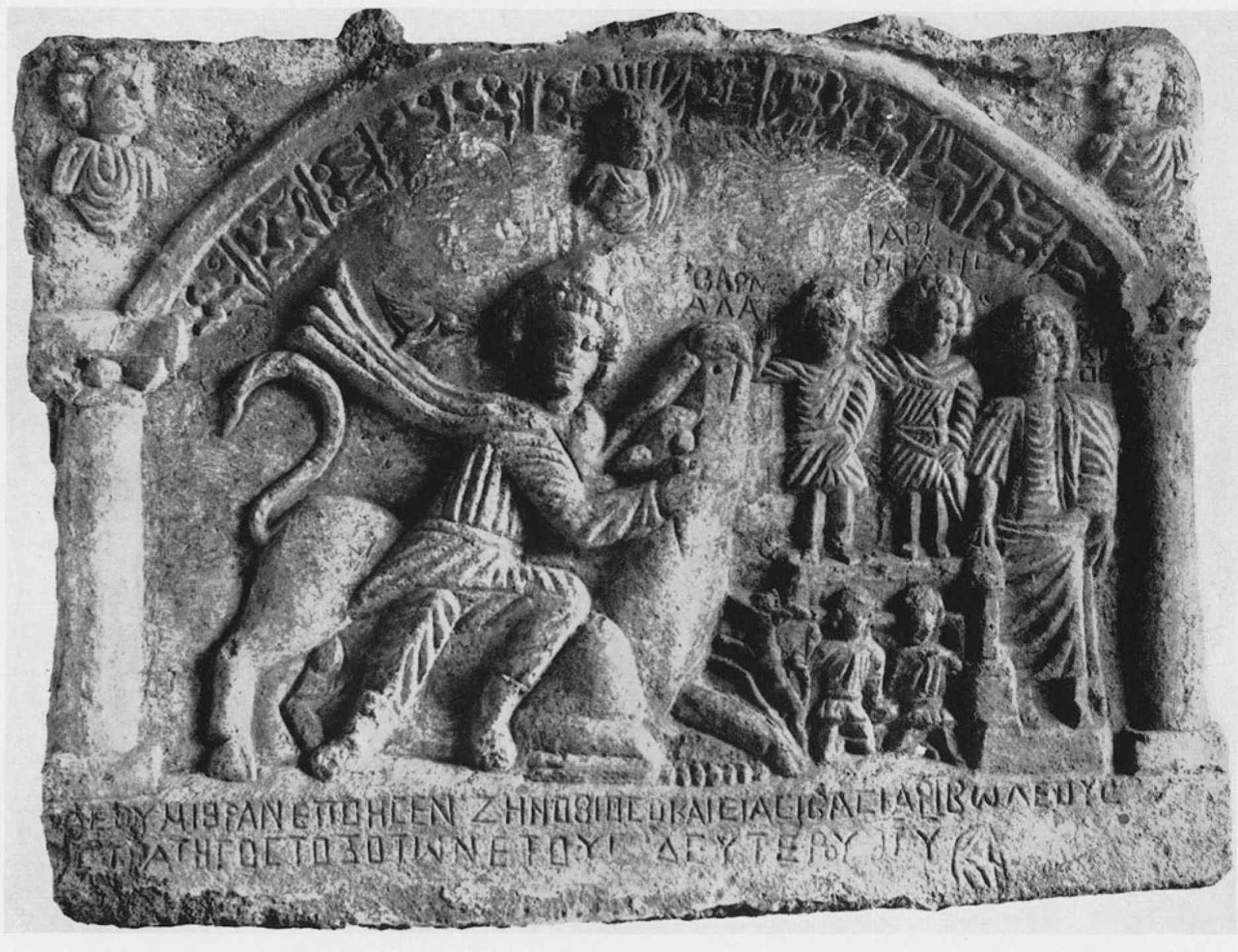
The main relief of Mithras killing the bull from the Mithraeum of Dura Europos includes three persons named Zenobius, Jariboles and Barnaadath.
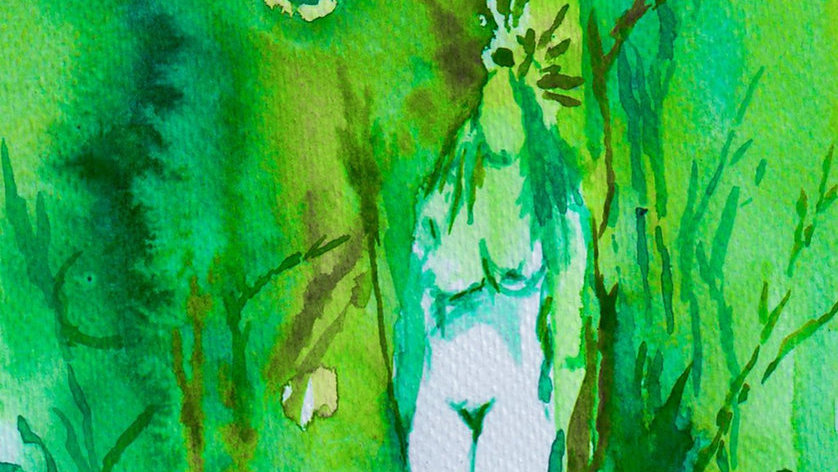
Lenni George on Hekate’s development across ancient traditions, from mystery cults to magical practice and philosophical thought.
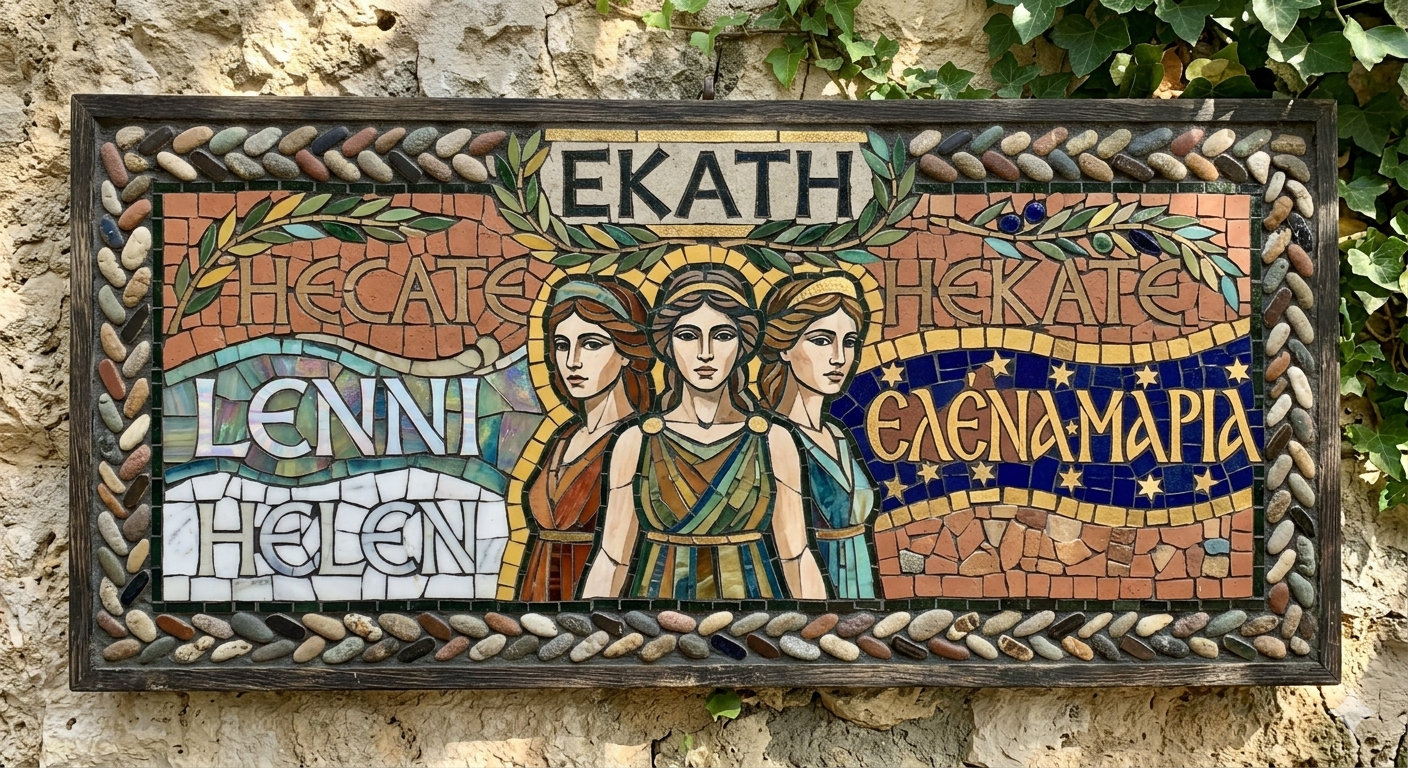
On what Hekate’s name may or may not tell us, and why the uncertainty matters.
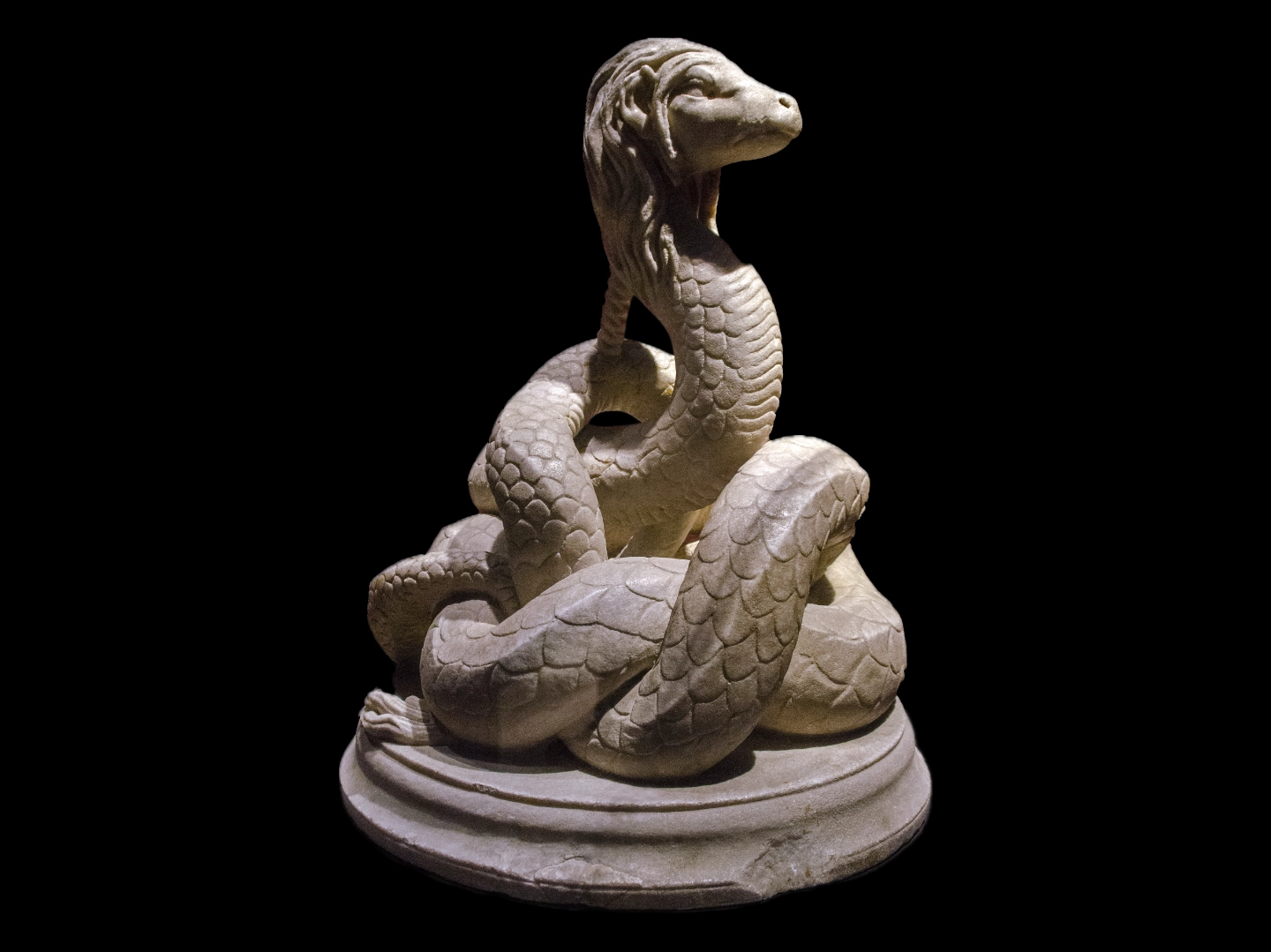
At Rome’s twilight, amid political upheaval and Christian ascendancy, Vettius Agorius Praetextatus embodied pagan intellect, virtue, and authority across senatorial, military, and mystical spheres.
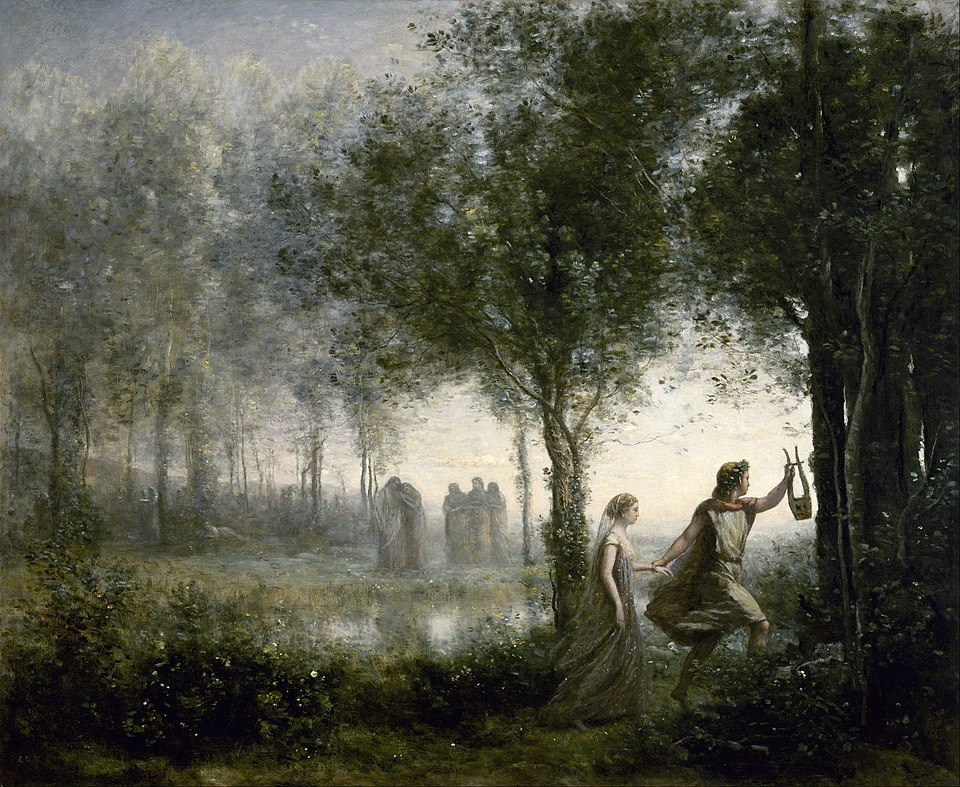
By reading Orphic theology together with Eleusinian ritual practice, the mysteries emerge as a structured mystagogy of transformation: a disciplined passage from forgetfulness (Lethe) to knowledge (aletheia), from mortality to participation in the divine.
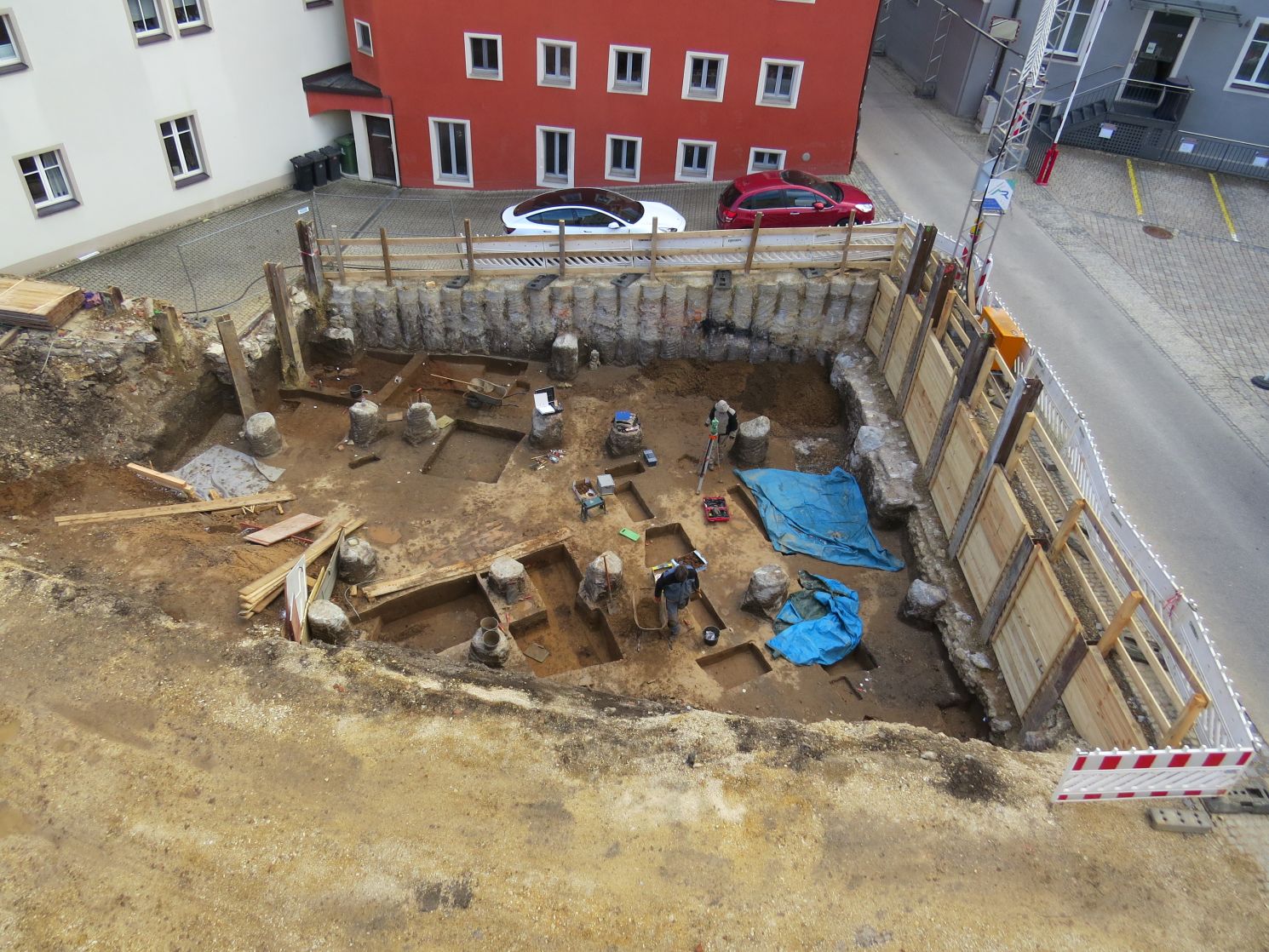
The Mithraeum of Regensburg represents the earliest of the nine Mithraic sanctuaries so far documented in Bavaria, Germany.
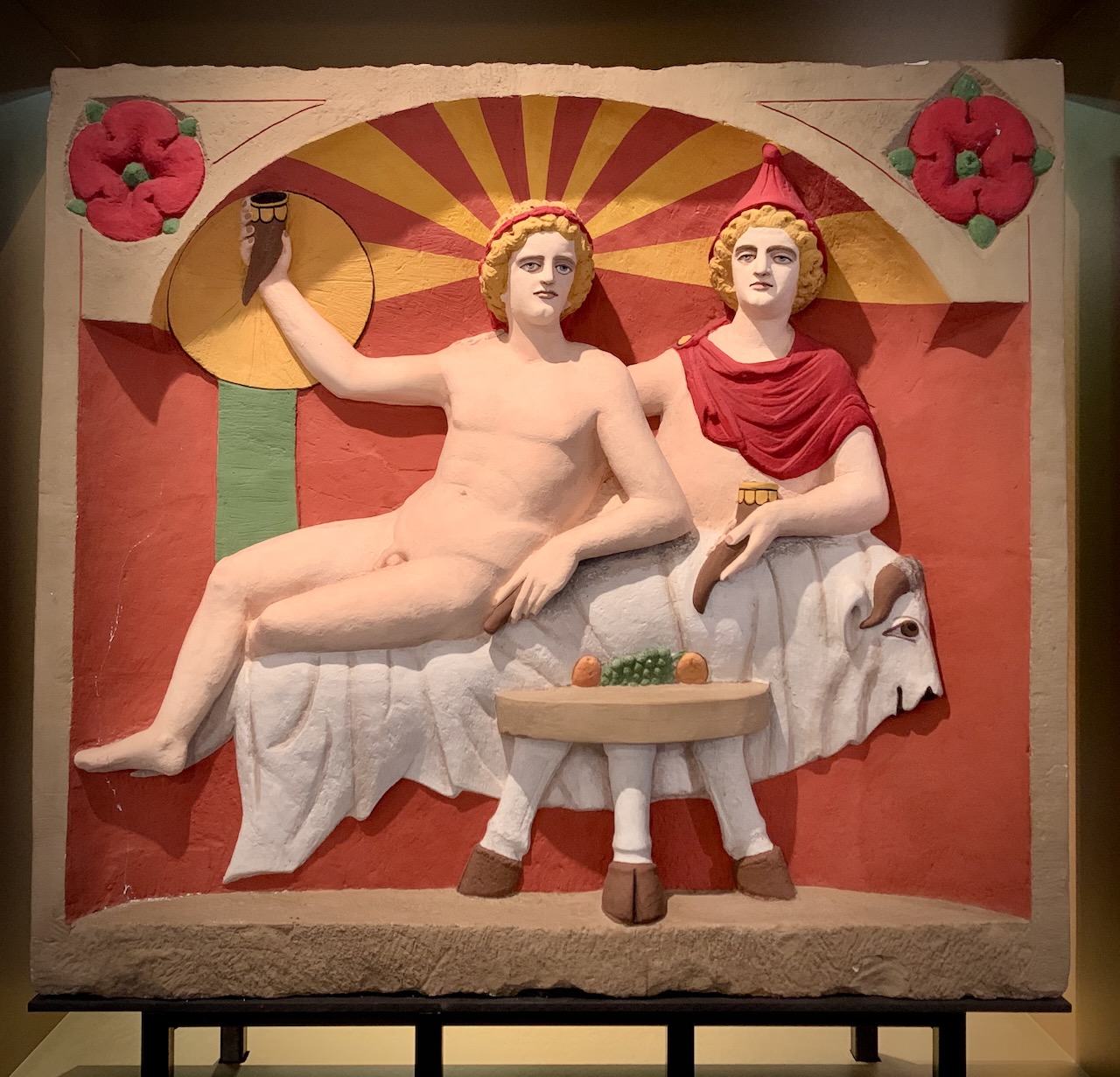
Bas-relief depicting a naked Sol leaning over his fellow Mithras while raising a drinking horn during the sacred feast.
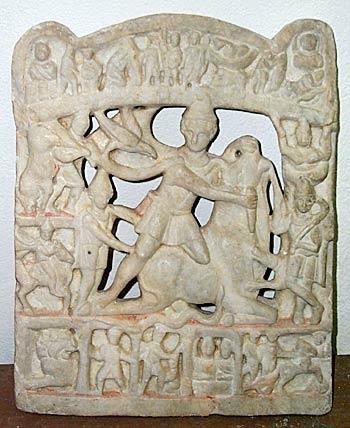
This Mithraic relief of the Danubian type was found in 1940 in the old town of Plovdiv.
