Your search Ša‘āra gave 2453 results.


This altar, which has now disappeared, was dedicated by the slave Quintio for the health of a certain Coutius Lupus.
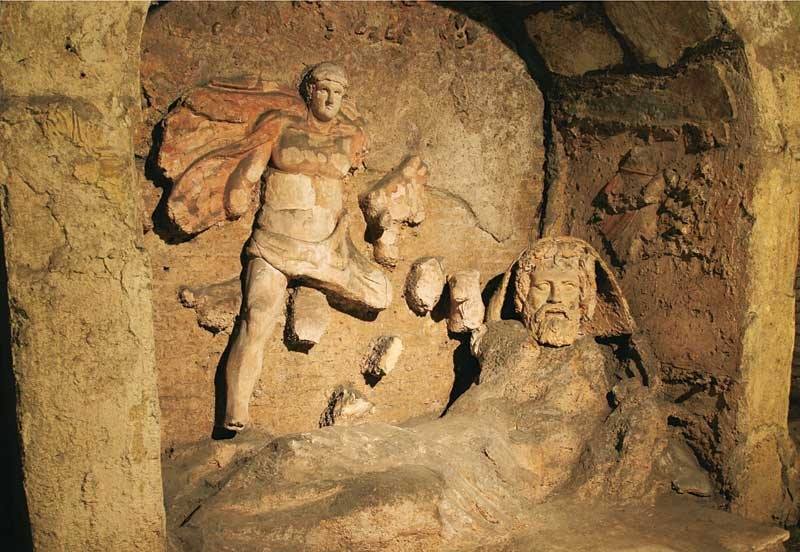
Even if only a few fragments remain, it is very likely that the main niche of the Mitreo di Santa Prisca contained the usual representation of Mithras killing the bull.
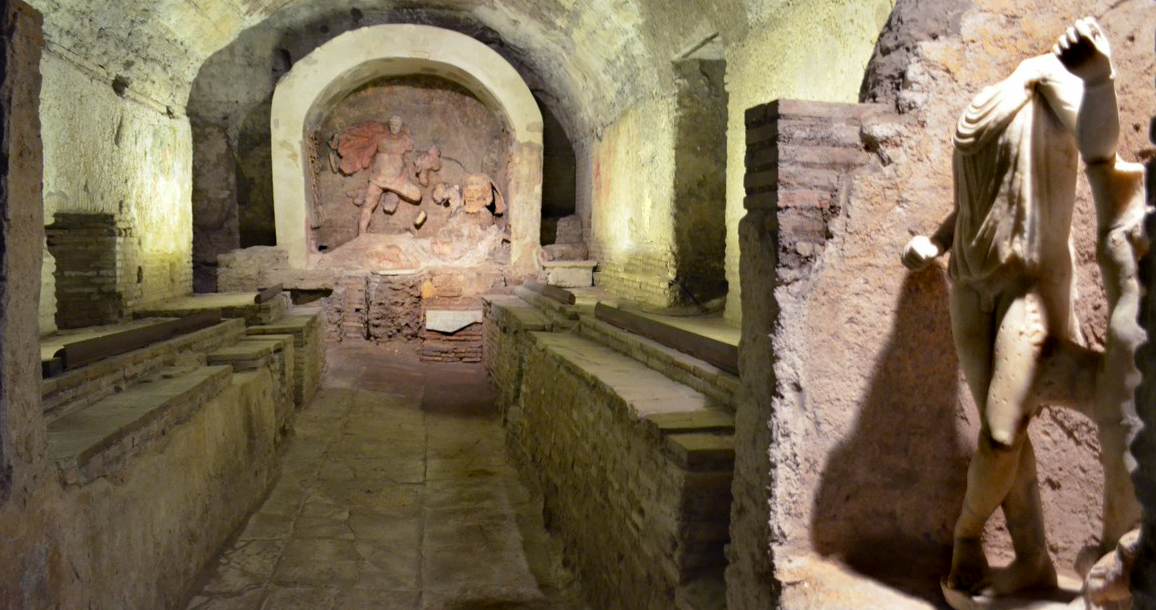
The Mithraeum of Santa Prisca houses remarkable frescoes showing the initiates in procession.
This small cippus to Zeus, Helios and Serapis includes Mithras as one of the main gods, although some authors argue that it could be the name of the donor.
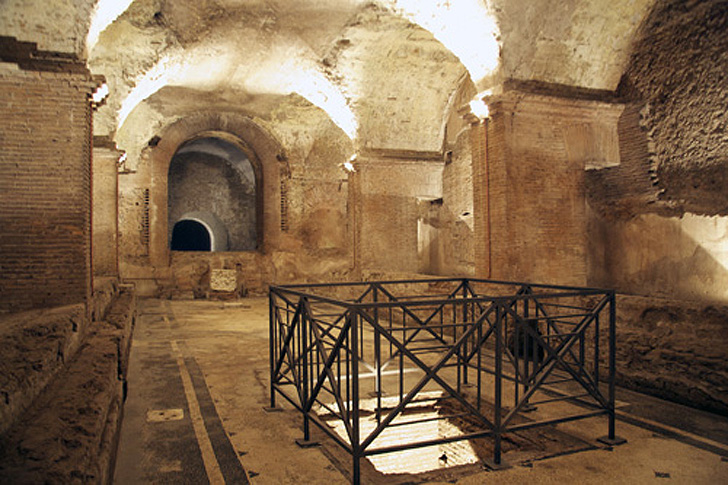
The Mitreo delle terme di Caracalla is one of the largest temples dedicated to Mithras ever found in Rome.
Mithraic sanctuary in a steep rock face called Preslica at Nefertara near Plevlje, Dalmatia, described as carved into the cliff above a ravine with a carved tauroctony scene.
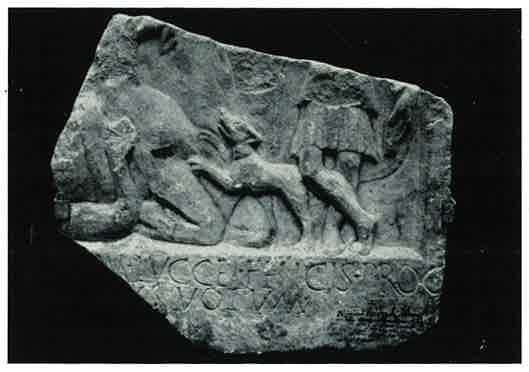
Marble tauroctony relief from Sarmizegetusa, Dacia, found at Zám and subsequently in various private collections; depicting the standard bull-slaying.
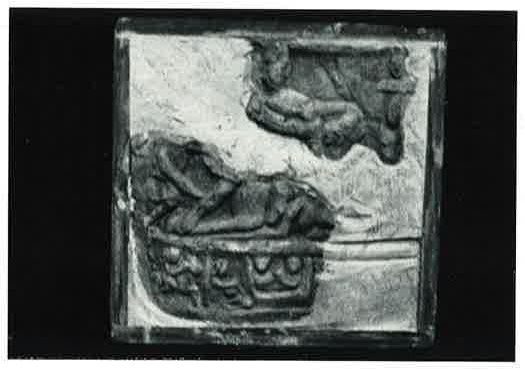
Fragment of a bluish marble tauroctony from the Mithraeum at Sarmizegetusa, Dacia, preserving the left lower corner with the bull's hindmost part, the scorpion, and part of the Cautopates area.
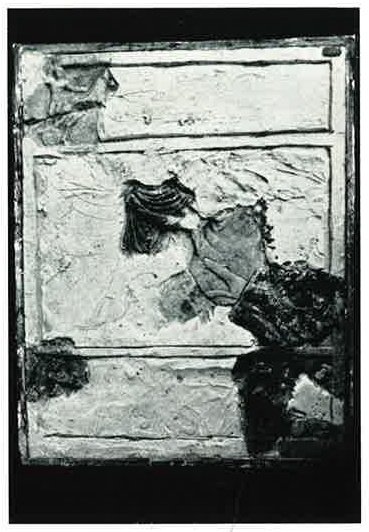
Ten fragments of a greyish marble tauroctony relief from the Mithraeum at Sarmizegetusa, Dacia, divided into three horizontal registers.
Small altar found in the floor of a house at Turda, ancient Potaissa in Dacia, dedicated to Deo invicto by Flavius Marcellinus, tessararius.
Altar found at Salona, Dalmatia, in 1884, dedicated simply to Petrae genetrici — the rock that gives birth to the god.
Oval relief fragment from the outskirts of Split near ancient Salona, Dalmatia, preserving two zodiacal signs — probably from a border decoration of a Mithraic monument.
Triple-part sanctuary at Saalburg whose Mithraic interpretation remains uncertain despite serpent-vases and possible Aion fragments.

The Roman settlement overlooked a passage between the Hodna and the Sahara via the Aïn Rich plain and the valley of the Oued Chaïr, between the Ouled-Naïl and Zab mountains.
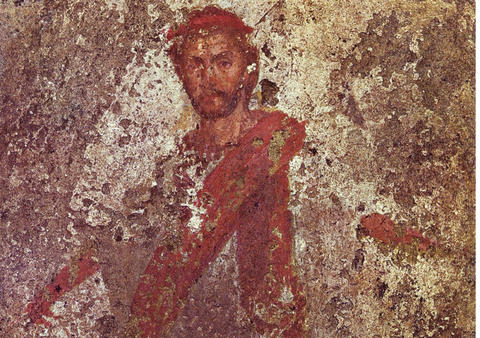
Figures in procession, each representing a different grade of Mithraic initiation, labeled with their respective titles.

This marble relief, found in Sisak, Croatia, shows Mithras killing the bull in a circle of corn ears, gods and some scenes from the Mithras myth.
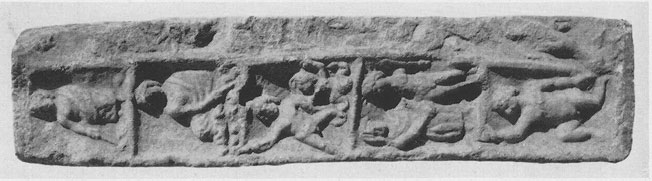
Fragment of a double-sided white marble Mithraic relief from San Zeno, found near the Castello di Tuenno, depicting elements of the tauroctony cycle and bearing a dedication to Deo Invicto Mithrae.

Le présent volume les réunit en les assortissant de deux contributions inédites sur l’échelle mithriaque et sur le dieu au serpent des stèles danubiennes.

