Your search Ain Zana gave 1332 results.

On the occasion of the discovery of a Mithraeum in Cabra, Spain, we talk to Jaime Alvar, a leading figure in the field of Mithraism. With him, we examine the testimonies known to date and the peculiarities of the cult of Mithras in Hispania.
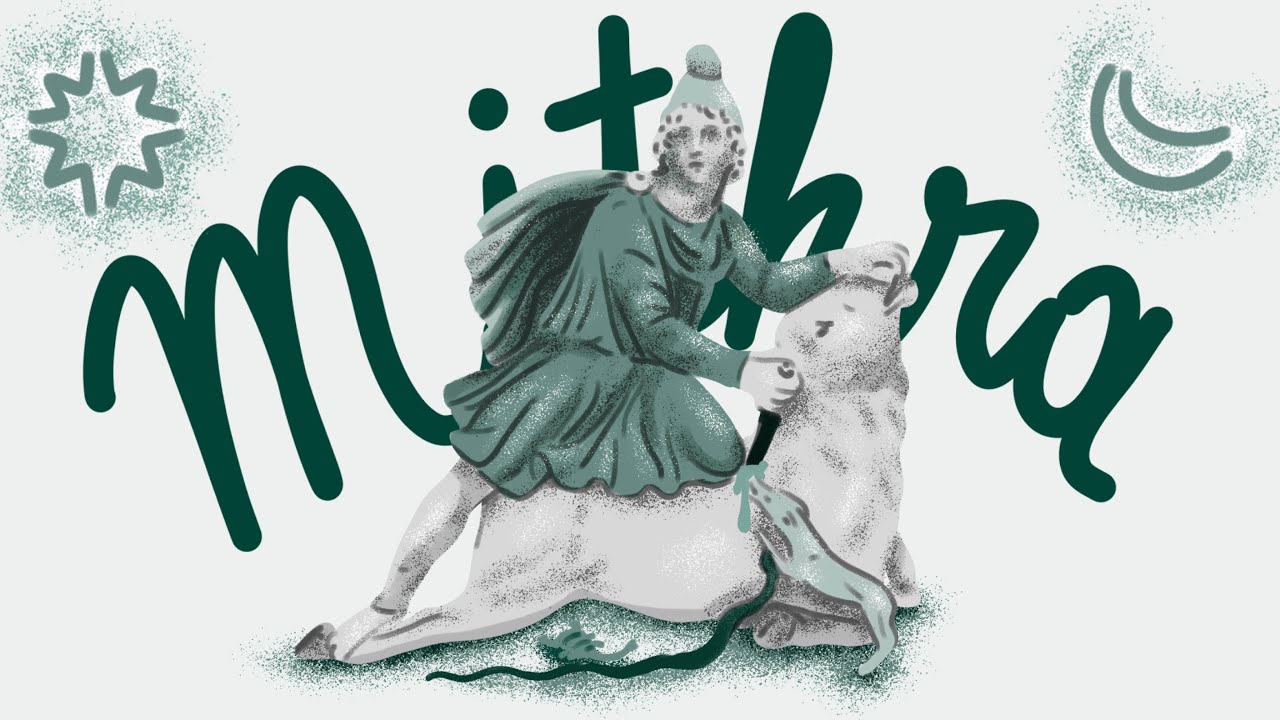
Le culte romain de Mithra. Entre réalités antiques et fantasmes contemporains ! Par Richard Veymiers, directeur du Domaine et Musée royal de Mariemont.
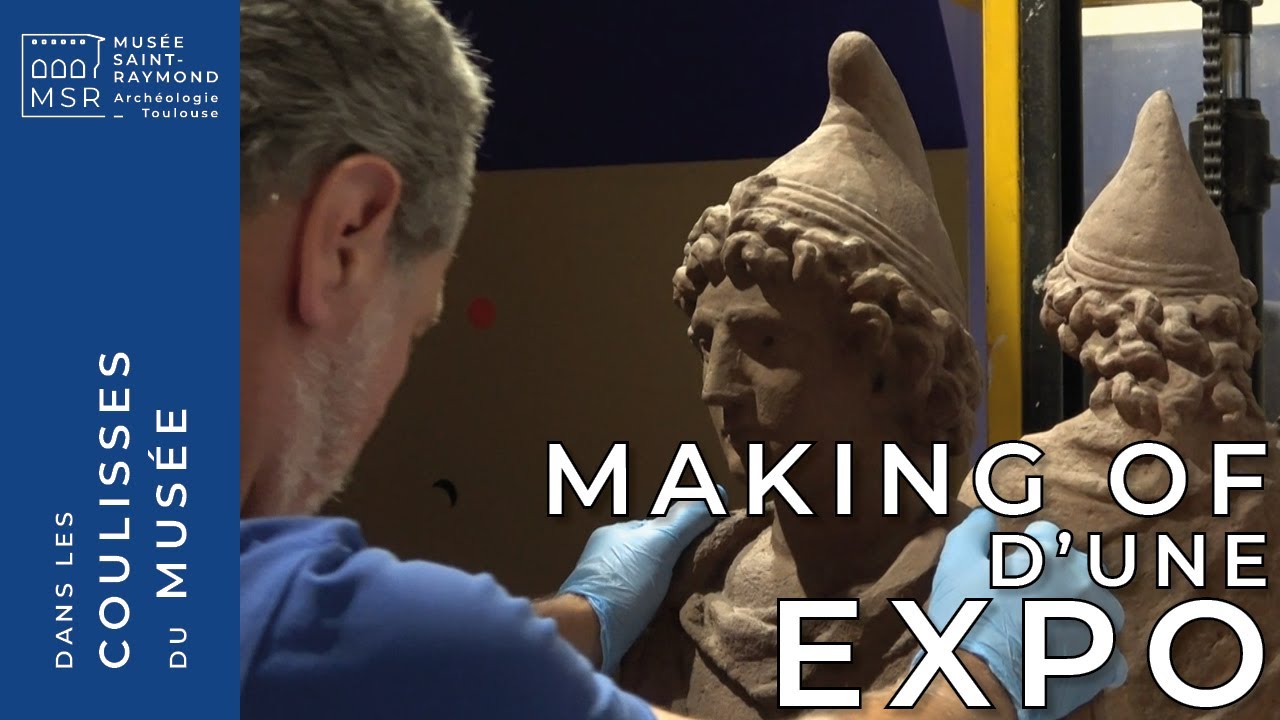
Découvrez les coulisses de la réalisation et du montage de l’exposition « Le mystère Mithra. Plongée au cœur d’un culte romain ».

Des rituels mystérieux, une hiérarchie gradée au sein d’un culte énigmatique, une société considérée pendant longtemps comme secrète au sein de l’Empire Romain…
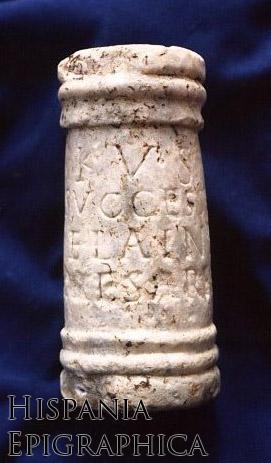
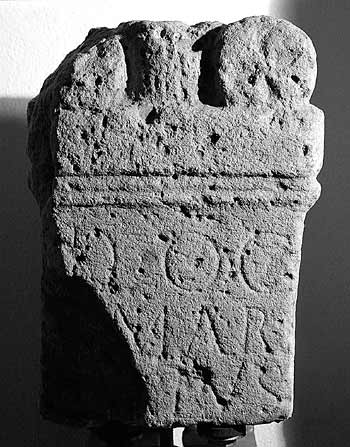
These two inscriptions by a certain Titus Martialius Candidus are dedicated to Cautes and Cautopates.

Glanum was an important Roman town in Narbonensis near modern Saint-Rémy-de-Provence.

A dedicatory inscription to Sol Invictus, made by an individual named Eudaemon, found at Glanum (modern Saint-Rémy-de-Provence) in Narbonensis.
A red terra-sigillata cup bearing a relief tauroctony of Mithras, with Cautes and Cautopates cross-legged on either side, found at Alesia (Mont-Auxois) in Lugdunensis and now kept at Saint-Germain-en-Laye.
A brief dedicatory inscription to Deus Sol Invictus Mithras, found at Vasio (modern Vaison-la-Romaine) in Narbonensis.
Structure in the Tarn region initially reported as a Mithraeum but later identified as an ordinary silo.
Tabella aenea ansata from Mainz, ancient Mogontiacum, dedicated to Deo invicto Mithrae by Catia, lost during the Second World War
Ara litteris rubricatis from Mainz, ancient Mogontiacum, dedicated to Deo invicto Mithrae, with the dedicant's name only partly legible
Fragmentary inscription from Mainz, ancient Mogontiacum, possibly dedicated to Deo invicto, with most of the text lost
Fragmentary sandstone altar from Mainz, ancient Mogontiacum, dedicated to Deo invicto Mithrae by Marcus A., a duplicarius of an ala
Assemblage of lamps, serpent-vases and painted ritual pottery from the sanctuary complex.
Altar inscription from Sahin invoking the most high heavenly god and Mithras in the Alawite Mountains.

From the late first century CE, Mithras spread across the Roman Empire, leaving more than 130 sanctuaries and nearly 1,000 inscriptions. This volume offers a rigorous synthesis that renews our understanding of this enigmatic cult.
Francesco Massa examines how the concept of mysteria was transformed in the Roman Empire, as Christian authors from the mid-second century CE adopted the language of mysteries to articulate their own rituals and beliefs, reshaping understandings of both Christian and traditional cults…
A number of metal objects and weapons have been found in the Mithraeum of Les Bolards, close to Nuits-Saint-Georges in France.
