Your search Al-Bahnasa gave 3013 results.

Alpes Poenninae controlled important Alpine routes through which military movement and religious practices circulated between Gaul and Italy.
Galatia preserves Mithraic evidence shaped by central Anatolian routes and eastern provincial networks.
Dalmatia preserves Mithraic evidence shaped by Adriatic routes, military movement and provincial urban centres.
The Alpine regions preserve scattered Mithraic evidence associated with military circulation and strategic routes across the western empire.
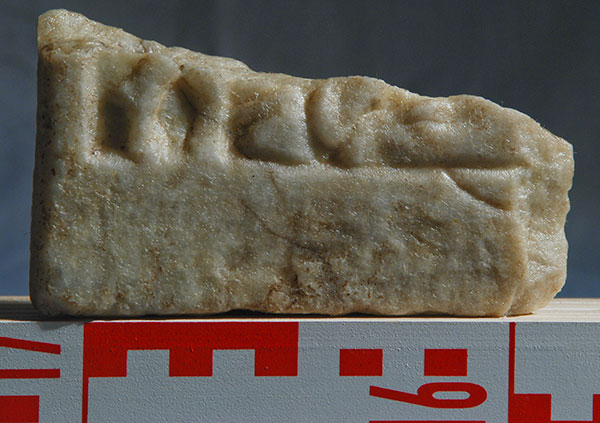
This small marble fragment preserves the crossed legs of a torchbearer, probably Cautopates, beside the hoof of the bull and the foot of Mithras.
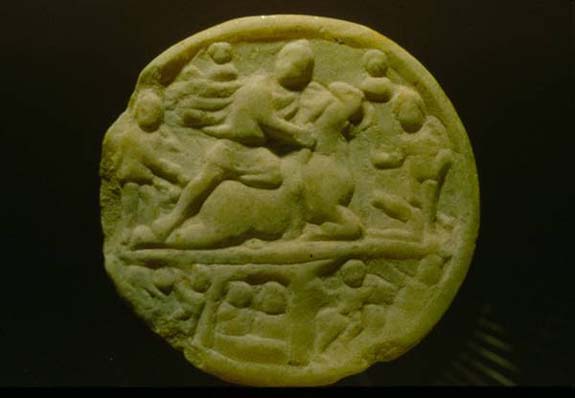
The small medallion depicts three scenes from the life of Mithras, including the Tauroctony. It may come from the Danube area.
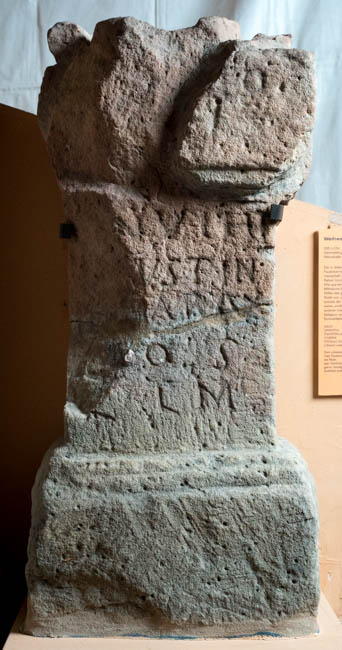
This sandstone altar was dedicated to the god Invictus by a certain Faustinus from Gimmeldingen.
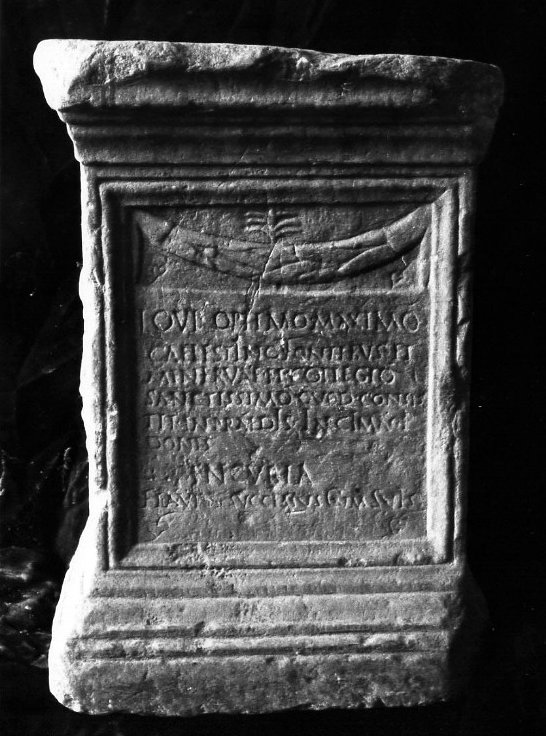
According to the inscription on it, this altar probably supported a statue of Jupiter.
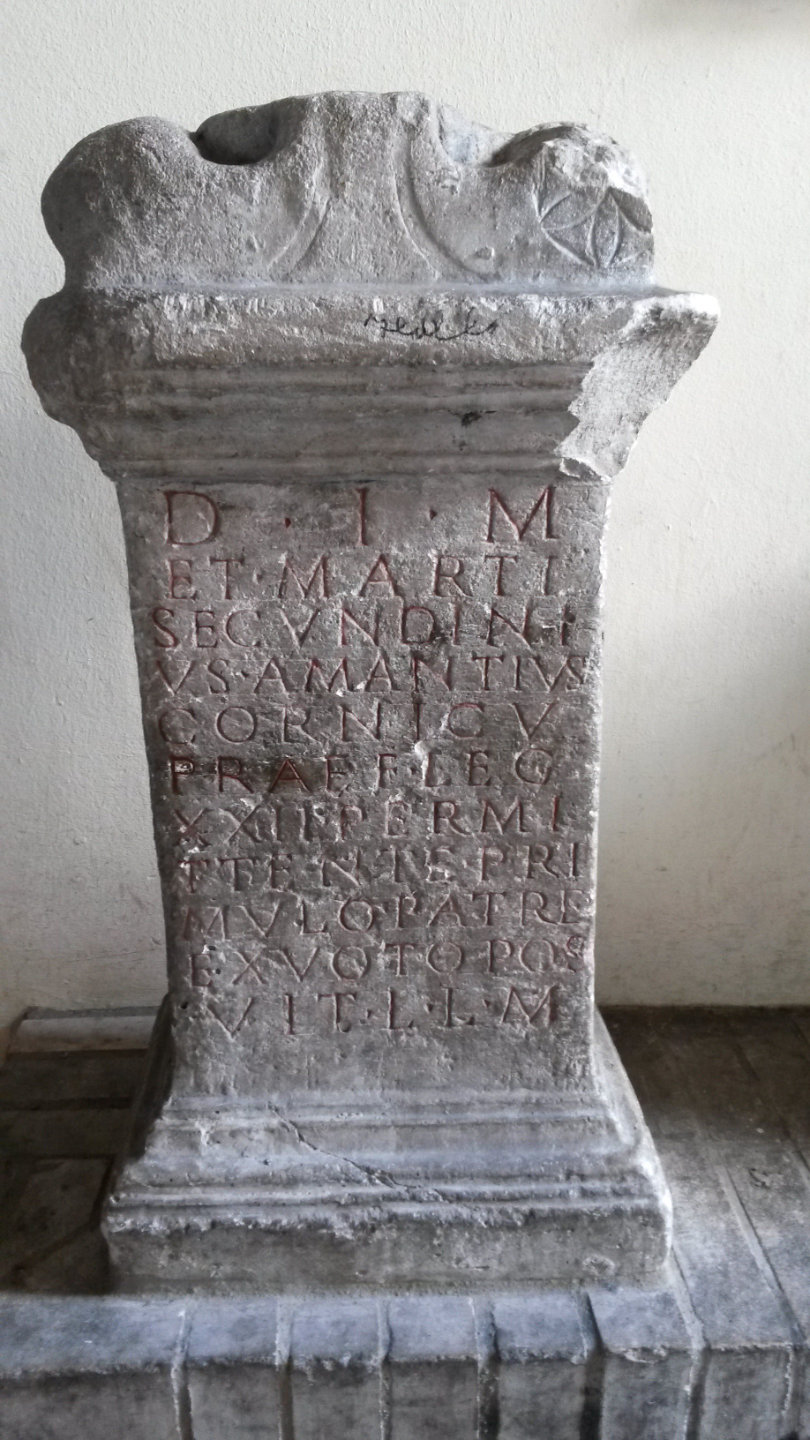
This altar has been unusually dedicated to both gods Mithras and Mars at Mogontiacum, present-day Mainz.

This marble altar was found ’in the street called di Branco’, behind the palace of the Cardinal of Bologna, in Rome.
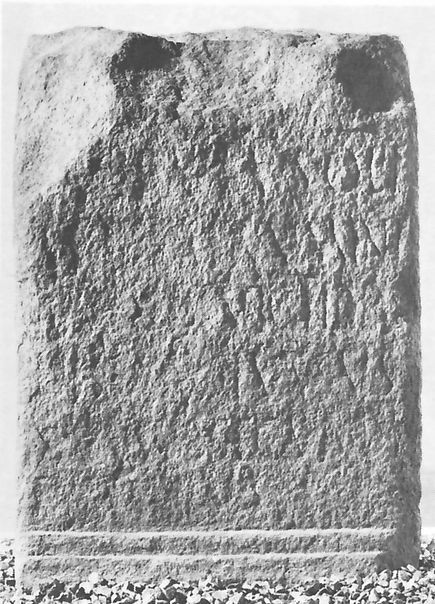
The v in this small altar found in Novaria has been interpreted by some commentators as qualifying Mithras as victorious.
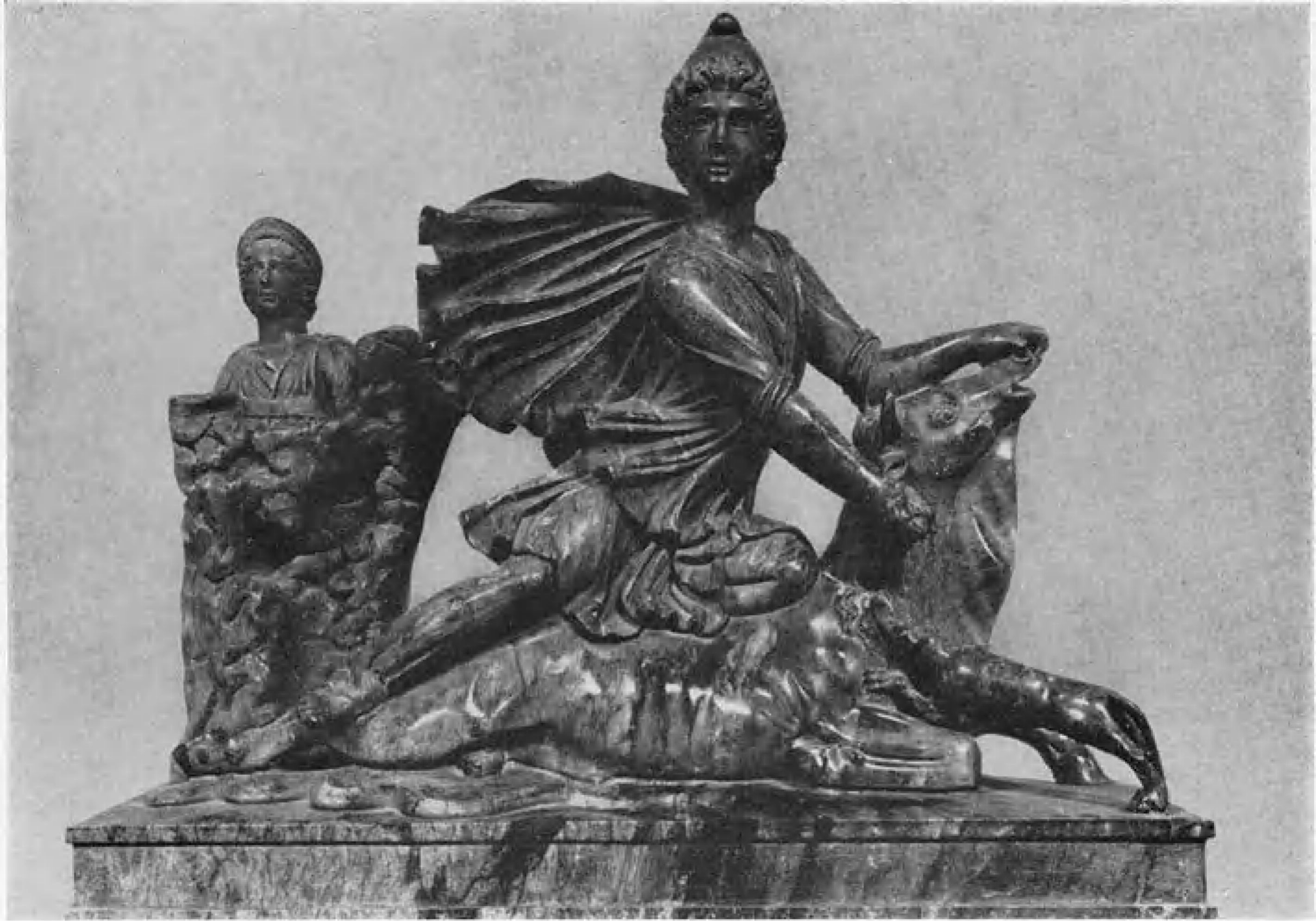
This black marble of Mithras killing the Bull has belonged to the sculptor Carlo Albacini.
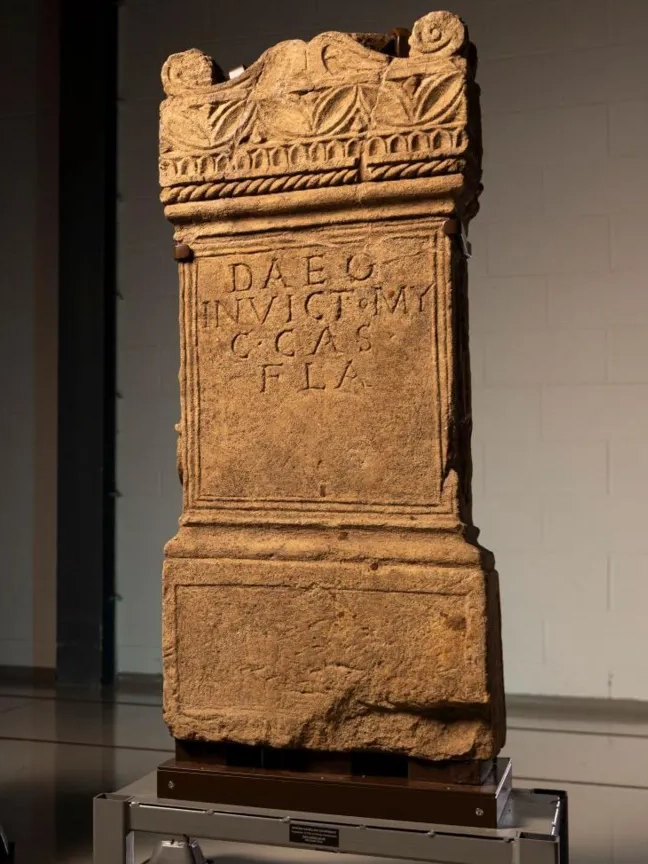
This second altar discovered to date near Inveresk includes several elements unusual in Mithraic worship.

This altar to Invictus Mythra (sic) was found in 1867 in ancient Maros Portum, now Sighișoara, Romania.
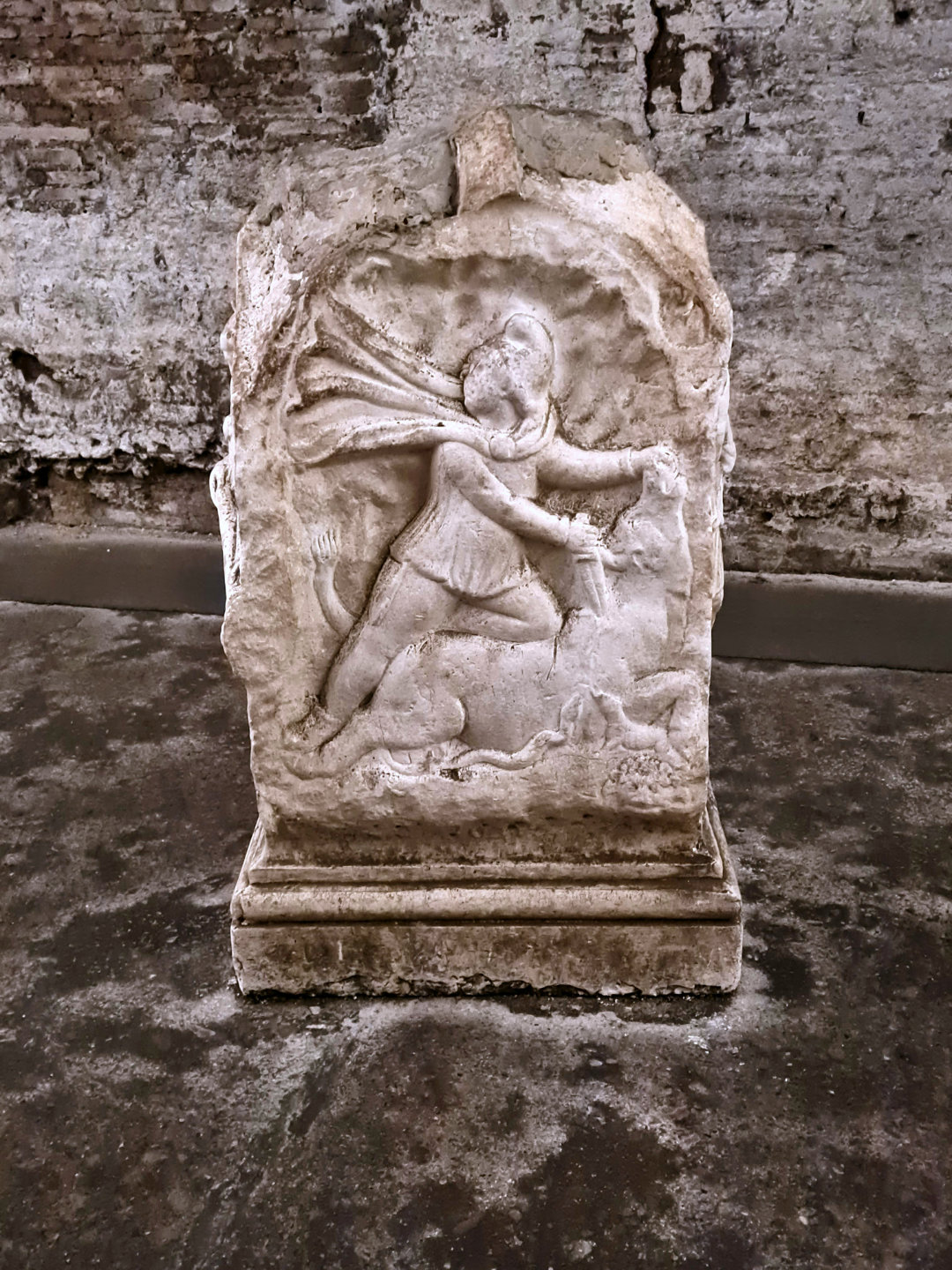
The altar of the Mithraeum of San Clemente bears the Tauroctony on the front, Cautes and Cautopates on the right and left sides and a serpent on the back.