Your search Al. N. Oikonomides gave 3559 results.
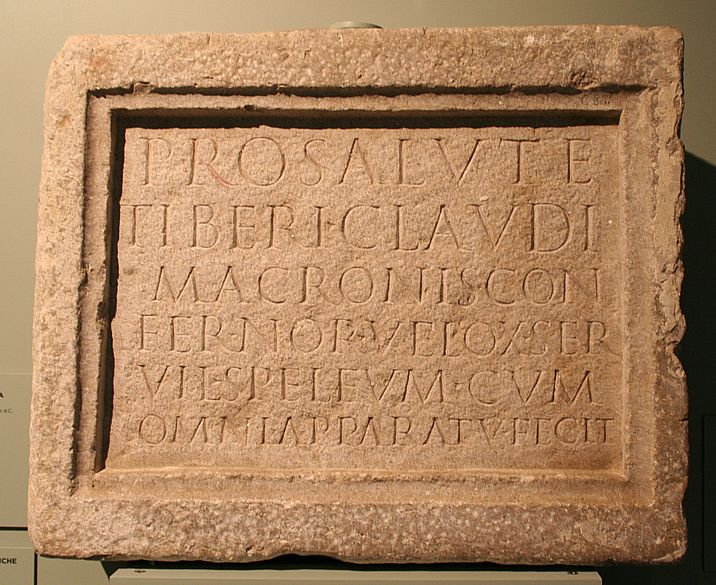
Marble slab with inscription by Velox for the salvation of the chief of the iron mines of Noricum.

Three small limestone altars were found in the Jajce Mithraeum, one of which bears the inscription ’Invicto’.
Three larger altars and other finds from the Mithraeum of Jajce, Bosnia and Herzegovina.
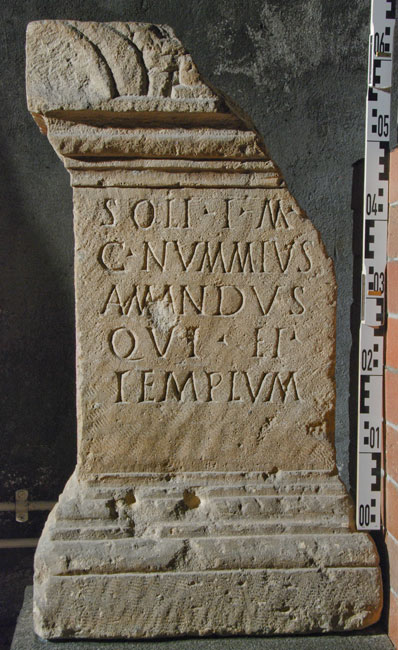
This altar dedicated to the Invincible Sol Mithra was found in 1878 in a cemetery in Alba Iulia.
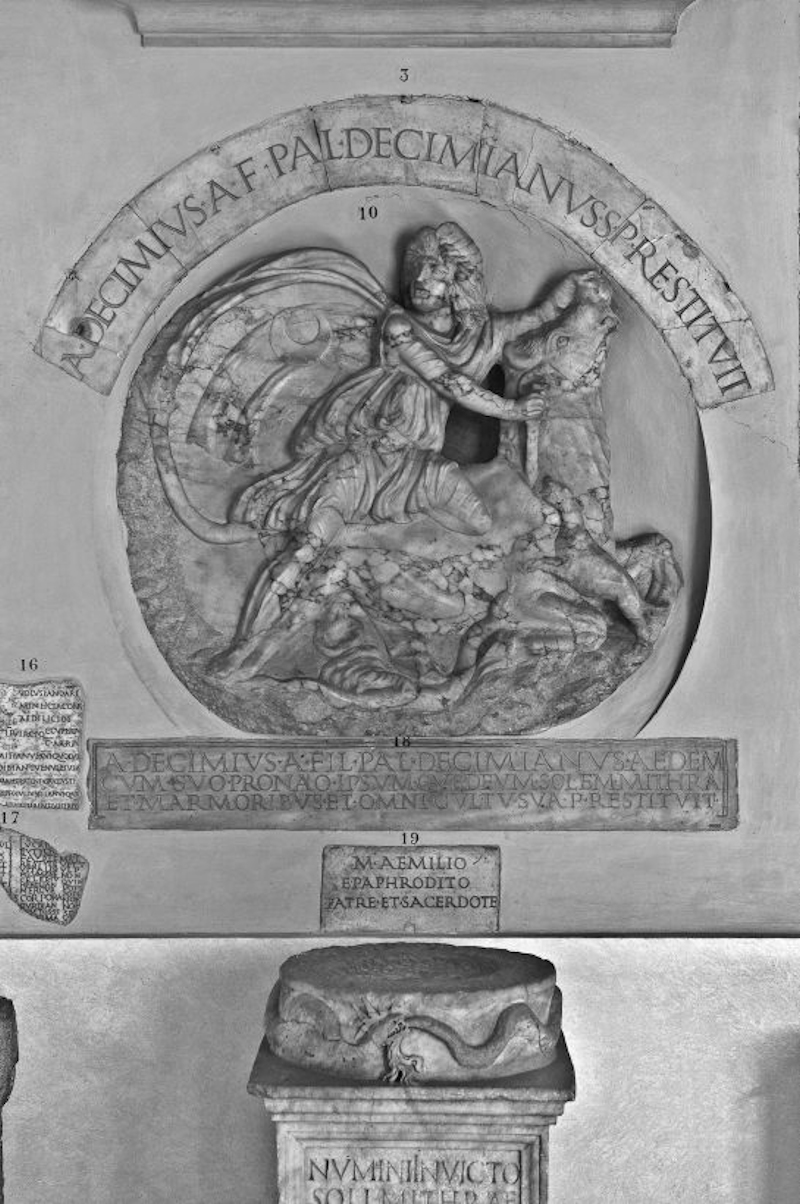
The relief of Mithras slaying the bull from the Mithraeum of the Seven Spheres was discovered in 1802 by Petirini by order of Pope Pius VII.
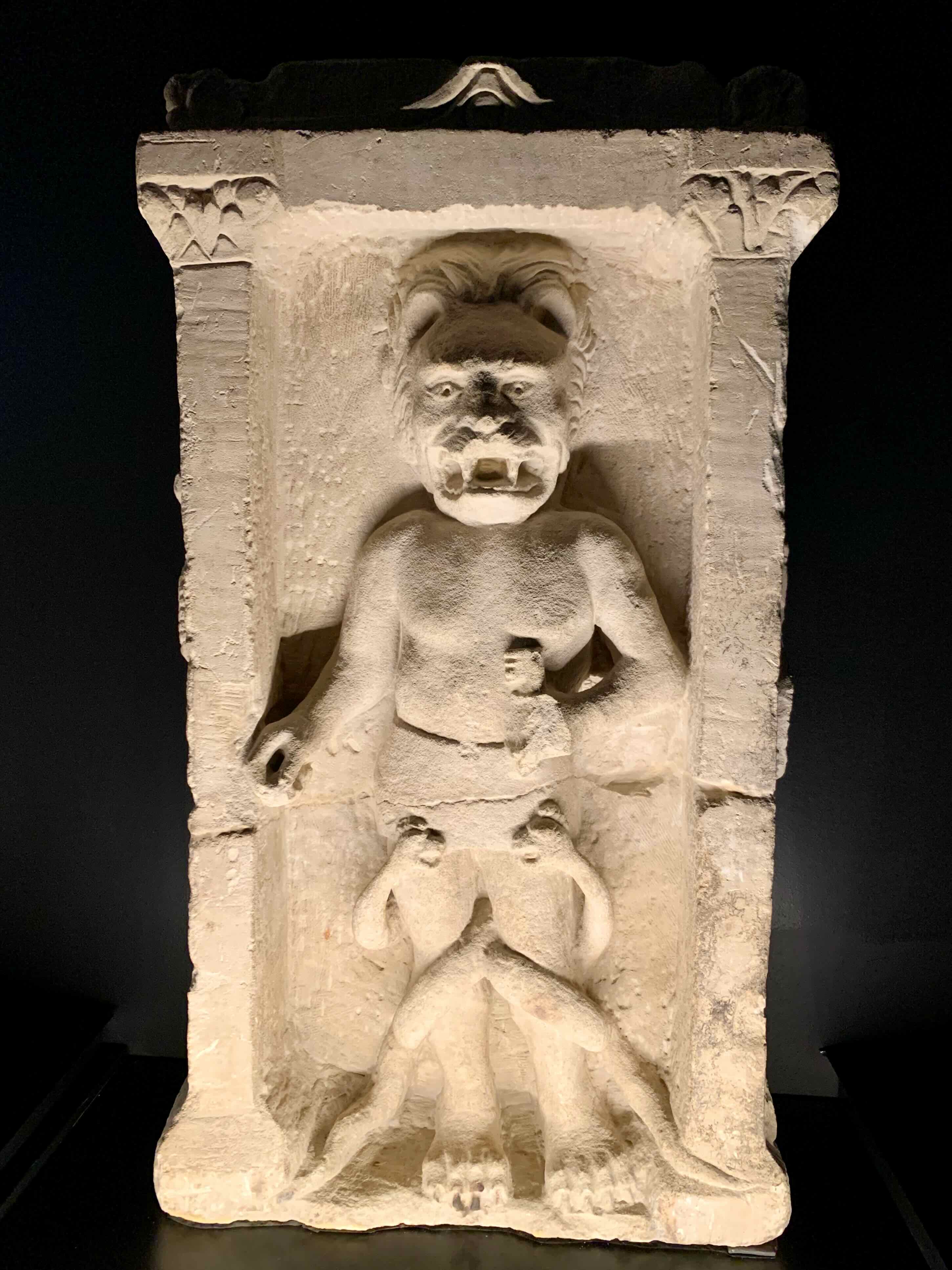
The altar depicting a lion-headed figure from Bordeaux includes a sculpted ewer and a patera on the sides.
This altar found in Sentinum bears an inscription from two brothers.
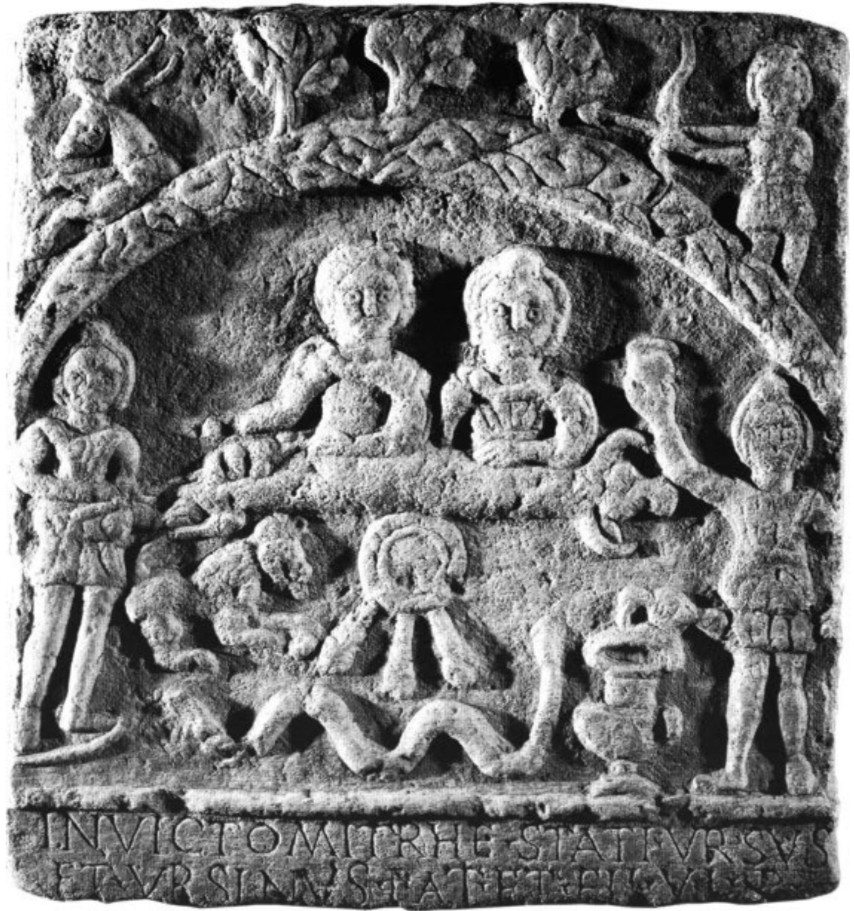
Mithras and Sol share a sacred meal accompanied by Cautes and Cautopates on a relief found in a cemetery from Croatia.
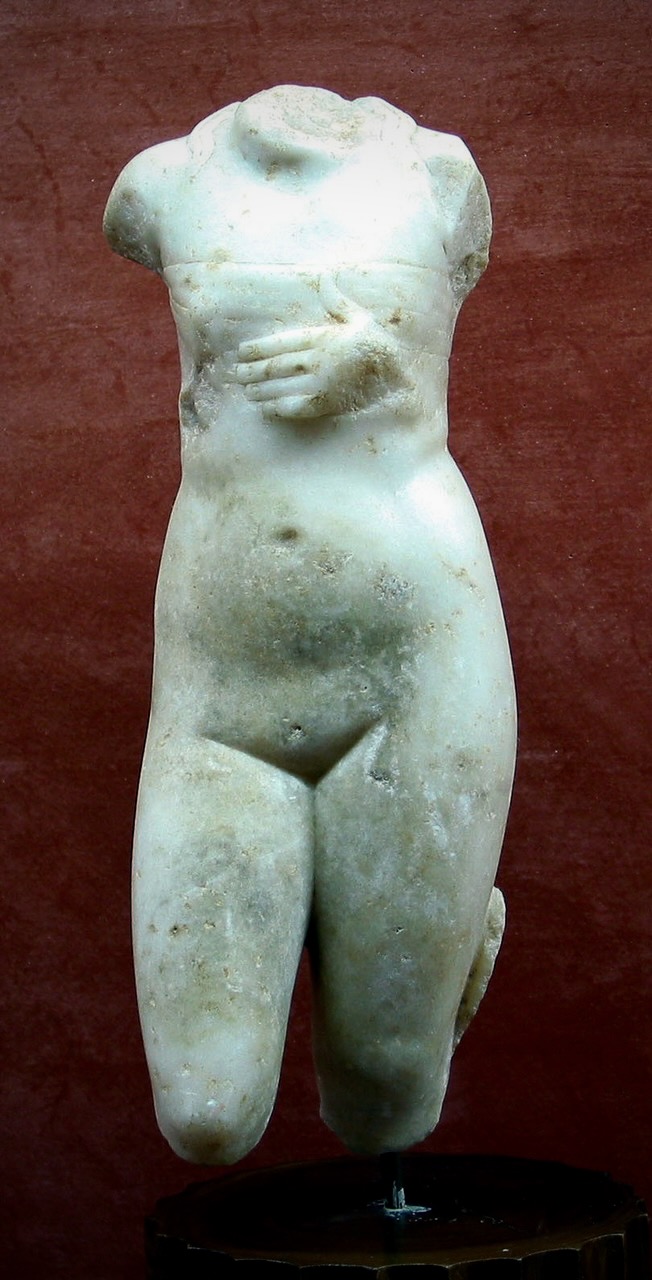
The lack of attributes and its decontextualisation prevent us from attributing a specific Mithraic attribution to this small Venus pudica from Mérida.
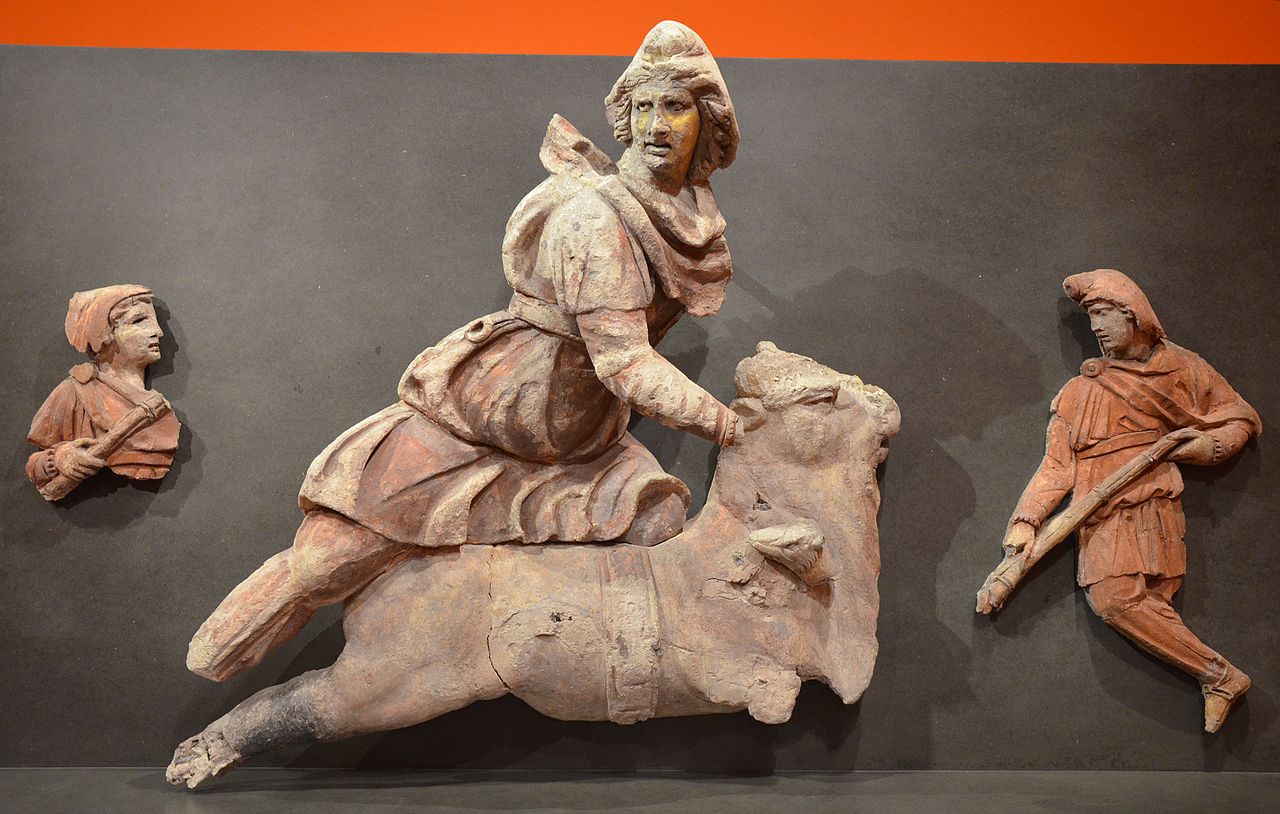
This relief was found under the Palazzo Montecitorio, in Rome, and bought by the Liebighaus at Frankfort.
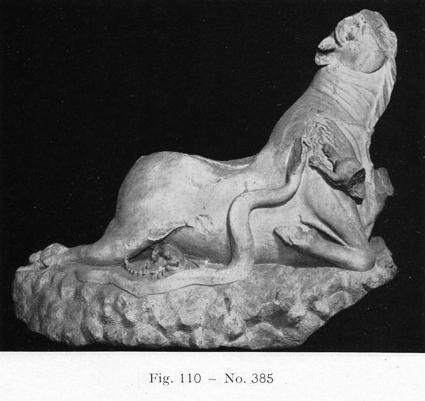
This sculpture of Mithras sacrificing the bull was found in the Quirinal and is now on display in the Musei Capitolini.
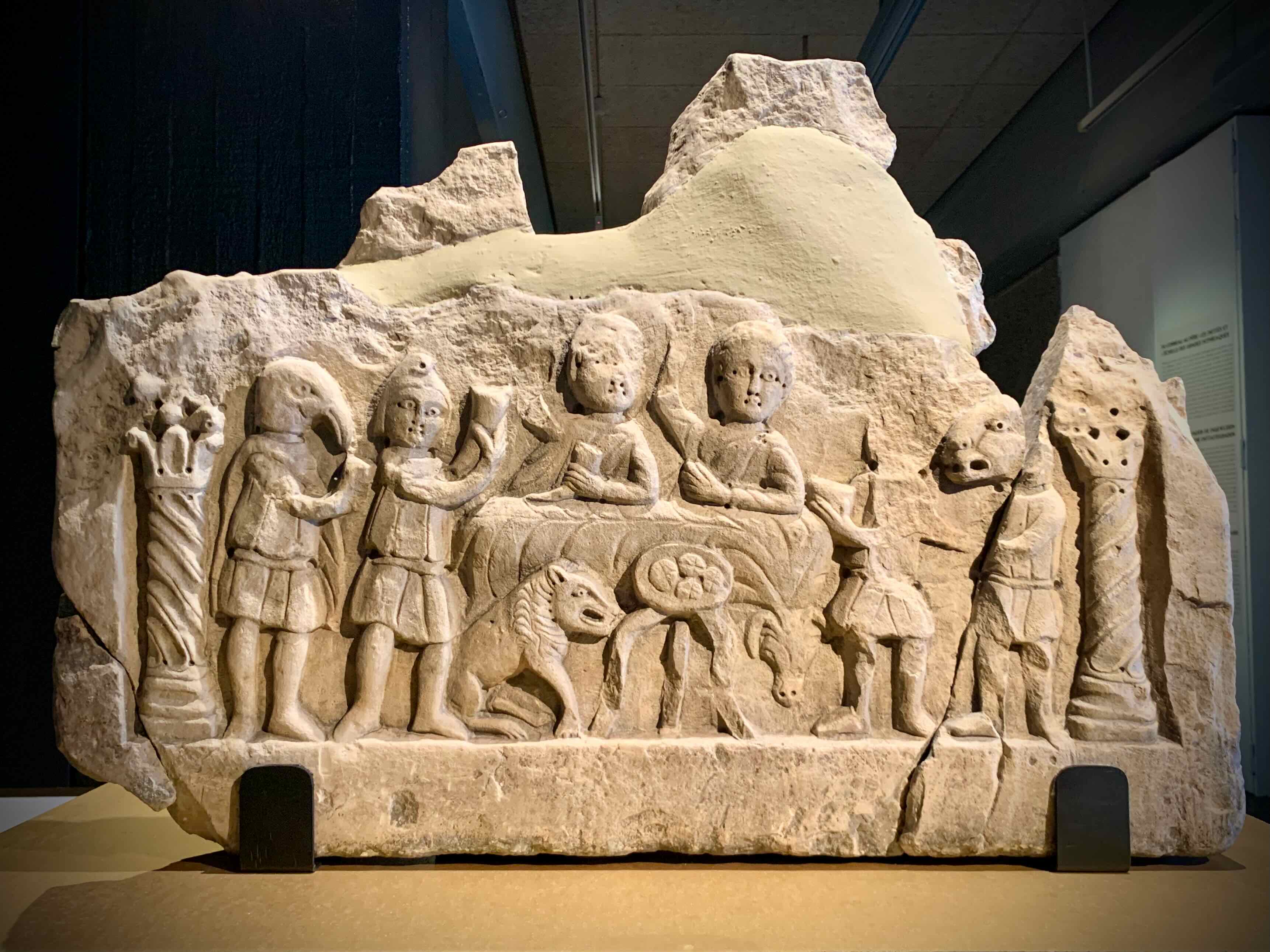
The mithraic relief of Konjic shows a Tauroctony in one side and a ritual meal in the other.
Altar from Salona, Dalmatia, found in 1884, dedicated by Sextus Cornelius Antiochus to Soli deo, who donated both a star and a fructifera — interpreted as Sol and Luna — following a vision.
Fragmentary inscription from Salona, Dalmatia, preserving only the phrase impendio suo — probably recording a building act.
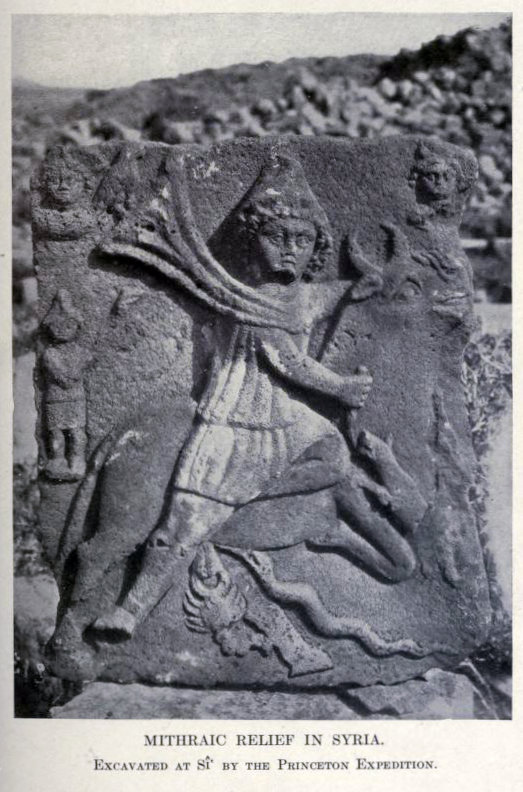
In the tauroctony of Jabal al-Druze in Syria, the snake appears to be licking the head of the bull's penis.
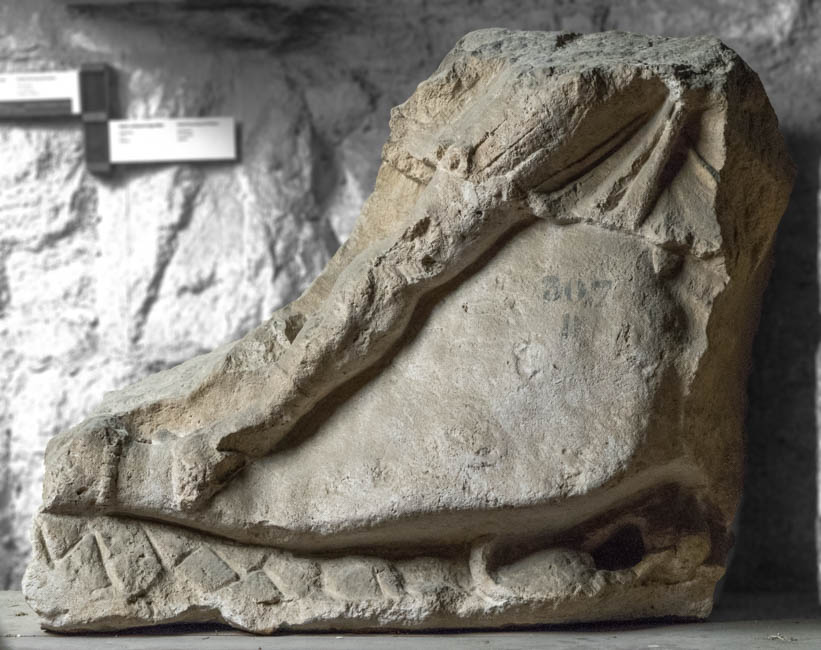
This large limestone fragment from Roman Salona preserves the hind part of the bull together with Mithras’ foot and traces of his red tunic.
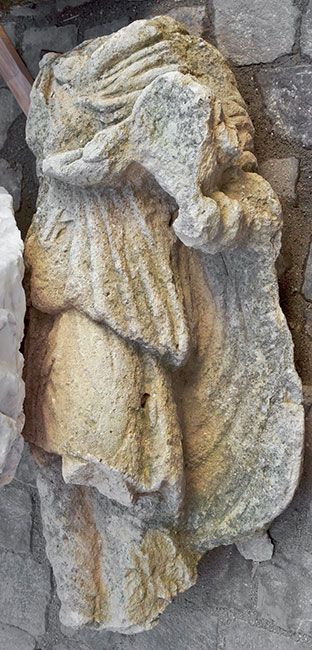
This weathered limestone statue from the Mithraeum of Apulum depicts a standing figure in Oriental attire holding the head of a bull or ram.
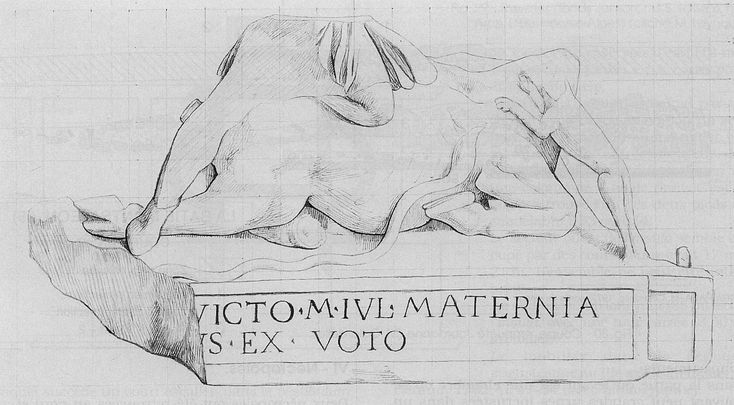
This damaged relief of Mithras killing the bull found in 1804 and formerly exposed at Gap, is now lost.
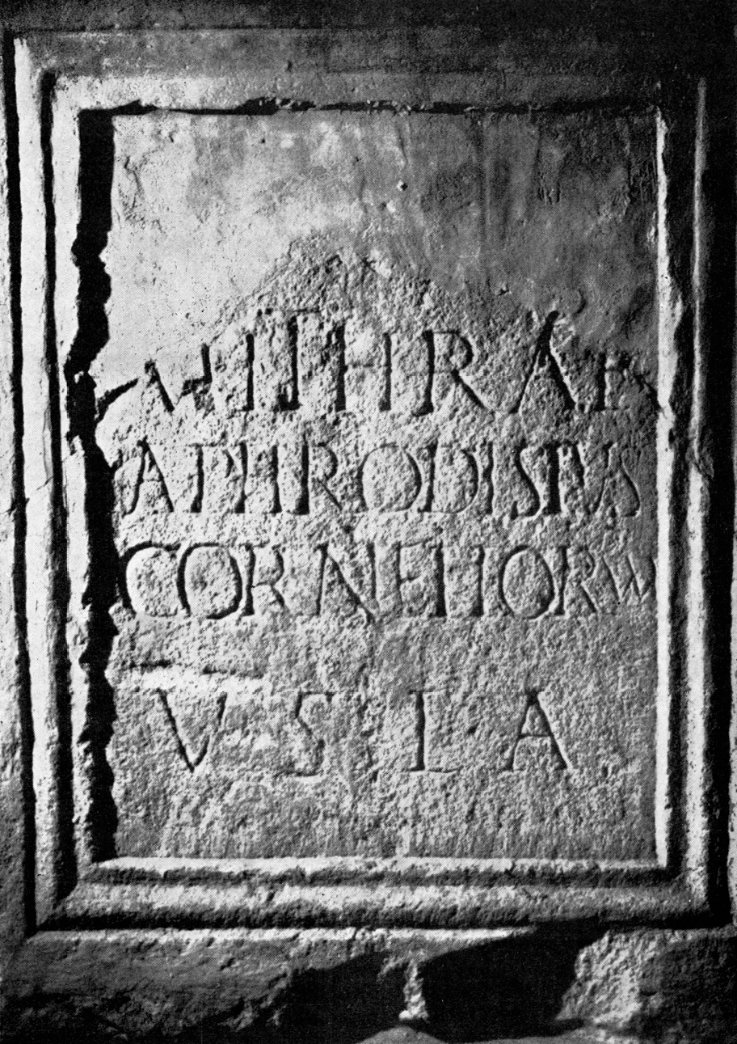
This inscription by a certain Aphrodisius was found under the old city hall of Algiers.
