Your search Al. N. Oikonomides gave 2993 results.
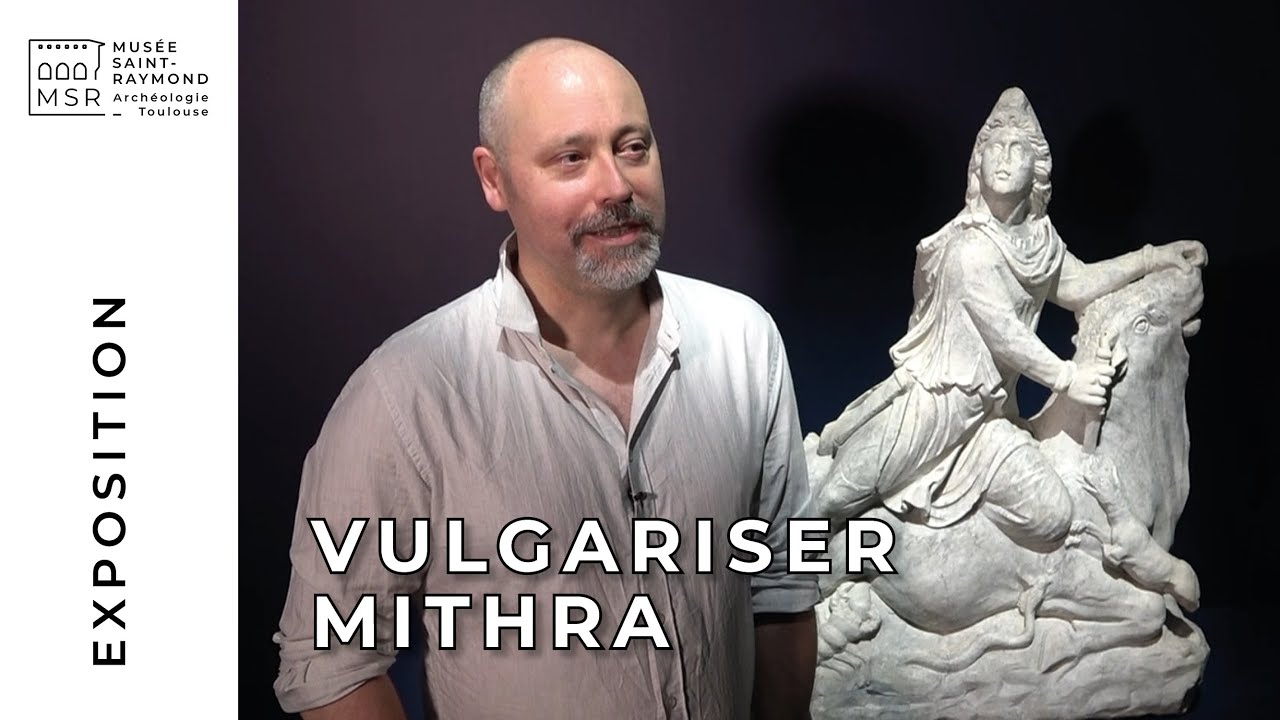
Jean-Christophe Piot a participé à la réalisation de l'exposition 'Le mystère Mithra' en réalisant des pastilles sonores sur certaines œuvres de l'exposition.
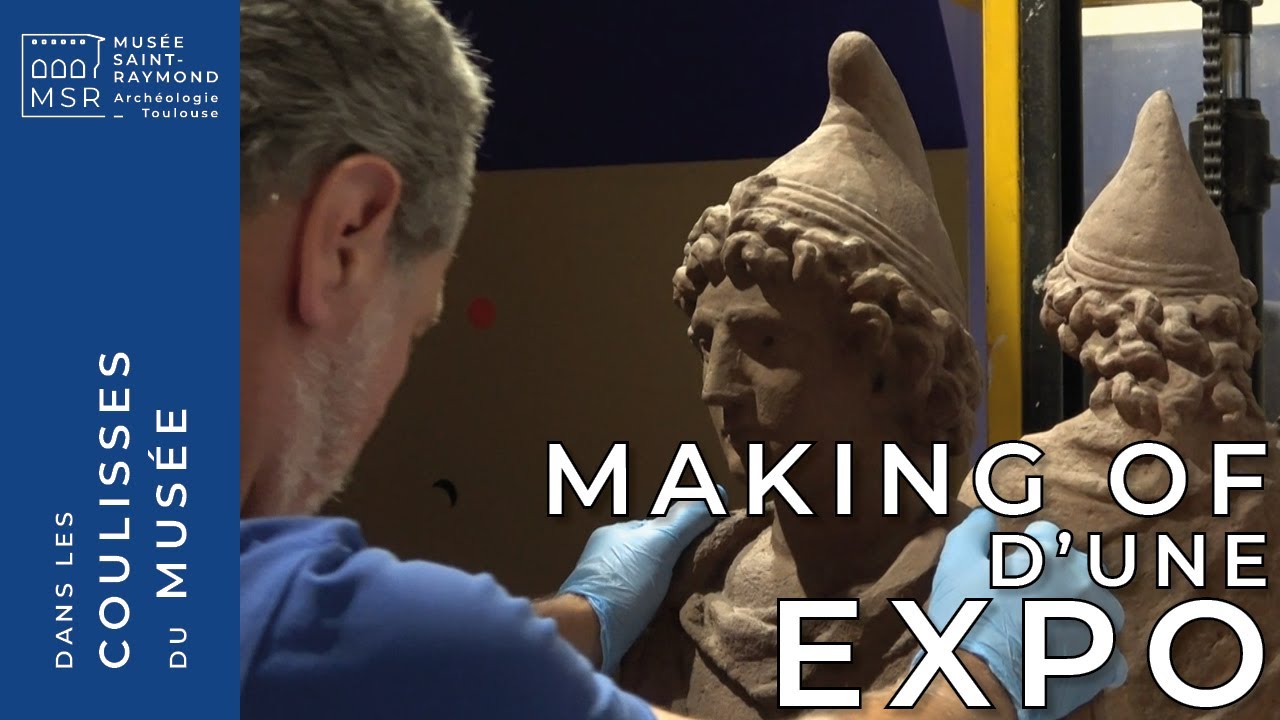
Découvrez les coulisses de la réalisation et du montage de l’exposition « Le mystère Mithra. Plongée au cœur d’un culte romain ».
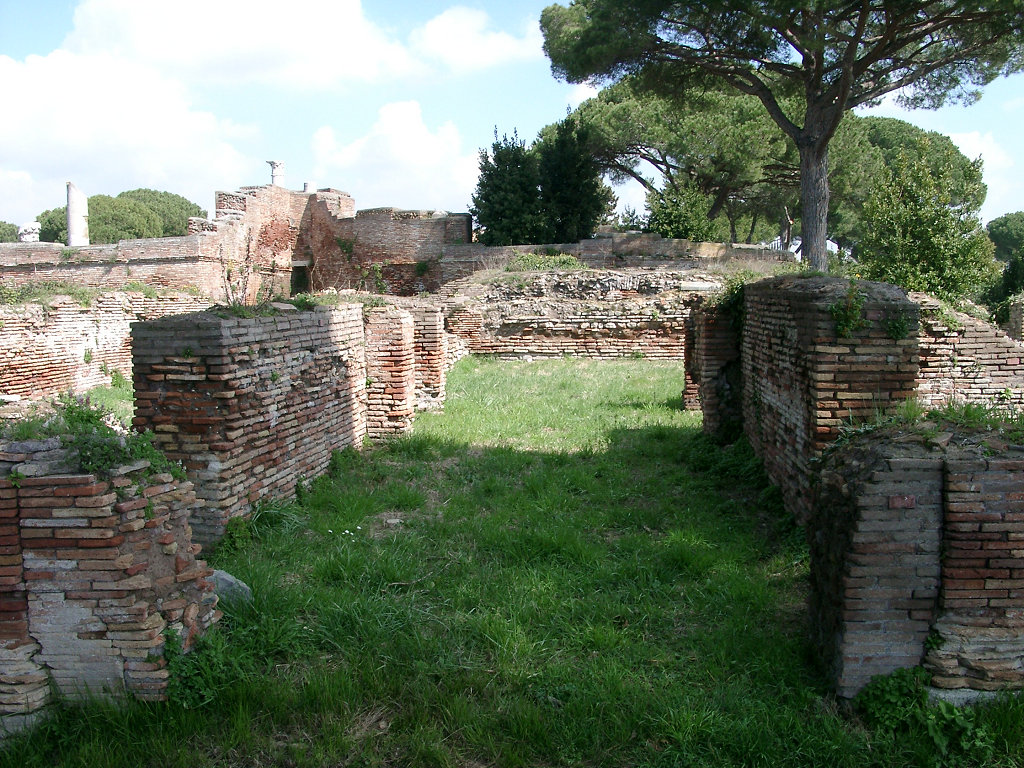
The Mithraeum of Frutosus was in a temple assigned to the guild of the stuppatores.

This tabula marmorea was consecrated by a certain slave Vitorinus in Tibur, nowadays Tivoli, near Rome.
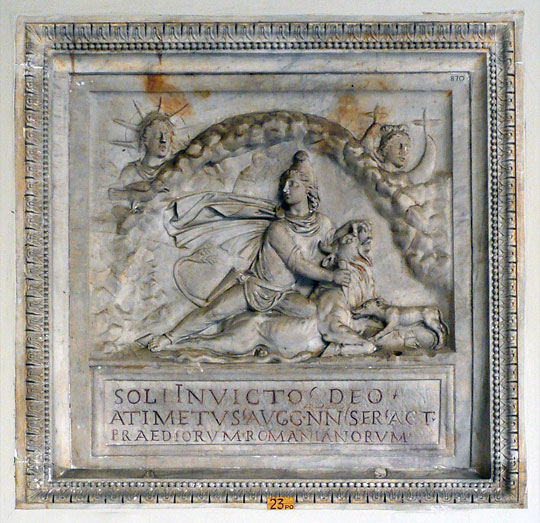
White marble relief depicting Mithras slaying the bull, dedicated by Atimetus.
The Digital Atlas of Roman Sanctuaries in the Danubian Provinces (DAS) is the first comprehensive and open access representation of sacralised spaces in the area.
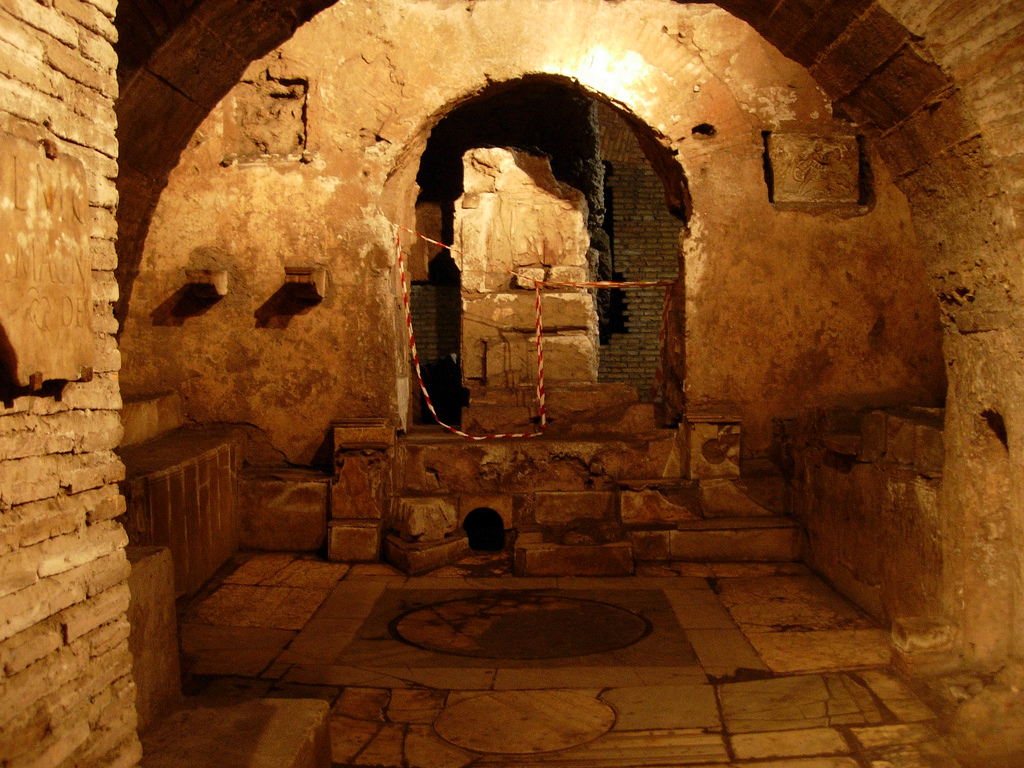
The Mithraeum of the Circus Maximus was discovered in 1931 during work carried out to create a storage area for the scenes and costumes of the Opera House within the Museums of Rome building.
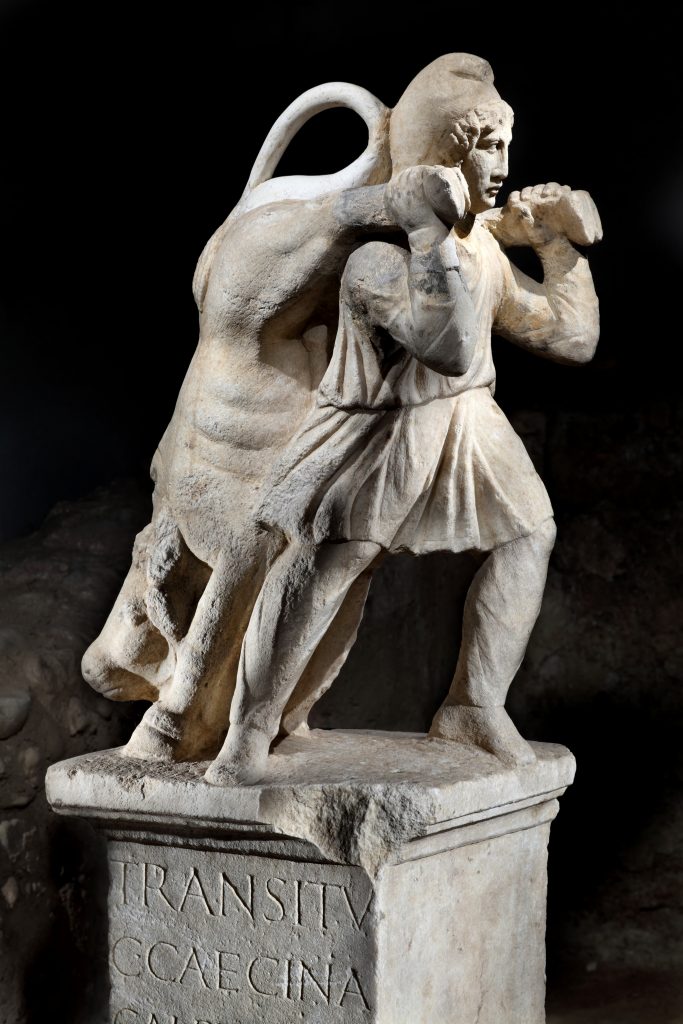
The sculpture of Mithras carrying the bull includes an inscription on its base.
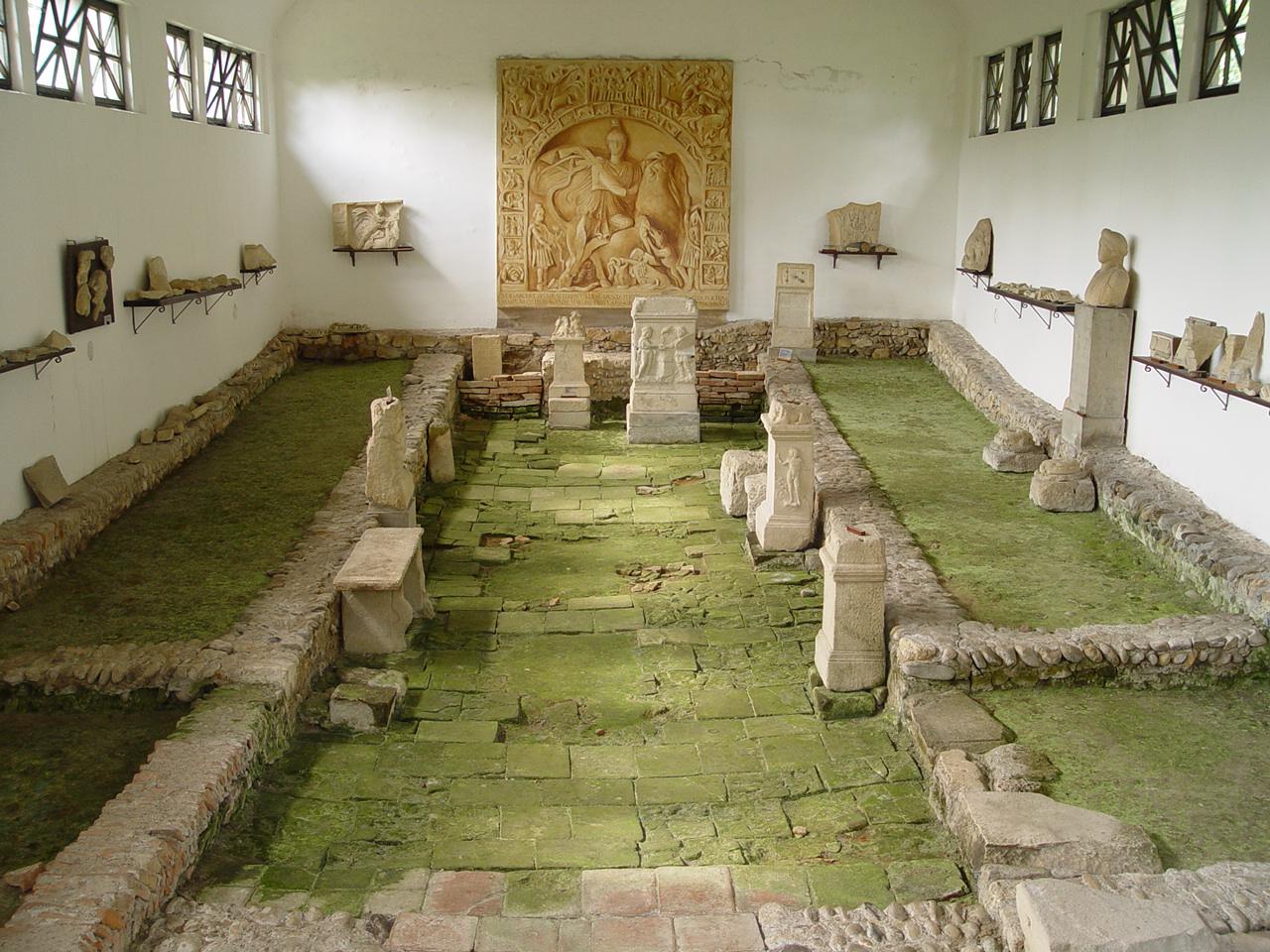
Mithraeum III in Ptuj was built in two periods: the original walls were made of pebbles, while the extension of a later period was made of brick.
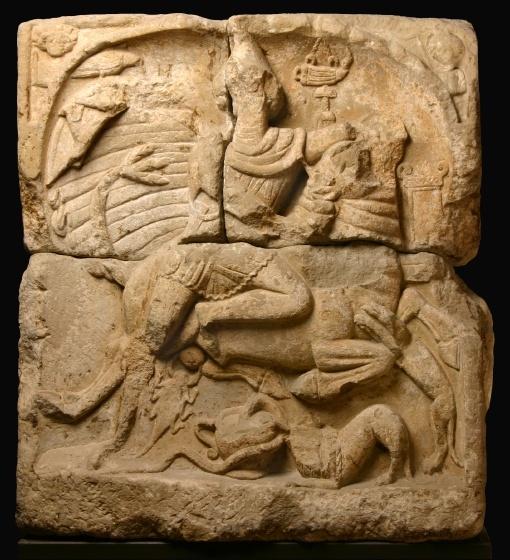
This relief of Mithras killing the bull, now on display in Stuttgart, includes a small altar with a sacrificial knife and an oil lamp.
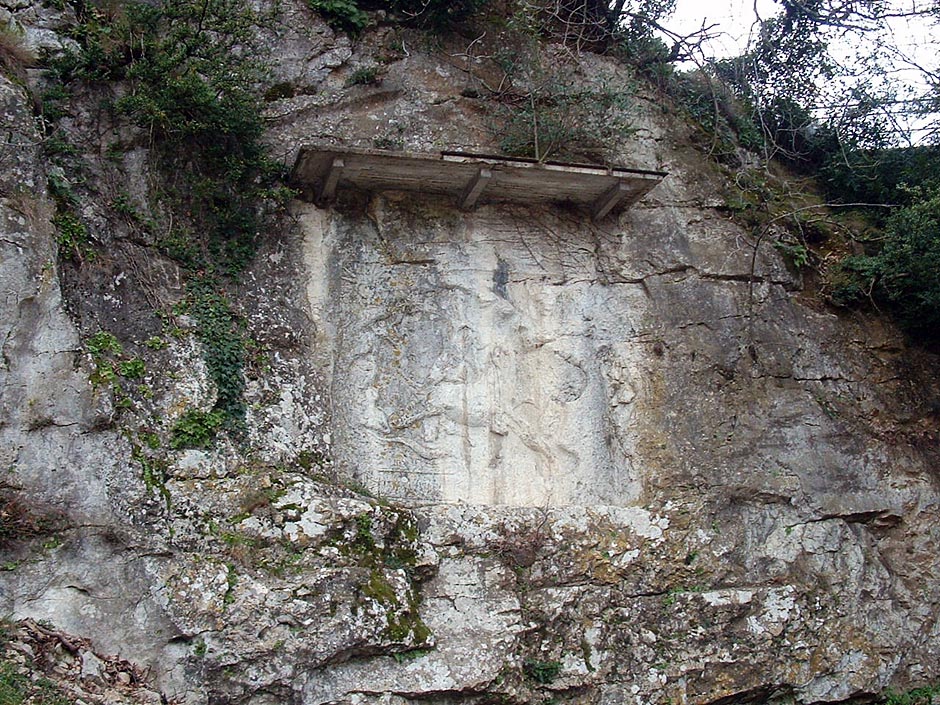
The Mithréum de Bourg-Saint-Andéol was built against a rock where the main Tauroctony was chiseled.
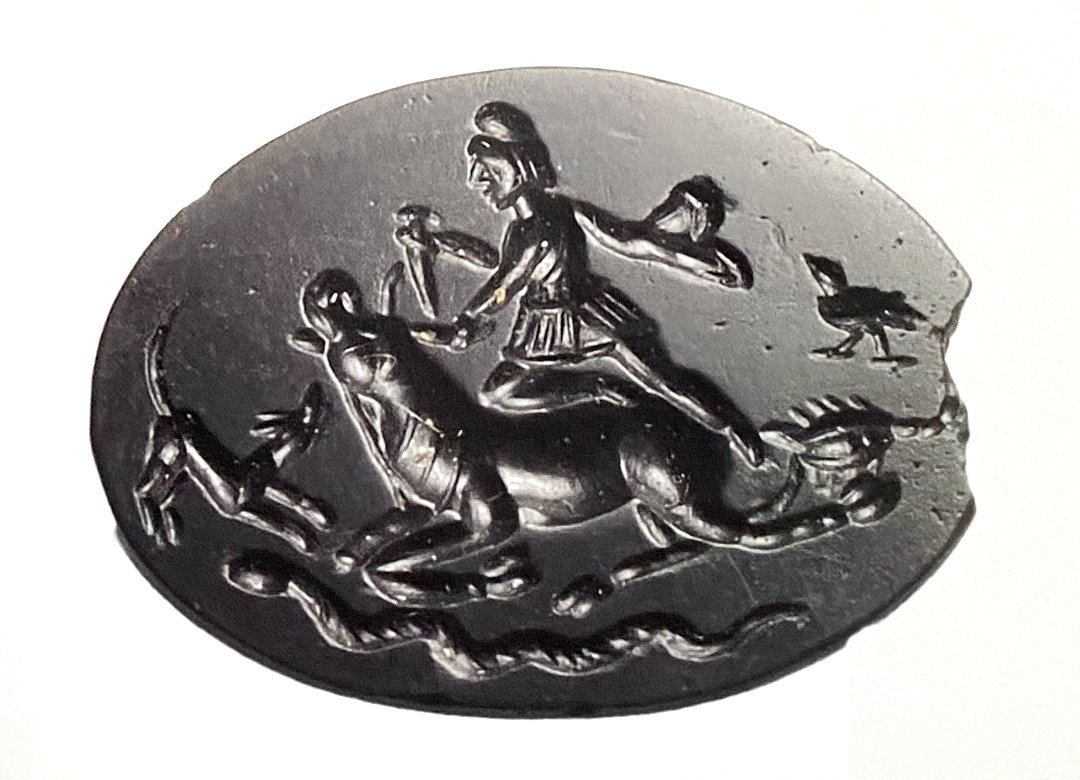
This intaglio with Mithras killing the bull on one side and Kabiros on the other was probably used as a magical amulet.
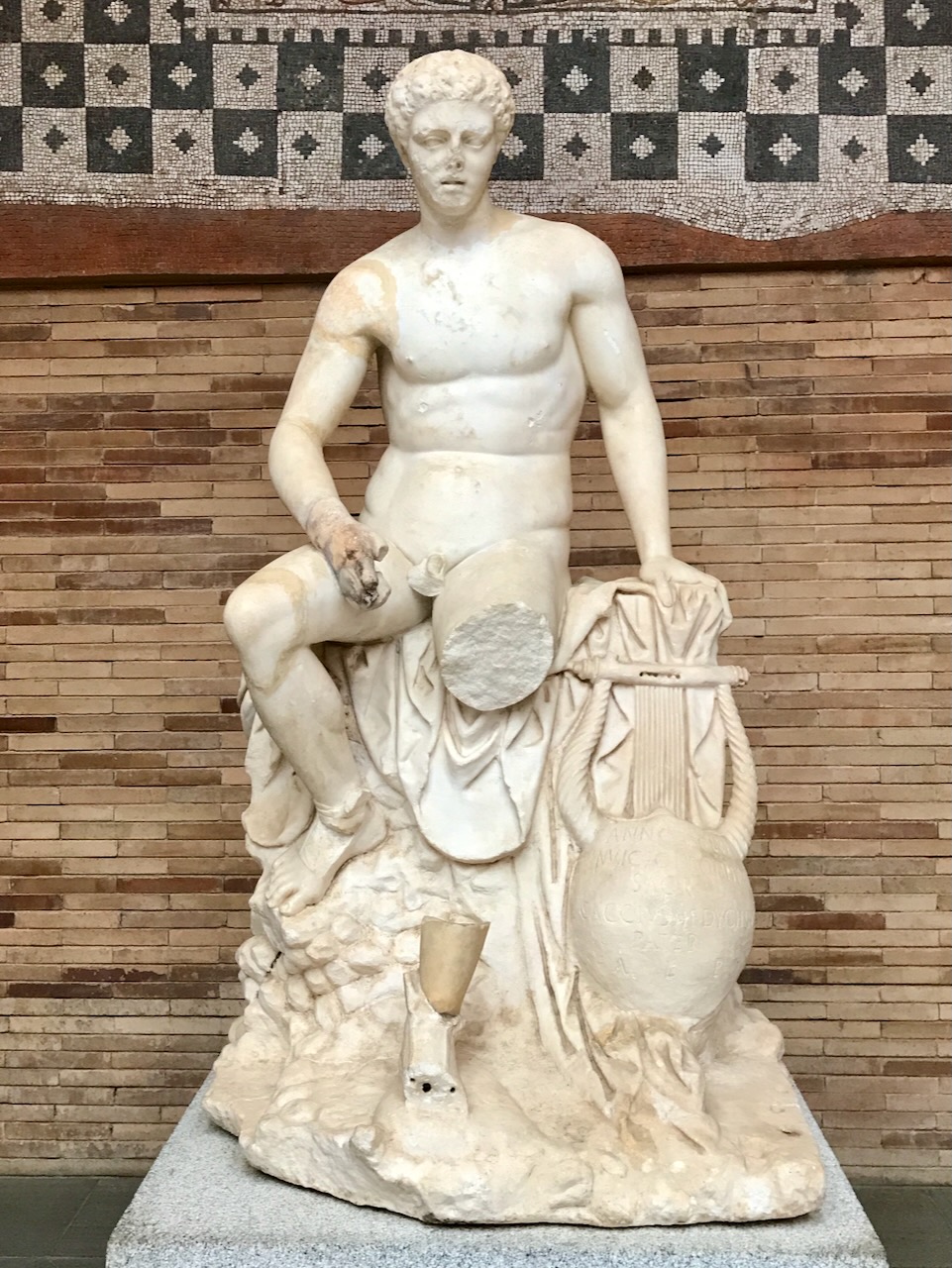
The statue of Mercury in Merida bears a dedication from the Roman Pater of a community in the city in 155.
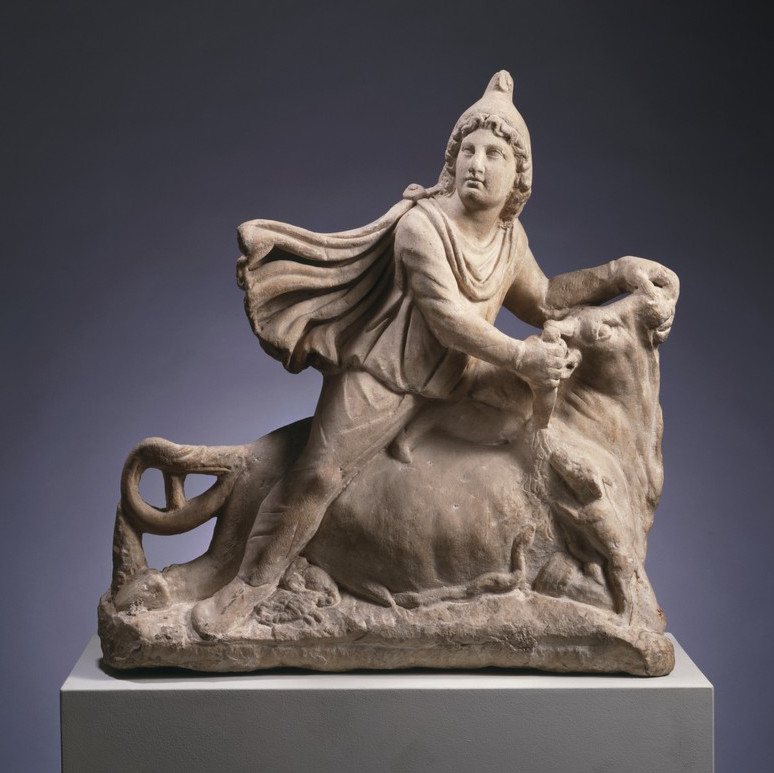
This sculpture of Mithras killing the bull may come from Rome, probably found in 1919.
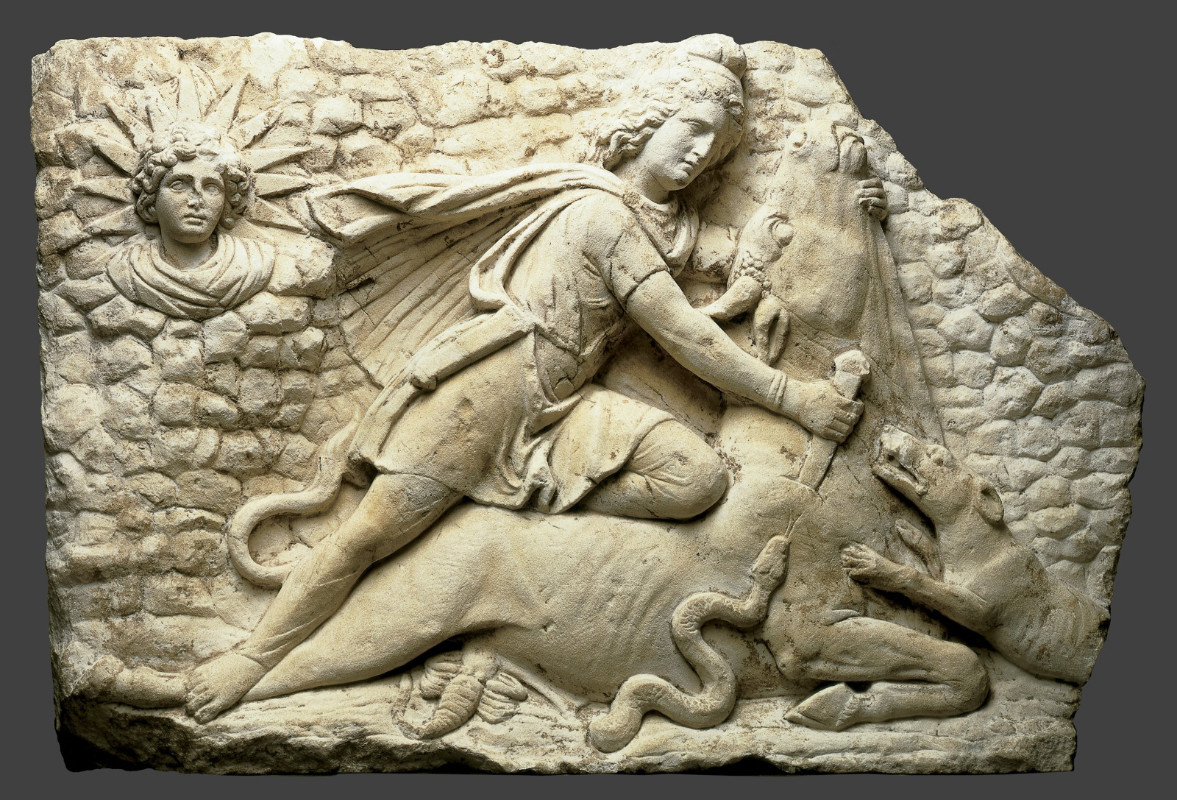
In the tauroctonic relief on display at the Cincinnati Art Museum, Mithras slaughters the bull over a rocky background.

Dutch historian, born in 1918 and deceased in 1985. He was a specialist in the history of religions, especially the Eastern cults in the Roman Empire. A prolific writer, best known for his Corpus inscriptionum et monumentorum religionis Mithriacae.

Curator of Greek and Roman Antiquities, Royal Museum of Mariemont (Belgium). Research fields: Archaeology of the Oriental cults in the Roman Empire.
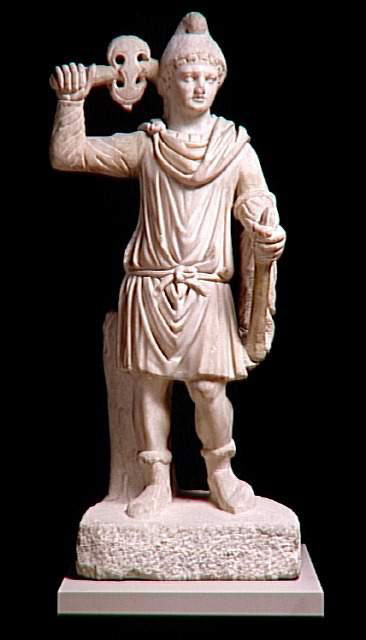
The Cautes of Sidon who wields an axe also wears a piece of cloth on his left arm.
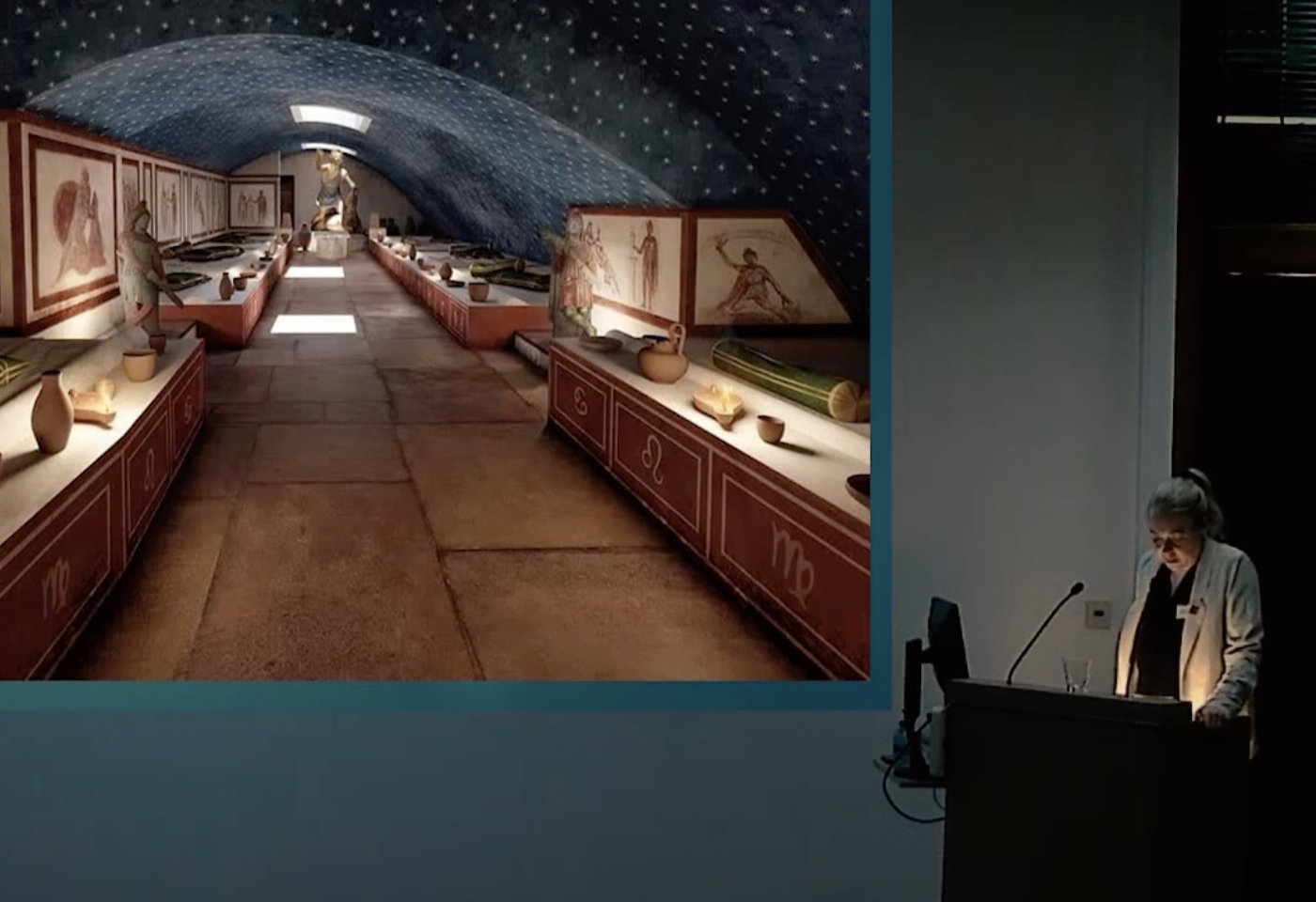
Intervention par Alexandra Dardenay, maître de conférences à l'Université de Toulouse/CNRS/IUF
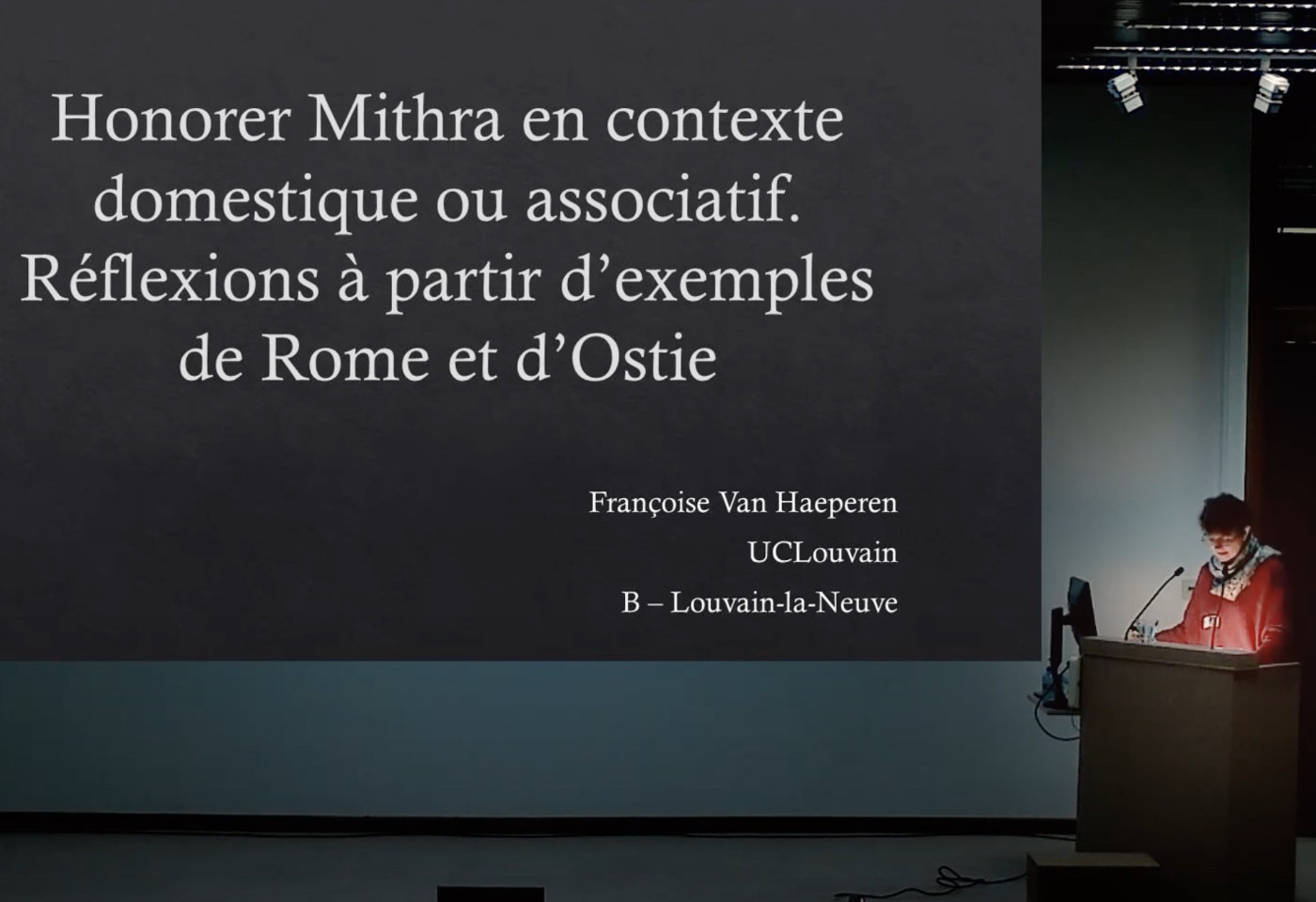
Mithra et ses actualités - Journée d'études.
