Your search Anne Le Cam gave 192 results.

Finds discovered near the crossing of the criptoporticus of the Mithraeum at Capua, including marble plate fragments, a tuff base, red lamps, and animal bones.
Miscellaneous finds from the middle of the Mithraeum of Capua, including a terracotta antefix with centaurs, basins, marble bases, lamps with a Sol head, and coins of M. Aurelius and Constantine.
Fresco fragment from the initiation sequence of the Mithraeum of Capua, of which only the heads and parts of the white tunica of two figures remain visible.
Two scenes from the initiation sequence of the Mithraeum of Capua, now indistinguishable.
Fresco showing a mystagogus pressing down the shoulders of a kneeling myste, attended by a third figure in Phrygian cap, from the initiation sequence of the Mithraeum of Capua.
Fresco showing two persons standing behind each other, from the initiation sequence of the Mithraeum of Capua.
Fresco showing a standing figure in a small cloak approached by two other persons, from the initiation sequence of the Mithraeum of Capua.
Badly damaged fresco fragment showing a person in red attire in a kneeling position, from the initiation sequence of the Mithraeum of Capua.
Fresco depicting Cautopates in Eastern attire between two laurels, cross-legged, pointing his torch downwards over a burning altar, from the Mithraeum of Capua.
Head in Phrygian cap with a sorrowful expression, used as a protome in the Amphitheatre of Capua and interpreted as a head of Mithras.
Inscription recording the construction of a templum Invicti from the ground by Aurelius Longinianus, centurion of the Third Augustan Legion, near the Roman camp at Lambaesis.
Two painted decorative phases from the Santa Prisca Mithraeum whose figures became clearer after later conservation work.
Archaeological remains connected with the Praetorian camp and the presence of Mithraic worship among the imperial guard.
Sandstone statue from Mithraeum I at Carnuntum, Pannonia Superior, depicting a lying lion with a bull's head before its forefeet; a large opening at the back of the head communicated with a channel below, suggesting use as a cult water outlet.
Three marble cornice fragments from Mithraeum III at Ptuj, ancient Poetovio, bearing an inscription recording that the monument was elevated in the manner of Sol, in honour of Cautes and Cautopates.
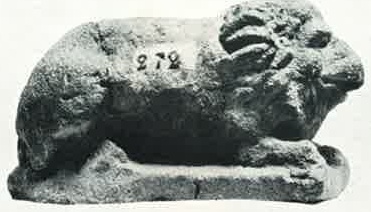
Red sandstone statue of a lying lion with a hollow channel running through its body, from Mithraeum II at Heddernheim, ancient Nida
Group of altars and a base indicating the existence of a Mithraeum near the Roman camp of Vetera.

Uruk, the archeological site known today as Warka, was an ancient city in the Near-East or West-Asia, located east of the current bed of the Euphrates River, on an ancient, now-dried channel of the river in Muthanna Governorate, Iraq.
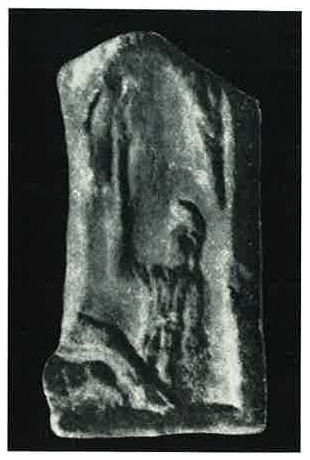
The site of Ay-Todor in Crimea revealed a Roman camp, a temple with votive offerings, and a Mithraeum.
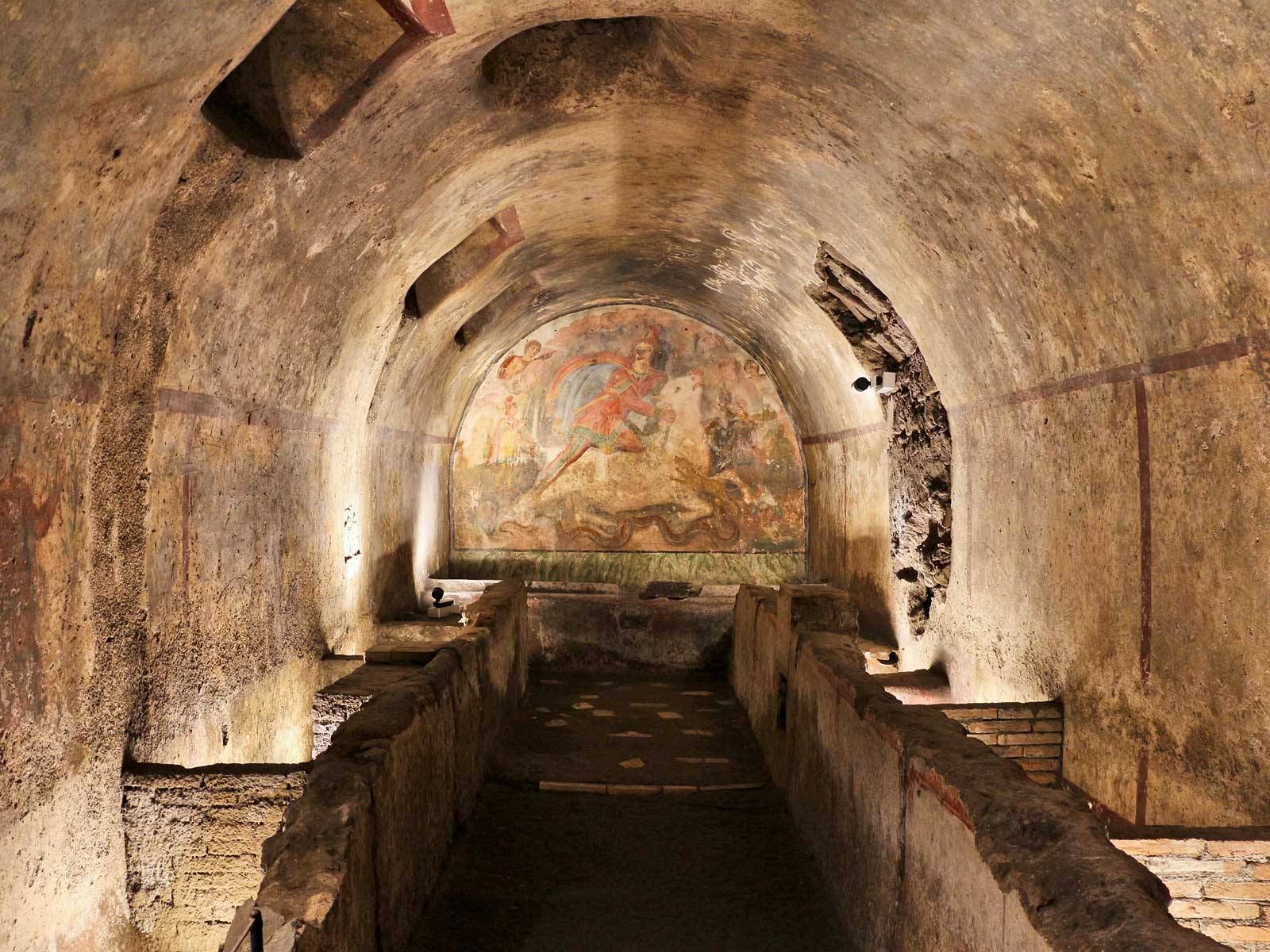
One of Roman Italy’s most important Mithraic sanctuaries, the Mithraeum at S. Maria Capua Vetere preserves a remarkable painted cycle of initiation scenes, offering rare visual evidence for the ritual life of Roman Mithaism.
