Your search Arsha wa Qibar gave 722 results.
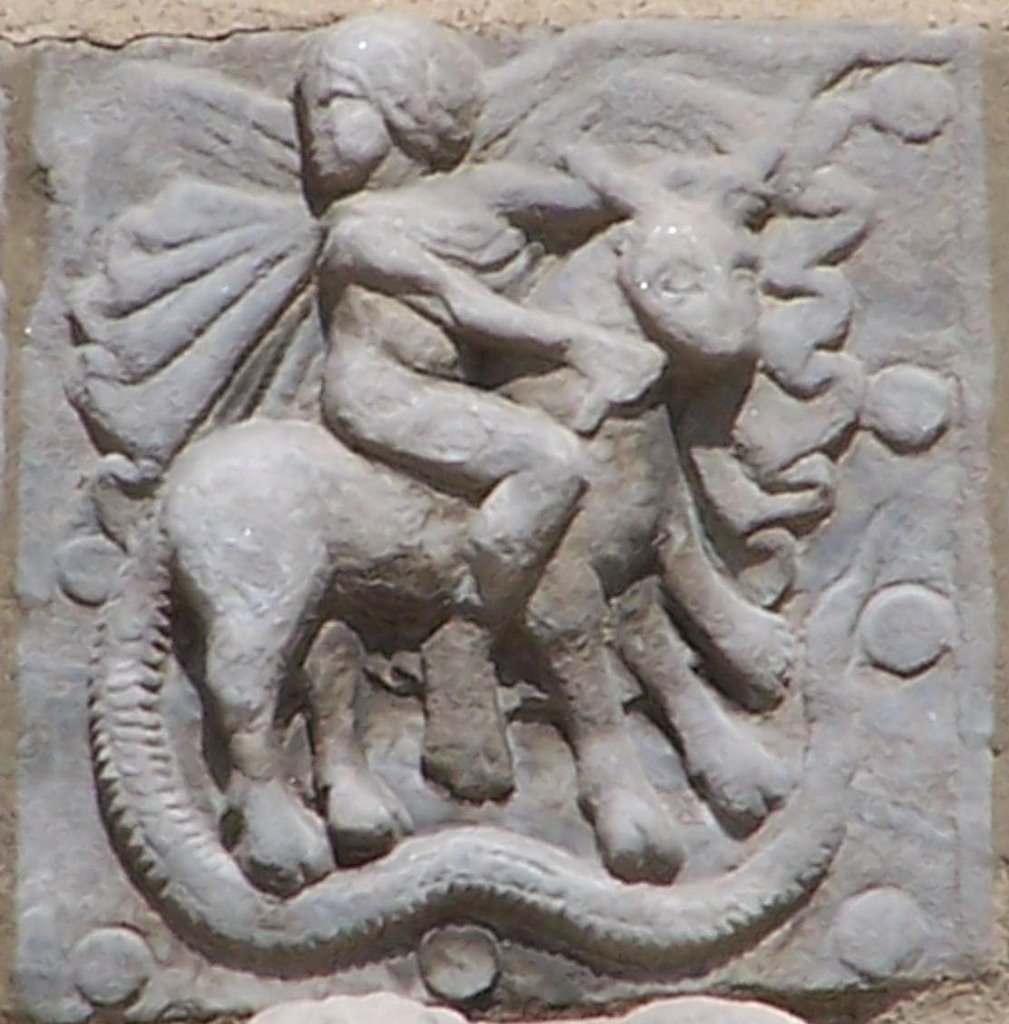
It is indeed surprising to see Mithras represented in the Middle Ages, as we tend to assume that paganism was forgotten at an early date. Well, some representations of Mithras killing the bull in key locations in Europe prove the opposite…

Hello everybody. Does anyone know the opening hours of San Clemente in Rome? I went last week with a friend and it was closed

Found in Illmitz, Austria, in 1959, this altar was dedicated to the unconquered god Mithras by a certain Aelius Valerianus.

This limestone altar to Sol Invictus Mithra was found at Turda in 1905.
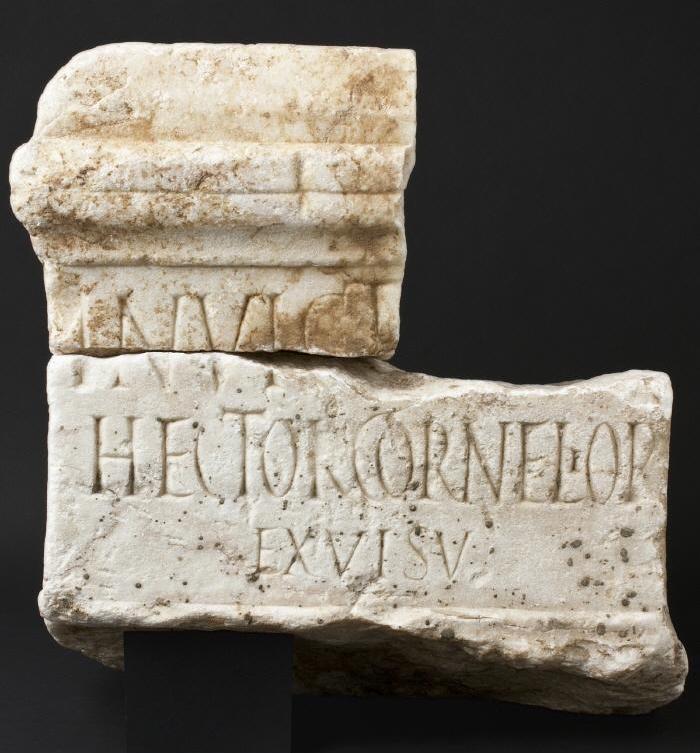
This fragmented altar was found in two pieces that Ana Osorio Calvo has recently brought together.
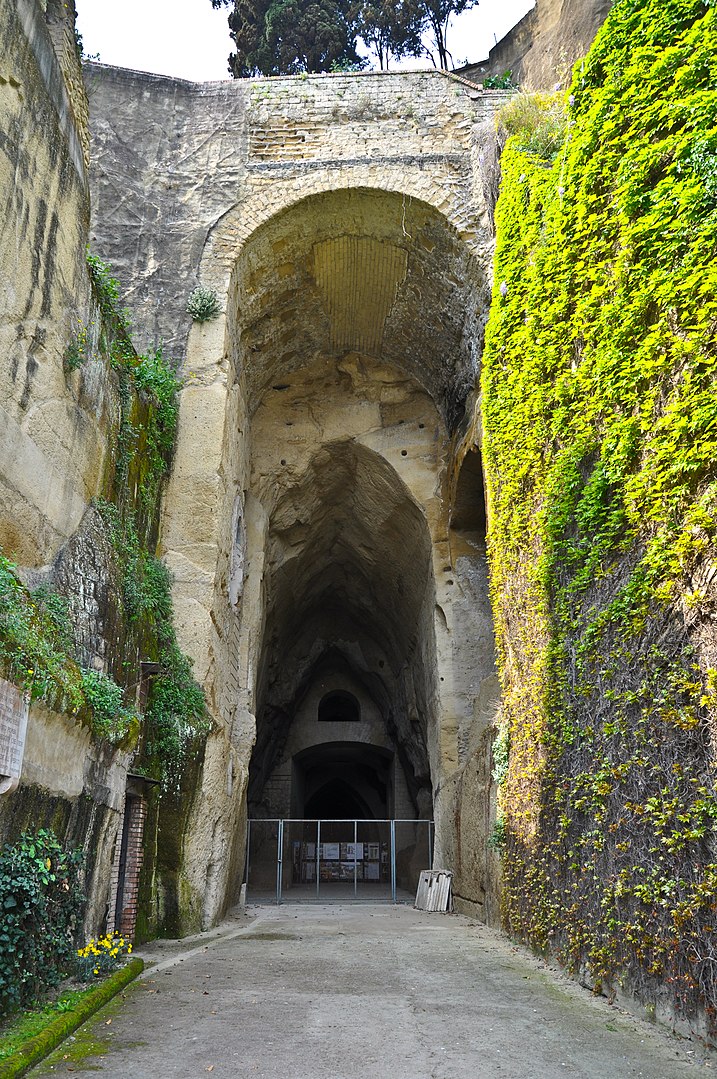
The Mitreo della crypta neapolitana was used a des legends about its use, from a cult place devoted to Priapus to celebrate Aphrodite.
This cylindrical marble altar was dedicated by the same Pater Proficentius as the slab, both monuments found in the Mithraeum beneath the Basilica of San Lorenzo.
This marble monument was dedicated in Rome by the slave Fructus and his son Myro.

This altar, dedicated to Sol Invictus Mithras by a certain Eutyches for the health of the Emperor Caracalla, was found in Sisak, Croatia, in 1899.
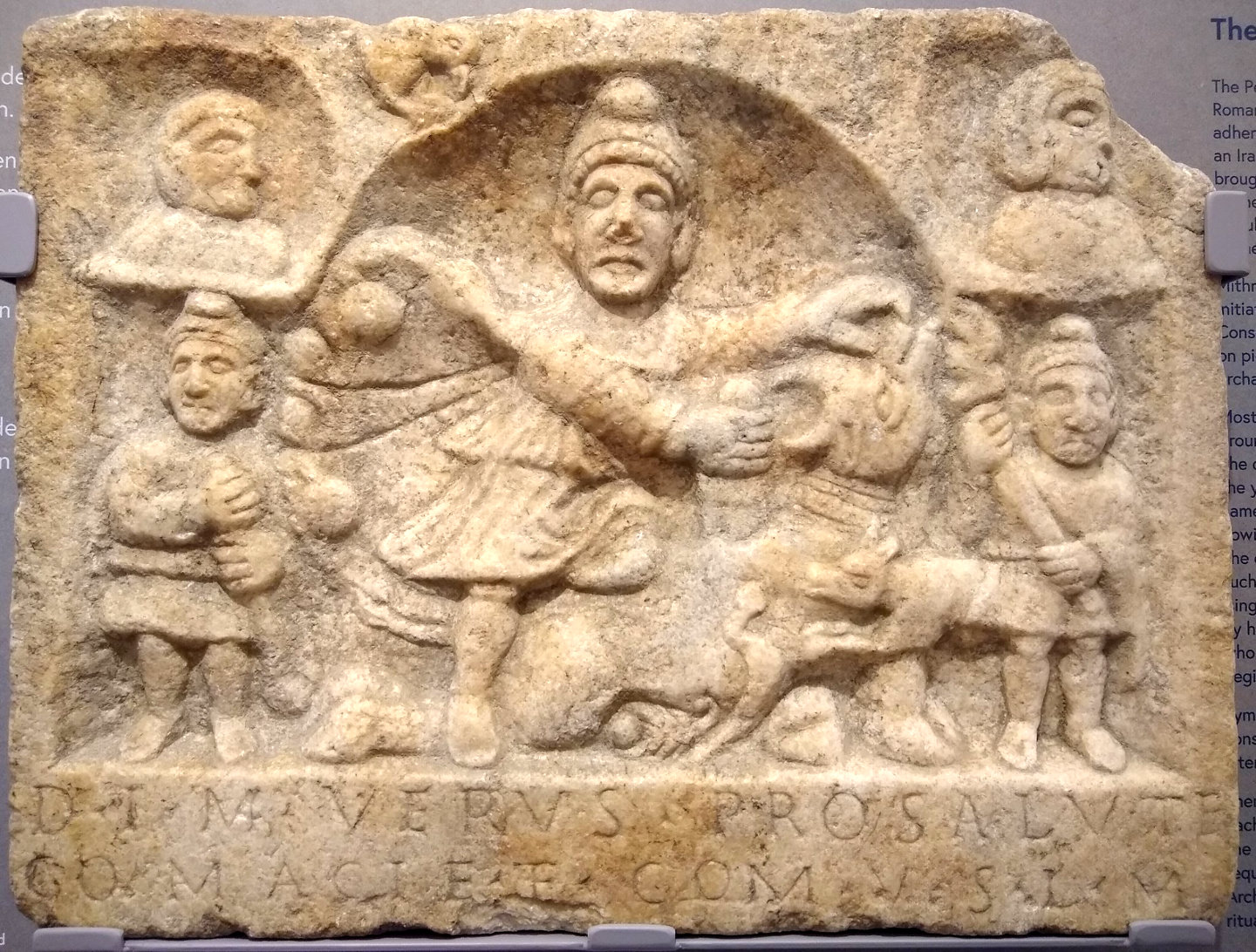
The votive image was donated by a certain Verus for a mithraeum which was probably located in the hinterland of the Limes.


In the picture I am sitting on the wall next to the one where the sculpture of Mithras was found in Cabra, Spain.
A second Mithraeum was found in Cologne described by R. L. Grodon as of ’small importance’.
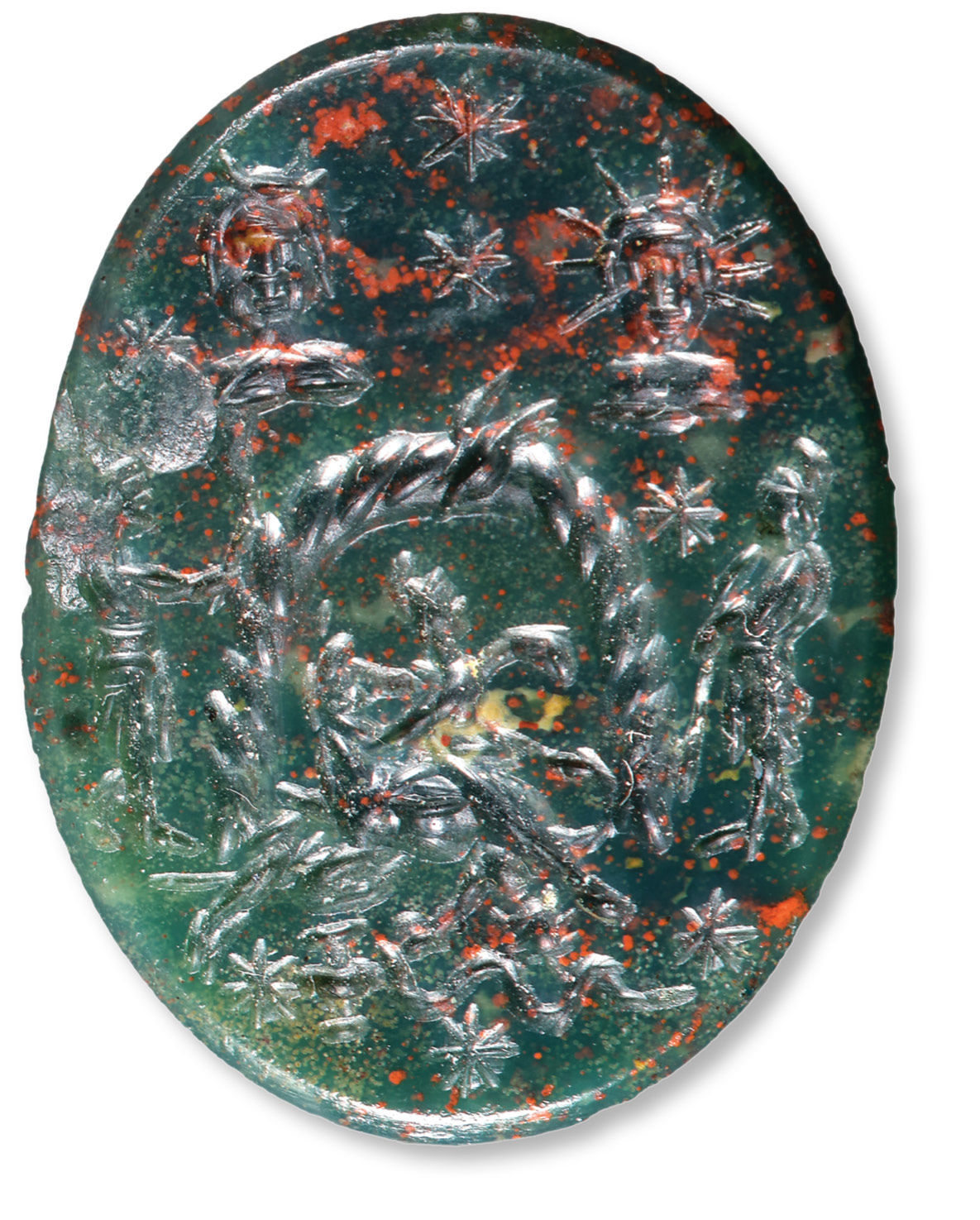
This heliotrope gem, depicting Mithras slaying the bull, dates from the 2nd-3rd century, but was reused as an amulet in the 13th century.
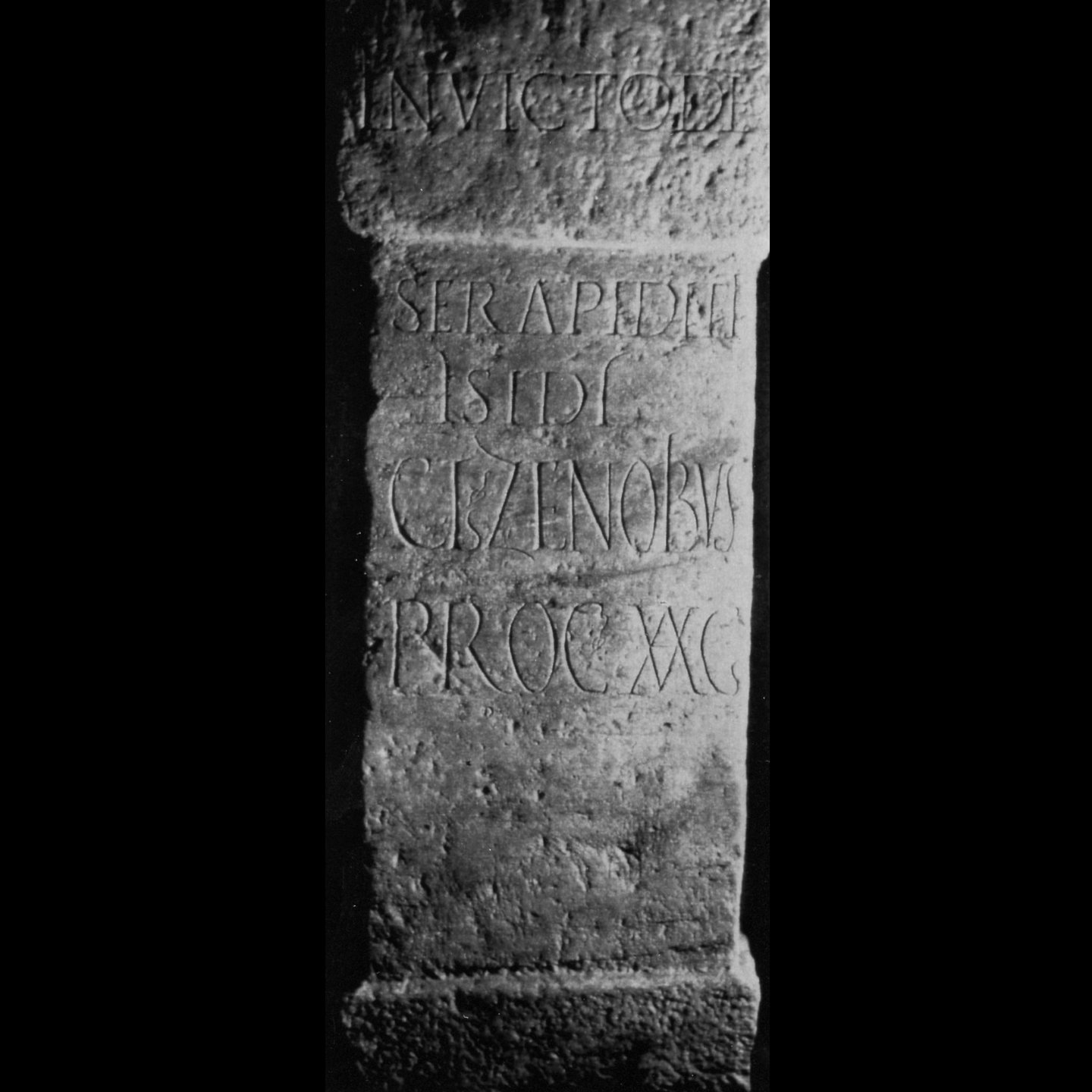
This slab dedicated to the invincible god, Serapis and Isis by Claudius Zenobius was found in 1967 in the walls of the city of Astorga, Spain.
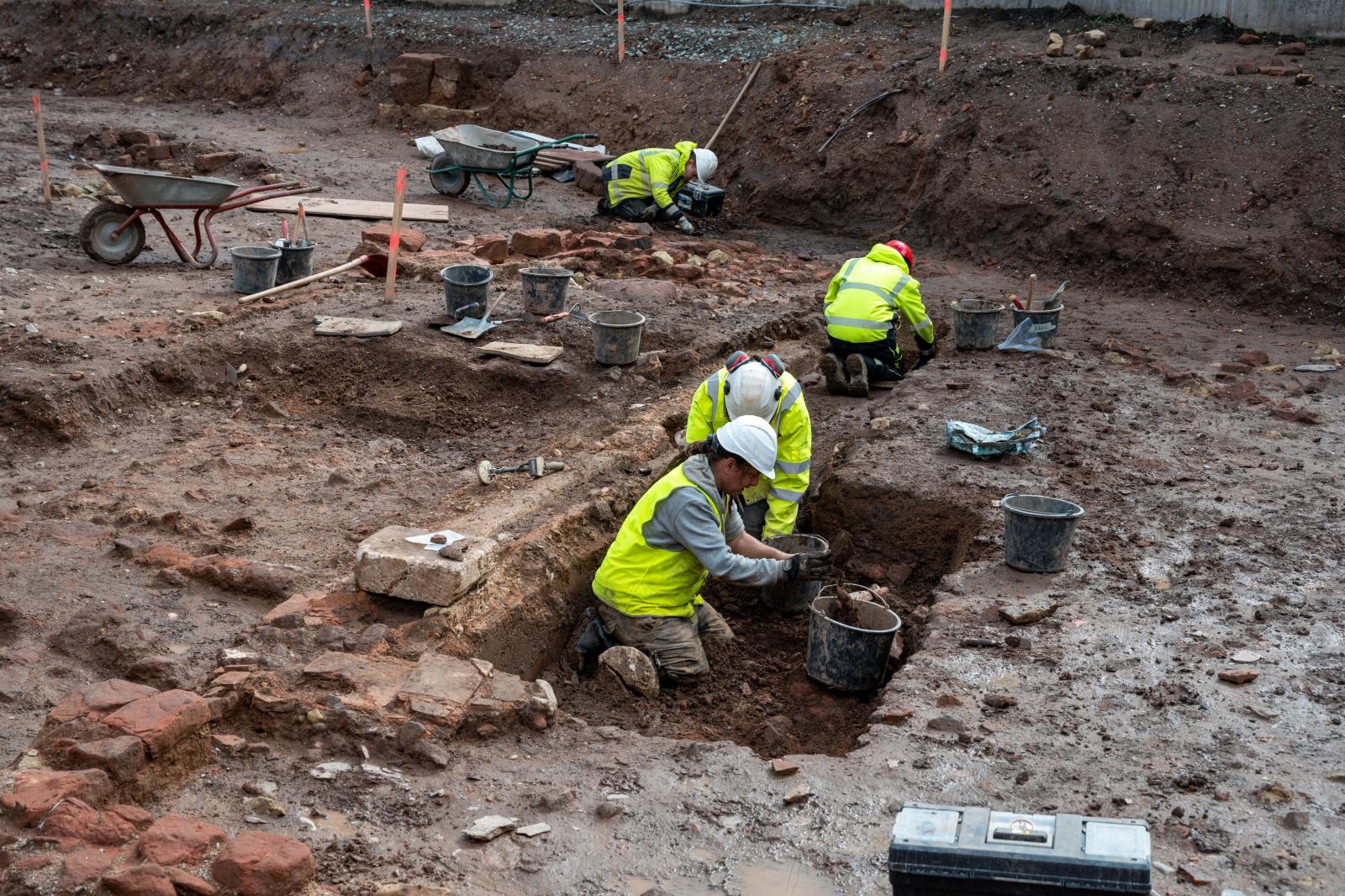
The Trier Mithräum was discovered during work on the city’s new fire station. The findings included a Cautes limestone relief.
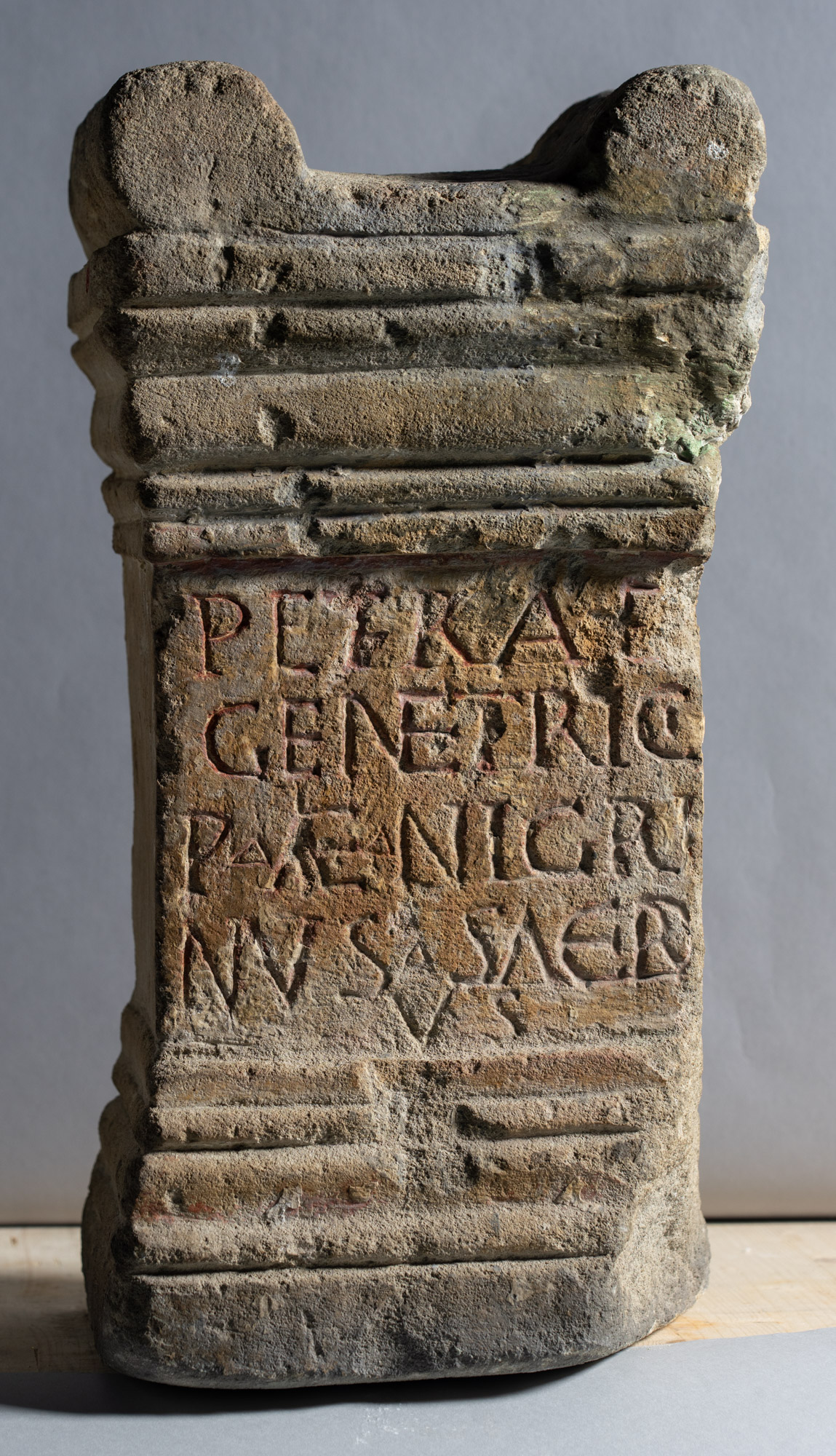
Aelius Nigrinus dedicated this small altar in Carnuntum to the rock from which Mithras was born.
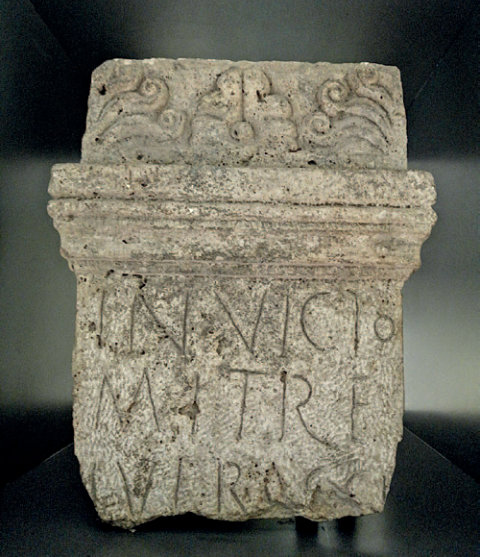
This Mithraic altar of a certain Iulius Rasci or Racci was found in 1979 in a field in Borovo, Croatia, in the area of the Roman fort of Teutoburgium.
