Your search As Salhiyah gave 2397 results.

One of the first comprehensive historical reassessments of Mithraism in Roman Hispania, combining a revised catalogue of the archaeological and epigraphic evidence with analysis of its chronology, geographical distribution, and social composition.
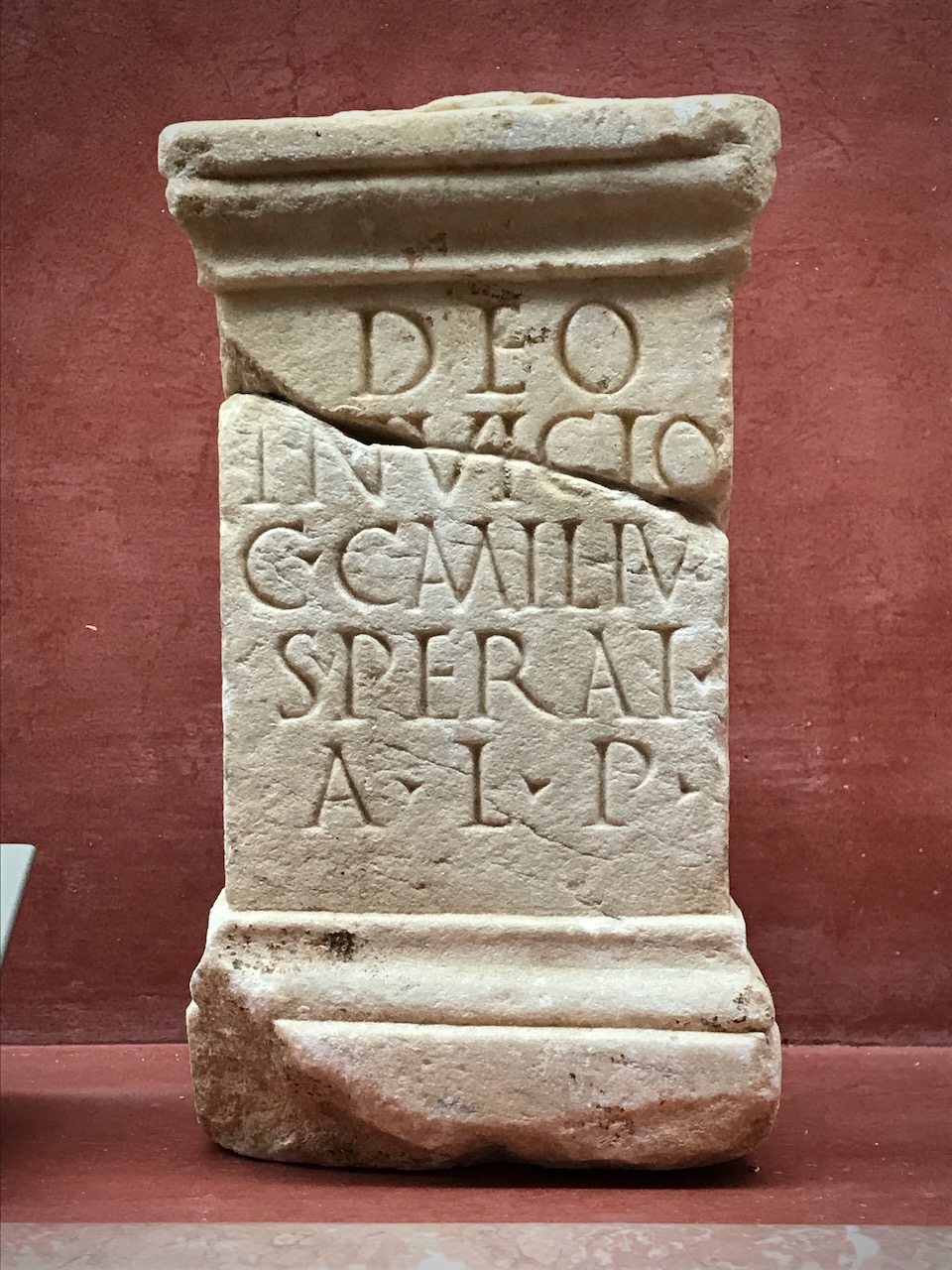
Small white marble altar made in honour of Mithras found at San Albín, Mérida.
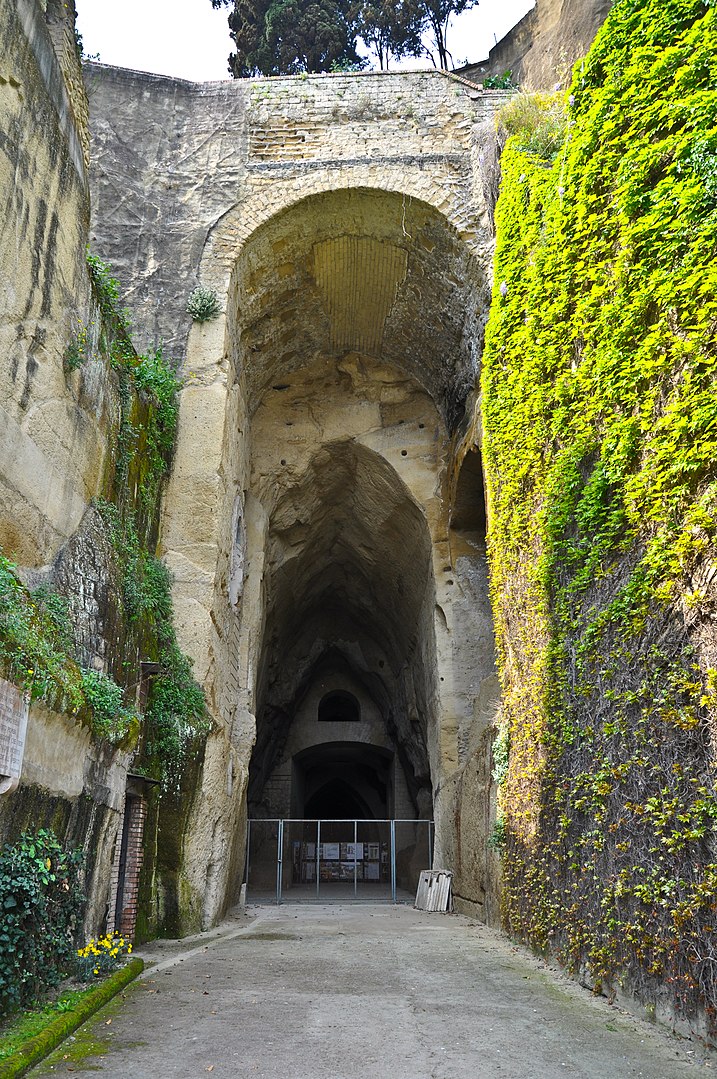
The Mitreo della crypta neapolitana was used a des legends about its use, from a cult place devoted to Priapus to celebrate Aphrodite.
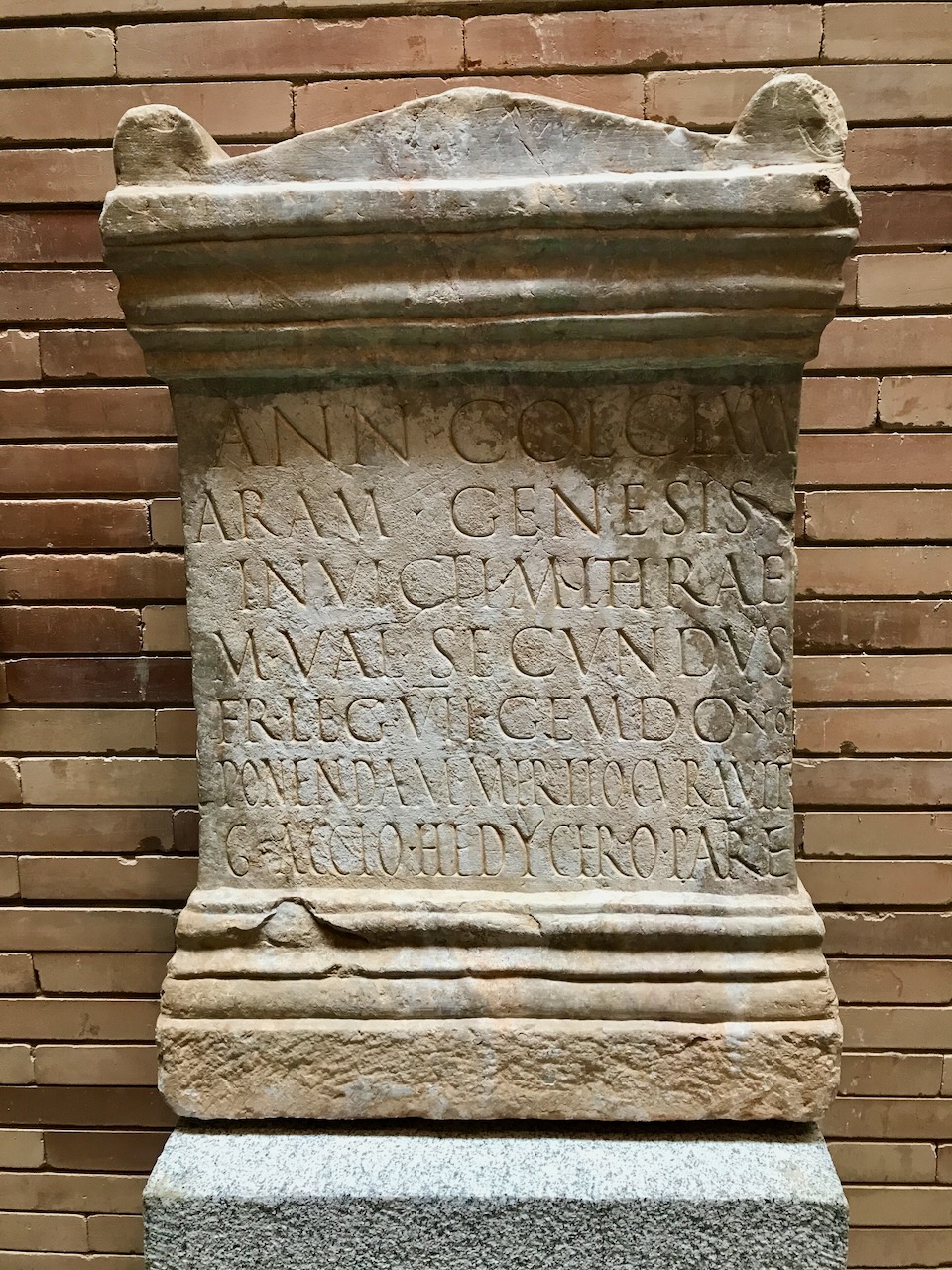
This altar is dedicated to the birth of Mithras by a frumentarius of the Legio VII Geminae.

This inscription found in the Mithraeum Aldobrandini informs us of certain restorations carried out in the temple during a second phase of development.
This marble monument was dedicated in Rome by the slave Fructus and his son Myro.
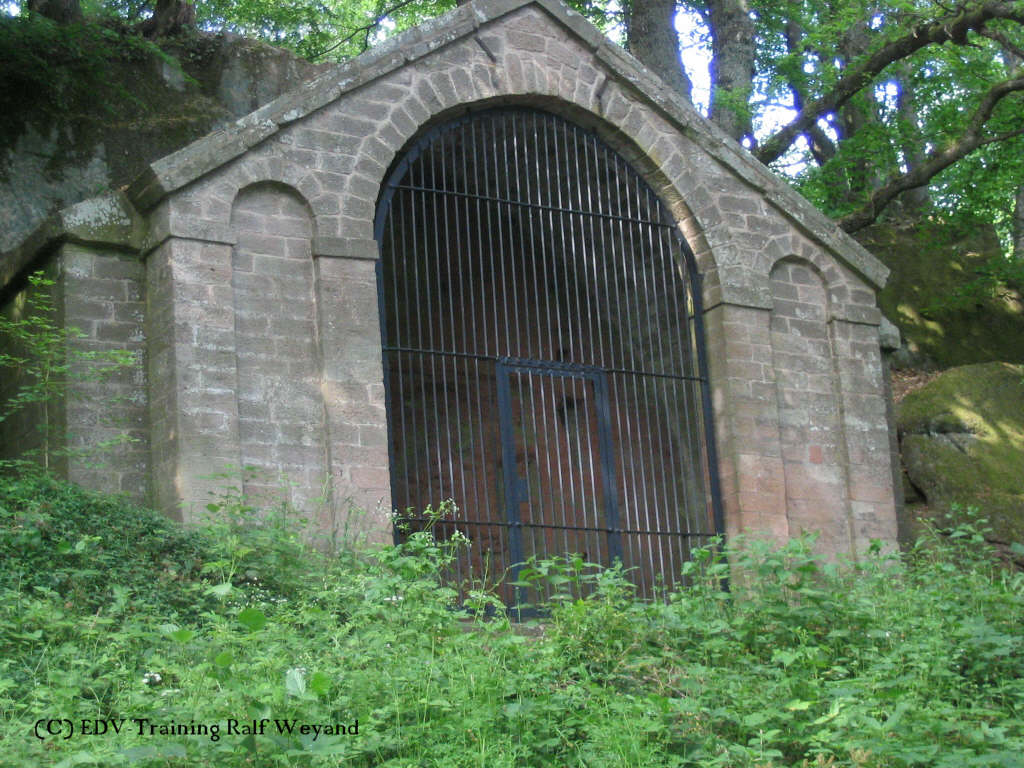
The Mithraeum of Schwarzerden, also know as Mithräum von Reichweiler, was carved on the rock.

Coin of Istrus, Moesia Inferior, showing Caracalla on one side and a god on horseback (Mithras ?) on the other.

This altar, dedicated to Sol Invictus Mithras by a certain Eutyches for the health of the Emperor Caracalla, was found in Sisak, Croatia, in 1899.
This monument bears an inscription to Mithras by a well-known general of the Roman Empire.

This marble sculpture from Sicily, known as the Randazzo Vecchio or Rannazzu Vecchiu, contains some essential elements of the Mithraic Aion, the lion-headed god.

This fine Roman marble slab of the killing bull of Mithras belongs to a private owner, most recently from Los Angeles, USA.
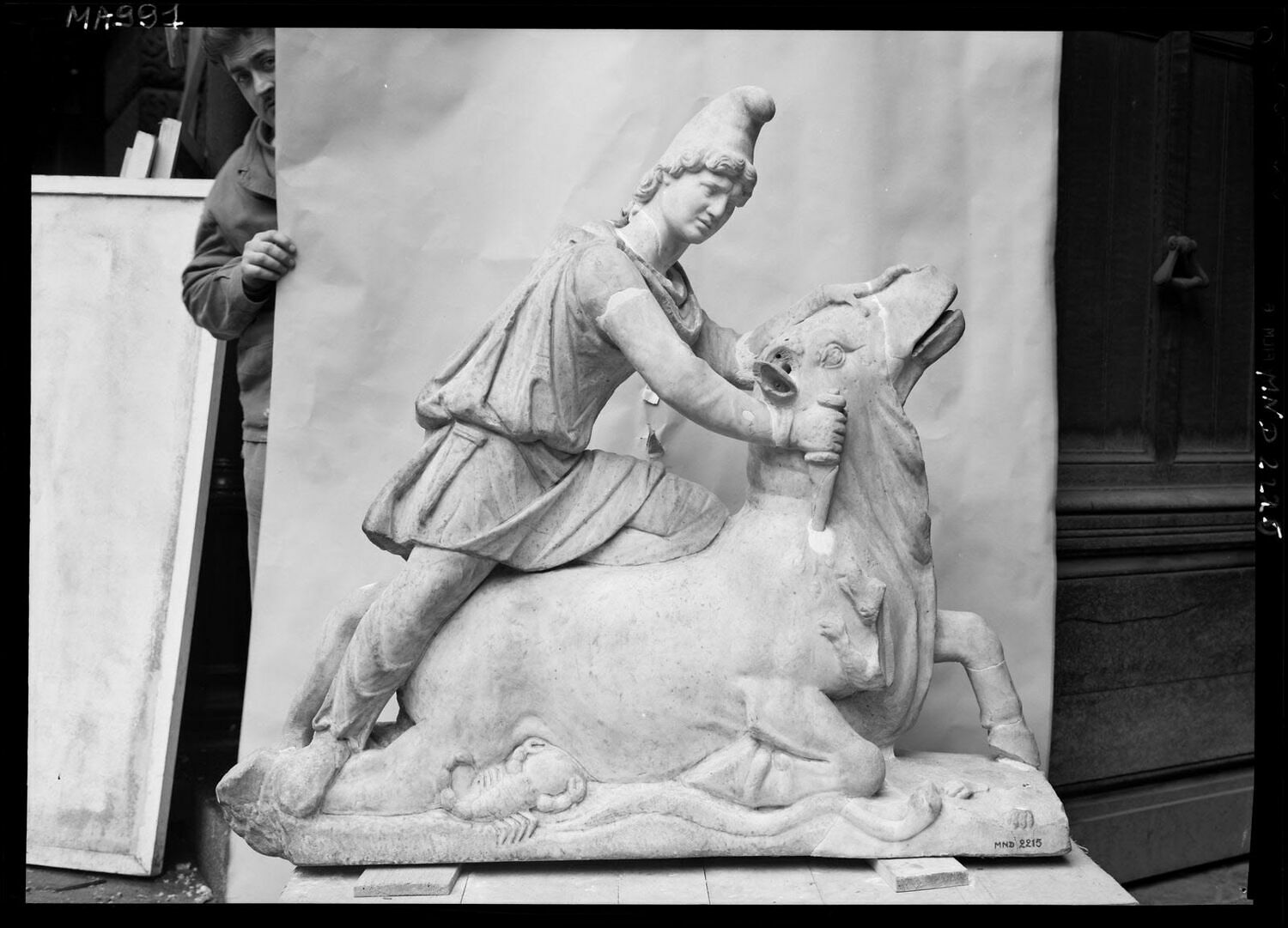
This sculpture of Mithras killing the bull, which belongs to the Louvre Museum, is currently on display in Varsovia.
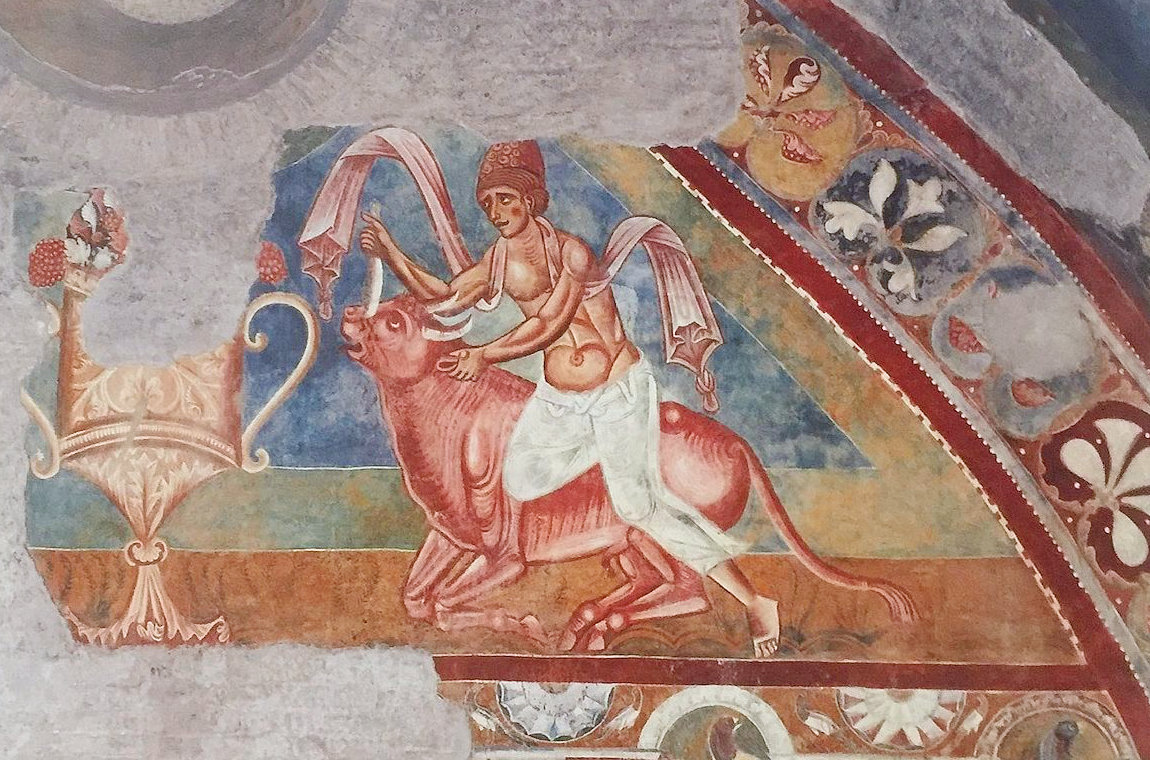
New tag to find all the post-classical monuments on a single page: https://www.mithraeum.eu/quaere.php?tag=postclassical
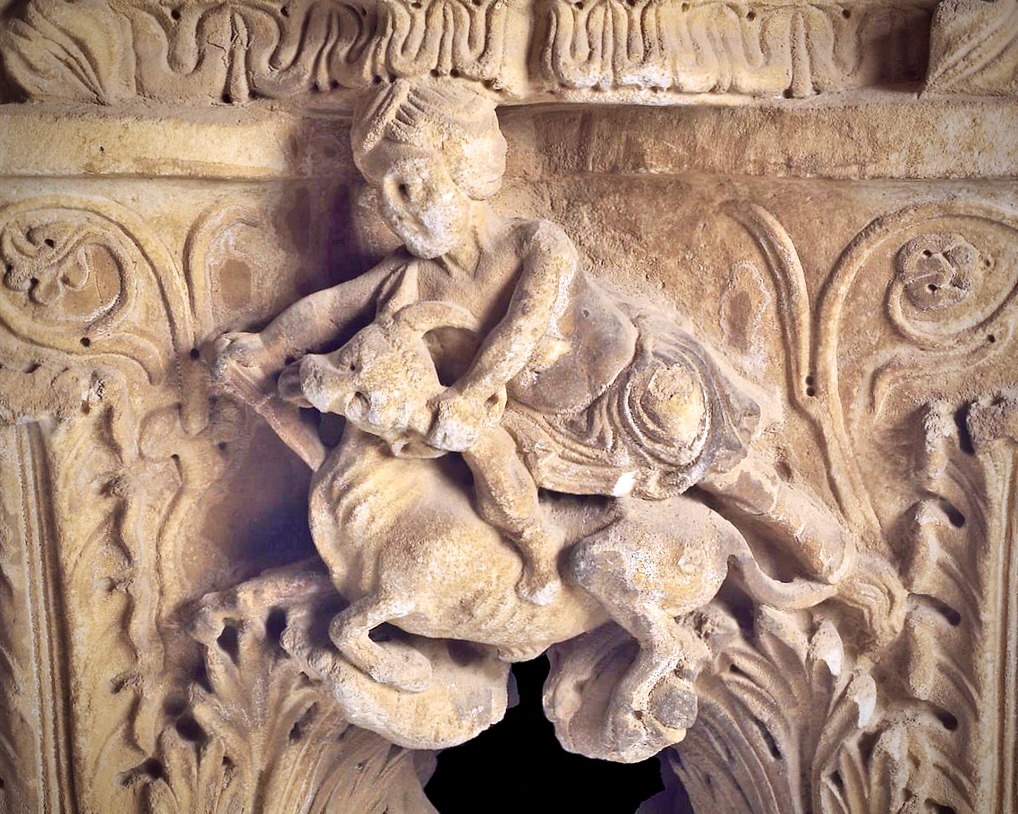
On one of the capitals of the cathedral of Santa Maria Nuova in Monreale, Sicily, an unusual turbaned bull-slaying Mithras has been recorded.

In the picture I am sitting on the wall next to the one where the sculpture of Mithras was found in Cabra, Spain.

A second Mithraeum was found in Cologne described by R. L. Grodon as of ’small importance’.
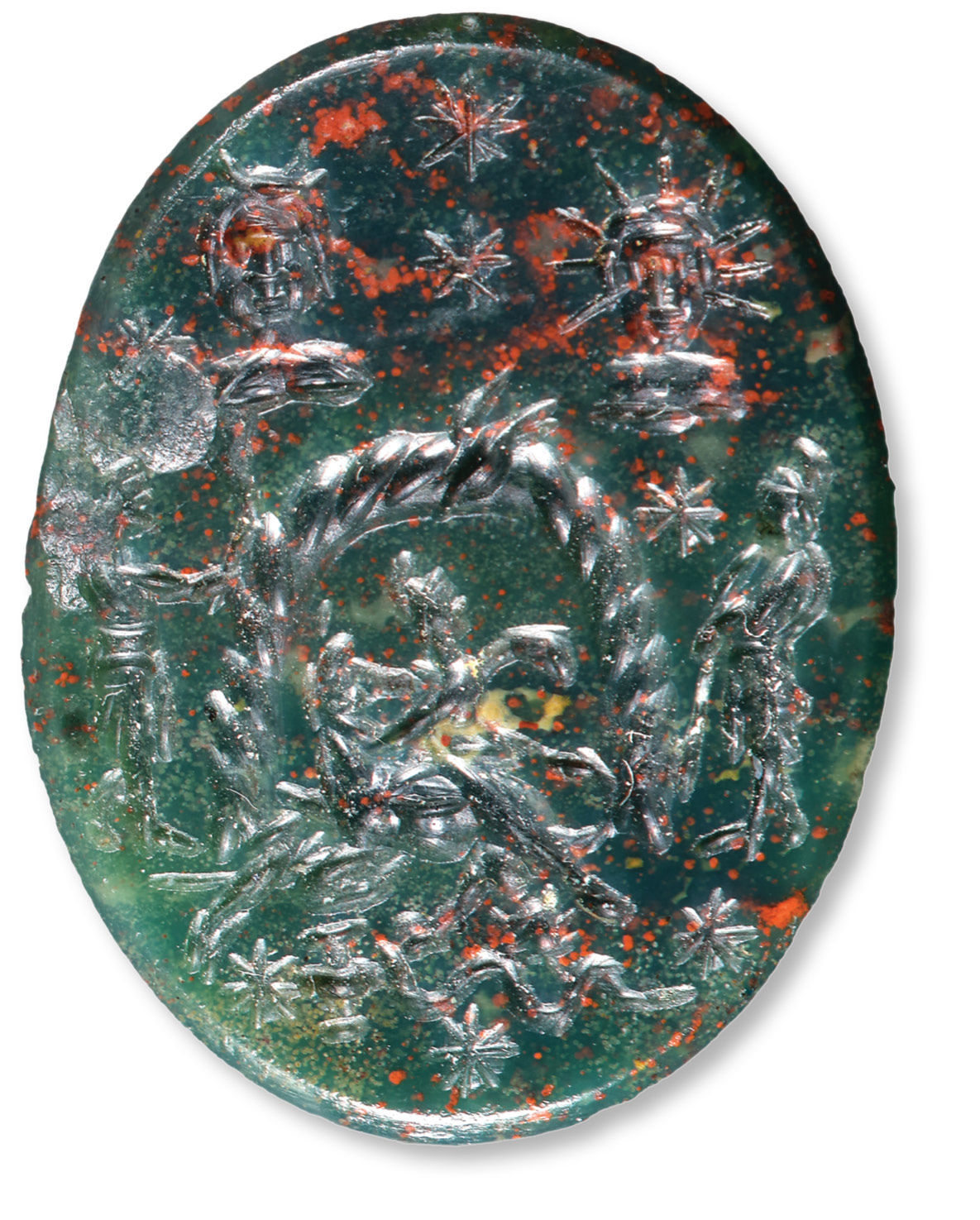
This heliotrope gem, depicting Mithras slaying the bull, dates from the 2nd-3rd century, but was reused as an amulet in the 13th century.
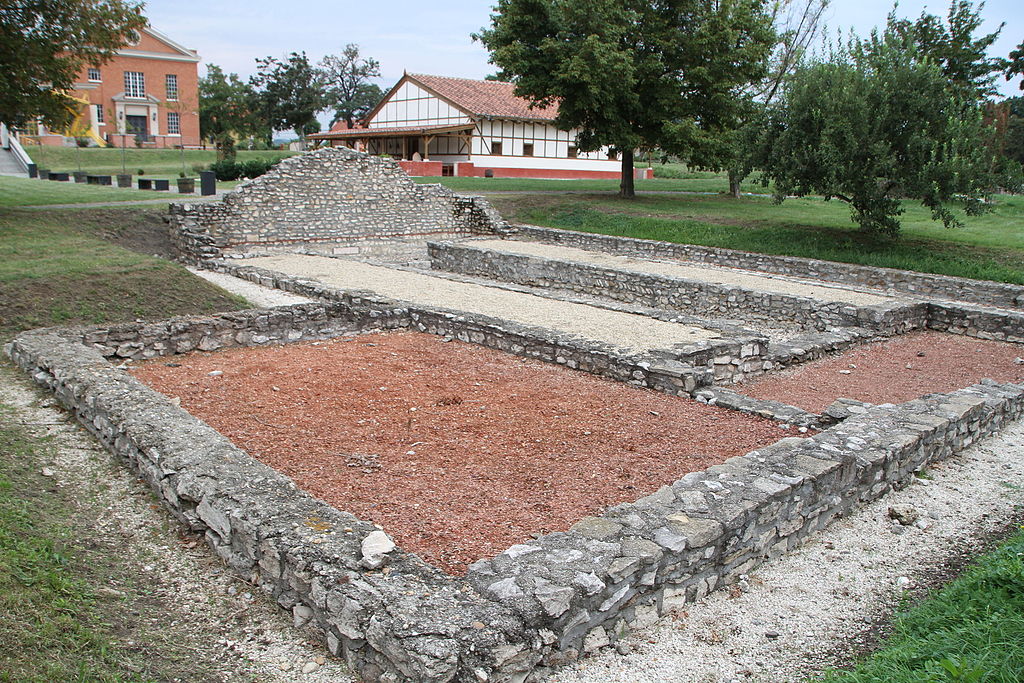
The Mithraeum of Symphorus and Marcus, in Óbuda, Budapest, has been restored to public view in 2004 and, while well presented, it has been heavily restored.

Preamble and notes published by G. R. S. Mead in his series Echoes from the Gnosis 1907, London and Benares. Translation of the manuscript by Dieterich Eine Mithrasliturgie 1903, Leipzig.
