Your search As Salhiyah gave 2397 results.
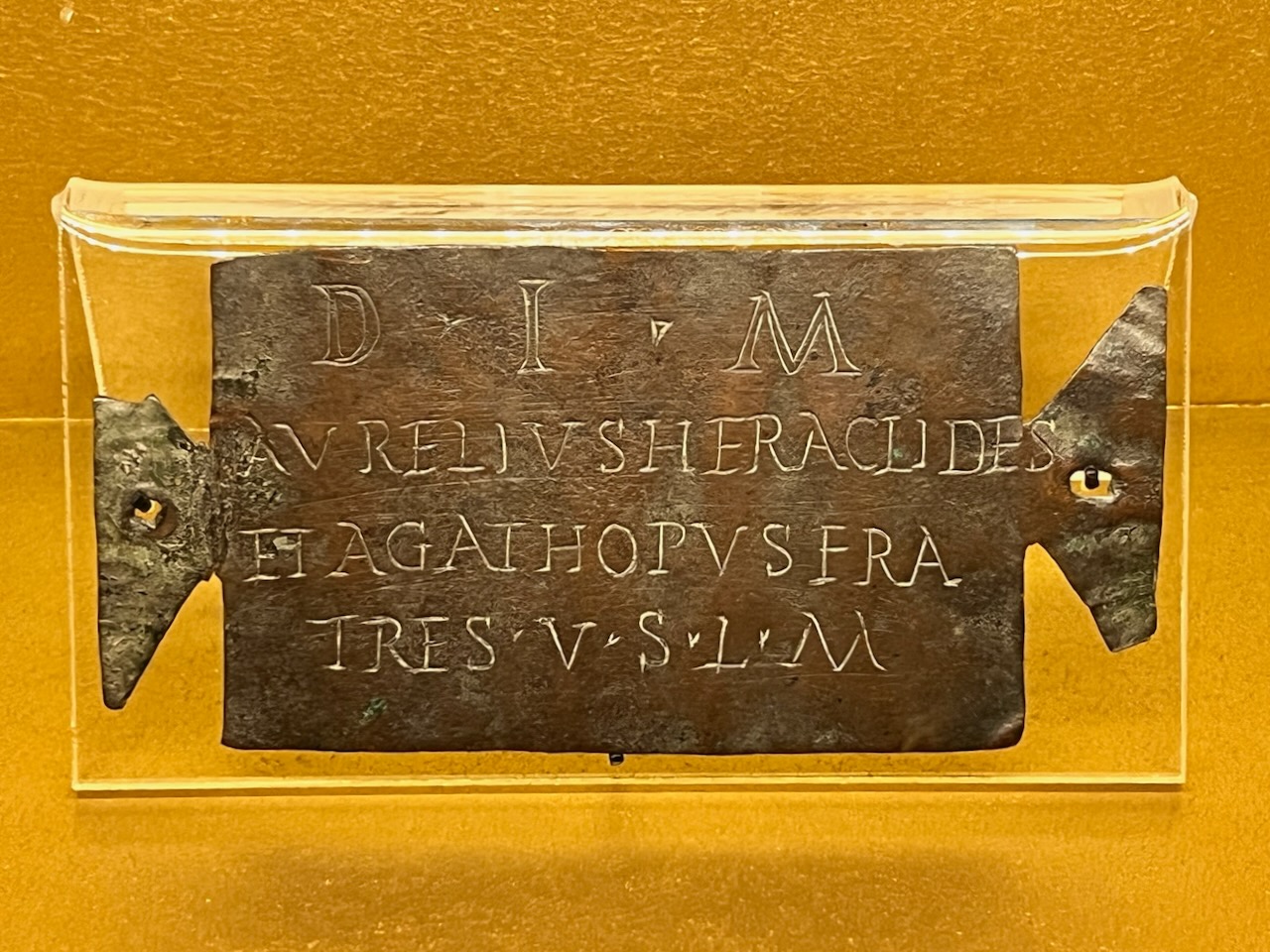
This small bronze tabula ansata was dedicated to Mithras by two brothers, probably not related by blood.
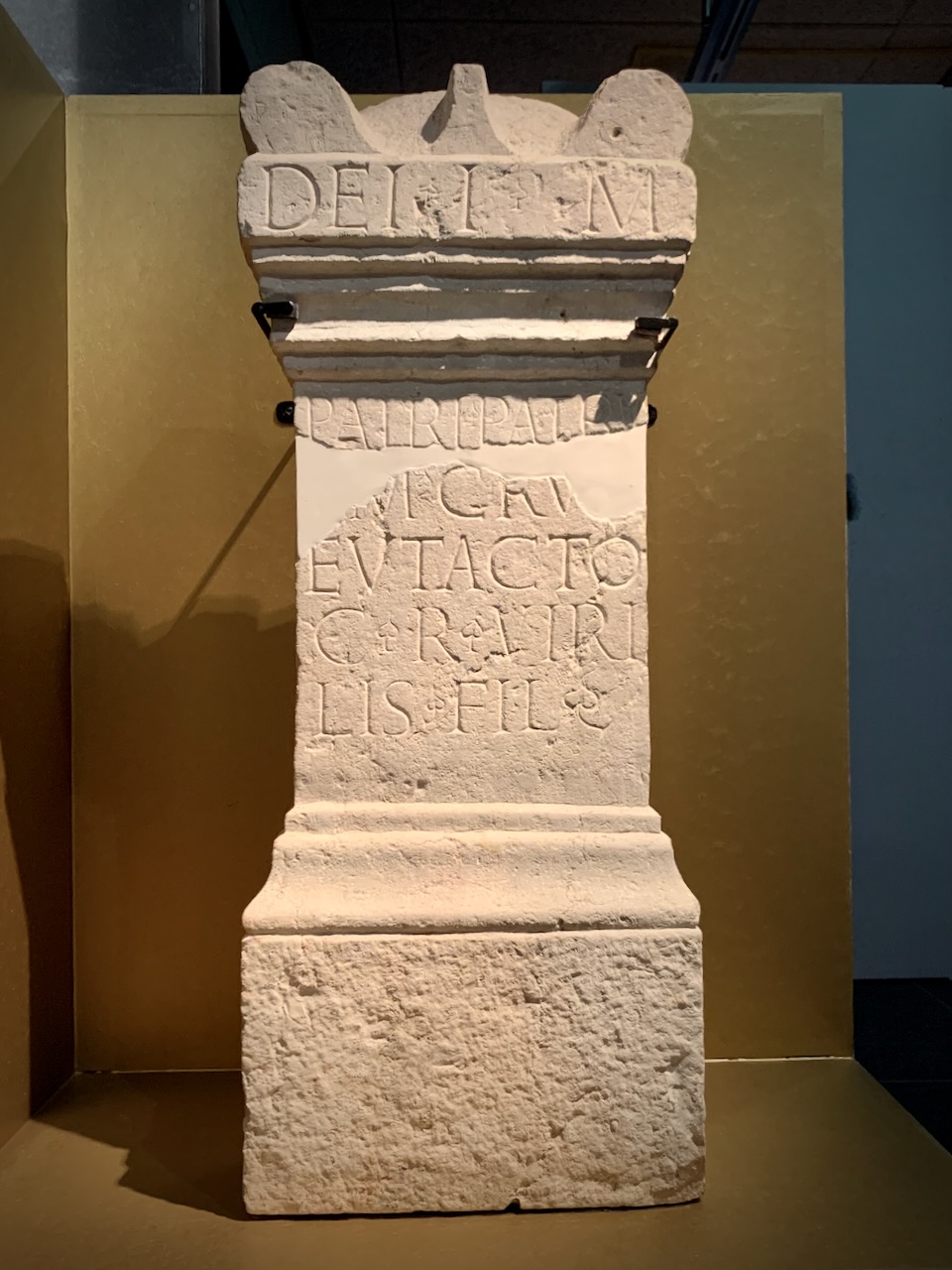
This altar was dedicated by a son to his father, one of the few Patres Patrum recorded in the western provinces.

The dedicator of this altar was a slave in the service of a high official, the prefect Gaius Antonius Rufus, known from other inscriptions.

Seminario de Investigación Cultos orientales e Iconografía Máster en Arqueología del Mediterráneo en la Antigüedad Clásica.

This altar, now lost, mentions that the Pater Patrum passed on the attributes of the sacred Corax to his son.
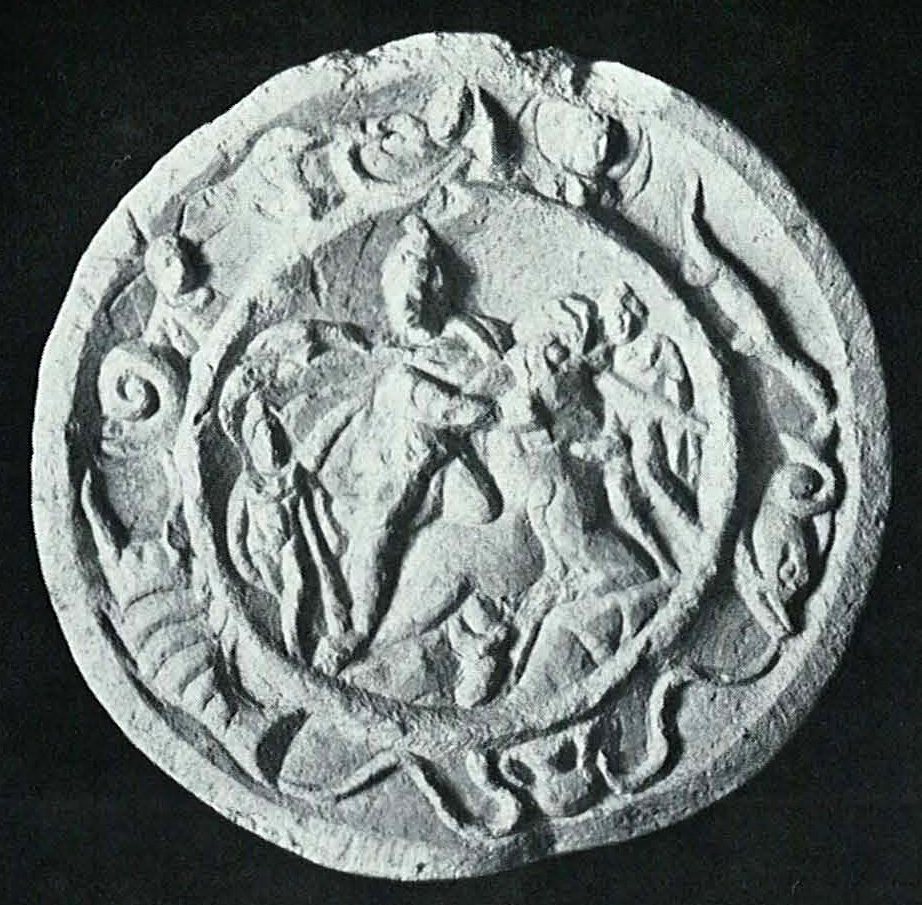
The round relief of Mithras killing the bull of Split is surrounded by a circle with Sun, Moon, Saturn and some unusual animals.
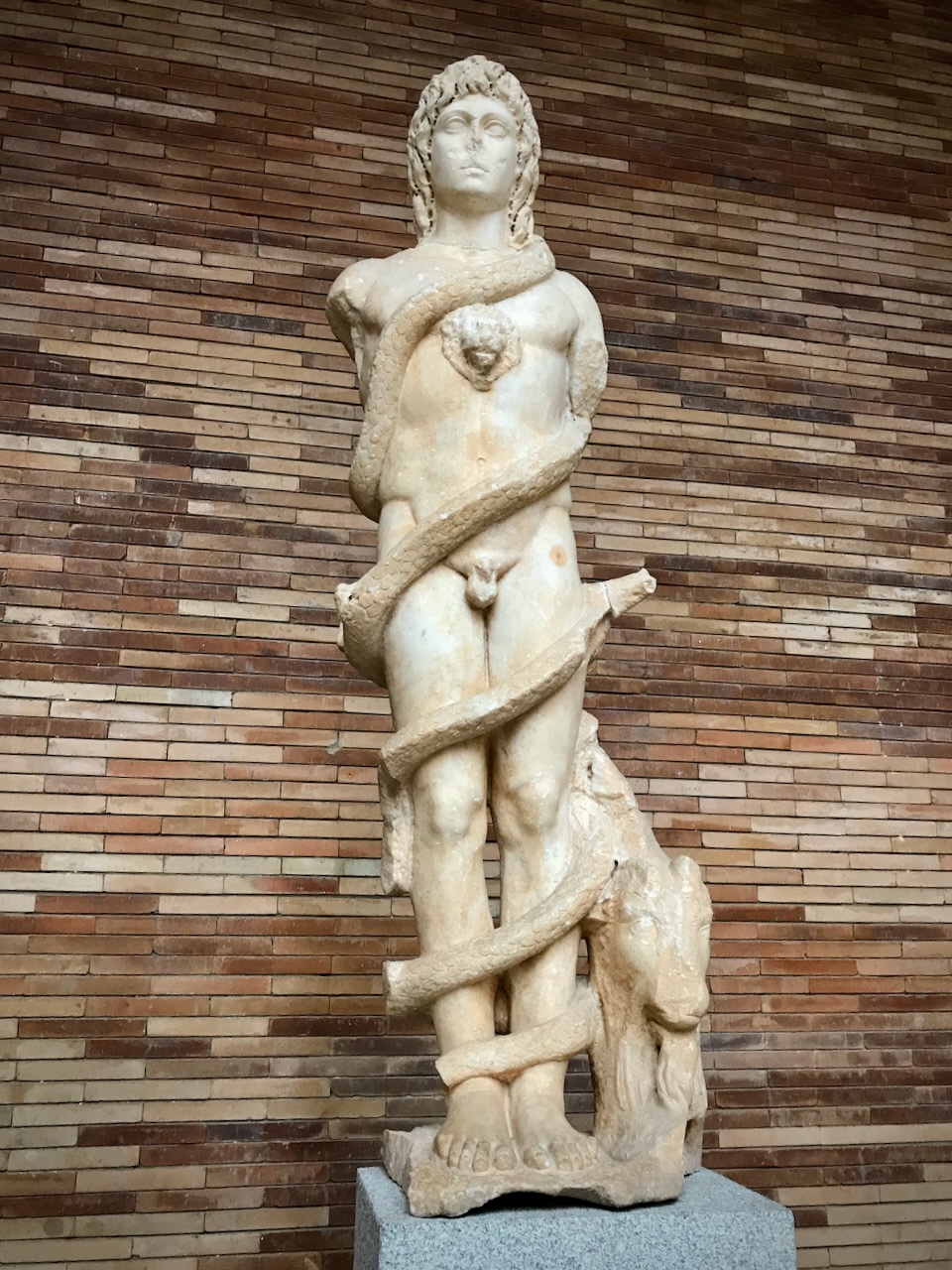
The Aion-Chronos of Mérida was found near the bullring of the current city, once capital of the Roman province Hispania Ulterior.
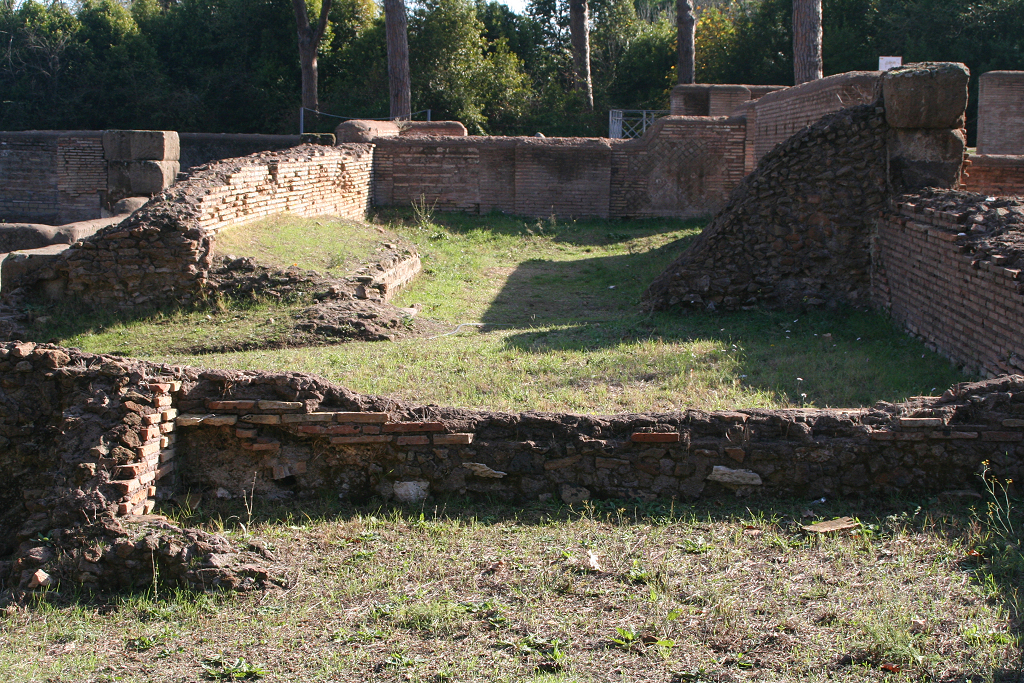
The Mithraeum near Porta Romana was connected to a Sacello, but the door was blocked.
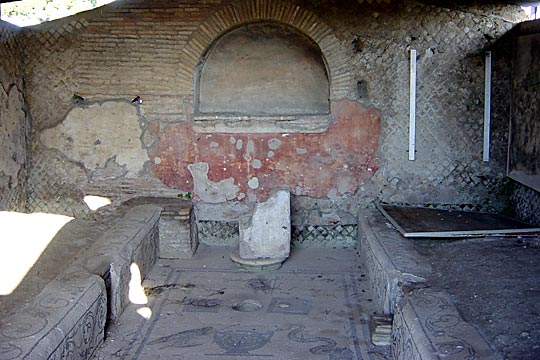
The name of the Mithraeum of the Seven Gates refers to the doors depicted in the mosaic that decorates the floor, symbolising the seven planets through which the souls of the initiates have to pass.
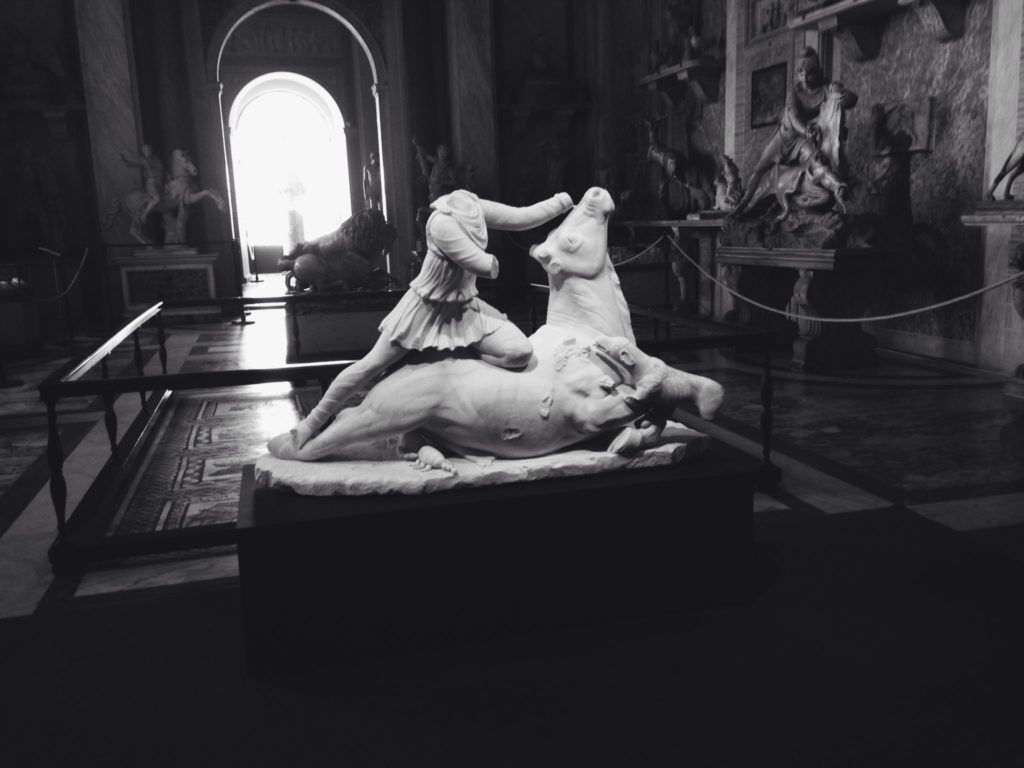
Votive sculpture of Mithras sacrificing the bull from the Mithraeum of Tarquinia.

The Mithras temple of Prilep is in a small grotto under the castle of Markovi-Kuli.
A possible Mithraeum II was found in Bingen, but the few remains are not sufficient to prove it.
The Mithraeum of Slaveni was discovered in 1837 on the right bank of the river Olt, in Romanati district.
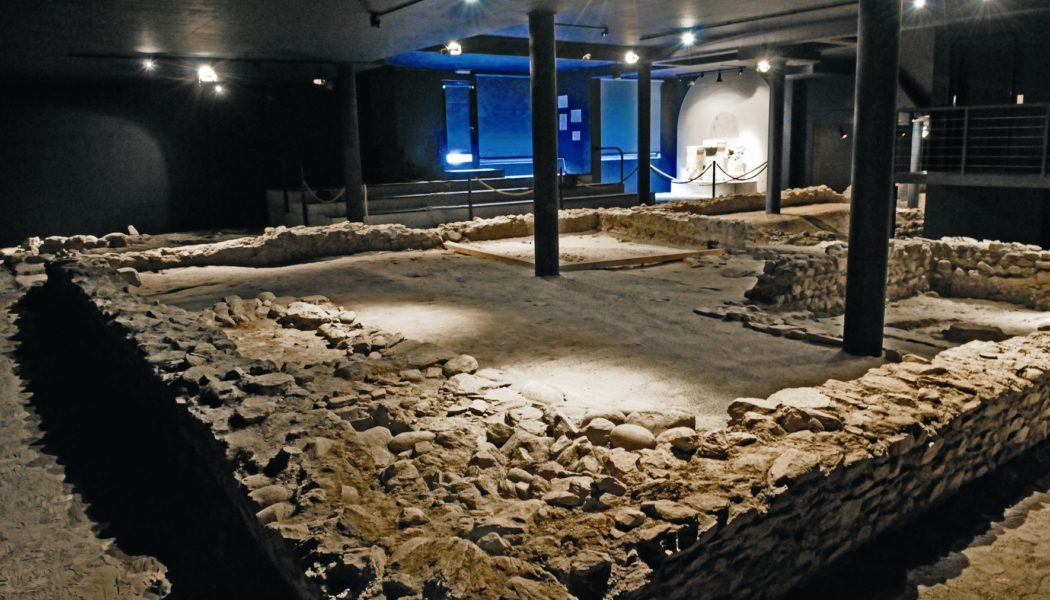
The Mithraeum of Martigny is the first temple devoted to Mithras found in Switzerland.
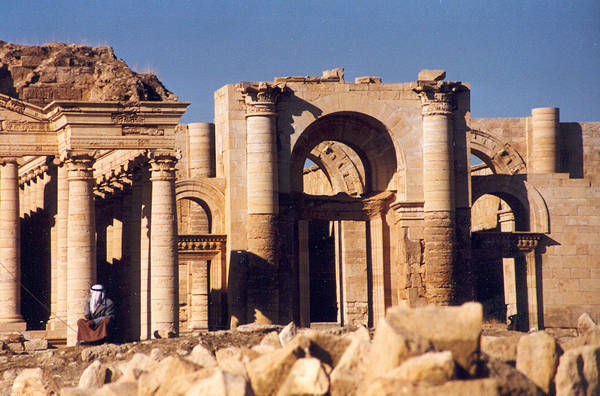
The city of Hatra was famed for its fusion of several civilization cults, which several temples devoted to gods from all Indo-European world.
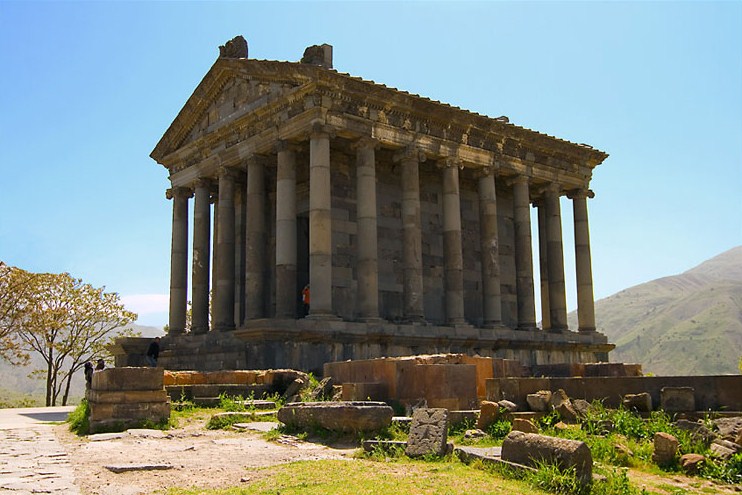
After Christianity was adopted, most pagan monuments were destroyed or abandoned. Garni, however, was preserved at the request of the sister of King Tiridates II and used as a summer residence for Armenian royalty.
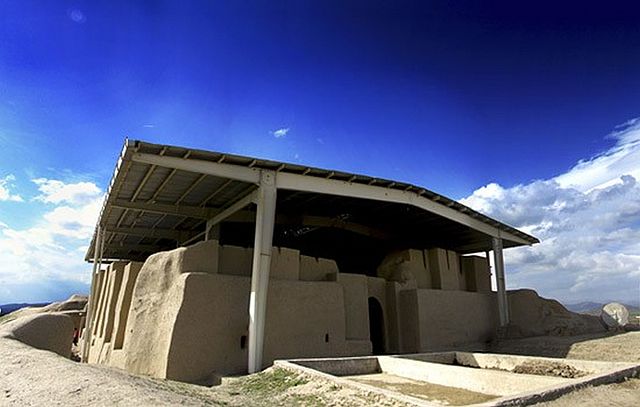
The Nushijan Mithraeum testifies to the worship of Mithra in the region since before the Zoroastrian reform.
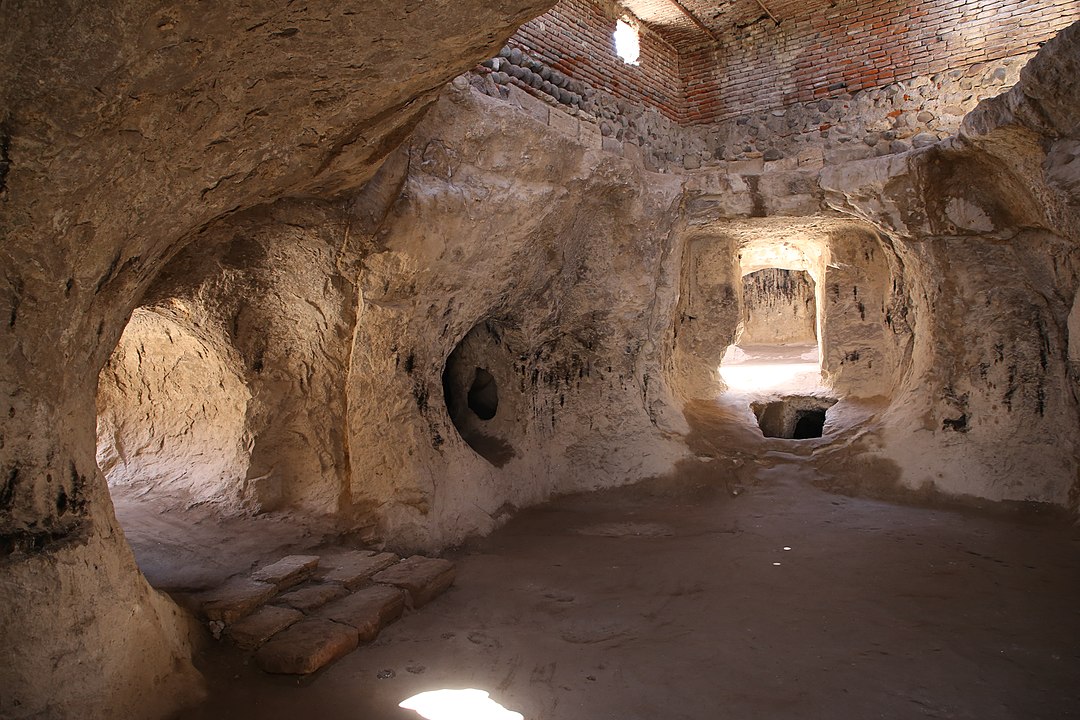
The Mithra Temple of Maragheh, also referred to as the Mithra Temple of Verjuy or simply Mehr Temple, is the oldest surviving Mithraic temple in Iran known to date.
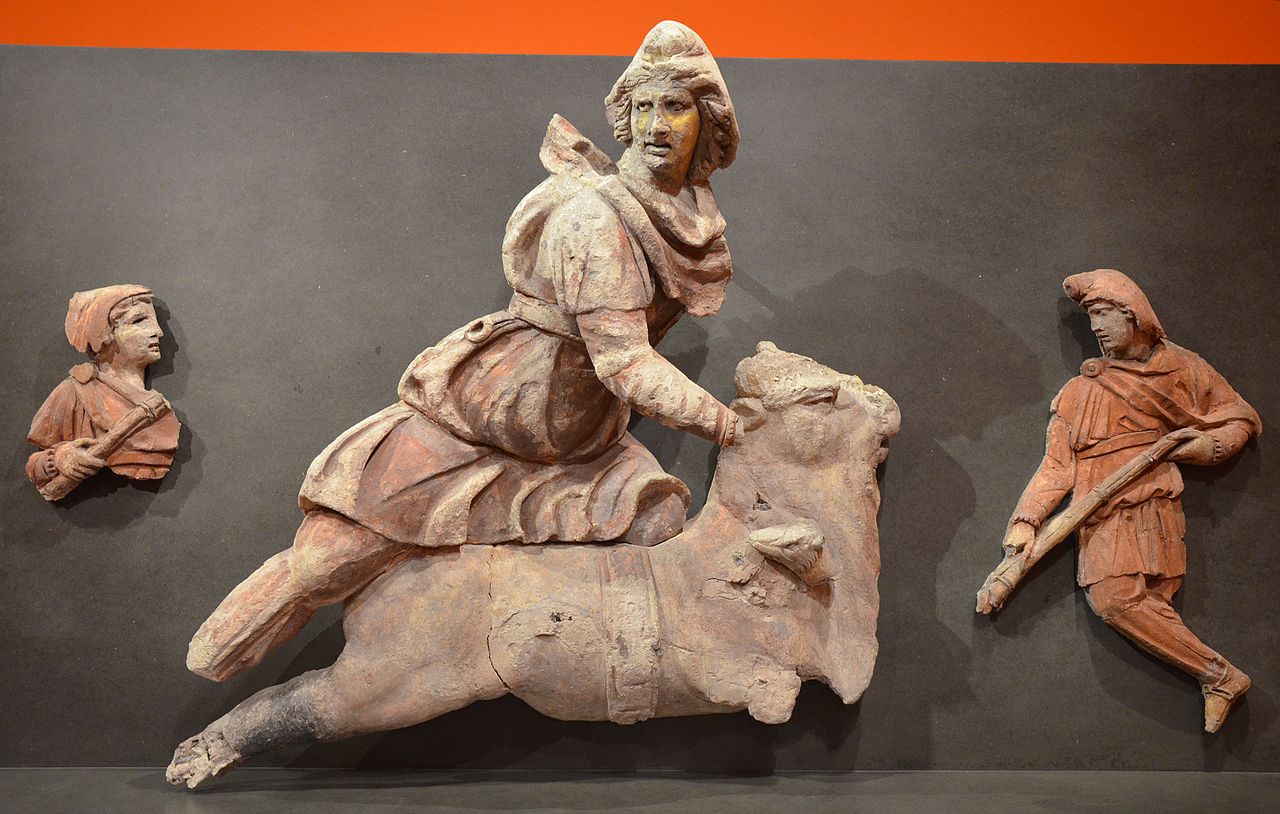
This relief was found under the Palazzo Montecitorio, in Rome, and bought by the Liebighaus at Frankfort.
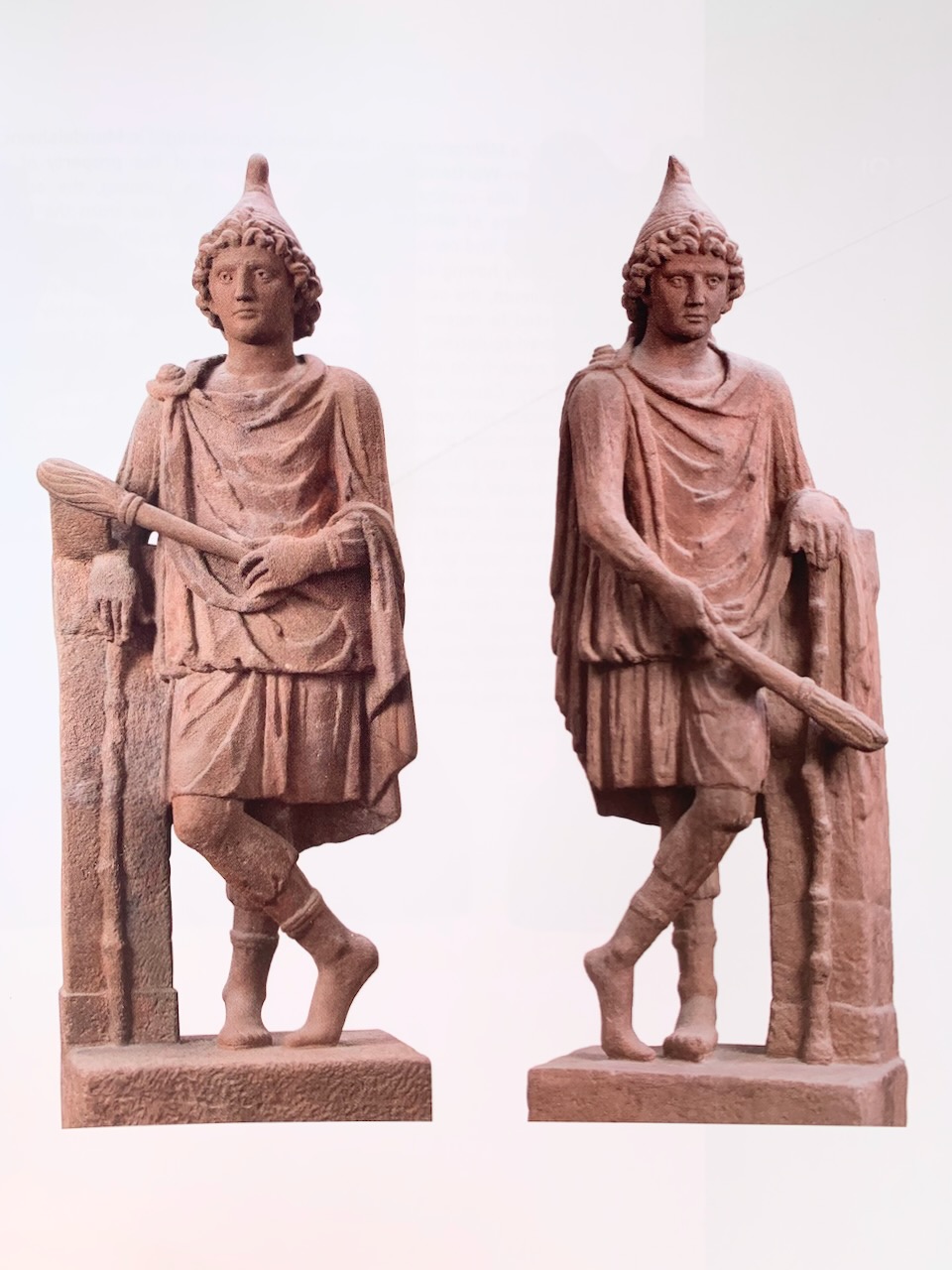
The two companions of Mithras carry a torch and a shepherd's staff at the third Mithraeum in Frankfurt-Heddernheim, formerly Nida.
