Your search As Salhiyah gave 2397 results.
.jpeg)
Except for the serpent, the sculpture of the taurcotony found on the Esquiline Hill lacks the usual animals that accompany Mithras in sacrifice.
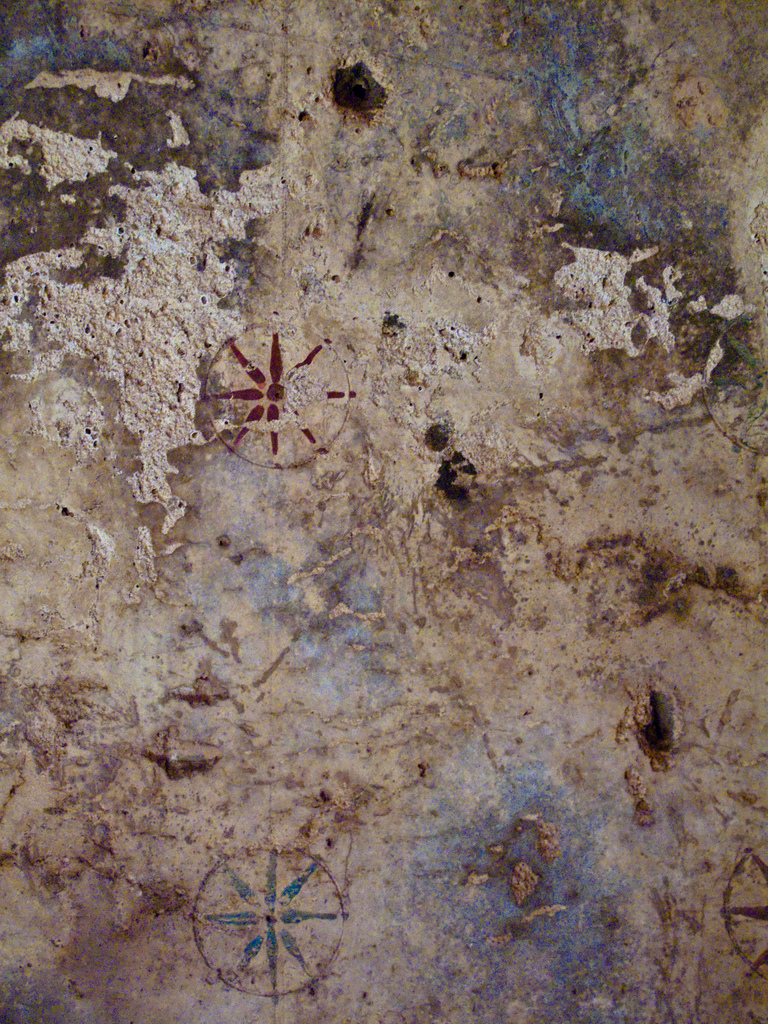
The vault of the Mithraeum in S. Capua Vetere is decorated with stars that have holes in their centers, which once held colorful glass decorations.
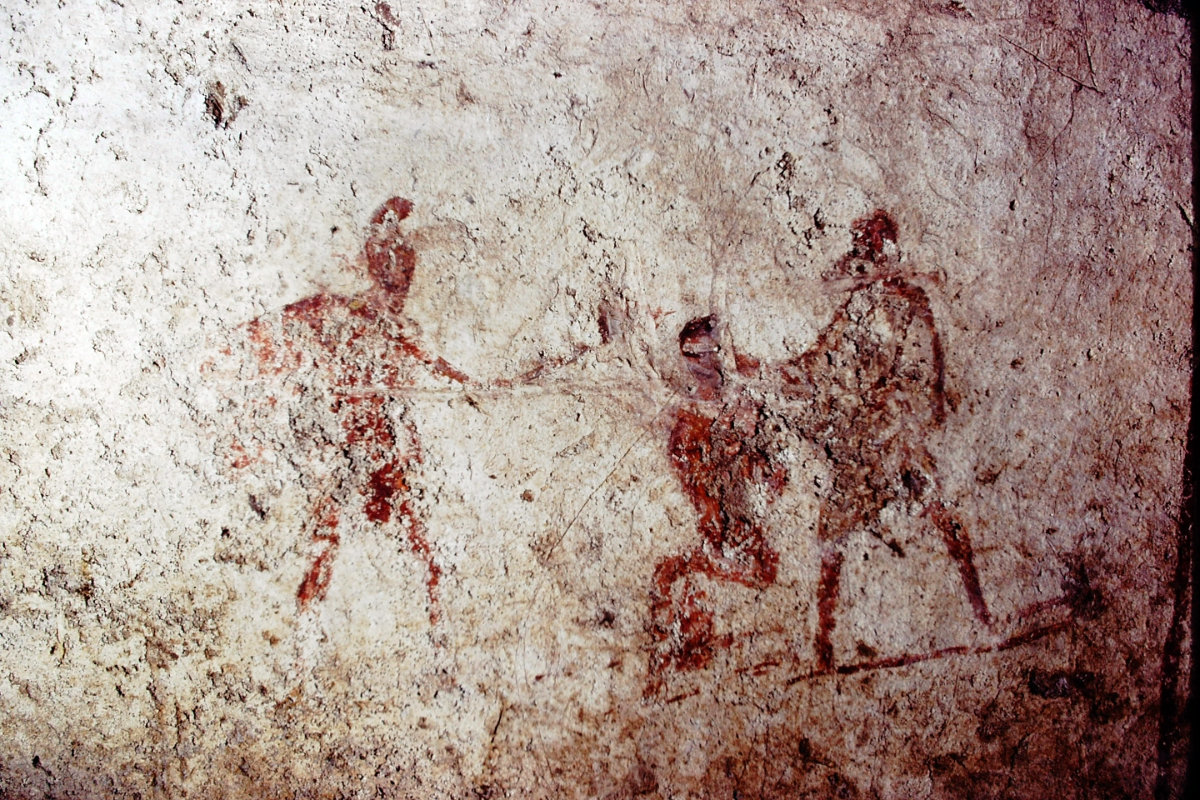
Fresco showing a scene of initiation into the mysteries of Mithras in the Mithraeum of Santa Maria Capua Vetere.
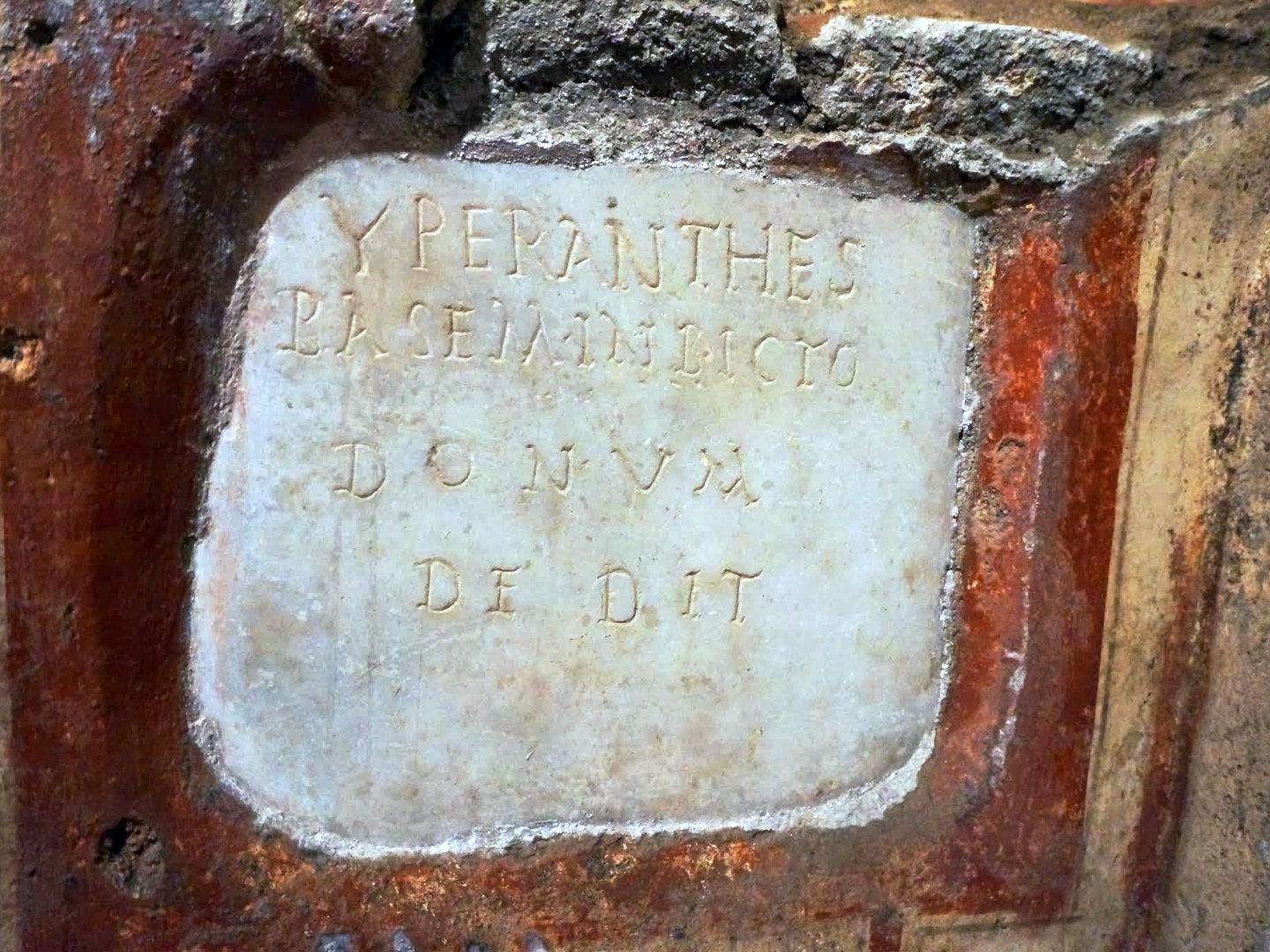
The inscription mentions the name of the donor, Yperanthes, of Persian origin.
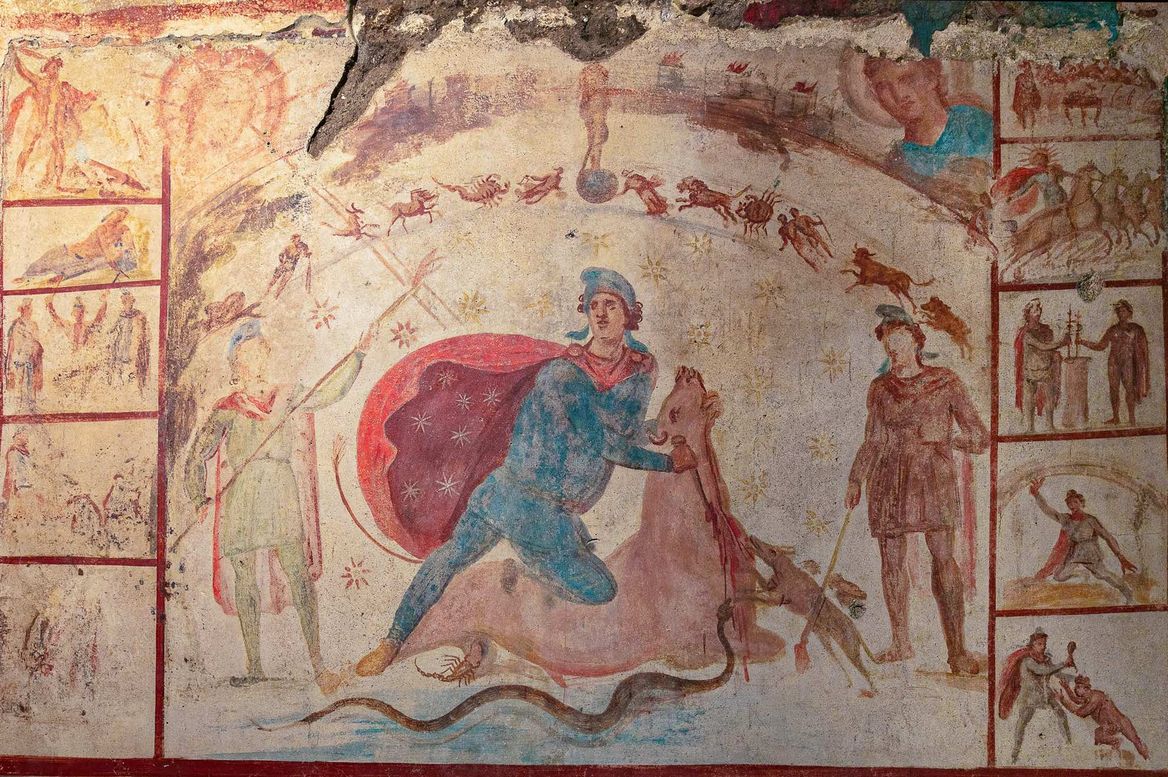
The votive fresco from the Mithraeum Barberini displays several scenes from Mithras’s myth.

Continuation of the frescoes depicting an initiation into the Mithras cult, where two attendants present a repast to Mithras and Sol.

An inscription by a certain Aurelius Rufinus reveals the existence of a Mithraeum on the island of Andros, but it has not yet been found.
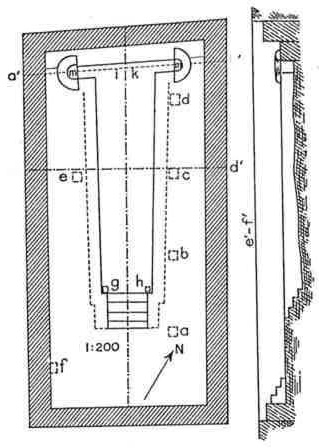
Mithraeum discovered in 1887–1888, located about 85 m north of the castellum at Ober-Florstadt, built on a hillside with a central aisle, benches, and an altar podium.
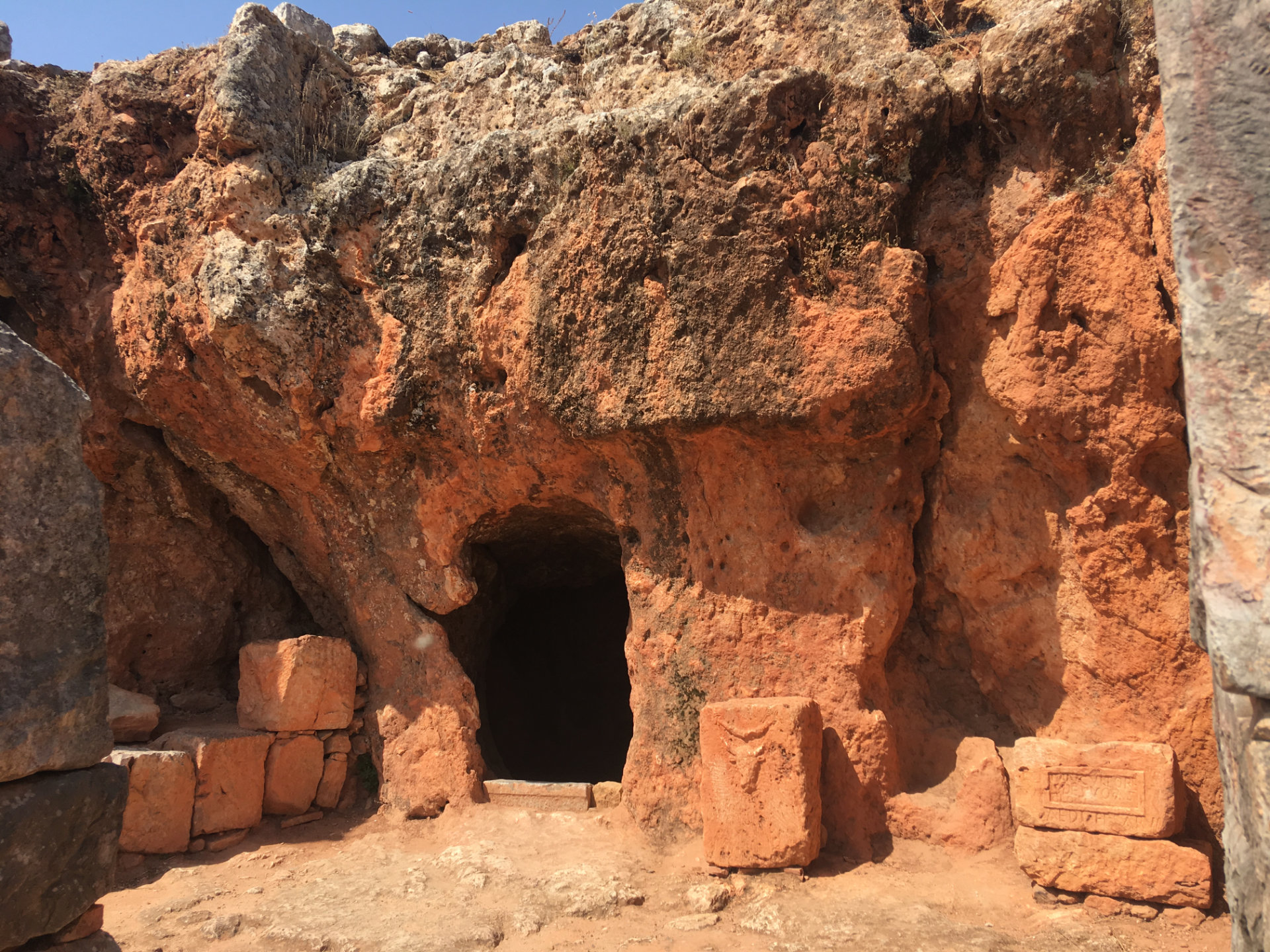
The Mithraeum was housed in a cave. The vault is almost dome-shaped and in front of the cave there is enough space for a possible adjacent temple.
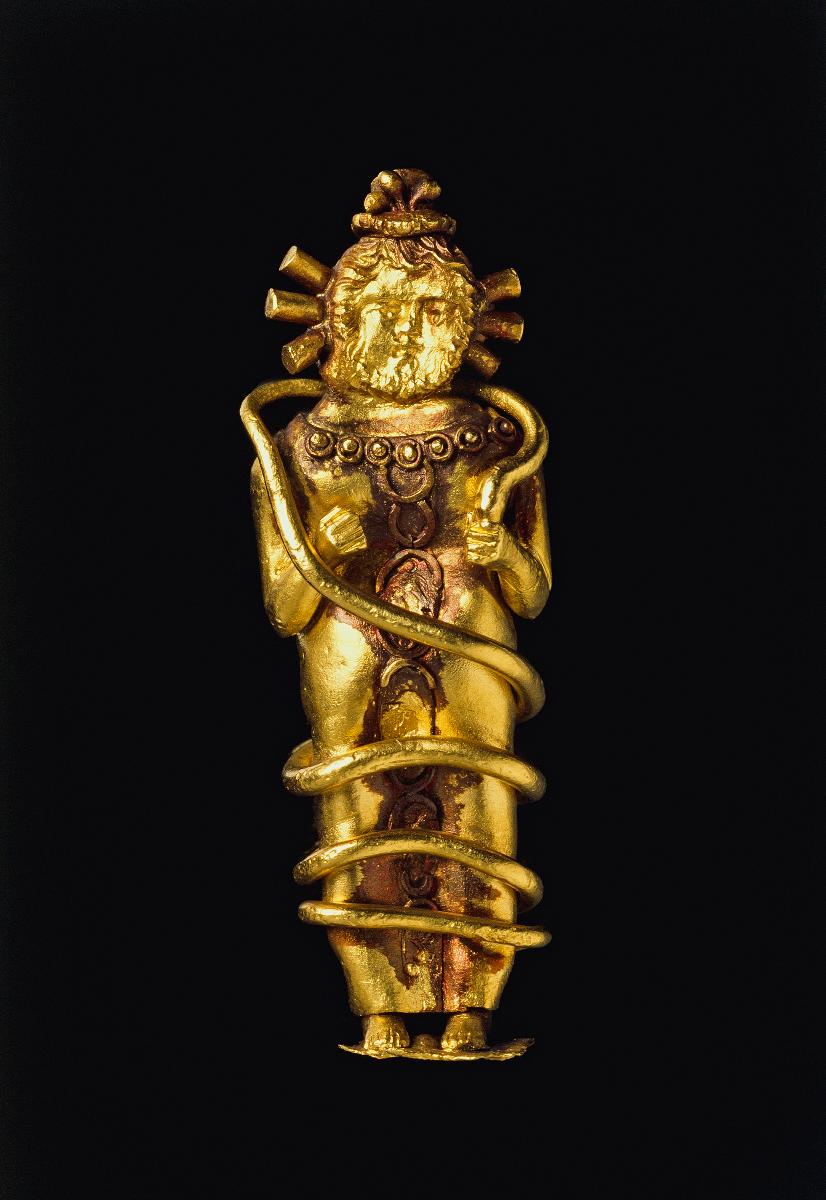
This small golden figurine seems to represent the Mithraic god Aion, as usual surrounded by a serpent.
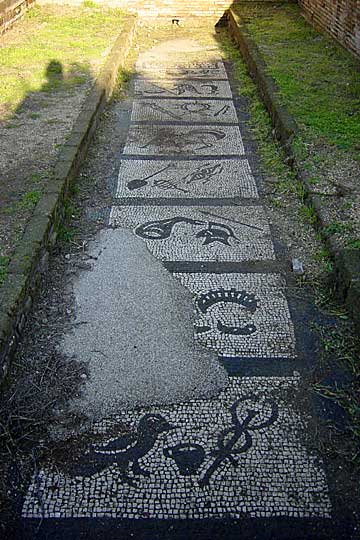
The Felicissimo Mithraeum has a floor mosaic depicting the seven mithraic grades.
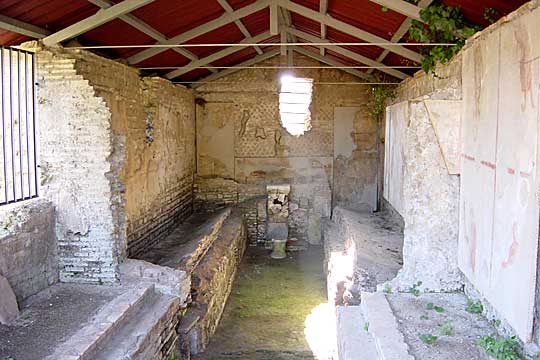
The House of the Mithraeum of the Painted Walls was built in the second half of the 2nd century BC (opus incertum) and modified during the Augustan period.
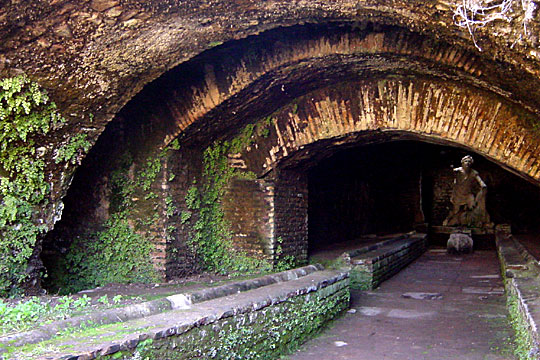
The Mithraeum of the terms of Mithras takes its name from being installed in the service area of the Baths of Mithras.
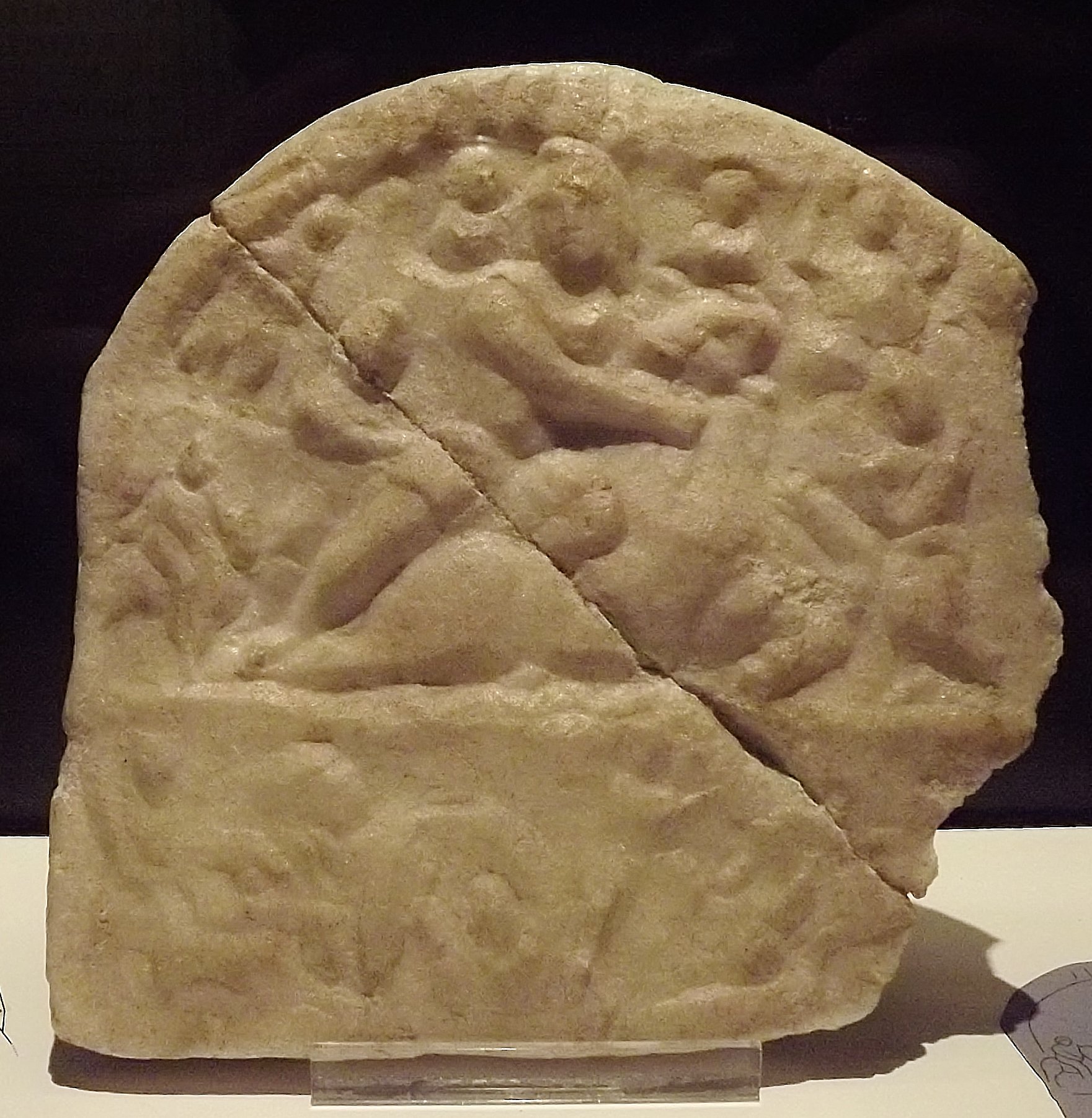
This small white marble relief of Mithras as a bullkiller was found in the Botanical Gardens of Vienna in 1950.

I live in Portland Oregon and spend my time designing and crafting masks, fabrics and regalia for ritual spaces and seasonal processions.

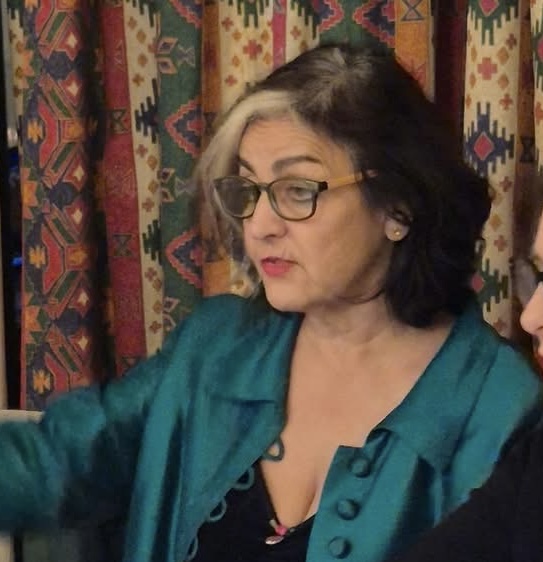
Lenni is the author of The Rites of Hekate and has written and been published extensively on Hekatean practice exploring the goddess’s many faces. She also writes and works with what she calls “dark botanicals”, cultivating two distinct moon gardens
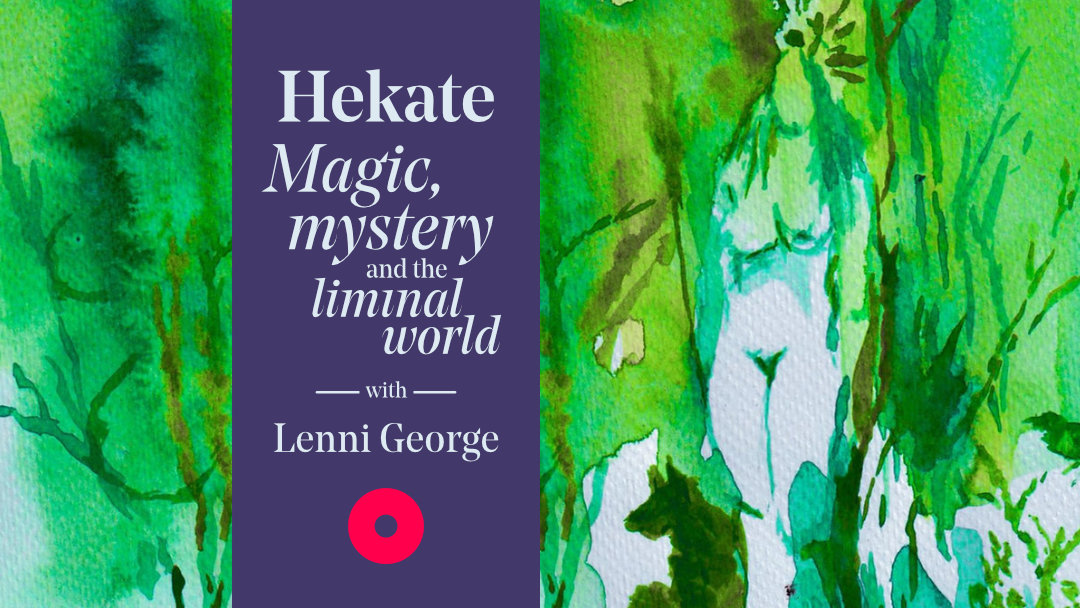
In this conversation with Lenni George, on the occasion of the release of her latest book ‘The Rites of Hekate: From the Dirt to the Divine,’ we explore that shifting presence: a goddess of thresholds, of illumination and obscurity, of descent and return…
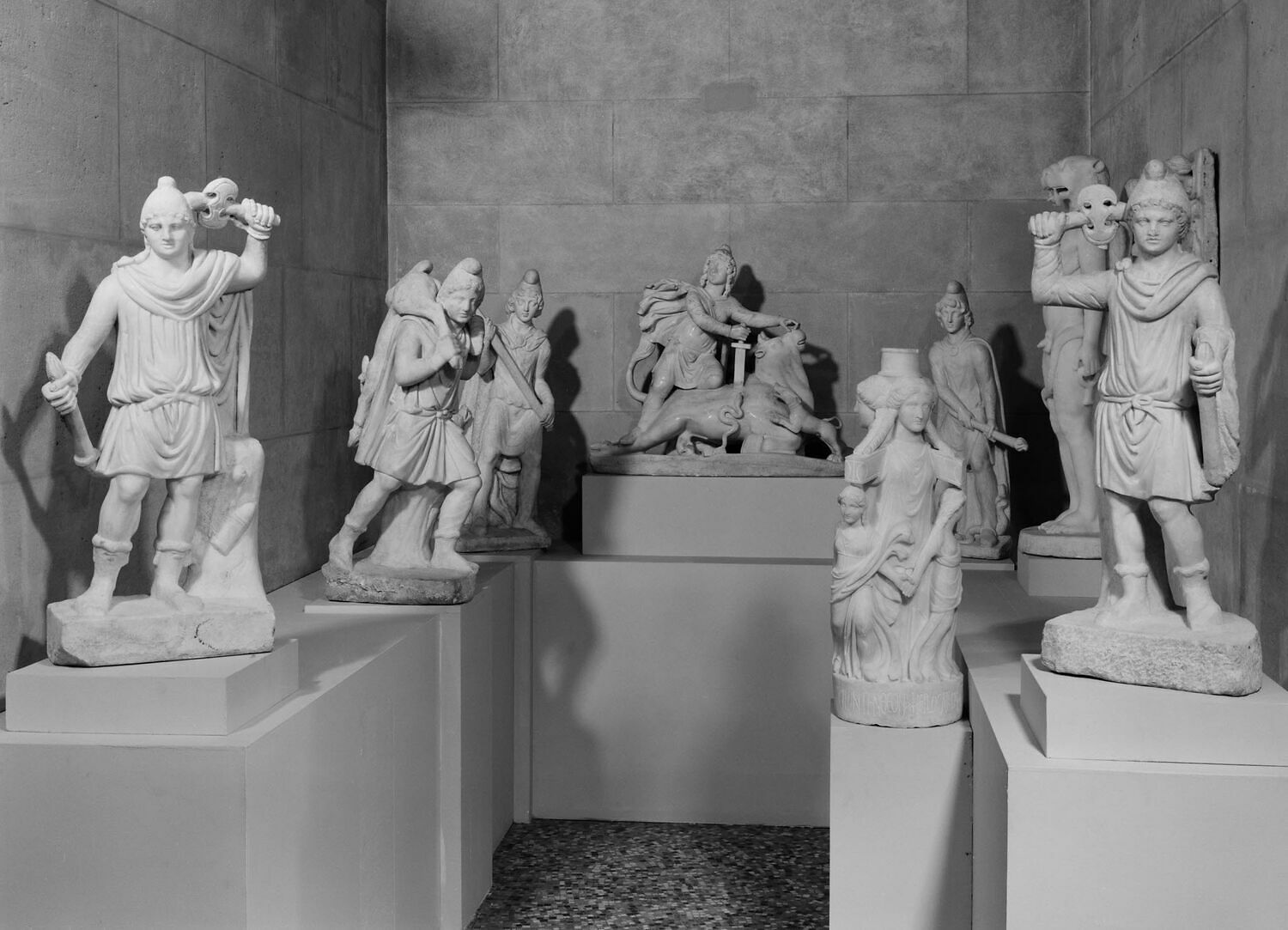
The Mithraeum of Sidon may have escaped destruction because the Mithras worshippers walled up the entrance to the underground sanctuary.
