Your search Ay-Todor gave 1062 results.
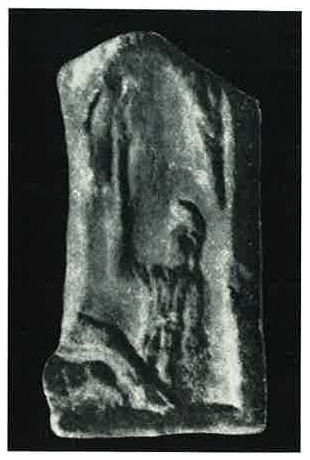
The site of Ay-Todor in Crimea revealed a Roman camp, a temple with votive offerings, and a Mithraeum.

Roman military and religious settlement in Chersonesus Taurica occupied between the 1st and 4th centuries CE, associated with the castellum of Characis.

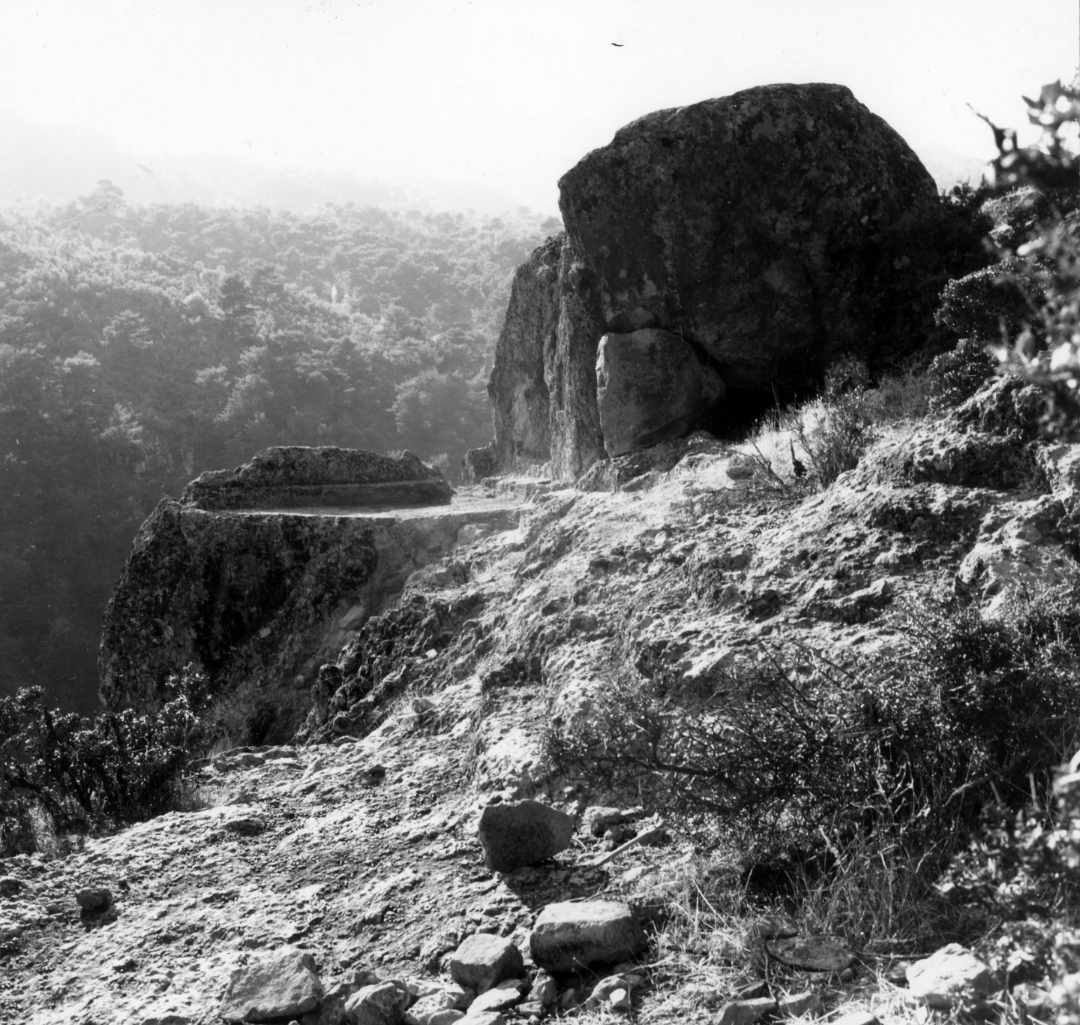
Mithras became the main deity worshipped in the sanctuary of Meter in Kapikaya, Turkey, in Roman times, at least until the fourth century.
This collective volume explores the ways ancient peoples interacted with divine powers through prayer, magic, and the interpretation of the stars. Drawing on evidence from Mesopotamia to Late Antiquity, it situates these practices within broader religious and cosmological systems…

George Ryley Scott explores the significant role that male sexual organs, practices, and rites have played in various traditions throughout history and into the present day.

Terracotta relief showing Victoria slaying a bull from the S. Prisca Mithraeum; a similar relief was found in 1953 and probably does not belong to the original Mithraic inventory.
Under-layer wall-paintings in the S. Prisca Mithraeum on the Aventine showing a further procession of Mithraic initiates in different colours, with partially legible dipinti including liturgical verses and acclamations.
Very small relief showing Mithras slaying the bull, with some figures preserved on the broken lower border, from the Aventine sanctuary in Rome.
Fragment of a large dolium from the Palazzo dei Musei Mithraeum, decorated with two small columns supporting a facade and a youth standing between them playing the flute and holding a stick in his left hand.
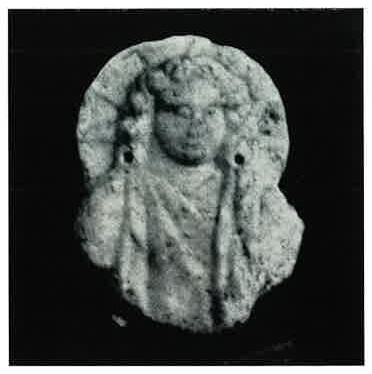
Fragment of a white marble statuette from the Mithraeum at Sarmizegetusa, Dacia, preserving the dressed bust of Sol in a nimbus and seven-rayed crown with traces of red colour; two bolt-holes at the bottom for attachment.

This plaque, located on the western staircase of the Palace of Darius, mentions the god Mithra together with Ahura Mazda as protectors of King Artaxerxes III Ochus.
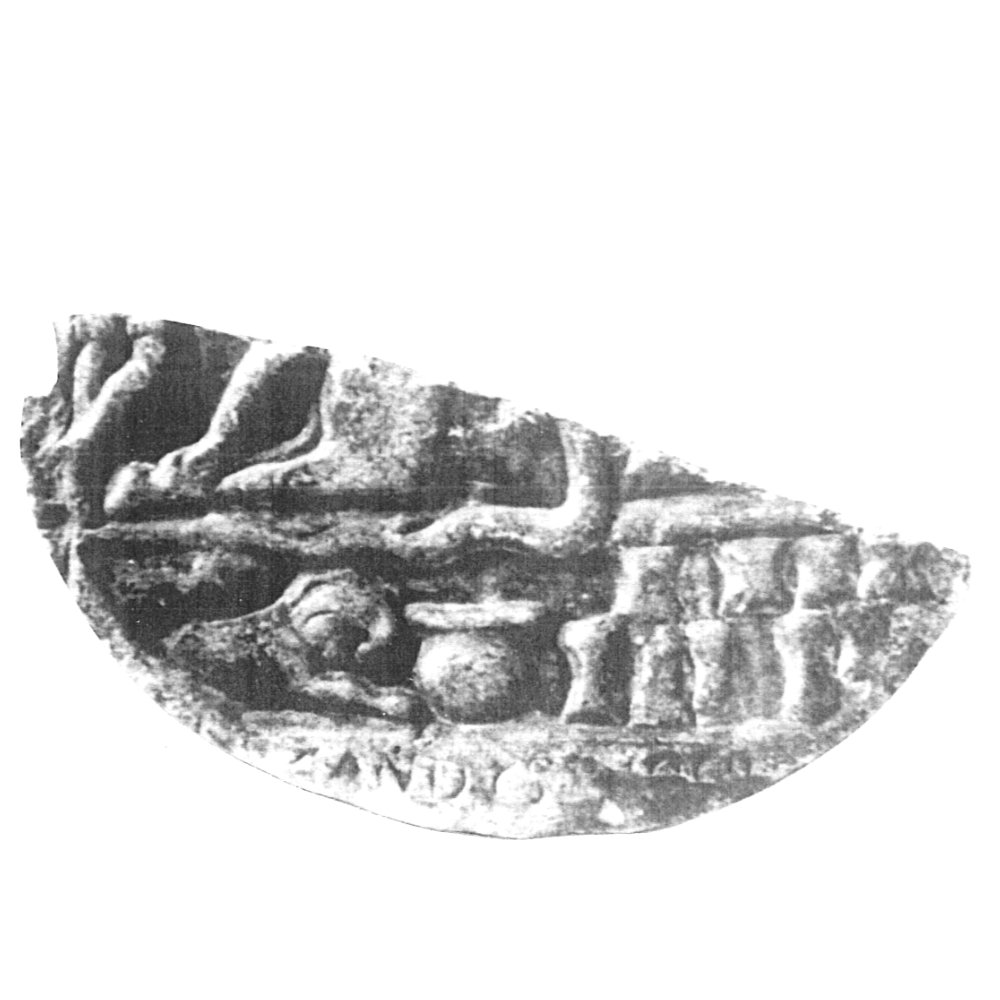
This tauroctony may have come from Hermopolis and its style suggests a Thraco-Danubian origin.
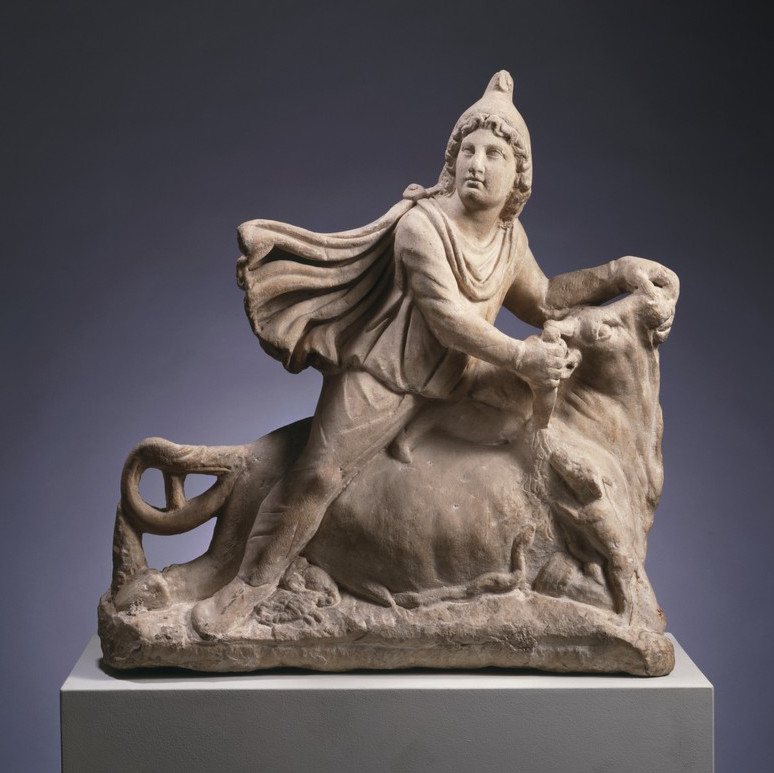
This sculpture of Mithras killing the bull may come from Rome, probably found in 1919.
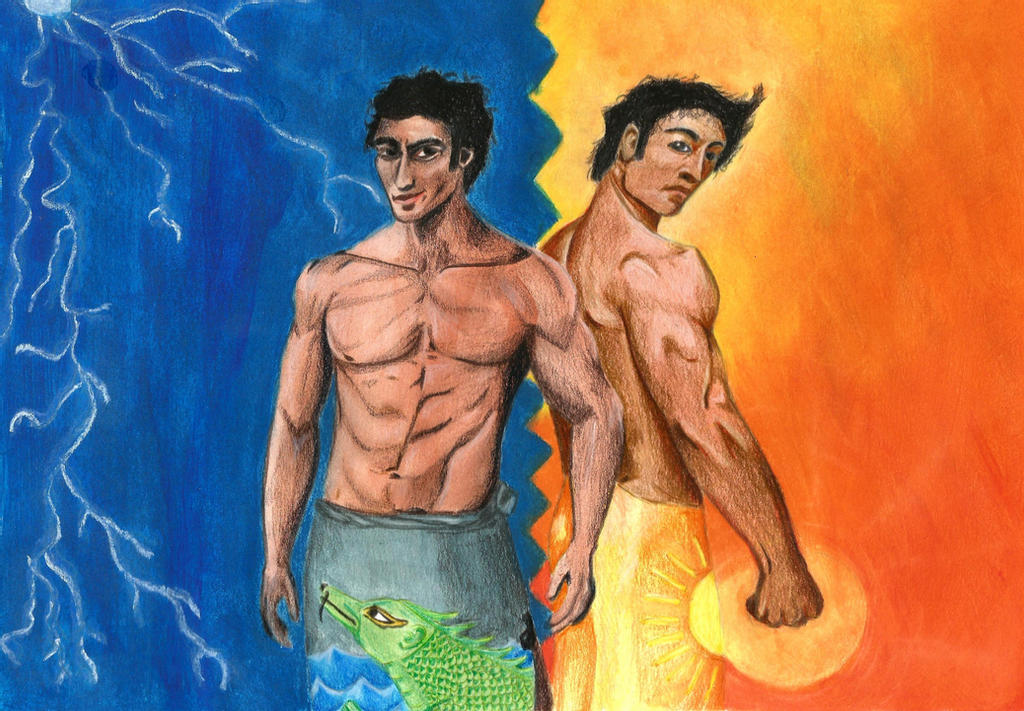
The Sanskrit and Hindi word for friend is “Mitra”. It is also the Nepali word for it. The Sinhala word is ‘mitura’. The word’s etymology has surprising, stark and vivid homosexual connotations.
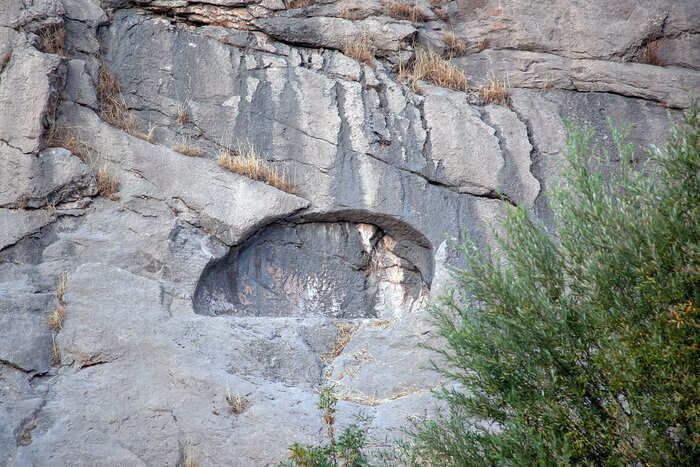
Some Iranian archaeologists suggest that the carving was created by a follower of Mithraism as it depicts a simple portrayal of a human with his right hand raised and an object in his hand. But, experts say it needs much more study in order to date the pe
Fragmentary tauroctony preserving Mithras, the torchbearers, Sol and Luna from the sanctuary at Aïtodor.


