Your search Ay-Todor gave 1062 results.
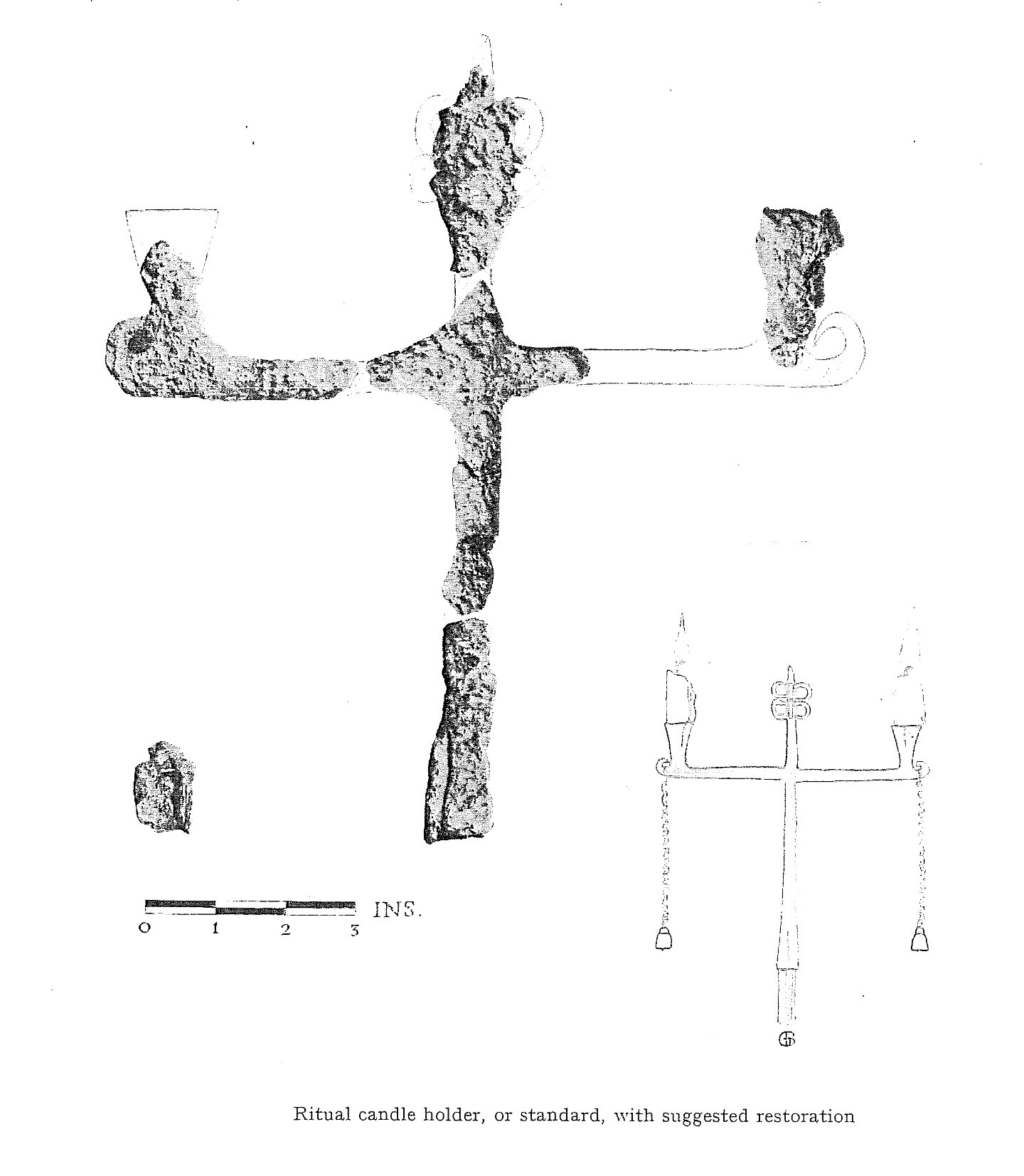
The Caernarfon candelabrum is a reconstruction of several iron pieces found in the Mithraeum of Caernarfon.
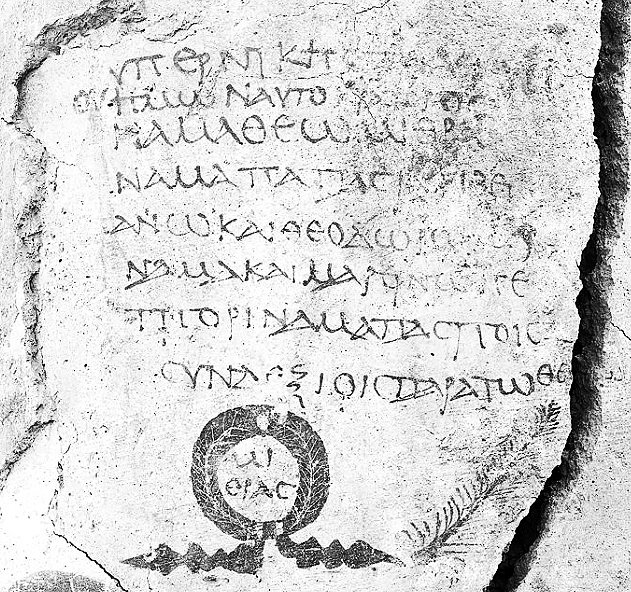
The inscription pays homage to the emperor, probably Caracalla, to Mithras, the fathers, the petitor and the syndexioi.
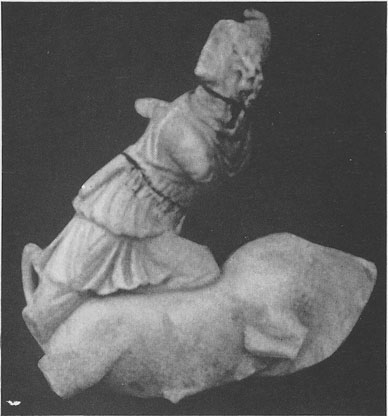
Fragment of a white marble statue of Mithras killing the bull from Rusicade, today Skikda, Algeria.
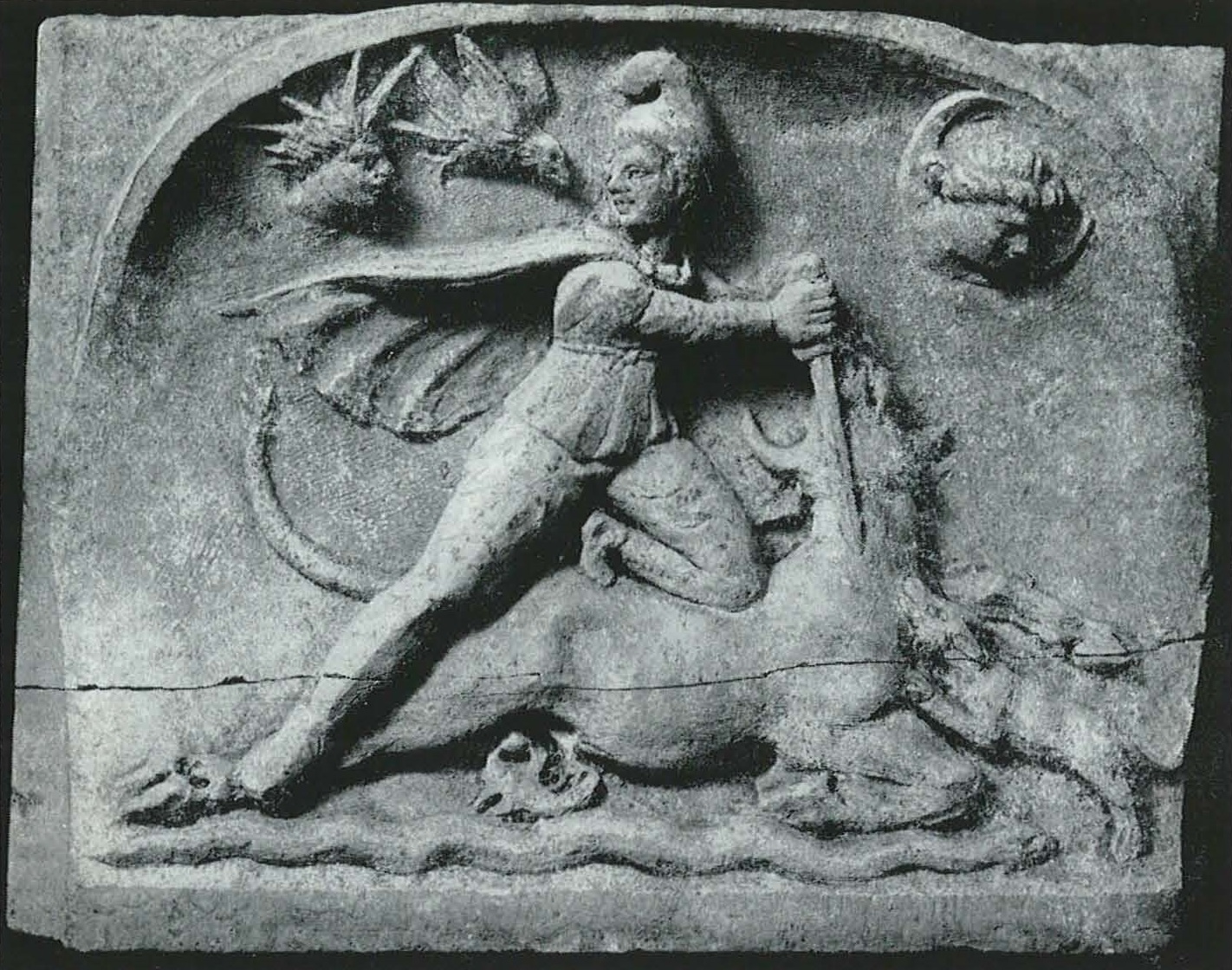
This simple relief of Mithras killing the bull without his companions Cautes and Cautopates was found in the so-called Mithraeum of the Esquilino, Rome.

White marble statue of Mithras killing the sacred bull preserved in the Museo Nacional Romano.
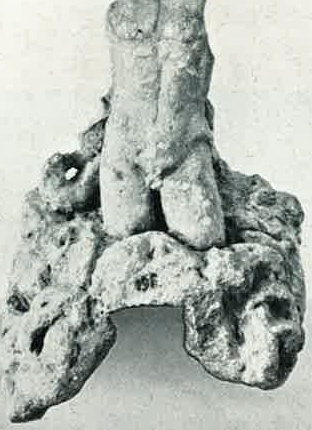
Sandstone petrogenesis from Petronell-Carnuntum (Lower Austria), depicting Mithras emerging from the rock, preserved from the knees upwards.
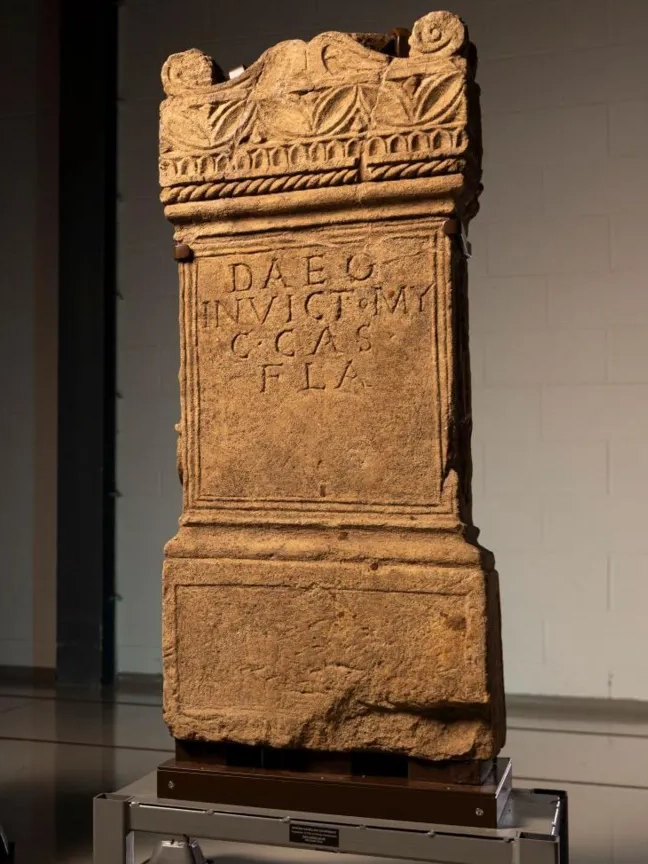
This second altar discovered to date near Inveresk includes several elements unusual in Mithraic worship.
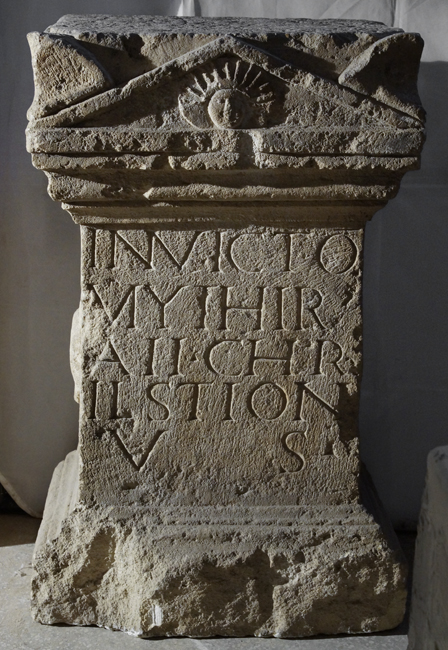
In 1852, Károly Pap, a naval captain, unearthed several Mithraic monuments in his garden at Marospartos, including this altar.
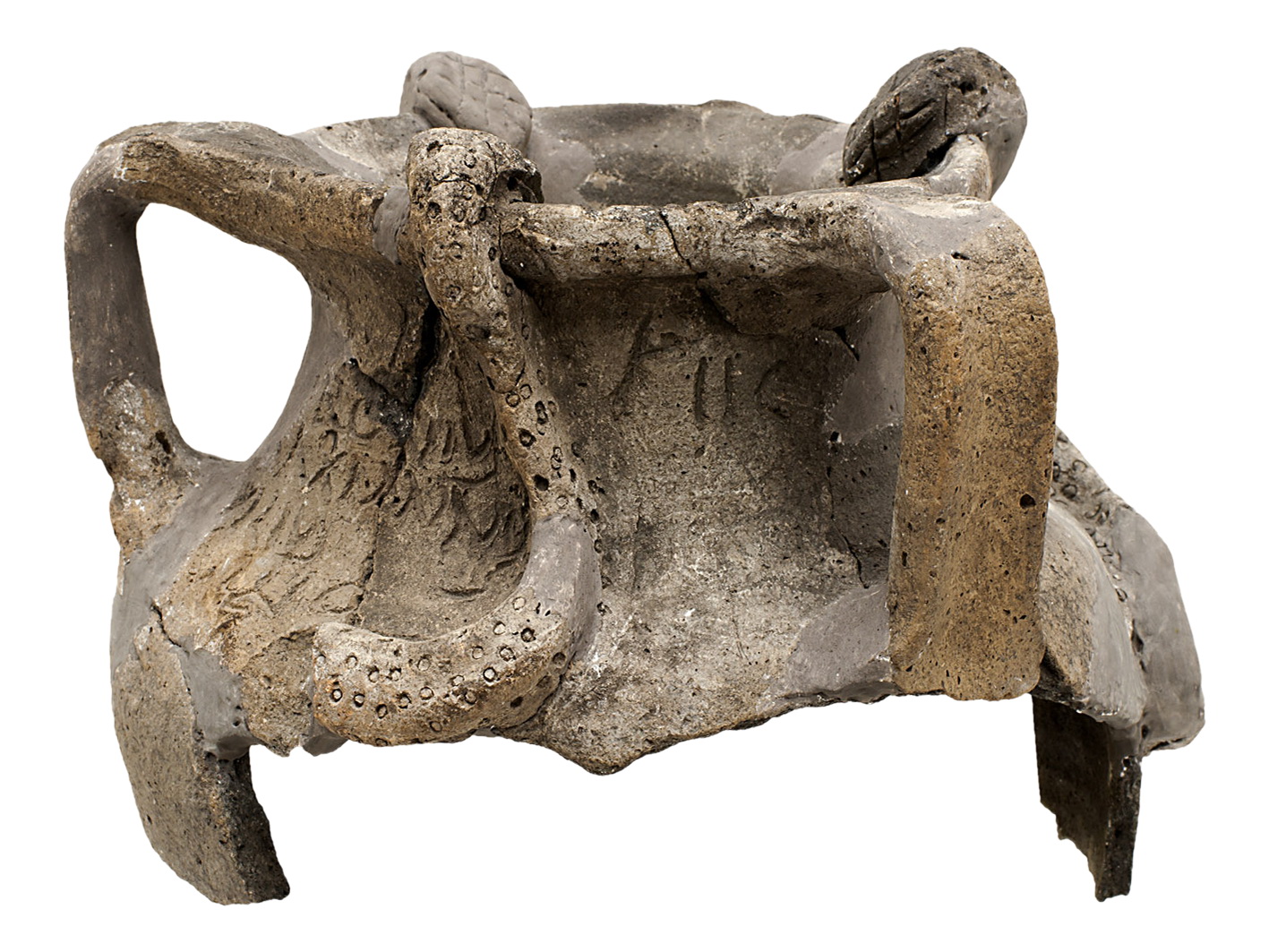
Upon first examination, archaeologists interpreted the inscription on the cult vessel from Gradishje as referencing Mithras, though it has since been re-evaluated.
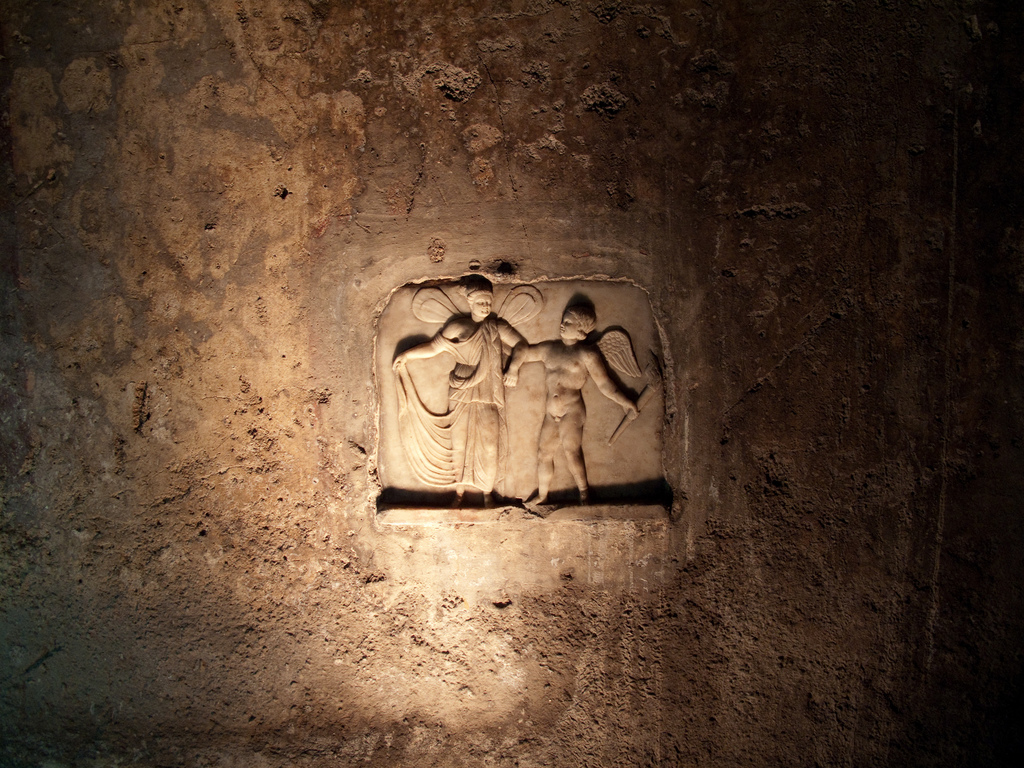
The Mithraeum of Santa Maria Capua Vetere includes a marble relief depicting a child Eros guiding Psyche through the dark.
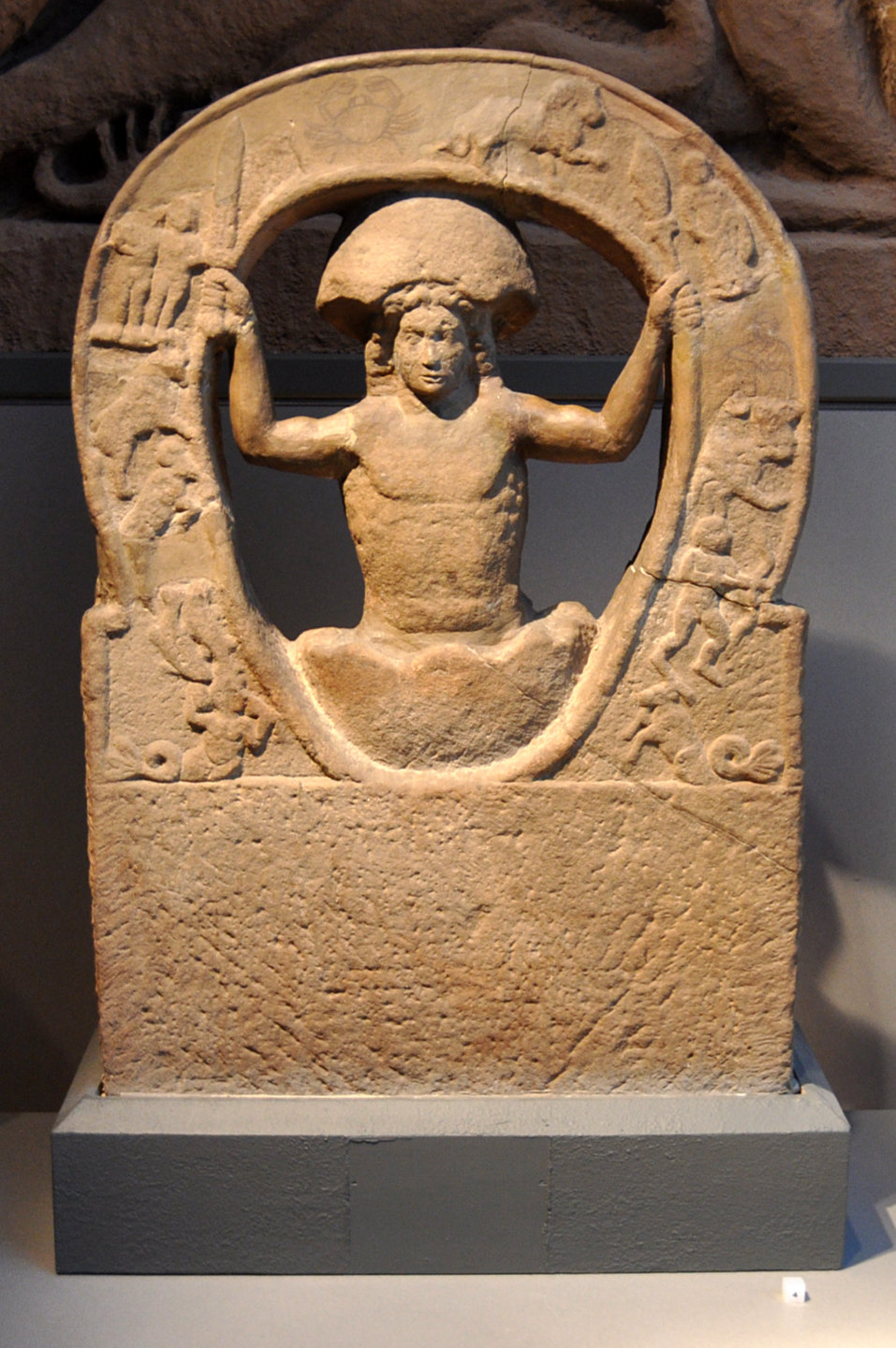
A naked Mithra emerges from the cosmic egg surrounded by the zodiac, as always carrying a torch and a dagger.
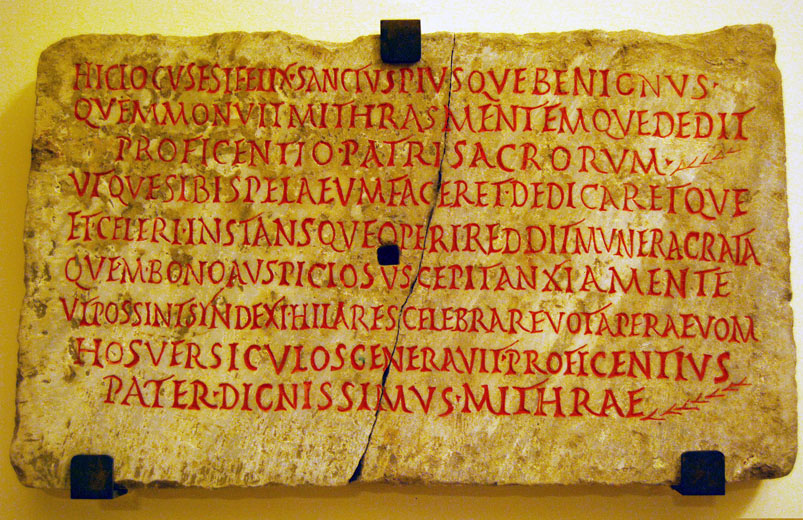
This marble slab bears an inception be the Pater Proficentius to whom Mithras has suggested to build and devote a temple.
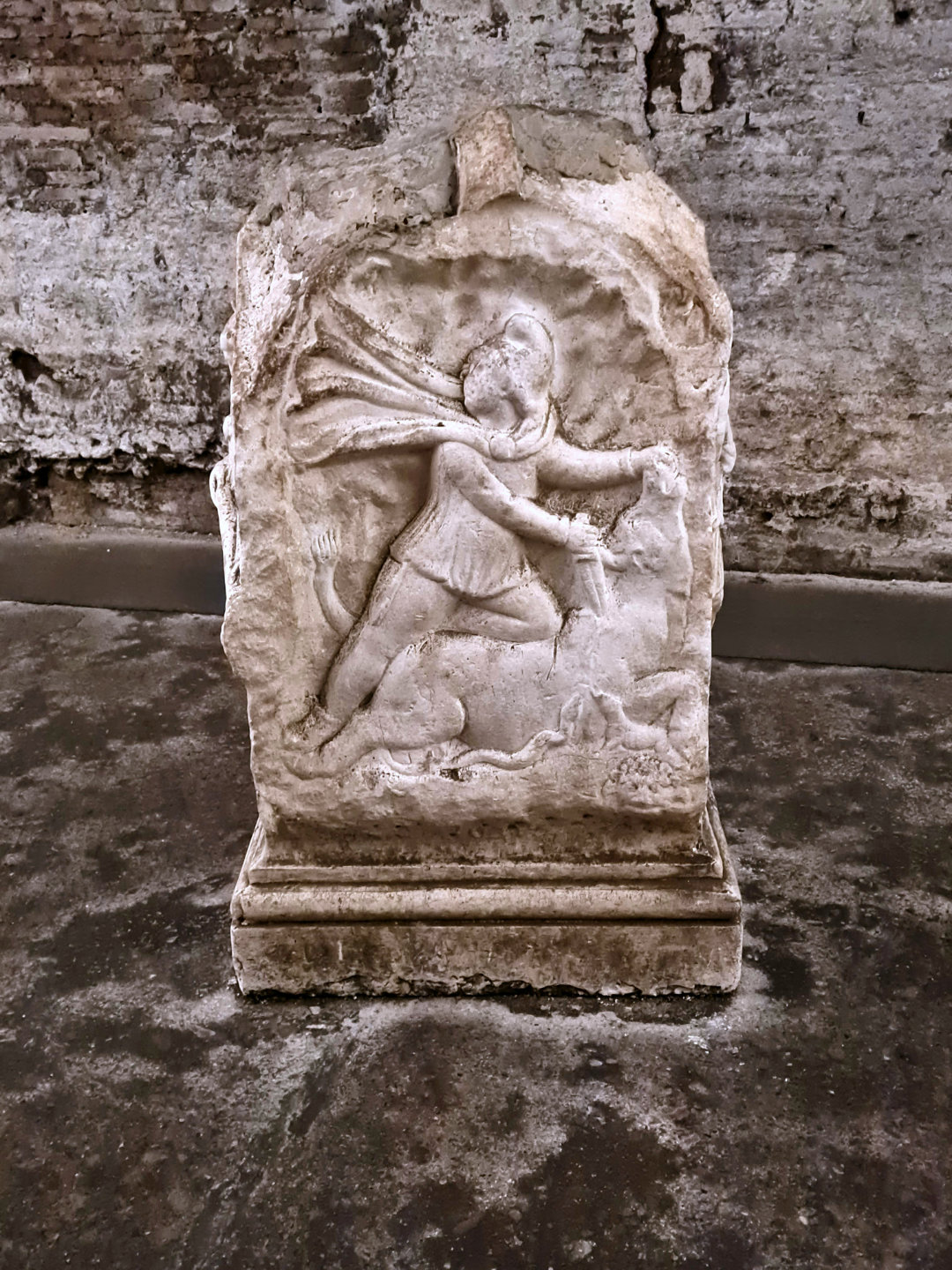
The altar of the Mithraeum of San Clemente bears the Tauroctony on the front, Cautes and Cautopates on the right and left sides and a serpent on the back.
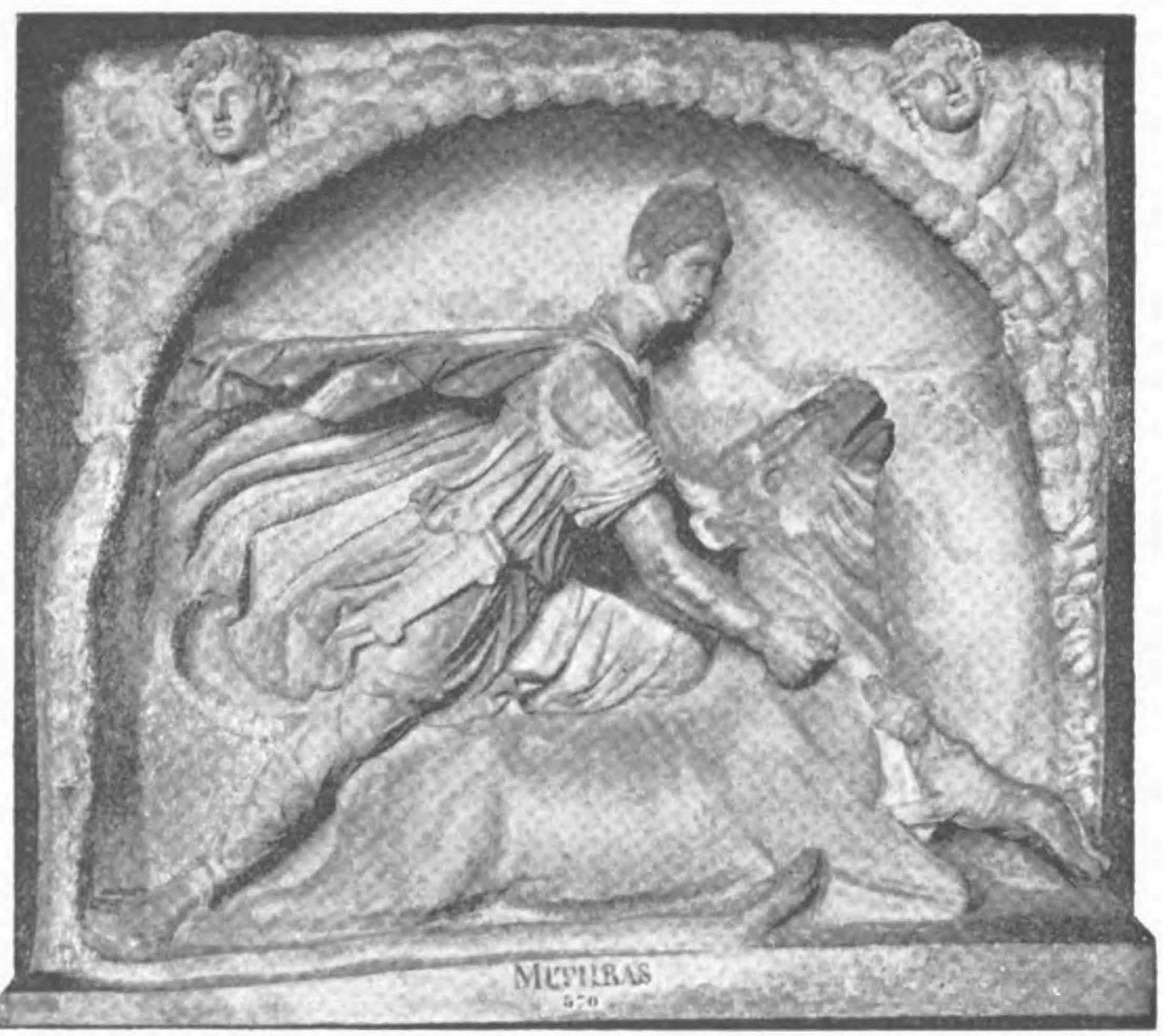
This is one of the three reliefs depicting Mithras killing the bull that the Louvre Museum acquired from the Roman Villa Borghese collection.
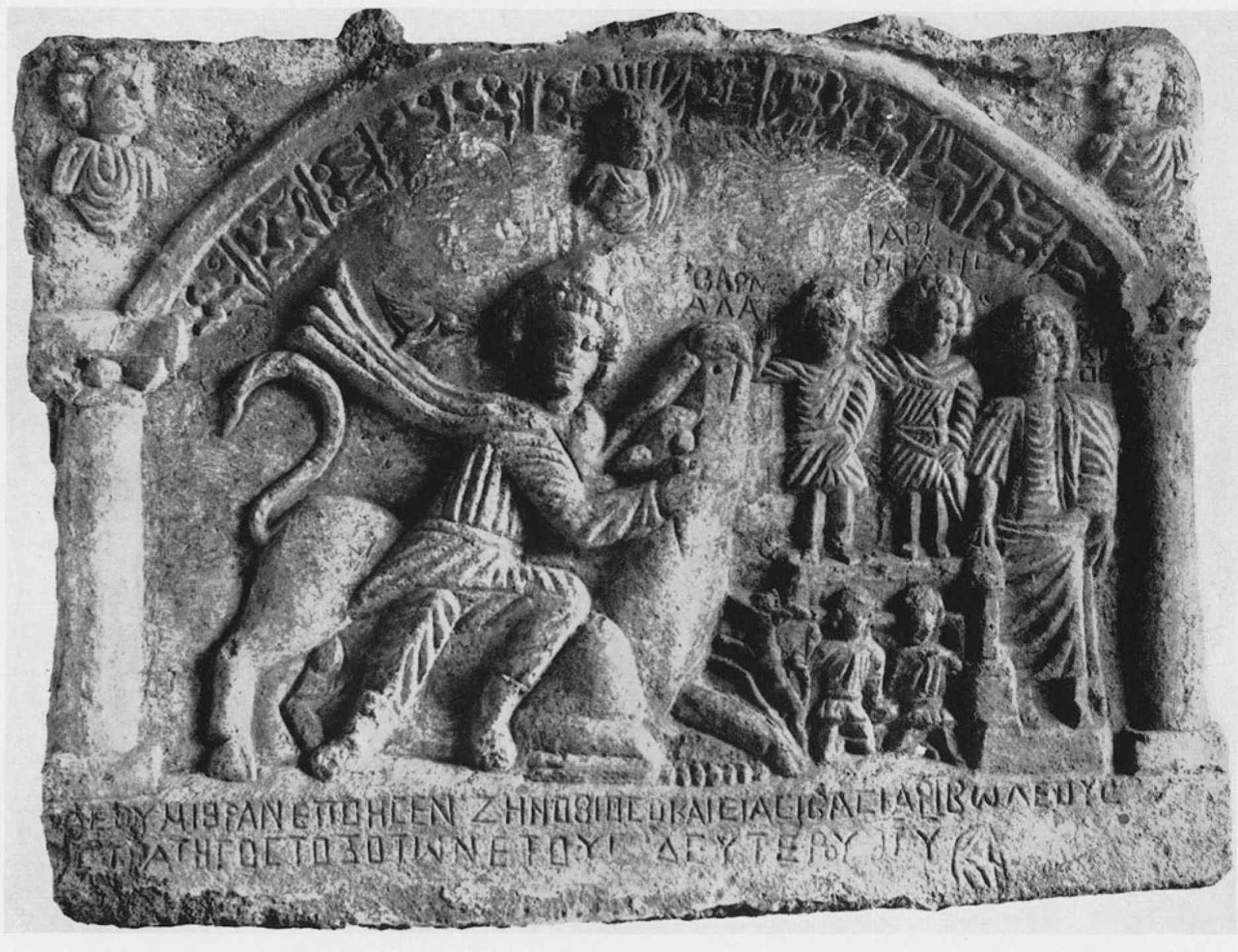
The main relief of Mithras killing the bull from the Mithraeum of Dura Europos includes three persons named Zenobius, Jariboles and Barnaadath.
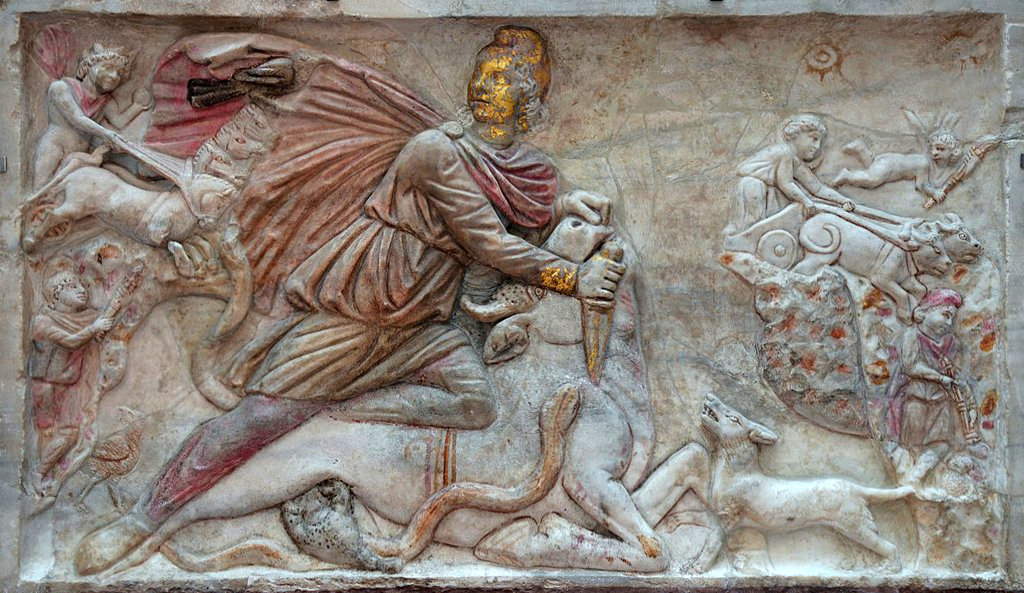
The relief of Mithras killing the bull of Stefano Rotodon preserves part of his polycromy and depicts two unusual figures: Hesperus and an owl.
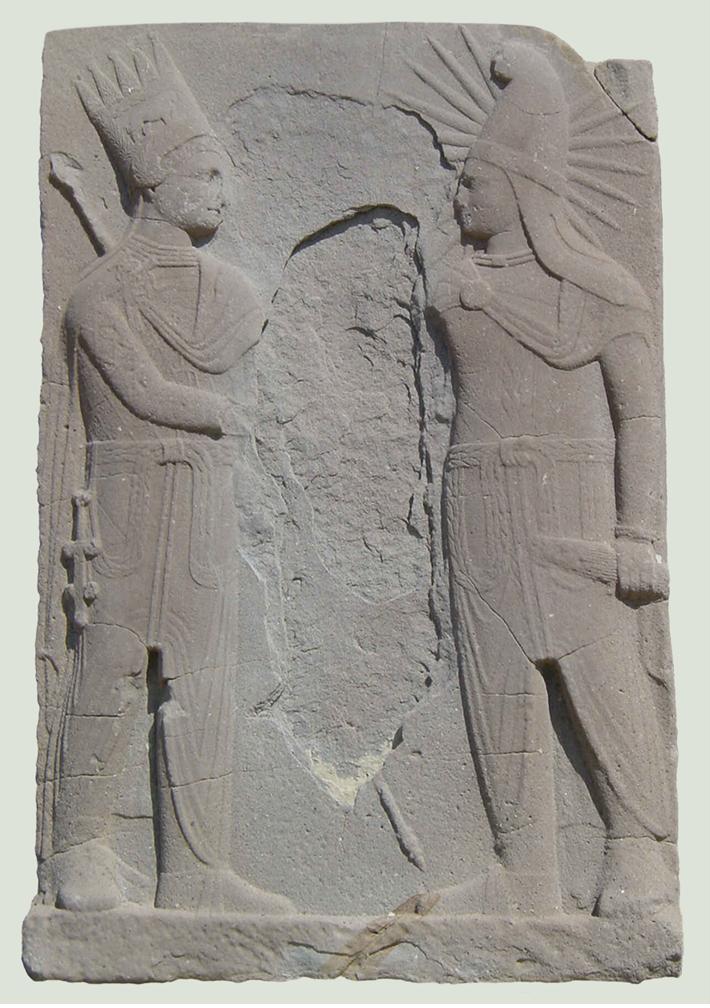
Antiochus I of Commagene shakes Mithras hands in this relief from the Nemrut Dagi temple.
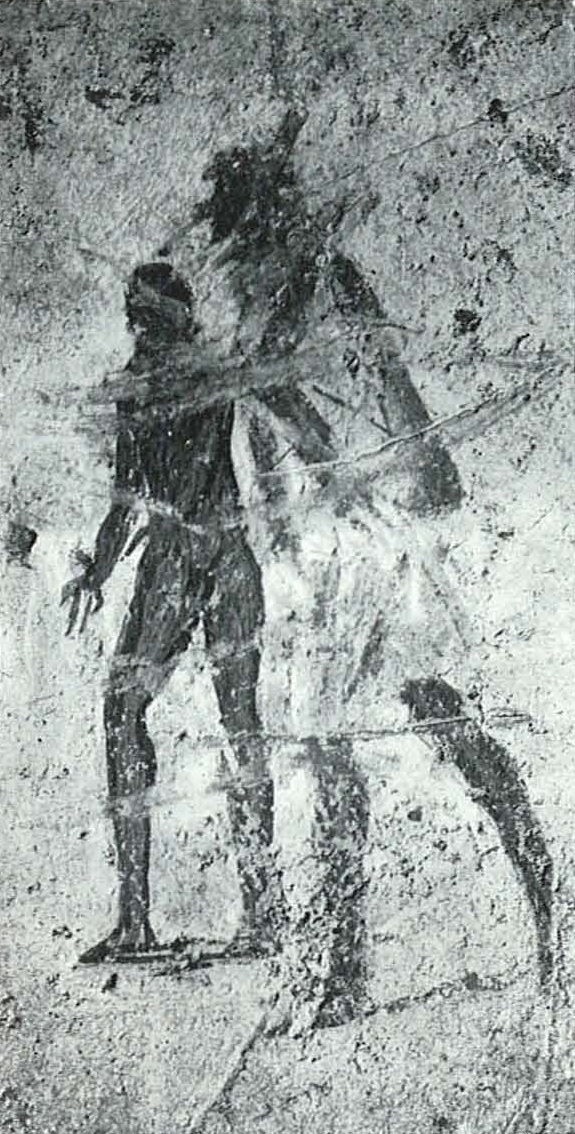
This is the first of several fresco scenes depicting the initiation of a new member in a mithraic community, in Capua Vetere.
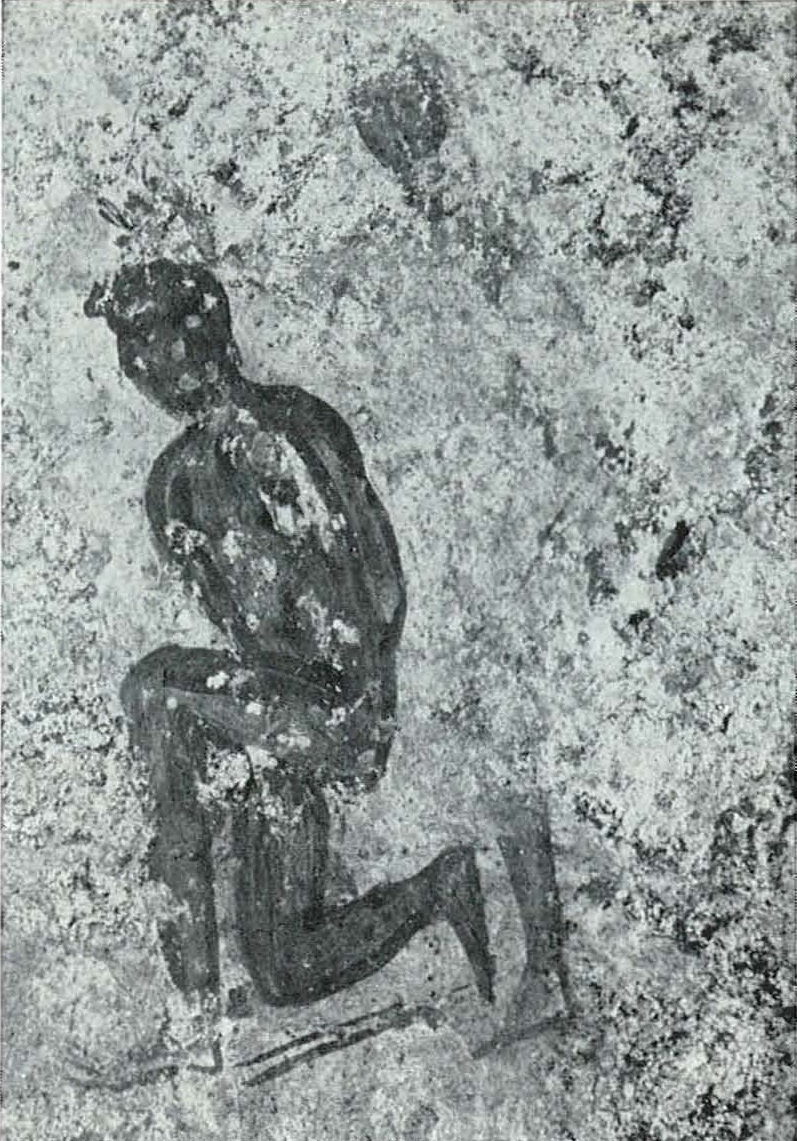
This scene from the frescoes of the Mitreo di Santa Maria Capua Vetere shows a kneeling, naked man surrounded by two other figures.

This remarkable marble relief from the end of the 3rd century was discovered in the most remote room of the Mithraeum in the Circo Massimo.
