Your search Bad Ischl im Salzkammergut gave 2084 results.
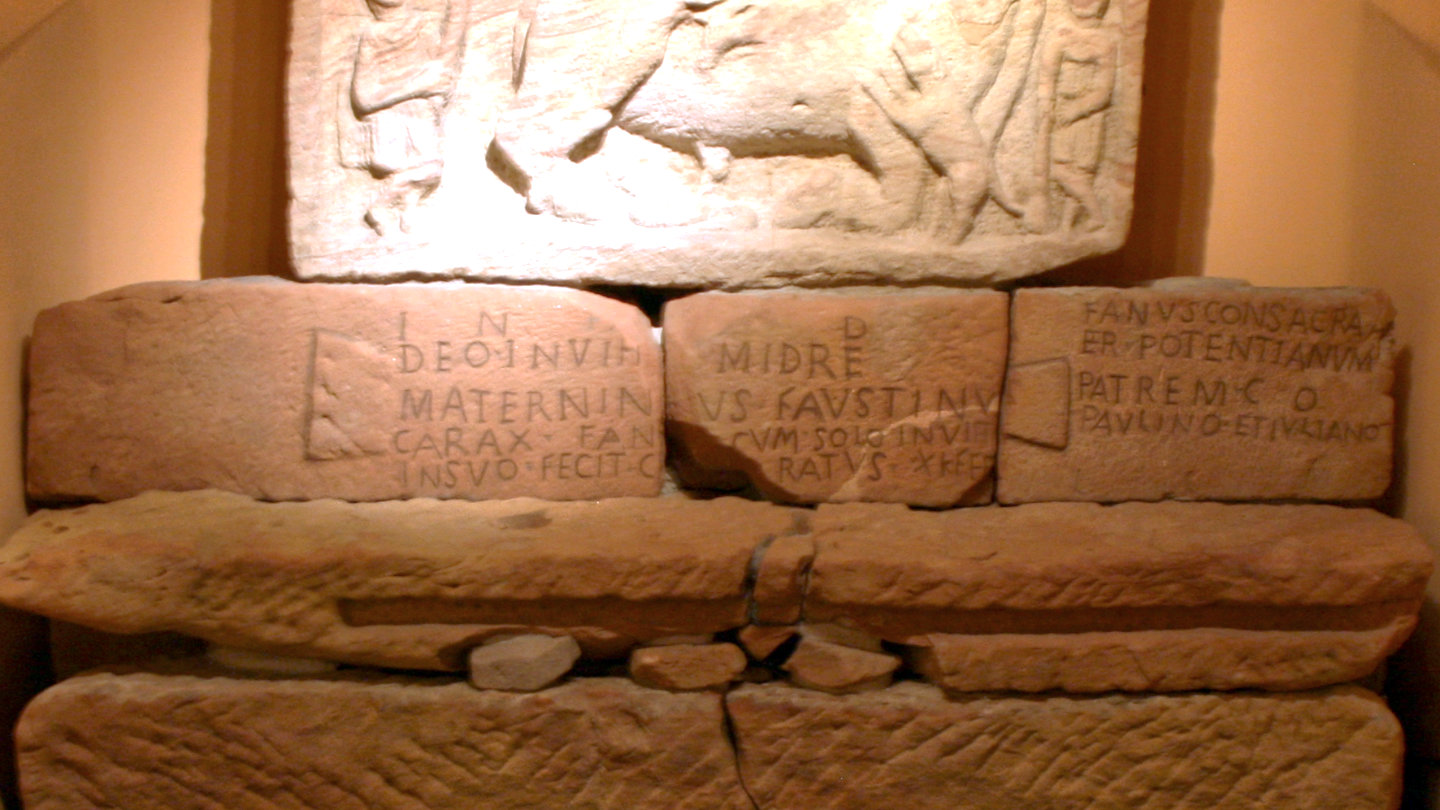
The inscription was located at the base of the main Tauroctony of the Gimmeldingen Mithraeum.
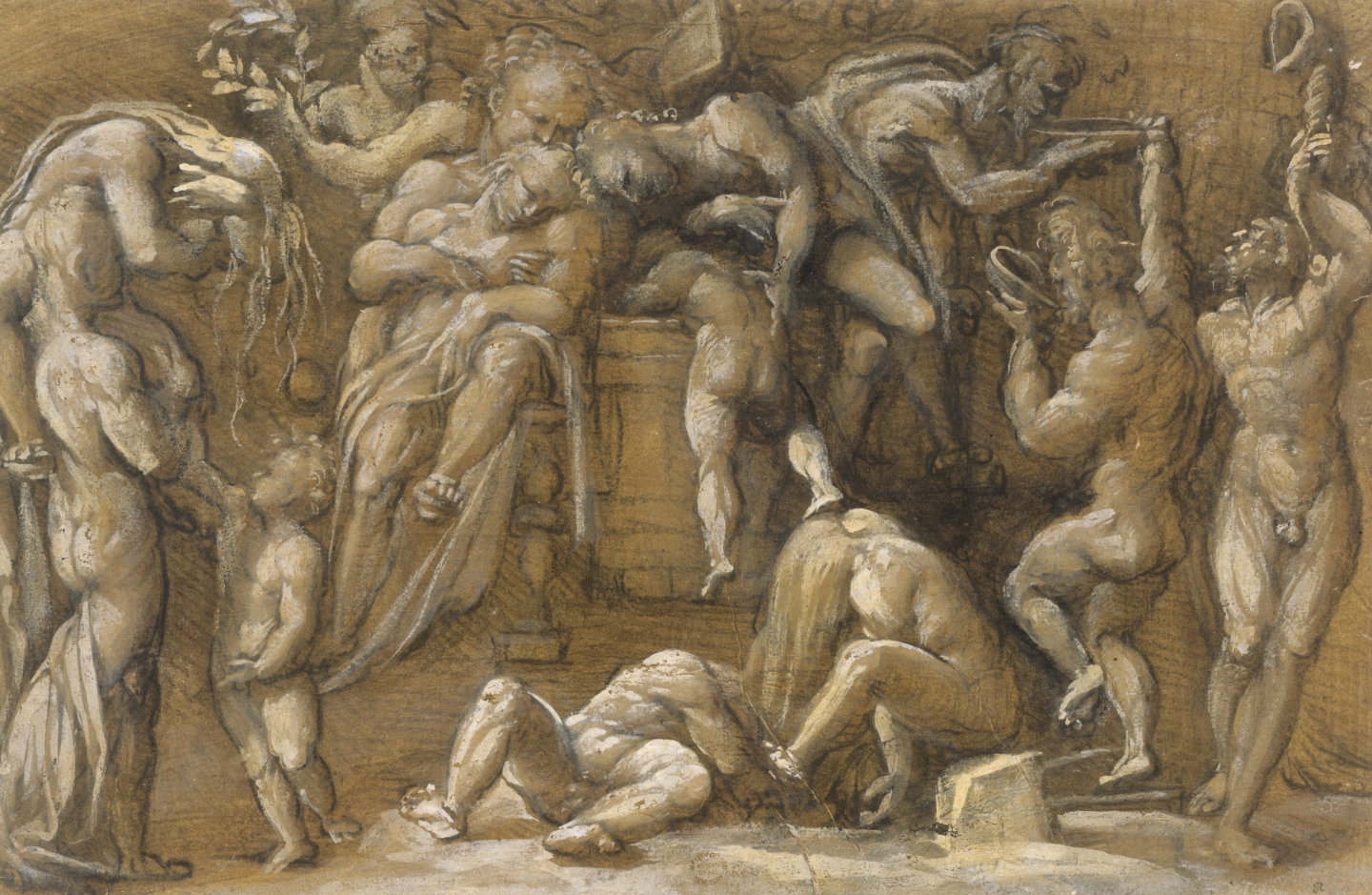
In polemical passages from the late second and early third centuries, Tertullian portrays the cult of Mithras as a demonic imitation of Christian rites and provides rare early references to Mithraic initiation and ritual symbolism.


La localización de una comunidad mitraísta en San Juan de la Isla posee un notable interés, debido a la débil popularidad de este culto oriental entre las poblaciones de Hispania.
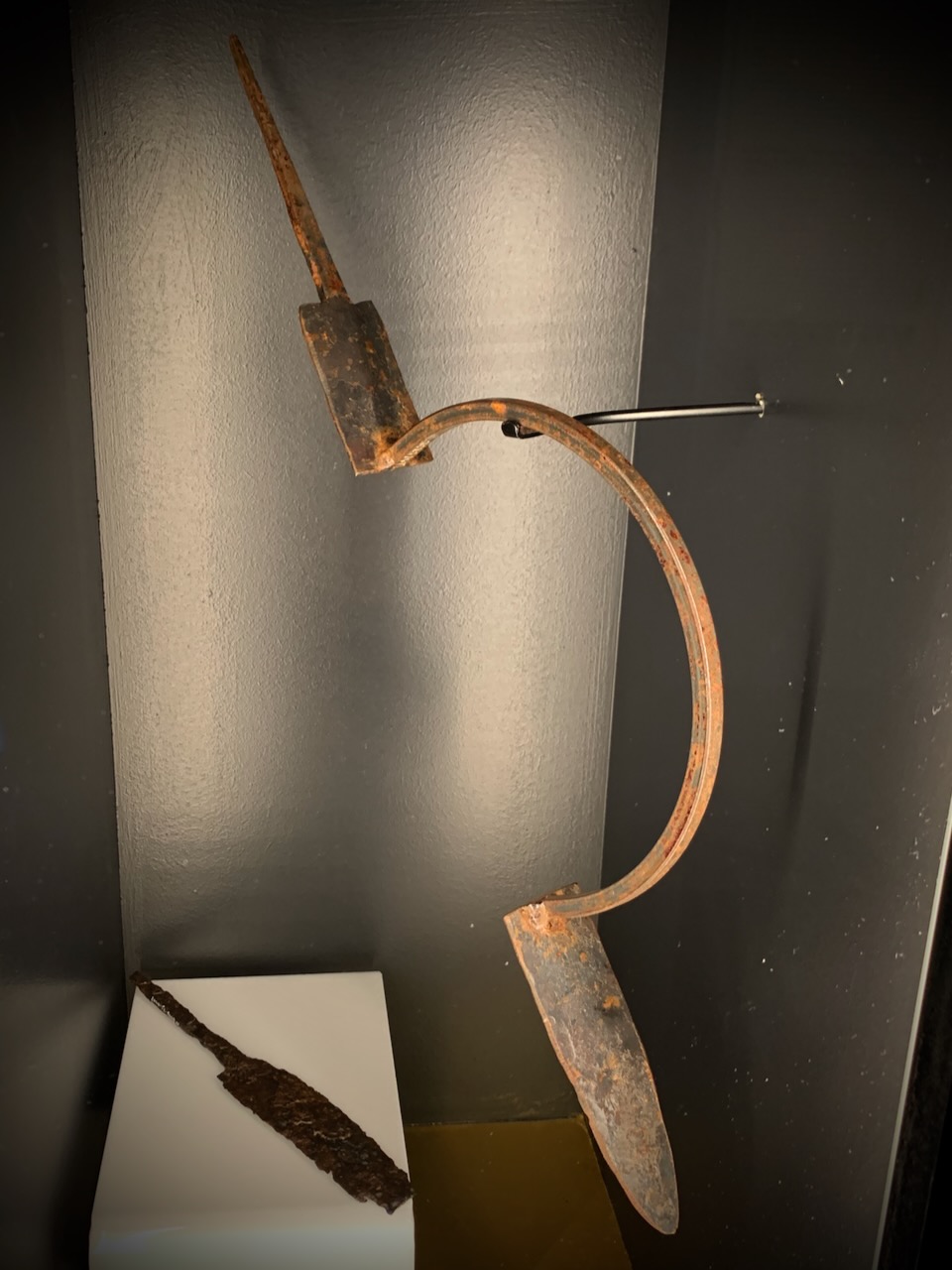
Several iron fragments found in the second mithraeum of Güglingen may have been used during mithraic ceremonies.
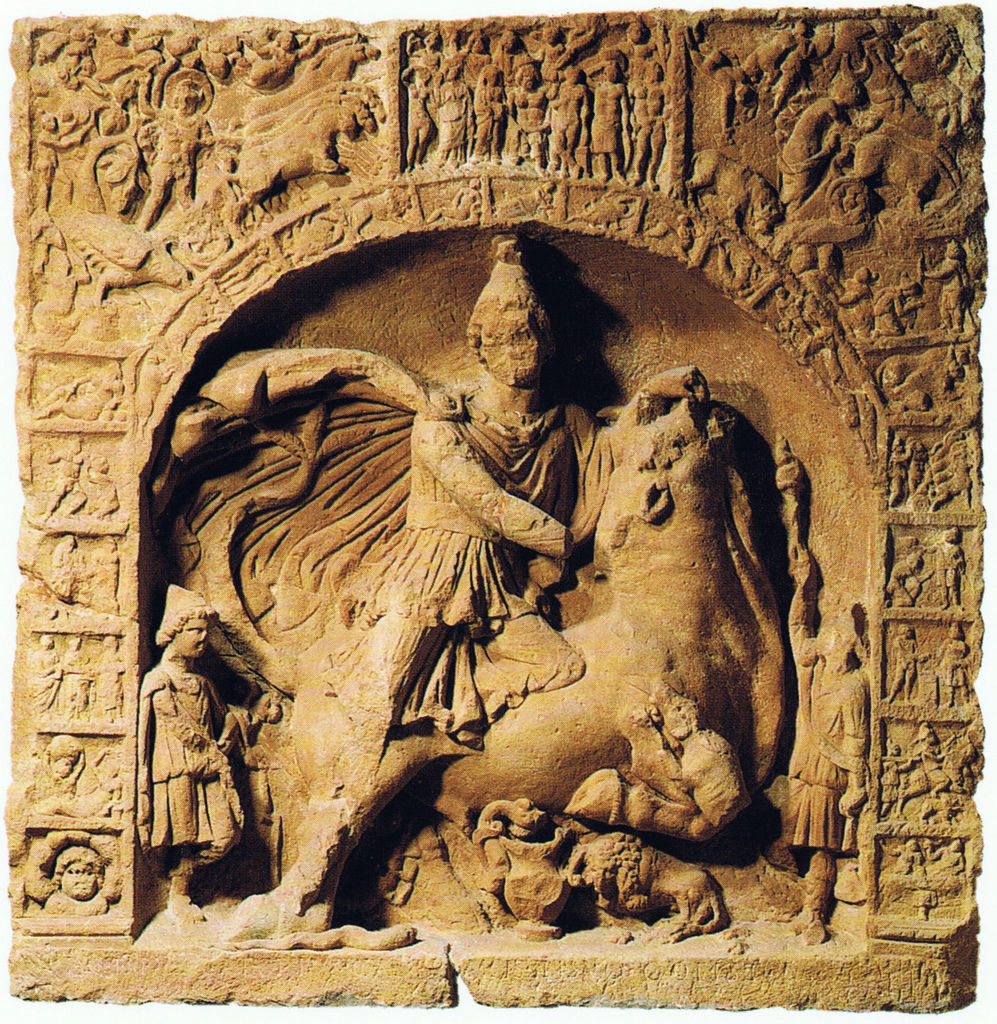
Franz Cumont considers the bas relief of Osterburken ’the most remarkable of all the monuments of the cult of Mithras found up to now’.
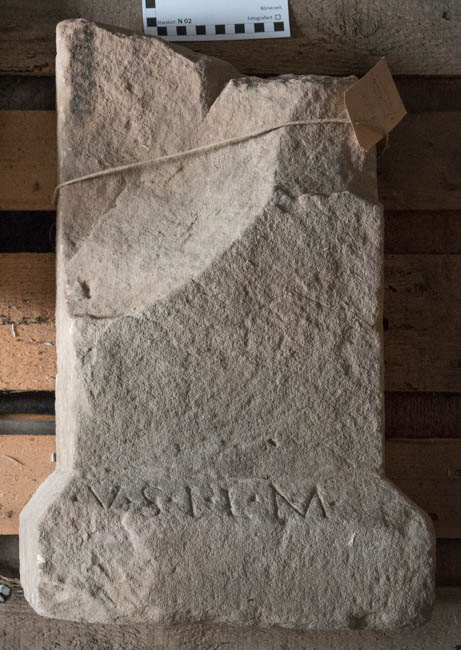
These fragmentary monuments, one with an inscription, were found in the Gimmeldingen mithraeum.
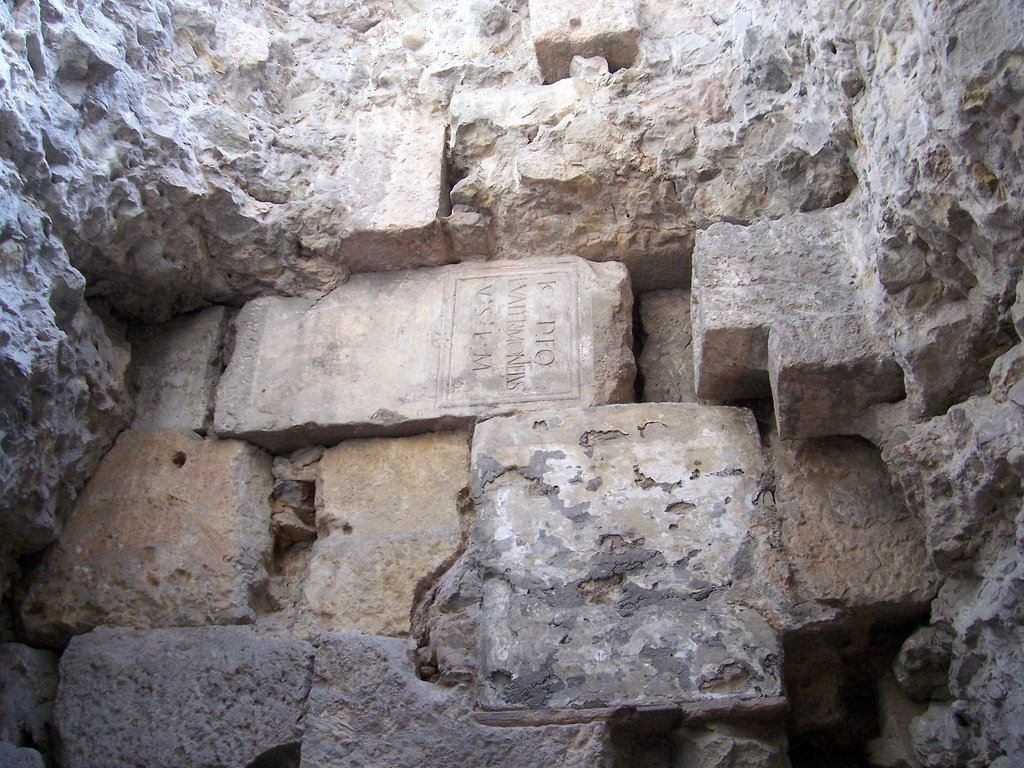
This altar was dedicated to Cautes by a certain Lucius in Baetulo (Badalona), near Barcino (Barcelona).
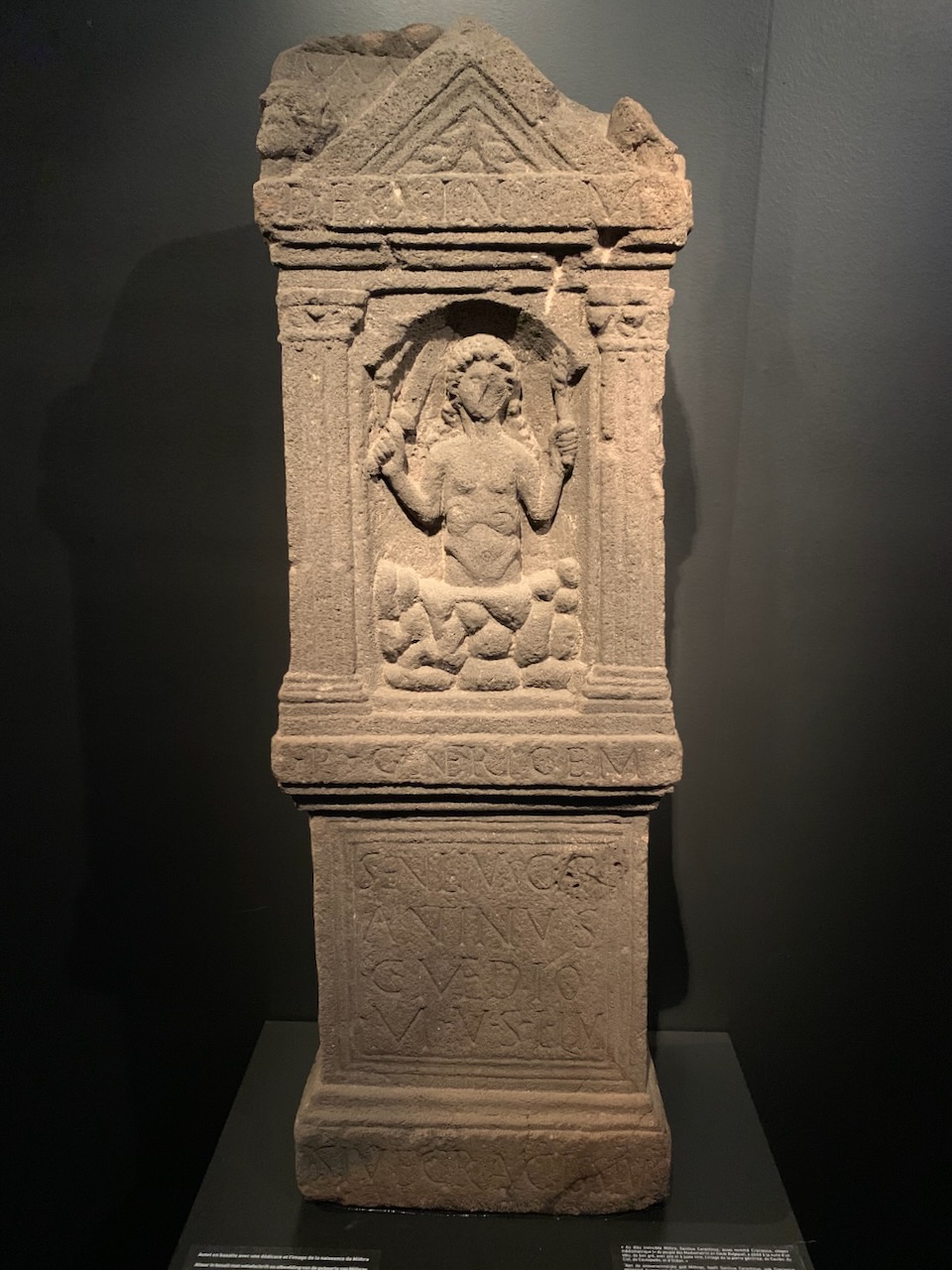
The Mithraic stele from Nida depicts the Mithras Petrogenesis and the gods Cautes, Cautopates, Heaven and Ocean.


Scholar specializing in the history of ancient North Africa, with a particular interest in the Oriental cults (Anatolian, Egyptian, Syrian, and Iranian) that spread throughout this region.

Inscription from Oberrohr, Noricum, walled into the right of the north porch of the parish church, recording a dedication to Deo invicto Soli.
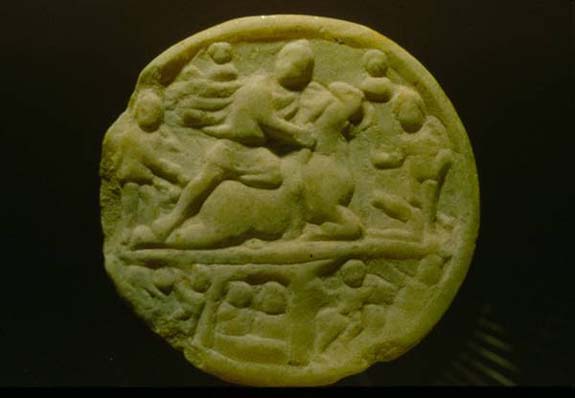
The small medallion depicts three scenes from the life of Mithras, including the Tauroctony. It may come from the Danube area.
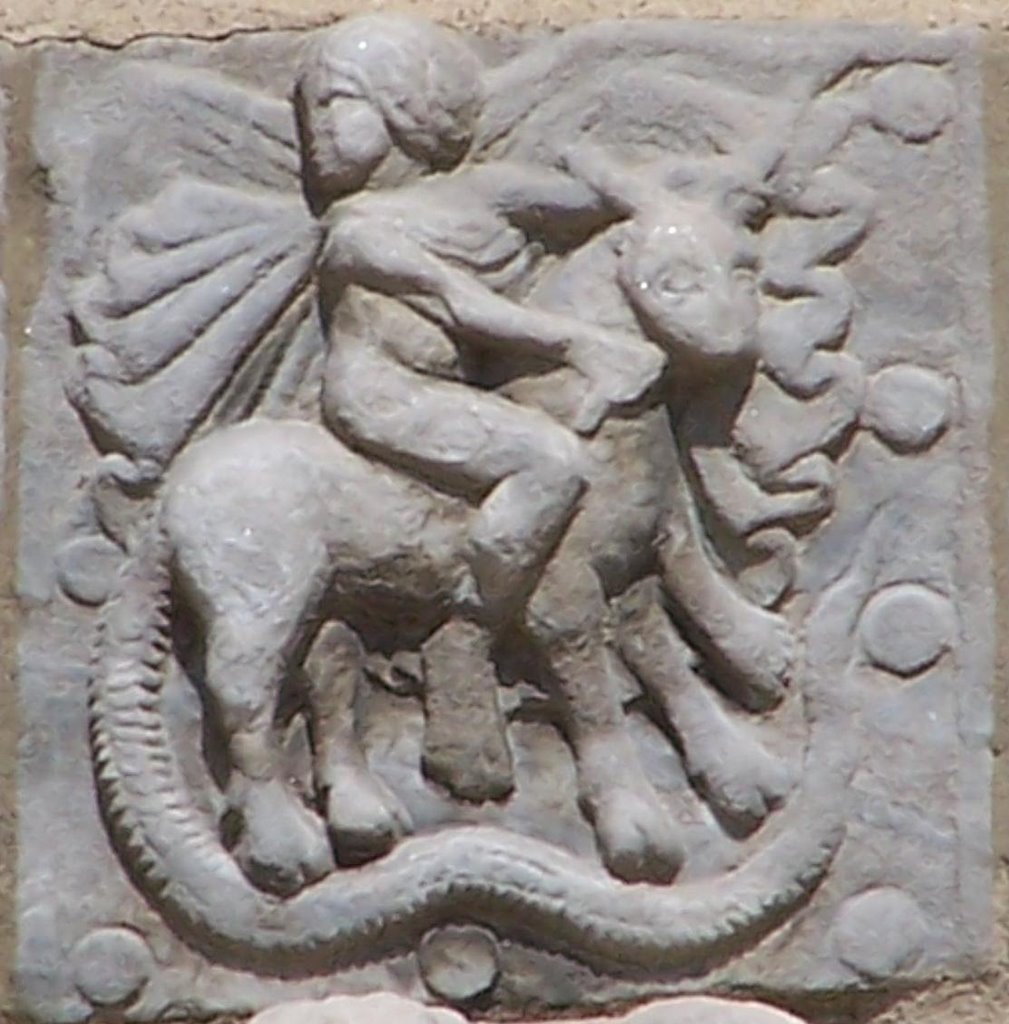
Mithras slaying the bull appears as the sign of Capricorn in a zodiacal sequence on the Pórtico del Cordero of the Abbey de Santo Domingo de Silos, Burgos, Spain.