Your search Bingen am Rhein gave 1055 results.

Prefect, probably of Cohors II Tungrorum, who dedicated an altar to the invincible sun god Mithras in Camboglanna, Britannia.
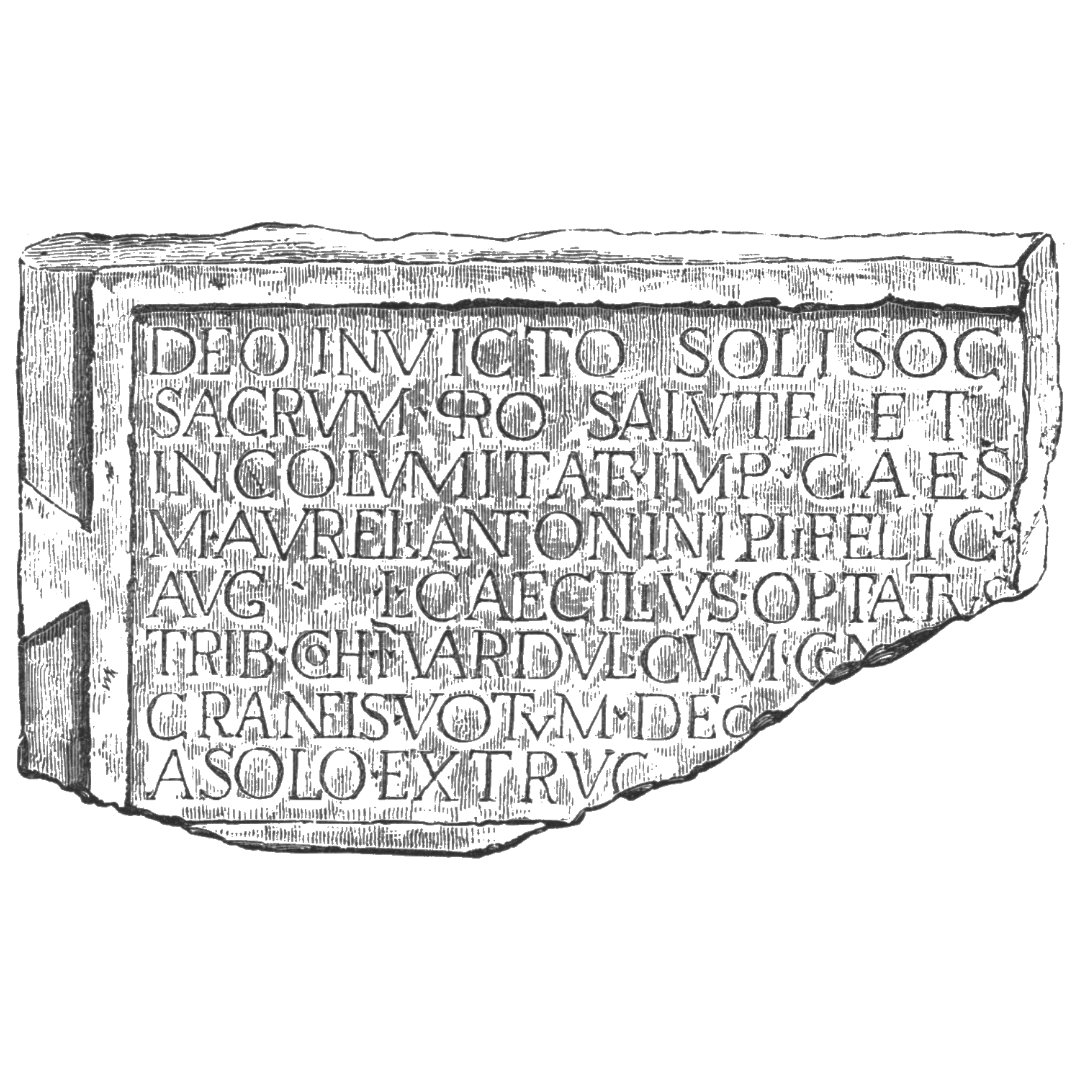
This inscription commemorates the building of a mithraeum in Bremenium with fellow worshippers of Mithras.

Second terracotta tablet found at Calvi depicting Mithras killing the bull, now at Berlin, Antiquarium.

This cylindrical marble altar was dedicated by the same Pater Proficentius as the slab, both monuments found in the Mithraeum beneath the Basilica of San Lorenzo.
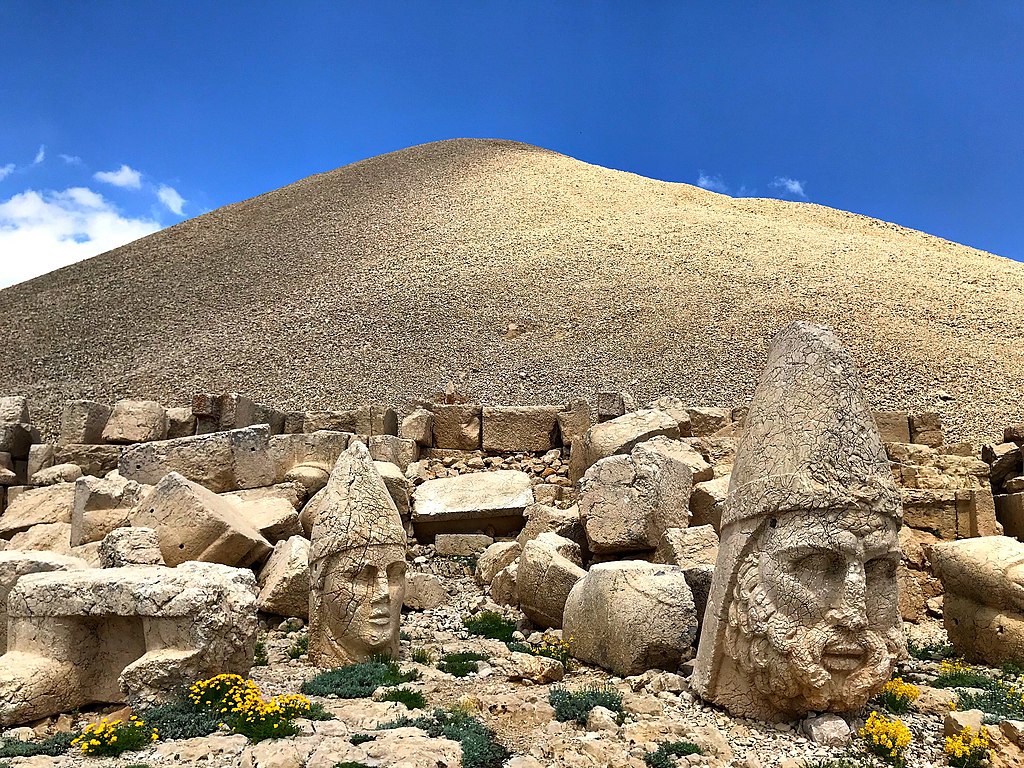
Mount Nemrut or Nemrud is one of the highest peaks in the eastern Taurus Mountains, southeastern Turkey. On its summit large statues stand around what is supposed to be a royal tomb from the 1st century BC.
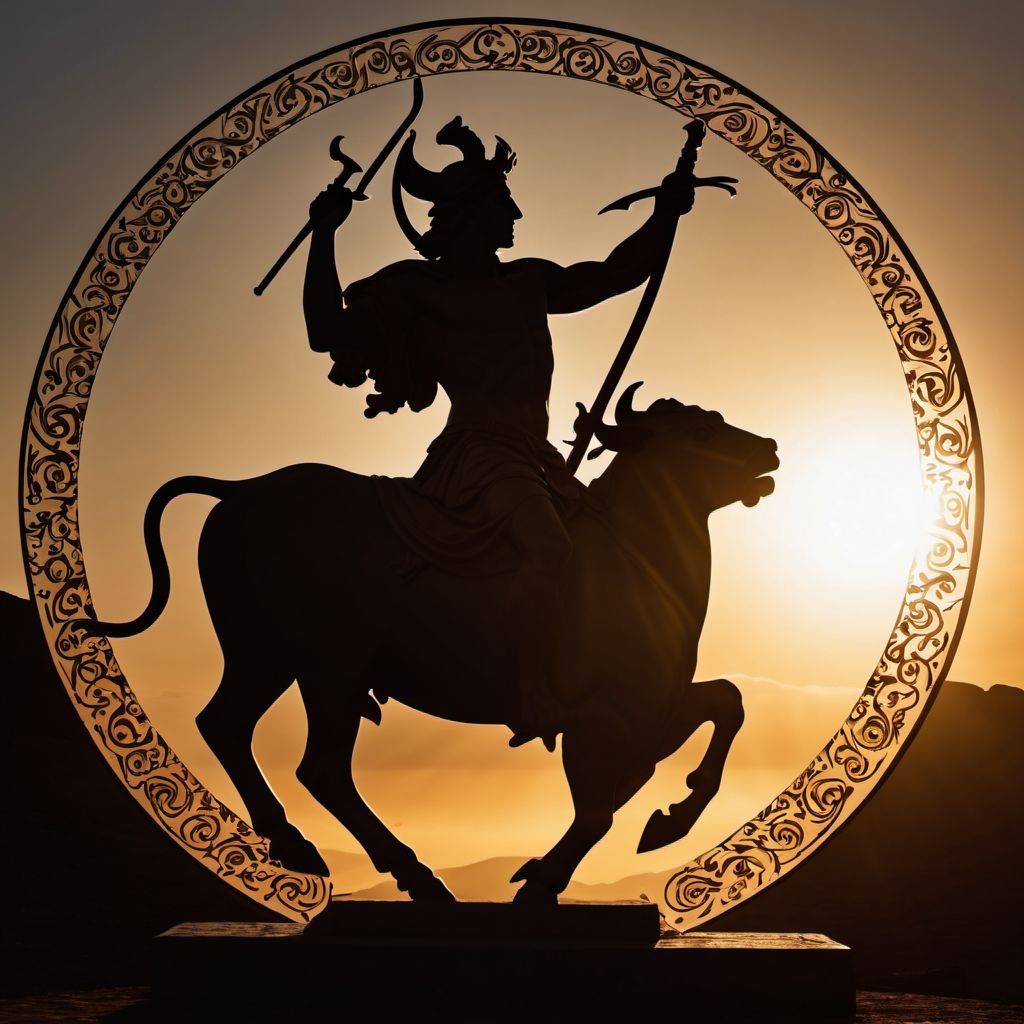
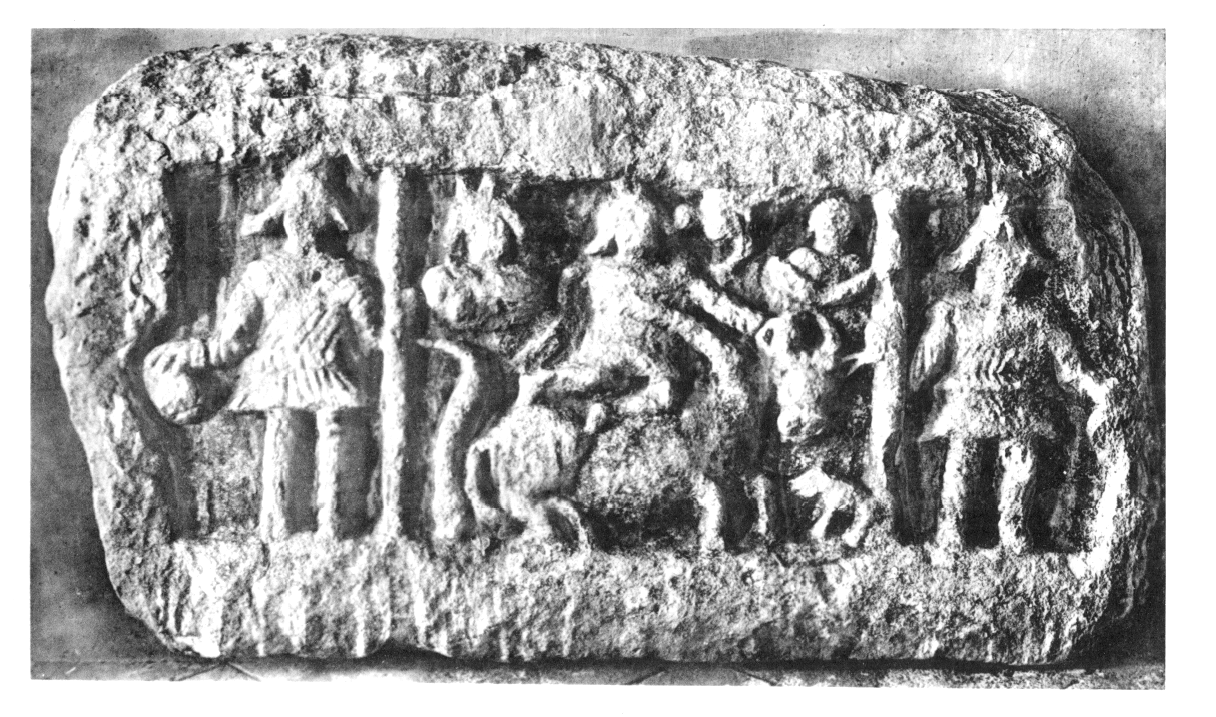
This relief of Mithras as bull slayer is surrounded by Cautes and Cautopates with their usual torch plus an oval object.
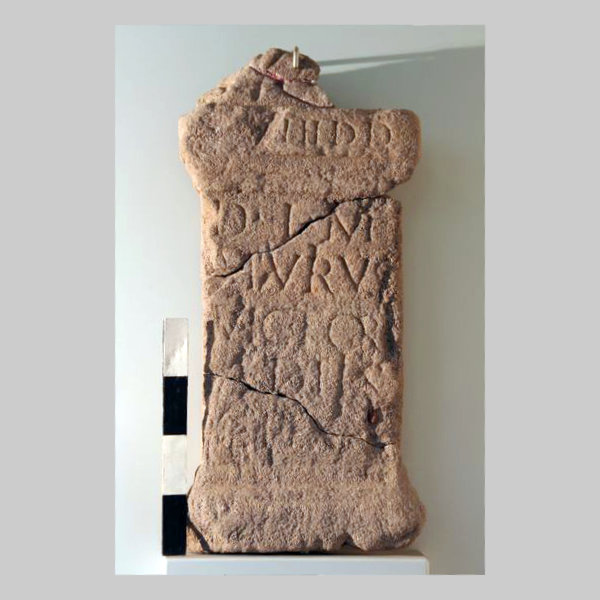
Marius Victor, according to the inscription on the monument, erected this monument to Mithras ’when Philip and Titianus were consuls’.
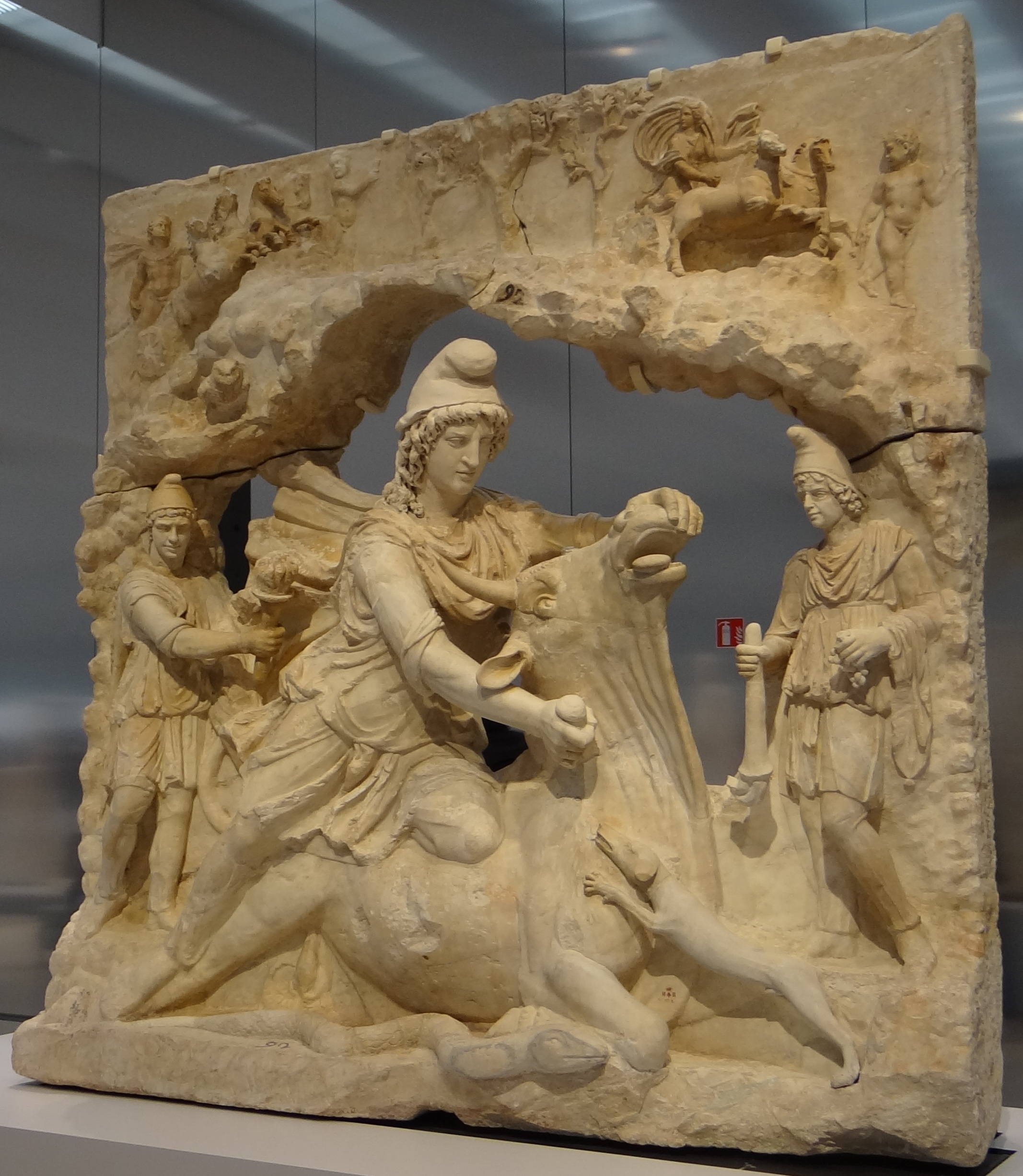
This relief of Mithras slaying the bull was erected in Piazza del Campidoglio, moved to Villa Borghese and is now in the Louvre Museum.
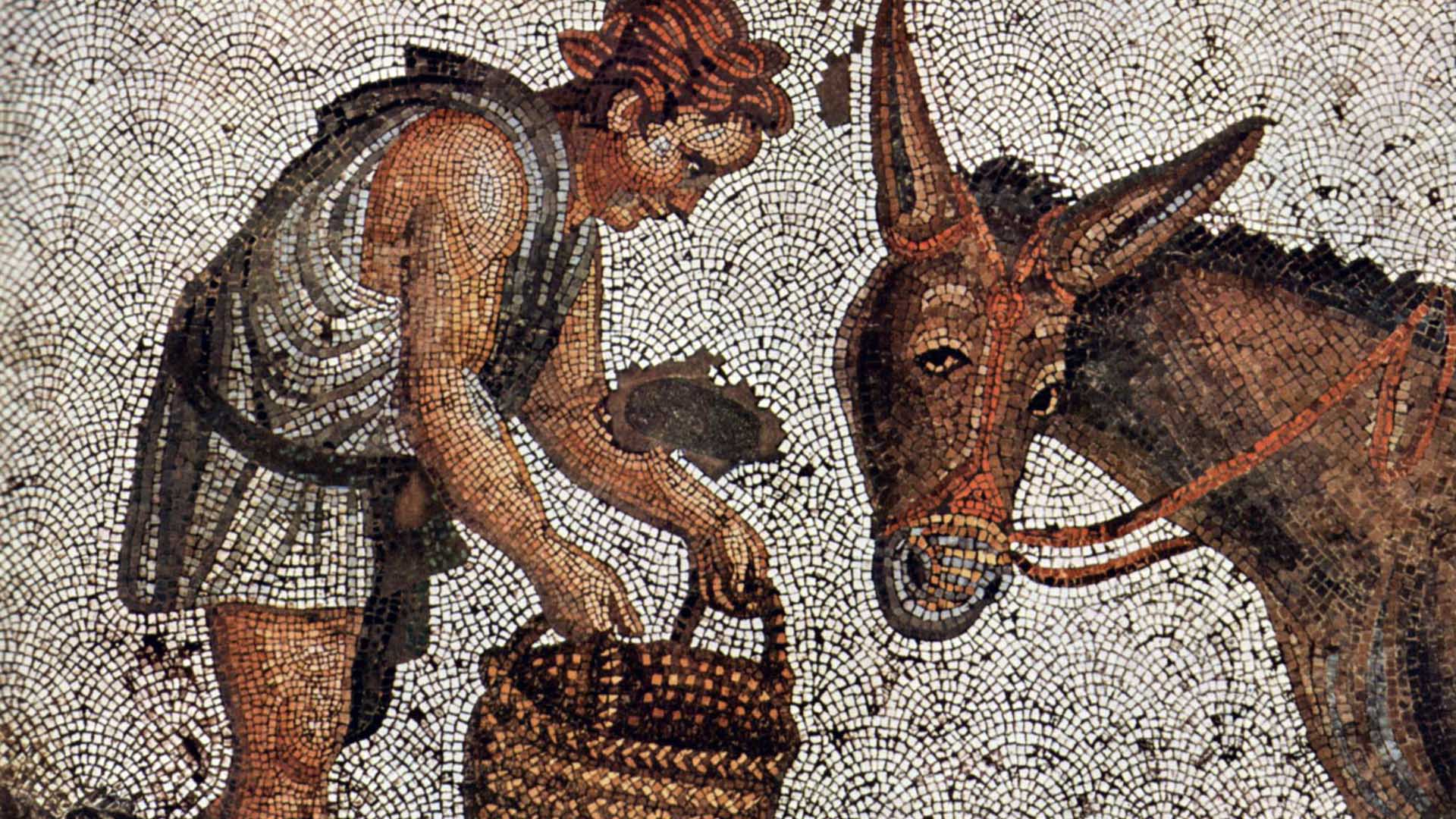
The concluding book of Apuleius’ Golden Ass (or Metamorphoses), where Lucius, the story’s protagonist, undergoes initiation into the mysteries of Isis and Osiris.
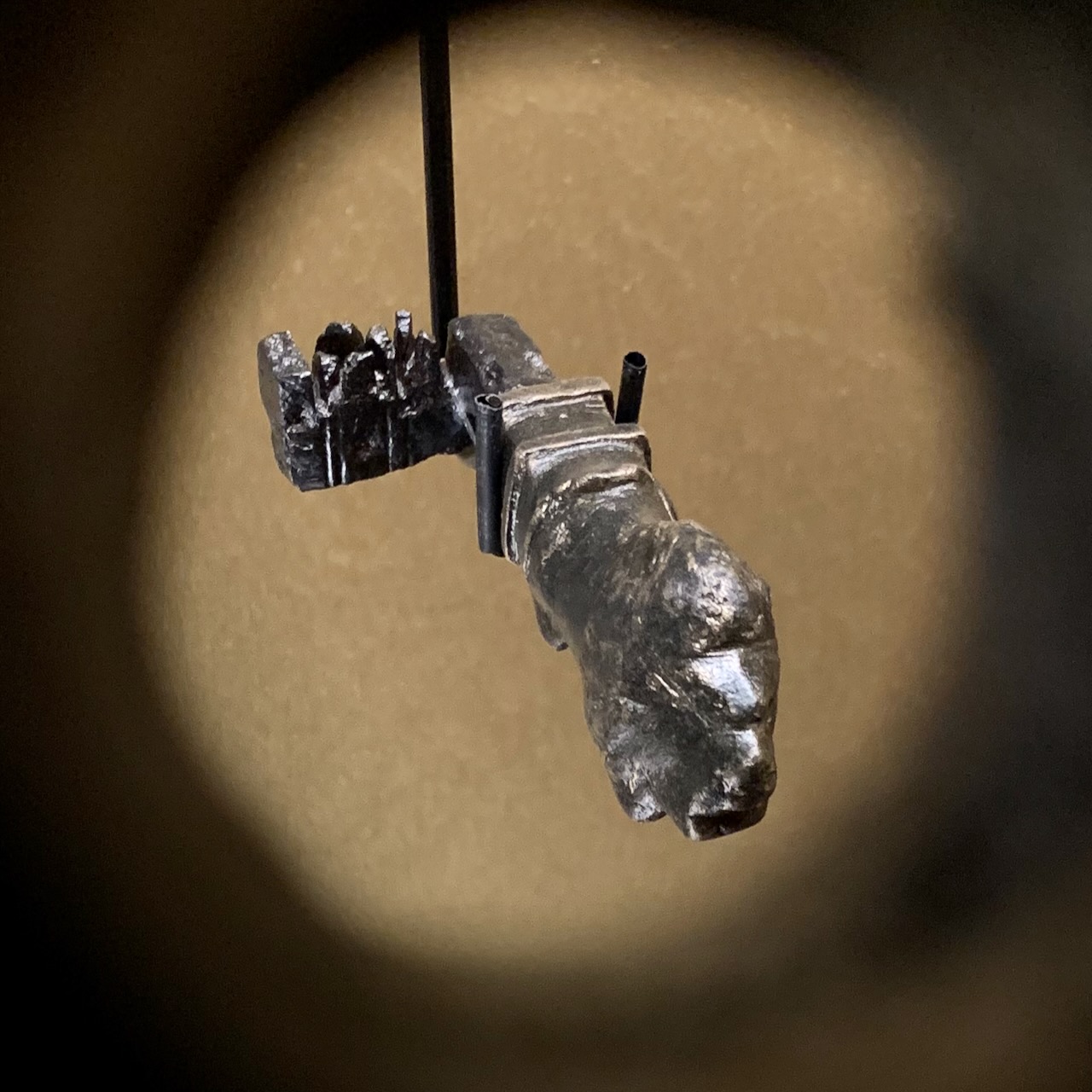
The key of Nida's Mithraeum III was decorated with a lion's head.
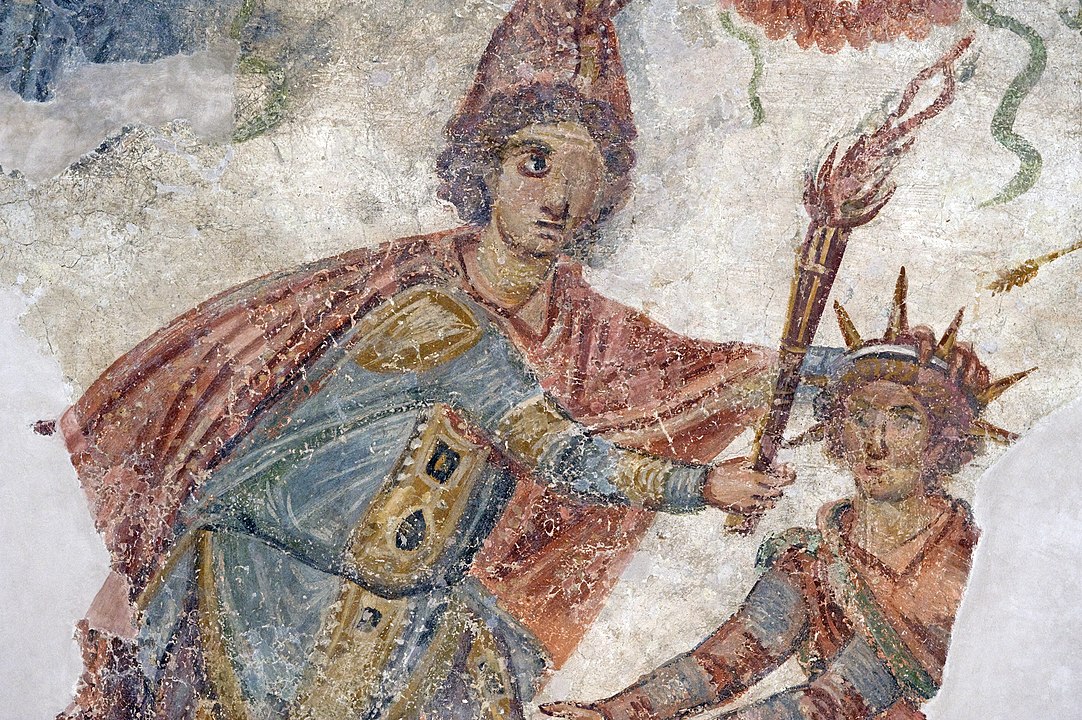
Fresco du Mithraeum de Hawarte, Syria, depicts Mithras' victory over the Sun.
This inscription reveals the names of 36 cultori of Sentinum, one of whom bears the title of pater leonum.

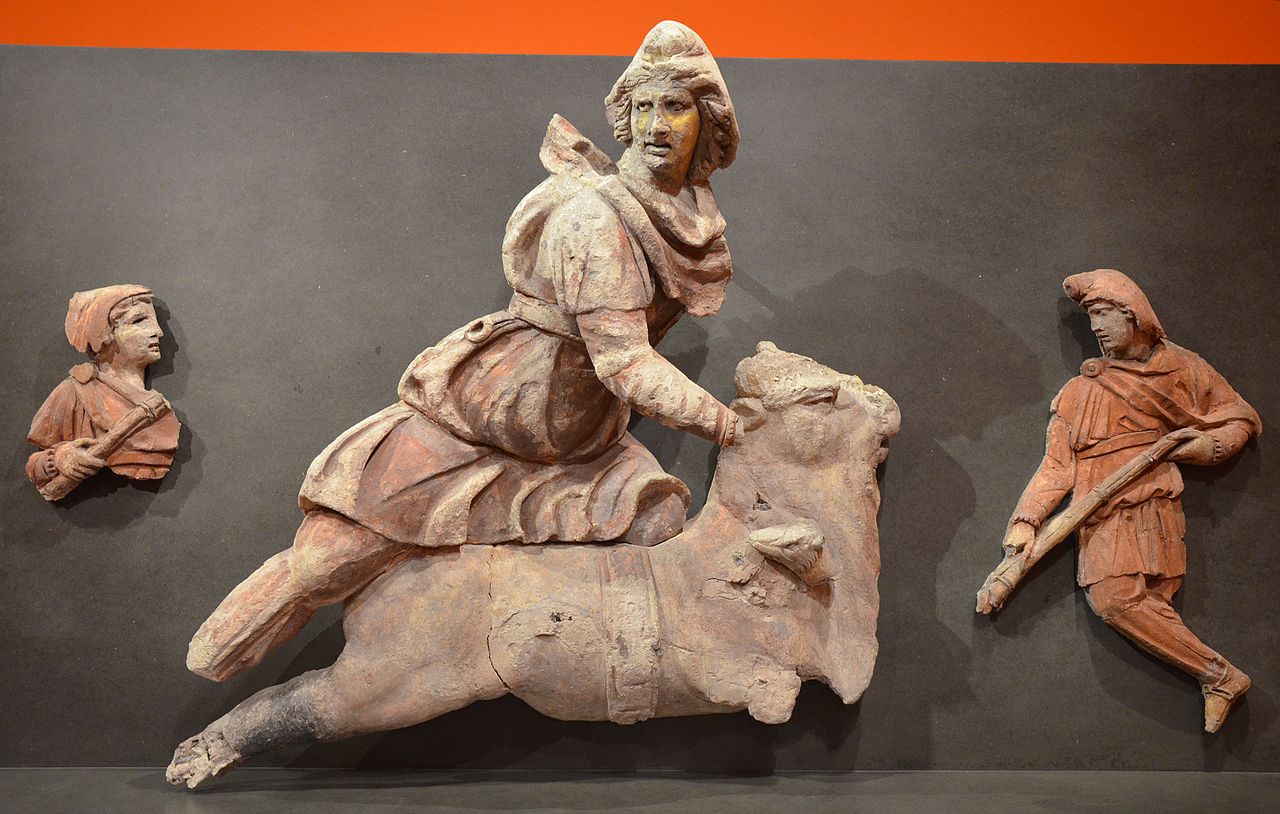
This relief was found under the Palazzo Montecitorio, in Rome, and bought by the Liebighaus at Frankfort.
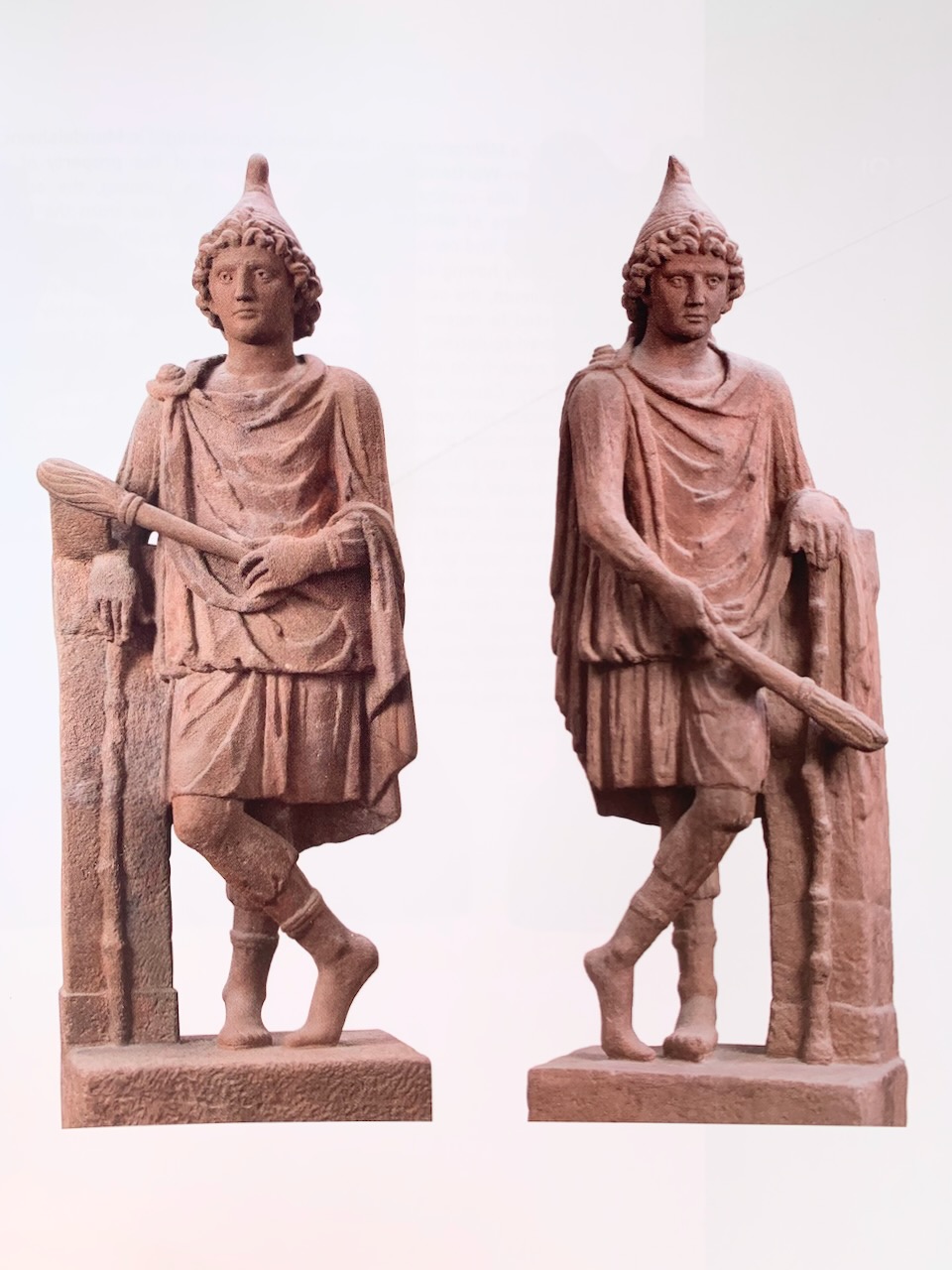
The two companions of Mithras carry a torch and a shepherd's staff at the third Mithraeum in Frankfurt-Heddernheim, formerly Nida.
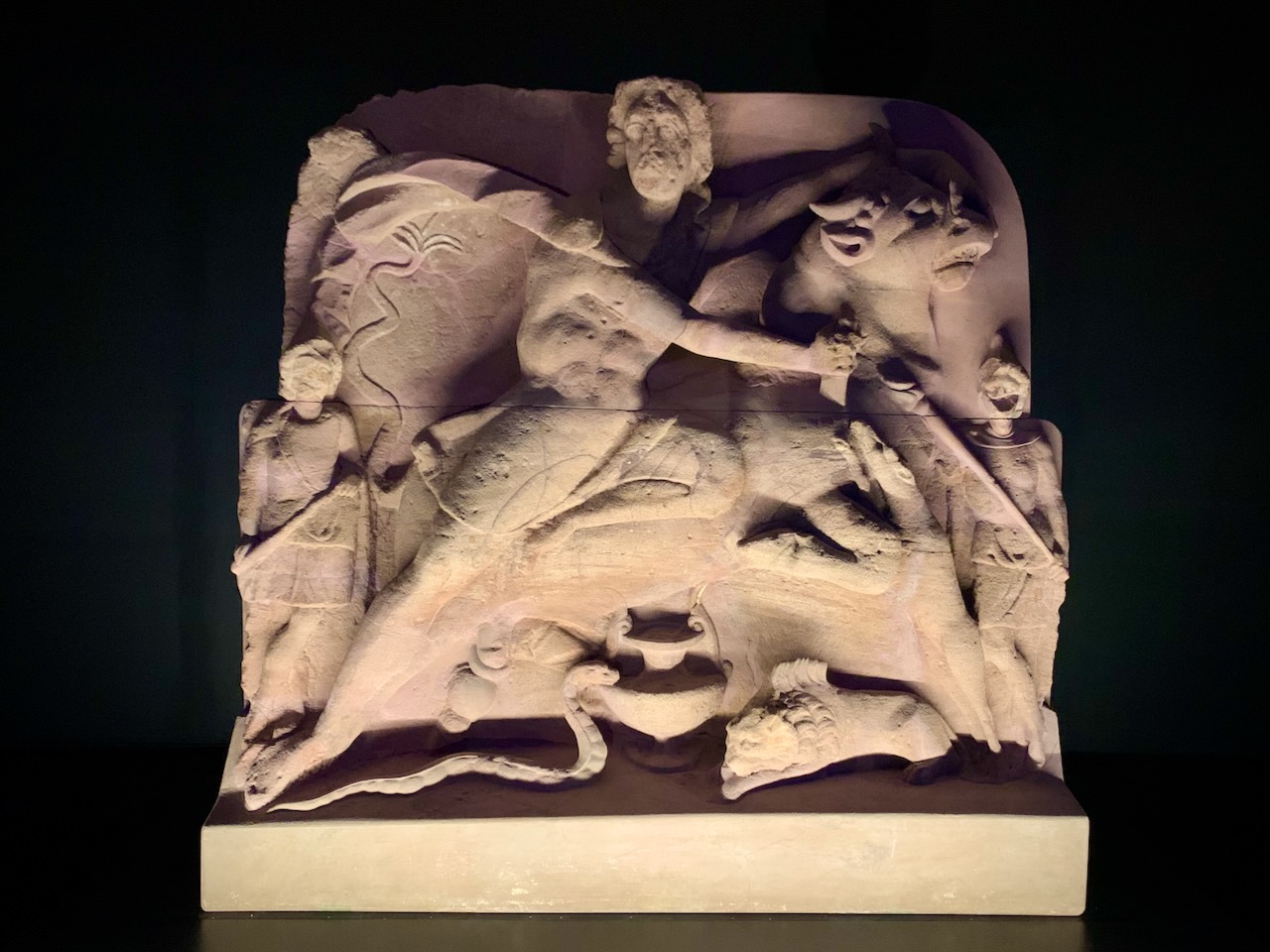
The relief of Mithras slaying the bull from Nida's Mithraeum III was found in two pieces in 1887, destroyed during an air raid on Frankfurt in 1944, and restored in 1986.
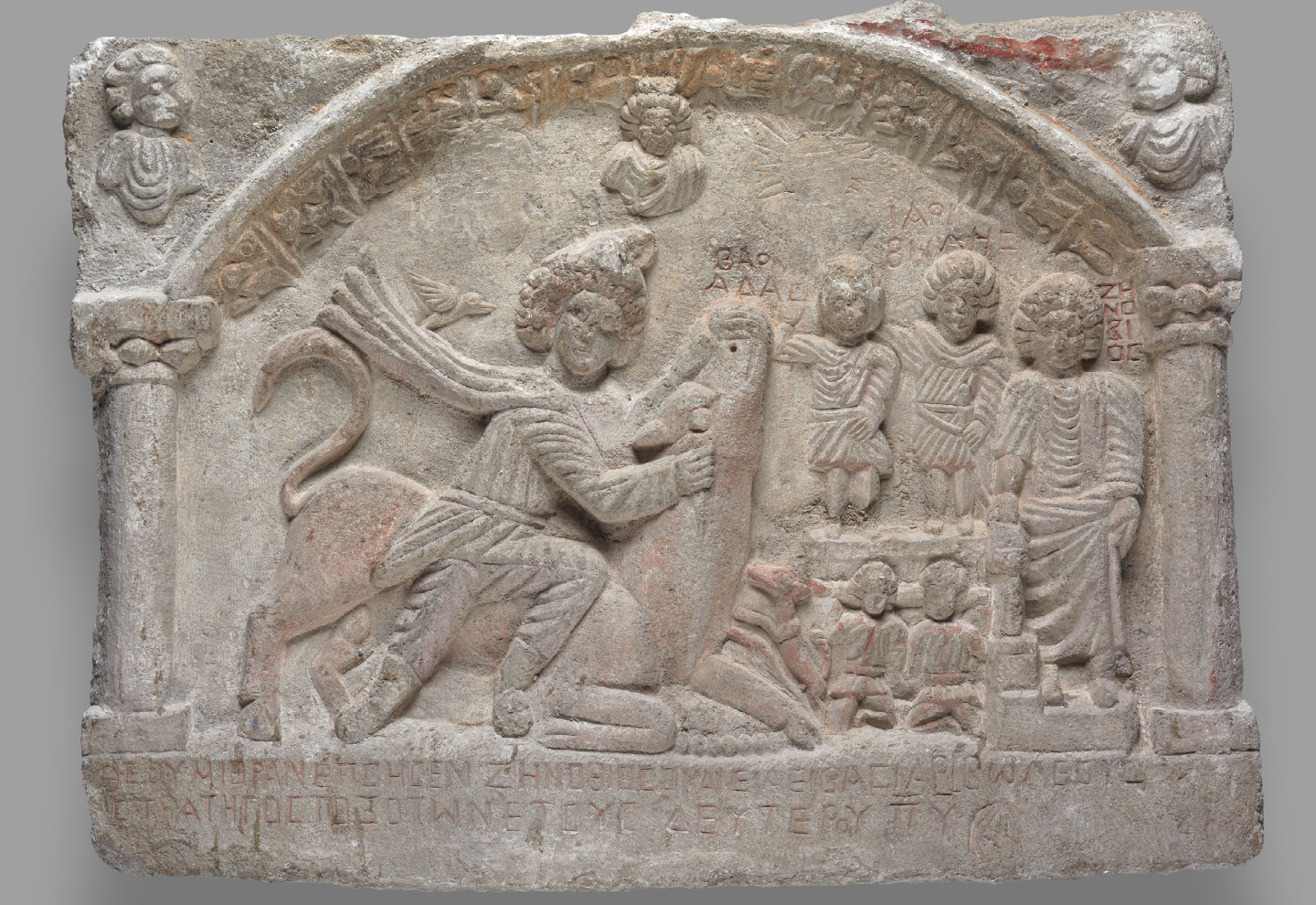
The main relief of Mithras killing the bull from the Mithraeum of Dura Europos includes three persons named Zenobius, Jariboles and Barnaadath.
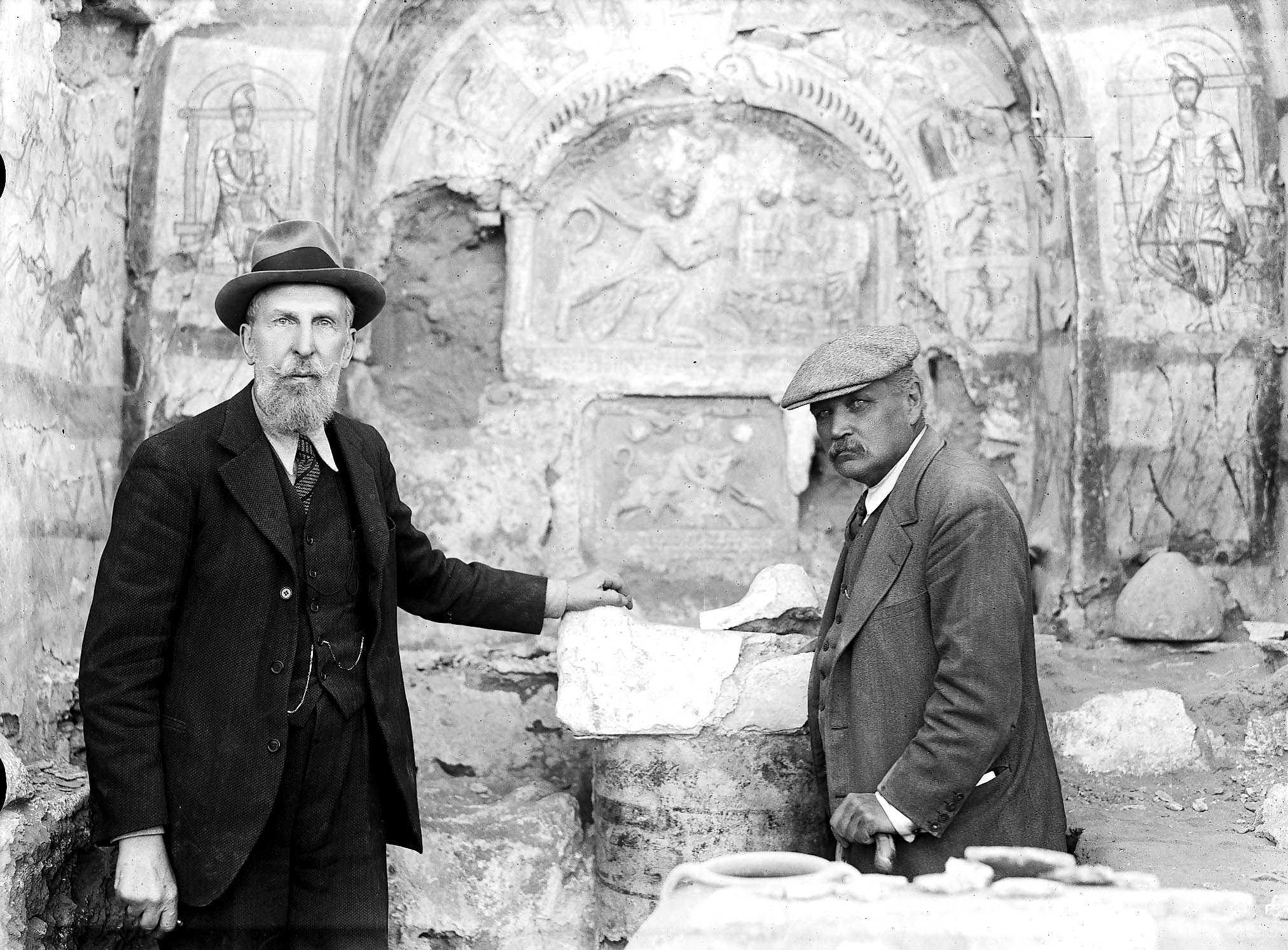
The most emblematic of the Syrian Mithraea was discovered in 1933 by a team led by the Russian historian Mikhaïl Rostovtzeff.
Roman senator, public augur and Mithraic pater attested among the aristocratic dedications associated with the Vatican Phrygianum in 376 CE.
