Your search Boulogne-sur-mer gave 339 results.

Zerzevan Castle, also known as Samachi Castle, is a ruined Eastern Roman castle, a former important military base, in Diyarbakır Province, southeastern Turkey.
Tarquinia, formerly Corneto, is an old city in the province of Viterbo, Lazio, Central Italy, known chiefly for its ancient Etruscan tombs in the widespread necropoleis, or cemeteries, for which it was awarded UNESCO World Heritage status. In 1922, i
Marino has been inhabited by Latin tribes since the 1st millennium BC. During the Roman Republic it was a summer resort for Roman patricians who built luxurious villas in the area.
Cabra is a municipality in Córdoba province, Andalusia, Spain and the site of former bishopric Egabro.
Tripolitania connected the southern Mediterranean coast to caravan routes and maritime exchange networks of Roman North Africa.
Baetica occupied a prosperous and highly urbanised corner of Roman Hispania where Mithraic cults circulated through Mediterranean exchange networks.
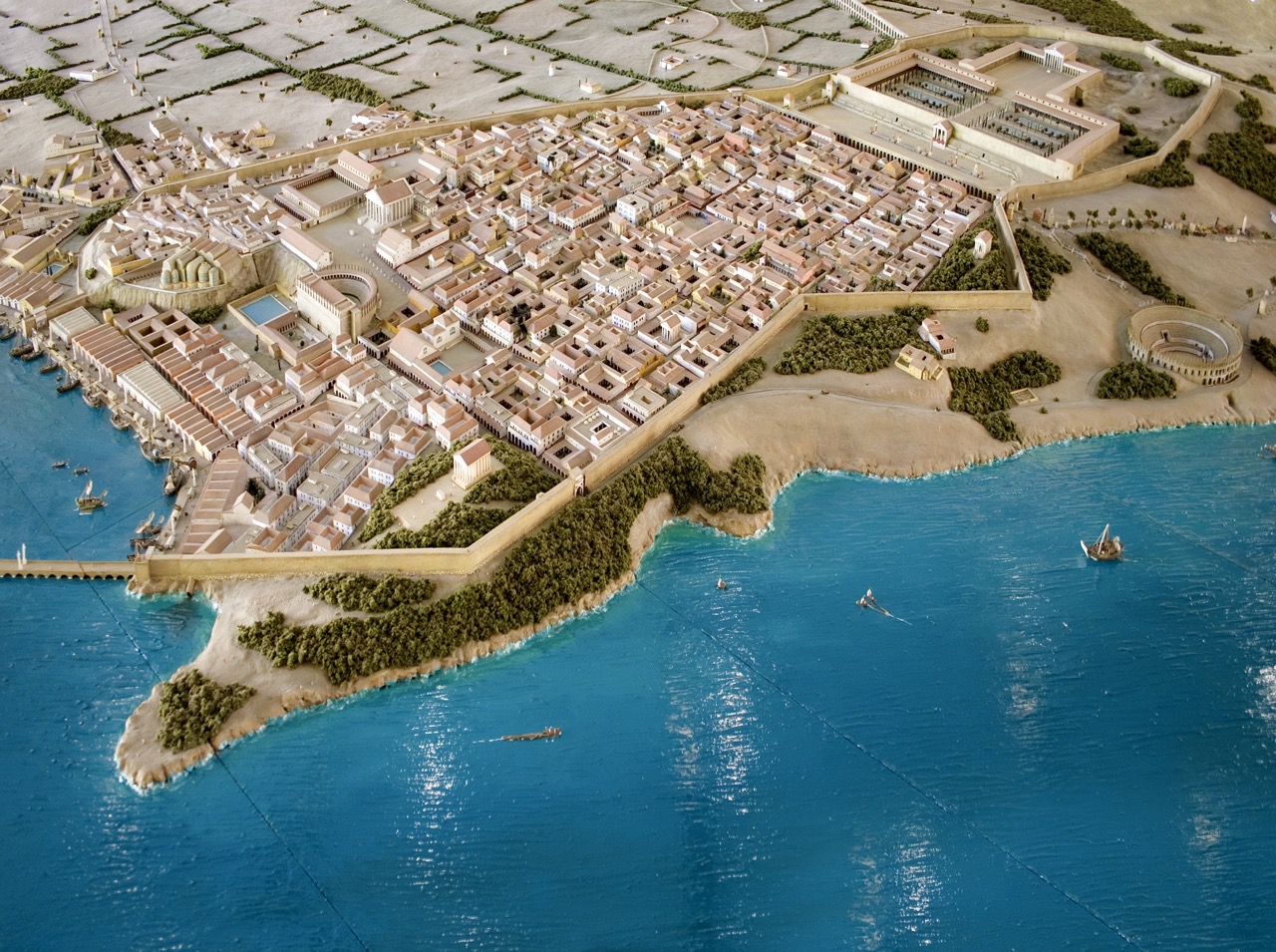
Across Tarraconensis, Mithraic evidence appears in diverse urban, military and Mediterranean environments of Roman Hispania.
Germania inferior preserves a strongly militarised body of Mithraic evidence from the lower Rhine frontier of the Roman empire.

This supposed Mithraic altar from Soulan in the Pyrenees was later identified as a modern forgery, including both the inscription and the alleged cave context in which it was said to have been discovered.
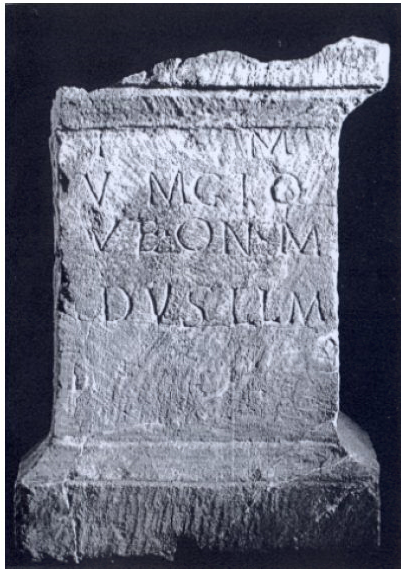
This fragmented monument bears an inscription of a certain veteran named Valerius Magio.
Aemilia connected northern and central Italy through prosperous urban centres and major communication routes of the Roman Peninsula.
Aegyptus occupied a unique position within the Roman world where Mediterranean trade, Nile networks and ancient religious traditions intersected.
Apulia connected southern Italy to the Adriatic and eastern Mediterranean through maritime trade and regional urban networks.
Campania preserved a vibrant urban and maritime environment closely connected to the commercial life of Roman Italy.
Latium formed the political and religious centre of the Roman world where some of the most important Mithraic communities developed.
Syria-Coele formed one of the principal urban and cultural centres of the Roman Near East where diverse religious traditions coexisted.
Asia formed one of the most urbanised and interconnected provinces of the eastern Roman world where Mithraic cults circulated widely.
Bithynia et Pontus connected northwestern Anatolia to the Black Sea through major maritime, urban and provincial networks.
Chersonesus occupied a northern Black Sea position where Greek, Roman and frontier cultures intersected at the edges of the Mithraic world.
Along the lower sectors of the middle Danube, Pannonia inferior became a major centre of Mithraic activity in the frontier provinces.
