The corpus from Germania inferior is closely associated with legionary environments, frontier settlements and the commercial infrastructure of the lower Rhine. Numerous monuments and inscriptions illustrate the implantation of Mithraic cults within one of the most active military zones of the western Roman world.


People attested in Germania inferior




Places in Germania inferior
Colonia Agrippina
Colonia Claudia Ara Agrippinensium, usually just called Colonia, was the Roman settlement in the Rhineland that became the modern city of Cologne, now in Germany. It was the capital of Germania Inferior and the military headquarters of the region.
Vetera
Vetera was the name of the location of two successive Roman legionary camps in the province of Germania Inferior near present-day Xanten on the Lower Rhine.
Inscriptions from Germania inferior
Mithräum von Dormagen
Deo Soli i[nvicto] M[ithrae] p[ro] s[alute] i[mperatoris] Suran l[ibertus] dupl[icarius] ale Noricorum ci[vis] Trax v[otum] s[olvit] l[ibens] m[erito].
To the god Sol Invictus Mithras, for the well-being of the emperor, Suran, freedman, duplicarius of the Ala Noricorum, a Thracian citizen, willingly and deservedly fulfilled his vow.
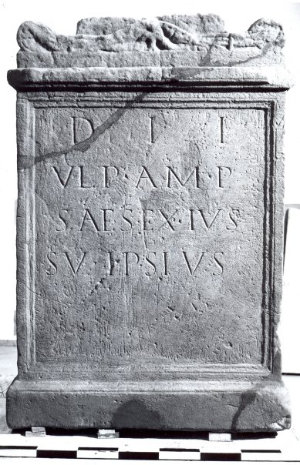
Altar of Kalkar
D[eo] I[nvicto] I[mperatori] / Ulp[ius] [ Am[---] · [ p[ater] / s[acrorum] aes · ex ius-su · ip·sius.
Altar to Deo Invicto Regi from Bandorf
Deo / invict(o) / regi pr/o bono / comun(i).
To the Unconquered God and King, for the common good.
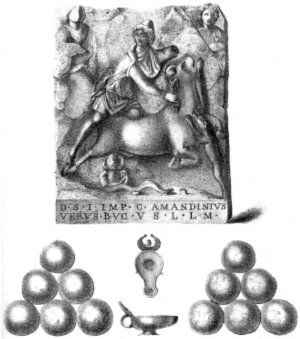
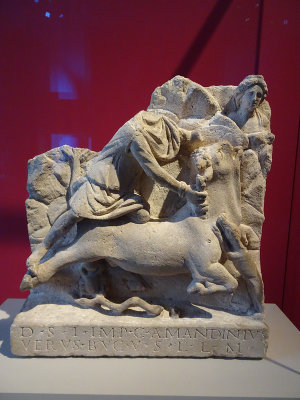
Tauroctony from Dormagen
D[eo] S[oli] i[nvicto] imp[erio] C. Amandinius / Verus buc[inator] v[otum] l[ibens] l[aetus] m[erito].
Under the command of the Unconquered Sun God, C. Amandinius Verus, the trumpeter, willingly, gladly, and deservedly fulfils his vow.
Inscription of Cimber and Exsocho from Cologne
Have / Cimber es[sedarius] et / Pietas Ensocho / essed[ario] sodali / [b]ene merenti / [pos]uit. Vale.
{H}Ave / Cimber es[sedarius] et / Pietas Exsocho / essed[ario] sodali / [be]ne merenti / [pos]uit[!] val[e] // Cor[a]x.
Cor[a]x // Have / Cimber es[sedarius] et / Pietas Exsocho[!] / essed[ario] sodali / [be]ne merent[i] / [pos]uit[!] val[e].
{H}Ave / Cimber es[sedarius] et / Pietas Exsocho / essed[ario] sodali / [be]ne merenti / [pos]uit[!] val[e] // Cor[a]x.
Cor[a]x // Have / Cimber es[sedarius] et / Pietas Exsocho[!] / essed[ario] sodali / [be]ne merent[i] / [pos]uit[!] val[e].
Hail. Cimber, the charioteer, and Pietas have erected [this monument] for Exsocho, a fellow charioteer, deserving of honor. Farewell.
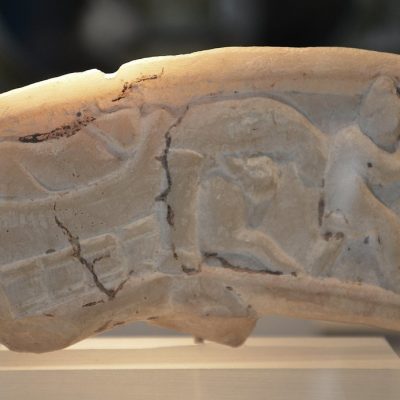
Fragmented tauroctony of Dormagen
Deo Soli I[nvicto] M[ithrae] p[ro] s[alute] Th[?]urat[?]r[?][al]is Didil[ae f[ilius]] / dup[l[arius]] al[a]e Noricorum ci[vis T[h]rax v[otum] s[olvit] l[ibens] m[erito]]
Inscription to Mithras by Claudius Romanius from Köln
D[eo] I[nvicto] M[ithrae] S[oli] s[ocio] / Tiberius Cl[audius] / Romaniu[s] / veteranu[s] / l[ibens] m[erito].
To the invincible sun god Mithras, ally of sol, Tiberius Claudius Romanius, veteran, willingly and deservedly.
Altar to Semele from Cologne
Deae Semelae et / sororibus eiius[!] / deabus ob honorem / sacri matratus / Reginia Paterna / mater nata et / facta aram po/suit / sub sacerdotal[i] / Seranio Catullo / patre.
To the goddess Semele and her sister goddesses, for the honor of the sacred office of matron, Reginia Paterna, both born a mother and made, placed this altar under the priesthood of Seranius Catullus, Pater.
