Your search Boulogne-sur-mer gave 339 results.
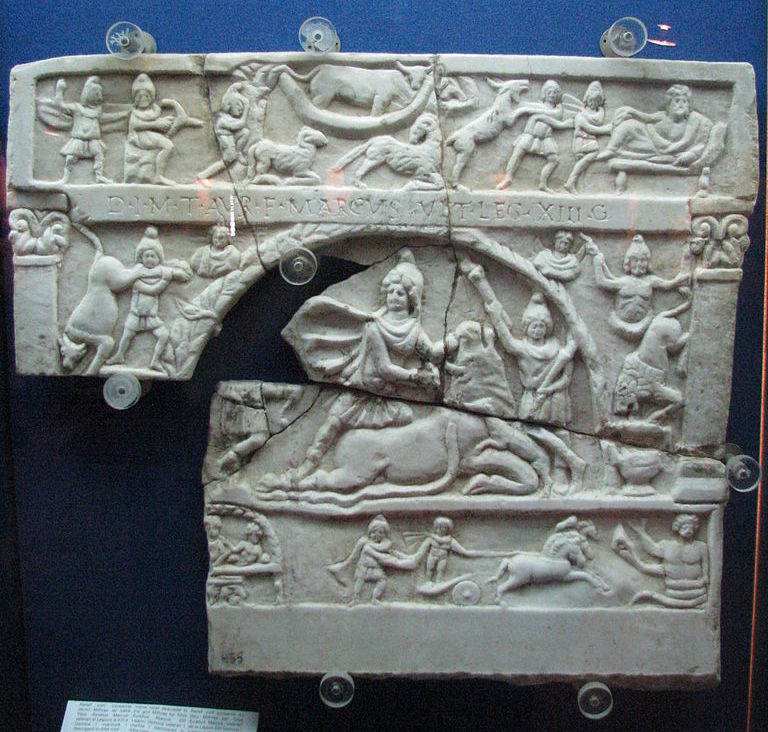
This marble relief from Alba Iulia contains numerous scenes from the myth of Mithras.

In the Mithraeum of Gross Gerau, discovered in 1989, a statue of Mercury, a lion and an altar were found.
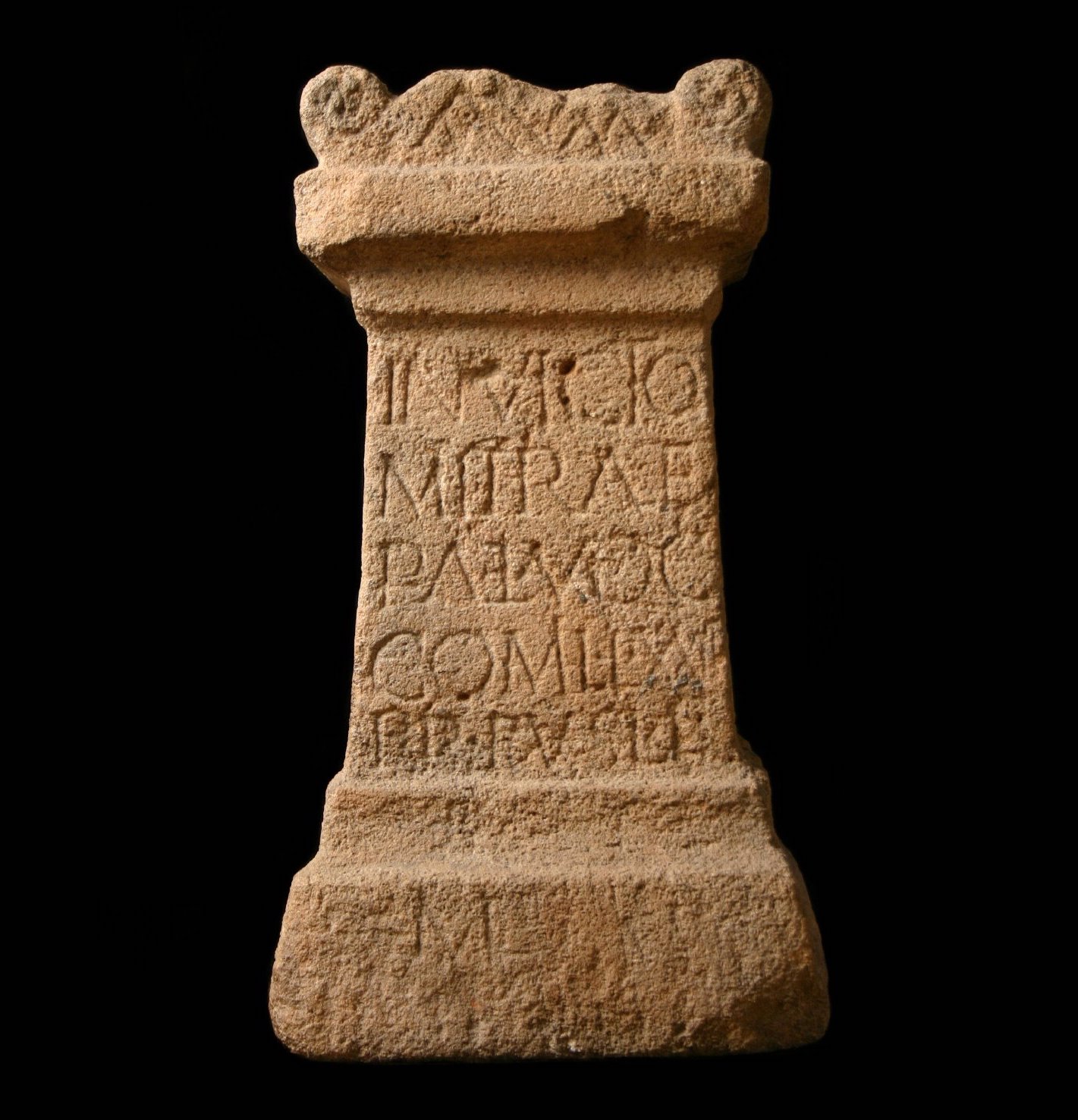
This monument was erected by a certain Publius Aelius Vocco, a solider of the Legio XXII Primigenia Pia Fidelis stationed in Mainz.
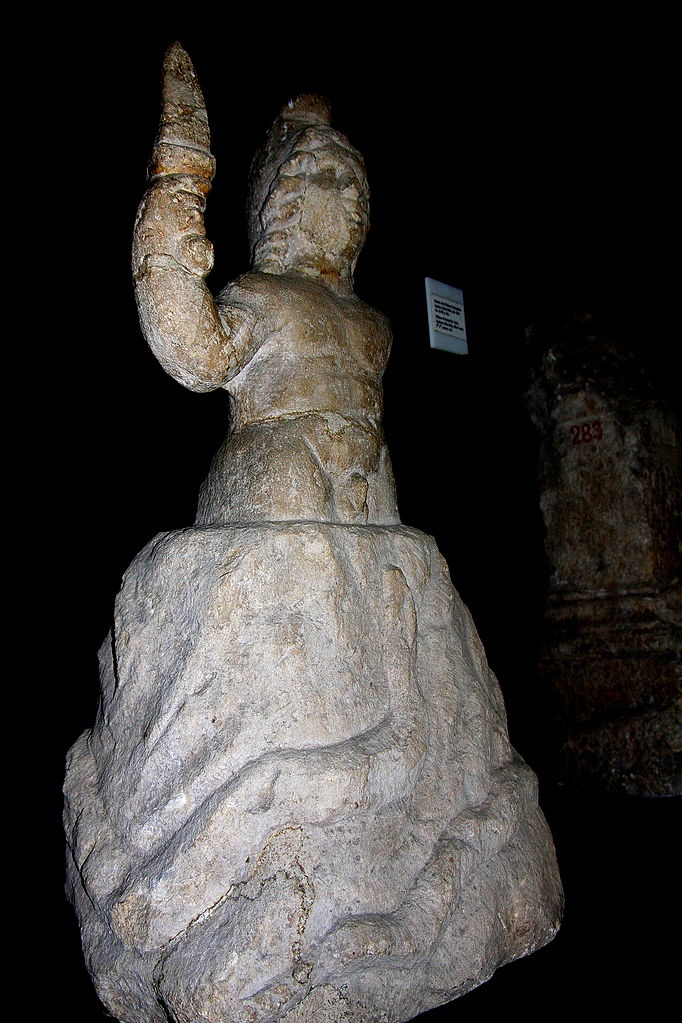
As usual, the solar god rises a dagger with one of his hands while emerges from the rock.

This marble base found in Angera in 1868 bears the inscription of two people who reached the degree of Leo.
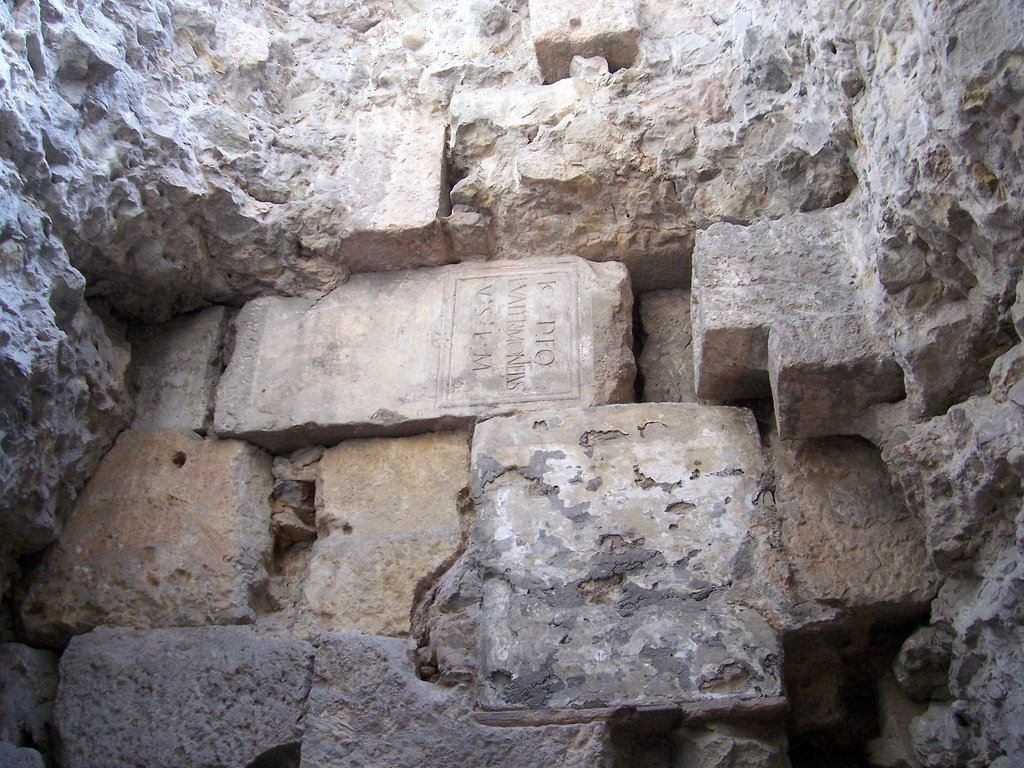
This altar was dedicated to Cautes by a certain Lucius in Baetulo (Badalona), near Barcino (Barcelona).
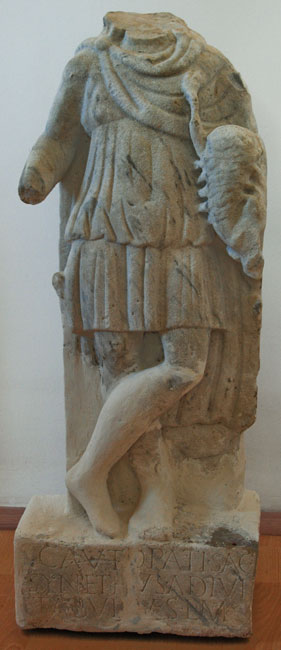
The Cautopates with scorpion found in 1882 in Sarmizegetusa includes an inscription of a certain slave known as Synethus.
This monument to the invincible god Mithras was inscribed on the façade of the church of Aiello deil Friuli, Aquileia.
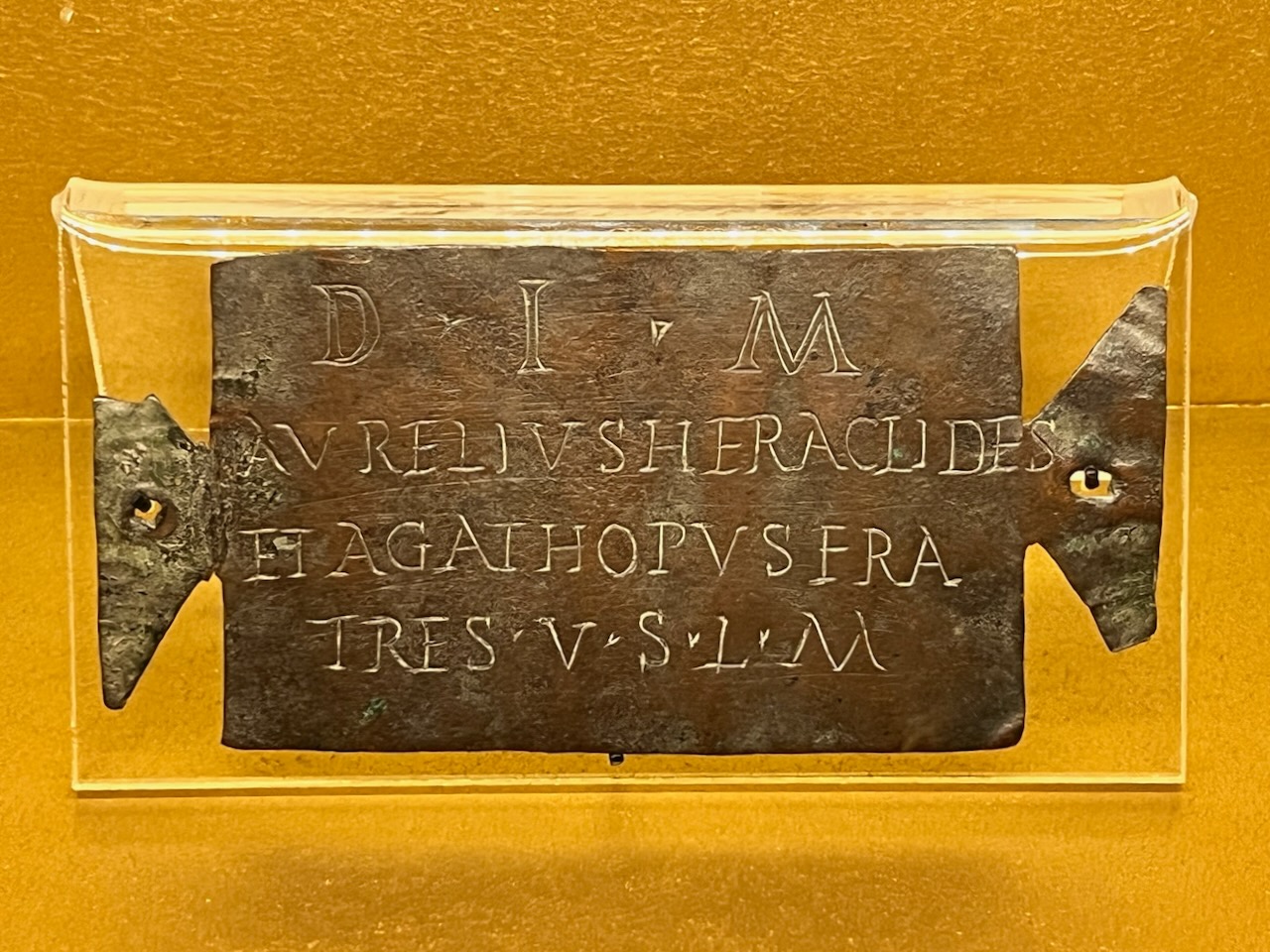
This small bronze tabula ansata was dedicated to Mithras by two brothers, probably not related by blood.
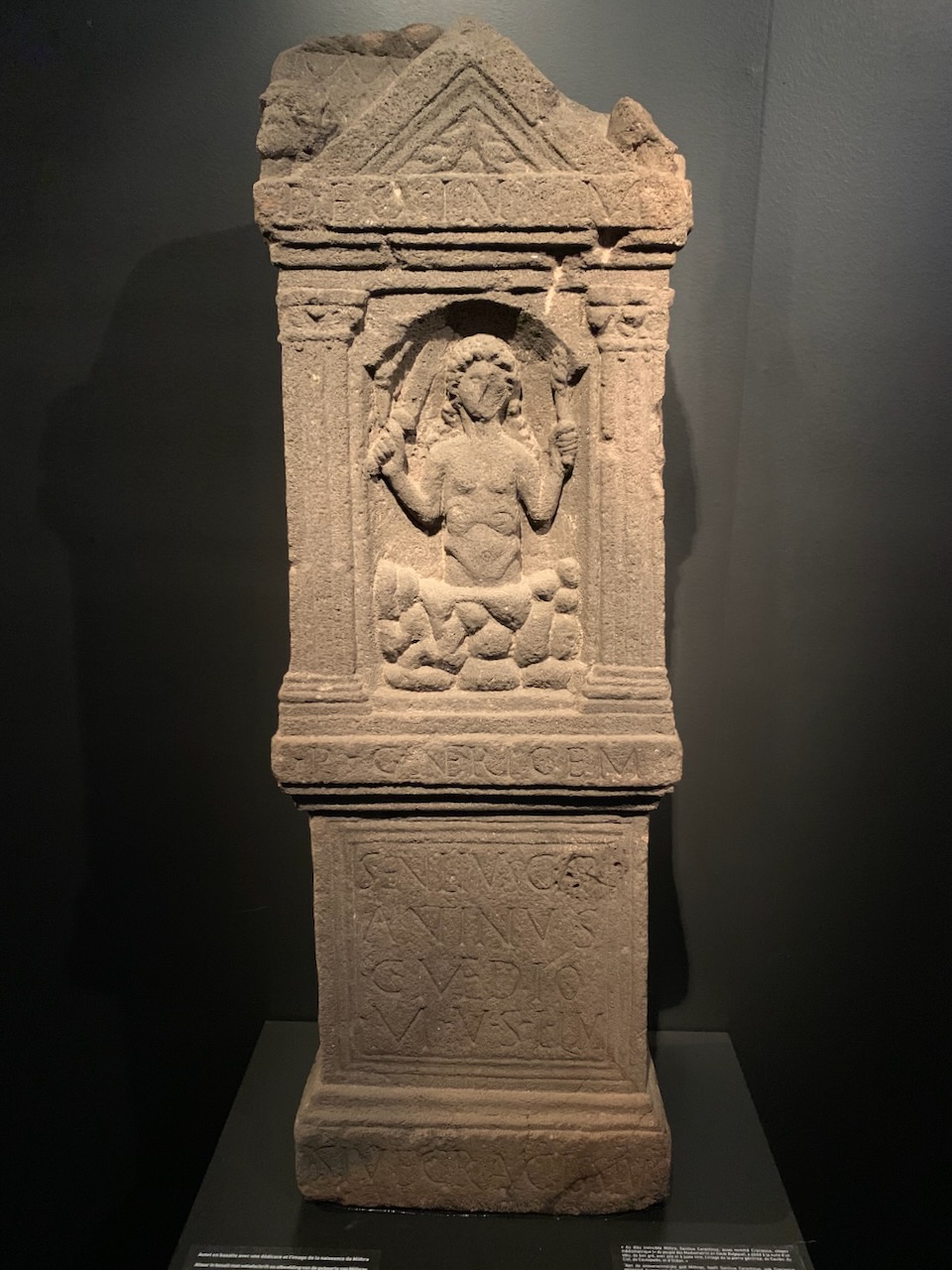
The Mithraic stele from Nida depicts the Mithras Petrogenesis and the gods Cautes, Cautopates, Heaven and Ocean.
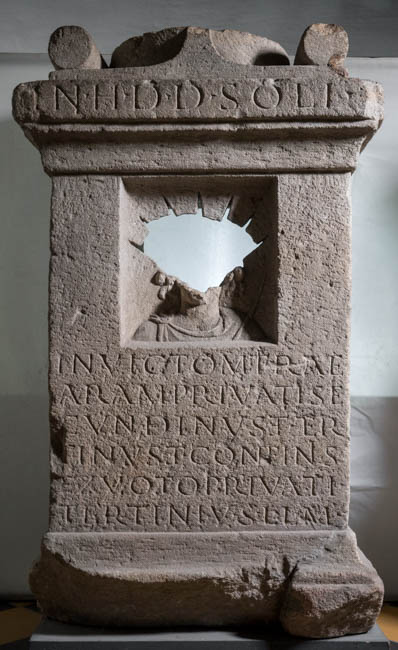
The altar of the Sun god belongs to the typology of the openwork altar to be illuminated from behind.
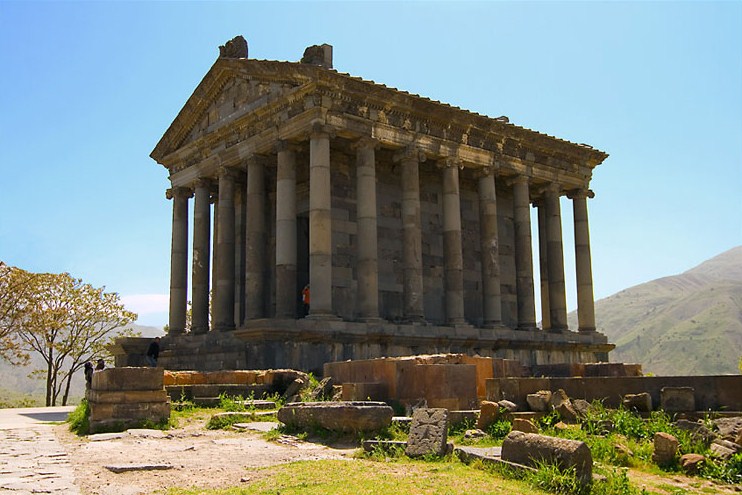
After Christianity was adopted, most pagan monuments were destroyed or abandoned. Garni, however, was preserved at the request of the sister of King Tiridates II and used as a summer residence for Armenian royalty.
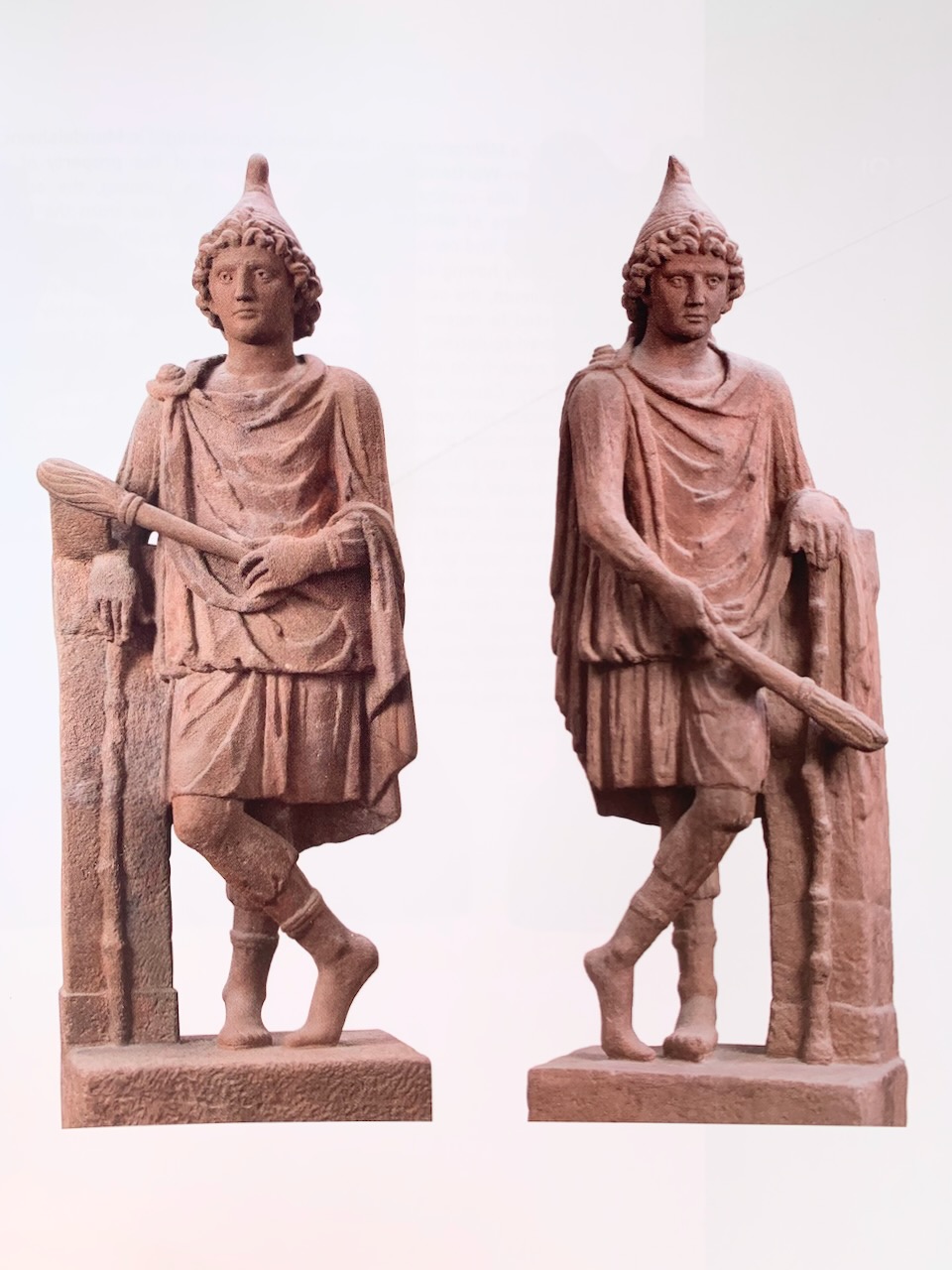
The two companions of Mithras carry a torch and a shepherd's staff at the third Mithraeum in Frankfurt-Heddernheim, formerly Nida.
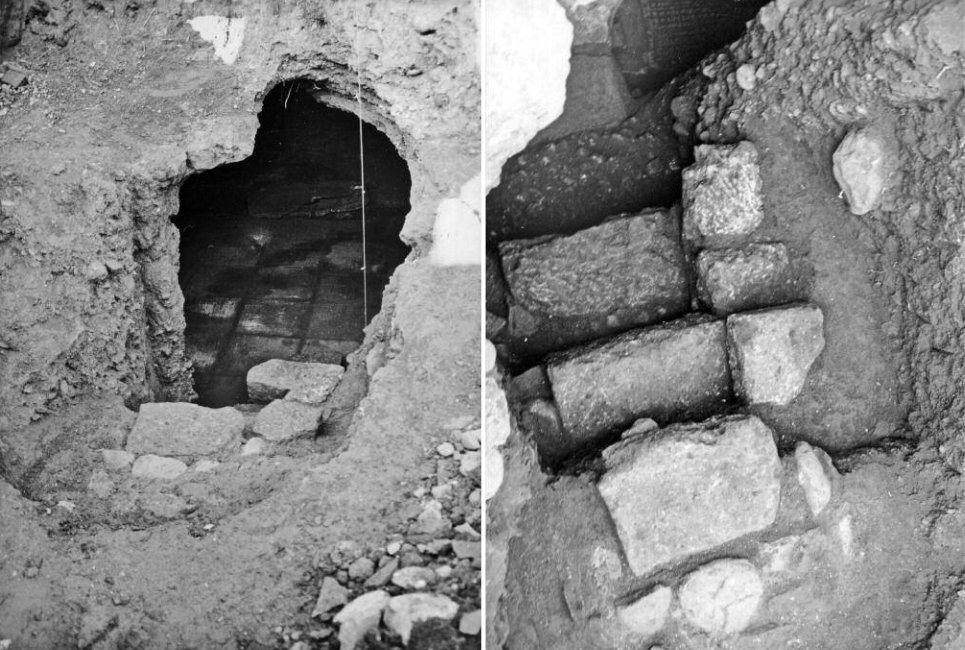
The underground cave which served as temple was cut into the conglomerate rock of the area, and a flight of eight steps of stone slabs led to it.

In Aquincum petrogenia, Mithras holds the usual dagger and torch as he emerges from the rock.
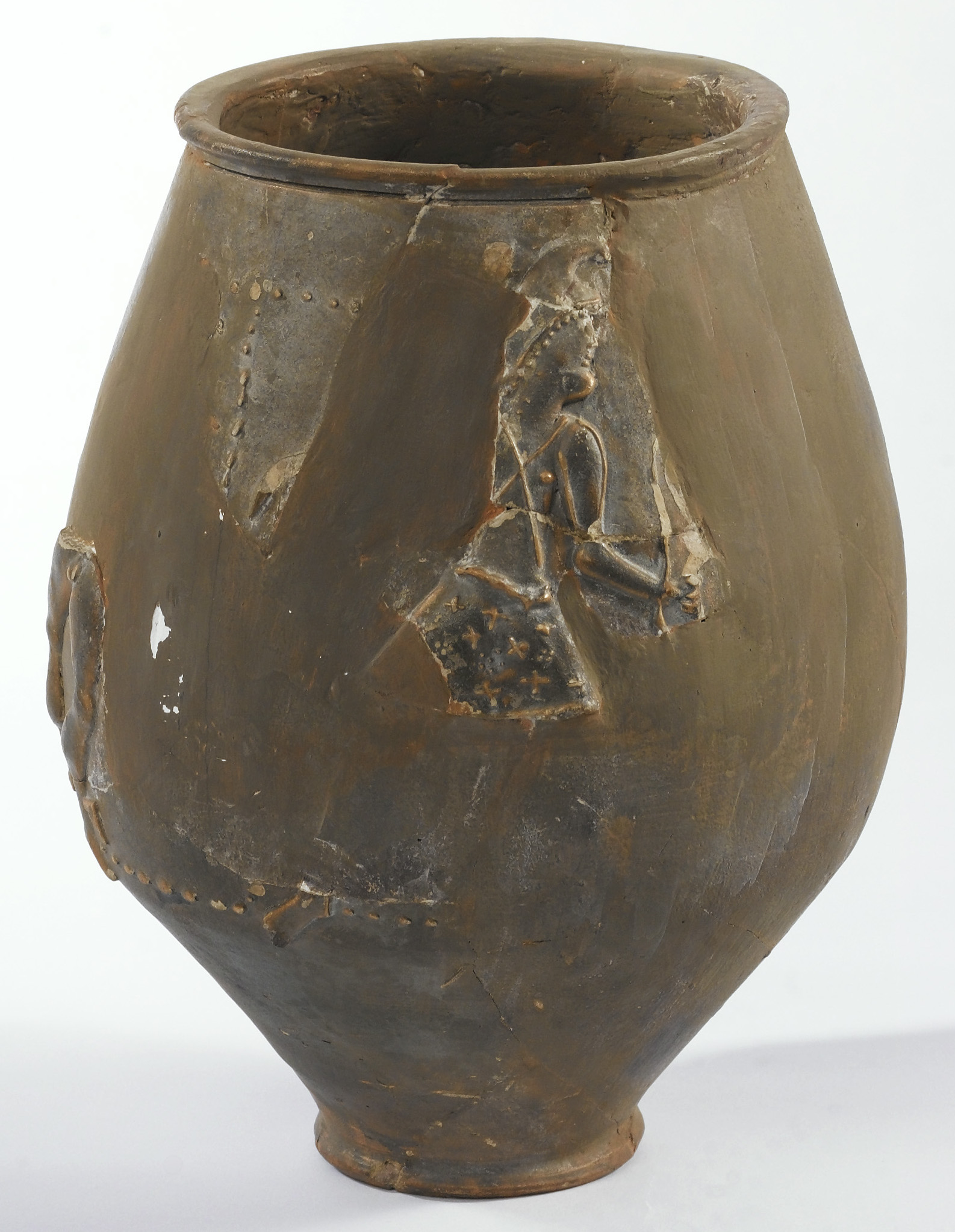
The St Albans mithraic vase depicts fragments of three figures identified by Vermaseren as Hercules, Mercury and Mithras as an archer.
This Mithraic temple, now disappeared, is known thanks to the numerous remains recorded since 1594 in the 'Memorie di varie antichità trovate in diversi luoghi della città di Roma'.
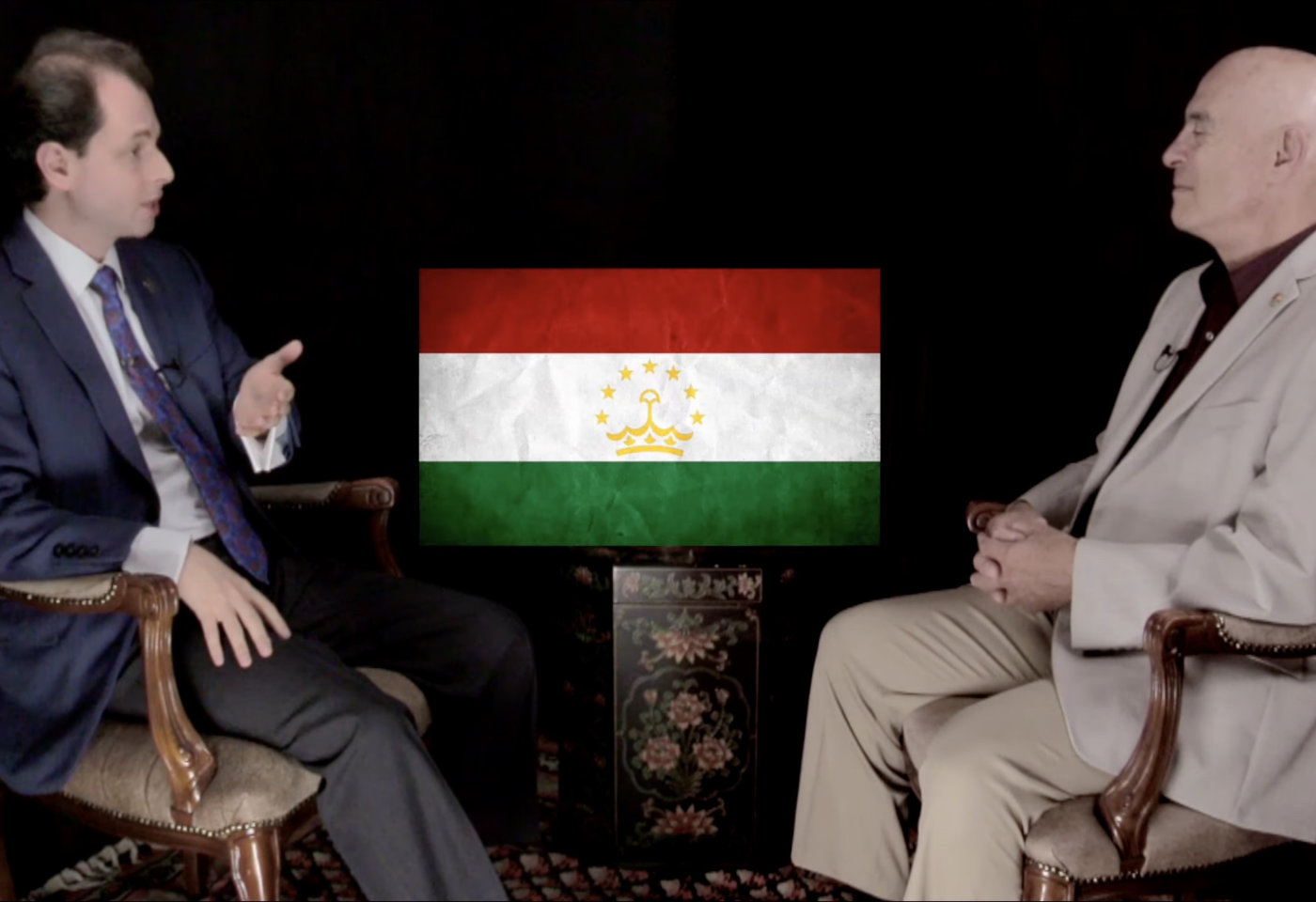
Jason Reza Jorjani, PhD, is a philosopher and author of Prometheus and Atlas, World State of Emergency, Lovers of Sophia, Novel Folklore: The Blind Owl of Sadegh Hedayat, and Iranian Leviathan: A Monumental History of Mithra's Abode.

Germania preserves some of the densest concentrations of Mithraic evidence in the Roman frontier provinces.
