Your search Bu Njem gave 1882 results.
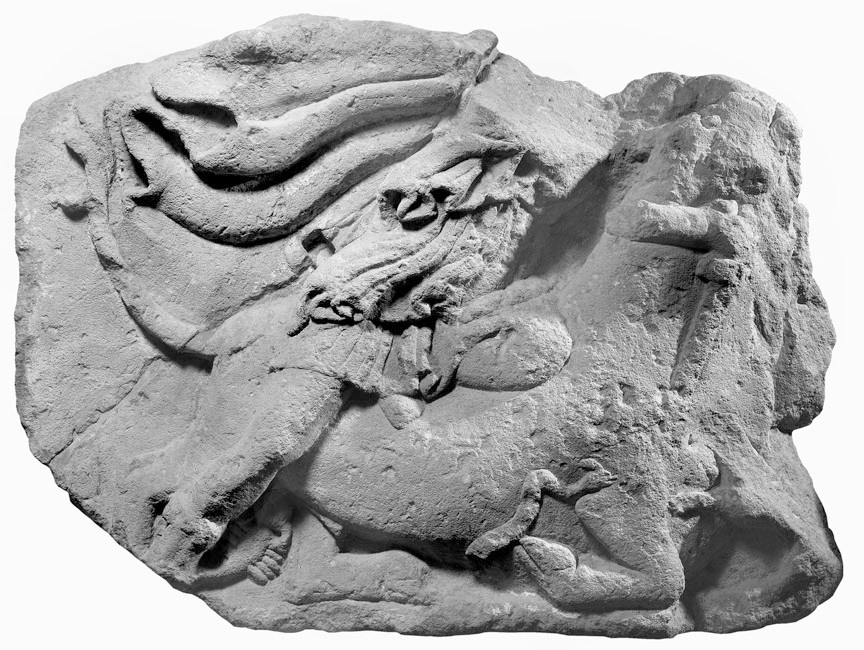
Sandstone relief of Mithras killing the bull, broken in two parts and partly restored, with dog, serpent and scorpion preserved; formerly in Vienna, now on loan to the Museum Carnuntinum.

This marble relief, found in Sisak, Croatia, shows Mithras killing the bull in a circle of corn ears, gods and some scenes from the Mithras myth.
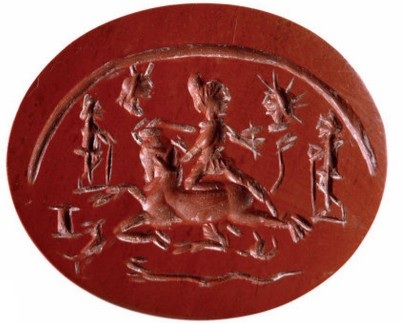
An oval carnelian gem from Carnuntum showing Mithras tauroktonos in a grotto. Sol and Luna appear above, with both torchbearers and a small altar before the bull.
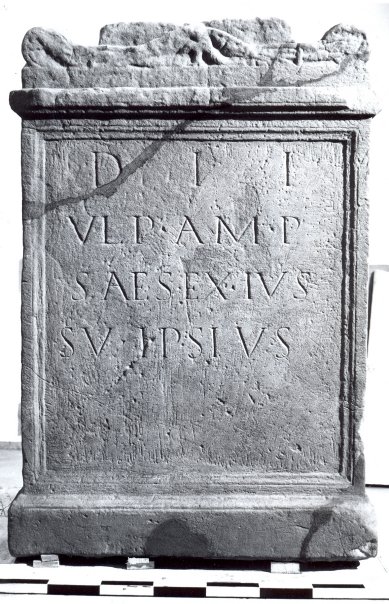
This altar found at ancient Burginatum is the northernmost in situ Mithraic find on the continent.

He and his brother, both of the Legio II Adiutrix, built a temple and erected several monuments in Budaors, Pannonia.

Veteran and ex duplicarius of ala I civum Romanorum who dedicated an altar to Mithras in Teutoburgium.

Lifelong pater of Mithras in Anazarbus, holding the civic title Father of the Homeland.
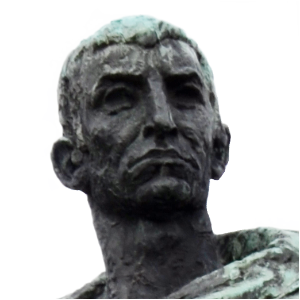
Danube region can be traced back to the legions that fought under his command in Armenia.

Frontinianus and Fronto built a Mithraeum in Budaors, probably on their own property.
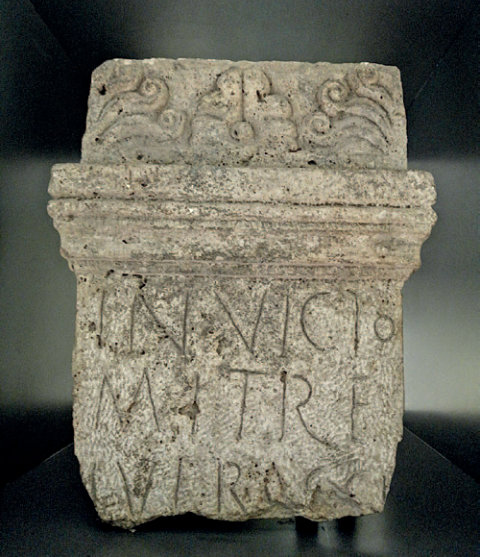
This Mithraic altar of a certain Iulius Rasci or Racci was found in 1979 in a field in Borovo, Croatia, in the area of the Roman fort of Teutoburgium.
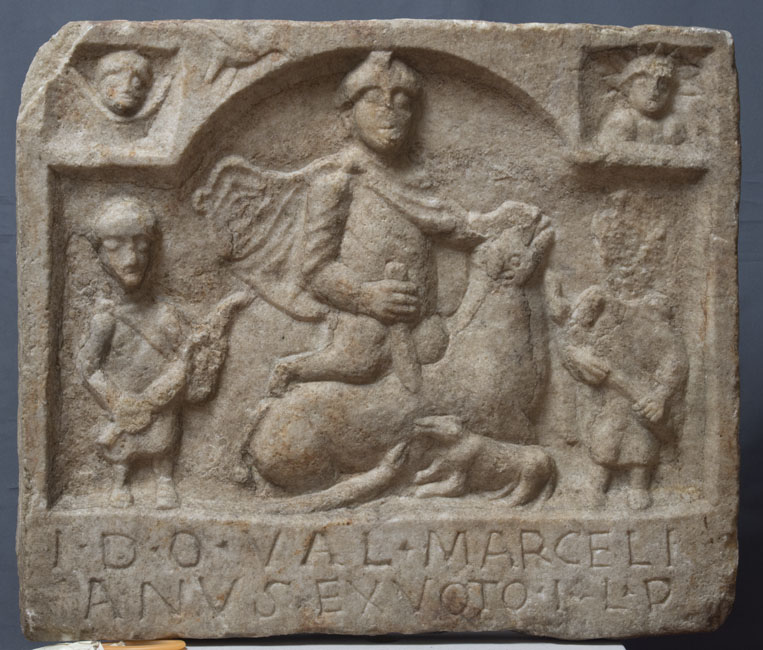
This primitive relief of Mithras as a bullkiller is signed by a certain Valerius Marcelianus.
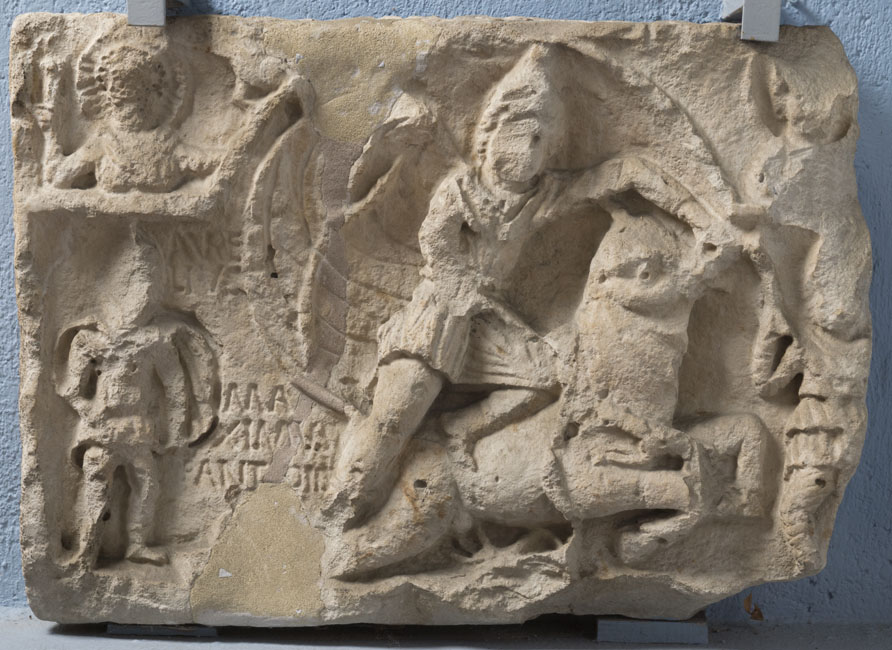
This relief of Mithras as a bullkiller was found in Golubić, Bosnia and Herzegovina, near a cementery.
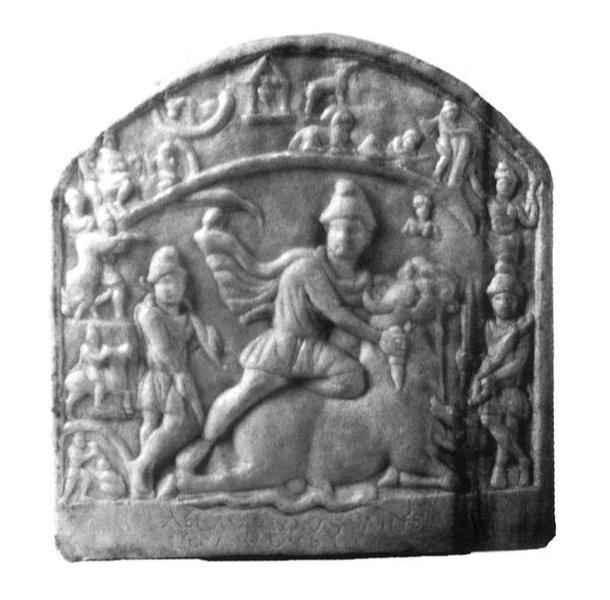
This small relief of Mithras killing the bull was found in 1859 in Turda, in the Cluj region of Romania.
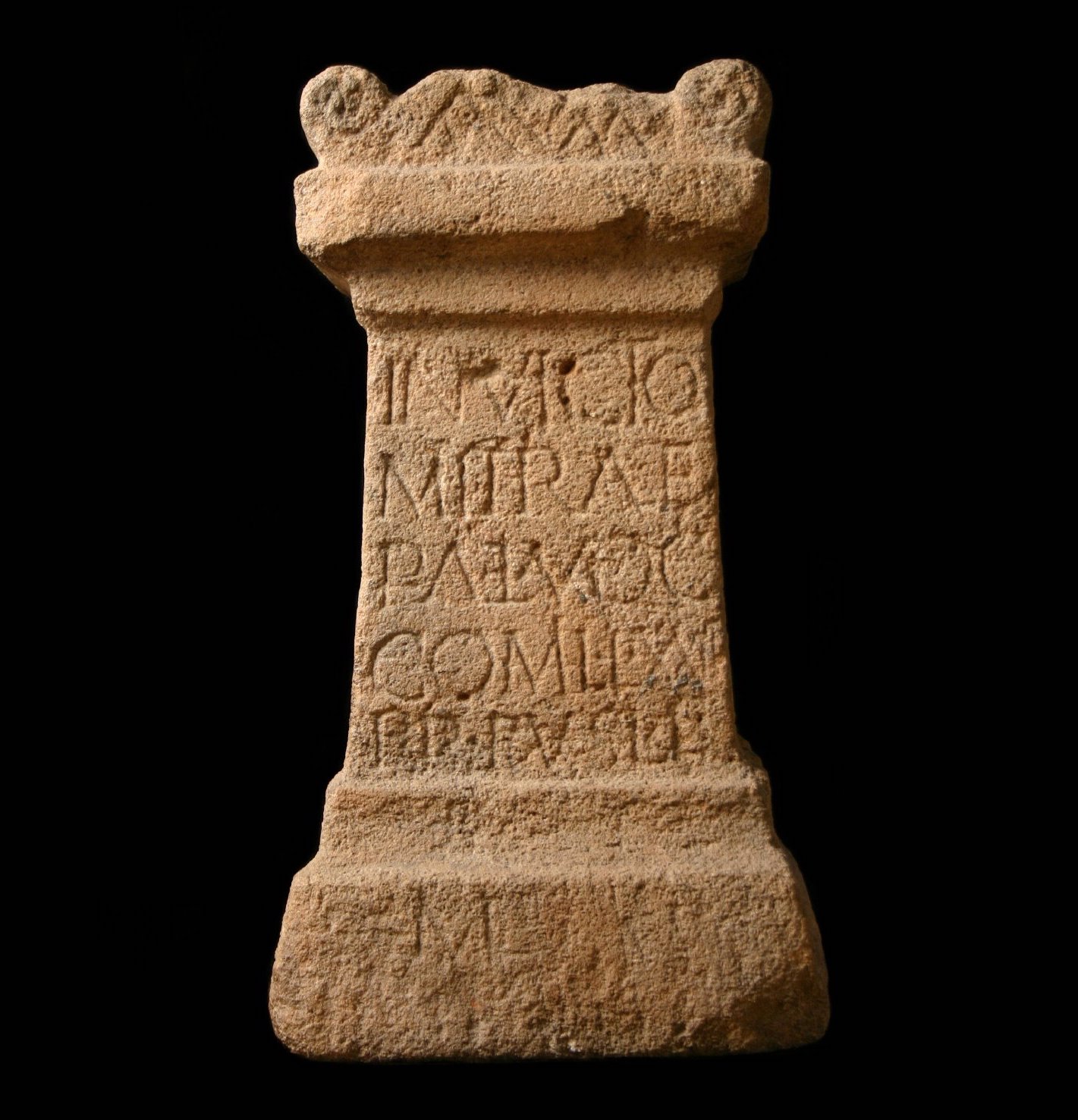
This monument was erected by a certain Publius Aelius Vocco, a solider of the Legio XXII Primigenia Pia Fidelis stationed in Mainz.
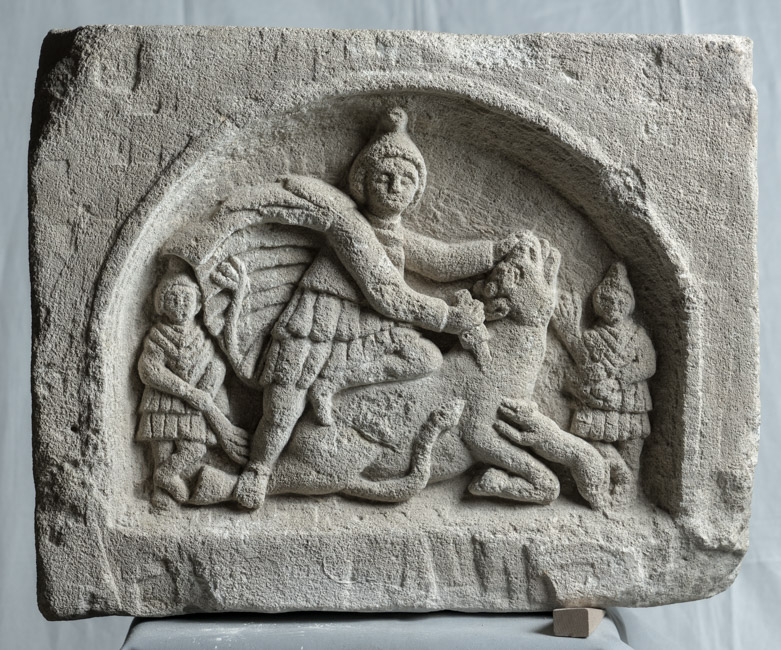
This relief found at Carnuntum represents Mithras slaughtering the bull, without the scorpion, in the sacred cave.
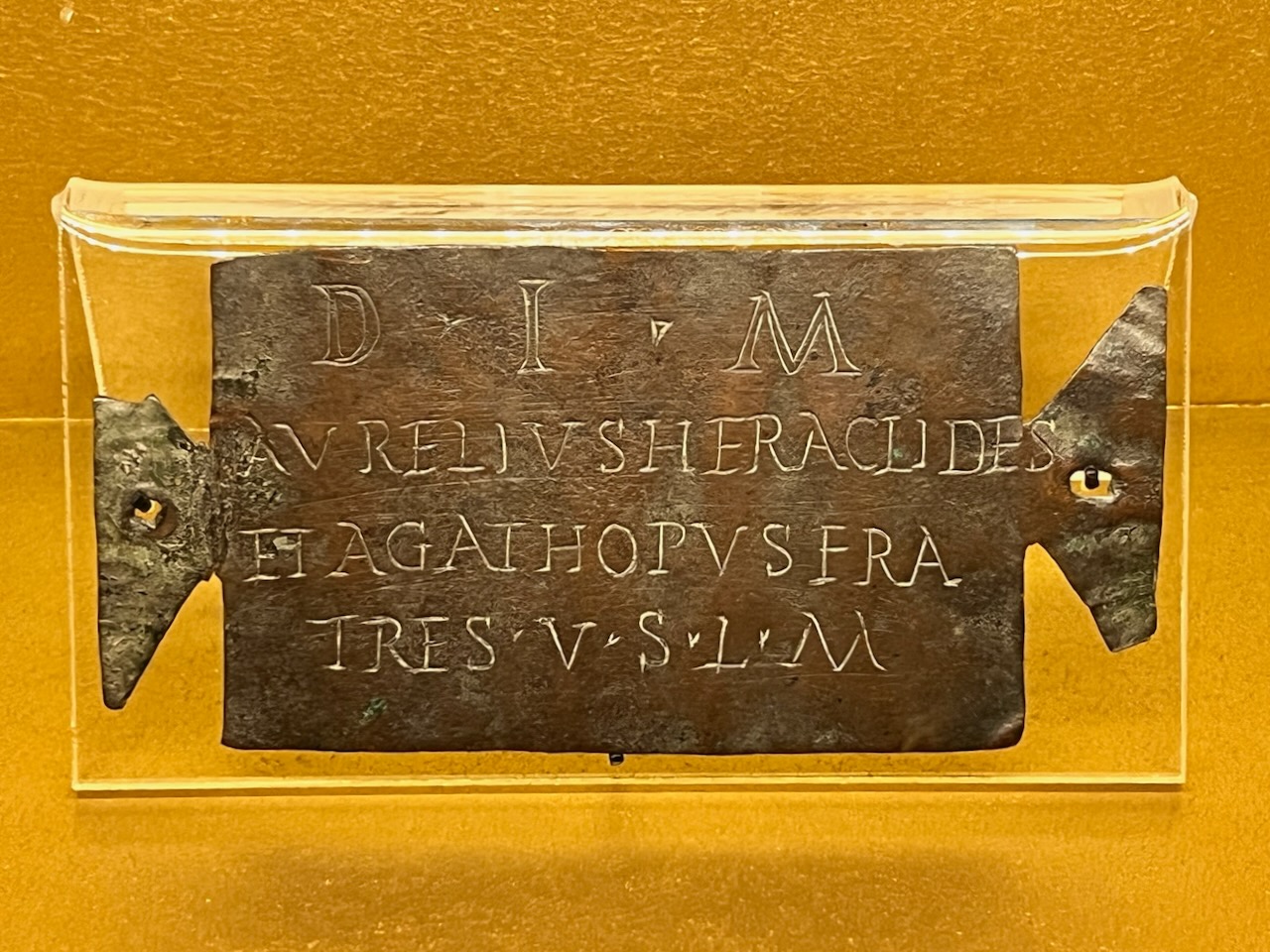
This small bronze tabula ansata was dedicated to Mithras by two brothers, probably not related by blood.
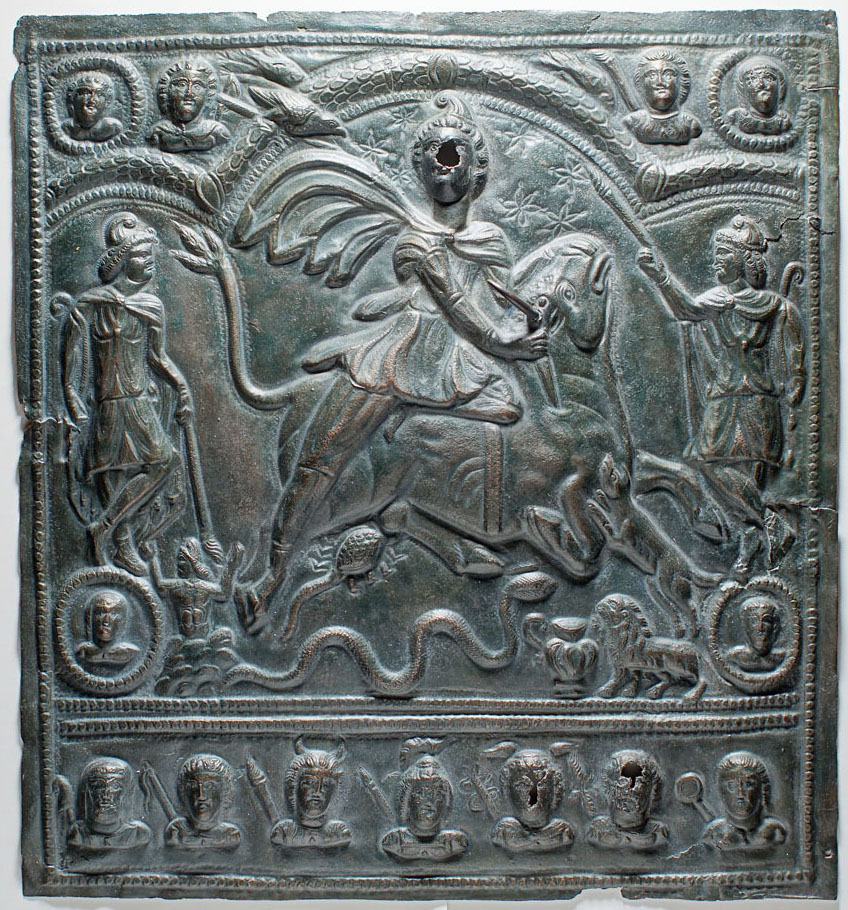
Szony's bronze plate shows Mithra slaying the bull and the seven planets with attributes at the bottom of the composition.
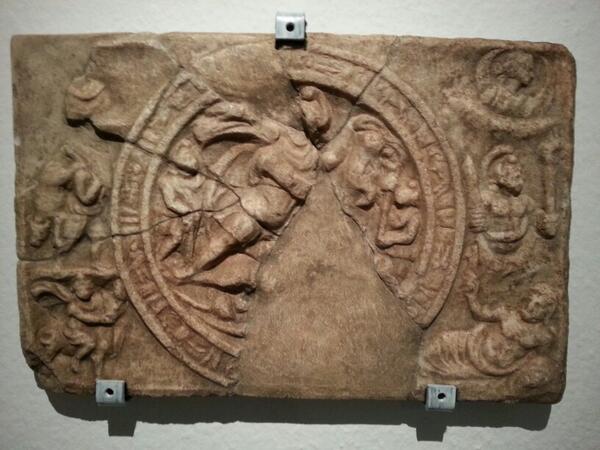
The relief of Mithras slaying the bull of Sisak includes the zodiac and multiple scenes from the myth of Mithras.
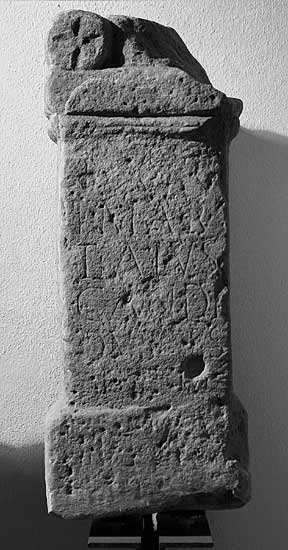
Bright red sandstone altar from Mithraeum II at Stockstadt dedicated to Deo Cauti by Titus Martialius Candidus, found near the north podium.

