Your search Bu Njem gave 1882 results.
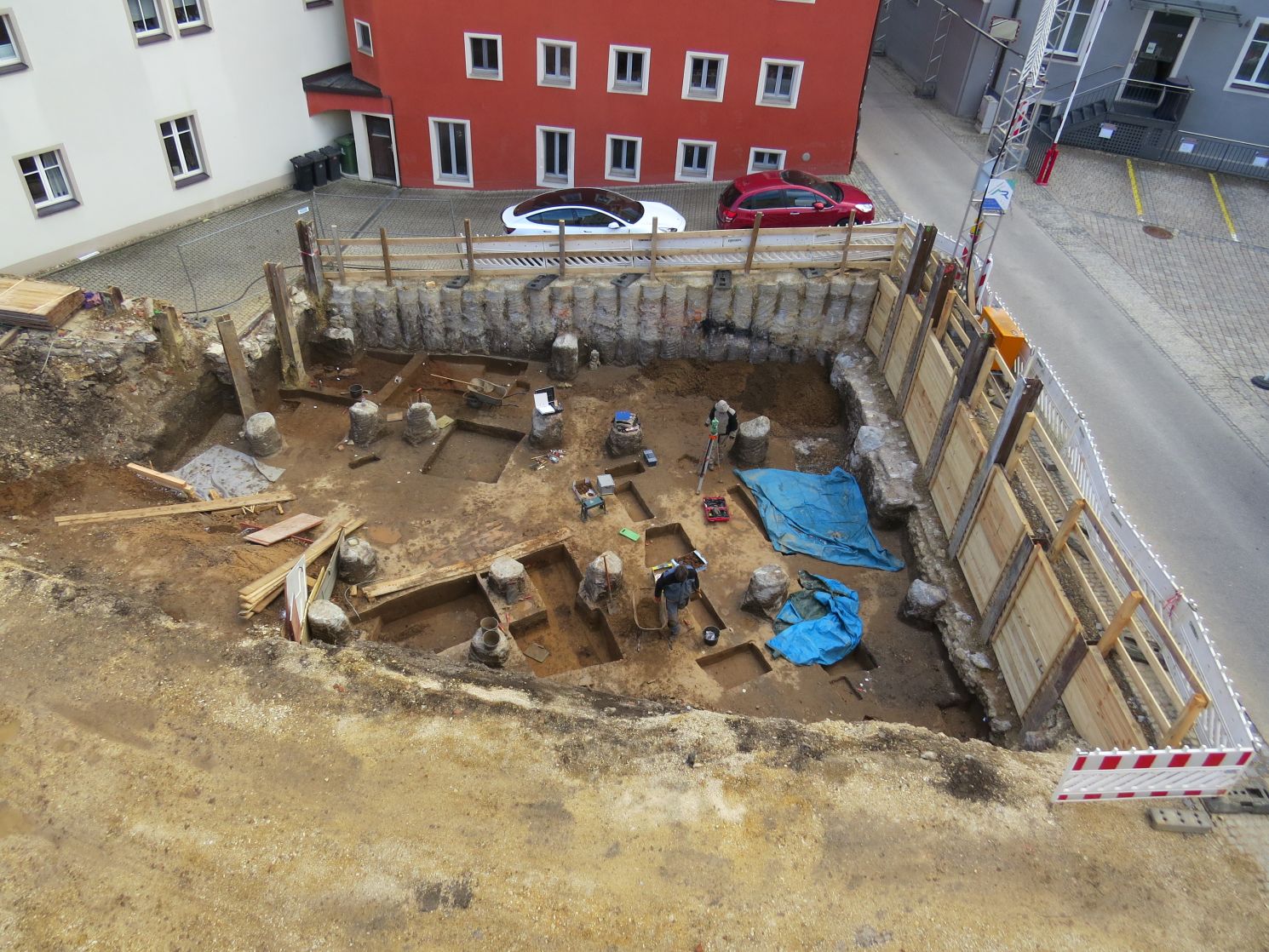
The Mithraeum of Regensburg represents the earliest of the nine Mithraic sanctuaries so far documented in Bavaria, Germany.
The relief of Dieburg shows Mithras riding a horse as main figure, surrounded by several scenes of the myth.
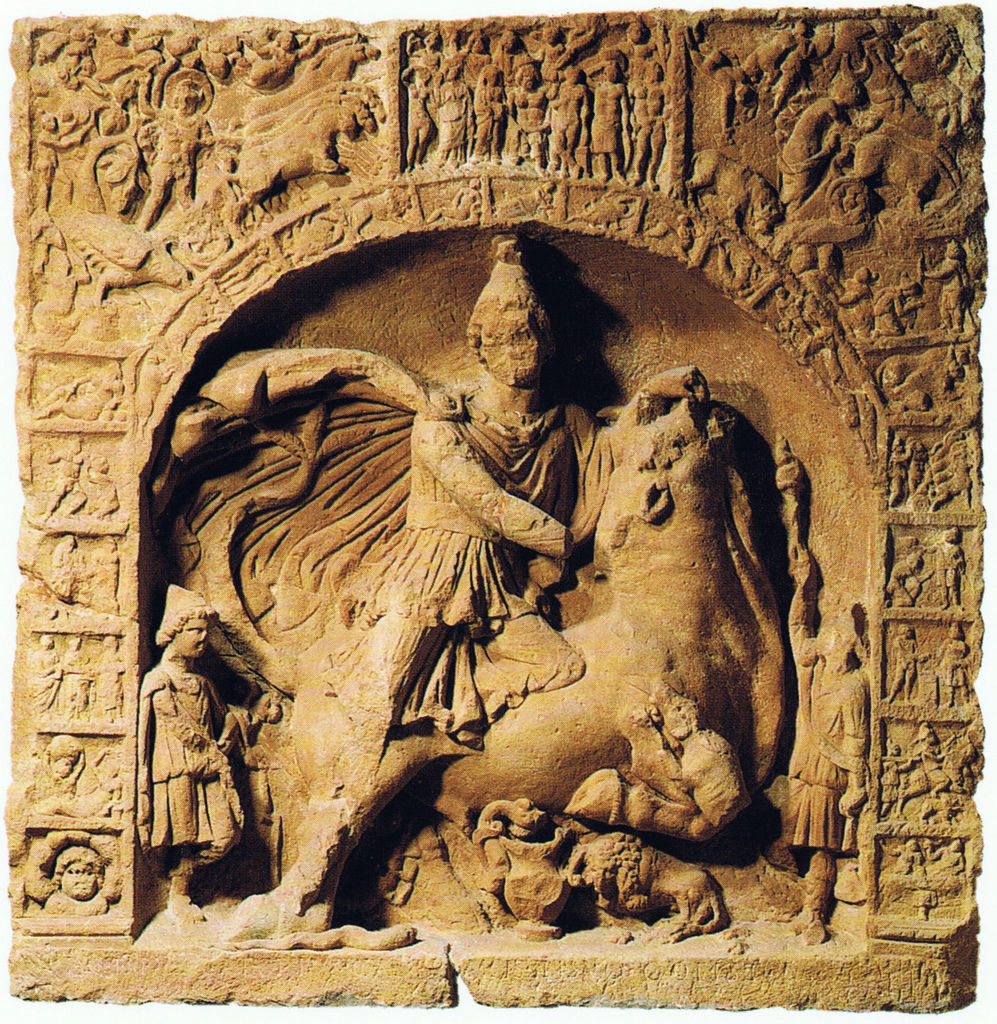
Franz Cumont considers the bas relief of Osterburken ’the most remarkable of all the monuments of the cult of Mithras found up to now’.
There are references to two places of worship from Dieburg, whereby the Mithraeum, discovered in 1926.
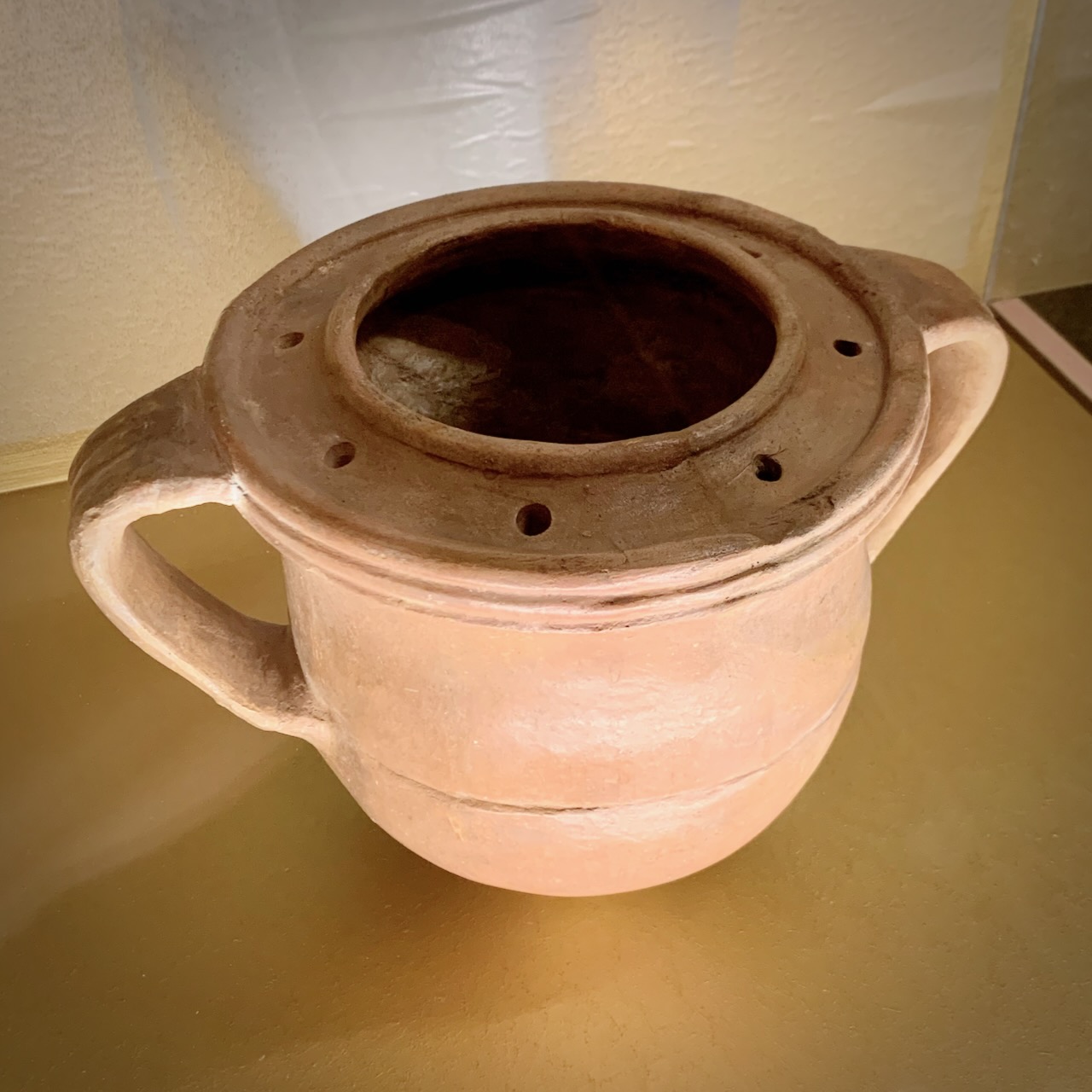
The vessel to burn incense from the Mithraeum of Dieburg is similar to those found in other Roman cities of Germany.
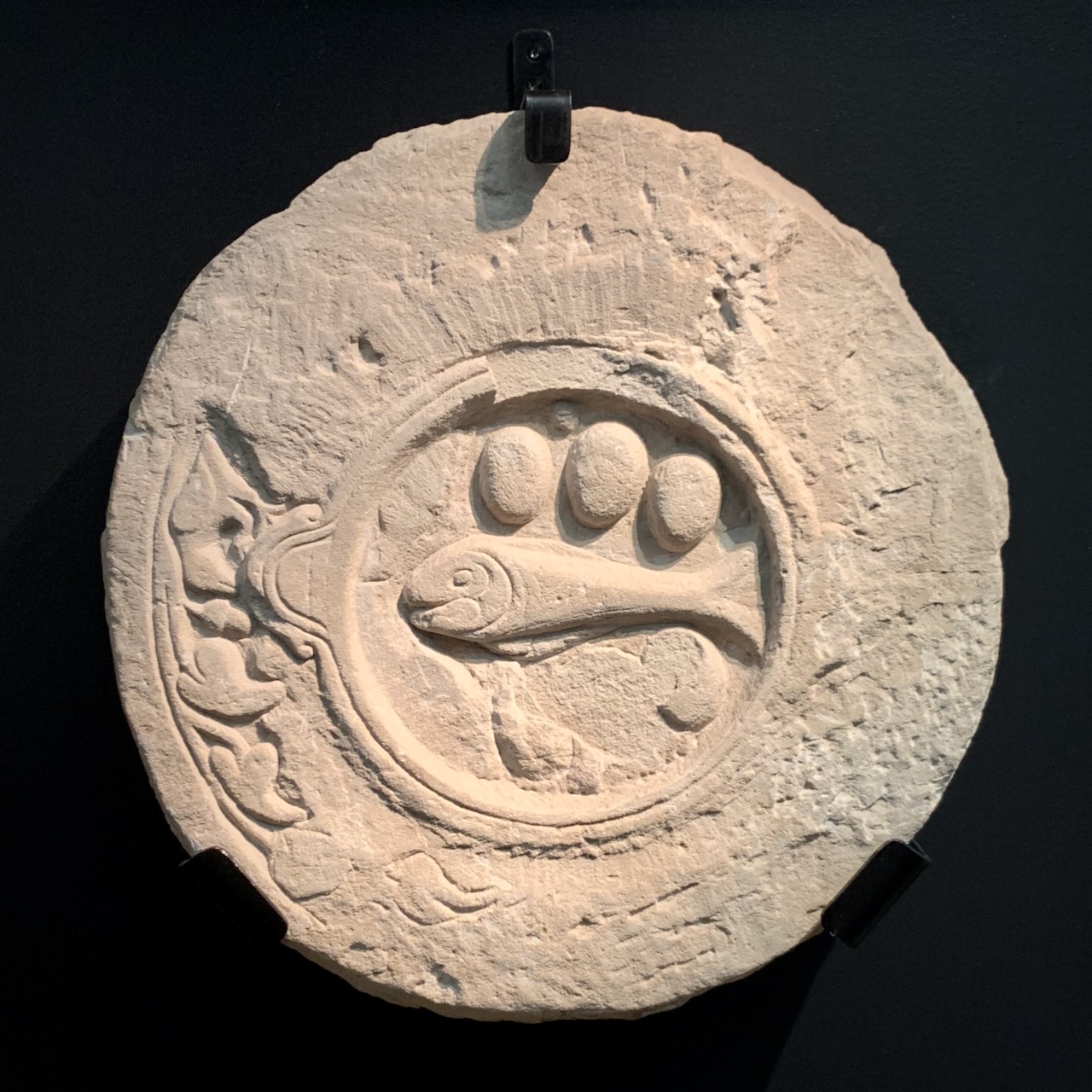
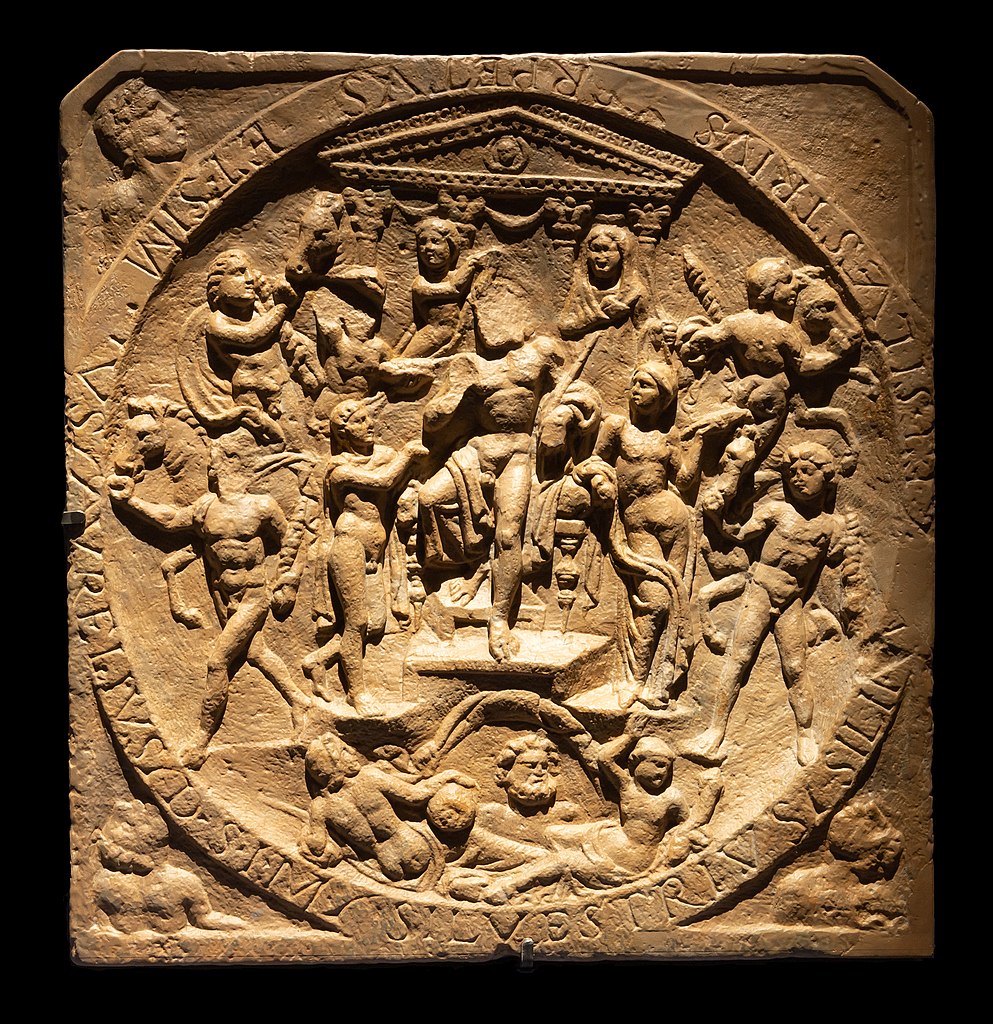
The iconography of the platter of Ladenburg might evoke the food consumed during Mithraic banquets.
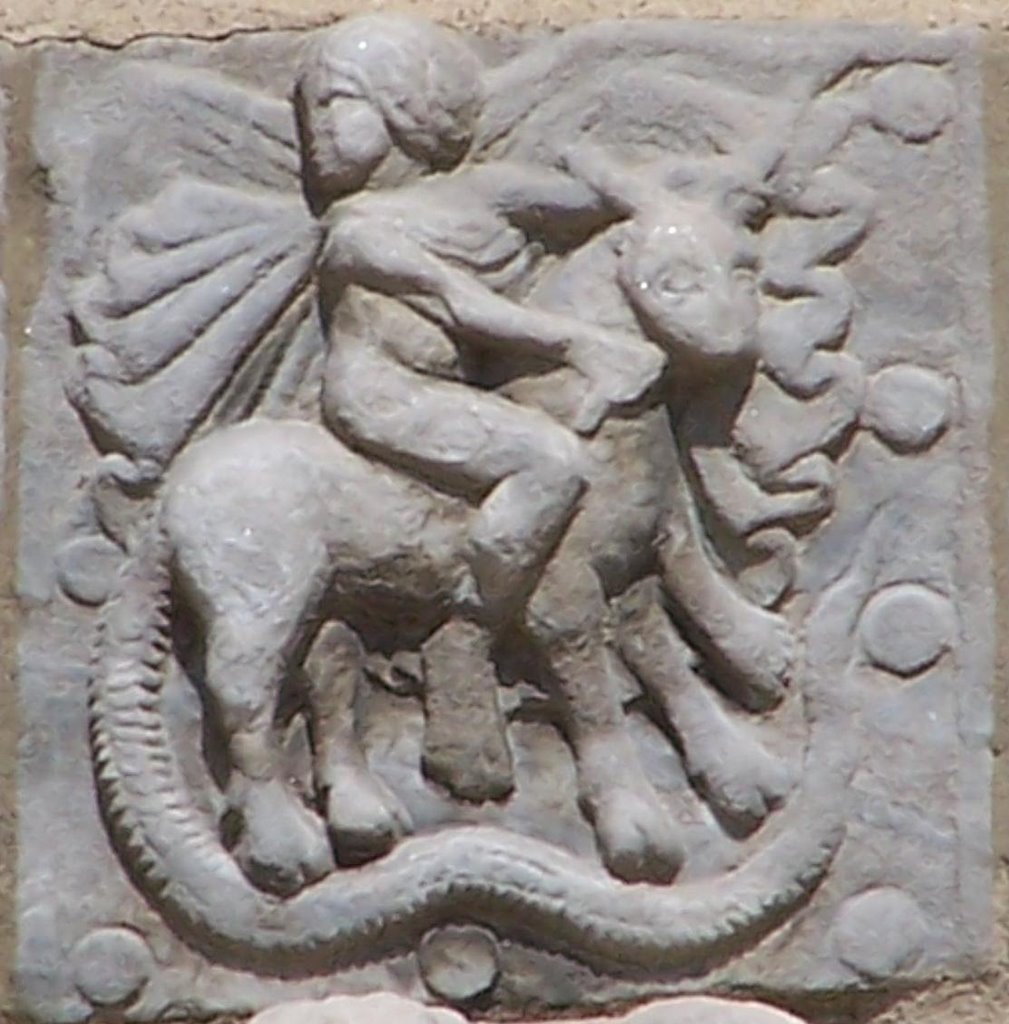
Mithras slaying the bull appears as the sign of Capricorn in a zodiacal sequence on the Pórtico del Cordero of the Abbey de Santo Domingo de Silos, Burgos, Spain.
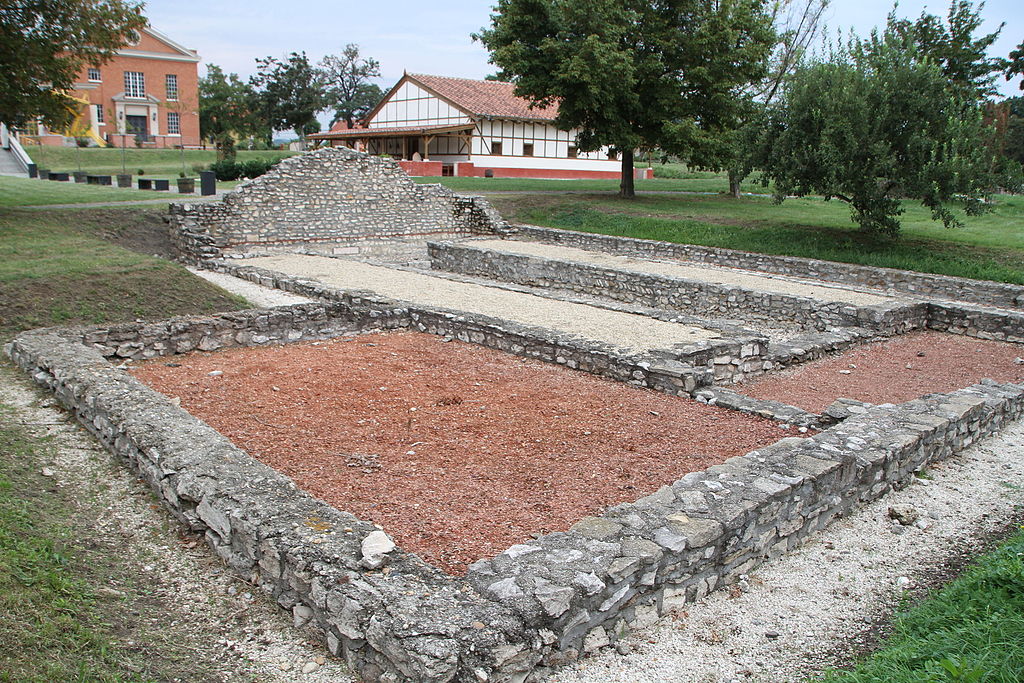
The Mithraeum of Symphorus and Marcus, in Óbuda, Budapest, has been restored to public view in 2004 and, while well presented, it has been heavily restored.

This base was found in the 18th century and bears an inscription to the god Arimanius.
The fifth mithraeum from Aquincum has been found in the house of a military tribune.
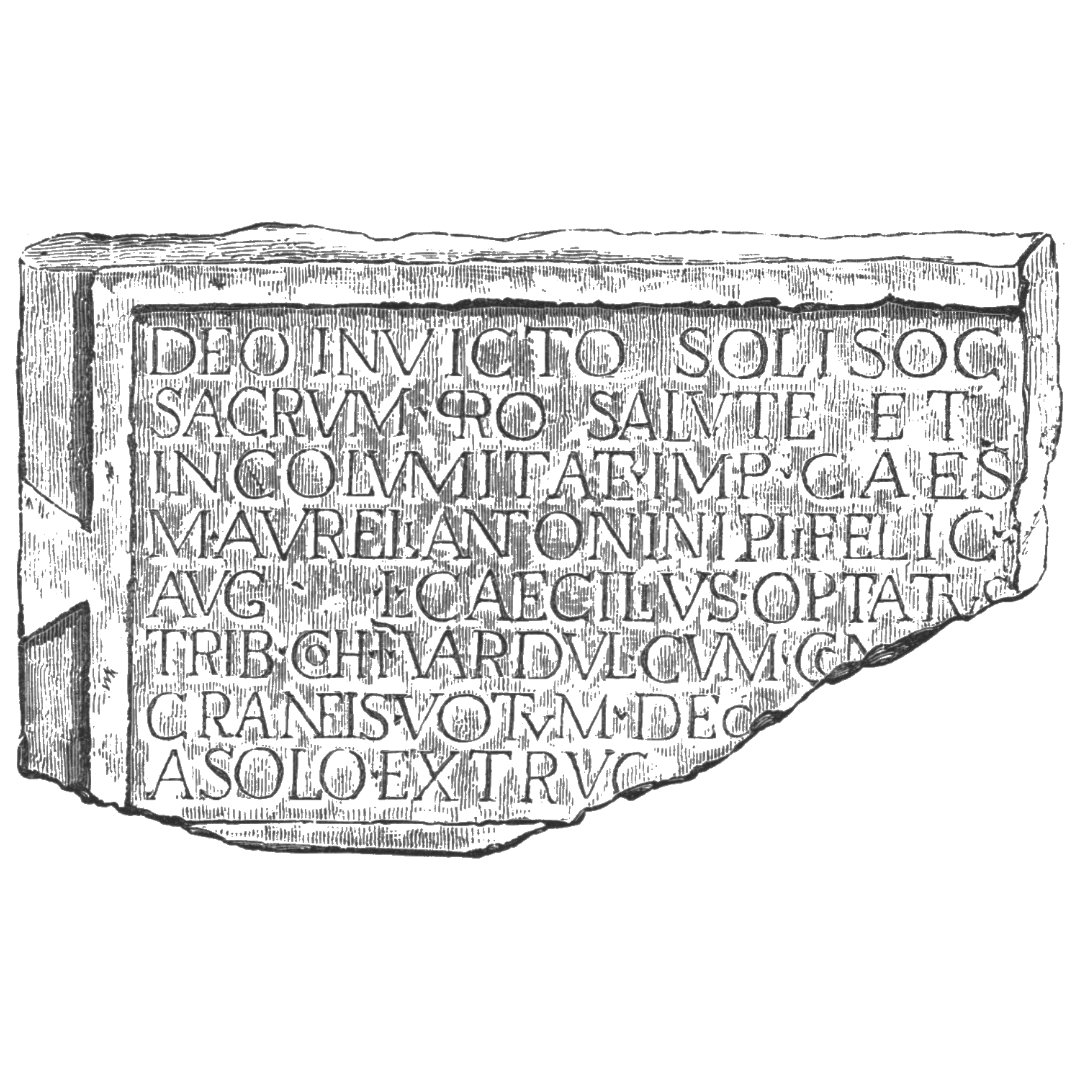
This inscription commemorates the building of a mithraeum in Bremenium with fellow worshippers of Mithras.
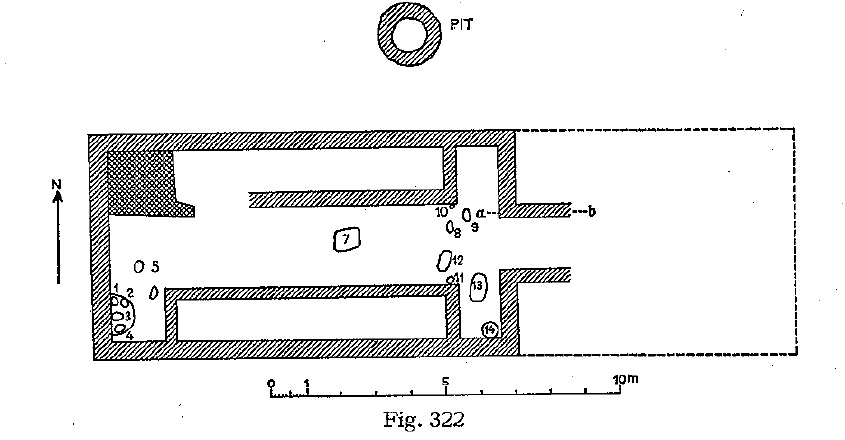
A small stone pedestal and the fallen statue of a seated Mother-goddess from the Mithraeum at Procolitia (modern Carrawburgh), depicting a figure of ungainly proportions enfolding in her arms a basket resting on her knees, found in the corner behind the screen at the east end of the temple…

The fort at Großkrotzenburg occupied a strategic position on the Main river frontier.
Butzbach is associated with the frontier landscape of the Roman limes in Germania Superior.
Ritual vessels and iron objects from the Mithraeum at Procolitia (modern Carrawburgh), including containers for votive offerings, cups, cooking-pots, platters, mortaria and jars, and iron implements comprising an altar-shovel, thatch-hook, mounting and candlestick…
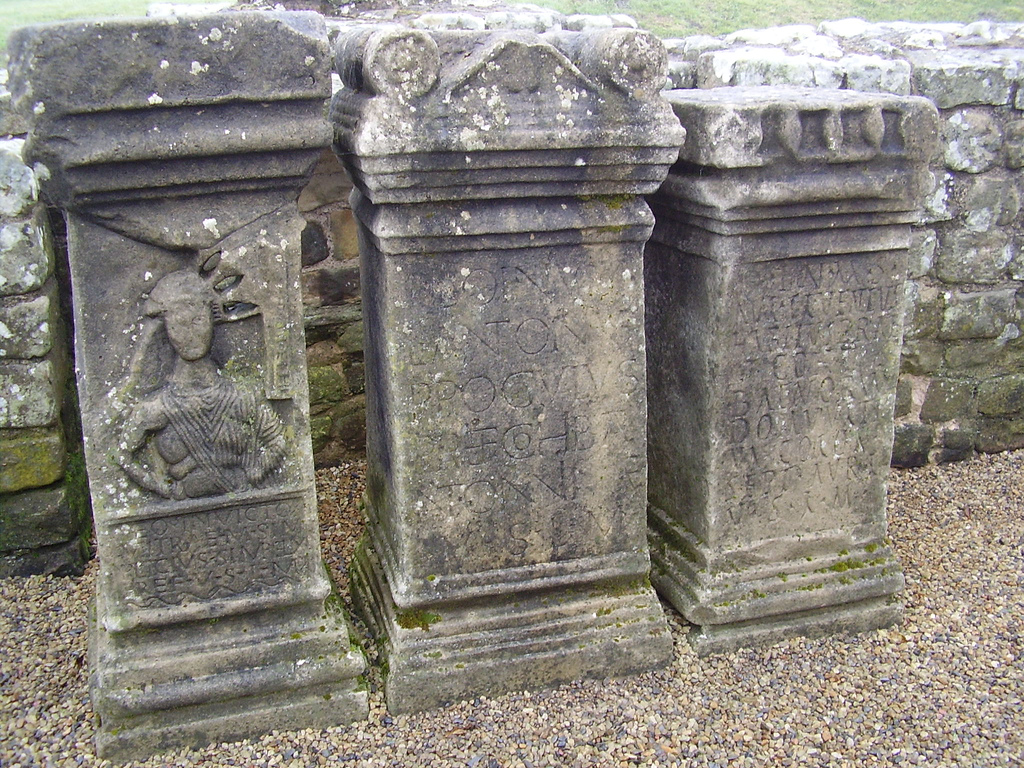
One of the altars from the Carrawburgh Mithraeum depicts the bust of Mithras or Sol.
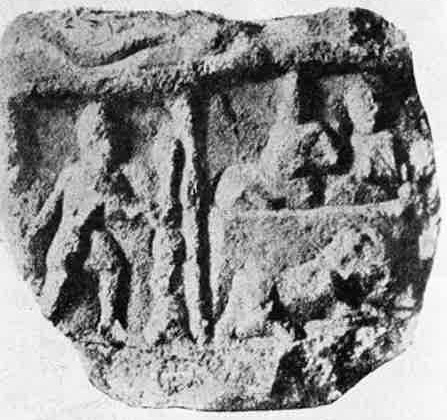
Marble tauroctony relief fragment from Kirk-Bunar near the monastery of St. Petka, Moesia Inferior, preserving part of the creeping serpent as proof of a bull-slaying composition.
Fragmentary inscription from Acbunar, Moesia Inferior, recording a votive fulfilment on the Kalends or Ides of January — one of the few Mithraic inscriptions with a calendar date.
Marble relief fragment from Acbunar, Moesia Inferior, preserving the foremost part of two horses — probably from a scene of Sol's biga — with remnants of an inscription below.
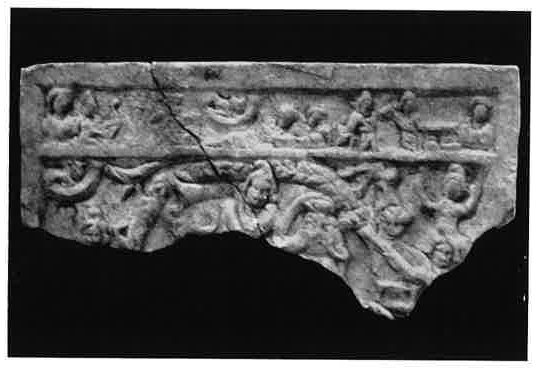
Upper portion of a yellowish marble tauroctony in two fragments from Acbunar, Moesia Inferior, preserving the divine busts of Sol and Luna in the upper register.
