Your search Bu Njem gave 1882 results.
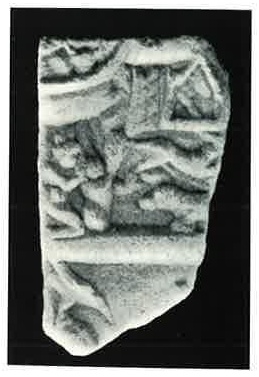
Two fragments of a yellowish marble tauroctony from Acbunar, Moesia Inferior, divided into three registers by two horizontal rims; the upper registers carry subsidiary Mithraic scenes.

Four white marble tauroctony fragments from Acbunar, Moesia Inferior, depicting the standard bull-slaying with cross-legged torchbearers.
Yellowish marble tauroctony relief from Acbunar, Moesia Inferior, depicting Mithras killing a bull described as unusually buffalo-like; the god looks back at the raven on the grotto's border.
Archaeological context at Acbunar (Mircea Vodă) near Troesmis, Moesia Inferior, where twelve marble pieces, pottery, lamps, and a coin were found 30 metres from a Roman building, suggesting the presence of a Mithraeum.
Bronze plate from Budapest, ancient Aquincum or vicinity, preserving a Mithraic representation of uncertain composition; no longer in a known collection.
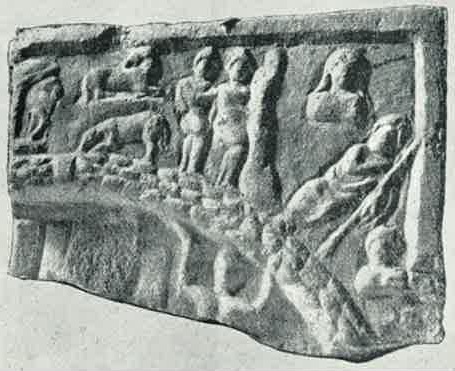
White marble statuette from Budapest, ancient Aquincum or vicinity, depicting a badly damaged Mithras killing the bull with dog and serpent; the god's head is lost.
Lost stone inscription found reused in a pier of the parish church of St Martin at Günzburg, ancient Guntia in Raetia, dedicated to Deo invicto Mithrae by Publius Oppius Secundus following a vision.
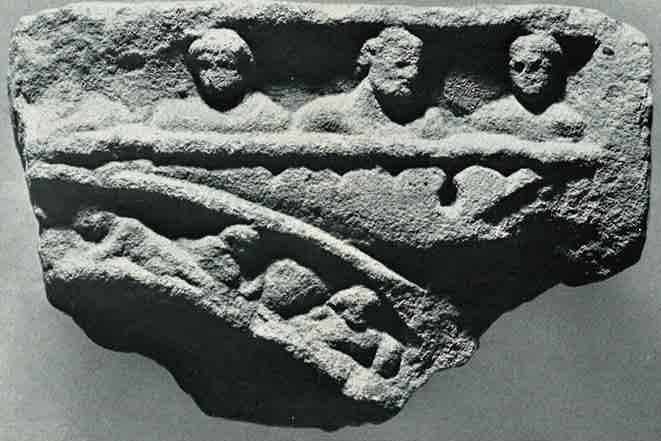
Fragment of a red sandstone relief found in the Frankfurterstrasse at Dieburg, depicting four divine busts in the upper corner of the composition
Bust of a diademed woman in red sandstone from the Mithraeum at Dieburg, probably representing Juno
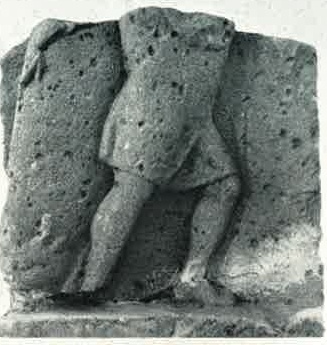
Red sandstone relief from the Mithraeum at Dieburg showing Mithras in Oriental dress carrying the bull on his shoulders
Tuff fragments including a knee, thigh and possible lunar head from a bull-slaying scene.
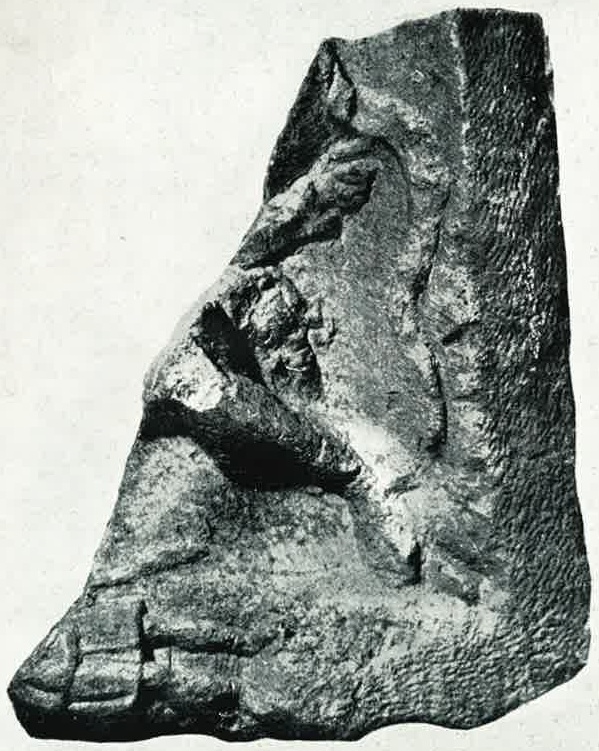
Right upper corner of a white marble tauroctony relief from Budapest, ancient Aquincum or its vicinity, in the National Museum since 1868, preserving part of the grotto border and divine busts.
Elongated cult building near the Saalburg fort traditionally interpreted as a Mithraeum but later reconsidered as a possible funerary enclosure.
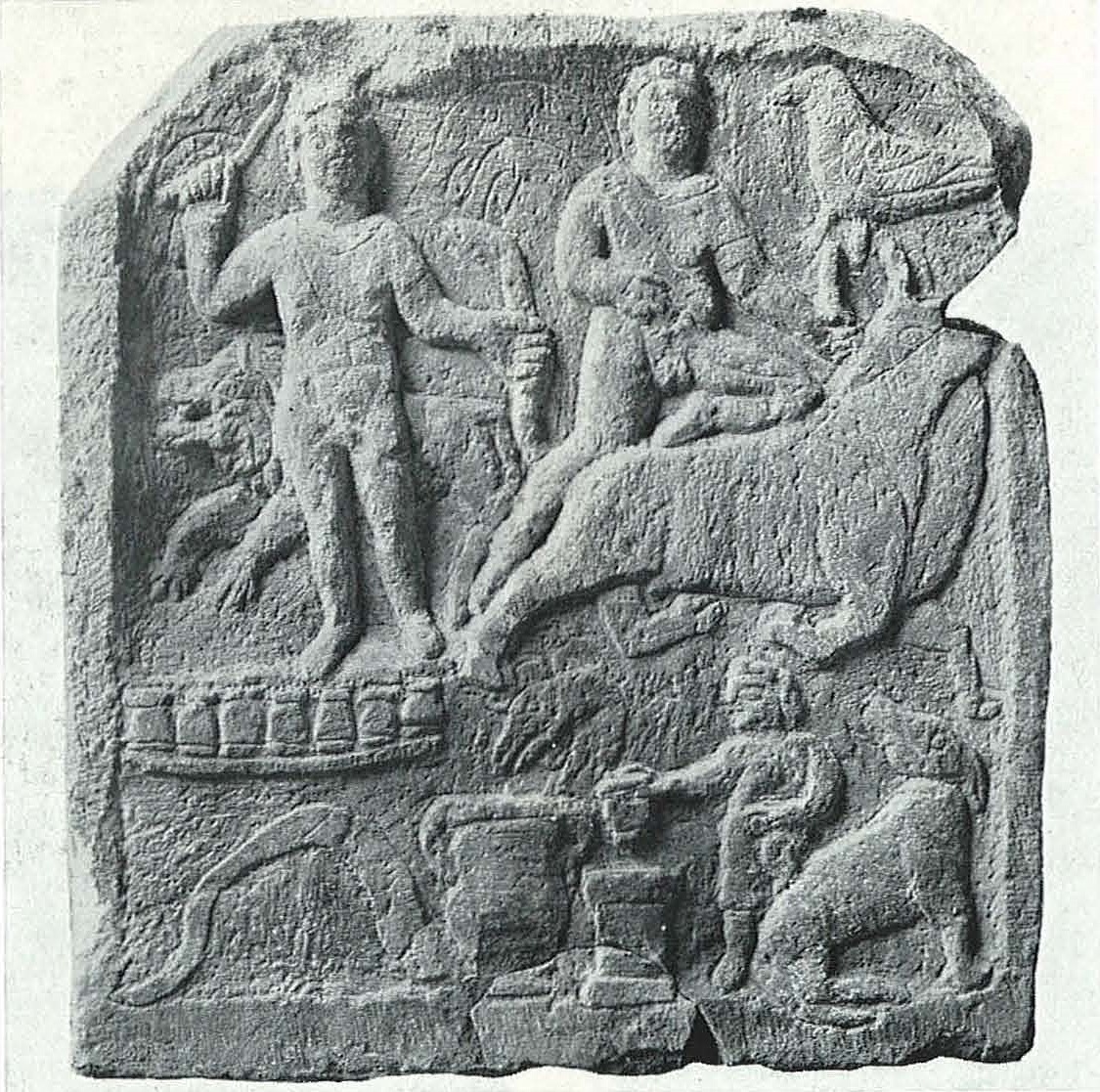
The Tauroctony from Landenburg, Germany, shows a naked Mithras only accompanied by his fellow Cautes.
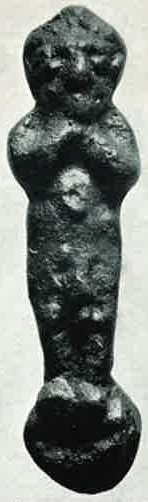
Bronze fibula from Petronell-Carnuntum, depicting a standing lion-headed Aion.
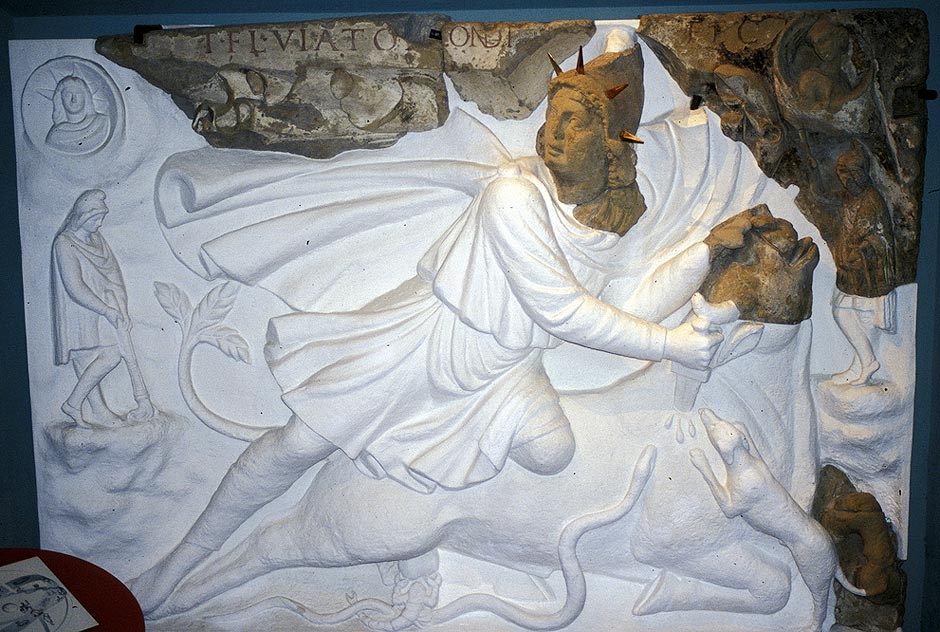
Of this great relief of Mithras slaying the bull only a few segments remain.

Peter Mark Adams’ The Game of Saturn: Decoding the Sola-Busca Tarocchi is the first full length, scholarly study of the enigmatic Renaissance masterwork known as the Sola-Busca tarot.

Una novela negra, adictiva e irreverente sobre un triángulo amoroso perdido en la España vaciada.
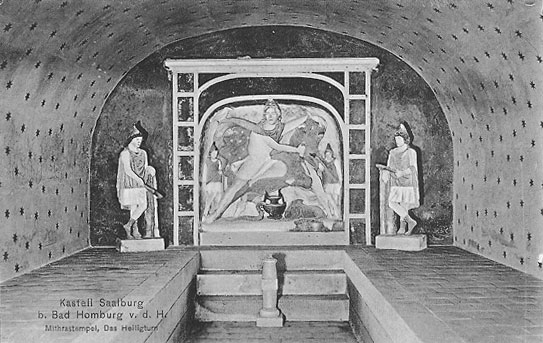
In the 1900s a model Mithraeum was built in Saalburg in the mistaken belief that there was an original temple of Mithras in an ancient Roman building.

This tabula marmorea was consecrated by a certain slave Vitorinus in Tibur, nowadays Tivoli, near Rome.
