Your search Bu Njem gave 1882 results.
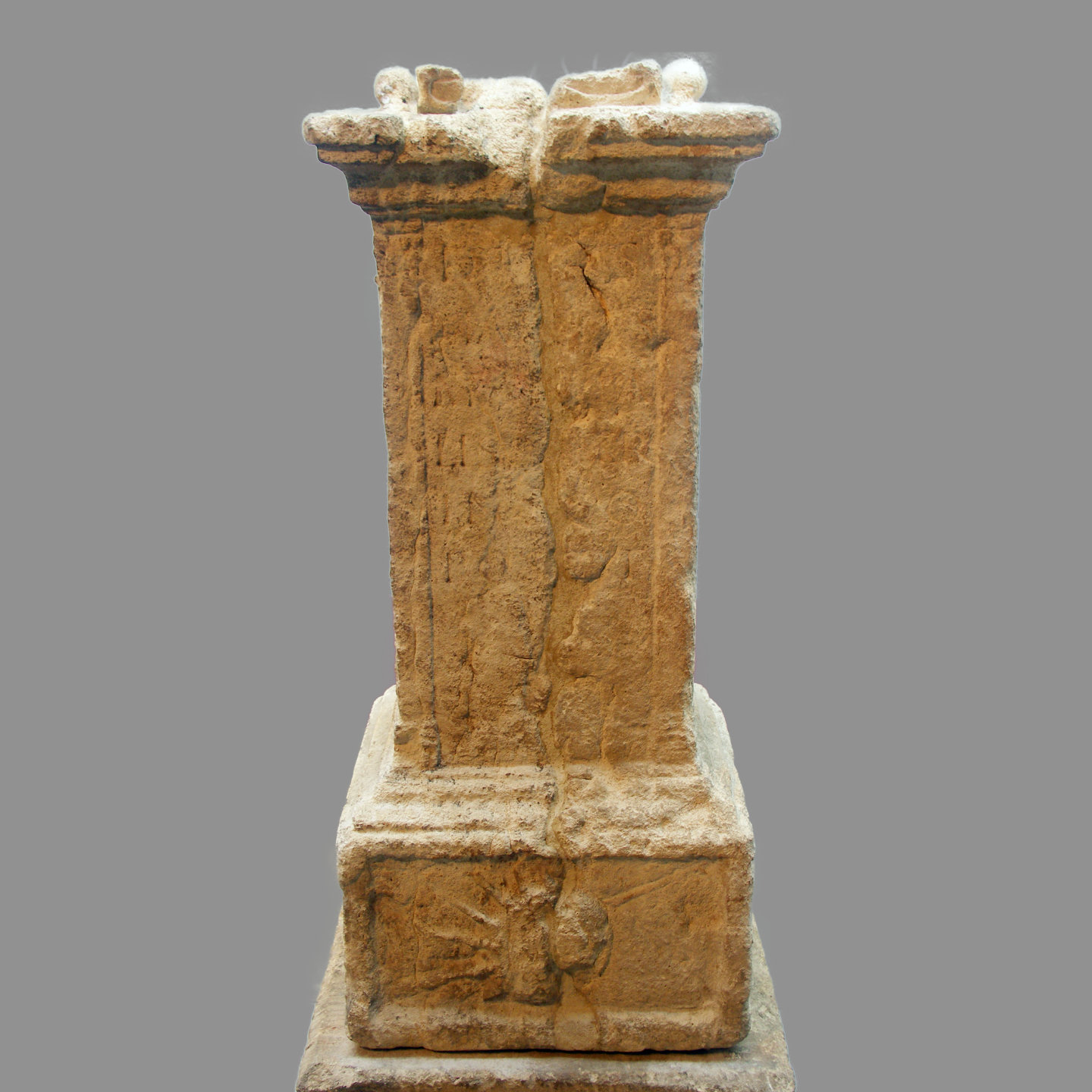
This stone altar fround in Altbachtal bears an inscription by a certain Martius Martialis.
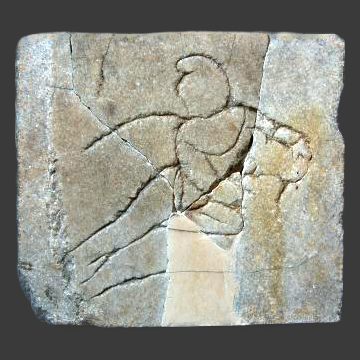
This unfinished Mithras tauroctonos without the usual surrounding animals was found in 1923 in Italica, near Seville, Spain.
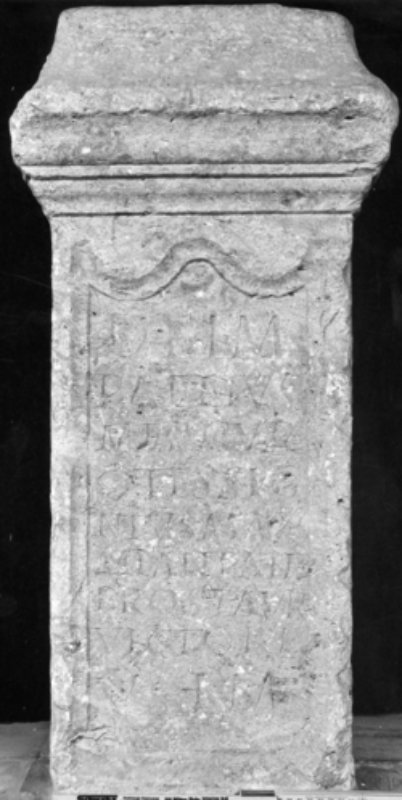
This altar to Mithras found in Aquilieia mentions several persons of a same community.
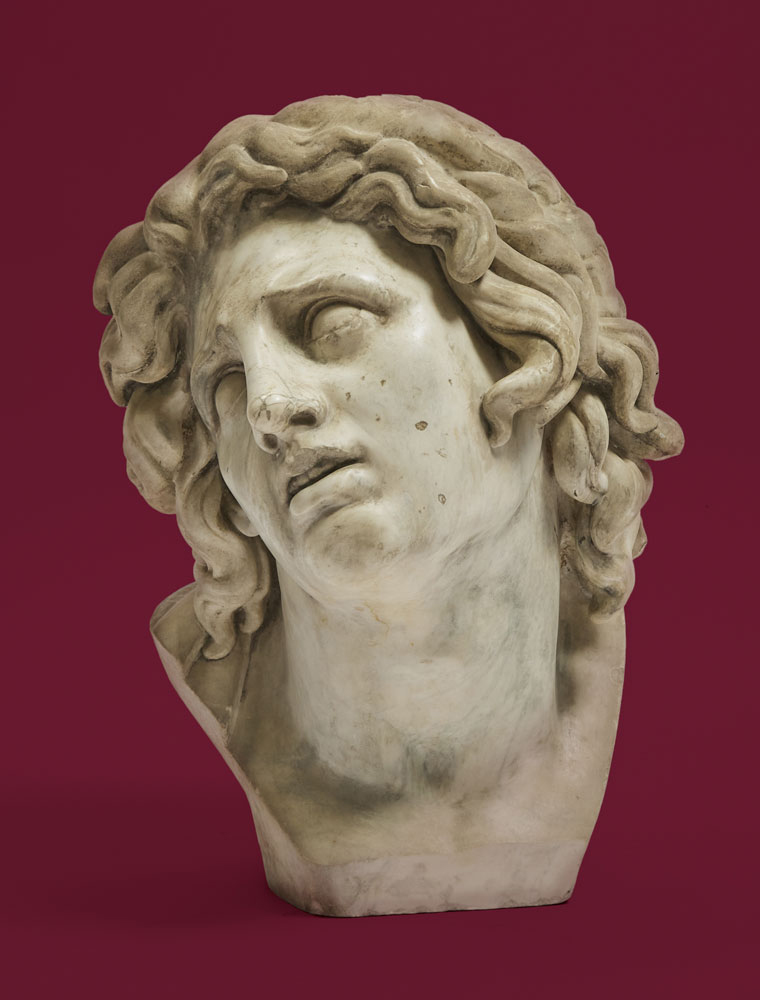
Head formerly associated with Mithraic material but interpreted by Margarete Bieber as a dying Giant.

An inscription to Sol Invictus Mithras found in the Vigna Patritii outside the Porta Pia in Rome, dedicated by Aelius Victorinus, a veteran of the emperors honourably discharged, with M. Aurelius Romulus as antistes and sacerdos of the cult.
A marble dedication tablet found in the Vigna Curtii Palloni outside the Porta Sant'Agnese near the Praetorian Camp in Rome, recording the construction of a sacrarium dedicated to Sol Invictus by Q. Pompeius Primigenius, pater and sacerdos, under Septimius Severus and Caracalla…
A marble funerary cippus from the Vigna Dionigi at Torre Pignatara outside Rome, dedicated to Sextineius Restitutus as most indulgent pater sacrorum by his children and mother, with a crown carved to the left of the final line.
A funerary inscription found in the Vigna Nari outside Rome in 1734, set up by Iunia Thallusa for her husband Equitius Arescon, who held the rank of pater sacrorum in the Mithraic mysteries.

Mithraic relief from Rome reproduced in figure 169 of the corpus.

Roman Mithraic relief illustrated in figure 171 of Vermaseren’s catalogue.
Marble head in the Museo Baracco, Rome, generally described as an Alexander but very probably representing Mithras with his eyes lifted towards heaven; the back of the head is finished obliquely with a small hole for fastening a Phrygian cap.
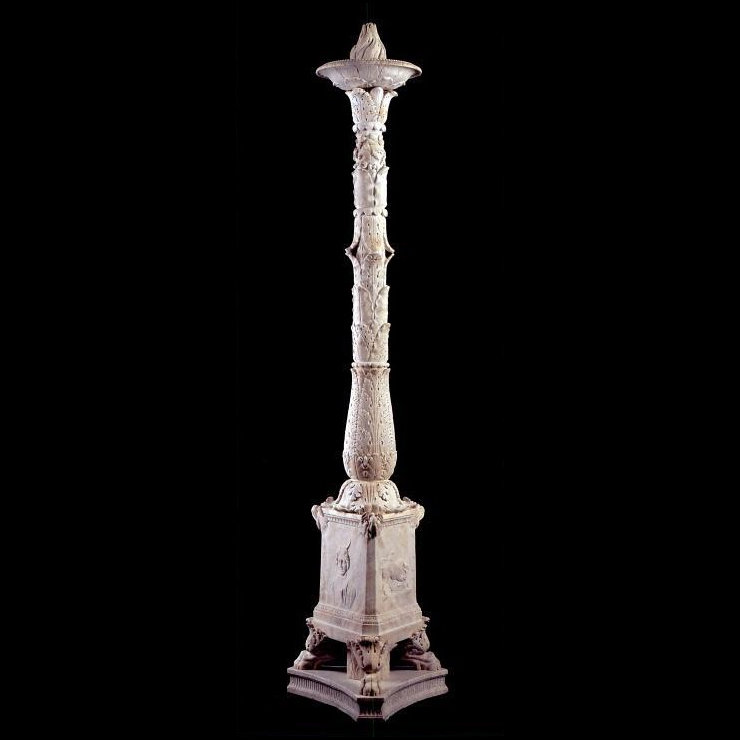
This magnificent candelabrum was found in Rome in 1803, in the Syrian Temple of Janicule.
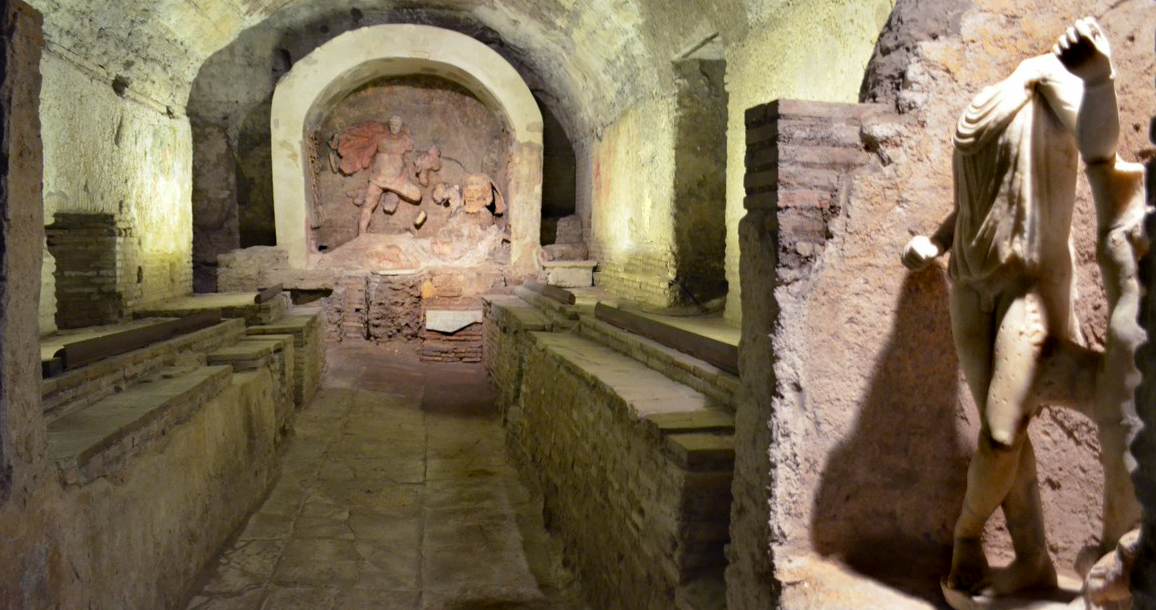
The Mithraeum of Santa Prisca houses remarkable frescoes showing the initiates in procession.
This small cippus to Zeus, Helios and Serapis includes Mithras as one of the main gods, although some authors argue that it could be the name of the donor.
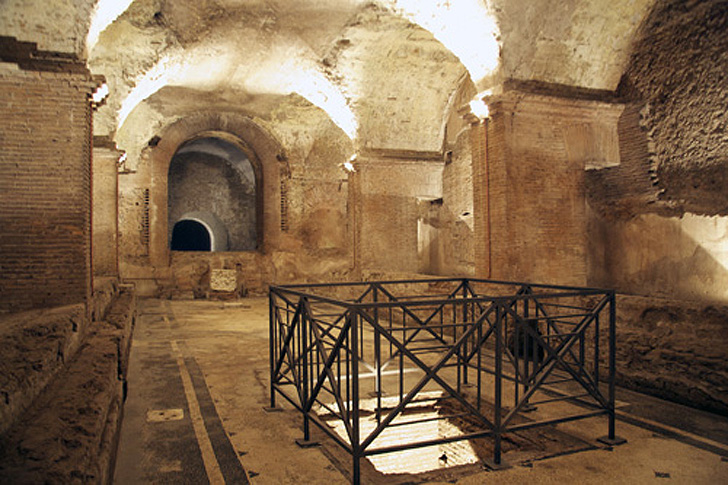
The Mitreo delle terme di Caracalla is one of the largest temples dedicated to Mithras ever found in Rome.
Large marble slab found in 1648 near S. Silvestro in Capite, inscribed with a Latin dedicatory poem forming a cypher-acrostic for TAMESIUS and AUGENTIUS, with records of leontica and chrysos initiations, dated to 362 A.D.
Wall-painting of Mithras tauroktonos in fresco, discovered in 1886 in an underground room of the house of the Nummi Albani on the Quirinal (Via Firenze); the god wears a red cap and tunic, the torchbearers wear yellow or orange tunic and cap with green or brown anaxyrides…
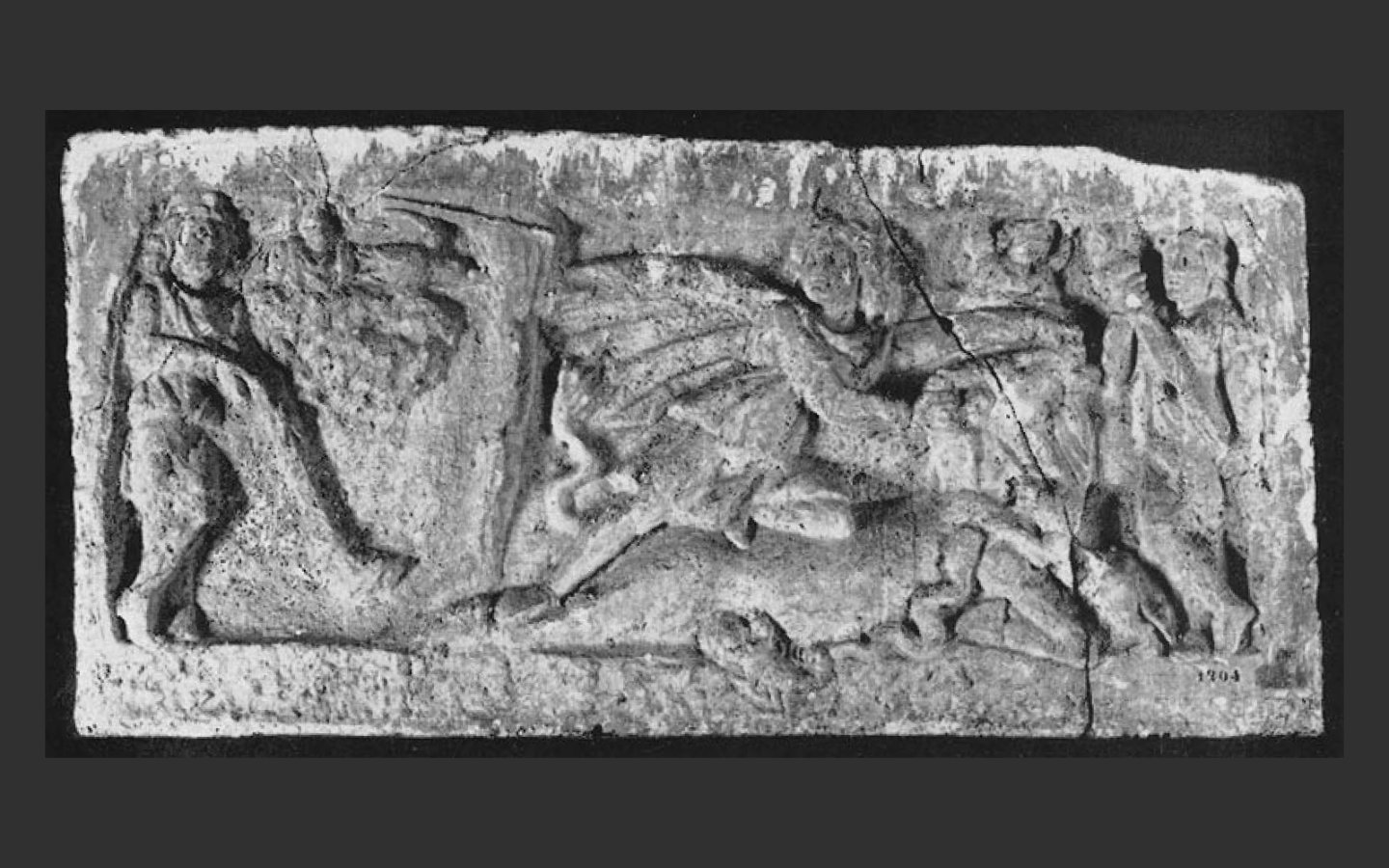
This relief of Mithras Tauroctonos from Rome bears the inscription of three brothers, two of them lions.
Upper part of a small marble column with late 2nd- or 3rd-century lettering, bearing a dedication to Sol Invictus Mithras and his sodality by actors from the Forum Suarium, excavated on the Esquiline.
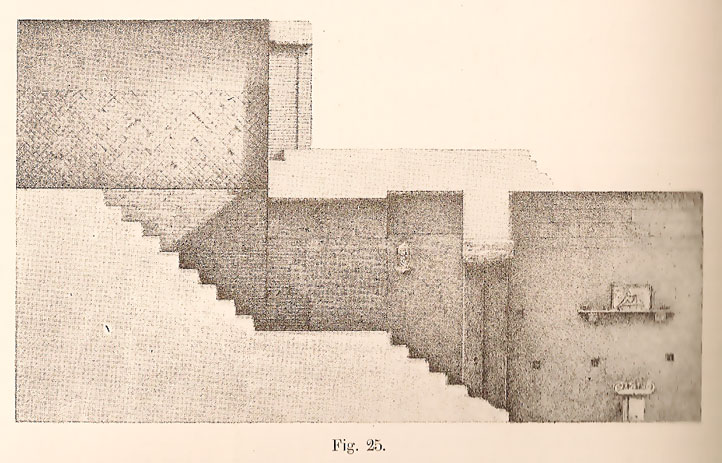
In a house from the time of Constantine, a Lararium was found with a statue of Isis-Fortuna. The Mithraeum was a door next to it, on a lower room.
