Your search Cabrera de Mar gave 1568 results.

White marble base from Ptuj, ancient Poetovio, bearing a weathered inscription and the remnants of a downward-pointing torch, identifying the statue as Cautopates.
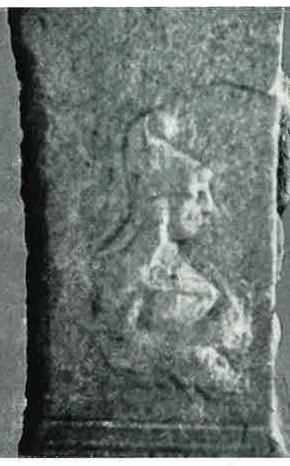
White marble altar from Mithraeum I at Ptuj, ancient Poetovio, decorated below the inscription with the dressed bust of Cautopates, a palm between two ram's heads above, and busts of Mithras on both lateral faces.
White marble base from Mithraeum I at Ptuj, ancient Poetovio, with an inscription and the preserved legs, garment, and torch of a Cautopates statue.
White marble base from Mithraeum I at Ptuj, ancient Poetovio, with an inscription and the preserved foot and lower garment of a Cautes statue.
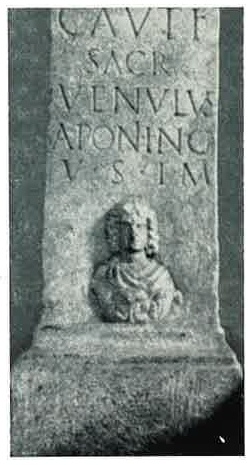
White marble votive altar from Mithraeum I at Ptuj, ancient Poetovio, distinguished by a dressed bust of Cautes emerging from foliage below the inscription — an unusual iconographic feature for an altar.
White marble base from Mithraeum I at Ptuj, ancient Poetovio, bearing a dressed bust of Sol on the left lateral face and an inscription recording a dedication related to the Mithraic transit ritual.
Marble altar with akroteria from Mithraeum I at Ptuj, ancient Poetovio, dedicated to Invicto Mithrae by Festus, vicarius of Primus, vilicus of the publicum portorium.
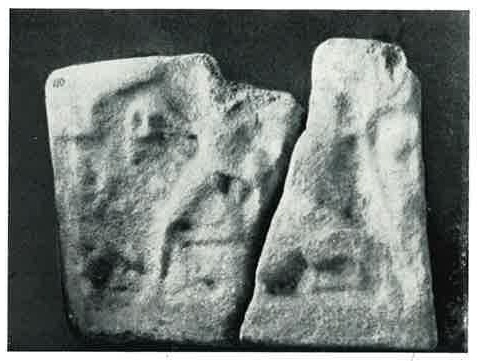
Weathered marble tauroctony relief in two fragments from Ruše, Noricum, depicting the bull-slaying with only the dog visible, flanked by two torchbearers both holding their torches upraised; no Sol or Luna.
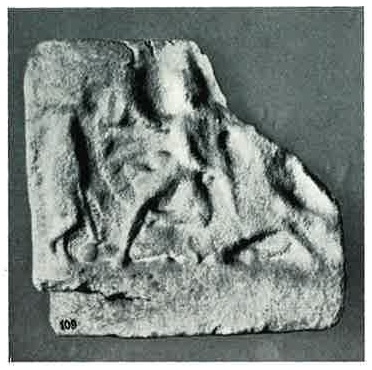
Marble tauroctony relief from Ruše, Noricum, showing a grotto scene in which Cautopates holds the torch downward against the rocky ground and supports his head with his left hand in a pensive attitude; the upper left corner preserves a bust of Sol.

Small marble tauroctony relief from Ruše, Noricum, badly weathered, depicting the bull-slaying in a grotto-like niche with cross-legged torchbearers on bases.
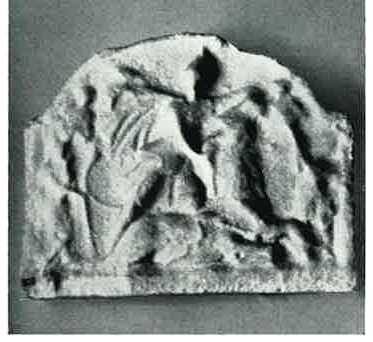
Small marble tauroctony relief from Ruše, Noricum, depicting Mithras killing the bull in a grotto, notable for the unusually elongated neck of the bull; dog and serpent approach the wound, and the raven perches above.
Marble fragment from the Zollfeld at Virunum, Noricum, bearing a dedication to Deo invicto Mithrae for the welfare of the Emperor Antoninus Augustus.
Altar found in the Zollfeld at Virunum in March 1837, together with a statue of a bearded man holding a modius, dedicated to Invicto patrio by Ulbius Gaianus, praefectus vehiculorum — a rare reference to Mithras as a paternal deity.
White marble slab from the Zollfeld at Virunum, Noricum, dedicated to Deo invicto Mithrae by Diadumenus, arcar(ius) of the imperial dispensator Nicolaus for the kingdom of Noricum.
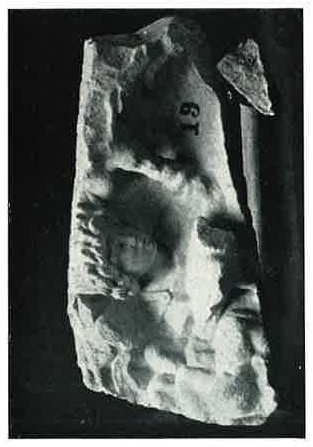
Three Italian marble fragments from the Zollfeld at Virunum, Noricum, forming a tauroctony relief; the iconography is well preserved and the use of imported Italian marble reflects the high status of the dedicants.
Fragmentary sandstone altar from Mainz, ancient Mogontiacum, dedicated to Deo invicto Mithrae by Marcus A., a duplicarius of an ala
Votive altar from Heddernheim, ancient Nida, dedicated to Deo invicto Mithrae by Marcus Tertius Senecio at his own expense
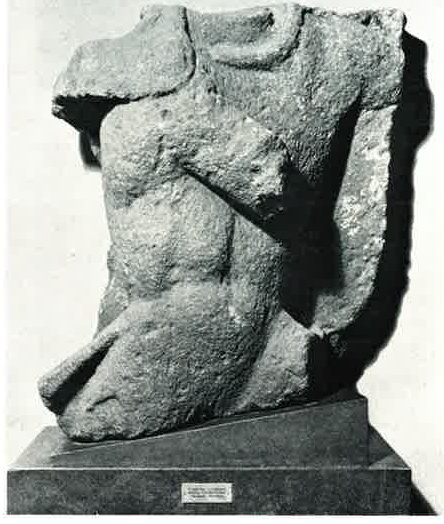
Marble relief fragment showing Mithras slaying the bull, originally belonging to a lost second Mithraeum at Friedberg.
Small marble relief of Mithras slaying the bull within a wreath decorated with zodiac signs.
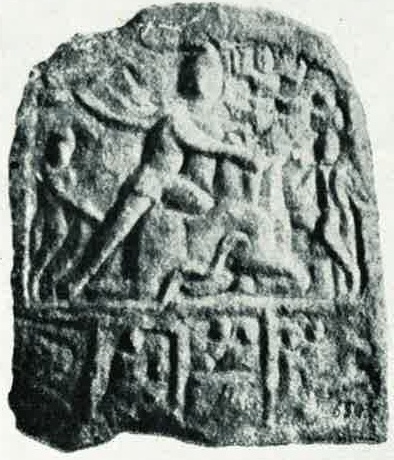
Small arched marble tauroctony relief from Philippovtsi near Sofia, Thracia, divided into two parts by a horizontal rim.
