Your search Cabrera de Mar gave 1568 results.
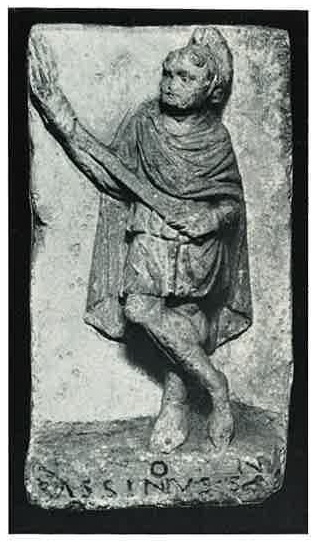
Inscription from Brigetio, Pannonia Superior, dedicated by Nonius Bassinus; possibly a sacerdos inscription though the reading is uncertain.

Two marble reliefs of the same height from Brigetio, Pannonia Superior, each depicting a cross-legged torchbearer in Oriental dress — Cautes and Cautopates — holding their torches.
Base probably found during the discovery of the Dolichenum at Brigetio in 1899, Pannonia Superior; possibly belonging to the adjacent Mithraeum given its proximity.

Emperor Caracalla ordered one of Rome’s largest temples to the god Mithras to be built in the baths bearing his name.
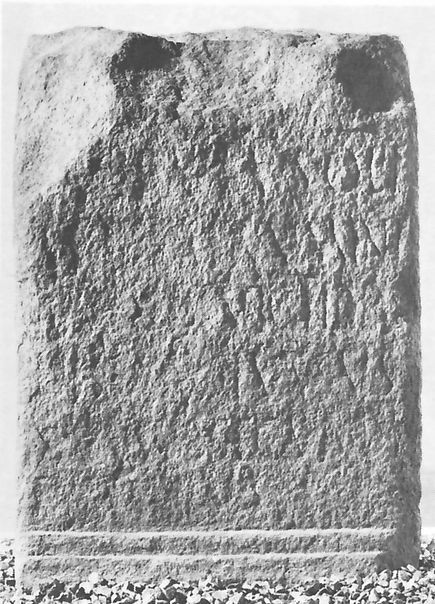
The v in this small altar found in Novaria has been interpreted by some commentators as qualifying Mithras as victorious.

The Mithraeum at Capua is in many respects one of the most important sanctuaries of the Iranian god who in the first centuries of our era conquered the Roman world.

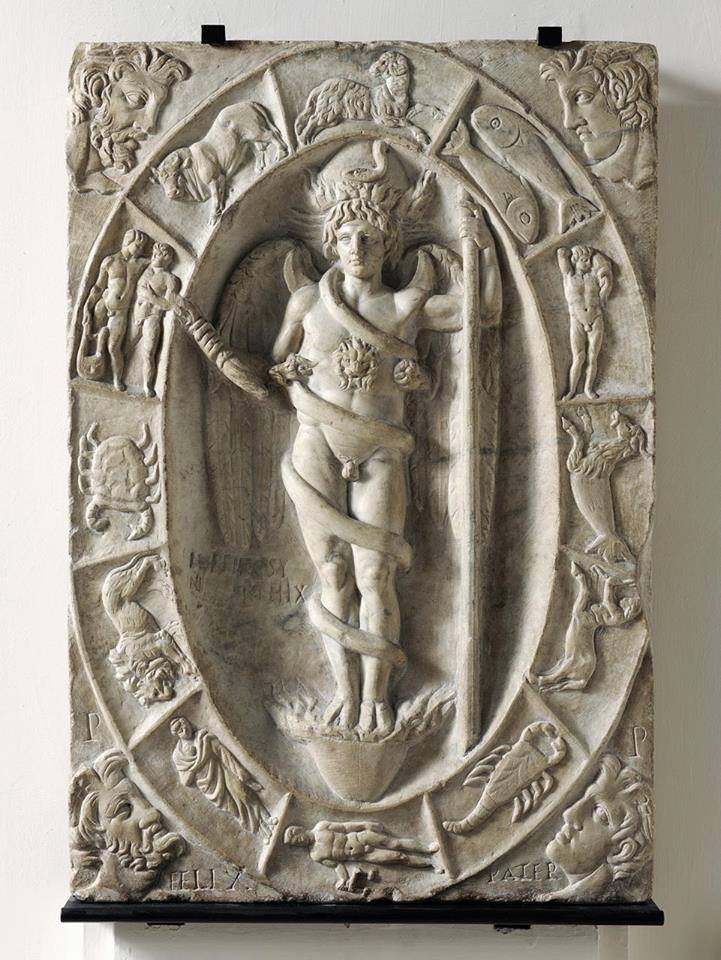
The Aion / Phanes relief, currently on display in the Gallerie Estensi, Moneda, is associated with two Eastern mysteric religions: Mithraism and Orphism.
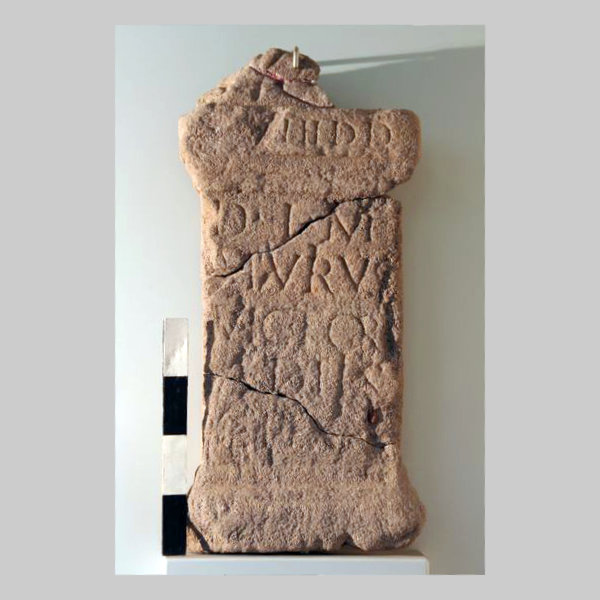
Marius Victor, according to the inscription on the monument, erected this monument to Mithras ’when Philip and Titianus were consuls’.
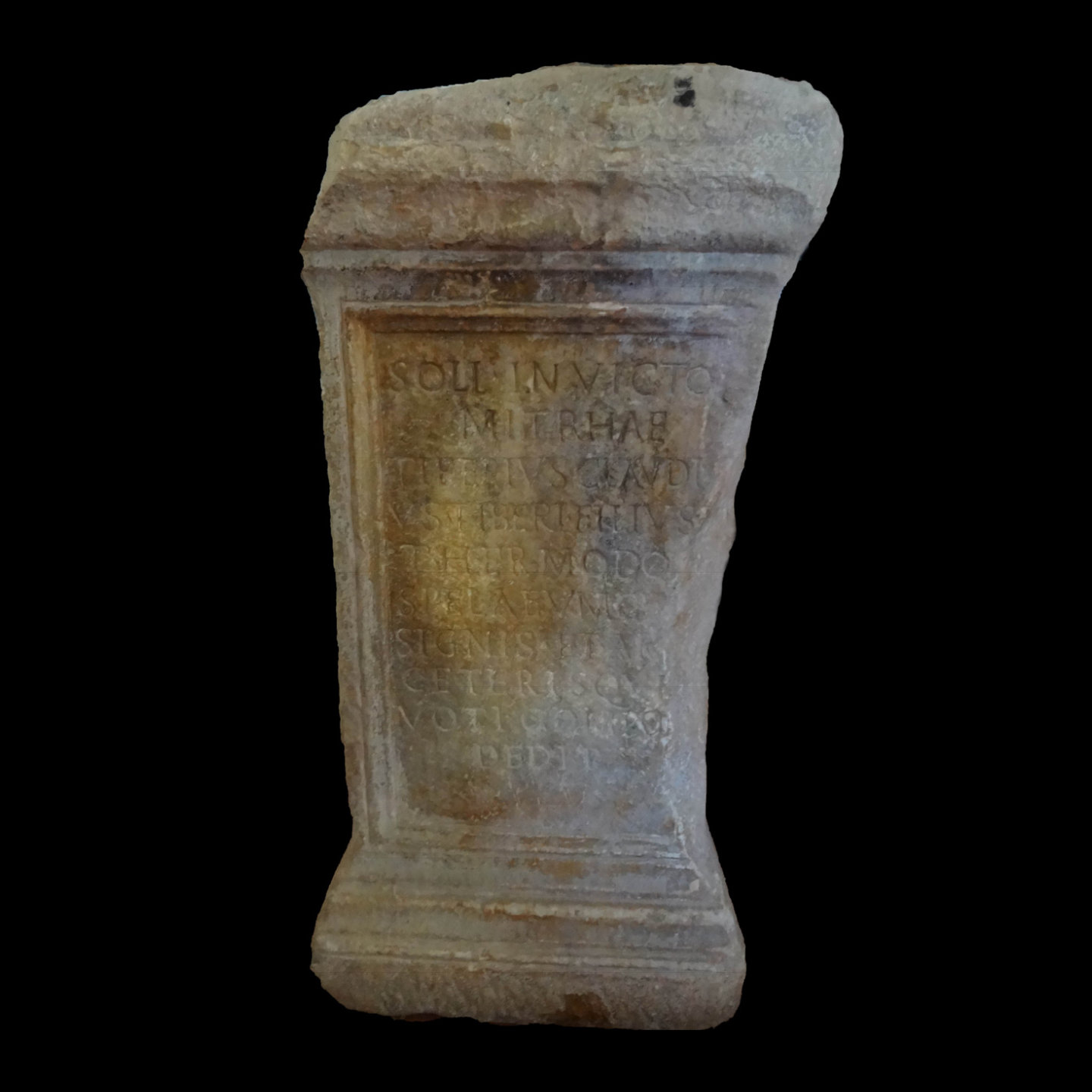
The donor of this Mithraic inscription from Bolsena, a certain Tiberius Claudius Thermoron, is known from two other monuments.
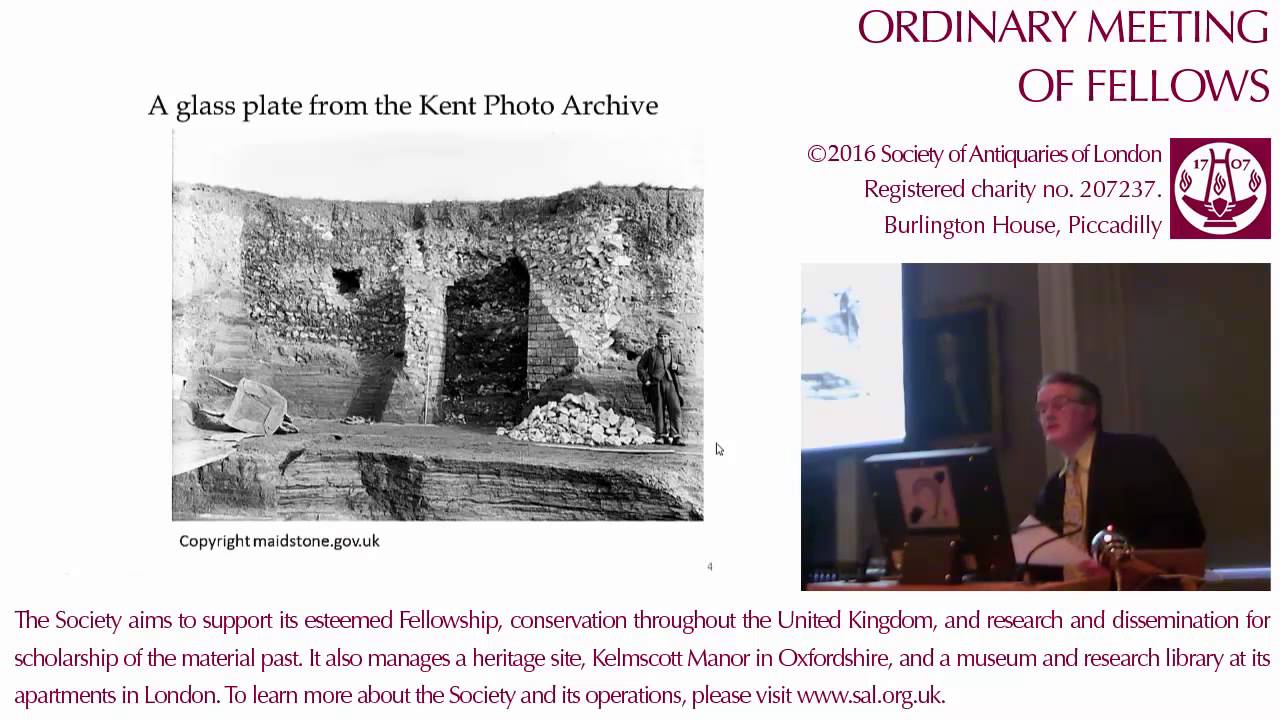
Presentation of the so-called Mithraeum of Burham by Mark Samuel at the Ordinary Meeting of Fellows of the Society of Antiquaries of London.
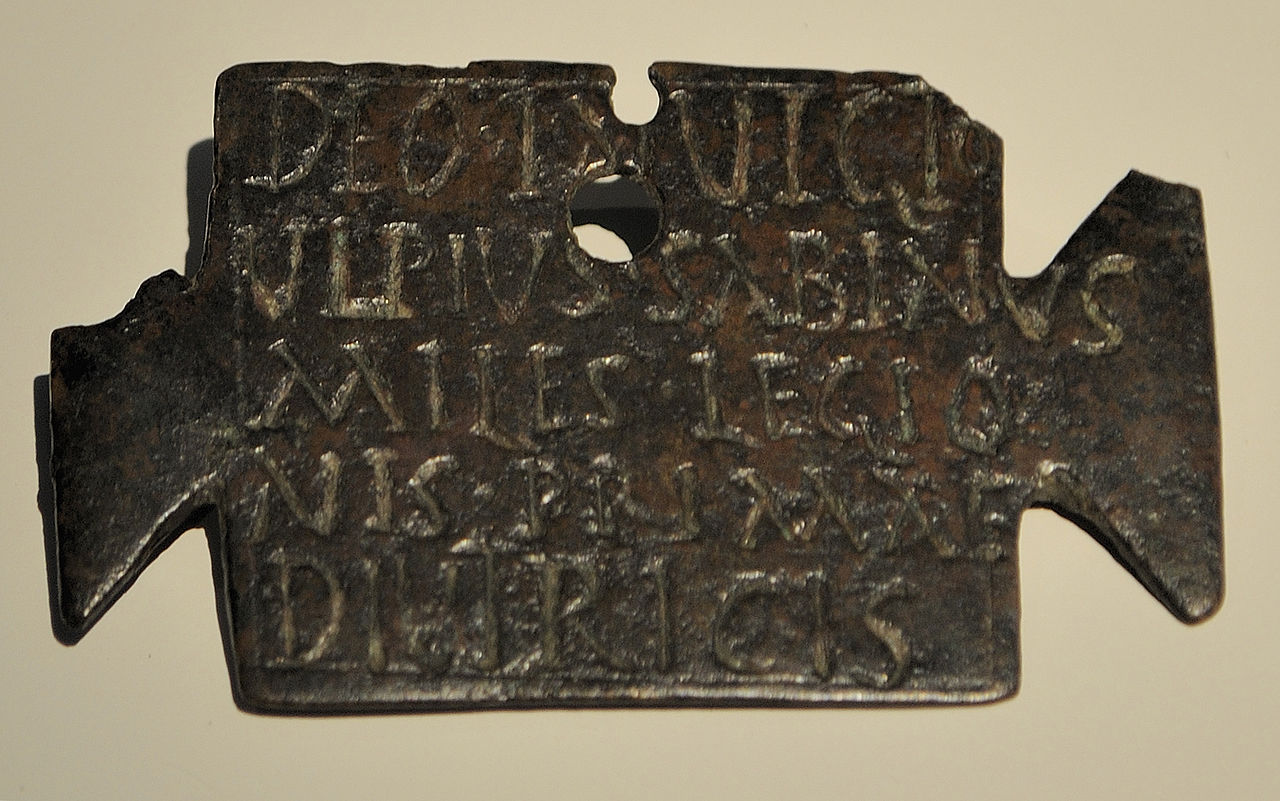

medical doctor. Hypnotherapist. medieval art interpretation. Mithras mystery I live in Sarrebourg (France) where a marvelous mithraeum was discovered in 1890

Freedman, he offered a relief of Mithras as a bull killer for the well-being of his two former masters in Apulum.
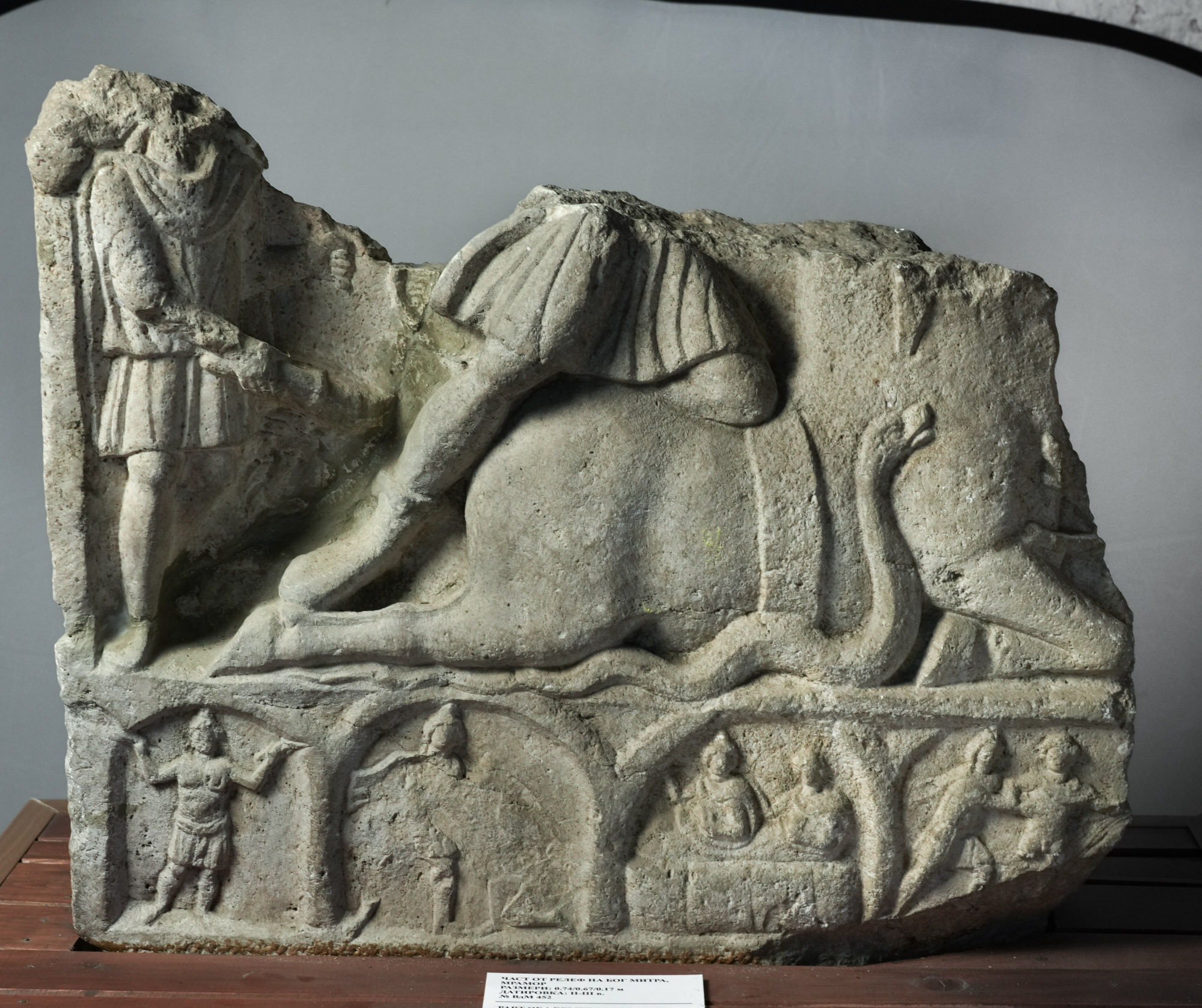
Fragmentary Mithraic relief from Ratiaria depicting the tauroctony above a series of narrative scenes from the myth of Mithras and Sol.
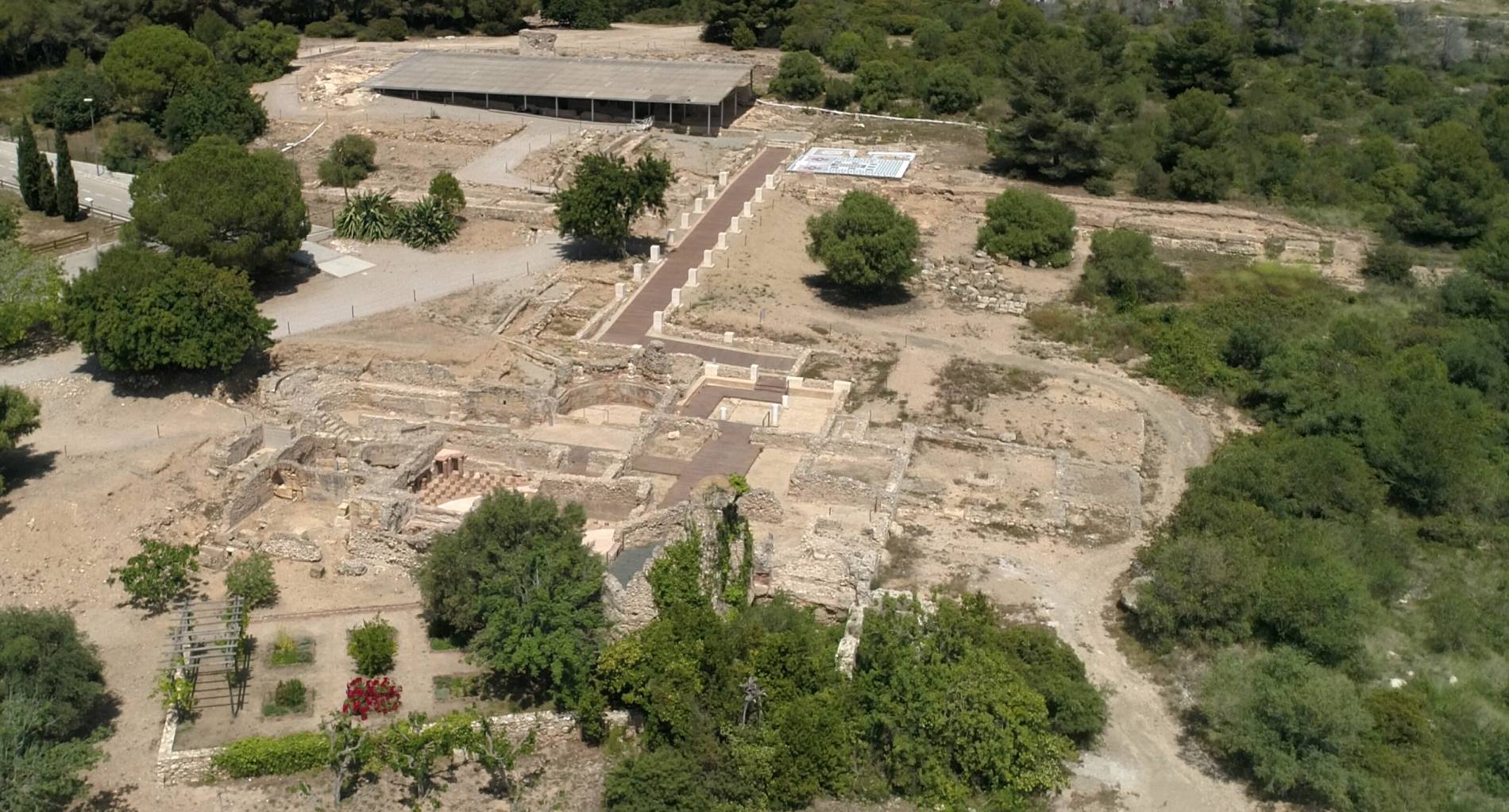
A possible Mithraic sanctuary attached to the luxurious Roman villa of Els Munts, near ancient Tarraco, whose interpretation remains disputed.

Senior Mithraic priest of Ostia whose inscriptions preserve rare and unique epithets of Mithras, including Incorruptus Juvenis and Indeprehensibilis.
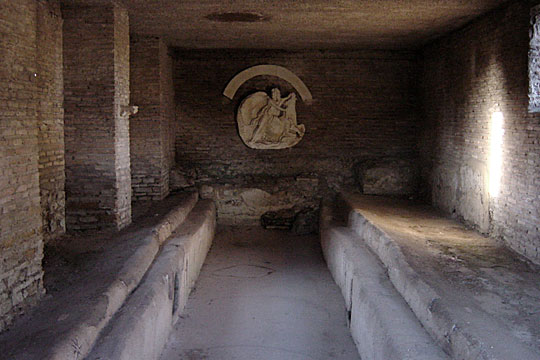
The Mithraeum of the Seven Spheres (Sette Sfere) is of great importance for the understanding of the cult, because of its black-and-white mosaics depicting the planets, the zodiac and related elements.
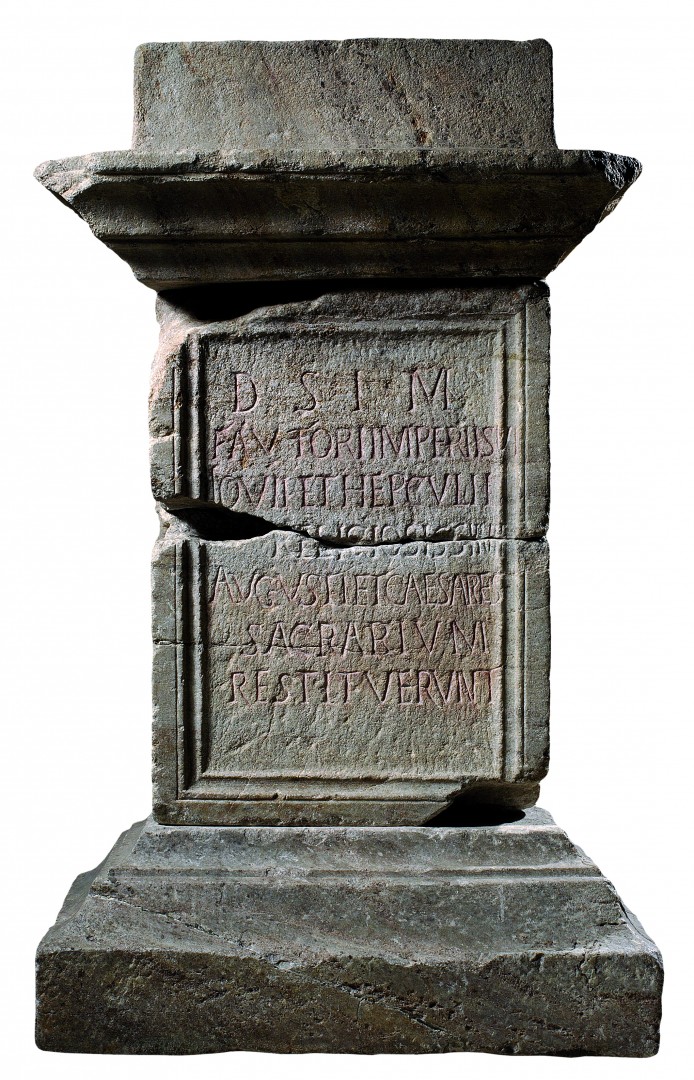
Altar with Cautes and Cautopates dedicated to Sol Invictus Mithras as protector of the Tetrarchy in 3rd-century Carnuntum.

Hermadio's inscriptions have been found in Dacian Tibiscum and Sarmizegetusa, as well as in Rome.
