Your search Cabrera de Mar gave 1568 results.
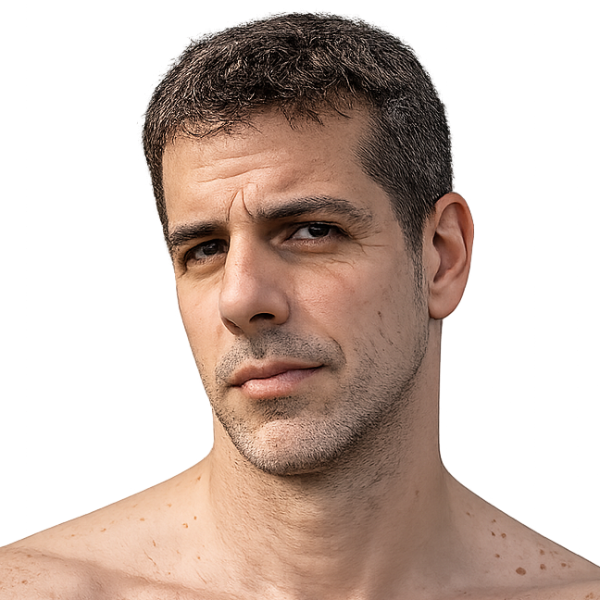
A Mithraic pater of Ostia who dedicated an altar to Cautes in the Mithraeum of the Painted Walls.
A historical role-playing game inspired by the archaeology of Roman Mithraism. Applications are now open and places are limited. The next campaign begins on 24 June.
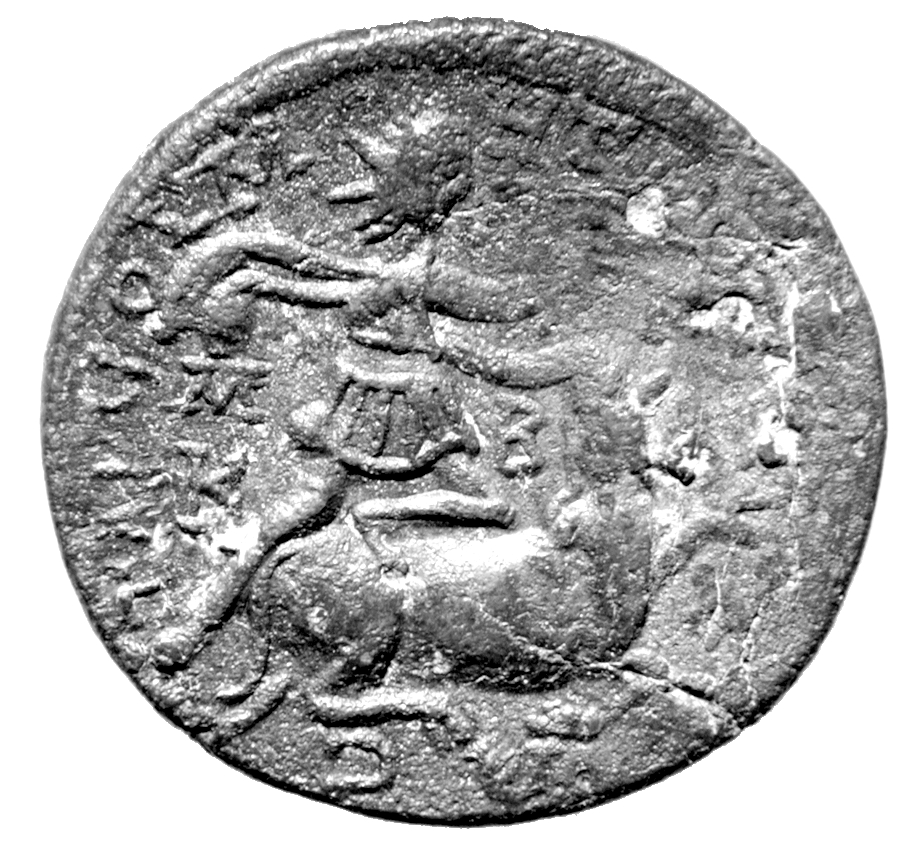
The bronze medallion, from Cilicia, shows Mithras Tauroctonus on the revers.

Magister of a Bracaran sodalicium associated with the cult of Mithras in Roman Lusitania.

Donor of the monumental tauroctony that served as the central cult image of Mithraeum IV in Aquincum.
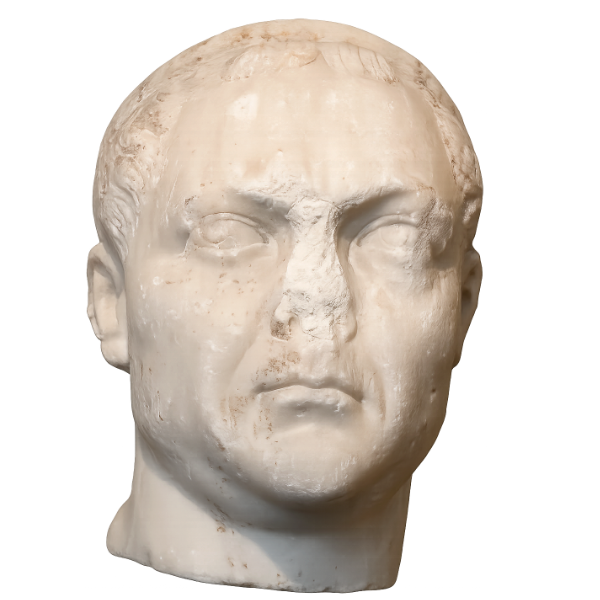
Roman emperor from 253 to 260, he was taken captive by Shapur I of Persia. He was thus the first emperor to be captured as a prisoner of war.

Early Mithraic Leo from Novae whose name has been associated with the honey symbolism of the leonine grade.
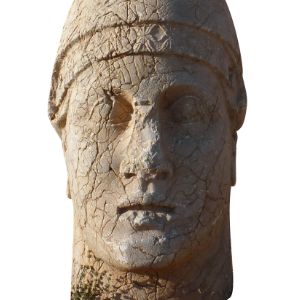
Veteran recalled to imperial service and sole named devotee of Mithras currently attested at Grumentum.
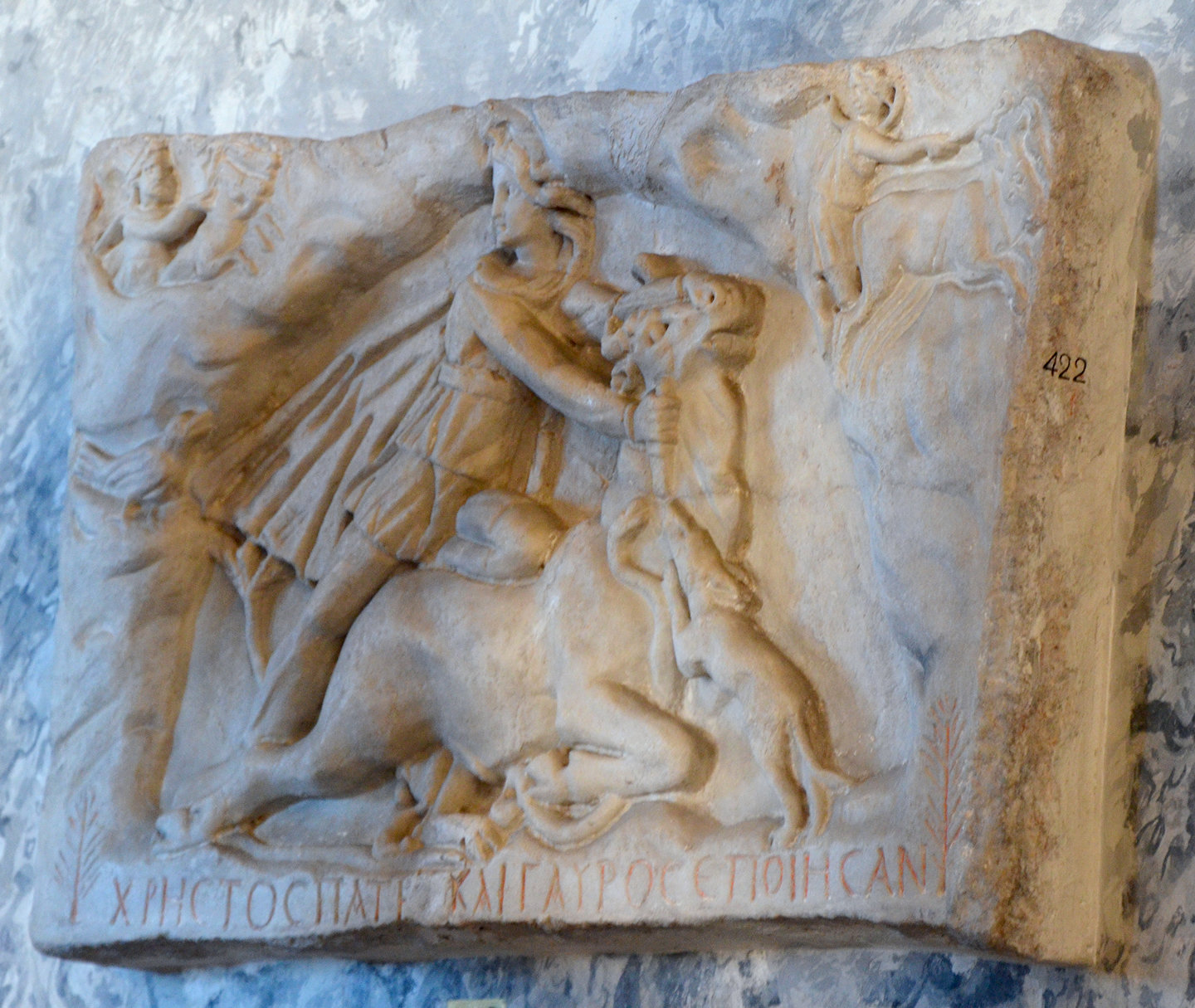
This relief of Mithras killing the bull, signed by a certain Χρῆστος, is on display in the Sala dei Animali of the Vatican Museum.

This altar from Grumentum in Lucania was dedicated to Sol Invictus Mithras by Titus Flavius Saturninus, an evocatus in imperial service.
Gold ring amulet formerly in the Schlumberger Collection, published as Mithraic by Cumont and later identified as a healing charm against colic and diseases of the uterus.

Tomis became one of the principal urban and maritime centres of the western Black Sea coast.
The island of Thasos occupied an important position in the northern Aegean maritime network.
Pola developed into one of the principal urban and maritime centres of the northern Adriatic.
The island of Brattia, modern Brač, formed part of the Adriatic maritime landscape of Dalmatia.
The Bay of Kotor formed an important maritime zone linking the Adriatic coast with the inland Balkans.
The island settlement of Arba occupied a strategic position along the eastern Adriatic maritime routes.
Two terracotta lamps formerly in the Coll. Passeri and now probably in the Museo Olivieri at Pesaro: the first showing Mithras as a bullkiller, the second in the shape of a bull's head inscribed Μέθρα ἱερός on the horns, both regarded as probably forged…
Two small marble heads in Phrygian caps from the Castle at Cataio in the Veneto, cited by Dütschke, which may belong to torchbearer figures.
