Your search Castellammare di Stabia gave 2062 results.

Marble altar bearing a bust of Sol in radiate crown with Cautopates on the right and Cautes on the left, both cross-legged, from the Mitreo delle Pareti Dipinte at Ostia.
A small hollow edicola of simple square structure near altar K, with an opening for lamp offerings, from the Mitreo del Palazzo Imperiale at Ostia.
A group of small finds from an Ostia Mithraeum, including three tuff altars, two trapezophores, a column fragment, lamps, vases, and a marble Silen.
Painted inscription naming the patres and other initiates of the Mithraeum, above the podium in the south-west corner of the Mithraeum of Dura-Europos, Syria.
Painted zodiac signs covering earlier figures in Phrygian cap in the arched niche of the Later Mithraeum of Dura-Europos, Syria, 3rd century A.D.
Gold coin of the Scythian king Hooerkes, reverse showing Mithras (MIIPO) in tunic with lance and sword, north-west India, c. 87–129 A.D.
Gold coin of the Scythian king Hooerkes, reverse showing Mithras (MOPO) standing with wreath and staff, north-west India, c. 87–129 A.D.
Two fragments of a large reddish sandstone basin from Mithraeum I at Stockstadt, its exterior decorated with the Zodiac including Gemini and Sagittarius
Red sandstone relief from Mithraeum I at Stockstadt depicting Diana in a long garment drawing an arrow from her quiver, with a deer at her feet
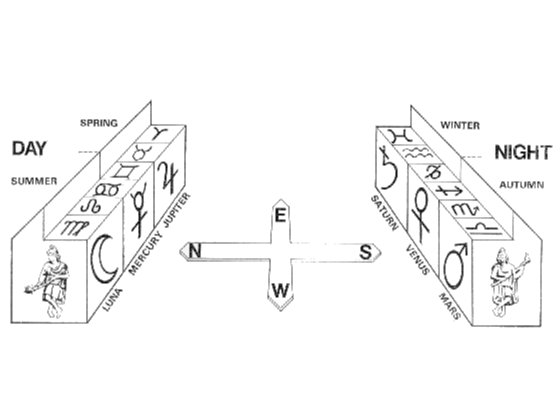
The rich mosaics of the Mithraeum of the Seven Spheres include the the signs of the Zodiac.
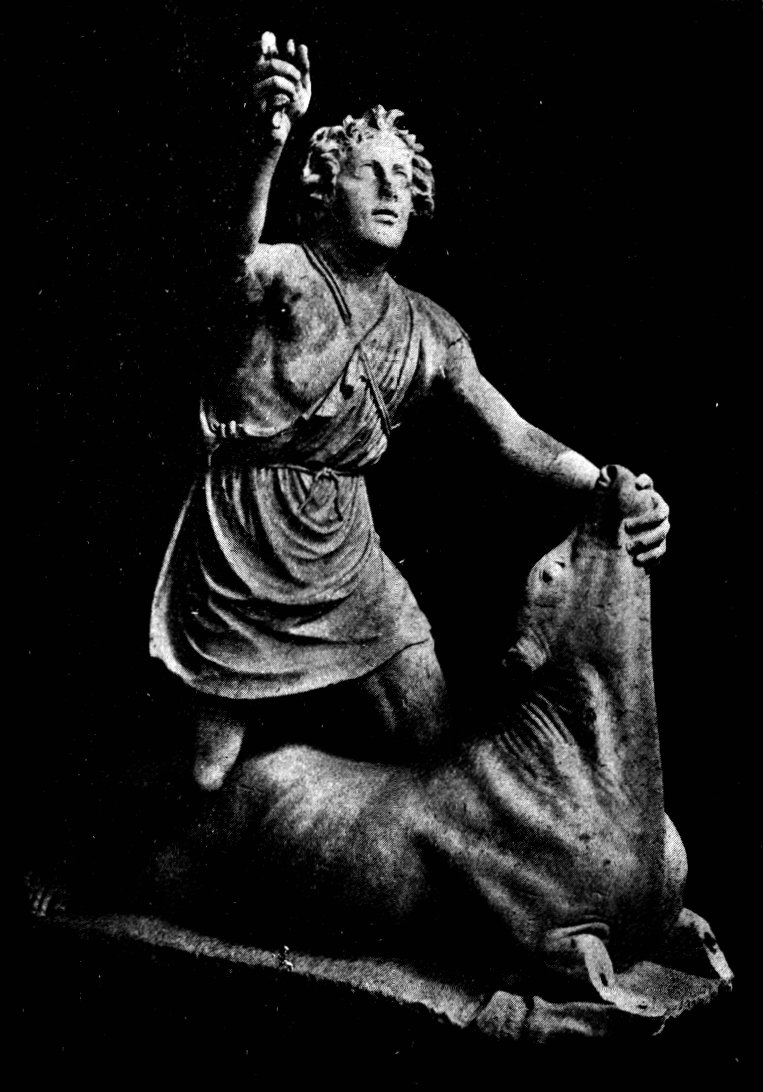
The person who commanded the sculpture may have been M. Umbilius Criton, documented in the Mitreo della Planta Pedis.
Group of Mithraic finds distributed across different localities named San Zeno along the Verona–Brenner route.
Second-century Mithraeum discovered in the lower storey of the Curia complex at Cosa.
Marble inscription discovered near the Via Cupa mentioning an offering to the invincible Mithras by Apollonius Tetes Syras of Marcianopolis.
Series of small bronze plaques depicting zodiac signs and planetary figures discovered in Ostia and possibly connected with the decoration of a Mithraic sanctuary.
Fragmentary inscription from Viminacium, Moesia Superior, preserving only the opening of a dedication to Mithrae Soli invicto ex voto.
Inscription from Viminacium, Moesia Superior, dedicated to Deo invicto Mithrae by a decurio and aedilis of the Colonia Viminacii ex voto.
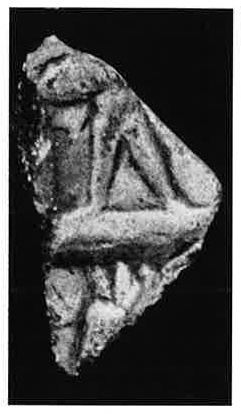
Marble fragment from the Mithraeum at Sarmizegetusa, Dacia, preserving a standing figure in shoulder-cape (possibly Sol) and below it a burning altar.
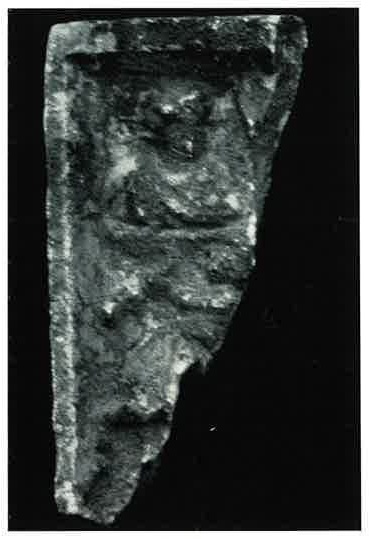
Fragment of a yellowish marble relief from the Mithraeum at Sarmizegetusa, Dacia, preserving the left upper corner with the bust of Sol and below it Mithras riding the bull.
Marble fragment from the Mithraeum at Sarmizegetusa, Dacia, preserving a standing person in a tunic; head, arms, and legs are lost.
