Your search Castellammare di Stabia gave 2069 results.

Limestone altar from the ruins of ancient Plevlje, Dalmatia, walled into the well of the local barracks, dedicated to Soli invicto sacrum by Sextus Baberius Ianoarius.
Tauroctony relief carved directly into the rock of the Mithraeum on the Colle S. Giorgio near Cavtat, ancient Epidaurum in Dalmatia; the composition includes Sol, Luna, Cautes, and Cautopates flanking the central scene.
Inscription from Narona, Dalmatia, dedicated to Deo Soli Iovi optimo maximo aeterno sacrum; the Mithraic attribution is doubtful.
Altar found at Vid near Metković, ancient Narona in Dalmatia, dedicated to Invicto deo Soli by the freedman Marcus Lusius Trofimas.
Altar found near Škrip on the island of Brač in 1899, bearing a dedication to Invicto deo; the Mithraic attribution and the expansion of i/d are uncertain.
Inscription found at Škrip on the island of Brač, ancient Brattia in Dalmatia, in 1805, dedicated to Soli invicto Mithrae by Iulius Bubulus.
Stone altar fragment from Danilo Gornje near Šibenik, Dalmatia, bearing a dedication to Deo invicto by Comitius.
Altar in poor-quality lettering from Burnum, Dalmatia, dedicated to Soli invicto by Caius Secundulus; the Mithraic interpretation is not entirely certain.
Limestone altar found on the summit of Monte Vitalj near Prozor, Dalmatia, in 1900, dedicated to Soli invicto deo by Lucius Lucceius; the epithet rupe nato may be present in line one.
Natural rock enclosure at a quarter-hour's walk from Veliki Vitalj near Prozor, Dalmatia, used as a Mithraic sanctuary, with a tauroctony carved directly into the rock.
Altar and a relief of a figure tearing a lion to pieces, found along the Otočac–Gospić road near the mountains Veliki and Mali Vitalj, Dalmatia; the tauroctony interpretation of the lion-tearing relief was subsequently disputed.
Altar found at Rab, ancient Arba in Dalmatia, in 1867, bearing a dedication to Invicto by Octavius Geminus; the Mithraic attribution is uncertain.
Altar found at Osijek in 1922 when the fortress was demolished, ancient Mursa in Pannonia Inferior, now in the Zagreb Archaeological Museum, bearing a dedication to Deo Aeterno — the Eternal God.
Altar from Osijek, ancient Mursa, found when the fortress was demolished in 1922, dedicated to Deo Aeterno — the Eternal God — a title sometimes associated with Mithraic worship.
Limestone altar from Osijek, ancient Mursa in Pannonia Inferior, found in 1937, dedicated to Deo invicto Mithrae by Antonius.
Fragmentary inscription from Rittium, Pannonia Inferior, dedicated to Deo invicto Mithrae.
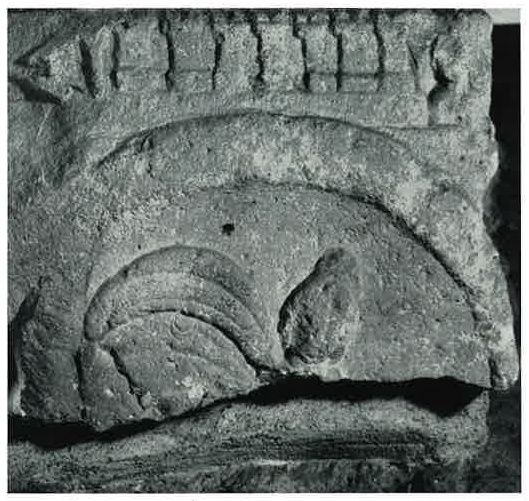
Altar from Intercisa, Pannonia Inferior, dedicated to Deo Soli invicto by Antonius Veranus, pater sacrorum — one of the clearest attestations of the Mithraic grade pater from Pannonia Inferior.
Mithraic sanctuary found at Sárkeszi near Székesfehérvár, Pannonia Inferior, in a place called Ságvölgyi; yielding altars, tauroctony reliefs, and cult objects.
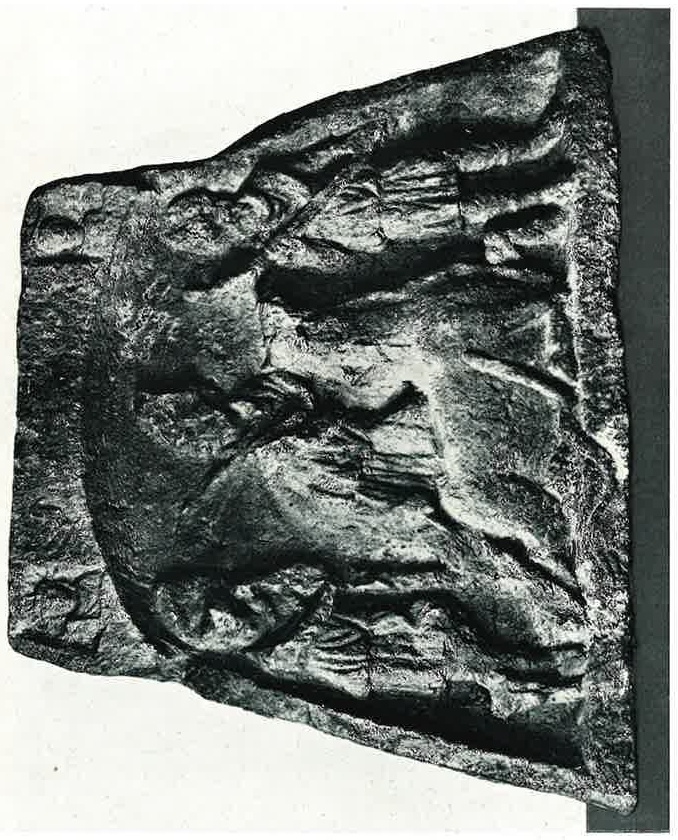
Mithraic sanctuary found in the district of Campona near Nagytétény, Pannonia Inferior, in 1934, yielding three inscribed altars, statue fragments, and other cult objects.
Fragment of an altar from Pócsmegyer, ancient Ulcisia Castra in Pannonia Inferior, dedicated to Invicto Soli Mithrae by a custos armorum of the Cohors milliaria nova Severiana.
