Your search Catacombe dei Santi Marcellino e Pietro gave 243 results.

Over the last century or so, a great deal has been said about the god Mithras and his mysteries, which became known to the European world mainly through his Roman cultus during the Imperial Period.
We’ve put together a new table of cross-references of monuments to Mithras in several databases, including Vermaseren’s Corpus, Cumont’s Textes, CIL, l’Année épigraphique, Clauss / Slaby and Heldeiberg’s epigraphic databases, and more…

This marble sculpture from Sicily, known as the Randazzo Vecchio or Rannazzu Vecchiu, contains some essential elements of the Mithraic Aion, the lion-headed god.

Translation and Introductory Essay by Robert Lamberton. Station Hill Press Barrytown, New York 1983.

Excerpted from Mushroom, Myth and Mithras, this passage elaborates on the Mithraic ritual and the degree of Nymphus.
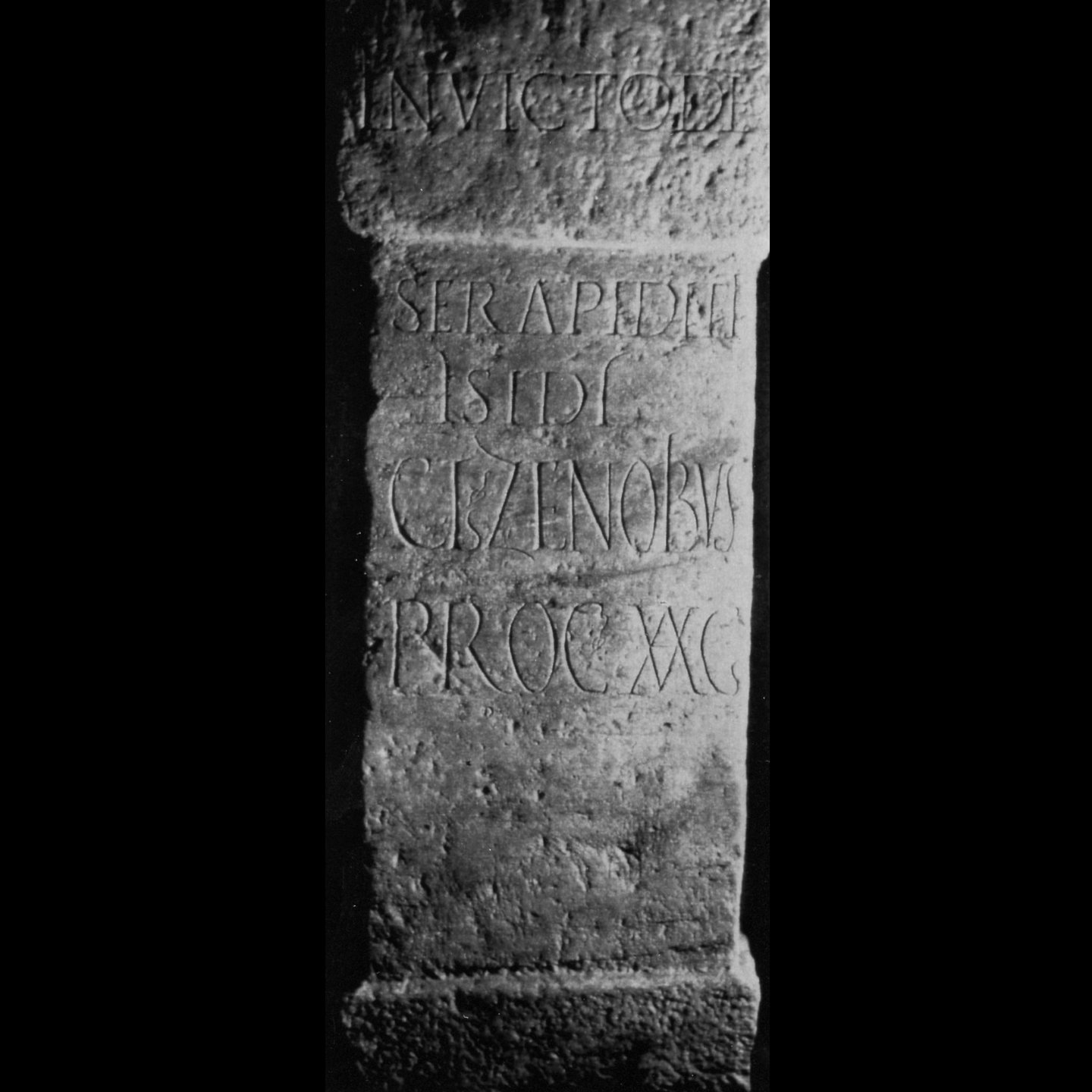
This slab dedicated to the invincible god, Serapis and Isis by Claudius Zenobius was found in 1967 in the walls of the city of Astorga, Spain.
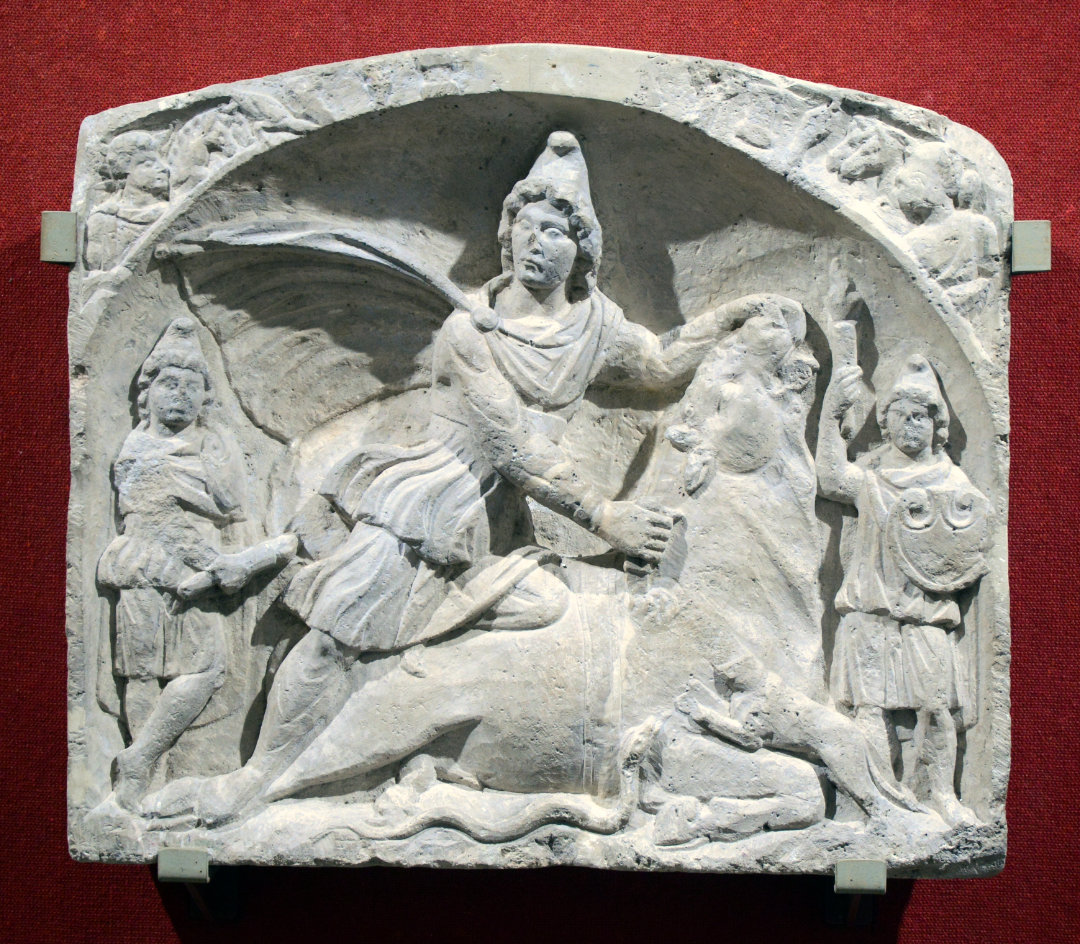
In this relief found in the Sárkeszi Mithraeum, Cautes and Cautopates hold an Amazon shield.

Laurent Bricault has revolutionised Mithraic studies with the exhibition The Mystery of Mithras. Meet this professor in Toulouse for a fascinating look at the latest discoveries and what lies ahead.
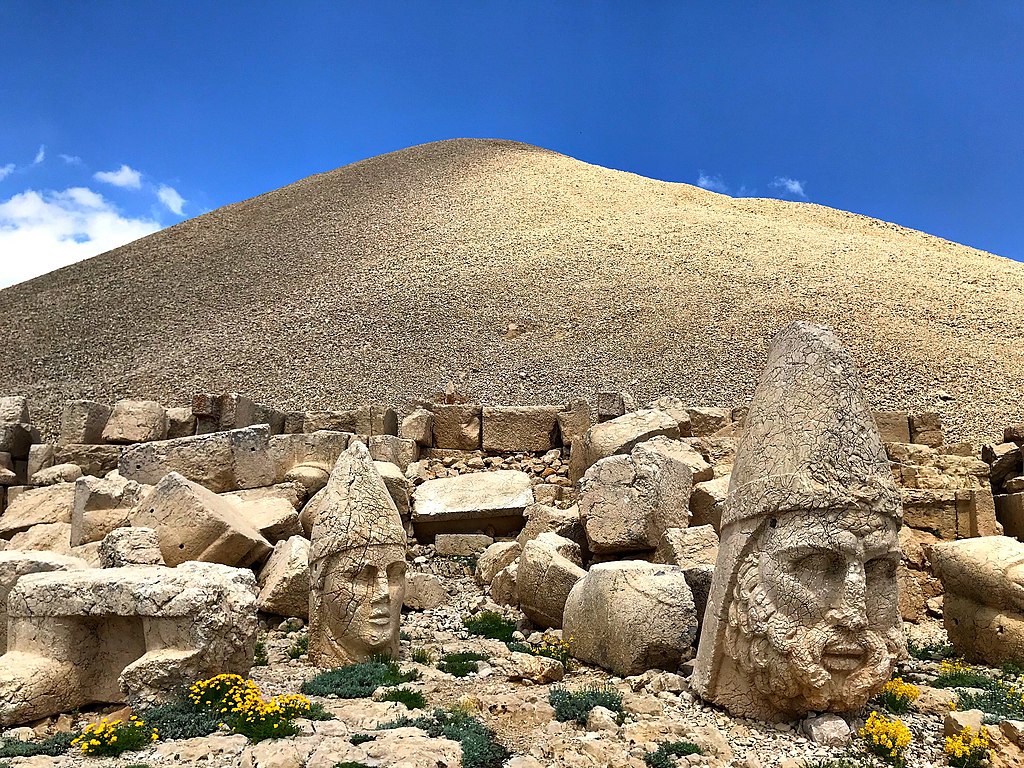
Mount Nemrut or Nemrud is one of the highest peaks in the eastern Taurus Mountains, southeastern Turkey. On its summit large statues stand around what is supposed to be a royal tomb from the 1st century BC.
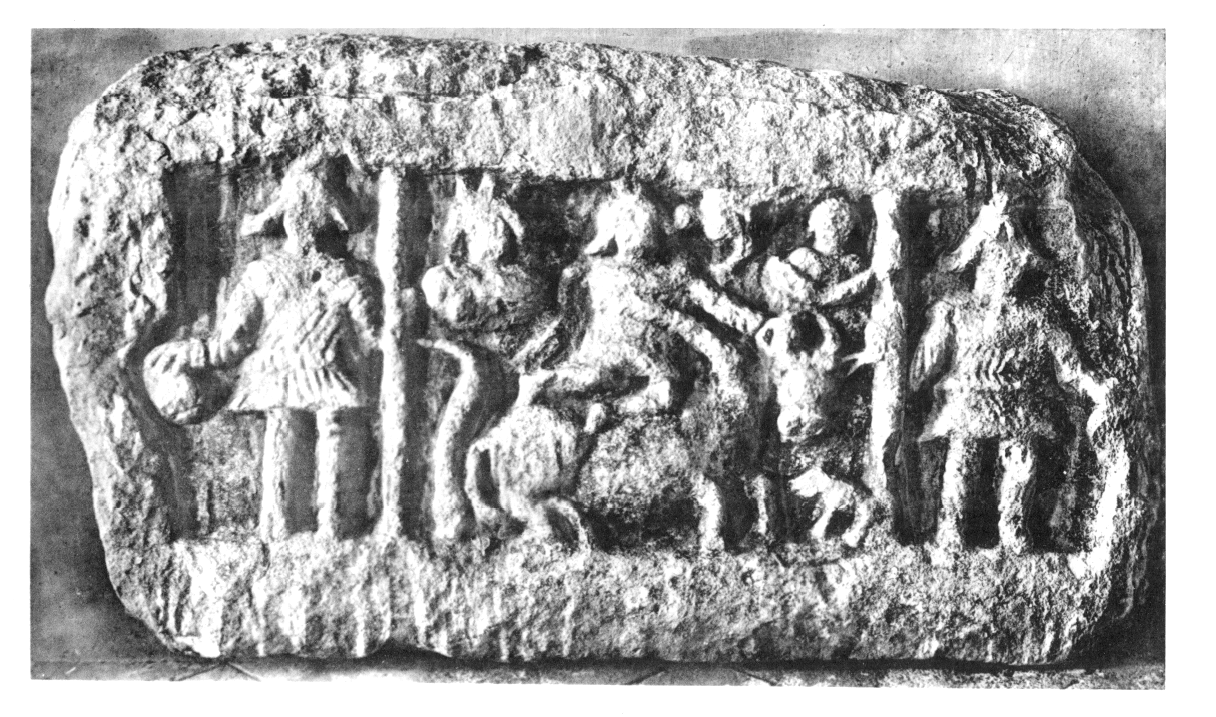
This relief of Mithras as bull slayer is surrounded by Cautes and Cautopates with their usual torch plus an oval object.
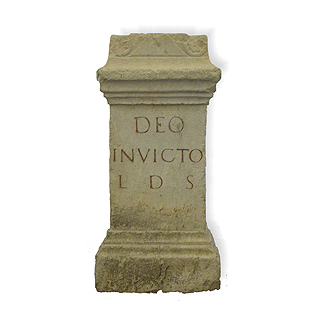
This altar to Deo Invicto was found during the excavation of the Monastero Delle Benedettine di Santa Grata in Bergamo, with a bronze calf’s head on top.

This marble of Cautes was found together with his partner Cautopates in Ostia in 1939.
This temple of Mithras has been discovered under the Church in Vieux-en-Val-Romey, in 1869.
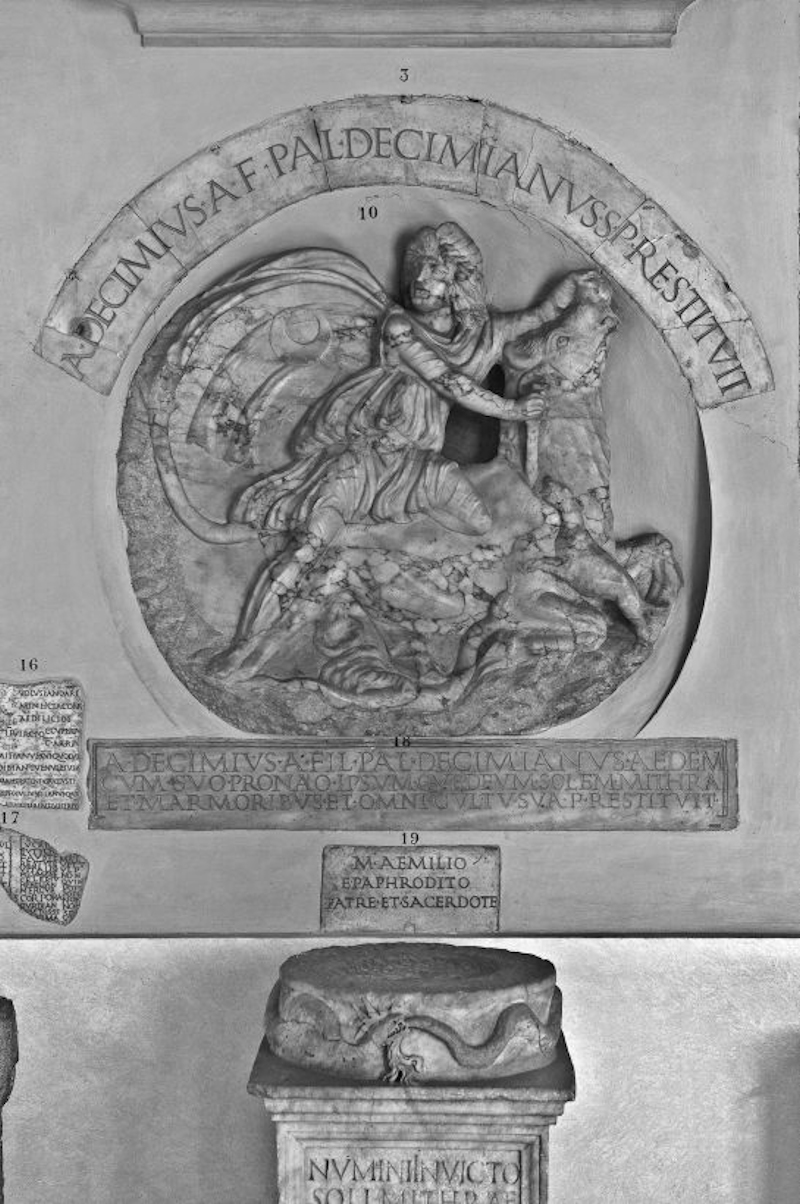
The relief of Mithras slaying the bull from the Mithraeum of the Seven Spheres was discovered in 1802 by Petirini by order of Pope Pius VII.

Excavations in 1979 on the remains of the church of Notre-Dame d'Avigonet in Mandelieu, Alpes-Maritimes, brought to light a small mithraeum.
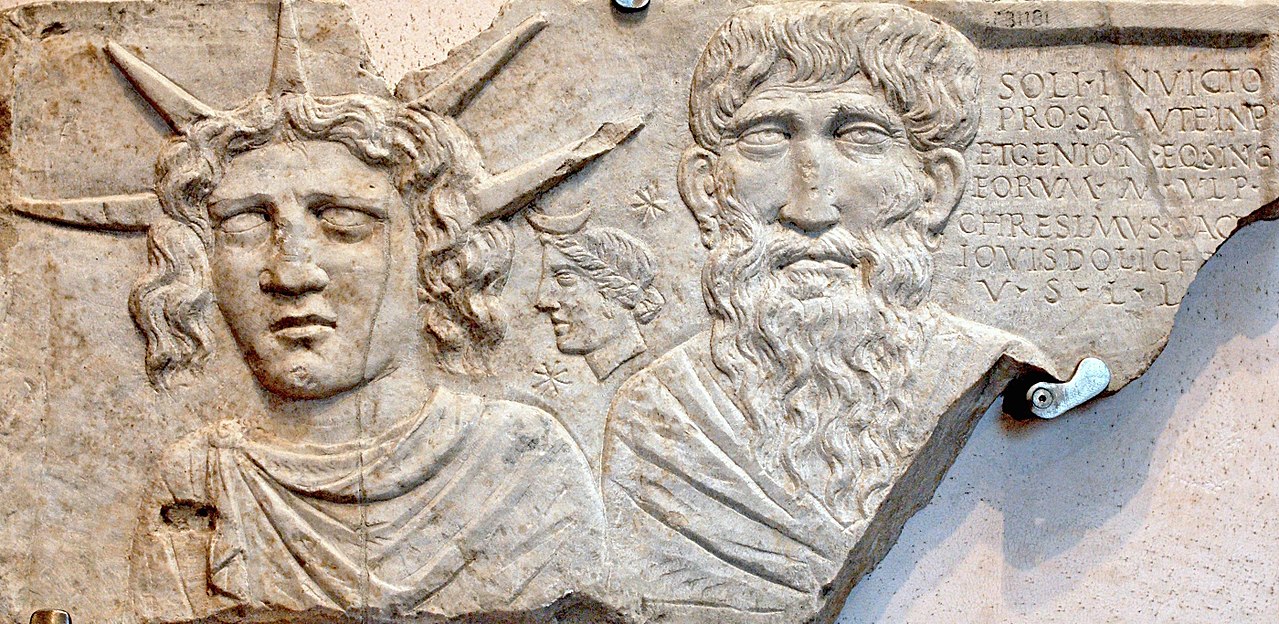
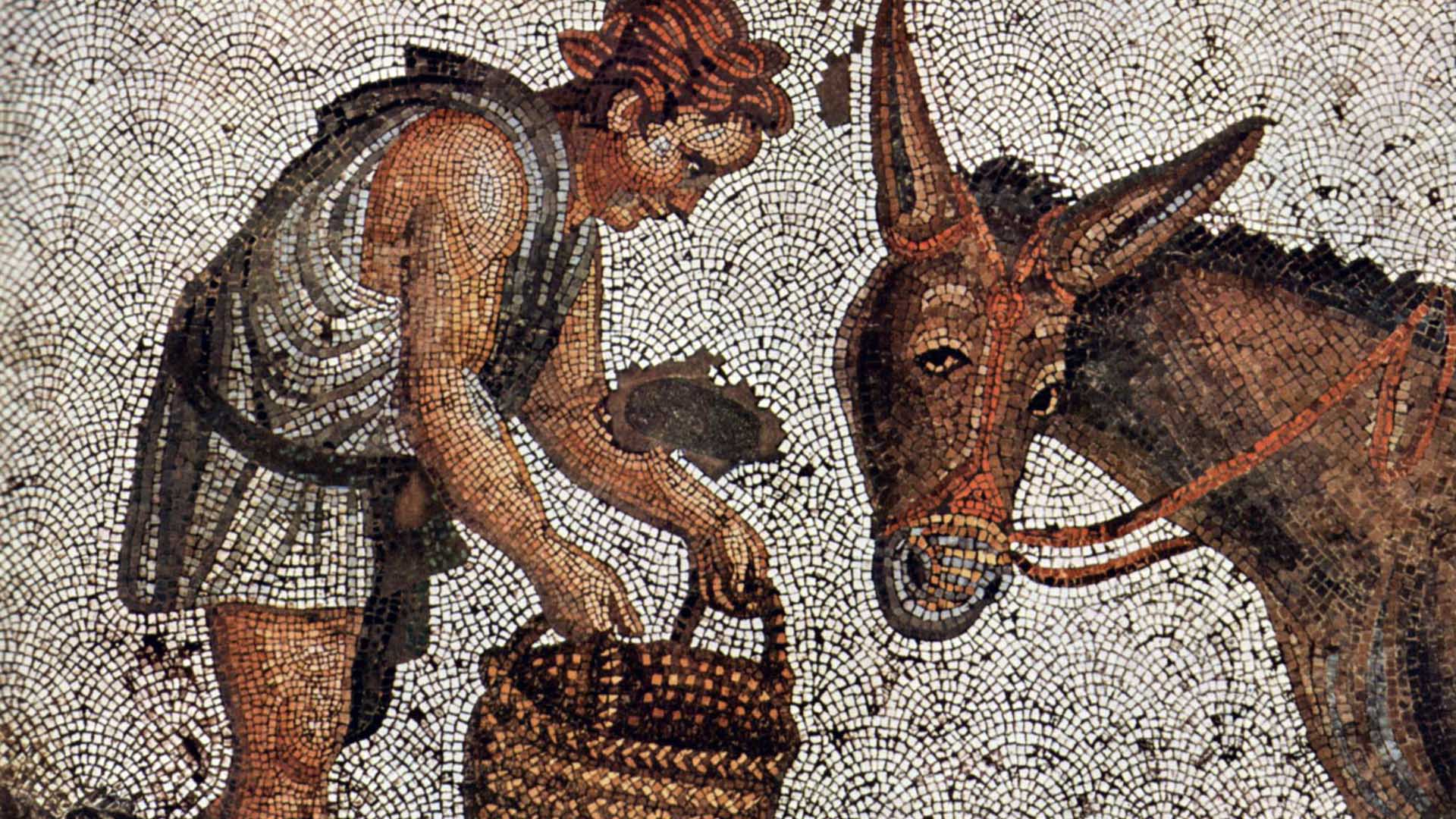
The concluding book of Apuleius’ Golden Ass (or Metamorphoses), where Lucius, the story’s protagonist, undergoes initiation into the mysteries of Isis and Osiris.
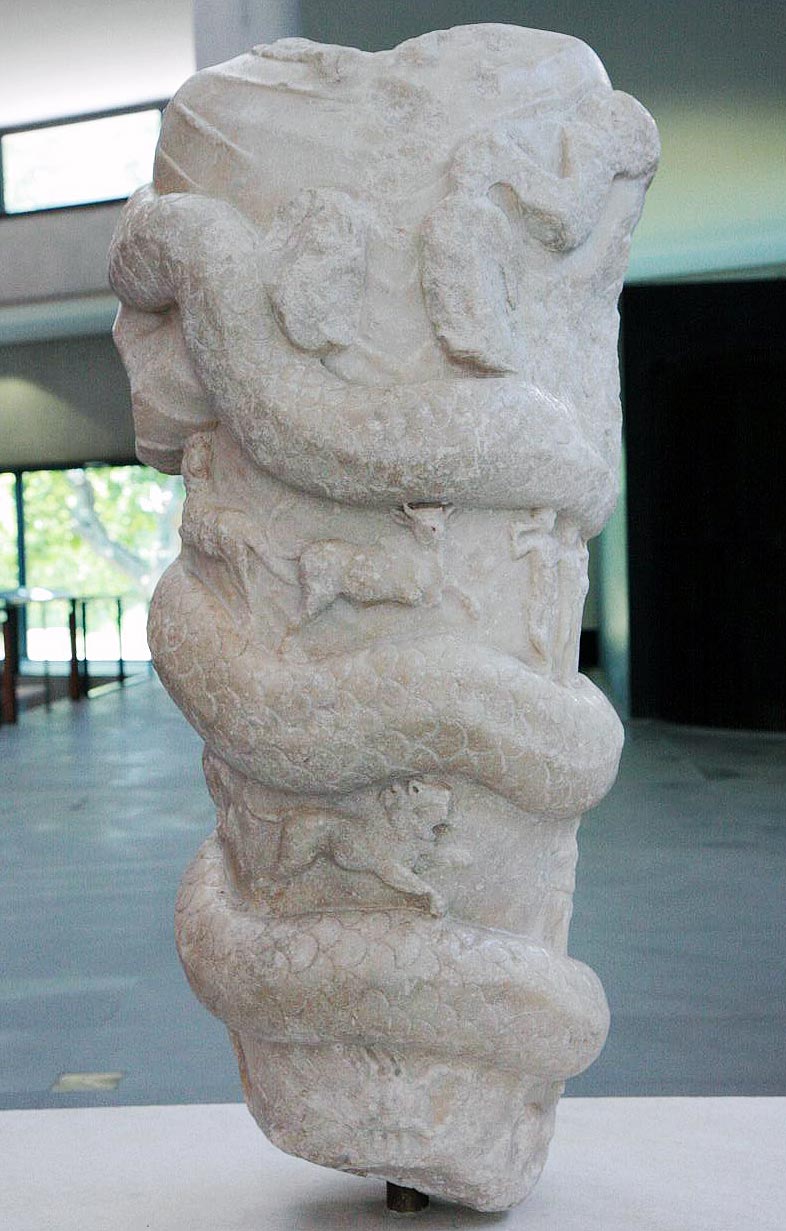
The Aion of Arles includes nine signs of the zodiac in three groups of three, between the spirals of the serpent.
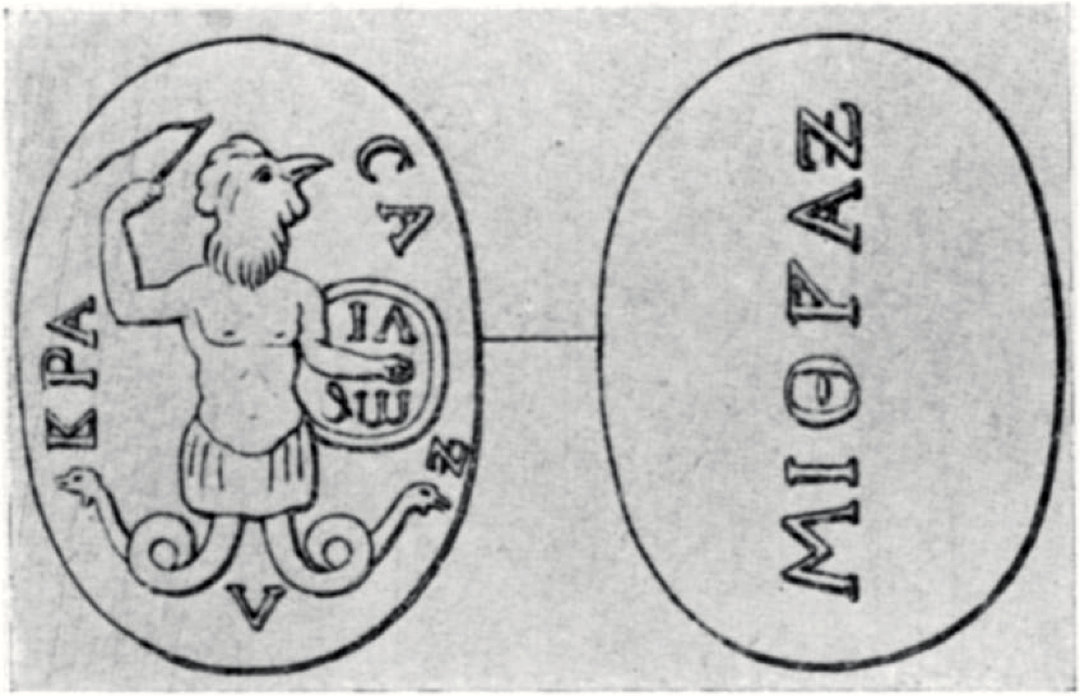
This syncretic amulet depicting Abraxas and the word MIΘPAZ was once displayed in the Cappello Museum of Venice.
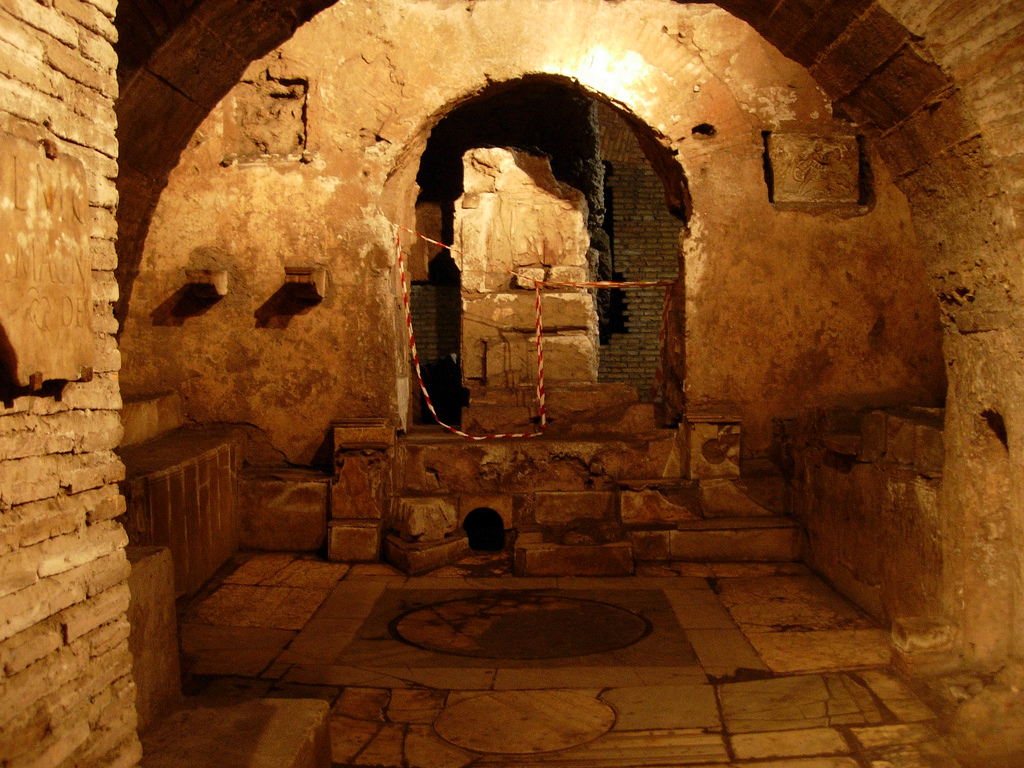
The Mithraeum of the Circus Maximus was discovered in 1931 during work carried out to create a storage area for the scenes and costumes of the Opera House within the Museums of Rome building.
