Your search Cioroiu Nou gave 234 results.

Marble altar from Mithraeum III at Ptuj, ancient Poetovio, dedicated in honour of the Domus Divina to Deo invicto Mithrae by Ulpius Valerianus, veteran of Legio XIII Gemina.
Three marble cornice fragments from Mithraeum III at Ptuj, ancient Poetovio, bearing an inscription recording that the monument was elevated in the manner of Sol, in honour of Cautes and Cautopates.
Altar from Töltschach am Zollfeld, Noricum, dedicated to Soli invicto Mithrae for the welfare of the Augustus in honour of the Domus Divina by Hilarus, imperial freedman and tabularius patrimonii regni Norici, and Epictetus, imperial arkarius…
Inscription from Virunum, Noricum, dedicated to Deo invicto Mithrae in honour of the Domus Divina by Eppius, son of Ariminensis — a rare instance of filiation used as a sole identifier.
Votive sandstone altar from Wiesbaden, ancient Aquae Mattiacae, dedicated to Deo Soli invicto by Caius Silvinius Maternus, in honour of the Domus Divina
Miscellaneous objects from the Rückingen Mithraeum including stone balls, cult-vase fragments, lamps, and two candlesticks
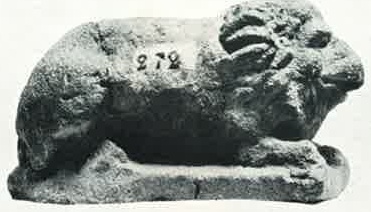
Red sandstone statue of a lying lion with a hollow channel running through its body, from Mithraeum II at Heddernheim, ancient Nida
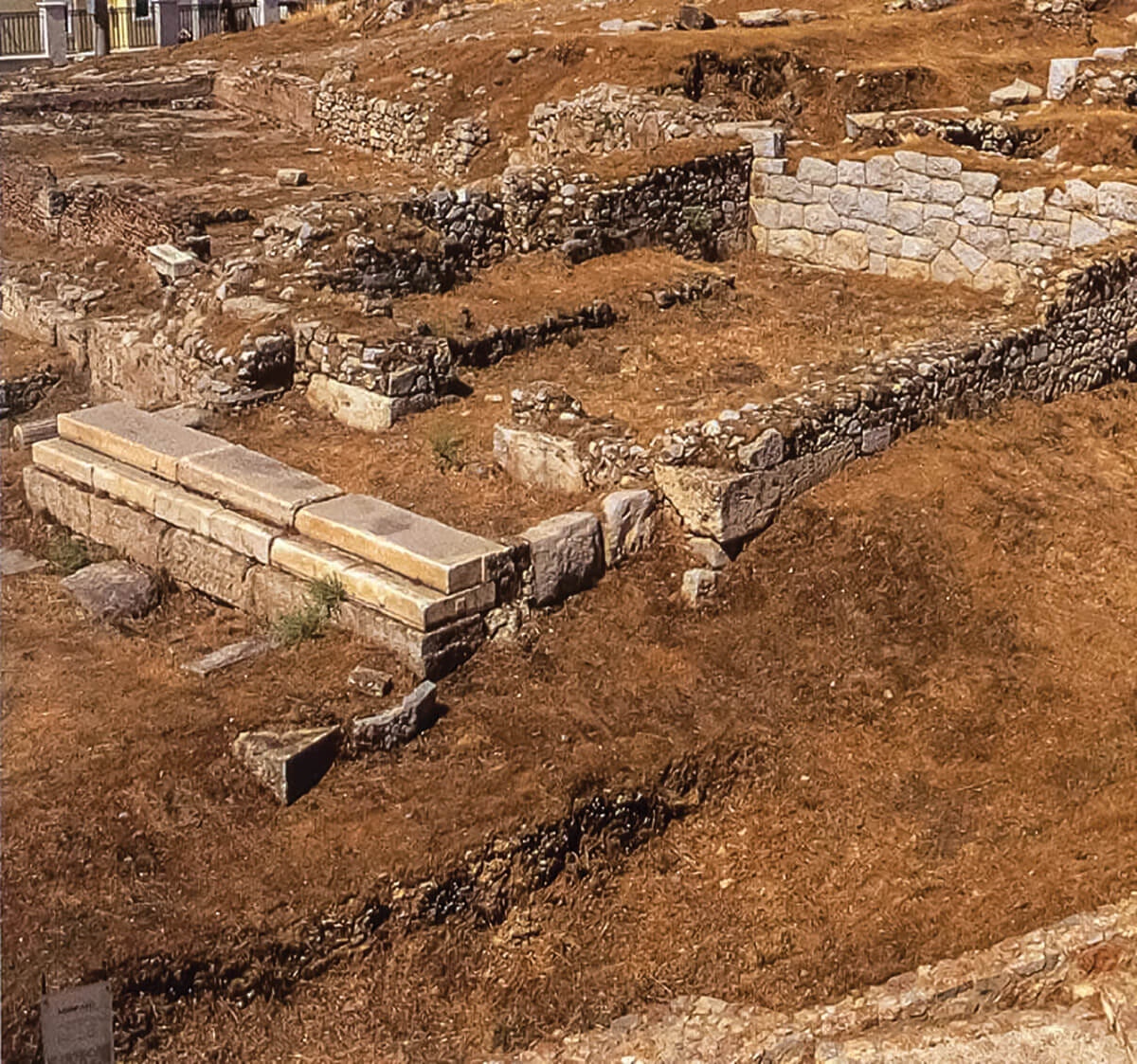
A Mithraeum has been identified in Eleusis where the last Hierophant form thespia had the rank of Father in the Mithraic Mysteries.
Many of the inscriptions and sculptures of the site were kept in a museum which has been destroyed.
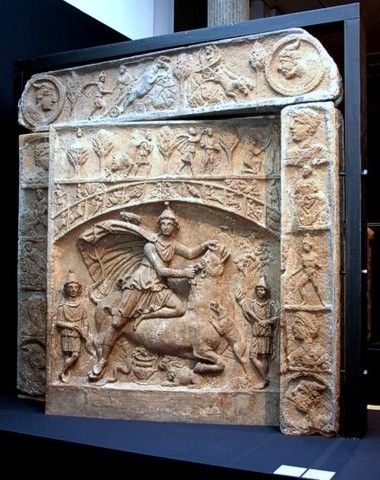
This relief is so well-known that it has been reproduced in nearly every handbook of archaeology and of history of religions.
Sassanian-period frescoes discovered at Susa whose possible Mithraic interpretation remains uncertain.

Ancient region of the Crimean Peninsula associated with the Greek colonies and Roman presence in Taurica.
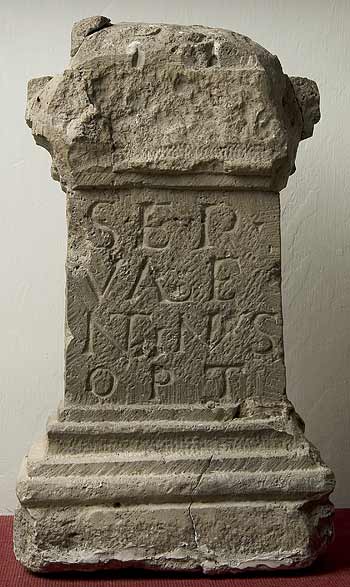
Limestone altar dedicated to Cautes by the Roman optio Septimius Valentinus, discovered in the Mithraeum of Sárkeszi in Pannonia Inferior.
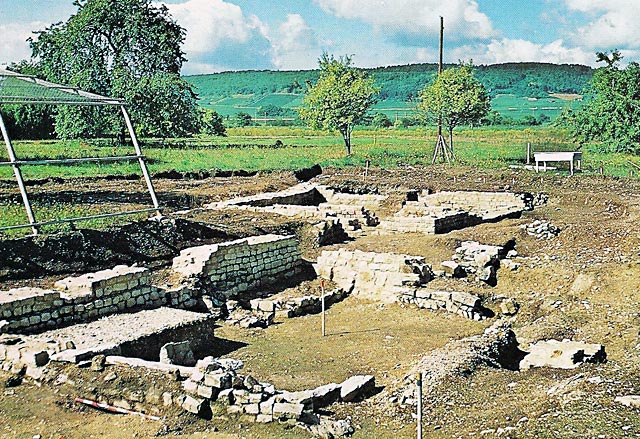
The Mithraeum des Bolards was integrated into a therapeutic cultural complex related to healing waters.
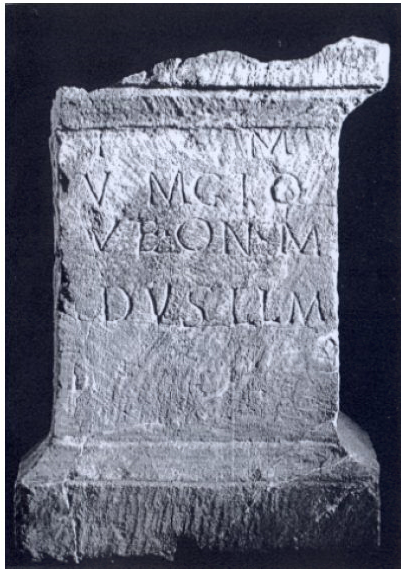
This fragmented monument bears an inscription of a certain veteran named Valerius Magio.
Samnium occupied a mountainous region of central Italy linked to Rome through military movement and regional urban networks.
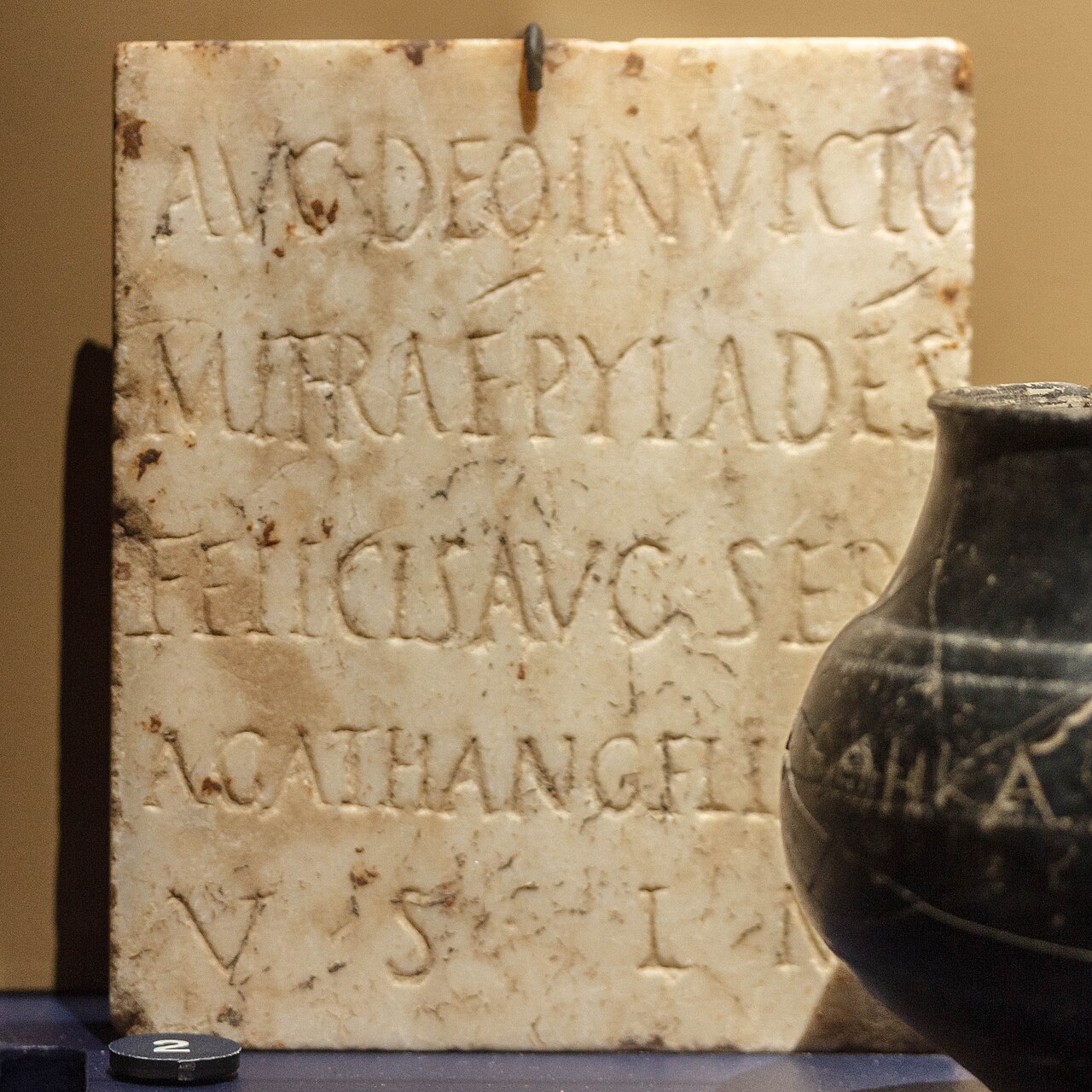
This marble plaque from Iuliomagus, Roman Angers, bears a rare dedication to Mithras by Pylades, a slave of an imperial slave connected to the Roman administration in Gaul.
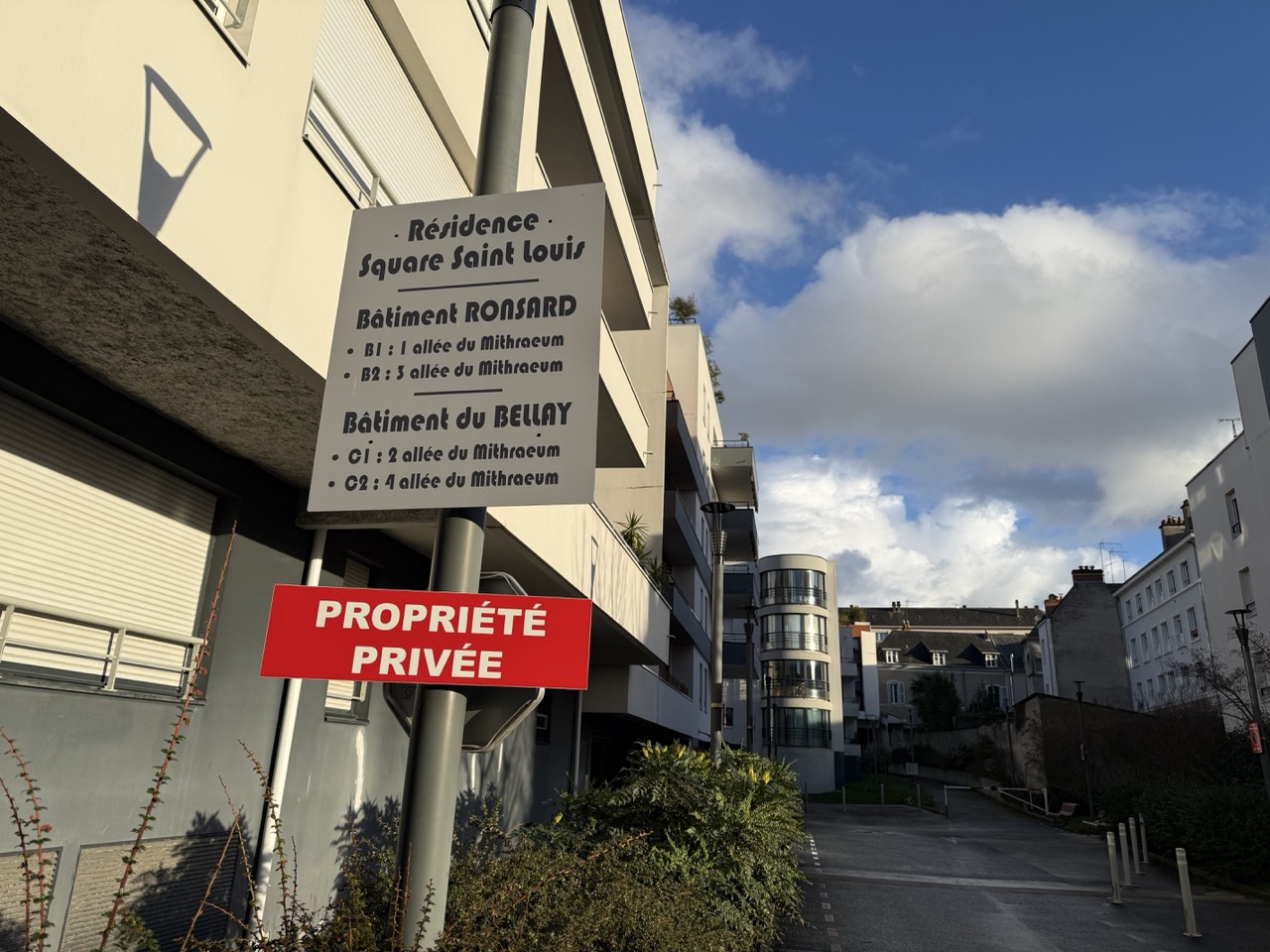
The Mithraeum of Angers, excavated during a preventive operation and subsequently dismantled in 2010, yielded numerous objects, including coins, oil lamps, and a ceramic vessel bearing a votive inscription to the invincible god Mithras.
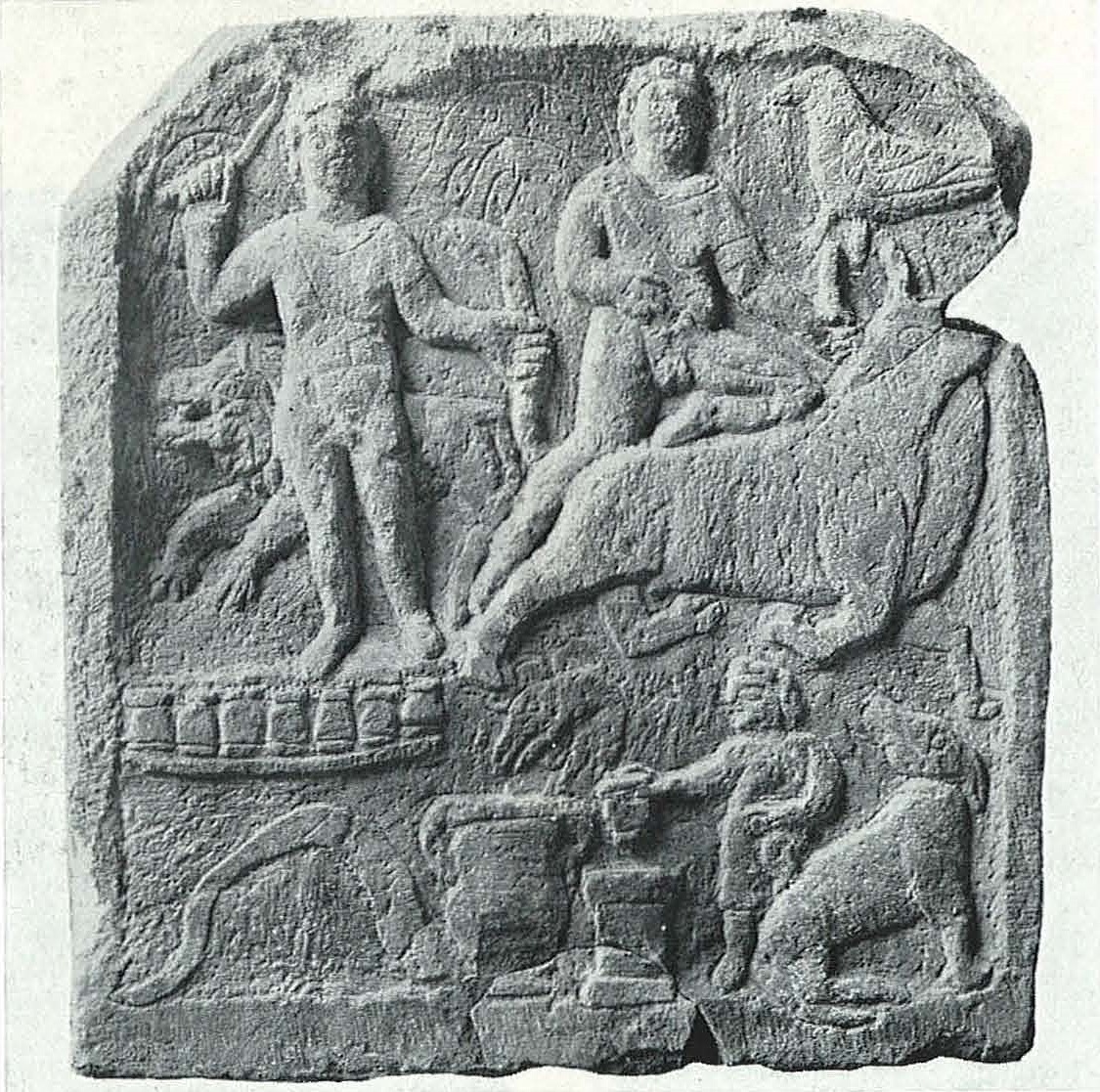
The Tauroctony from Landenburg, Germany, shows a naked Mithras only accompanied by his fellow Cautes.