Your search Franz-Valéry-Marie Cumont gave 236 results.

Archéologue et historien de l’art belge, professeur à l’université de Liège, et directeur du Domaine & Musée royal de Mariemont.
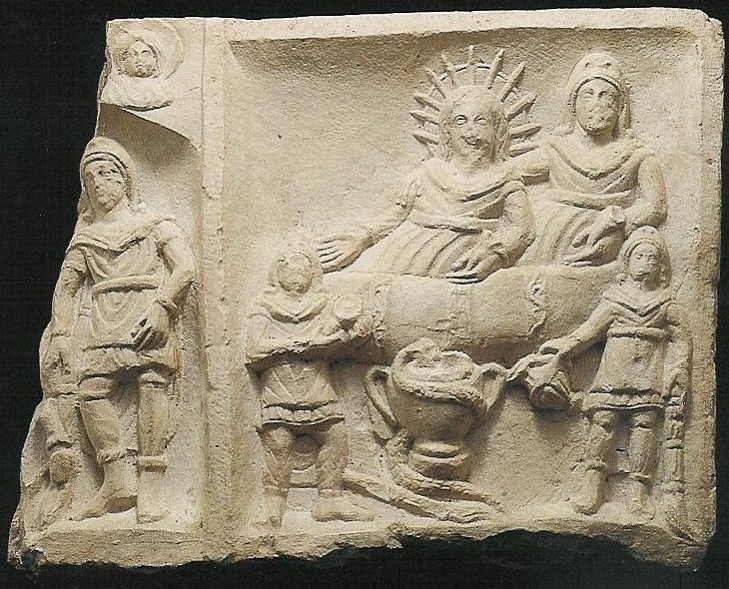
The remains of the mithraic triptic of Tróia, Lusitania, were part of a bigger composition.
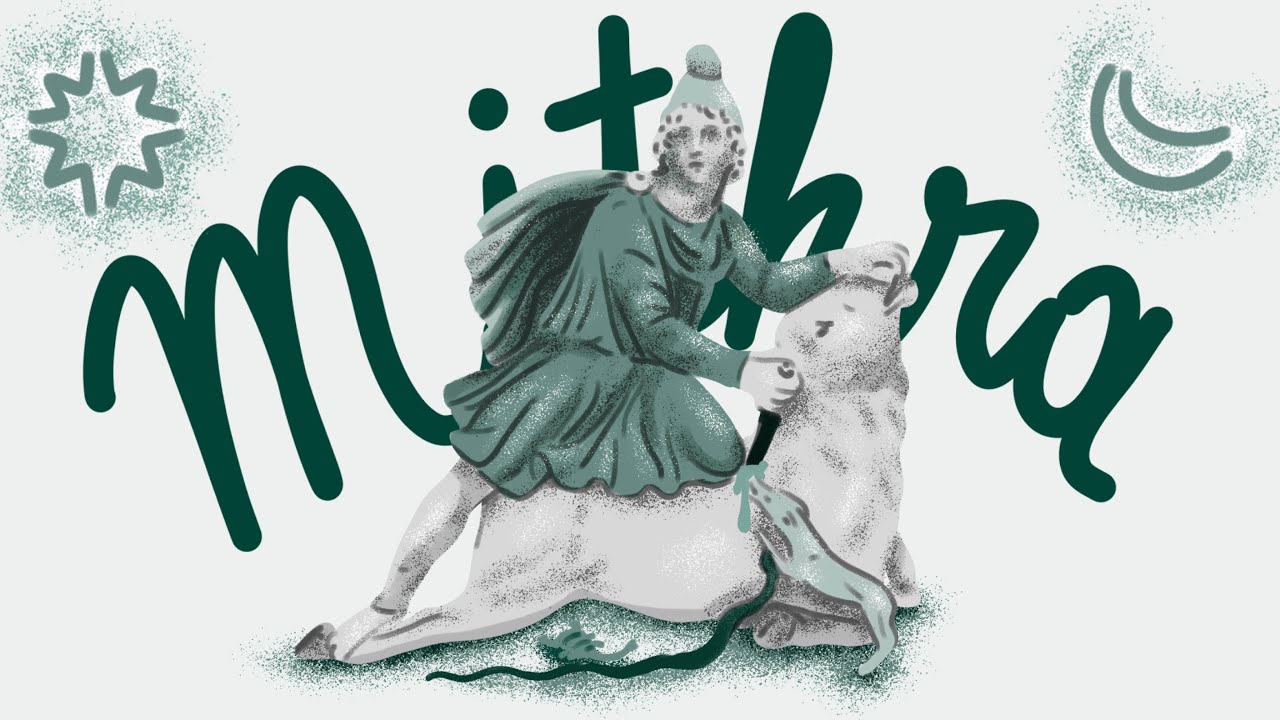
Le culte romain de Mithra. Entre réalités antiques et fantasmes contemporains ! Par Richard Veymiers, directeur du Domaine et Musée royal de Mariemont.

In this article, Chalupa examines the scant evidence that has been found for the presence of women in the Roman cult of Mithras.
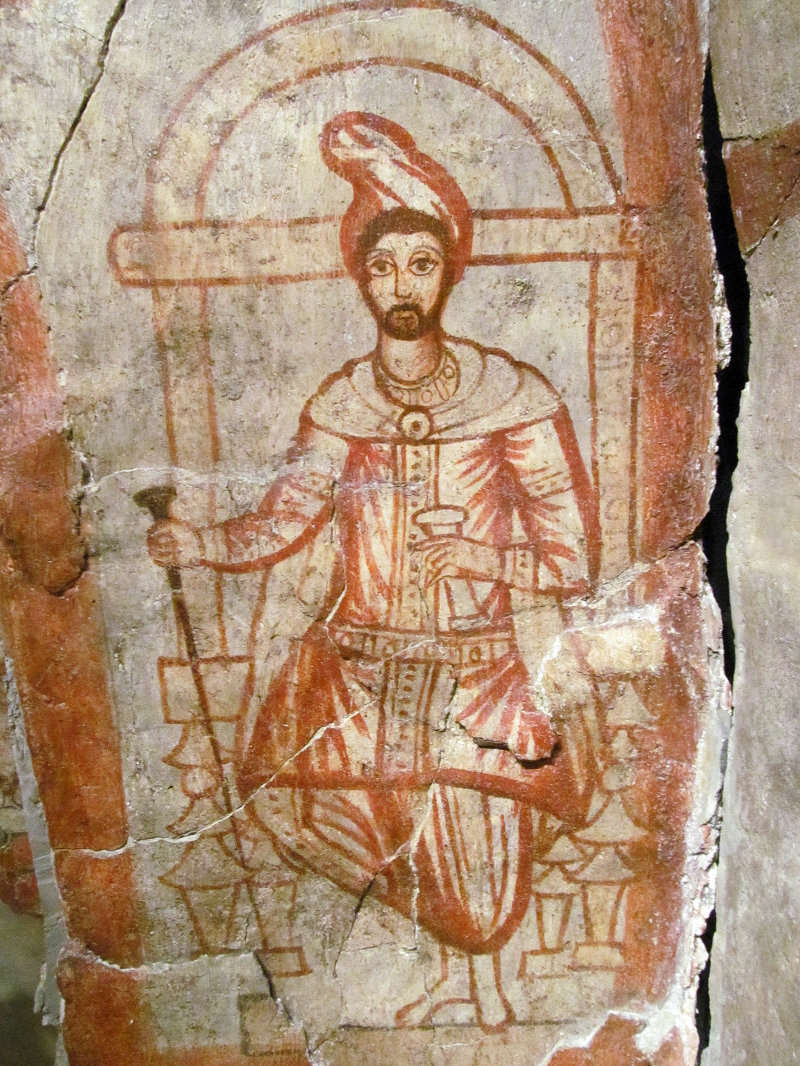
Some scholars have speculated that the scrolls both figures hold in their hands represent Eastern doctrines brought to the Western world.
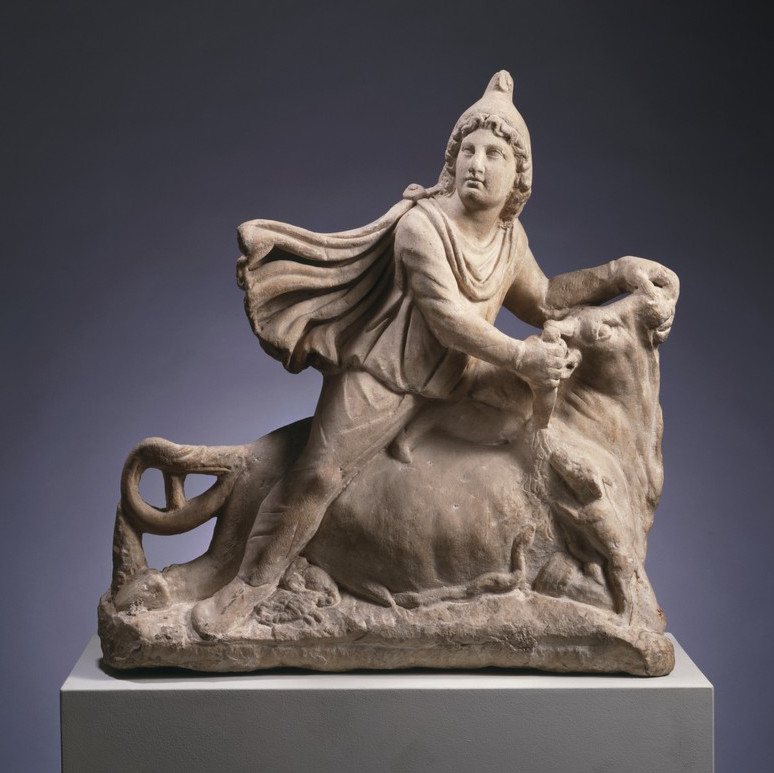
This sculpture of Mithras killing the bull may come from Rome, probably found in 1919.
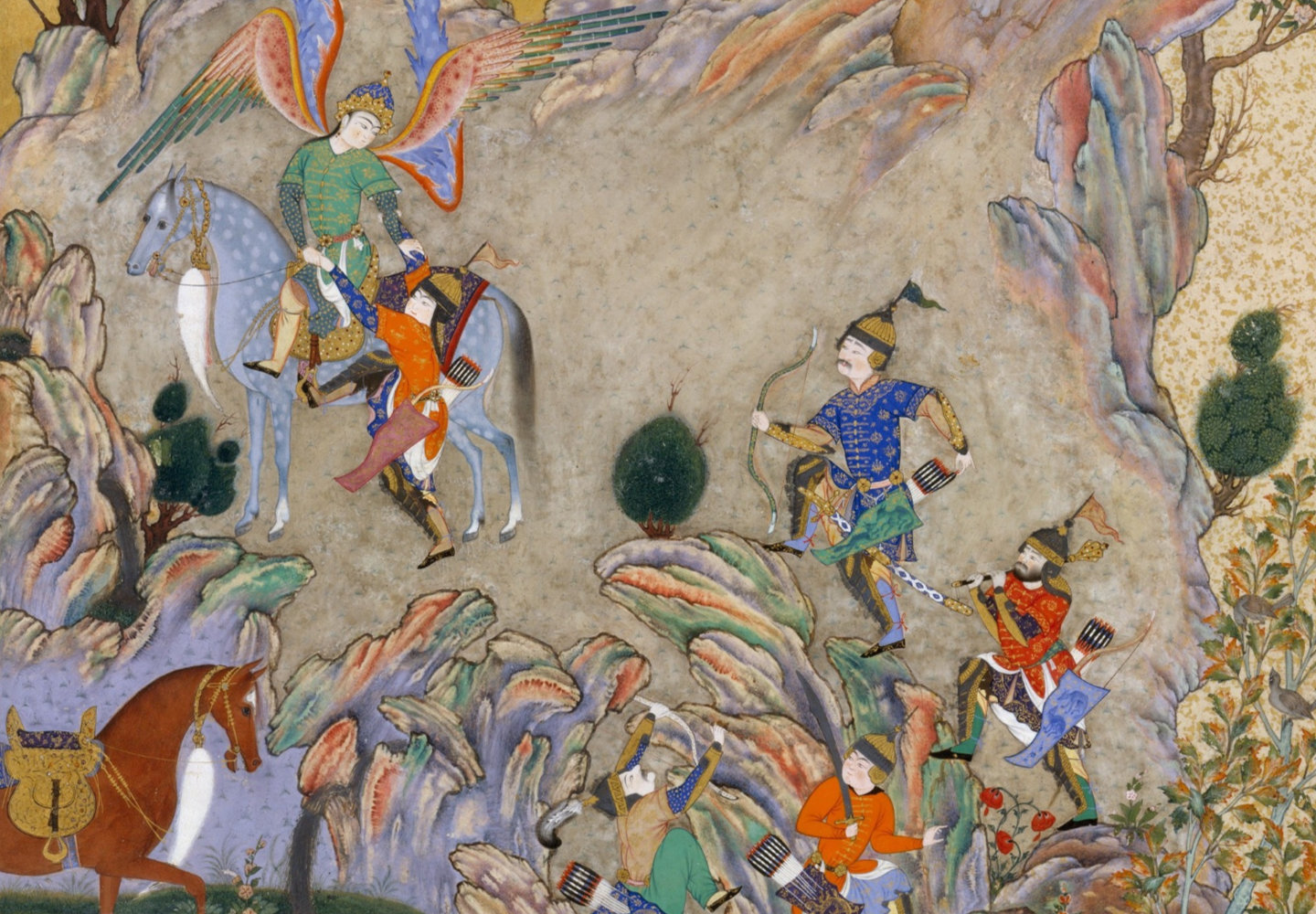
We propose to revisit a passage by the prolific author Marteen Vermaseren that highlights correspondences today forgotten between the Roman Mithras and its Eastern counterparts.
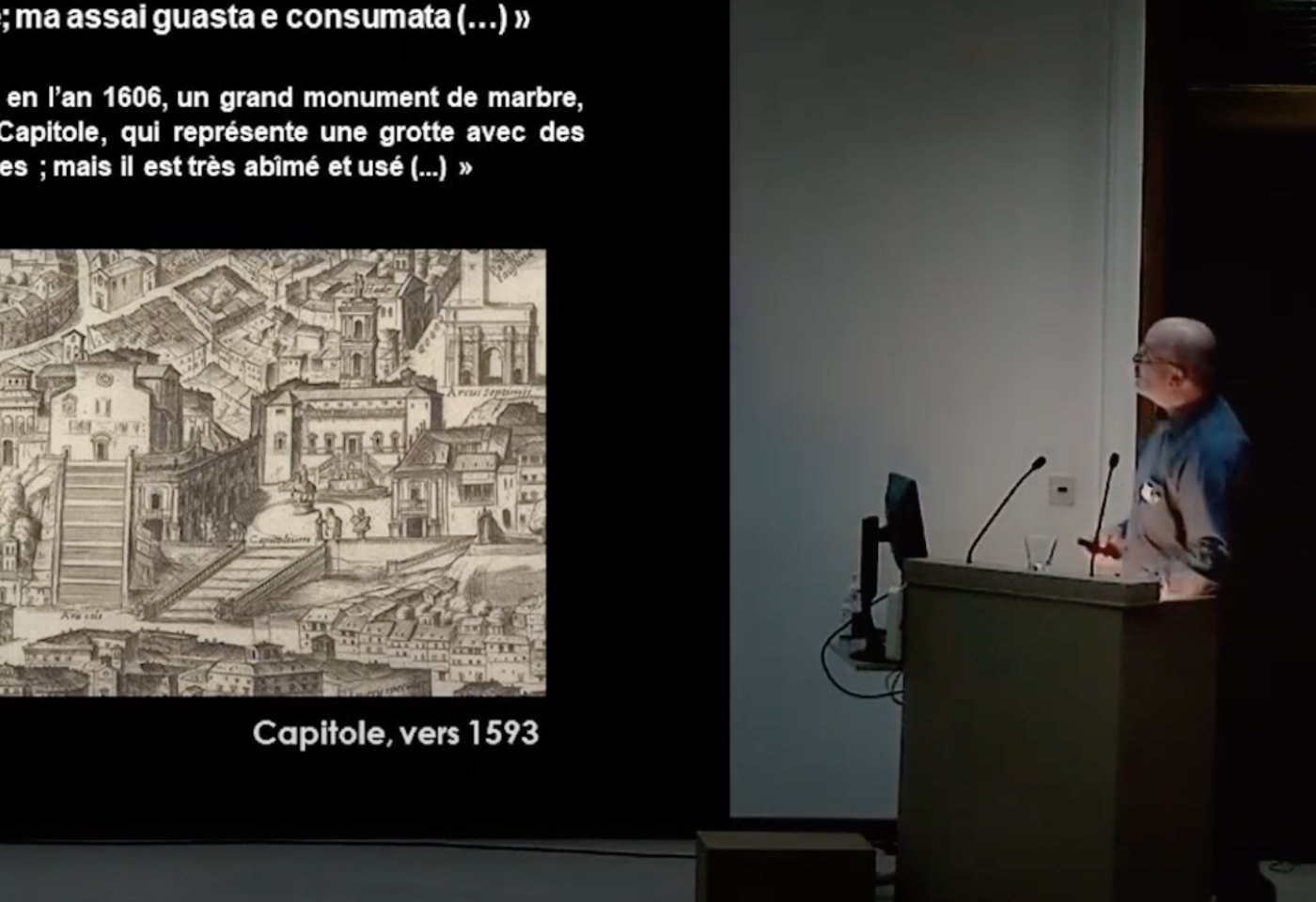
Intervention de Richard Veymiers, directeur du Musée royal de Mariemont et Laurent Bricault, de l'Université Toulouse Jean-Jaurès.
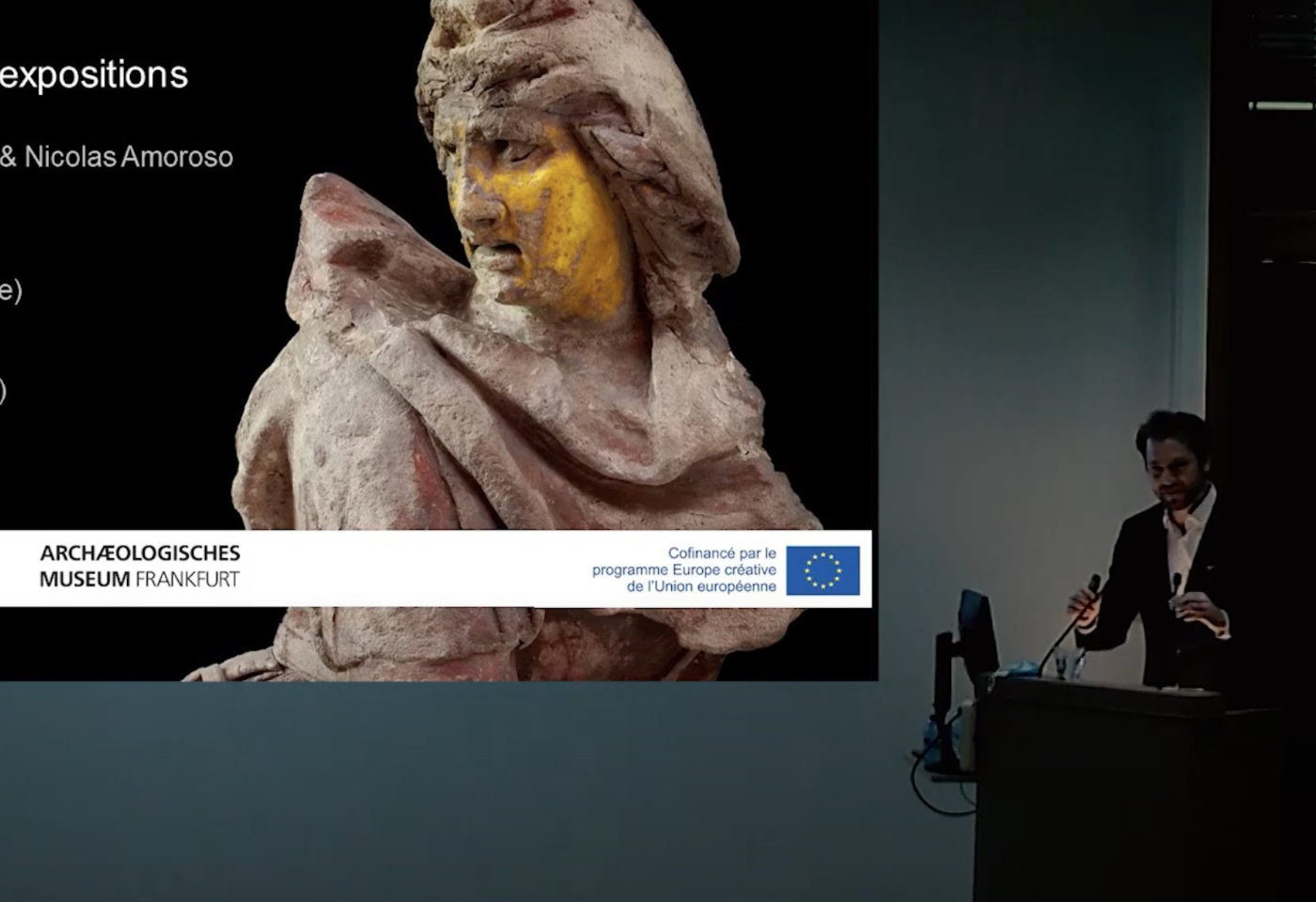
Journée scientifique du 17 décembre 2021 au Musée royal de Mariemont, dans le cadre de l’exposition 'Le Mystère Mithra. Plongée au cœur d’un culte romain'.
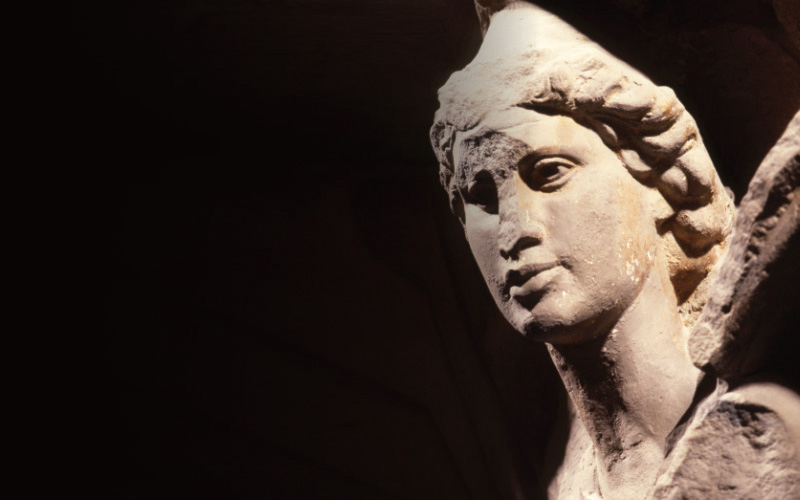
On the occasion of the exhibition, the Royal Museum of Mariemont invites five experts from Europe to emulate the research on the cult of Mithras.
.jpg)
The statue of Arimanius/Ahriman was found in 1874 under the city wall of York during the construction of the railway station.
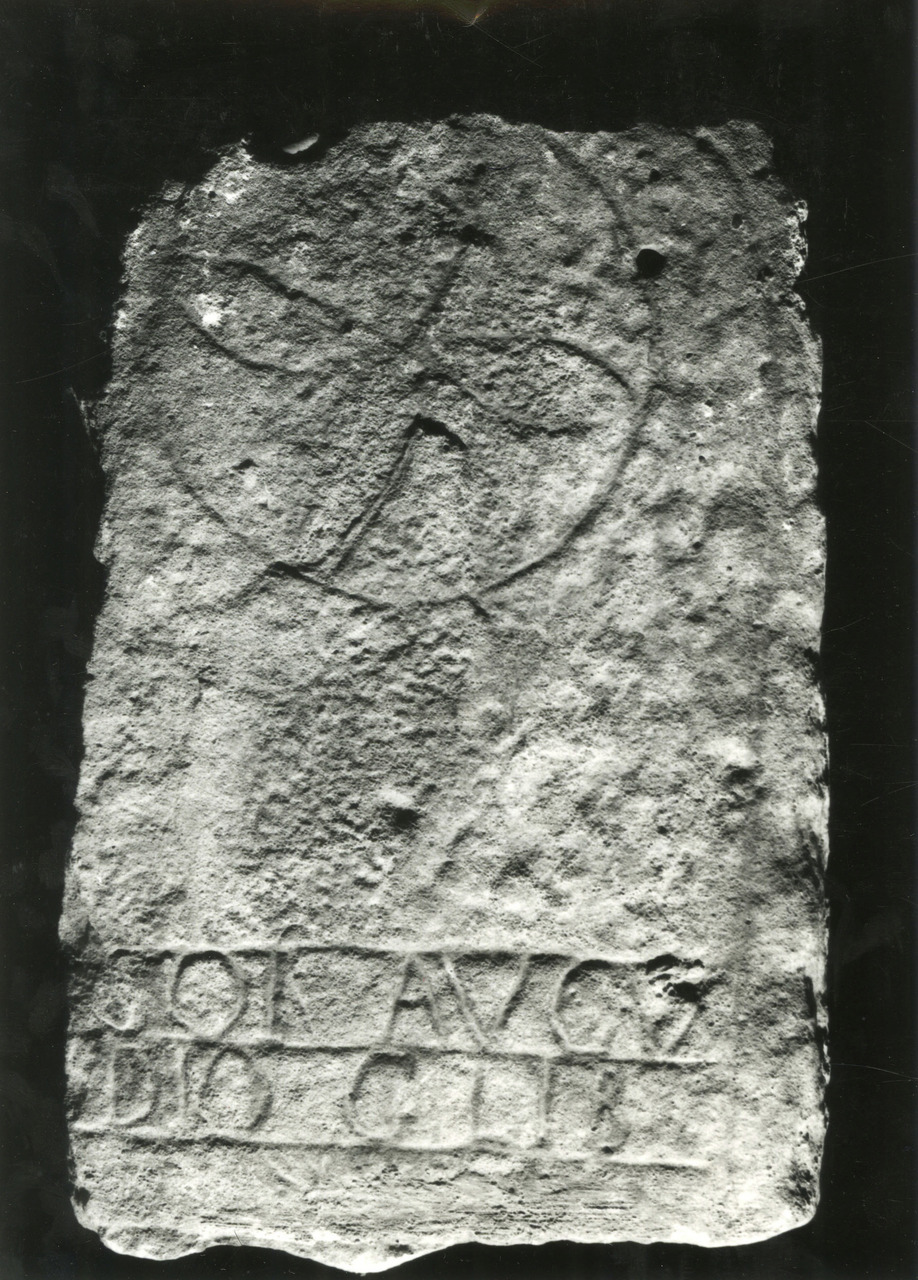
A sandstone slab found along the border of the Tagus river near Thirmarum (modern Trillo, near Cifuentes in Guadalajara), recording an inscriptoiin by a certain Cornelius, freedman of Gaius.

Early Mithraic Leo from Novae whose name has been associated with the honey symbolism of the leonine grade.

Pater sacrorum attested in a funerary inscription from Murviel-lès-Montpellier, probably connected with the Mithraic community of Nemausus.

A funerary cippus, dated to the 2nd–3rd century, commemorating Publius Anthius Logus, pater sacrorum, and erected by Cornelia, daughter of Lucius, found at Sextantio near modern Montpellier in Narbonensis.

Gem formerly published as Mithraic by Cumont but subsequently identified as depicting the Egyptian deity Besa.
Four small bronze slabs with representations of zodiac signs — a leaping ram, a running lion, a scorpion, and a fish — with remnants of iron hooks, from the Mithraic sanctuary at Angleur near Liège in Belgica.
A fragmentary inscription from Aquileia, probably dedicated to Cautopates, recording a soldier named Marcianus, optio of the Second Adiutrix Legion, who fulfilled his vow for the welfare of himself and his family.
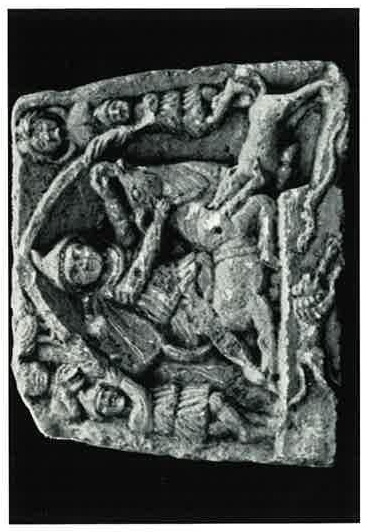
Limestone tauroctony relief from Oltenia, Dacia, of unknown exact provenance, depicting the standard bull-slaying with the full iconographic programme.
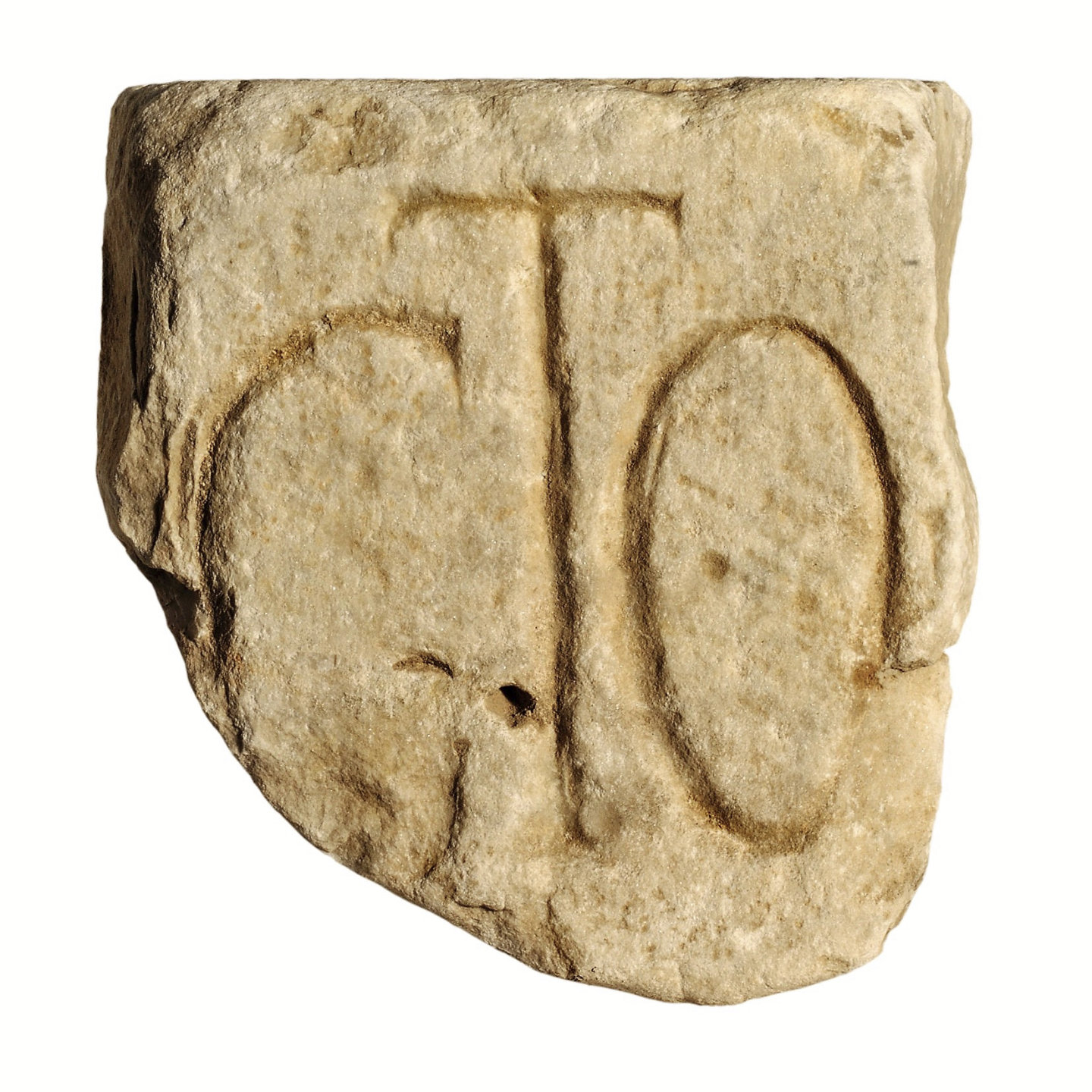
This fragment of the base of a statue from Tarragona, Spain, bears an inscription which appears to be dedicated to the invincible Mithras.
