Your search Franz-Valéry-Marie Cumont gave 197 results.
This catalogue proposes, thanks to the contributions of some 75 international experts, a new synthesis for a complex and fascinating cult that reflects the remarkable advances in our knowledge in recent decades.
Callimorphus dedicated this image of the sun god to the invincible sun ’Mythra’.
Gnostic amulet found in the ancient Agora of Athens, depicting Abraxas on one side and a Mithraic inscription on the other.
Deux extraits rapportés par Eznik de Goghp, Ve siècle, sur la création du Soleil selon les mythologies des mages.
The scholiast Lactantius Placidus comments on Statius’ passage identifying the Sun as Titan, Osiris, and Mithras, interpreting the Persian cave figure with the bull.
The Aion / Phanes relief, currently on display in the Gallerie Estensi, Moneda, is associated with two Eastern mysteric religions: Mithraism and Orphism.
The marble Aion from the lost Mithraeum Fagan, Ostia, now presides the entrance to the Vatican Library.
This inscription commemorates the building of a mithraeum in Bremenium with fellow worshippers of Mithras.
Figures in procession, each representing a different grade of Mithraic initiation, labeled with their respective titles.
The person who commanded the sculpture may have been M. Umbilius Criton, documented in the Mitreo della Planta Pedis.
This terra sigillata was found in 1926 in a grave on the Roman cemetery of St. Matthias, Trier. An eyelet indicates that it could have been hung on a wall.
Around the relief with Mithras as a bullkiller, a number of scenes from the Mithras Iegend have been painted in the Mithraeum of Dura Europos.
The mithraic relief of Konjic shows a Tauroctony in one side and a ritual meal in the other.
The epigrahy includes a mention of Marcus Aurelius, a priest of the god Sol Mithras, who bestowed joy and pleasure on his students.
This very fine relief of Mithras killing the bull was discovered in 2014 in Germán, near Sofia, Bulgaria, and is now housed in the Sofia History Museum.
This unusual bronze bust of Sabazios features multiple symbolic elements, with Mithras depicted in his characteristic pose of slaying the bull, positioned just below Sabazios’ chest.
The Mithraic relief from Baris, in present-day Turkey, shows what appears to be a proto-version of the Tauroctony, with a winged Mithras surrounded by two Victories.
This relief of Mithras killing the bull includes various singular features specific to the Danubian area.
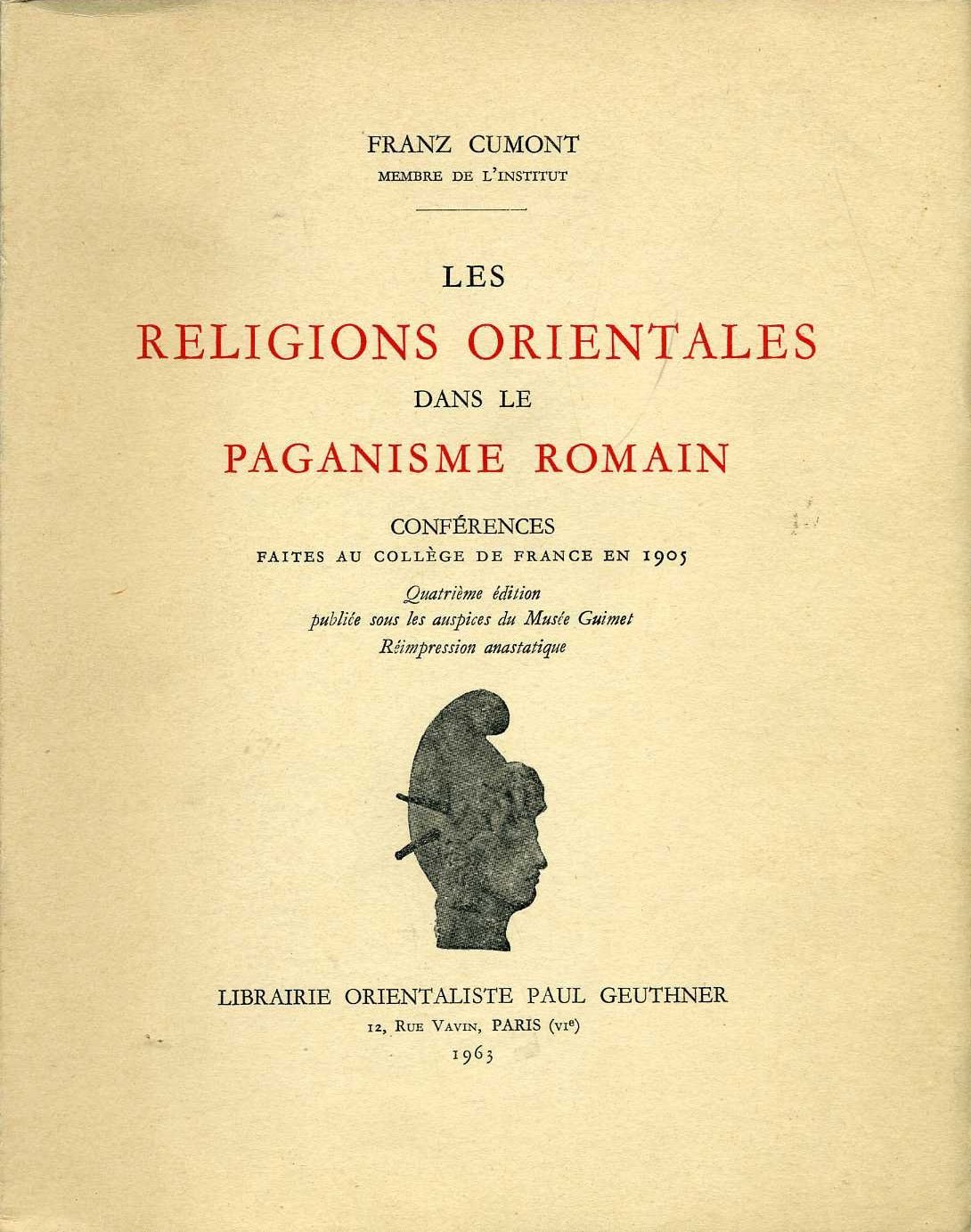
We’ve put together a new table of cross-references of monuments to Mithras in several databases, including Vermaseren’s Corpus, Cumont’s Textes, CIL, l’Année épigraphique, Clauss / Slaby and Heldeiberg’s epigraphic databases, and more…