Your search Freiberg am Neckar gave 2056 results.
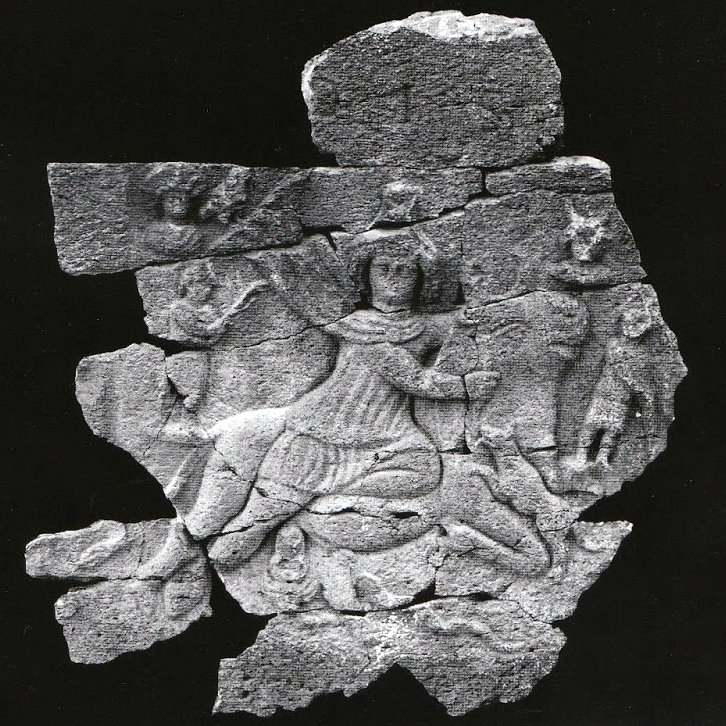
The second tauroctony of Jabal al-Druze seems to have be made by the same sculptor.

This altar, found in Tazoult تازولت, Algeria, was dedicated to the god Sol Mithras by a certain Florus.
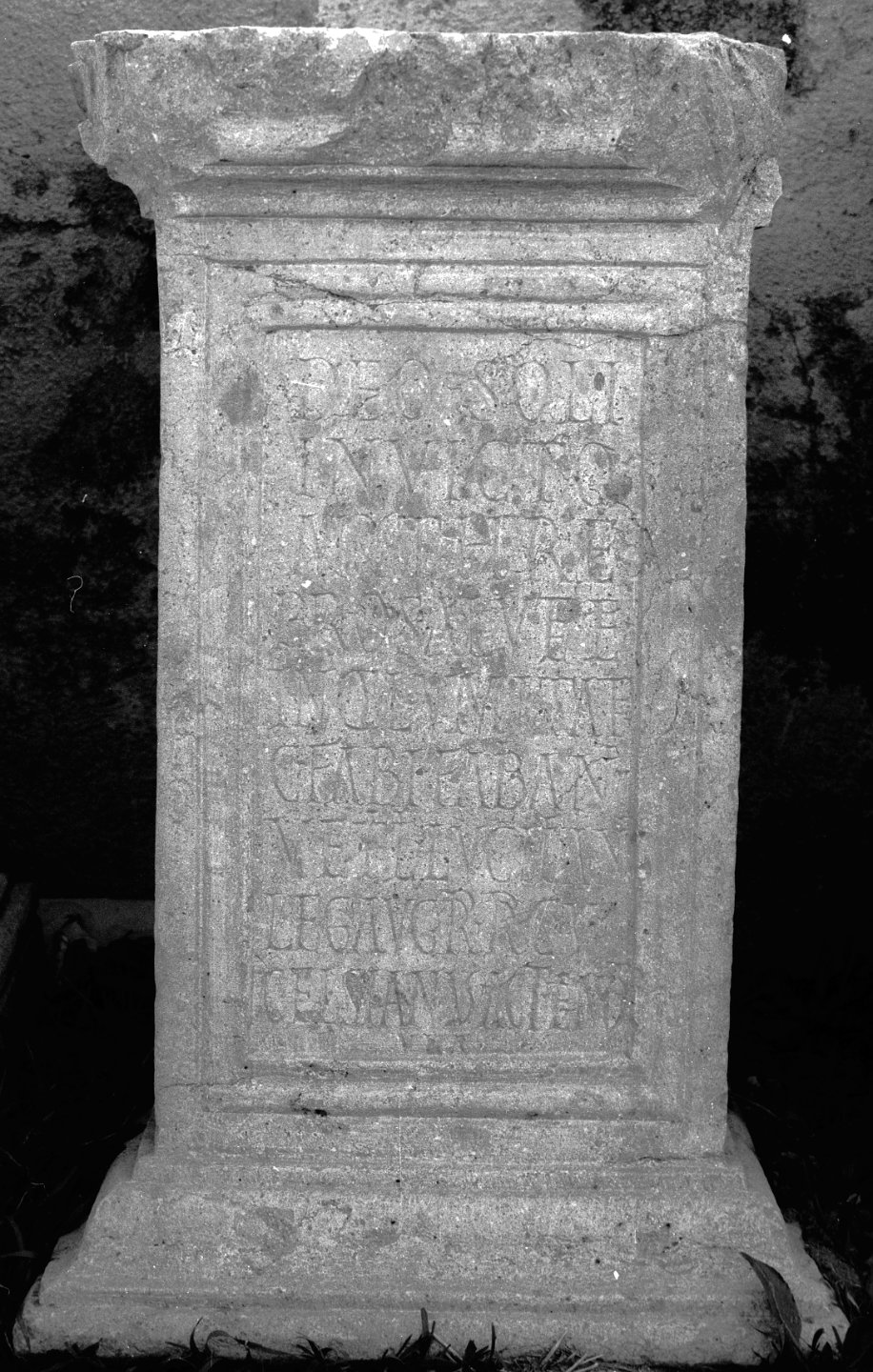
This altar found in Lambèse, now Tazoult, Algeria, bears the inscription of a certain Celsianus for the health of two men to the god Sol Unconquered Mithras.

Slab found at Tazoult-Lambèse dedicated to the Unconquered god Sol Mithras by the governor of Numidia Marcus Aurelius Decimus.
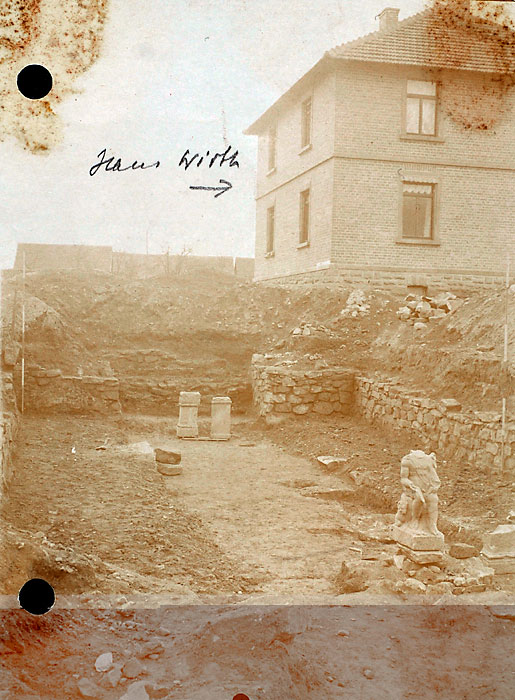
The Mithraeum I in Stockstadt contained images of Mithras but also of Mercury, Hercules, Diana and Epona, among others.
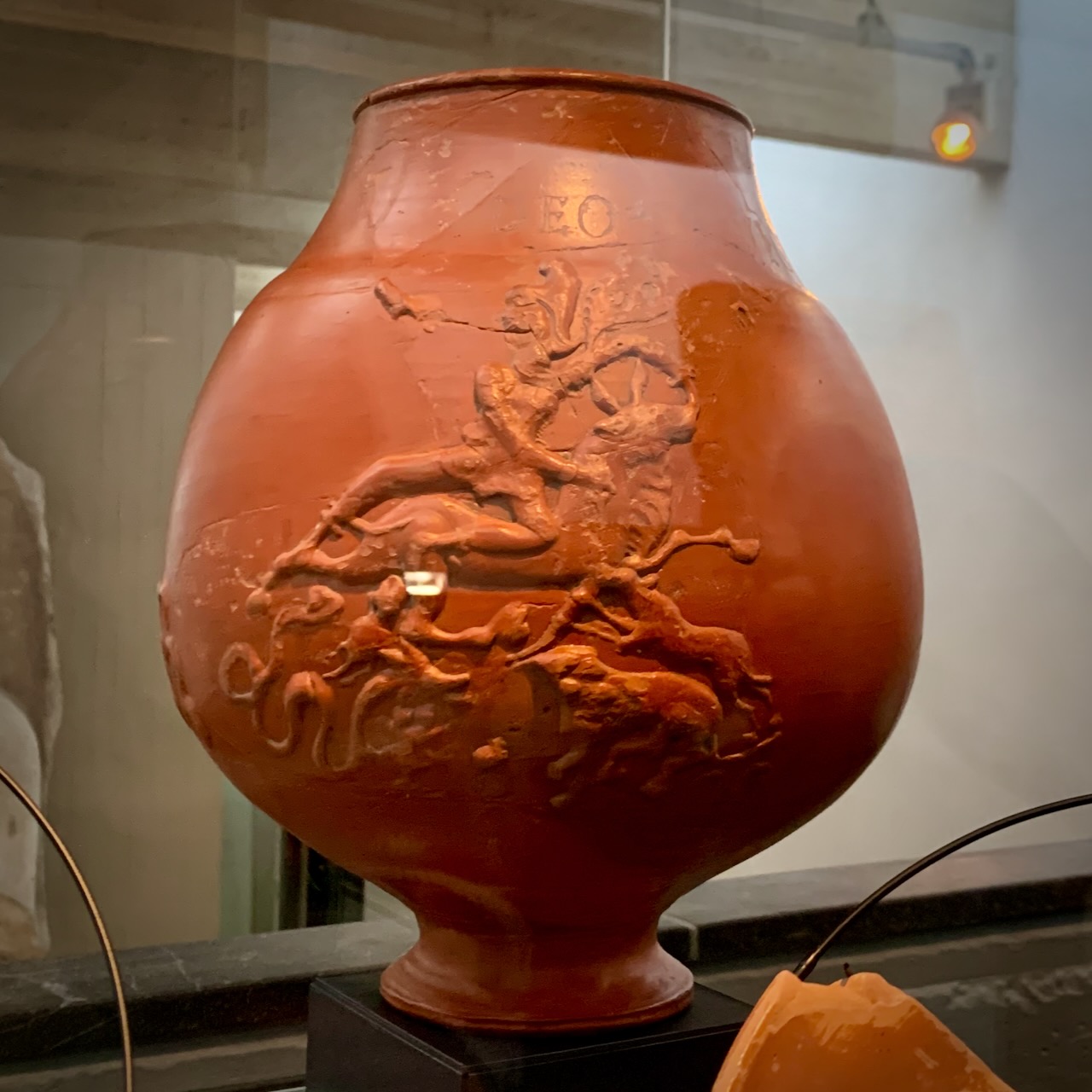
The Mühltal Mithraic crater was discovered among the artefacts of a mithraeum found in Pfaffenhoffen am Inn, Bavaria.
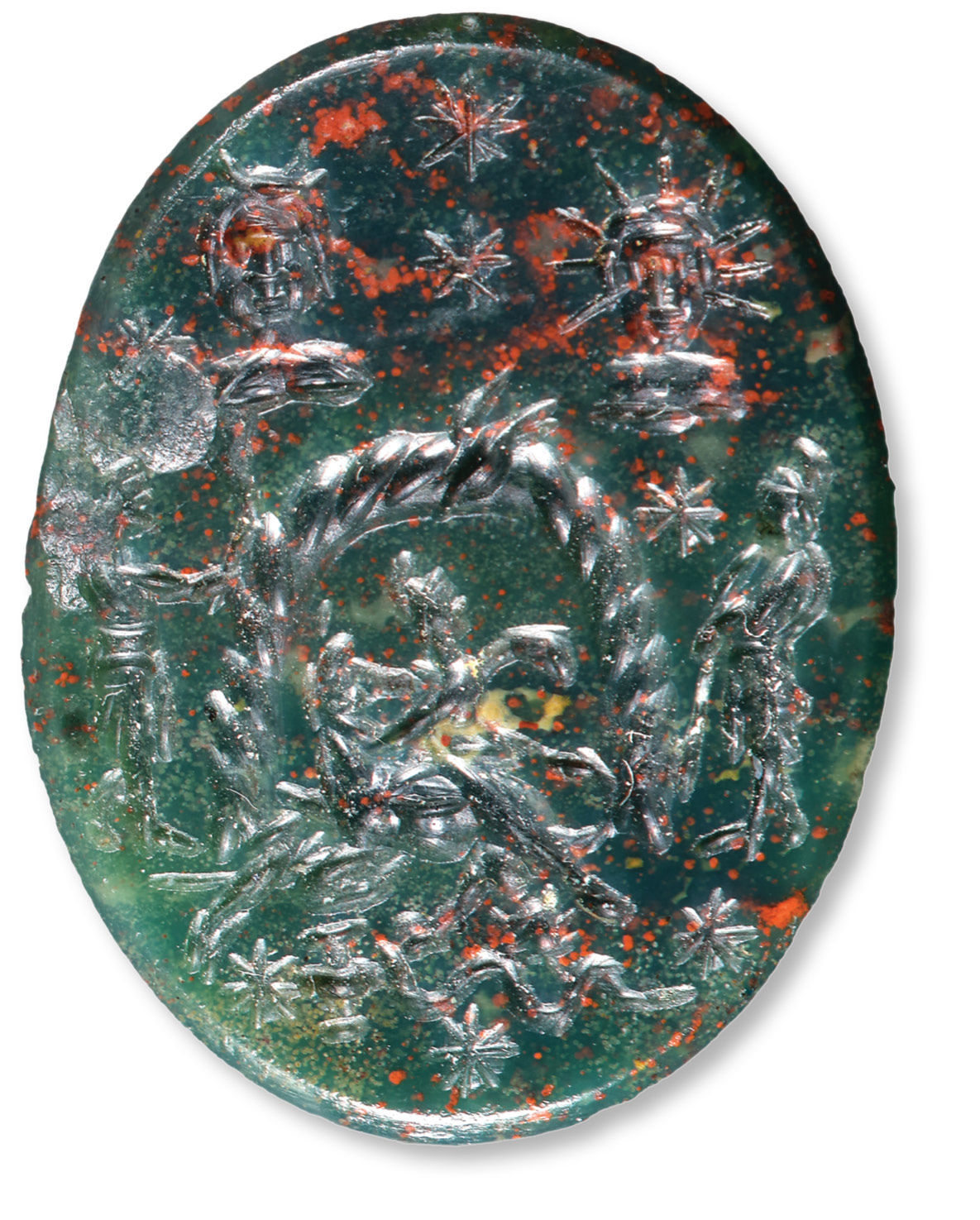
This heliotrope gem, depicting Mithras slaying the bull, dates from the 2nd-3rd century, but was reused as an amulet in the 13th century.

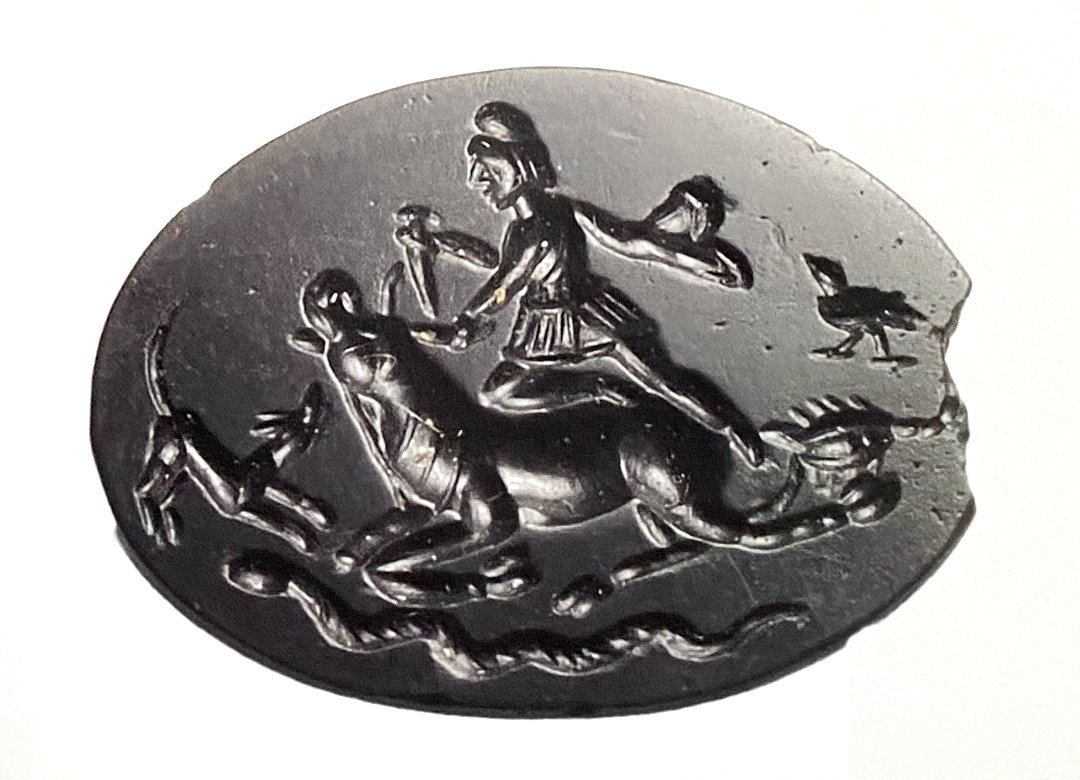
This intaglio with Mithras killing the bull on one side and Kabiros on the other was probably used as a magical amulet.
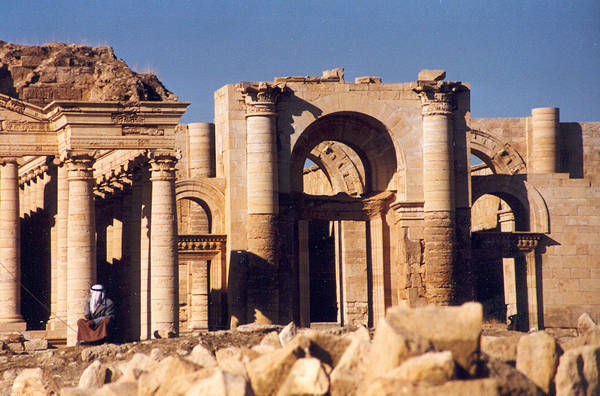
The city of Hatra was famed for its fusion of several civilization cults, which several temples devoted to gods from all Indo-European world.
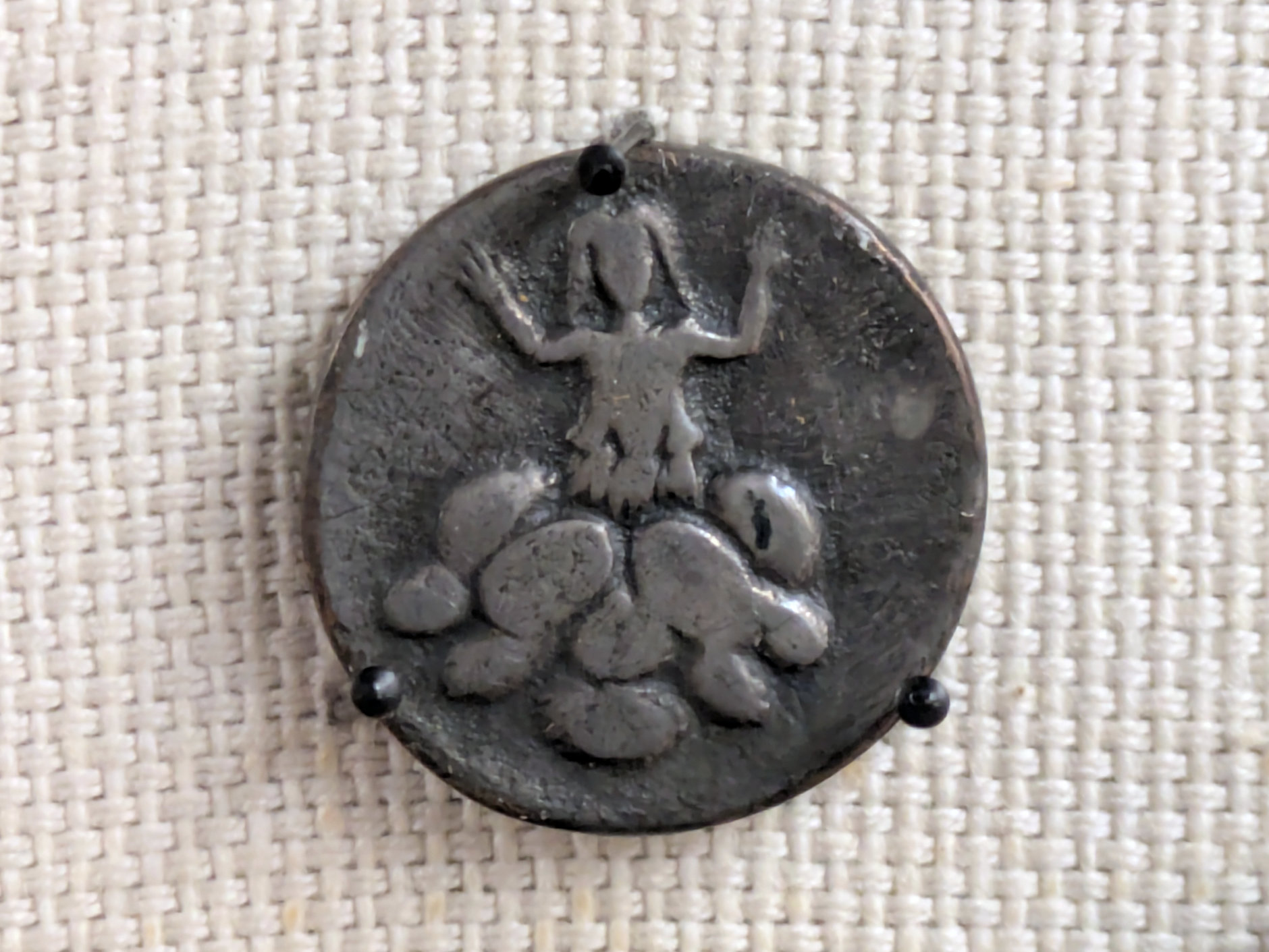
The mithraic denarius of St. Albans dates from the 2nd century.
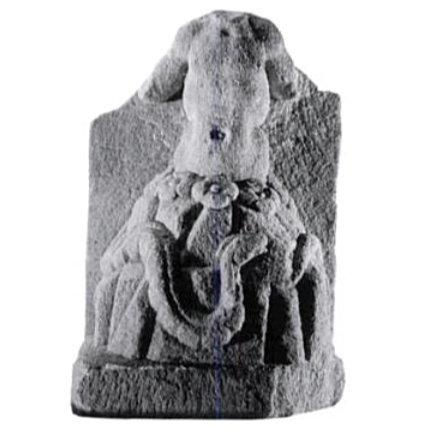
This sculpture of Mithras born from a rock was found in 1922 together with two altars in what was probably a mithraeum.

This inscription by Luccius Crispus was found near the entrance of the Mithraeum at Pamphylia.

Pergamon or Pergamum, also referred to by its modern Greek form Pergamos, was a rich and powerful ancient Greek city in Aeolis.
An inscription found in the ruins of an old stone wall at Cambeck, near Petrianae, recording a vow willingly and with merit fulfilled to Deus Sol Invictus by Sextus Severius Salvator, prefect.
Two terracotta lamps formerly in the Coll. Passeri and now probably in the Museo Olivieri at Pesaro: the first showing Mithras as a bullkiller, the second in the shape of a bull's head inscribed Μέθρα ἱερός on the horns, both regarded as probably forged…
A small bronze statuette reportedly found in Italy and now in the British Museum in London, depicting a cross-legged figure in Eastern attire (Cautopates) pointing a broken torch downwards with his right hand and holding a ram's head in his left.
A coarse-grained yellowish-white marble tauroctony relief fragment found walled in at San Zeno am Nonsberg in the Trentino in 1911, now in the Museum Ferdinandeum at Innsbruck, showing part of Mithras slaying the bull and Cautes raising a flaming torch.
A small terracotta lamp from the Mithraeum at Pons Saravi (modern Saarburg) in Belgica, bearing a beardless head on its upper surface and the inscription SOLI on its underside, found among numerous lamp fragments.
